



Air traffic controllers represent one of the most critical yet underappreciated professions in modern aviation, ensuring the flight safety of almost one billion people per year across approximately 70,000 daily flights. These highly trained professionals work under tremendous pressure where maximum concentration is required at all times, knowing there is no margin for error when human lives depend on every decision they make.
Yet despite their critical role in aviation safety, air traffic controllers often work in demanding conditions with limited public recognition for their extraordinary dedication and skill. According to research on controller well-being, 20% of air traffic controllers in the U.S. suffer from moderate to severe anxiety, while 10% show symptoms of depression—reflecting the intense stress inherent in this vital profession.
Recognition programs celebrating air traffic controllers serve multiple essential purposes: acknowledging the intense mental demands and stress these professionals navigate daily, celebrating heroic saves and exceptional safety achievements that prevent accidents, improving morale and job satisfaction in high-pressure environments, supporting recruitment and retention in a profession facing workforce shortages, and demonstrating organizational commitment to the people who ensure aviation system safety.
This comprehensive guide explores proven strategies for recognizing air traffic controllers through formal awards programs, workplace appreciation initiatives, public recognition efforts, and modern digital systems that celebrate both individual achievements and team excellence in this critical safety profession.
Effective air traffic controller recognition extends beyond generic employee appreciation—it requires understanding the unique challenges, achievements, and culture of aviation professionals while creating systematic programs that honor both exceptional saves and sustained excellence in one of the world’s most demanding professions.

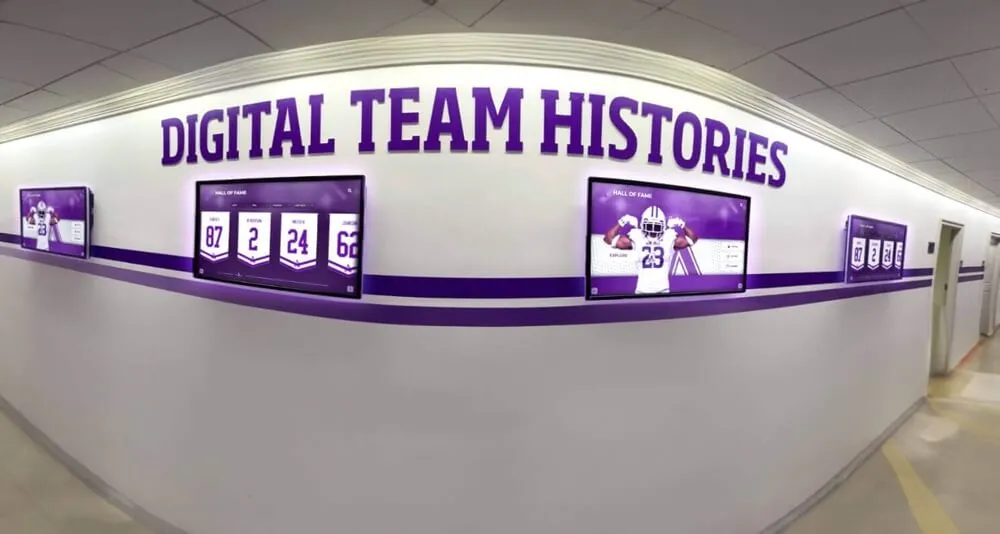
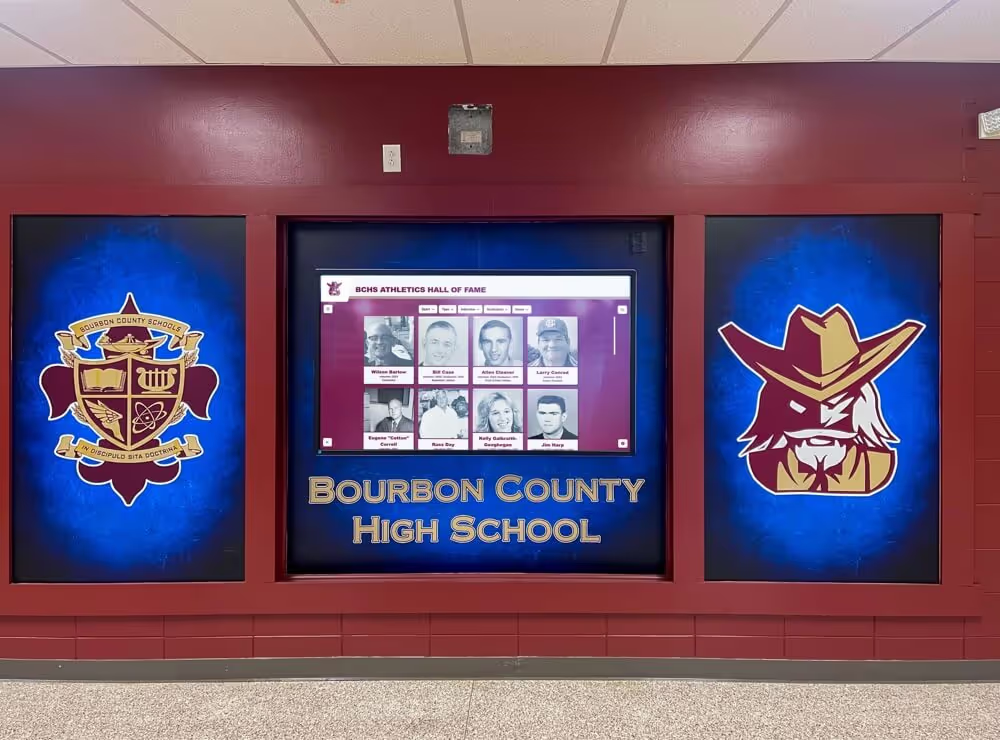
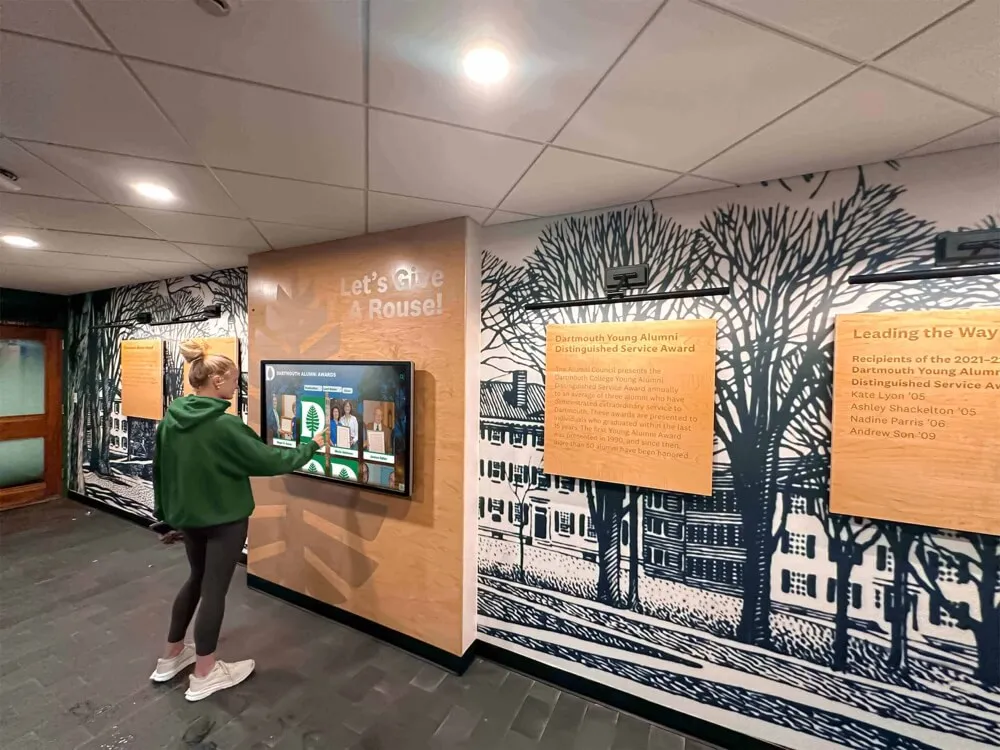
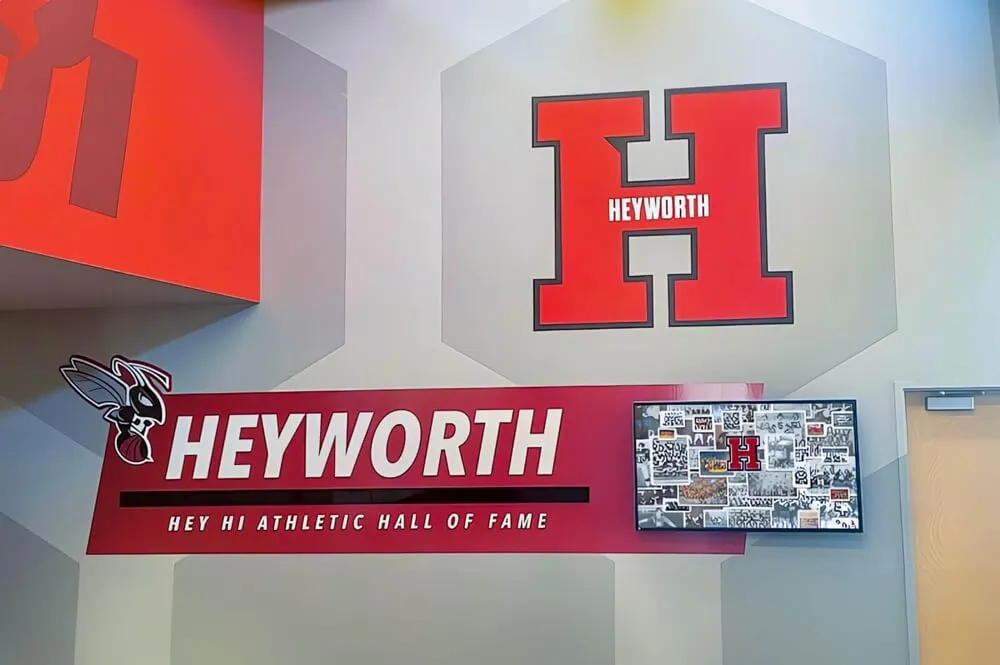
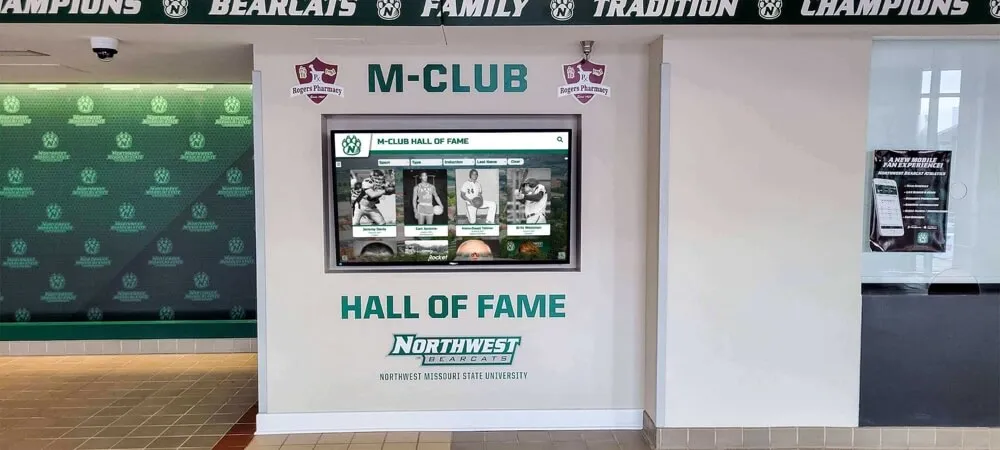
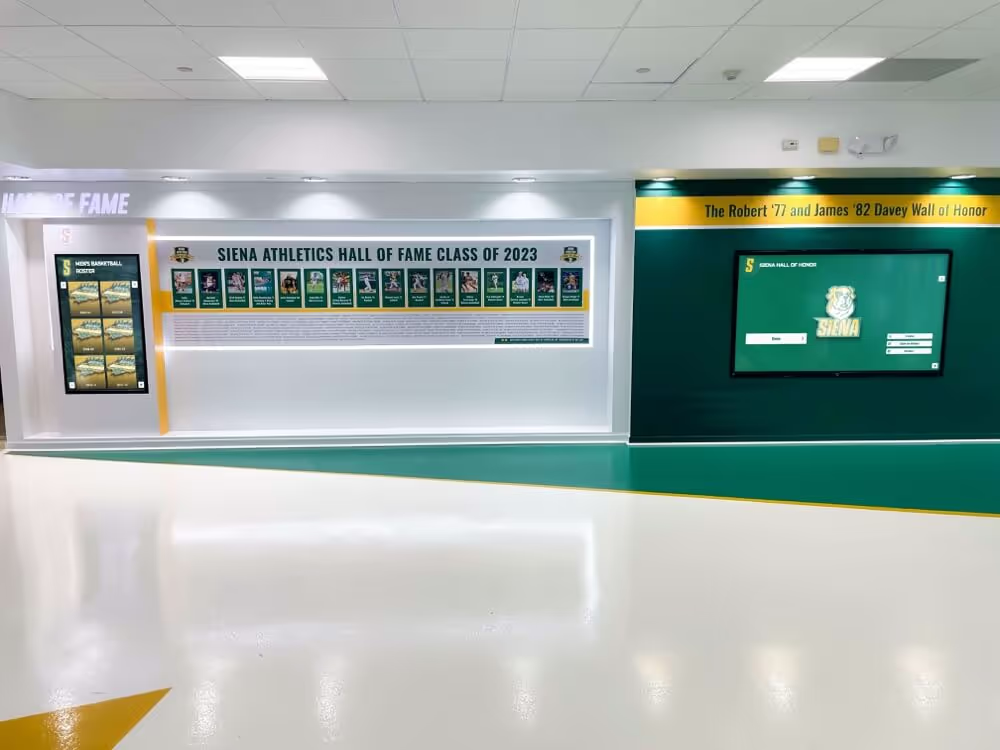
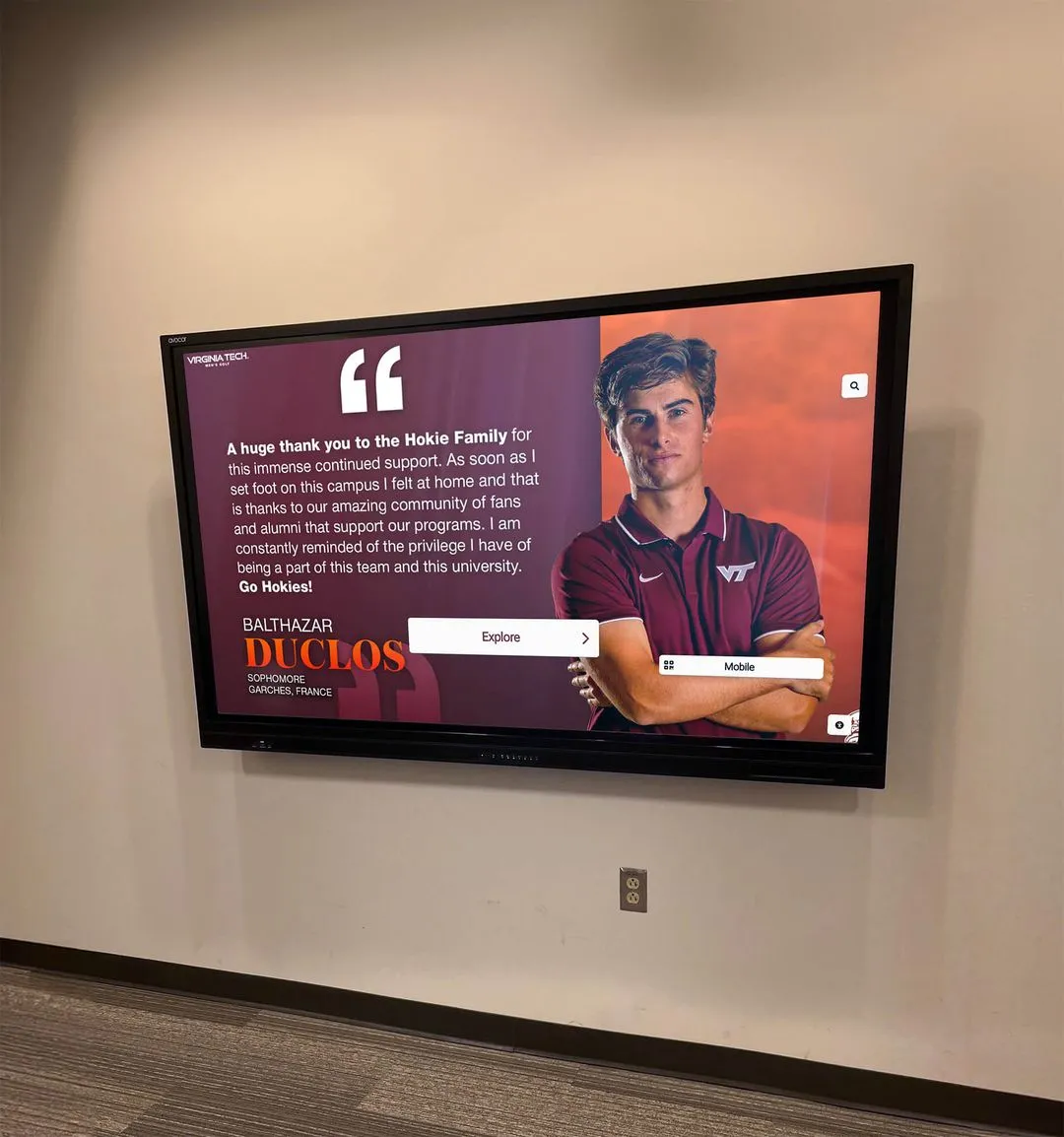
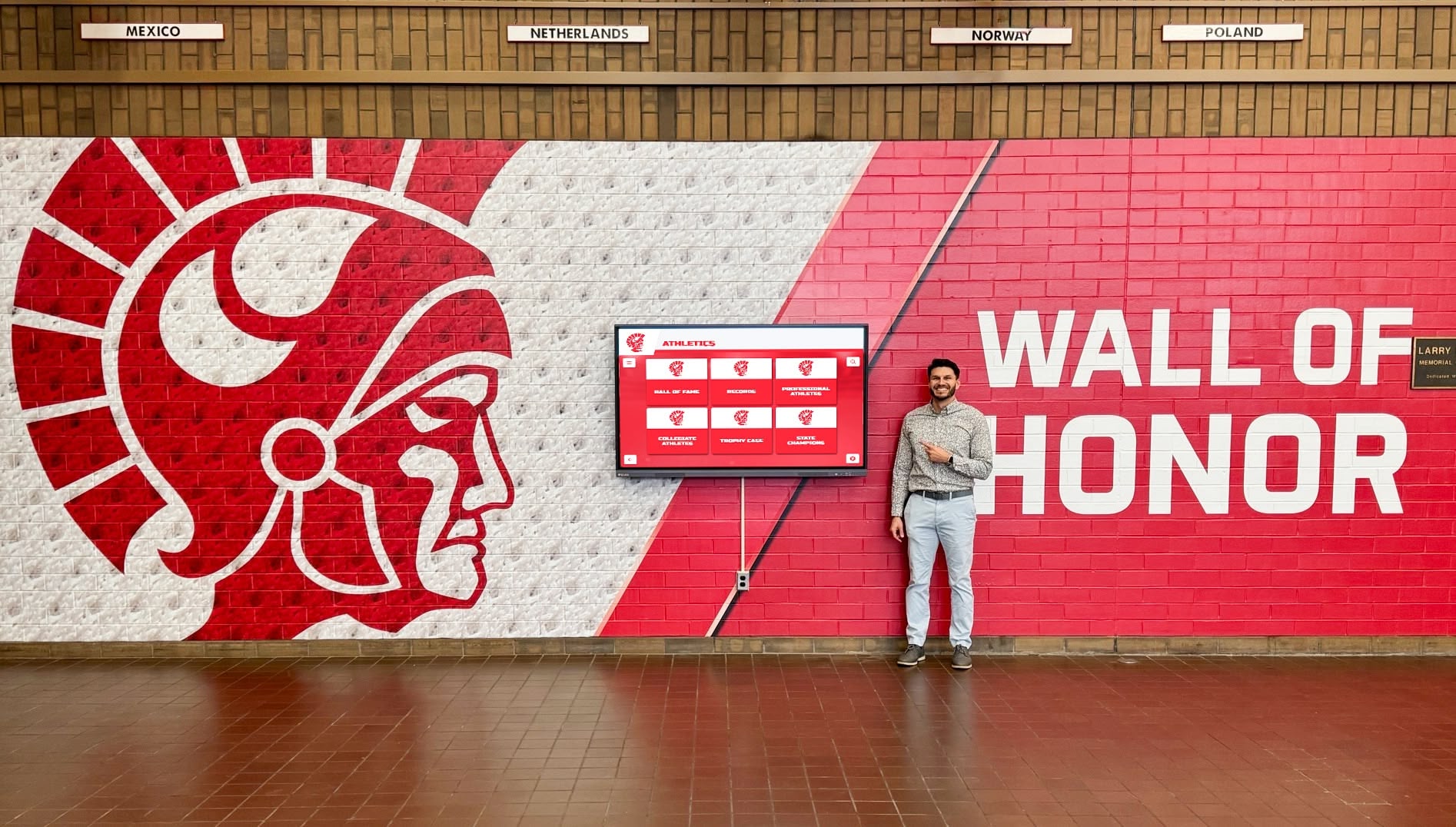
Professional recognition displays create lasting visibility for exceptional achievements and dedication
Understanding Air Traffic Controller Recognition: Why It Matters
Before implementing recognition programs, understanding the unique context of air traffic control work and its challenges helps organizations design meaningful appreciation that resonates with aviation professionals.
The Critical Nature of Air Traffic Control Work
Air traffic controllers perform work that demands exceptional skill, training, and constant vigilance.
Safety Responsibilities
Air traffic controllers’ primary concern is safety, directing aircraft efficiently to minimize delays while ensuring collision avoidance and separation standards. According to the U.S. Bureau of Labor Statistics, controllers coordinate the movement of aircraft to maintain safe distances between them, control all ground traffic at airports, issue landing and takeoff instructions, transfer control of departing flights to other traffic control centers, and inform pilots about weather conditions and runway closures.
This safety-critical work requires split-second decisions where errors could result in catastrophic consequences—creating pressure unlike most other professions.
High-Stress Work Environment
The work environment for air traffic controllers presents unique stressors including maximum concentration requirements at all times with no margin for error, irregular schedules including overnight shifts affecting sleep and health, constant monitoring of multiple aircraft simultaneously, rapid decision-making under time pressure, and responsibility for hundreds or thousands of lives during every shift.
Research published on air traffic controller job satisfaction indicates that work can be stressful because controllers know there is no margin for error, and maximum concentration is required at all times. This sustained high-stress environment makes recognition particularly valuable as acknowledgment of the mental and emotional demands controllers navigate daily.
Specialized Training and Expertise
Becoming an air traffic controller requires extensive specialized training including FAA Academy completion with rigorous certification requirements, facility-specific qualification taking months or years, continuous training to maintain certifications and skills, mastery of complex air traffic control systems and technology, and deep knowledge of aviation regulations, procedures, and protocols.
According to FAA workforce data, the complex qualification process and specialized expertise required make controllers particularly deserving of recognition celebrating their professional achievement and ongoing dedication to excellence.
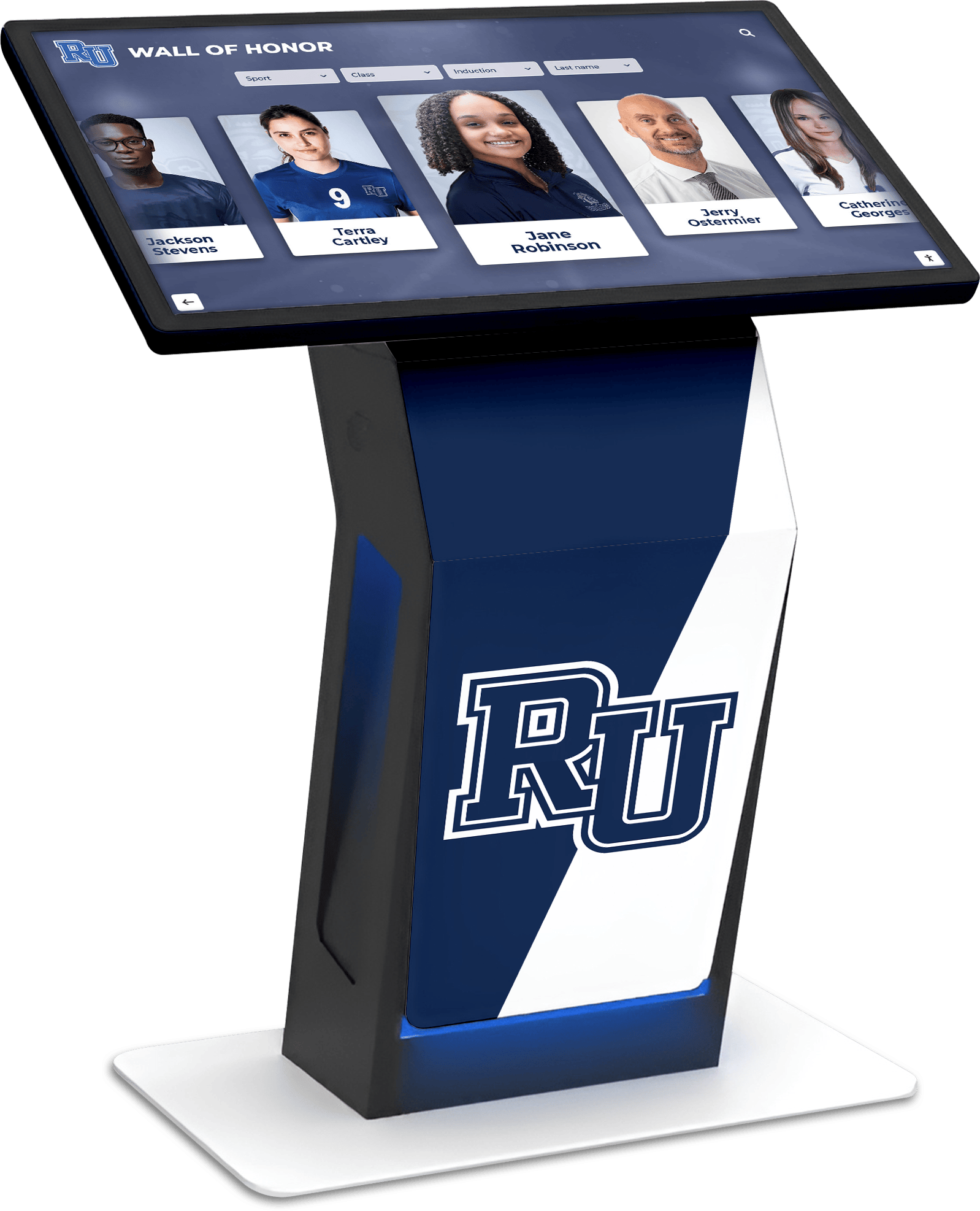
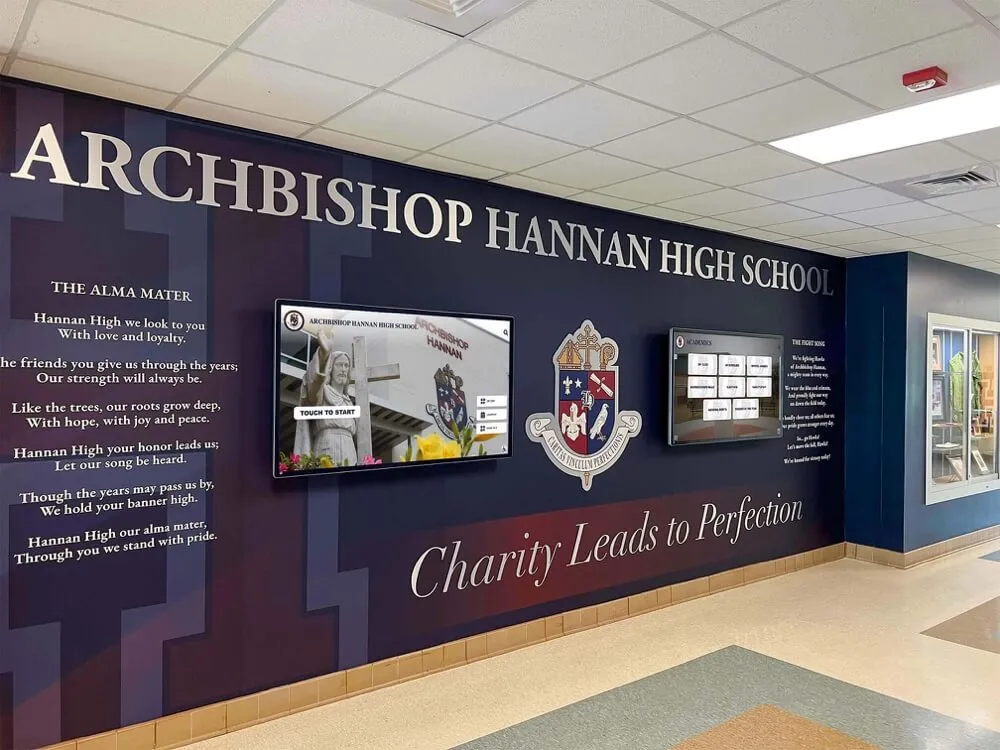
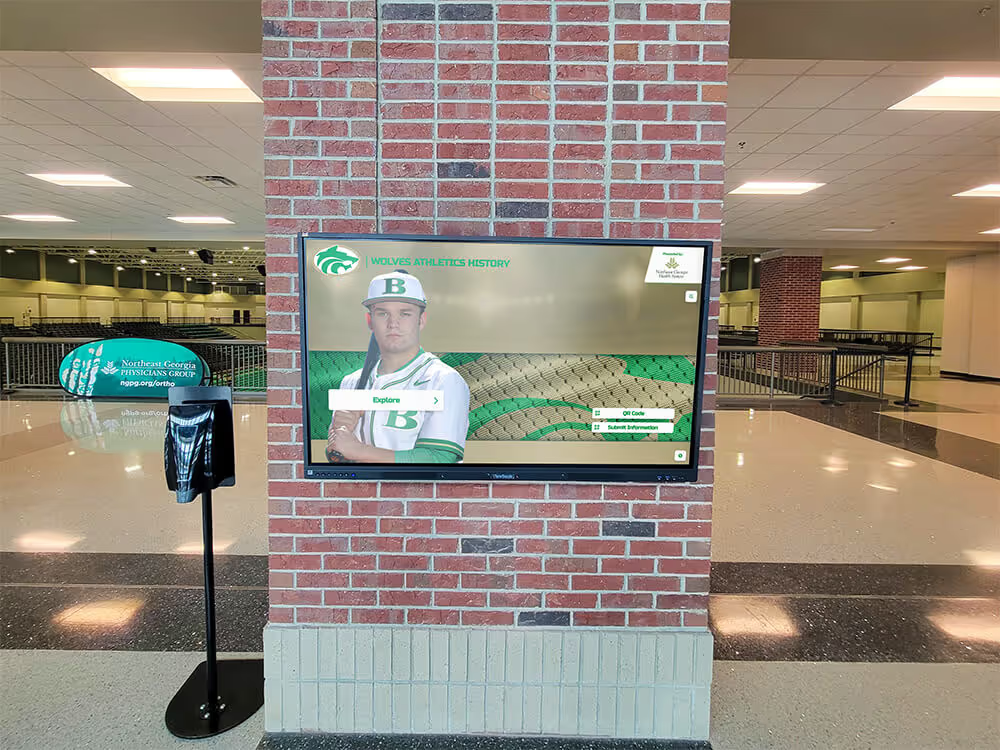
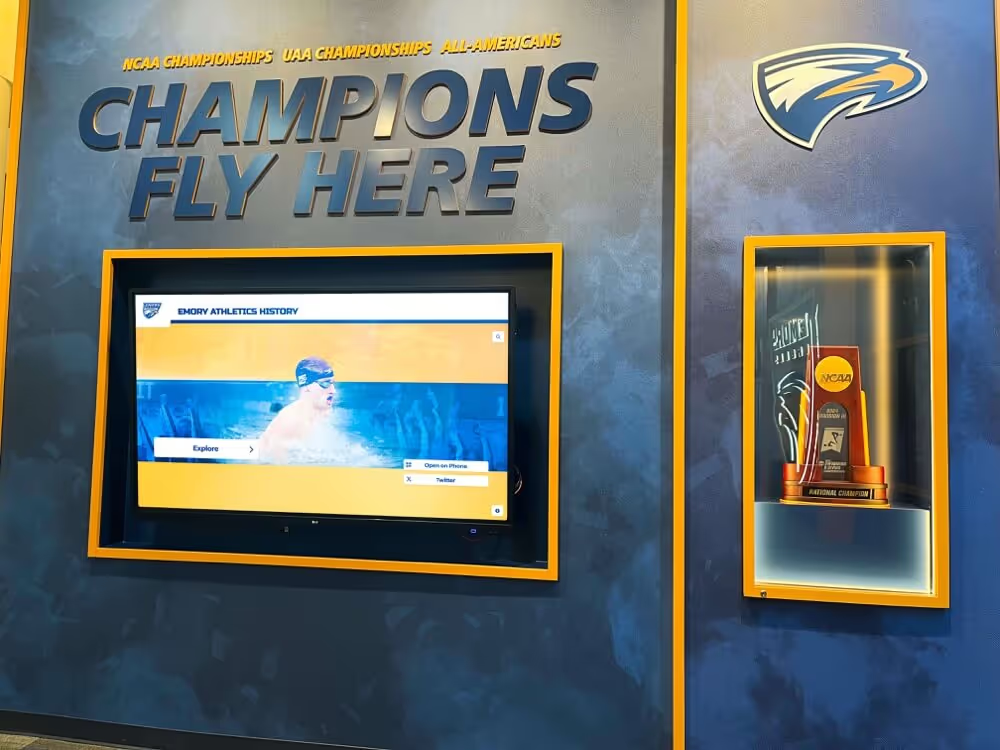
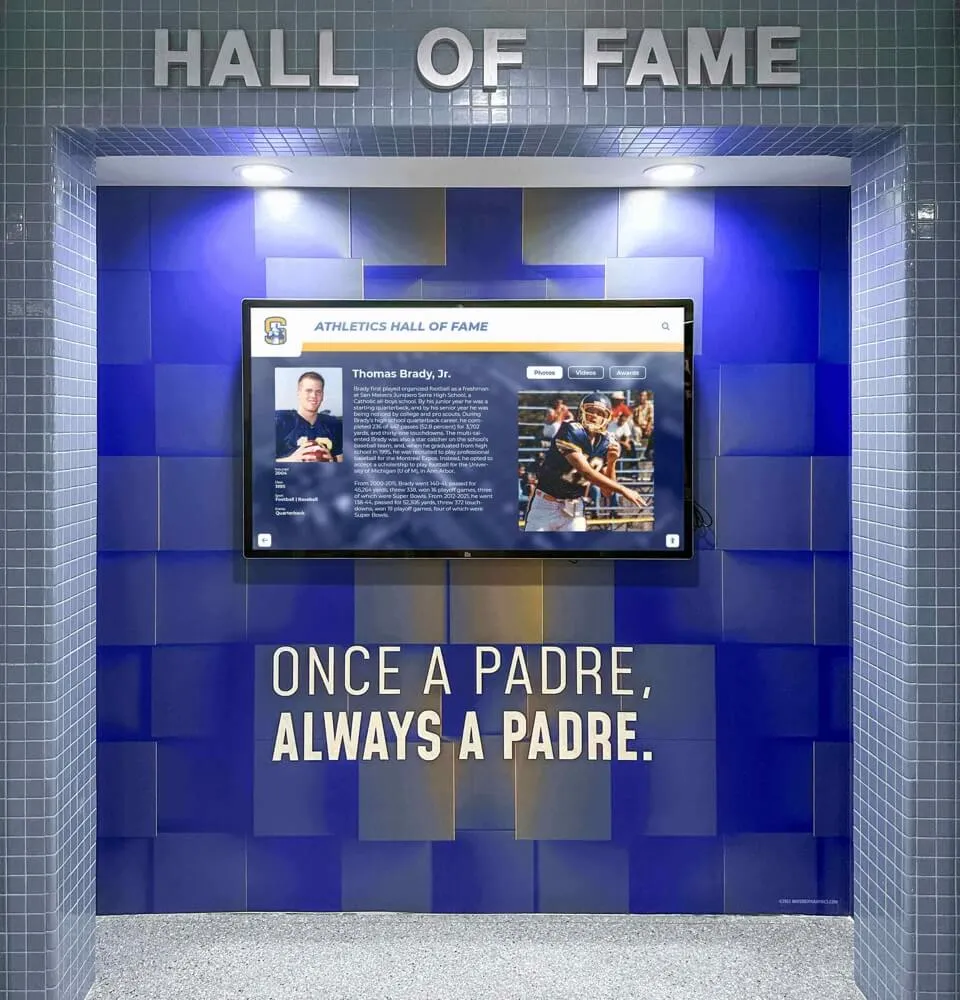
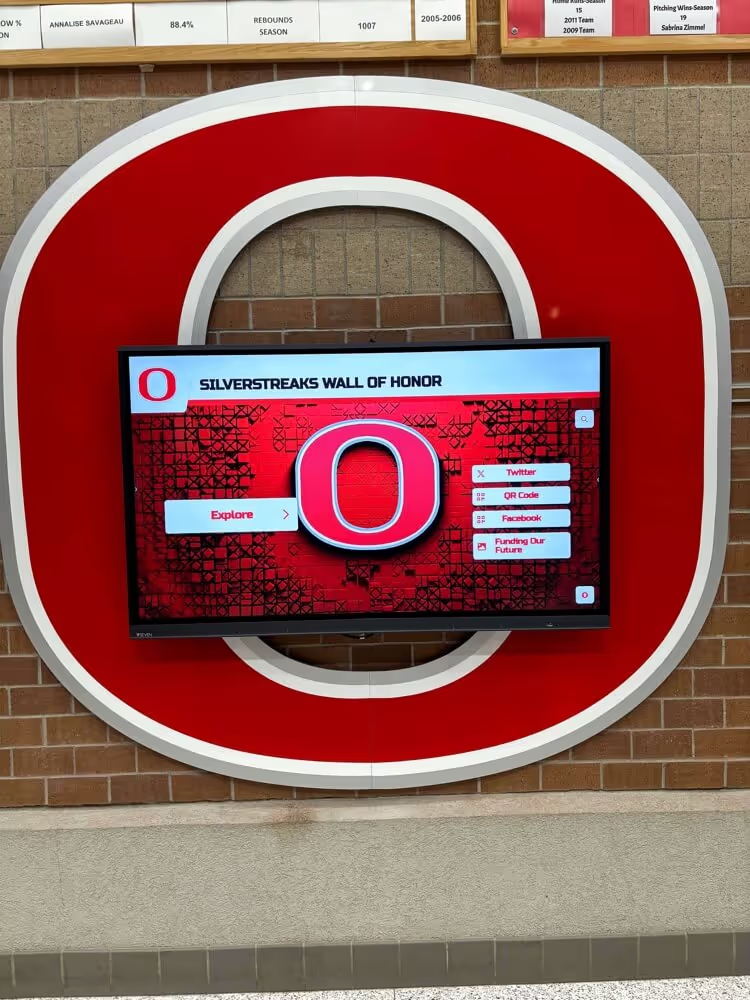
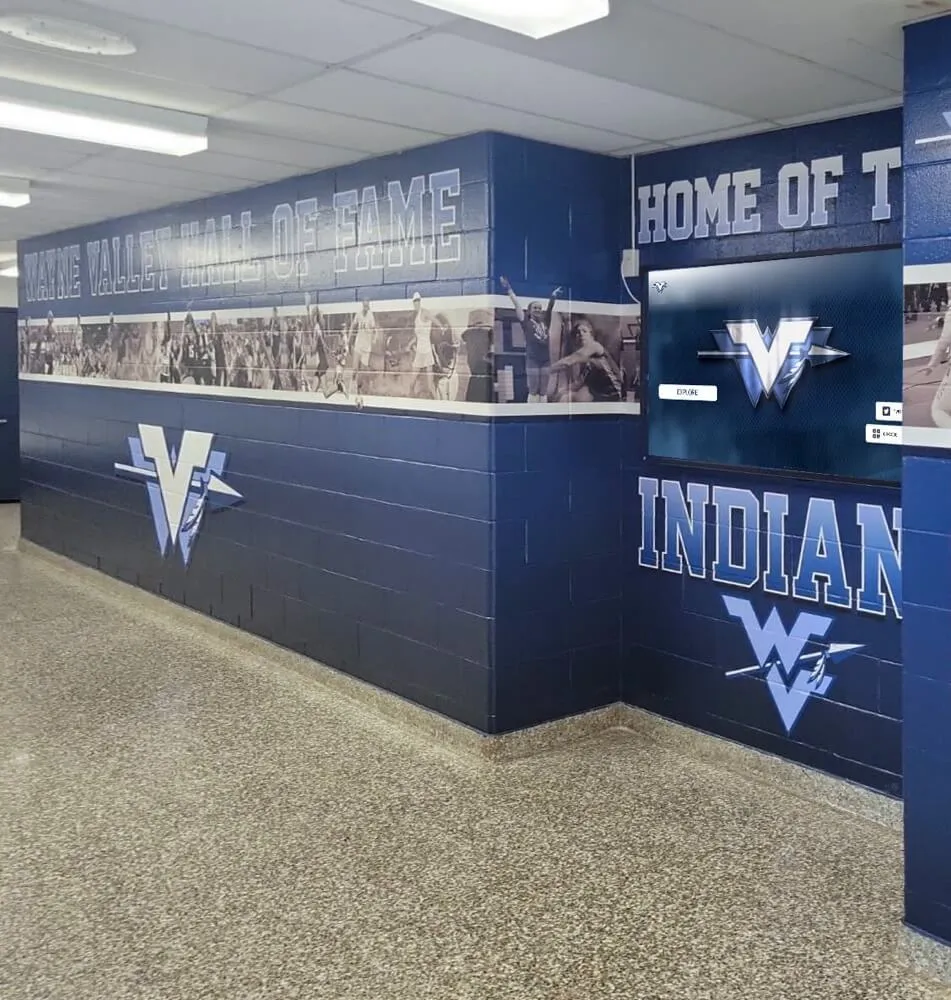
Modern recognition systems provide comprehensive platforms celebrating professional excellence
Workforce Challenges Requiring Recognition Support
The air traffic control profession faces significant workforce challenges where recognition plays a crucial role in recruitment, retention, and morale.
Controller Shortage and Retention Issues
According to analysis from workforce policy researchers, the air traffic control system faces ongoing staffing challenges with facilities operating below optimal staffing levels, controllers working mandatory overtime to cover shortages, experienced controllers reaching retirement eligibility, lengthy training timelines limiting rapid workforce expansion, and competitive private sector opportunities attracting potential candidates.
Recognition programs demonstrating organizational appreciation help retain experienced controllers while making the profession more attractive to potential recruits by celebrating achievement and creating positive workplace culture.
New Retention Incentives and Recognition
In 2025, the FAA implemented new incentive programs to improve recruitment and retention including $5,000 awards for academy graduates completing initial qualification training, $5,000 for new hires completing training successfully, $10,000 for academy graduates assigned to hard-to-staff facilities, and lump sum payments of 20 percent of basic pay for certified controllers who delay retirement.
These financial incentives complement broader recognition programs celebrating professional achievement, safety excellence, and sustained dedication throughout controller careers.
Career Development and Professional Growth
Recognition supports professional development by celebrating milestone achievements in training and certification, acknowledging leadership roles and mentorship of newer controllers, honoring contributions to safety improvements and procedure enhancements, recognizing participation in professional development programs, and highlighting excellence in specialized roles like tower, approach, or en route control.
Systematic recognition throughout career progression demonstrates that organizations value not just immediate performance but sustained professional growth and contribution across entire careers.
Major Industry Recognition Programs and Awards
The air traffic control industry has established prestigious recognition programs celebrating exceptional achievement and heroic saves by controllers and aviation safety professionals.
ATCA Awards Program
The Air Traffic Control Association (ATCA) operates one of the most respected recognition programs in the aviation industry.
Program Overview and Purpose
According to ATCA, awards recognize outstanding achievement by persons and organizations engaged in the development, operation, or maintenance of the worldwide air traffic control system. The program celebrates heroic air traffic control saves, industry contributions and innovation, military air traffic control excellence, and National Airspace System (NAS) safety achievements.
Nominations are open from June 12th through August 18th annually, with finalists announced in October and winners honored at ATCA’s Fall Conference in Washington, DC. This timing creates anticipation while ensuring thorough evaluation of nominees across the aviation community.
Major ATCA Award Categories
Key awards include the General E. R. Quesada Memorial Award for Outstanding Civilian ATC Manager of the Year recognizing exceptional leadership, David J. Hurley Memorial Award for Aviation Traffic Management excellence, ATCA Award for Exceptional Service celebrating outstanding contributions, military recognition awards for armed forces air traffic control professionals, and safety awards recognizing accident prevention and safety improvements.
In recent years, the ATCA Award for Exceptional Service recognized the Kissimmee Gateway Airport staff who implemented safety improvements reducing runway incursions by over 75%—demonstrating how recognition celebrates measurable safety outcomes.
Nomination and Selection Process
The awards program maintains credibility through rigorous processes with eligibility open to any properly nominated individual or group regardless of ATCA membership, nomination periods allowing adequate time for submission preparation, review committees evaluating nominees against established criteria, finalist selection from qualified nominees across categories, and formal recognition ceremonies at annual conferences providing appropriate visibility and celebration.
This inclusive, transparent approach ensures recognition goes to truly deserving recipients based on merit rather than simply organizational affiliation.
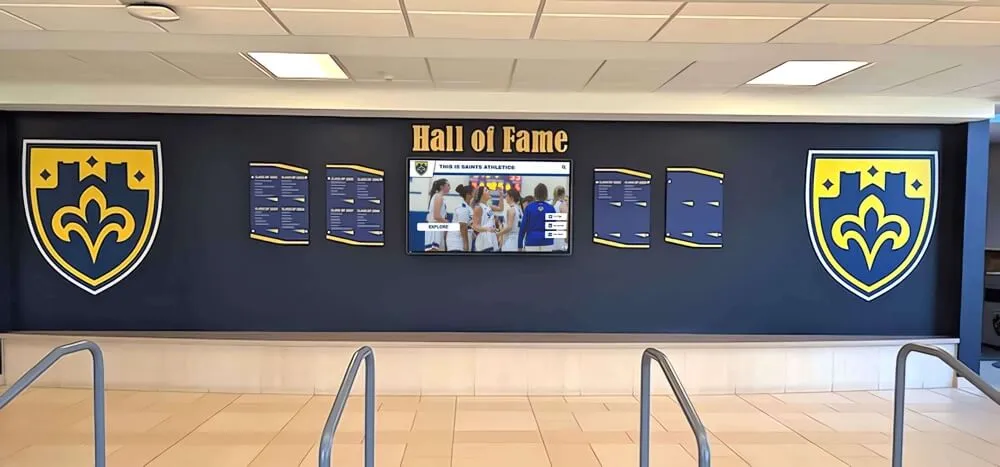
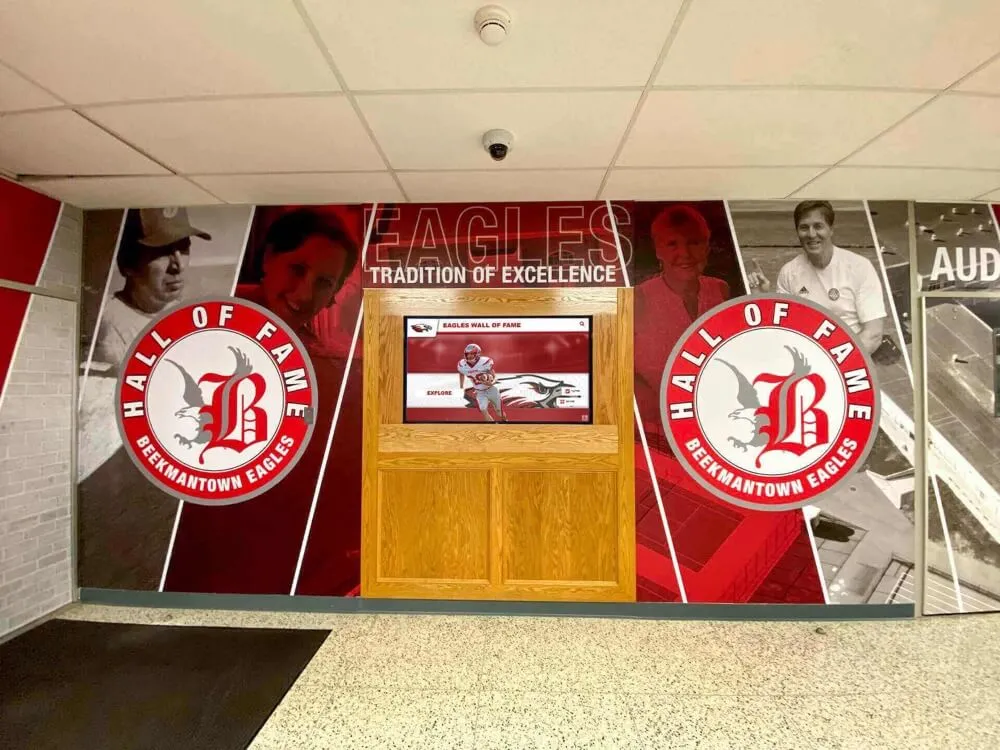
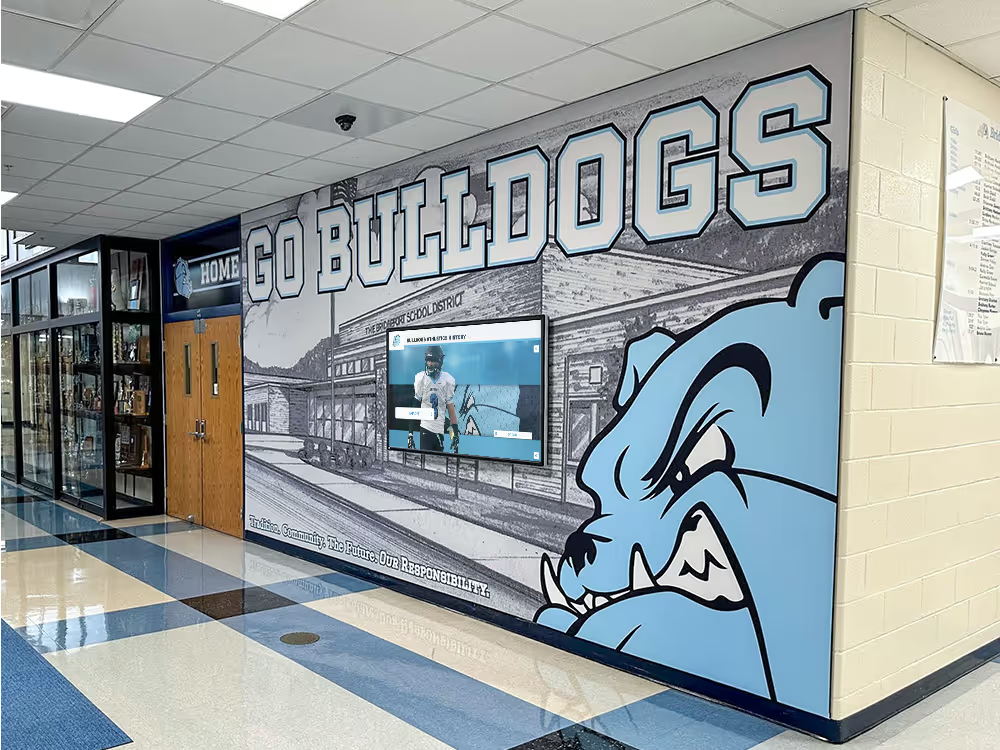
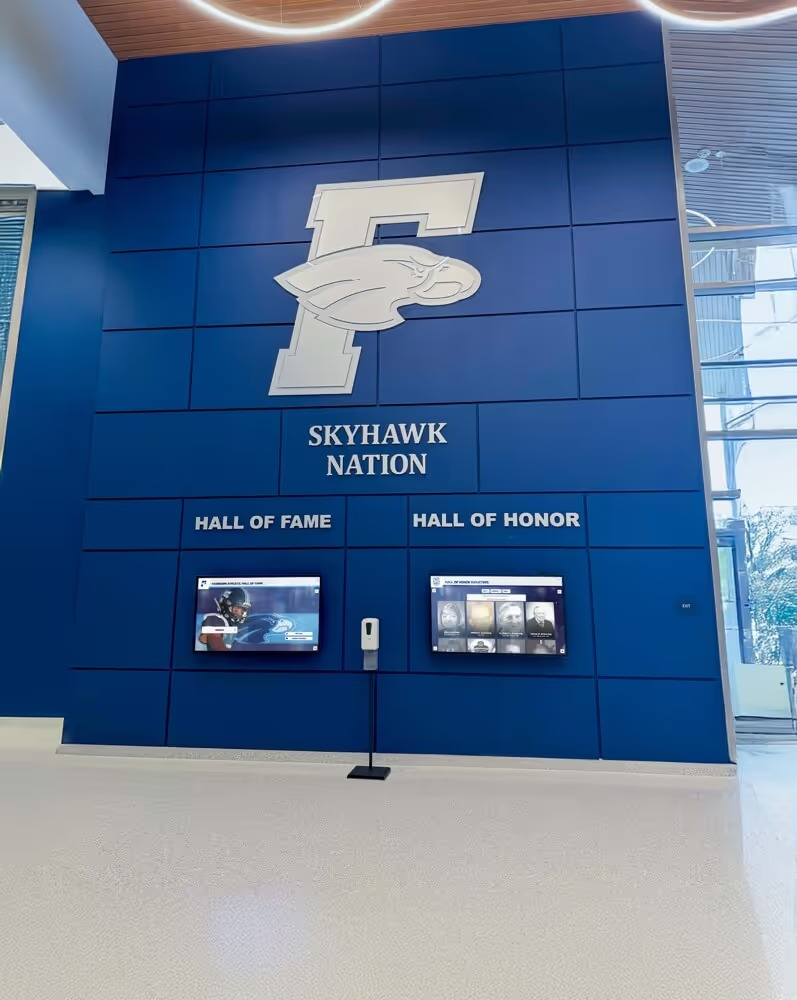
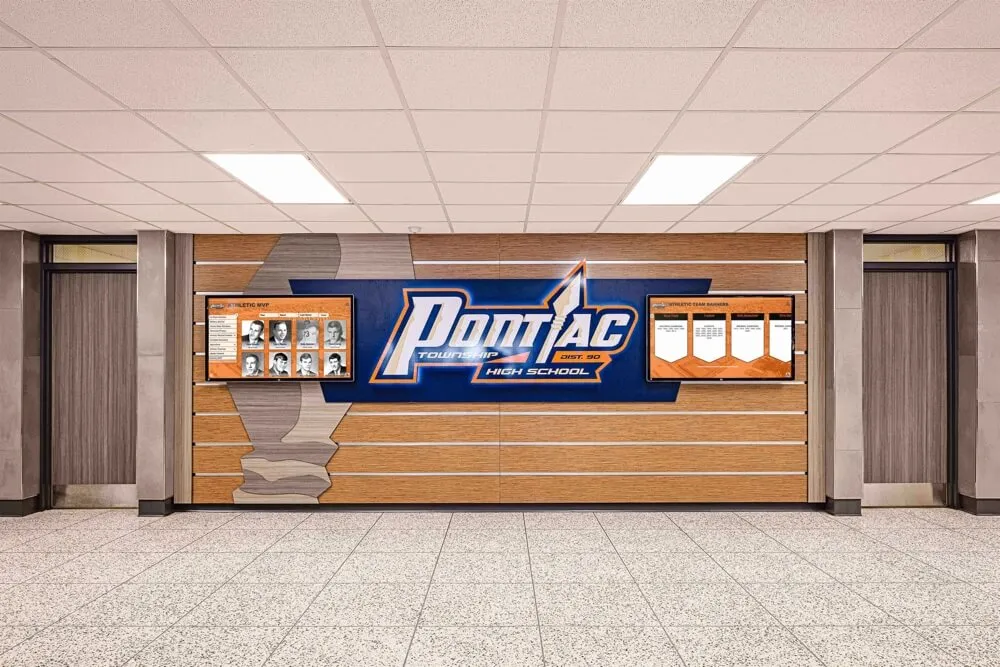
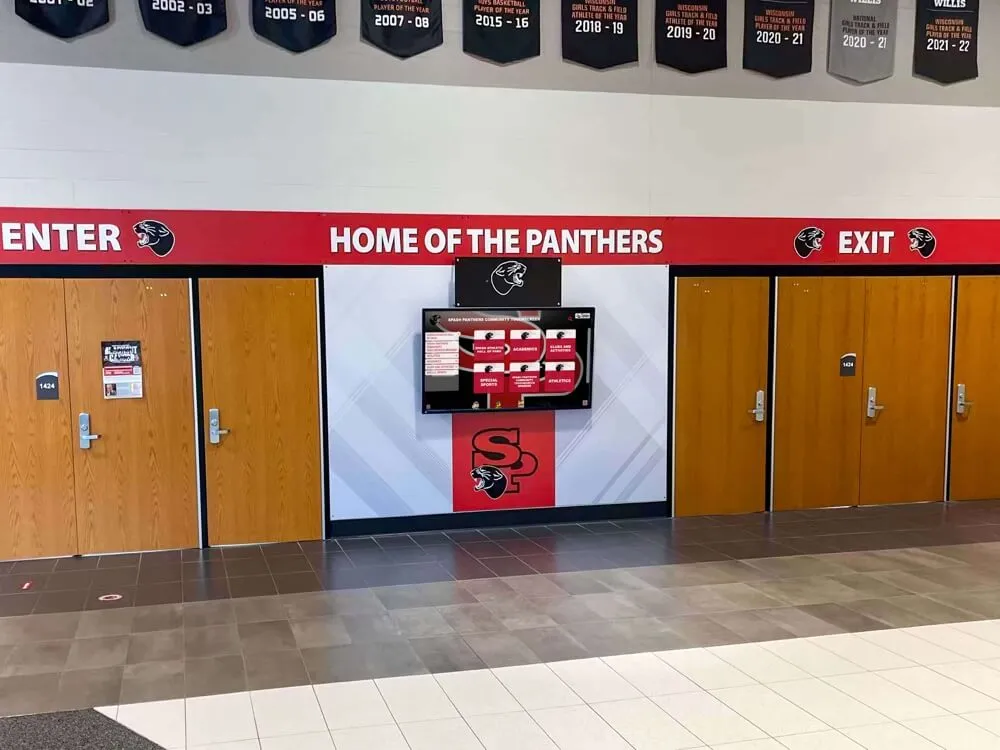
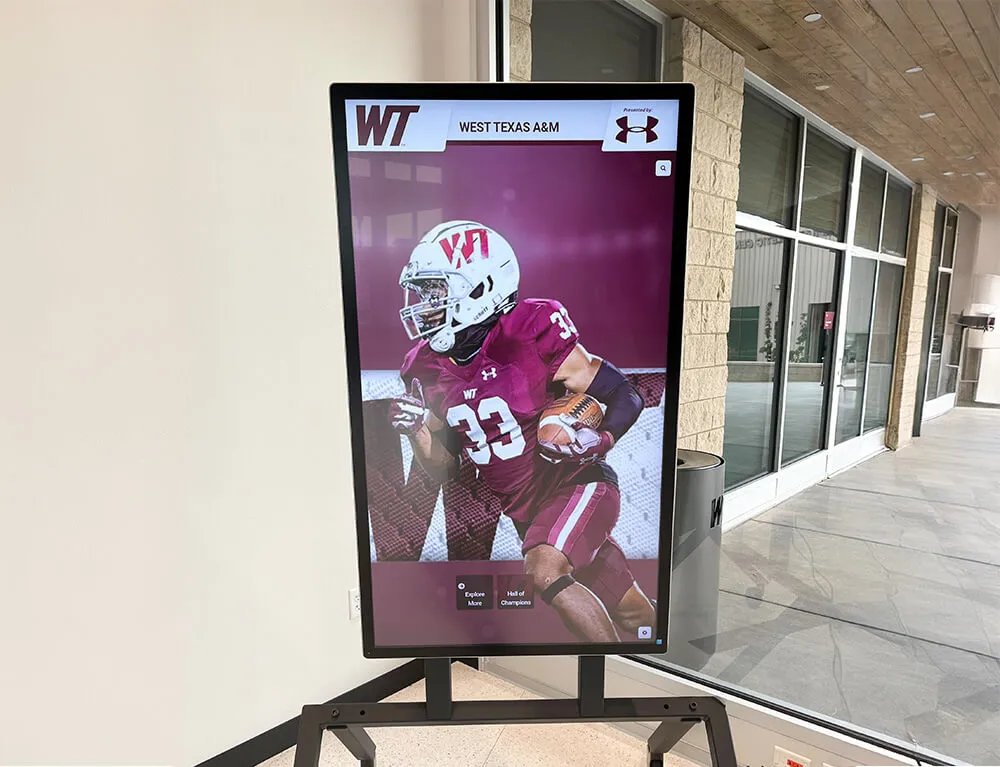
Comprehensive recognition displays combine physical awards with digital storytelling about achievements
Archie League Medal of Safety Awards
Named for the first U.S. air traffic controller, the Archie League Medal of Safety Awards specifically celebrate heroic saves by controllers.
Program History and Significance
First presented in 2005, the Archie League Medal of Safety Awards honor controllers and aviation safety professionals who demonstrate exceptional skill, quick thinking, and dedication in preventing accidents and saving lives. For 2025, awards will be presented at the conclusion of the Archie League Banquet on Wednesday, September 17, 2025, following the Communicating for Safety (CFS) conference from September 15-17, 2025.
The awards are named for Archie League, widely recognized as the first air traffic controller, connecting modern controller recognition with the profession’s historical roots and honoring its traditions.
Recognition Categories and Criteria
The Archie League Awards celebrate the best saves by controllers each year across different facility types and control environments. Recognition goes to controllers who demonstrated exceptional situational awareness preventing potential accidents, quick decision-making under pressure averting disasters, innovative problem-solving in unique safety situations, effective communication preventing pilot errors, and teamwork coordinating with other controllers and pilots to ensure safety.
These awards specifically highlight moments where controller skill and professionalism directly prevented accidents—providing concrete examples of the life-saving work controllers perform daily.
Ceremonial Recognition
Award recipients receive recognition through formal banquet ceremonies attended by industry leaders and peers, public acknowledgment of their specific saves and achievements, medals and certificates commemorating their excellence, media coverage sharing their stories with broader aviation community, and permanent records documenting their contributions to aviation safety.
This multi-faceted recognition ensures honorees receive appropriate acknowledgment from their professional community while their achievements inspire others in the profession.
International Day of the Controller
Beyond awards for specific individuals, the aviation community recognizes all controllers through an international observance.
Annual Recognition Event
International Day of the Controller occurs annually on October 20th, creating dedicated time for recognizing controllers’ contributions. According to IFATCA (International Federation of Air Traffic Controllers’ Associations), the organization issues statements of support for American controllers and aviation professionals worldwide on this date.
This annual observance provides natural timing for organizations to implement controller appreciation initiatives, public recognition campaigns, special events celebrating controller contributions, social media campaigns sharing controller stories, and community education about air traffic control roles and importance.
Global Participation and Activities
Organizations worldwide participate through facility tours and open houses introducing public to air traffic control work, media interviews and features highlighting controller stories, internal appreciation events recognizing facility staff, social media campaigns using hashtags to celebrate controllers globally, and collaboration with aviation organizations amplifying recognition messages.
This coordinated global recognition demonstrates the universal appreciation for controllers’ critical safety work across the international aviation community.
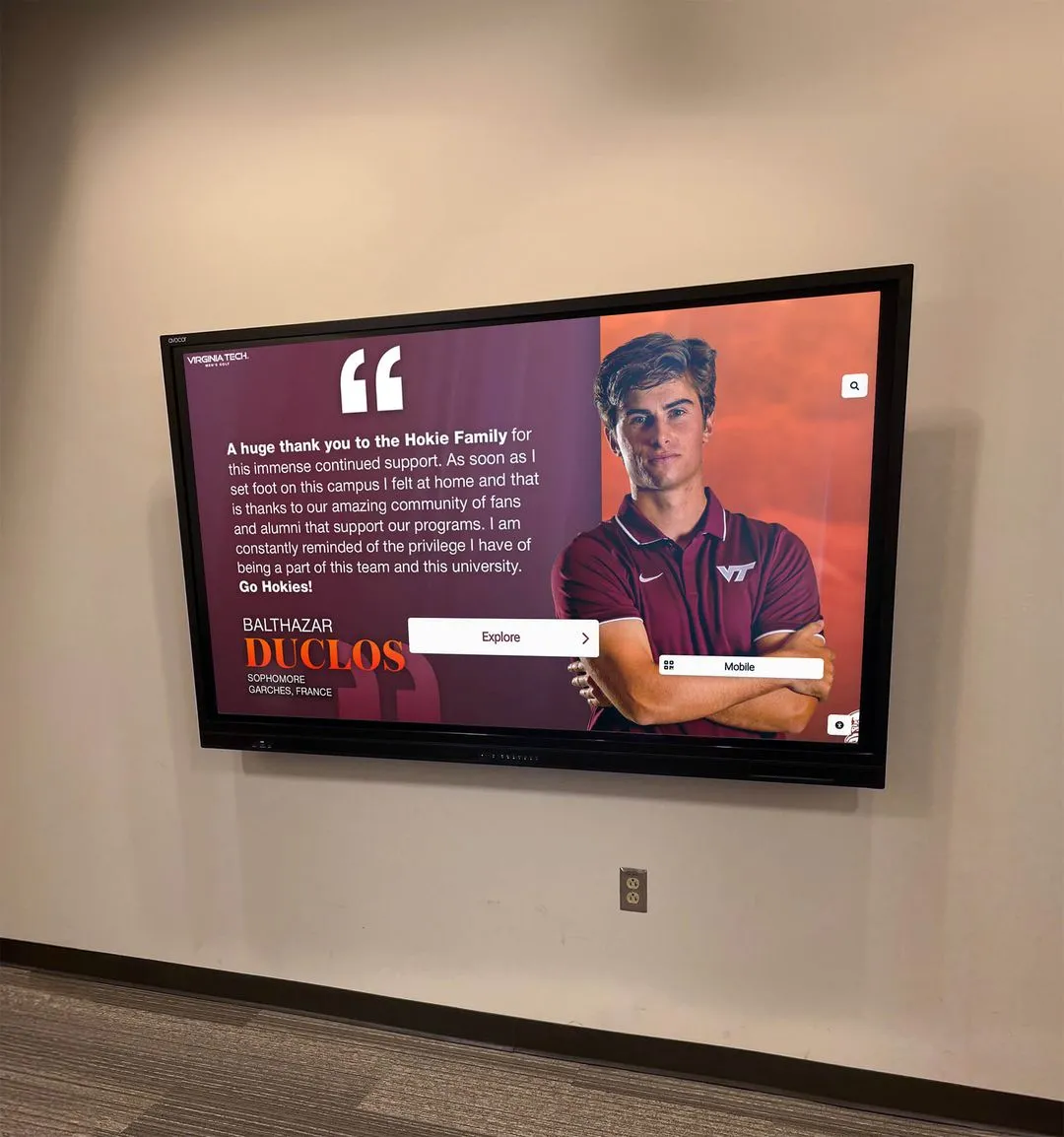
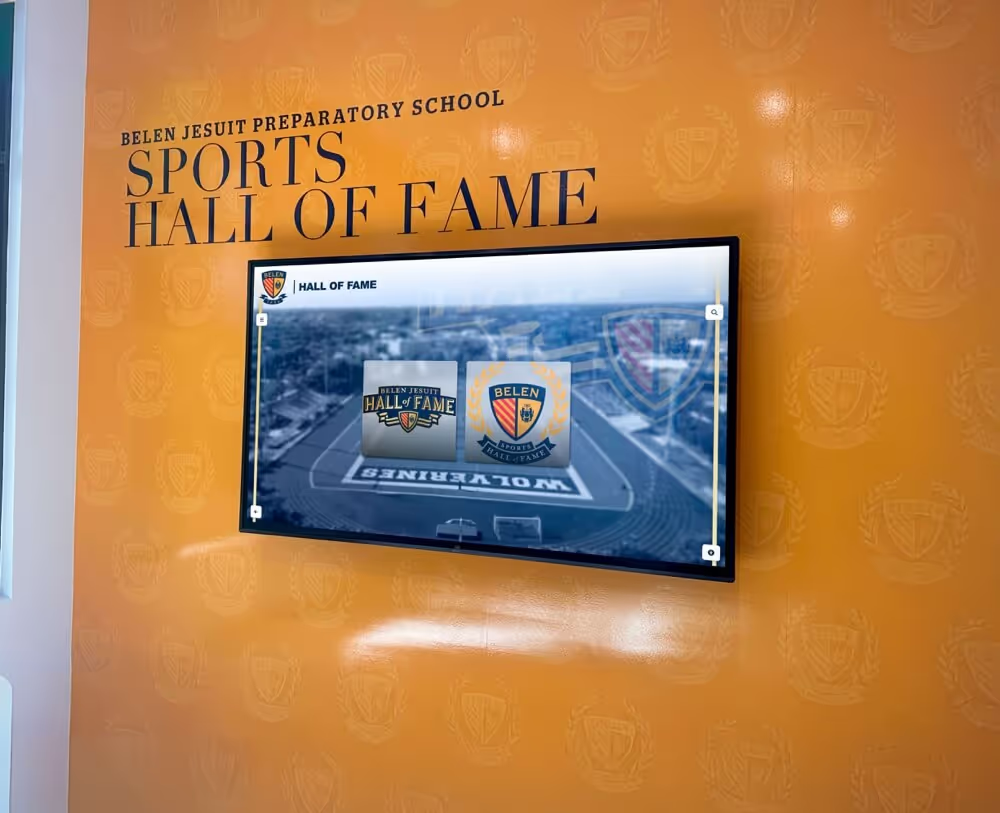
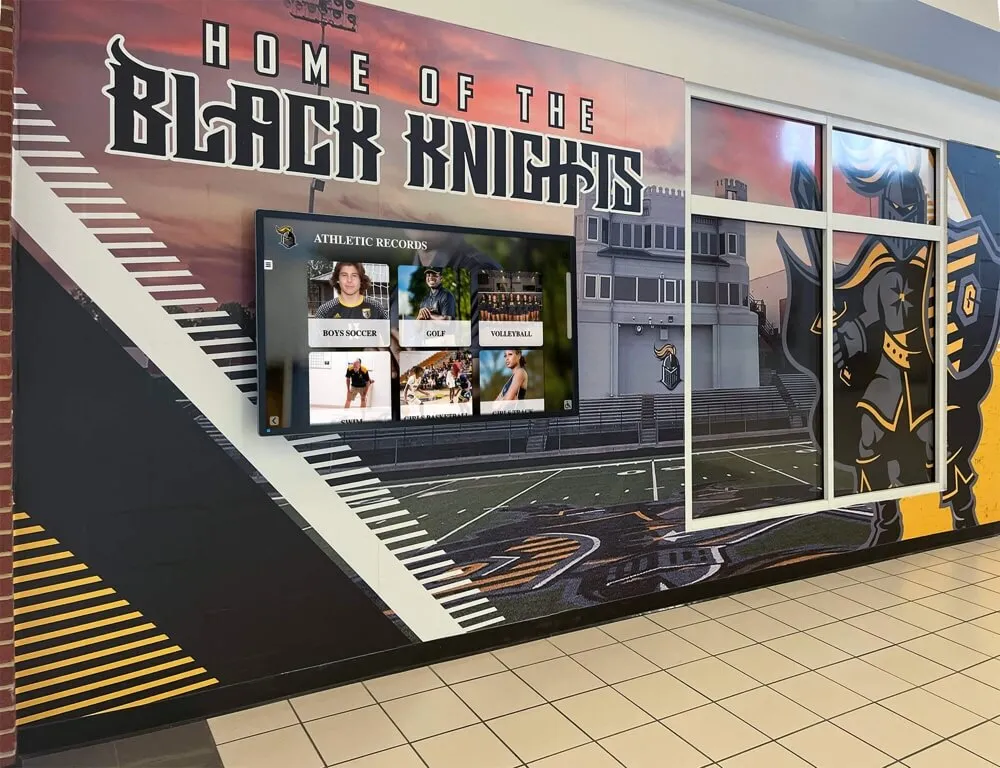
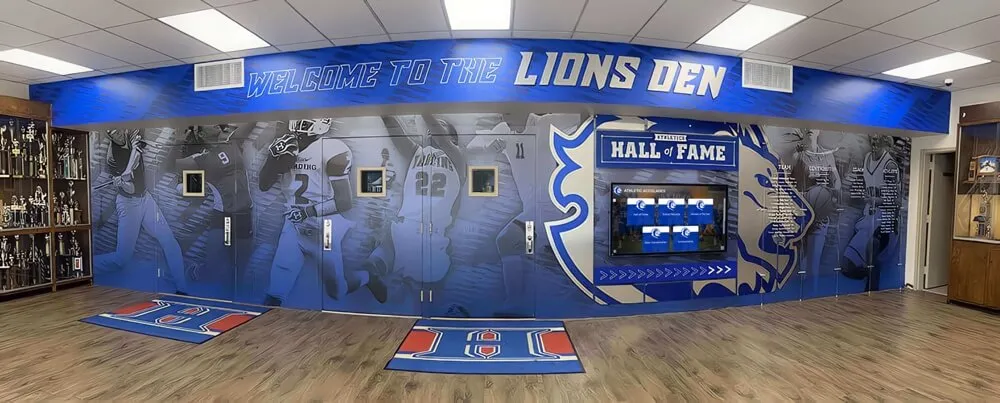
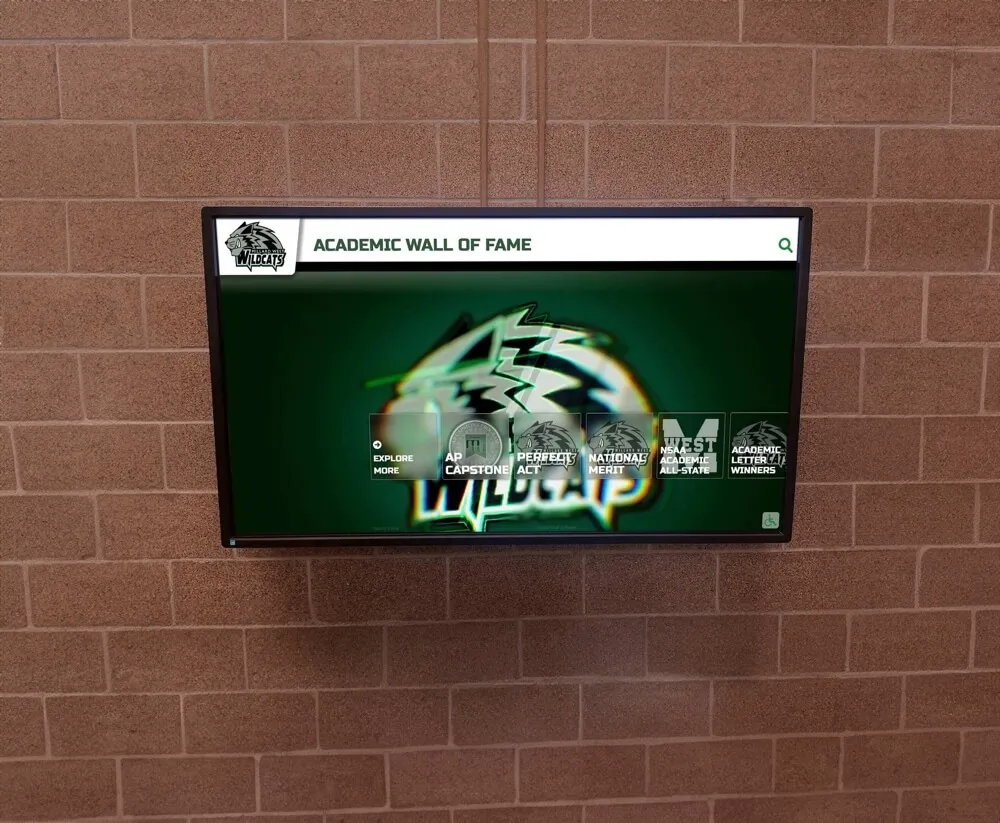
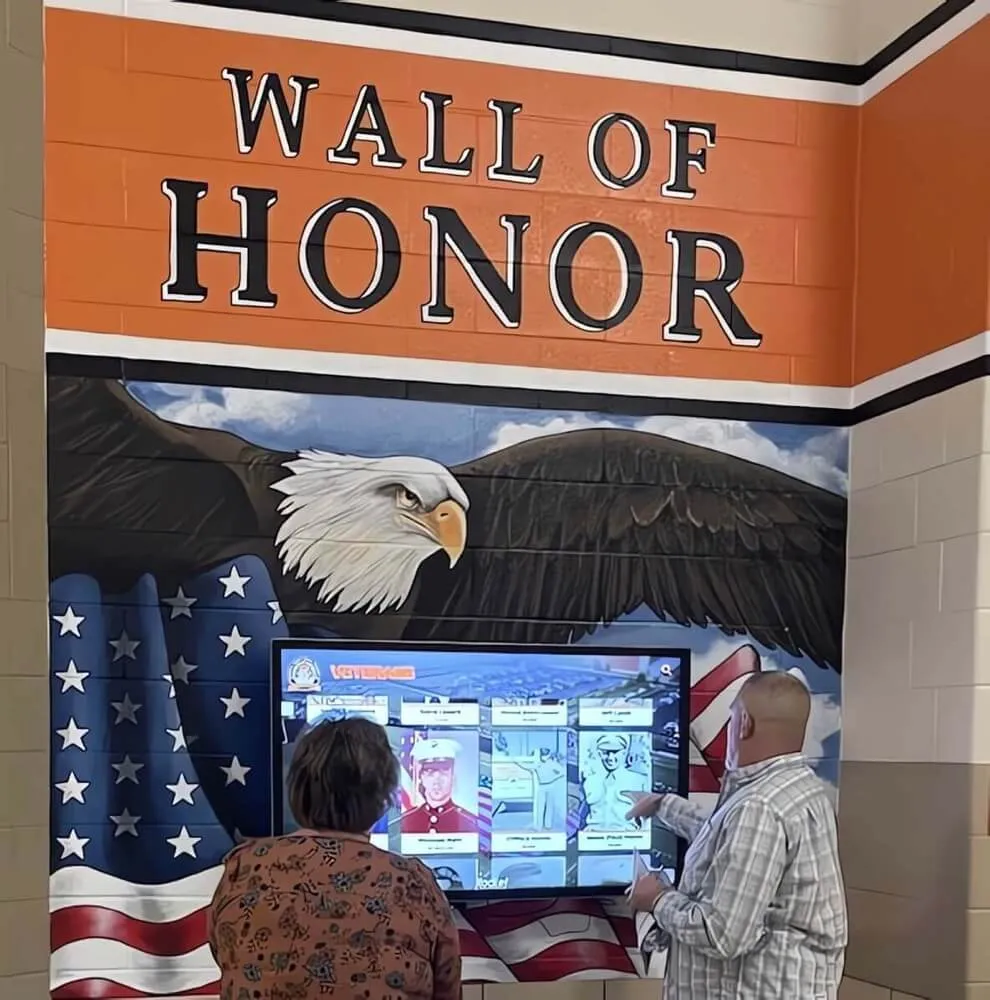
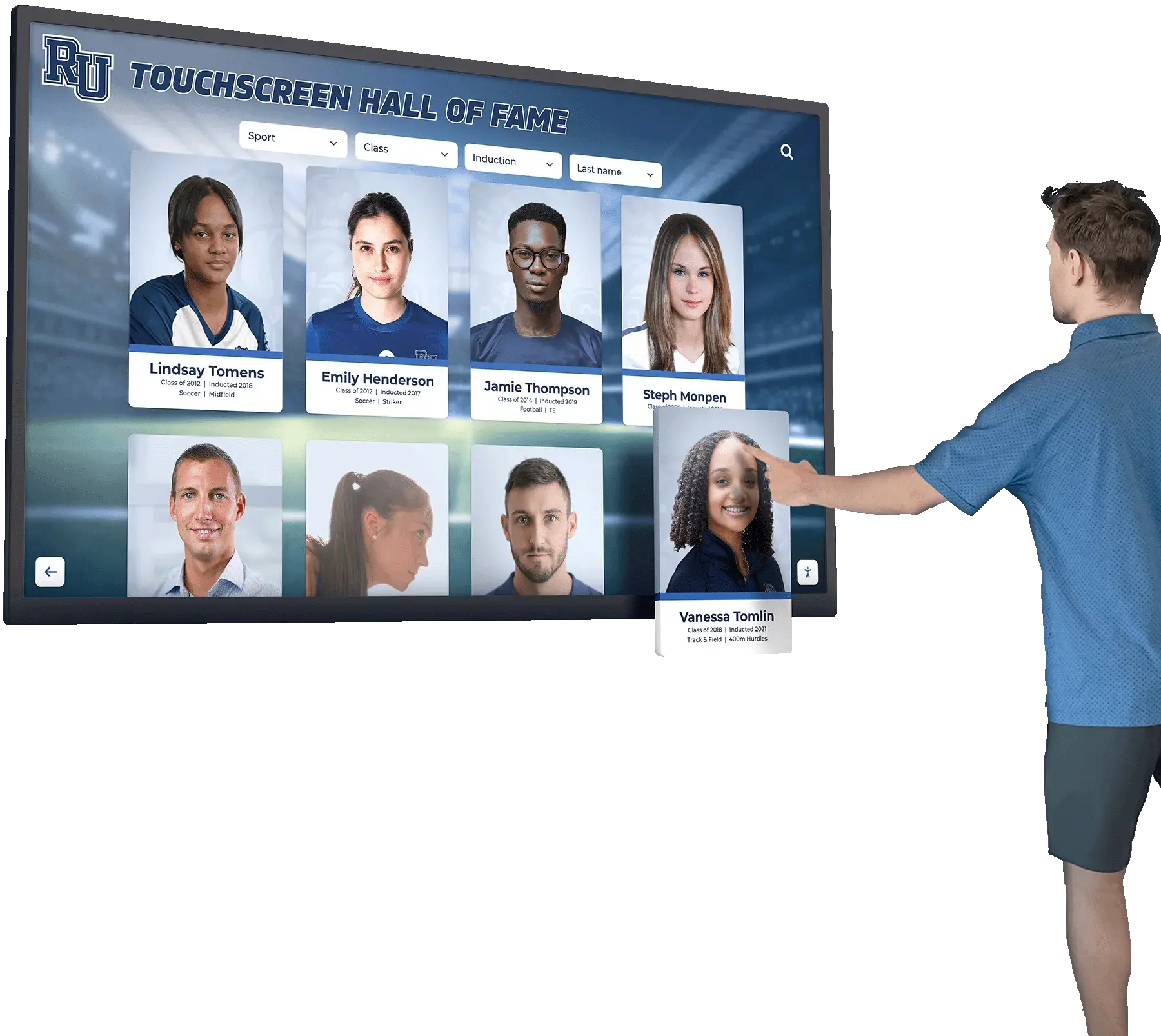
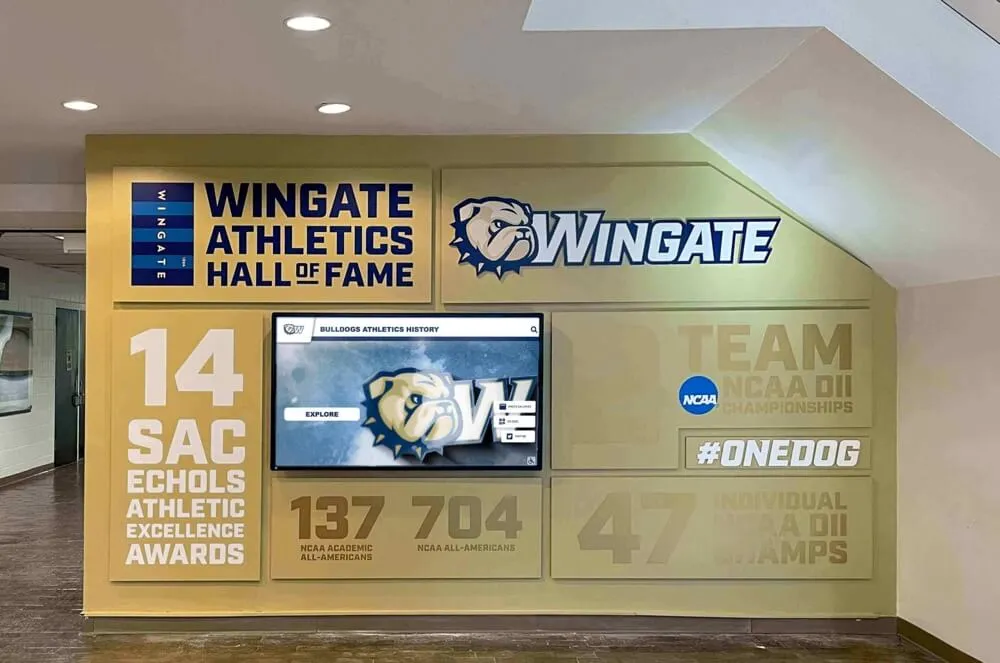
Interactive recognition systems enable visitors to explore detailed achievement profiles and stories
Workplace Recognition Programs for Air Traffic Controllers
Beyond industry-wide awards, individual facilities and organizations can implement local recognition programs celebrating day-to-day excellence and team contributions.
Performance-Based Recognition Systems
Systematic performance recognition ensures consistent acknowledgment of excellence.
Safety Achievement Recognition
Facilities can recognize controllers who demonstrate consistent zero-error performance over extended periods, identify and report safety concerns proactively, contribute to safety improvements and procedure enhancements, mentor newer controllers in safety-focused practices, and maintain exceptional records across multiple years.
Safety-focused recognition reinforces organizational priorities while acknowledging the careful, consistent work that prevents accidents even when heroic saves don’t occur.
Efficiency and Operational Excellence
Beyond safety, controllers contribute to operational efficiency through minimizing delays while maintaining safety standards, managing high-traffic situations effectively, adapting to weather disruptions and irregular operations, coordinating complex airspace transitions smoothly, and maintaining composure during challenging operational periods.
Recognition celebrating efficiency alongside safety demonstrates organizational appreciation for controllers’ multi-dimensional contributions to aviation system performance.
Training and Certification Milestones
Controllers navigate lengthy qualification processes deserving recognition at key milestones including initial facility qualification completion, advancement to more complex positions or ratings, check-ride success and performance evaluations, specialized certification achievements, and anniversary milestones celebrating sustained certification maintenance.
Many organizations implement recognition similar to academic recognition programs that celebrate achievement across multiple dimensions and skill levels.
Peer Recognition and Nomination Programs
Recognition from fellow controllers often carries particular meaning given shared understanding of the work’s demands.
Controller-to-Controller Acknowledgment
Peer recognition programs enable controllers to nominate colleagues for monthly or quarterly recognition awards, submit commendations for exceptional teamwork or support, share appreciation for mentorship and training assistance, acknowledge colleagues who helped in difficult situations, and celebrate coworkers demonstrating professionalism and excellence.
According to research on workplace recognition effectiveness, peer acknowledgment often proves more meaningful than management recognition alone, as colleagues directly observe and appreciate day-to-day contributions.
Team-Based Recognition
Beyond individual acknowledgment, team recognition celebrates entire shifts, facilities, or groups for collective safety records over extended periods, successful management of major events or irregular operations, facility improvements and innovation implementations, training program excellence developing new controllers, and collaborative achievements requiring coordinated teamwork.
Team recognition builds cohesion and shared pride while acknowledging that aviation safety results from collective effort rather than only individual performance.
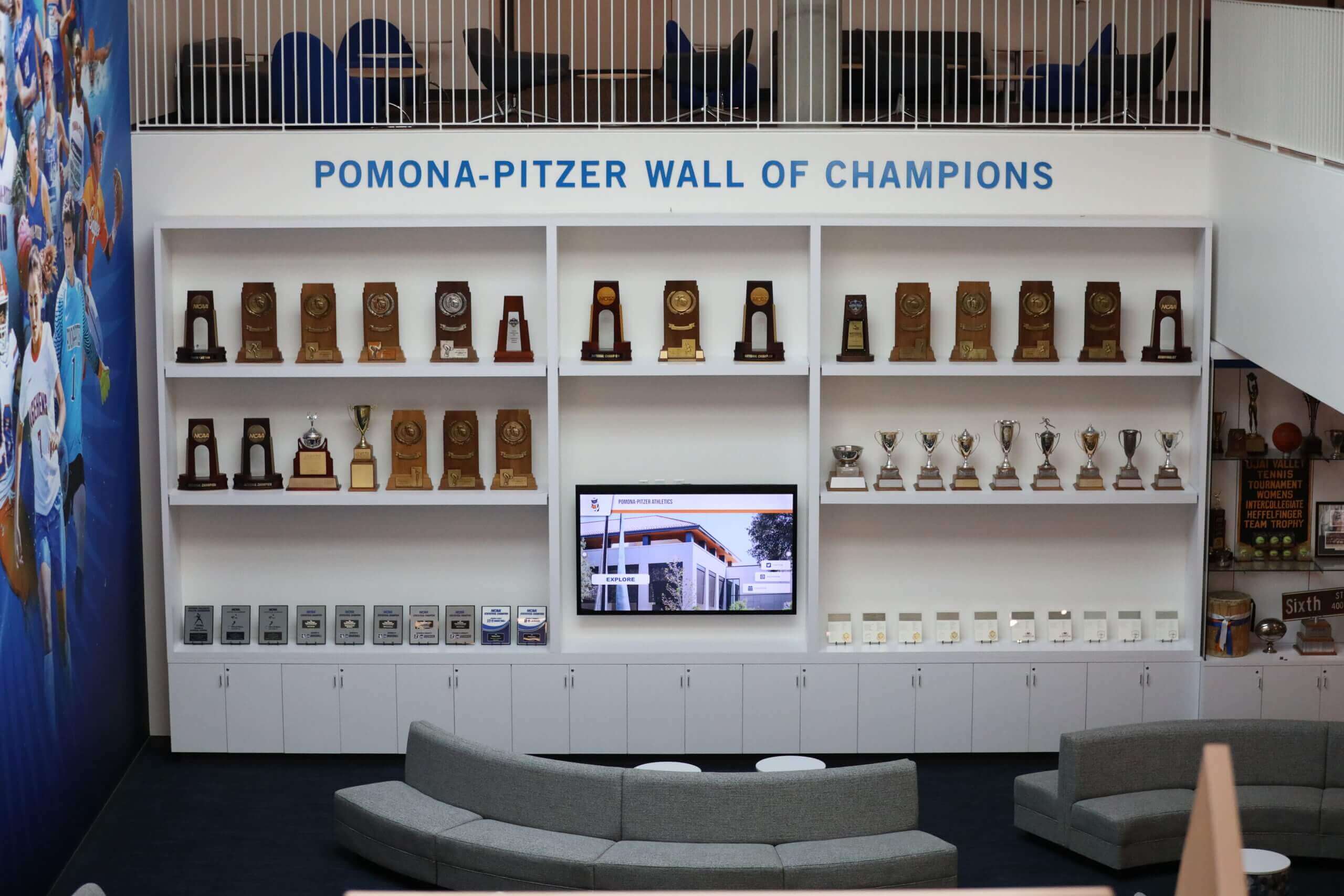
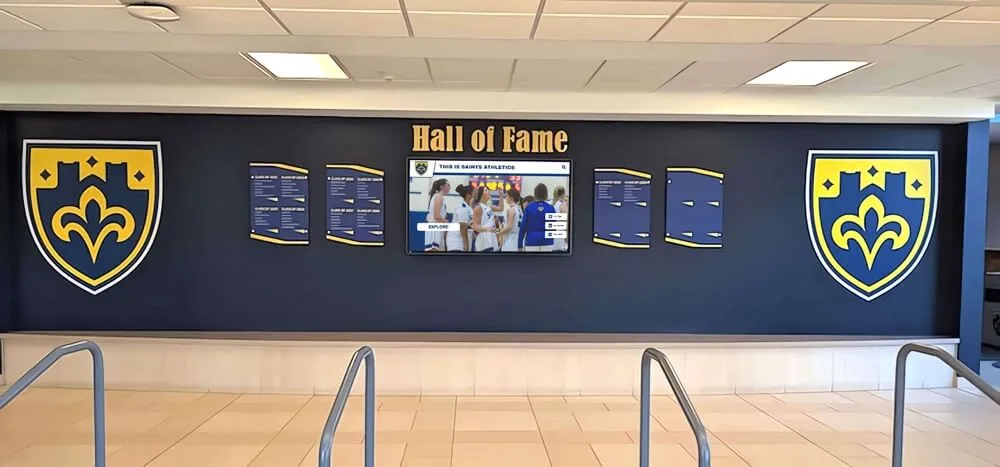
Dedicated recognition spaces create environments celebrating professional achievement and team excellence
Service Milestone and Longevity Recognition
Controllers who sustain excellence across years and decades deserve special acknowledgment.
Years of Service Recognition
Organizations should systematically recognize milestone anniversaries including 5, 10, 15, 20, 25, 30+ years of service, career achievement awards at retirement, recognition of entire careers spent in air traffic control, acknowledgment of service across multiple facilities or positions, and celebration of family legacies where multiple generations served as controllers.
Similar to approaches in birthday recognition celebration programs, service milestone recognition demonstrates sustained organizational appreciation across entire careers.
Perfect Attendance and Reliability
Facilities depend on controllers showing up ready to perform, making reliability worthy of recognition through acknowledgment of sustained attendance records, recognition of minimal sick leave use, appreciation for flexibility covering understaffed shifts, acknowledgment of punctuality and schedule reliability, and celebrating dependability colleagues count on daily.
While less glamorous than safety saves, consistent reliability enables facility operations and deserves meaningful acknowledgment.
Continuous Professional Development
Controllers who pursue ongoing professional growth deserve recognition including completion of advanced training programs beyond basic requirements, participation in industry conferences and professional development, contributions to procedure development and policy improvements, pursuit of leadership roles and additional responsibilities, and engagement with professional organizations and advocacy.
Recognition supporting professional development encourages continuous improvement while demonstrating that organizations value controllers’ growth beyond immediate operational needs.
Creating Comprehensive Recognition Displays for Controllers
Physical and digital recognition installations provide ongoing visibility for controller achievements while building professional pride and public awareness.
Traditional Recognition Approaches
Conventional displays create permanent acknowledgment in facility spaces.
Plaques and Awards Displays
Many air traffic control facilities maintain recognition installations including wall plaques listing controller names and achievements, trophy cases displaying facility awards and honors, framed certificates recognizing individual accomplishments, memorial displays honoring controllers who passed away, and historical documentation of facility milestones and evolution.
These tangible displays create sense of tradition and permanence while demonstrating organizational commitment to remembering and celebrating controller contributions across generations.
Recognition Boards and Photo Displays
Additional traditional approaches include employee of the month/quarter photo displays, shift team photos celebrating unit cohesion, career milestone recognition boards, retirement celebration photo galleries, and safety achievement recognition walls listing controller names.
While effective, traditional displays face limitations including restricted space constraining how many individuals receive visibility, inflexibility requiring physical updates for changes, dated appearance as displays age, and static presentation providing limited context about achievements.
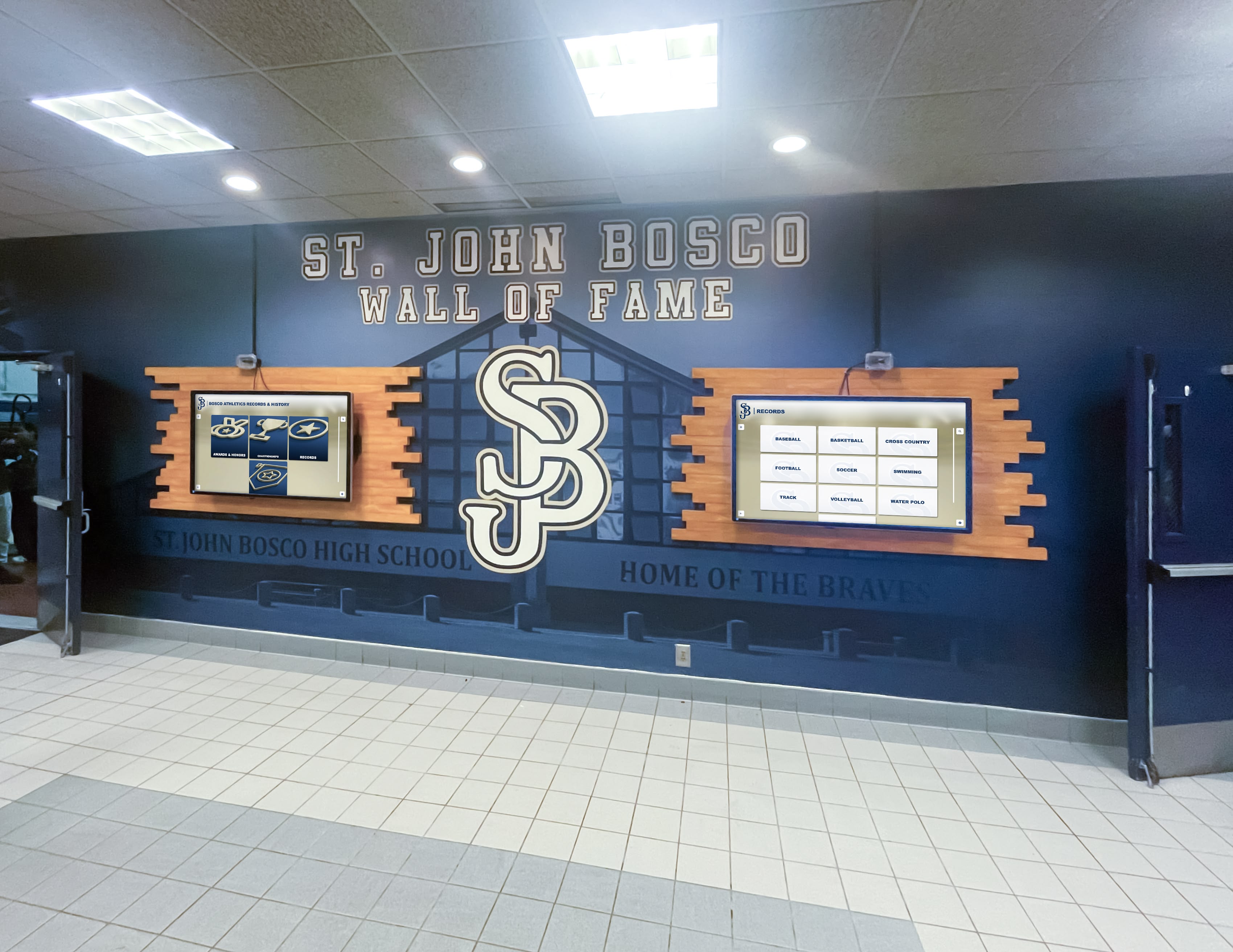
Multiple display installations ensure recognition receives visibility across facility spaces
Digital Recognition Display Systems
Modern technology overcomes traditional recognition limitations while creating more engaging, comprehensive acknowledgment.
Interactive Touchscreen Recognition Walls
Solutions like Rocket Alumni Solutions transform professional recognition through digital displays offering unlimited capacity accommodating comprehensive recognition without space constraints, searchable databases enabling visitors to find specific controllers instantly, detailed profiles providing rich context about achievements and careers, photo galleries documenting controller service and accomplishments, and permanent digital archives preserving recognition indefinitely rather than requiring removal.
Digital systems prove particularly valuable for facilities with large controller populations where traditional displays cannot feasibly recognize everyone deserving acknowledgment.
Dynamic Content Capabilities
Digital platforms enable recognition features impossible with static displays including rotating featured controller spotlights showcasing different individuals regularly, video content featuring controller reflections and achievement stories, timeline presentations documenting facility history and evolution, real-time updates adding new achievements continuously, and integration with social media extending recognition beyond facility walls.
Similar to approaches used in digital recognition displays for schools, these dynamic capabilities keep recognition fresh and engaging rather than static installations people stop noticing.
Multi-Location Recognition
Digital systems support recognition across distributed environments including multiple displays throughout large facilities ensuring visibility, web-based access enabling viewing from anywhere, mobile-responsive design supporting smartphone and tablet viewing, content synchronization maintaining consistency across locations, and cloud-based management enabling updates across entire facility networks simultaneously.
This distributed approach ensures recognition reaches controllers regardless of their physical location or shift assignment.
Implementing Recognition Systems
Successful recognition installations require thoughtful planning and execution.
Placement and Visibility Considerations
Strategic positioning includes high-traffic areas where controllers, visitors, and staff regularly pass, break rooms and common areas where controllers gather during downtime, lobbies and reception areas introducing visitors to facility excellence, near entry points where controllers begin and end shifts, and training areas where newer controllers learn profession values and culture.
Multiple placements prove ideal for comprehensive recognition—main displays in primary locations supplemented by additional screens or installations in secondary areas.
Content Development and Management
Effective recognition requires systematic content including individual controller profiles with photos and achievement summaries, team recognitions celebrating collective accomplishments, historical sections documenting facility evolution, current award recipients and recent recognitions, and inspirational messages reinforcing safety culture and professionalism.
Organizations should assign clear responsibilities for content management ensuring recognition remains current, accurate, and comprehensive rather than becoming outdated or neglected.
Many facilities find approaches used in honor roll digital recognition adaptable to professional controller acknowledgment systems.
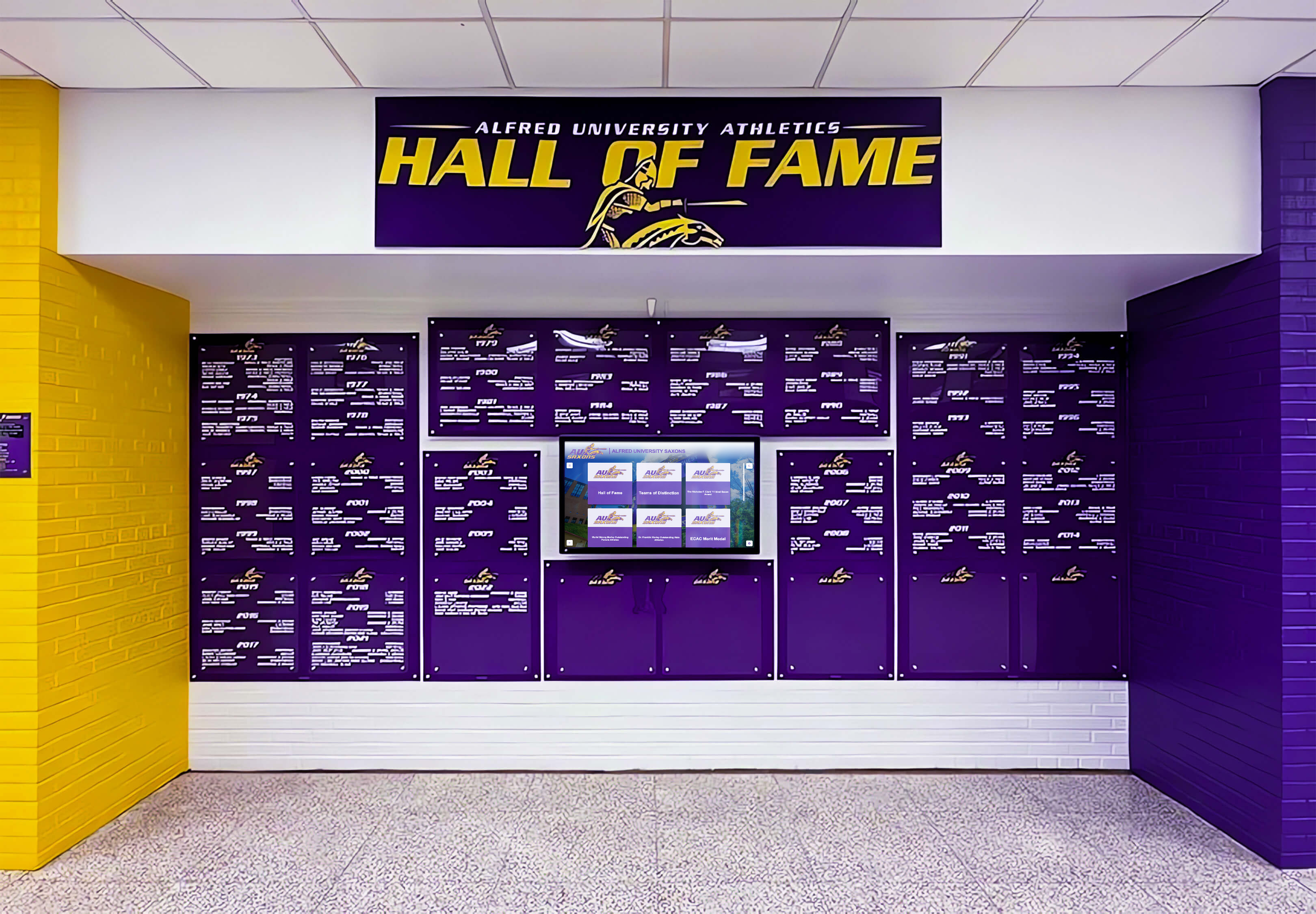
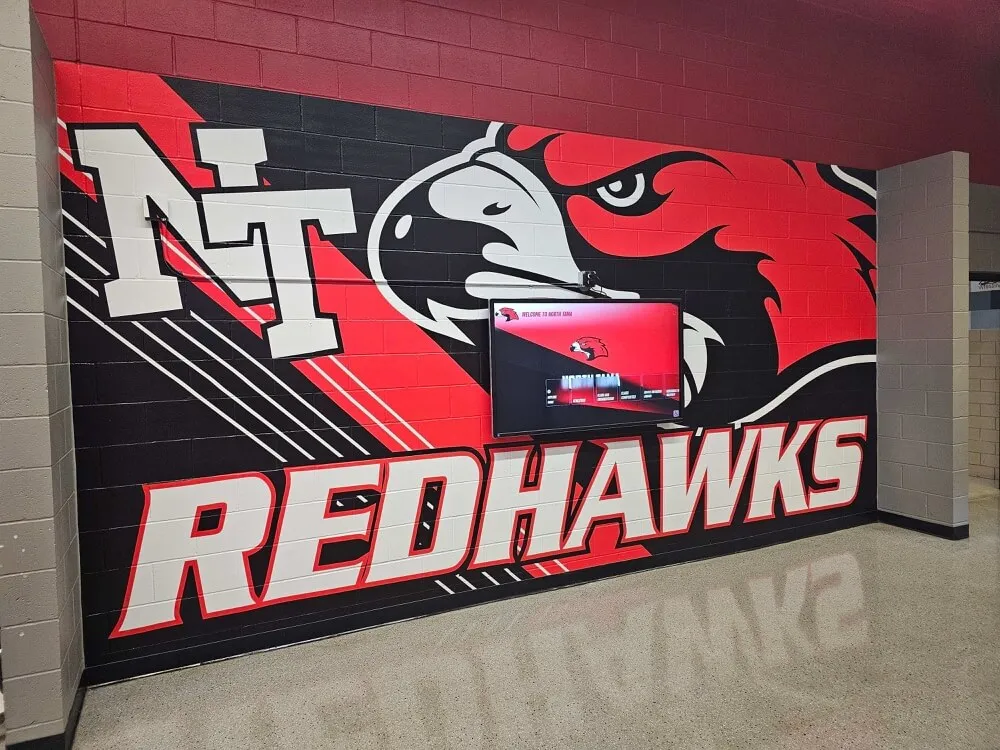
Branded recognition installations reflect organizational identity while celebrating individual excellence
Public Recognition and Community Awareness
Beyond internal workplace recognition, public acknowledgment raises awareness about controllers’ critical work while building community appreciation.
Media Recognition and Public Relations
Strategic media engagement educates public about air traffic controllers while celebrating their achievements.
News Features and Controller Profiles
Organizations can promote controller recognition through feature stories about day-in-the-life of controllers, profiles of award recipients and their achievements, coverage of controller retirements and career milestones, investigative pieces about controller training and qualification, and educational content explaining air traffic control roles and importance.
Media coverage serving educational purposes while recognizing individual excellence helps general public understand and appreciate work that occurs largely invisibly behind scenes of air travel.
Social Media Recognition Campaigns
Digital platforms enable ongoing public recognition including controller spotlight features on organizational social media, behind-the-scenes content showing work environments, recognition of awards and achievements with photos and stories, International Day of the Controller social media campaigns, and user-generated content from controllers sharing their perspectives.
According to social media engagement research, authentic behind-the-scenes content and personal stories generate significantly more engagement than generic organizational announcements—making controller stories ideal social media content.
Community Education Programs
Public recognition extends through facility tours and open houses introducing community members to air traffic control, school visits and career day presentations by controllers, participation in aviation education programs, collaboration with aviation museums and educational institutions, and community event participation representing the profession.
These educational initiatives position controllers as respected professionals contributing to community safety while inspiring potential future controllers.
Airport and Facility Recognition
Airports and facilities can implement public-facing recognition celebrating local controllers.
Terminal Recognition Displays
Public areas in airports provide opportunities for controller recognition including digital displays in terminal concourses introducing travelers to controllers, recognition installations in airport galleries or exhibit spaces, information kiosks featuring controller profiles and safety information, and wayfinding elements incorporating controller appreciation messaging.
These public installations educate millions of travelers annually about the professionals ensuring their flight safety while recognizing controllers’ work in very visible ways.
Visitor Center and Museum Integration
Aviation museums and visitor centers can incorporate controller recognition through historical exhibits documenting air traffic control evolution, interactive displays explaining controller work and showing recognition, oral history projects capturing controller stories and experiences, artifact collections preserving controller equipment and memorabilia, and rotating exhibits featuring current controller achievements alongside historical content.
Similar to approaches in ballpark village interactive museum exhibitions, these installations educate while celebrating professional excellence.
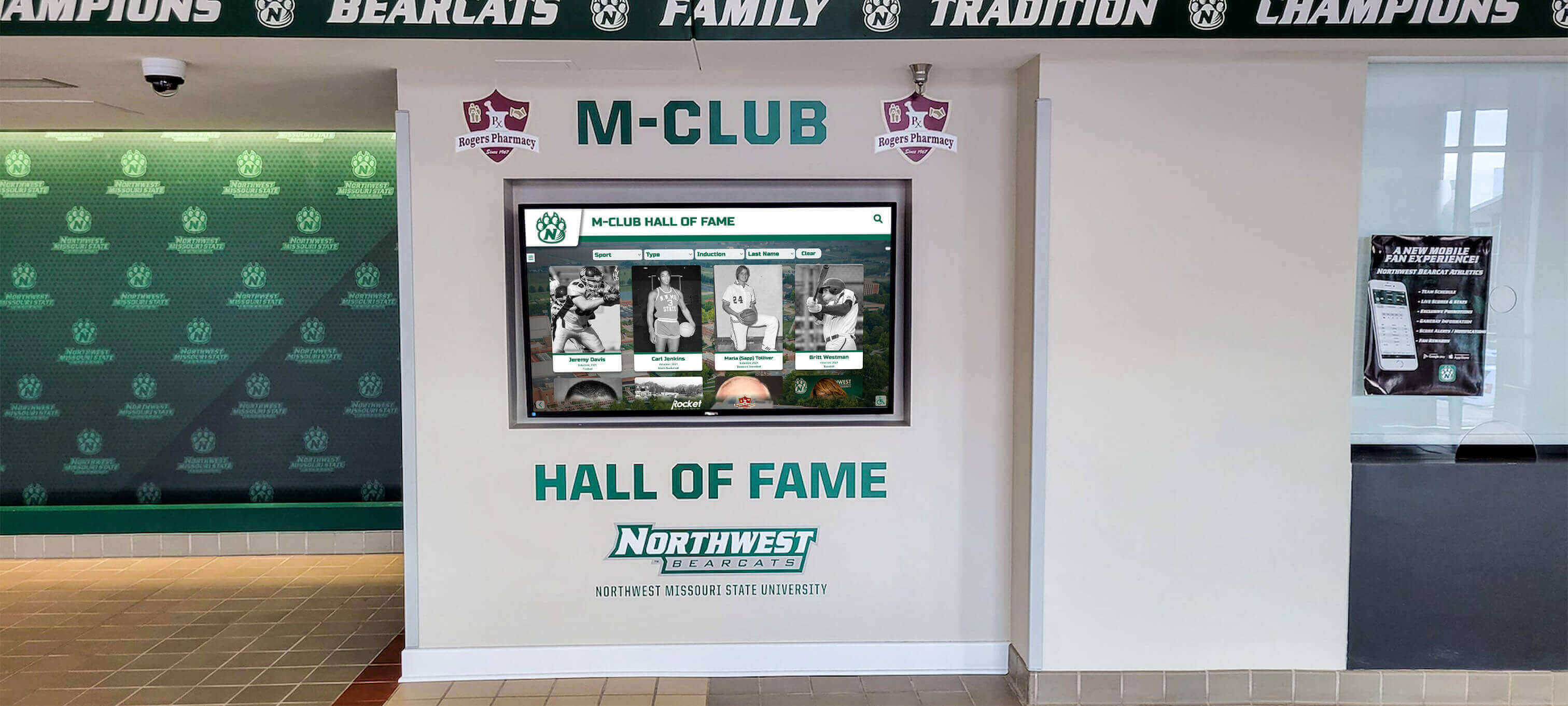
Public-facing recognition installations educate visitors while celebrating professional achievement
National and International Recognition
Broader recognition initiatives elevate controller visibility at national and international levels.
Congressional and Government Recognition
Legislative recognition honors controllers through Congressional recognition of exceptional controller achievements, government proclamations declaring air traffic controller appreciation periods, official recognition ceremonies at national level, incorporation into national safety awards programs, and representation in national transportation safety campaigns.
This high-level recognition demonstrates governmental appreciation for controllers’ critical role in national transportation infrastructure and public safety.
Professional Organization Recognition
Aviation professional organizations provide recognition platforms through conference presentations celebrating controller achievements, professional journal articles highlighting controller innovations, research publications documenting best practices, leadership awards within professional associations, and speaking opportunities at industry events.
These professional recognition opportunities position exceptional controllers as industry thought leaders while advancing the profession through shared learning.
Special Recognition Considerations
Certain situations require thoughtful approaches ensuring appropriate, sensitive acknowledgment.
Recognizing Heroic Saves and Emergency Situations
Controllers who prevent accidents through exceptional performance deserve special celebration.
Documenting Critical Incidents
Heroic save recognition requires thorough incident documentation through detailed reports capturing controller actions and decisions, reconstruction of timelines showing how situations developed, identification of specific controller interventions preventing accidents, assessment of potential consequences without controller action, and analysis of skills and training that enabled successful outcomes.
This documentation ensures recognition accurately reflects actual circumstances and provides valuable learning opportunities for training purposes.
Appropriate Recognition Timing
Recognition for emergency situations should balance timely acknowledgment with allowing controllers time to decompress from stressful incidents, conducting necessary safety reviews and investigations before public recognition, respecting controller preferences regarding publicity around incidents, and coordinating with organizational communications and legal considerations.
While immediate recognition shows appreciation, sometimes brief delays ensure appropriate context and controller readiness for public acknowledgment.
Memorial Recognition for Controllers Lost
The aviation community must appropriately honor controllers who pass away during or after careers.
Memorial Recognition Practices
Appropriate memorial recognition includes memorial displays at facilities where controllers served, inclusion in annual memorial events or ceremonies, scholarship programs established in controllers’ names, dedicated memorial sections in permanent recognition displays, and legacy documentation preserving controllers’ stories and contributions.
Similar to approaches in honoring deceased faculty memorial tribute, memorial recognition honors individuals’ service while providing comfort to families and colleagues.
Supporting Grieving Teams
When controllers pass away, facilities should provide peer support programs and counseling resources, opportunities for colleagues to share memories and stories, flexibility for staff attending memorial services, permanent recognition ensuring controllers’ service remains remembered, and support for families navigating loss of loved ones.
Thoughtful memorial recognition demonstrates organizational care for controllers and their families while acknowledging the profound impact of losing colleagues.
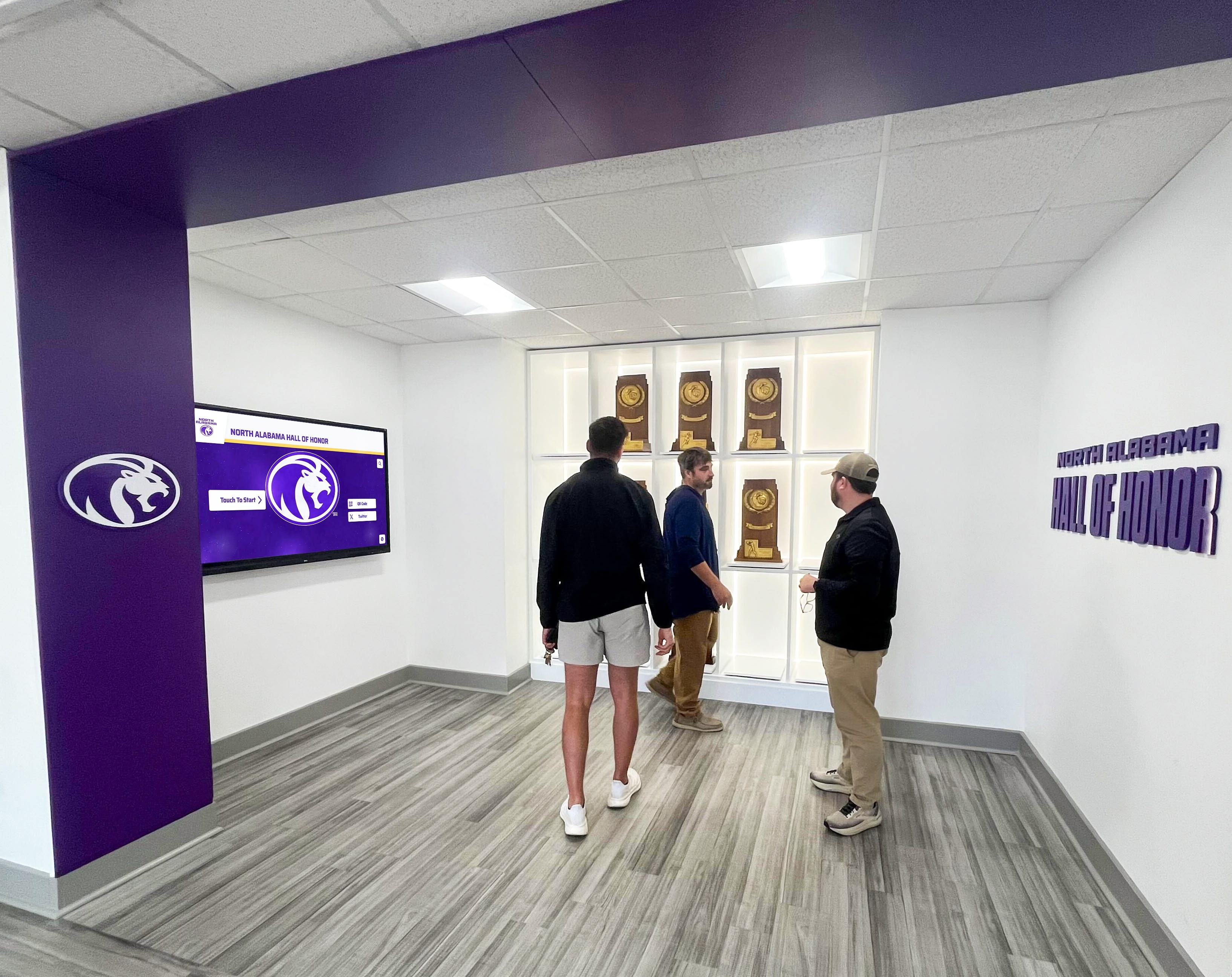
Recognition spaces create environments for reflection on professional excellence and legacy
Recognizing Controllers in Specialized Roles
Different controller positions and specializations deserve tailored recognition approaches.
Tower, Approach, and En Route Recognition
Recognition should acknowledge unique demands of different control positions including tower controllers managing airport ground and local traffic, approach/departure controllers handling terminal airspace, en route controllers managing high-altitude traffic across vast airspace, specialized positions like oceanic control or military operations, and controllers who qualify across multiple positions and ratings.
Position-specific recognition demonstrates organizational understanding of diverse skills and specializations within the profession.
Training and Management Recognition
Controllers serving in supporting roles deserve equal acknowledgment including training instructors developing next generation of controllers, quality assurance personnel ensuring standards maintenance, management positions providing facility leadership, technical specialists maintaining air traffic control systems, and policy developers improving procedures and operations.
These supporting roles prove essential to facility success while requiring different skills than operational control positions—deserving appropriate recognition for their distinct contributions.
Implementing Effective Recognition Programs
Creating sustainable, meaningful controller recognition requires systematic planning, appropriate resources, and sustained organizational commitment.
Planning Recognition Initiatives
Successful implementation begins with thoughtful preparation.
Needs Assessment and Goal Setting
Organizations should evaluate current recognition practices and identify gaps, survey controllers about recognition preferences and values, analyze facility culture and communication patterns, establish clear objectives for recognition programs, and benchmark against industry best practices and peer facilities.
This assessment ensures recognition programs address actual needs rather than assumptions about what controllers value.
Budget and Resource Planning
Recognition programs require appropriate investment including personnel time for program administration and content management, recognition display hardware and software investments, award materials and recognition items, event costs for ceremonies and celebrations, and ongoing maintenance and update resources.
While recognition requires investment, the benefits for retention, morale, and culture typically far exceed costs—making recognition programs high-ROI investments in workforce satisfaction.
Stakeholder Engagement
Effective recognition involves multiple stakeholders including controllers themselves providing input on recognition approaches, facility management committing to recognition priorities, union or association representatives ensuring alignment with labor interests, public affairs personnel supporting external recognition efforts, and family members participating in appropriate recognition events.
Broad stakeholder engagement ensures recognition programs earn genuine support rather than feeling like top-down initiatives disconnected from controller perspectives.
Ongoing Program Management
Recognition programs require sustained management ensuring continued effectiveness.
Regular Recognition Activities
Consistent recognition maintains impact through monthly or quarterly award presentations, annual ceremonies celebrating major achievements, ongoing digital display content updates, regular social media recognition features, and systematic milestone acknowledgments for all controllers.
Sporadic recognition loses effectiveness—consistent programs with predictable cadence ensure controllers know appreciation remains organizational priority rather than occasional afterthought.
Continuous Improvement
Recognition programs should evolve based on controller feedback and satisfaction surveys, engagement metrics from digital recognition systems, retention and morale data correlated with recognition, benchmark comparisons with other facilities and industries, and identification of new recognition opportunities and approaches.
Regular assessment enables continuous improvement ensuring recognition remains meaningful, relevant, and valued by controllers rather than becoming stale or formulaic.
Similar to approaches in measuring digital hall of fame success, systematic evaluation ensures recognition programs achieve intended goals.
Cost Considerations and ROI
Understanding recognition program investment helps organizations make informed decisions about implementation scope and approaches.
Recognition Program Investment
Different recognition approaches require varying resource commitments.
Traditional Recognition Costs
Conventional approaches include plaques and physical awards at $50-300 per item depending on quality, trophy cases and display installations at $2,000-8,000, printed certificates and frames at $20-75 each, recognition event costs for venues and refreshments at $500-5,000 per event, and annual recreation as recognition needs change and expand.
Digital Display System Investment
Technology-based recognition requires upfront hardware investment at $8,000-25,000 per display, software platform subscriptions at $1,500-5,000 annually, installation and configuration services at $1,000-3,000, initial content development at $2,000-6,000, and ongoing content management representing 5-15 hours monthly.
While initial investment proves higher, digital systems provide long-term value through unlimited recognition capacity, easy updates without physical modifications, enhanced engagement through interactive features, scalability as facility needs grow, and repurposing flexibility as priorities change.
Return on Investment
Recognition programs deliver measurable organizational benefits justifying investment.
Retention and Recruitment Benefits
Effective recognition contributes to improved controller retention reducing costly turnover, enhanced recruitment appeal attracting qualified candidates, reduced overtime needs as staffing stabilizes, lower training costs with decreased turnover rates, and improved employee satisfaction and engagement.
According to workforce research, replacing skilled employees costs 50-200% of annual salary when factoring recruiting, training, and productivity losses—making retention-supporting recognition programs highly cost-effective investments.
Safety and Performance Outcomes
Recognition supporting safety culture contributes to sustained safety performance and accident prevention, enhanced operational efficiency and reduced delays, improved teamwork and communication, stronger professional culture and standards adherence, and maintained excellence during high-stress periods.
While difficult to quantify precisely, safety and performance improvements from positive recognition culture justify program investment many times over through accident prevention alone.
Conclusion: Building Cultures That Celebrate Controllers’ Critical Work
Air traffic controllers serve in one of the world’s most demanding and critical professions, ensuring aviation safety for billions of passengers annually while working under intense pressure where no margin for error exists. Recognizing these dedicated professionals through comprehensive recognition programs—from prestigious industry awards like the Archie League Medal of Safety to workplace appreciation initiatives to modern digital recognition displays—demonstrates essential appreciation for their extraordinary skill, dedication, and sacrifice.
Transform Your Professional Recognition Program
Discover how modern digital recognition solutions can help you celebrate professional achievements and build a thriving culture of appreciation. Solutions like Rocket Alumni Solutions provide comprehensive platforms designed specifically for professional recognition applications with intuitive interfaces, unlimited capacity, and engaging displays.
Explore Recognition SolutionsThe strategies explored in this guide provide frameworks for building recognition systems that honor both exceptional saves and sustained excellence while addressing the unique culture and challenges of air traffic control. From formal awards programs celebrating heroic actions to workplace initiatives acknowledging day-to-day dedication to digital displays preserving controller legacies, these approaches transform recognition from occasional acknowledgment to systematic cultural priority.
With air traffic control facilities facing ongoing workforce challenges including staffing shortages, demanding working conditions, and competitive employment alternatives, recognition programs prove essential for retention, recruitment, and morale. Controllers who feel genuinely appreciated for their critical work demonstrate higher job satisfaction, stronger organizational commitment, and greater professional engagement—creating positive cycles where recognition strengthens culture while excellent culture attracts and retains top talent.
Traditional recognition approaches like plaques and awards ceremonies remain valuable but face inherent limitations including restricted space, inflexibility, and static presentation. Digital recognition platforms overcome these constraints while adding capabilities impossible with physical displays—unlimited capacity, searchable interfaces, multimedia content, remote management, and permanent archives preserving recognition indefinitely as controller populations grow across decades.
Building effective controller recognition requires moving beyond generic employee appreciation toward programs demonstrating genuine understanding of aviation professionals’ unique contributions, challenges, and culture. Recognition that acknowledges the mental demands controllers navigate, celebrates both heroic saves and consistent excellence, and honors entire careers of service creates meaningful appreciation resonating with controllers while inspiring continued dedication to aviation safety.
Start by implementing recognition improvements achievable with current resources—establishing employee of the month programs, creating controller spotlight features, celebrating certification milestones—then systematically expand toward comprehensive approaches including annual awards ceremonies, permanent recognition displays, and public awareness initiatives educating communities about controllers’ critical work.
Every air traffic controller ensuring aviation safety deserves meaningful recognition for their contributions to one of the world’s most critical professions. With thoughtful planning, appropriate technology, and sustained commitment to appreciation, organizations can create recognition systems that honor controllers’ extraordinary service while building professional cultures where excellence receives the visibility and celebration it deserves.
Ready to enhance your professional recognition programs? Explore employee recognition best practices or discover digital recognition display technology that celebrates professional achievements and creates lasting engagement across organizations and communities.