A booster club is a volunteer-led parent and community organization that raises funds, coordinates events, and provides direct support for a school’s athletic or extracurricular programs. Most school athletic departments operate on institutional budgets that cover baseline costs but leave significant gaps in equipment, travel, uniforms, and program enhancements. Booster clubs exist to close those gaps—and to build the kind of community identity around a school’s athletic program that no budget line can purchase.
Understanding what a booster club does requires looking beyond bake sales and concession stands. A well-functioning booster organization manages structured fundraising campaigns, cultivates multi-year business sponsors, coordinates volunteer labor for dozens of events, and runs recognition programs that turn one-time donors into sustained supporters. When all of those functions work together, the result is a school athletic program with deeper resources, stronger community ties, and athletes who feel backed by something larger than a coaching staff.

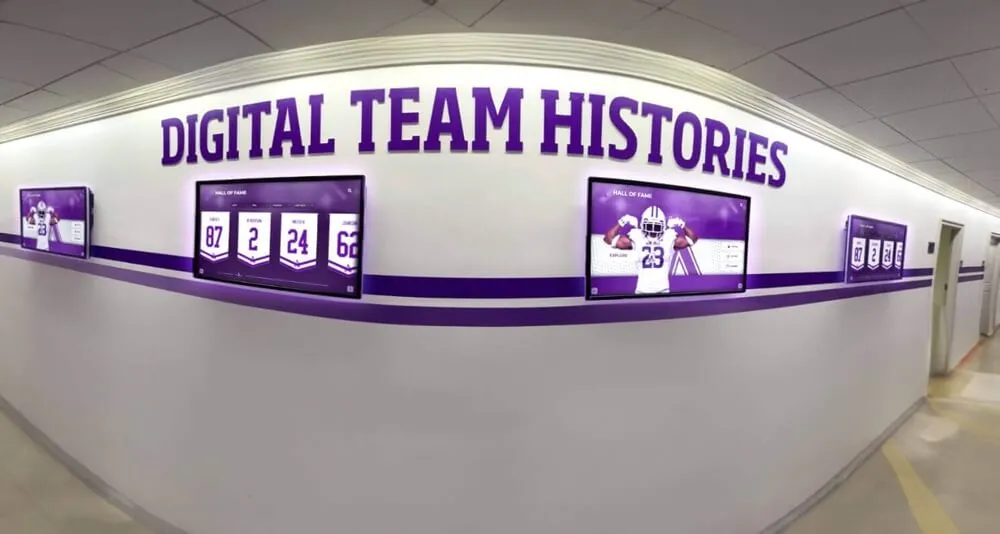
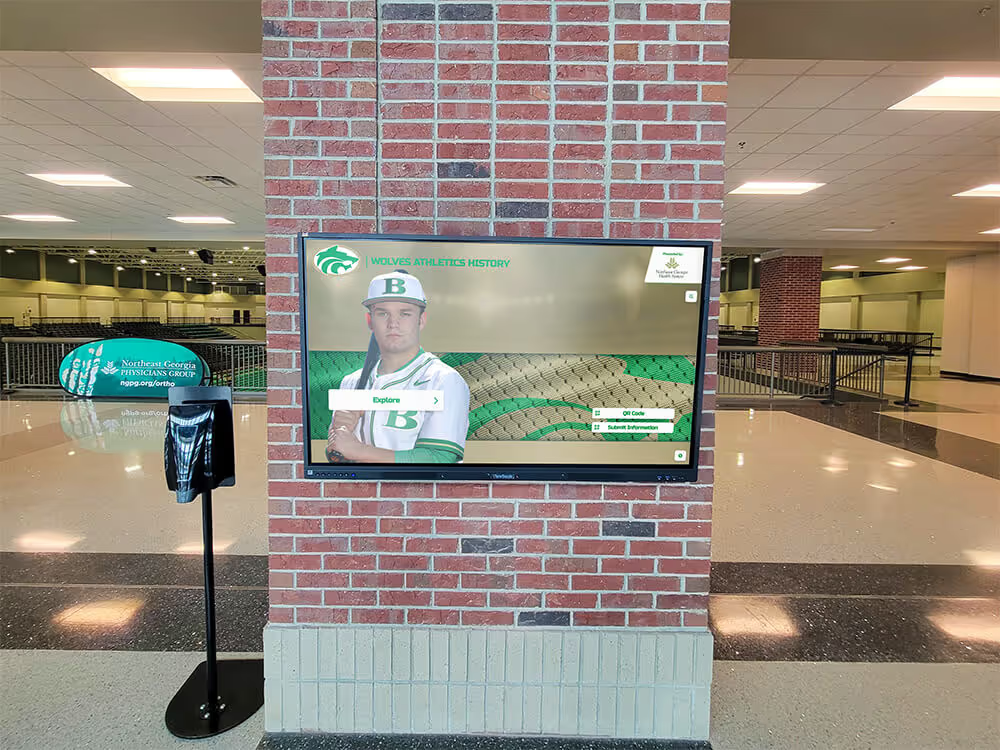
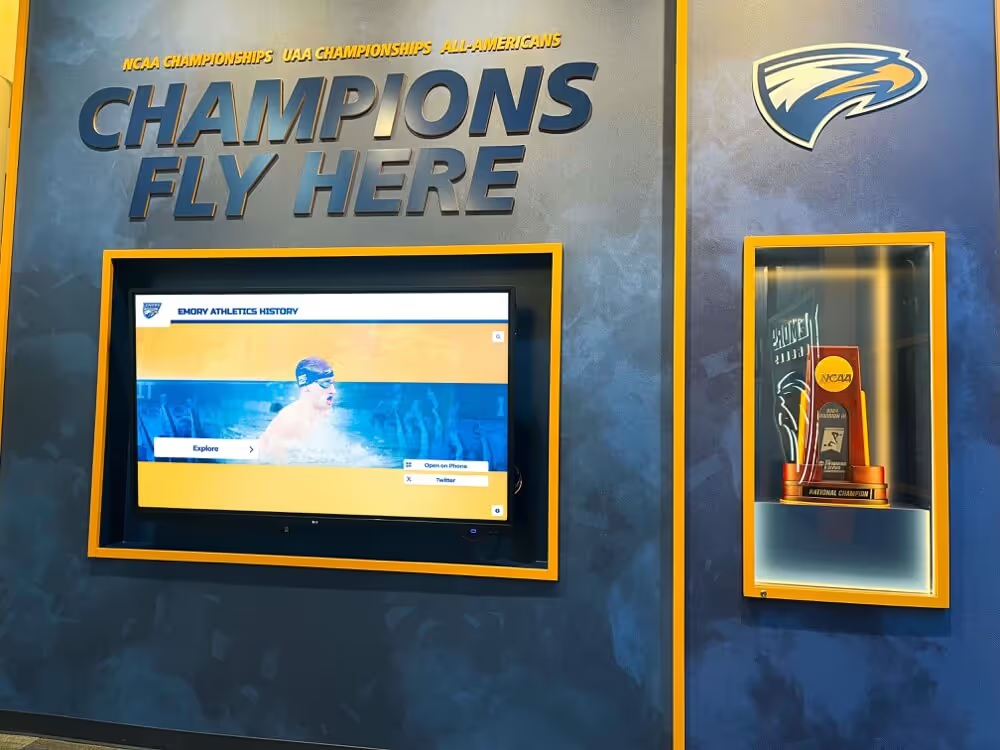
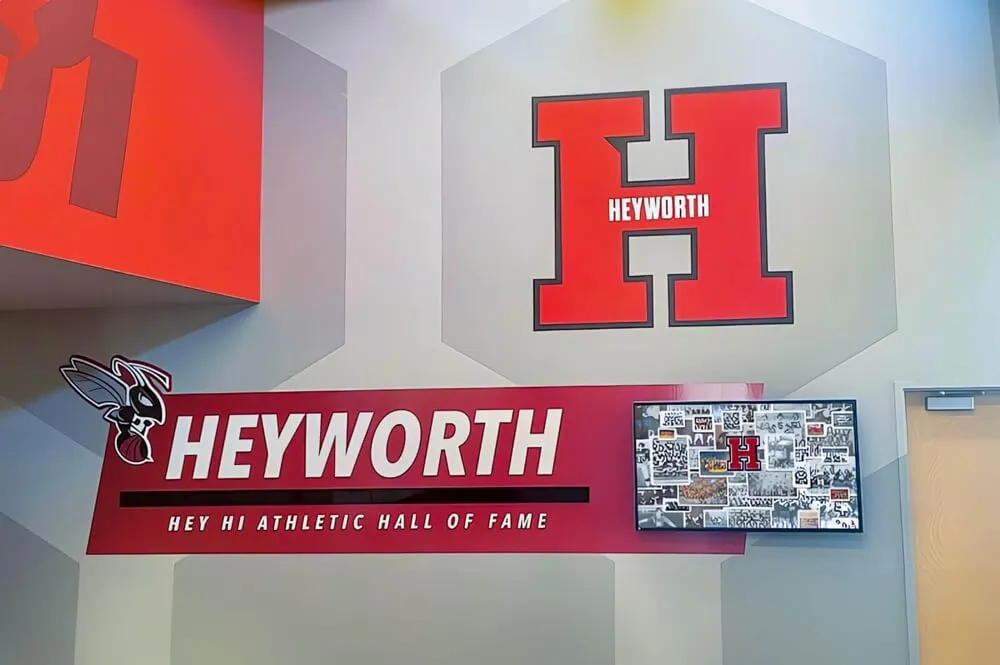
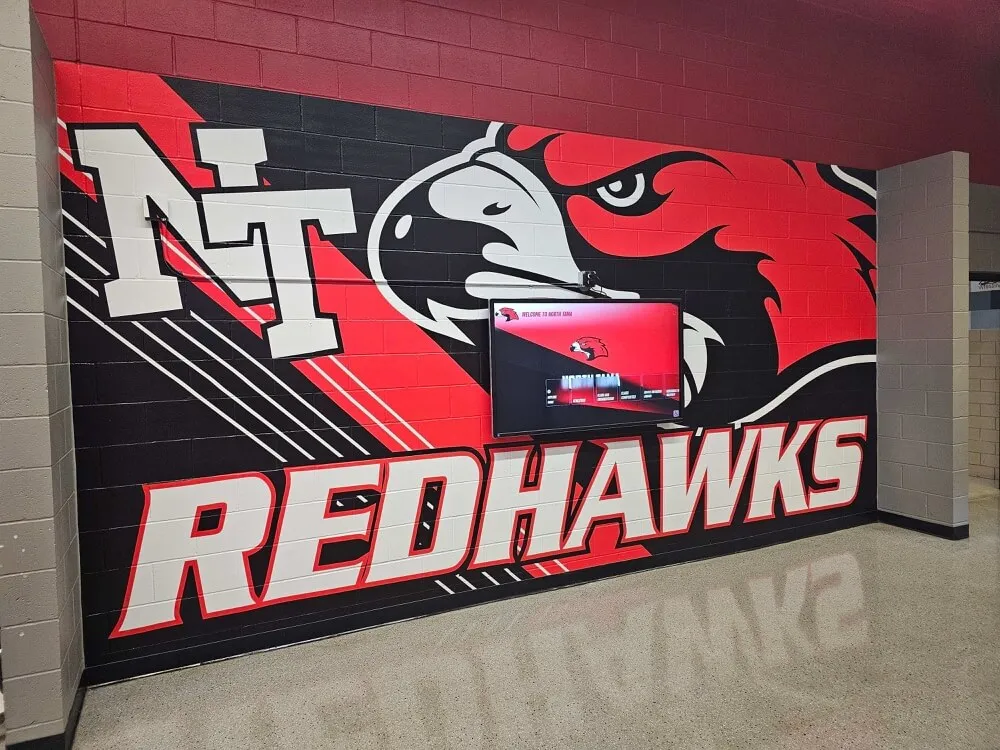
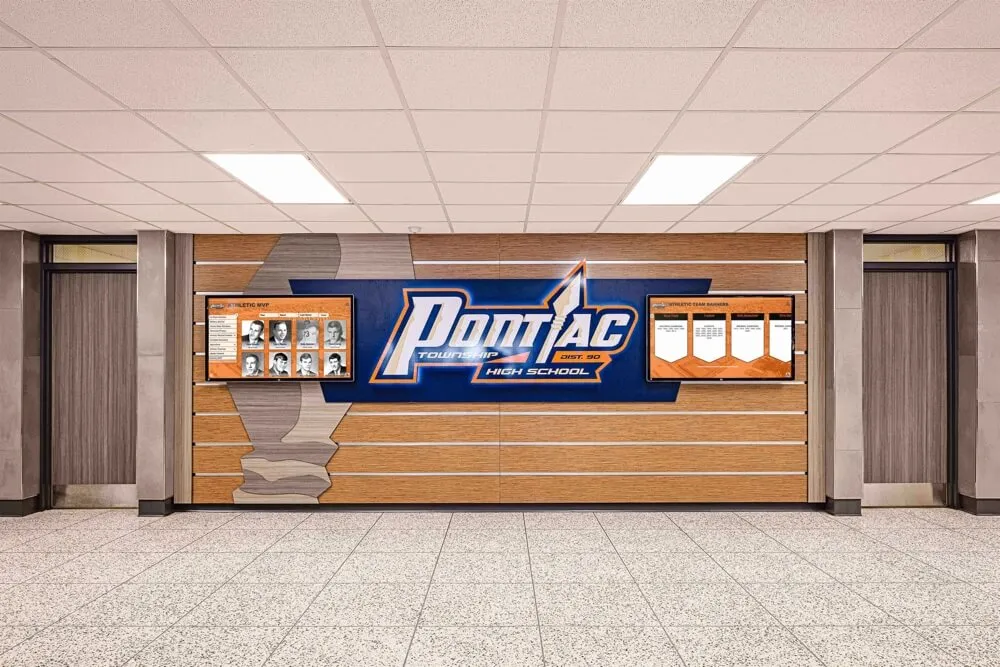
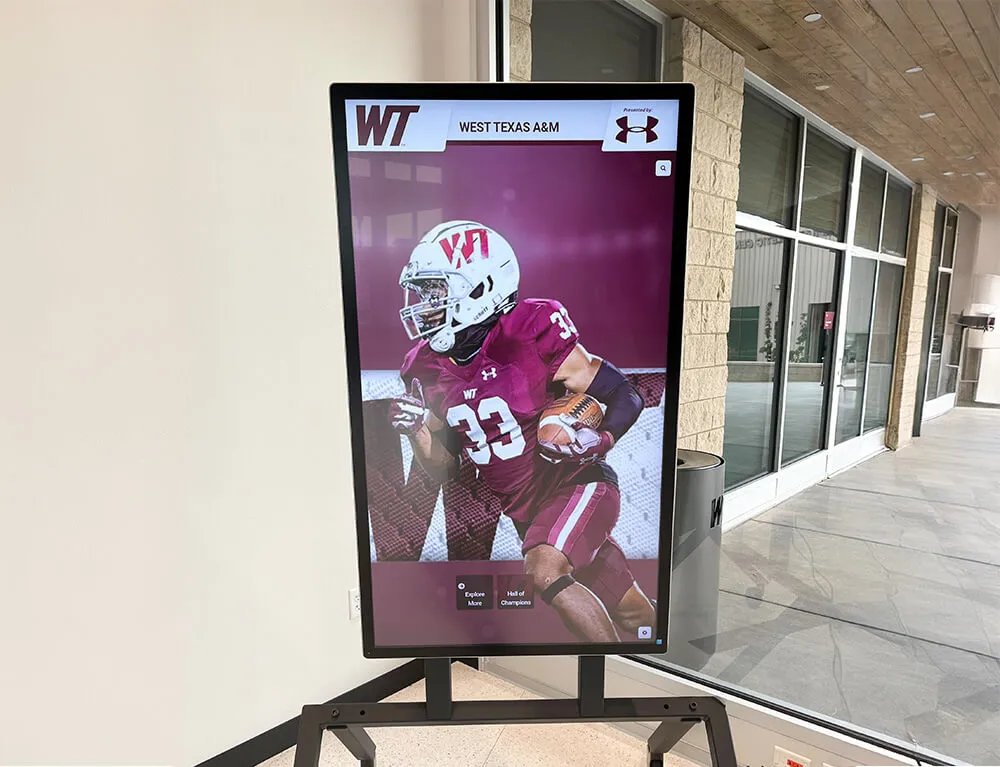
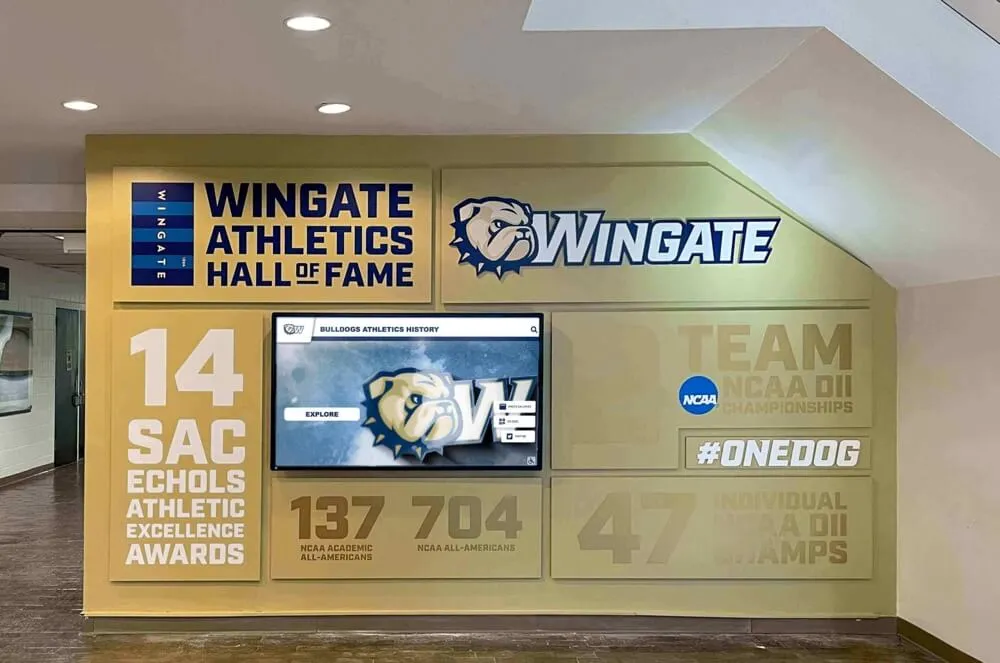
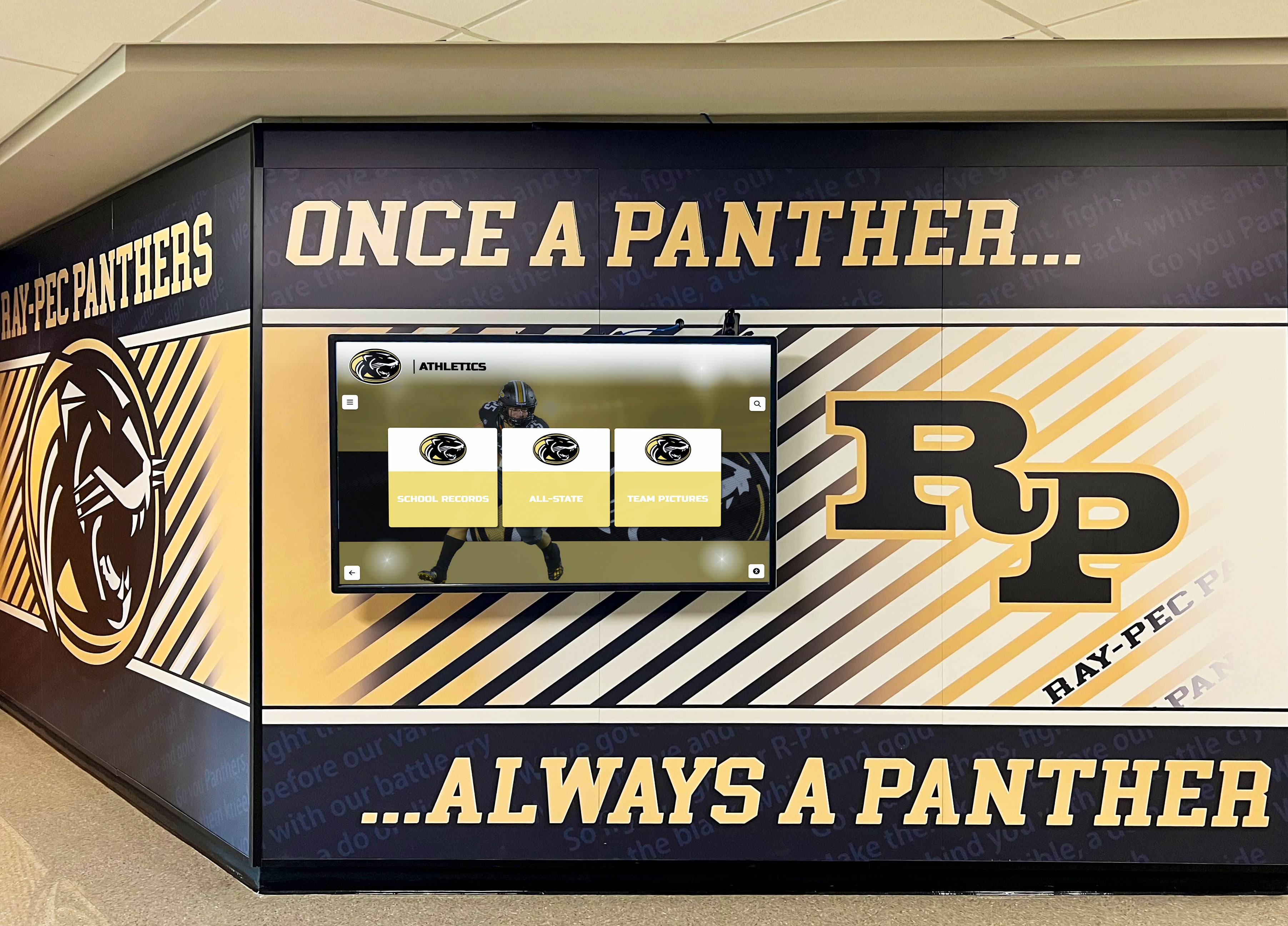
Booster clubs build the community identity around a school athletic program that no institutional budget can create on its own
The Core Purpose of a Booster Club
At its most fundamental level, a booster club supplements what a school district can fund. The term “booster” is literal: these organizations boost program capacity by generating revenue that flows back into athletic departments for direct program use.
That supplemental role takes three forms:
Financial support. Booster clubs raise money through membership dues, direct appeals, event proceeds, and corporate sponsorships. Funds typically cover equipment purchases and replacements, uniform updates, competition travel, coaching supplements, and facility improvements the district cannot prioritize.
Volunteer labor. Athletic programs require significant human effort beyond what paid staff can provide. Booster volunteers run concession stands, manage event logistics, coordinate spirit wear sales, staff fundraisers, and provide the operational capacity that makes a modern athletic program viable.
Community engagement. A booster club creates a constituency around the program—parents, alumni, local businesses, and community members who feel connected to athletic success even when their own children aren’t competing. That community connection pays dividends in sustained giving, sponsor renewals, and the kind of school pride that makes athletic facilities feel worth investing in.
Booster Club Roles at a Glance
The table below summarizes the main functions a booster club typically performs and which stakeholders each function primarily serves.
| Booster Club Function | What It Involves | Who It Serves |
|---|---|---|
| Fundraising campaigns | Direct appeals, membership drives, crowdfunding | Athletic department budget |
| Corporate sponsorships | Soliciting and stewarding local business partners | Program revenue + sponsor visibility |
| Event operations | Concessions, spirit wear, game-day logistics | Fans, athletes, revenue generation |
| Volunteer coordination | Recruiting, scheduling, and recognizing helpers | Coaches, event organizers |
| Athlete recognition | Awards banquets, senior nights, hall of fame | Student-athletes, families |
| Donor recognition | Plaques, display walls, digital recognition | Donors, sponsors, community |
| Financial oversight | Budgeting, reporting, 501(c)(3) compliance | Board, school administration |
| Community communication | Newsletters, social media, season updates | Parents, alumni, supporters |
How a Booster Club Is Organized
Most established booster clubs are incorporated as independent nonprofit organizations and carry IRS 501(c)(3) tax-exempt status. That legal structure matters because it enables donors and sponsors to treat their contributions as tax-deductible—which meaningfully increases giving capacity among families and local businesses that pay attention to charitable deduction eligibility.
The typical governance structure includes:
Executive Board: President, vice president, secretary, and treasurer who oversee major decisions, sign off on expenditures, and represent the organization to the school and the community.
Committee Chairs: Volunteers who manage specific functions—fundraising, communications, event planning, and sponsorship development each typically have a dedicated lead who coordinates activity within that area.
General Membership: All contributing parents, community members, and supporters who vote on significant decisions, participate in events, and provide the volunteer base that makes operations possible.
Bylaws define what each role can and cannot authorize, how elections are conducted, and how finances are controlled. Financial controls—dual signatures on checks above a threshold, segregated duties between the person who approves expenditures and the person who records them—are standard practice in well-run organizations and protect both volunteers and the organization’s credibility with donors.
Give Your Booster Club's Donors Recognition That Lasts
Rocket Alumni Solutions helps schools and booster clubs build digital donor recognition systems where sponsor names and supporter contributions appear year-round alongside athletic achievements—creating durable visibility that makes renewal feel natural.
Request a Recognition DemoBooster Club Fundraising: The Main Revenue Sources
Fundraising is the most visible thing a booster club does, but the diversity of approaches distinguishes high-performing organizations from those that struggle with inconsistent revenue.
Individual Giving and Membership Programs
Annual membership programs convert one-time contributions into predictable recurring revenue. A typical tiered structure might look like:
| Membership Level | Annual Contribution | Recognition Benefits |
|---|---|---|
| Community Supporter | $100–$249 | Name in game programs and digital display |
| Bronze Member | $250–$499 | Program listing + social media recognition |
| Silver Member | $500–$999 | Featured name + season event invitations |
| Gold Member | $1,000–$2,499 | Priority recognition + named sponsor profile |
| Platinum Member | $2,500+ | Prominent display + multi-year rate lock option |
Clear membership tiers give donors a ladder to climb. Families who begin at the Community Supporter level—because that’s what felt accessible in year one—often upgrade as they see their name in the display and feel more connected to the program.
Corporate Sponsorships
Local business partnerships provide substantial revenue while giving sponsors tangible community visibility. A professional sponsorship package documents specific benefits at each investment level: banner placement at home events, logo rotation in the digital lobby display, social media acknowledgment posts, exclusive presenting sponsorships for major games or tournaments.
Booster clubs that treat sponsor relationships as genuine community partnerships—rather than transactional annual asks—achieve renewal rates that far exceed those relying on cold outreach each season. Dedicated sponsor stewardship, which includes end-of-season recognition documentation and a personal follow-up conversation before renewal deadlines, is the single most reliable driver of multi-year sponsor commitments.
Special Events and Game-Day Revenue
Events generate both revenue and community engagement. Popular formats include golf tournaments, athletics banquets with silent auctions, and 5K runs or fun runs. On the game-day side, concession stands, spirit wear sales, 50/50 raffles, and program sales each contribute to operating budgets.
The key financial discipline is measuring return on volunteer investment, not just gross revenue. A fundraiser that produces $15,000 but requires 400 volunteer hours at burnout pace is less sustainable than a direct appeal campaign that generates $12,000 with 40 hours of coordinated effort.
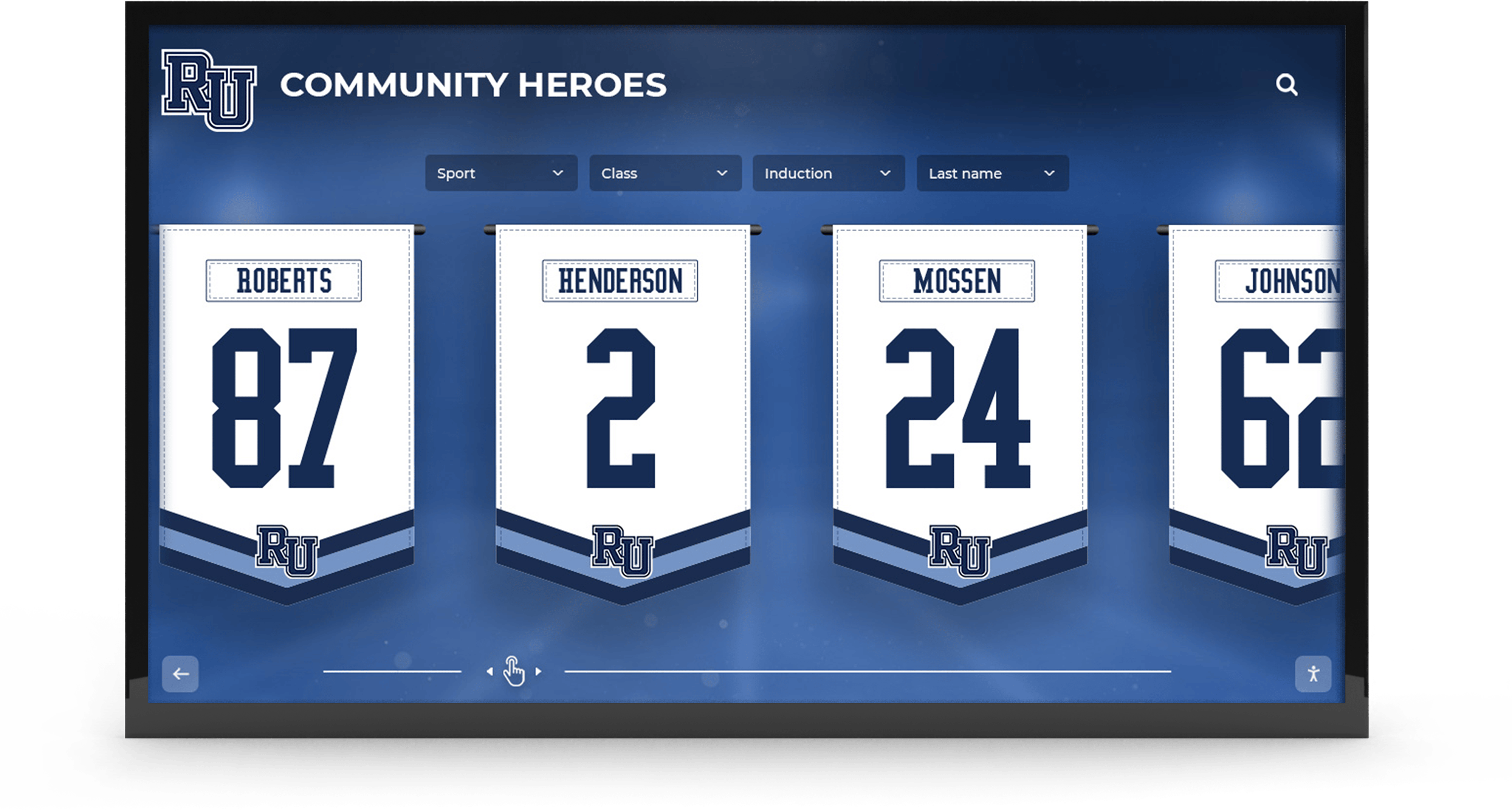
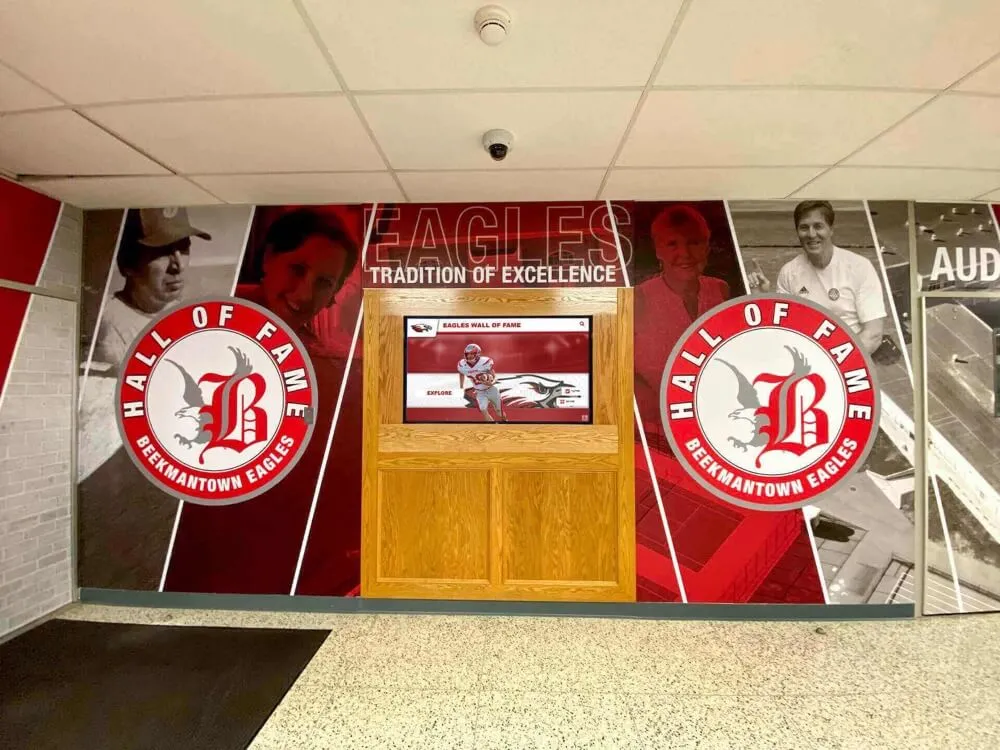
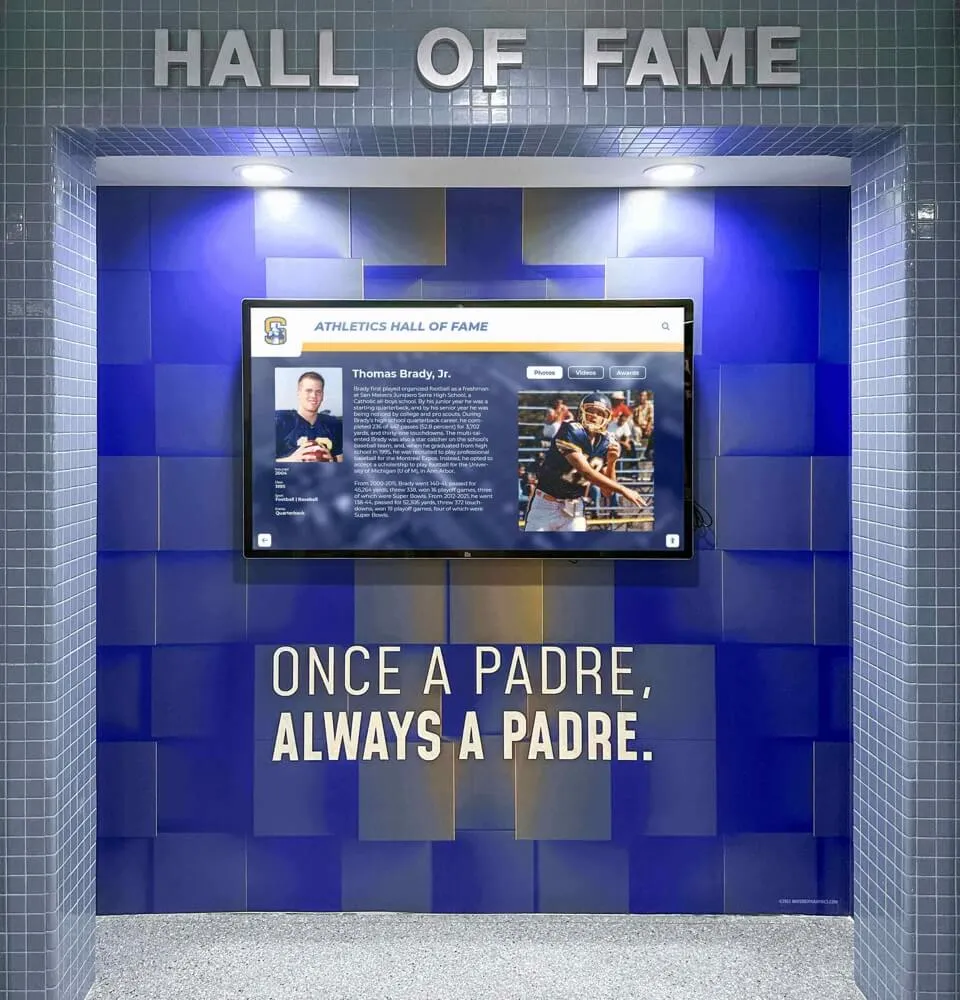
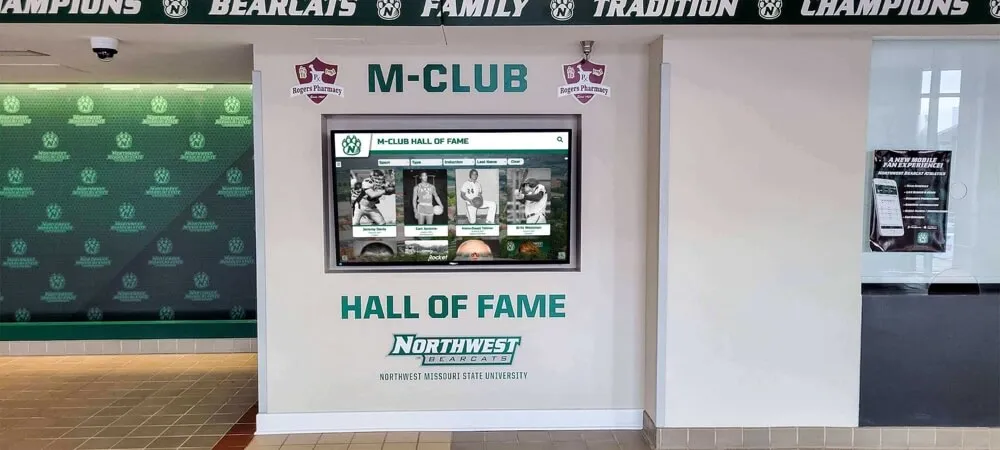
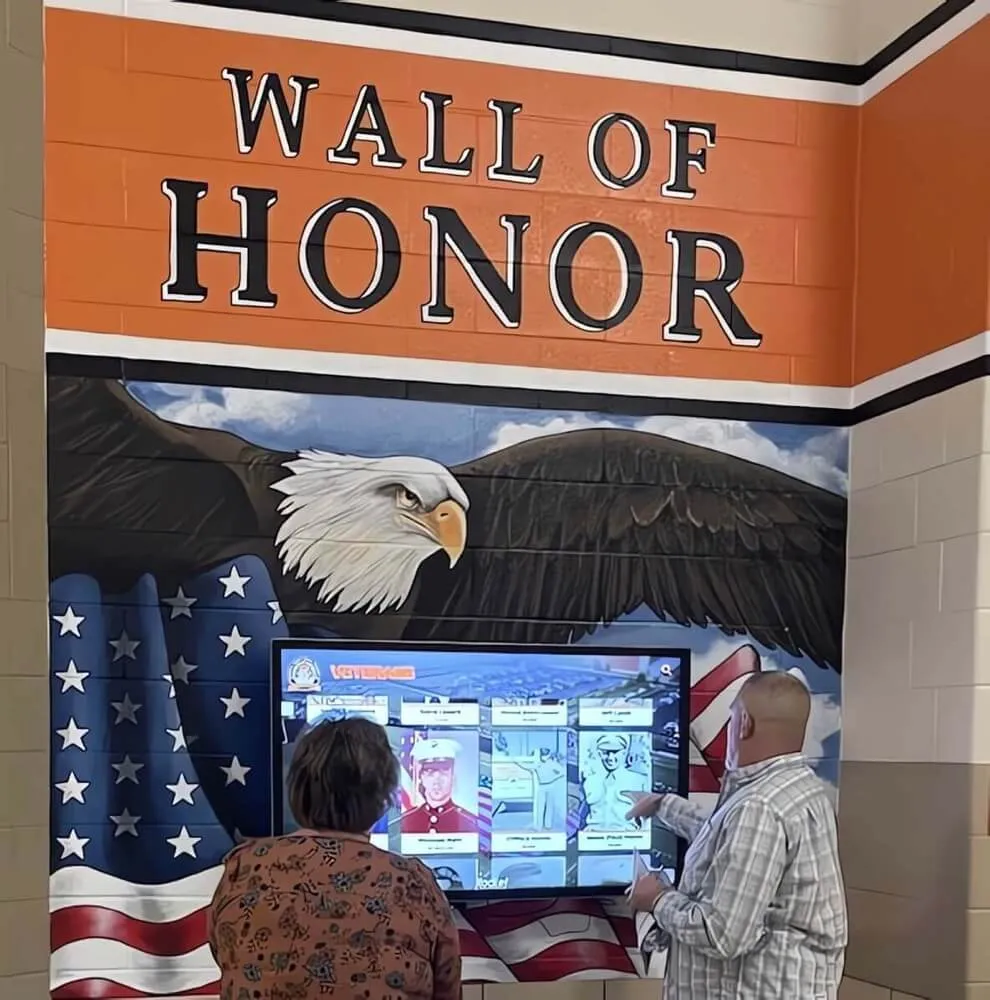
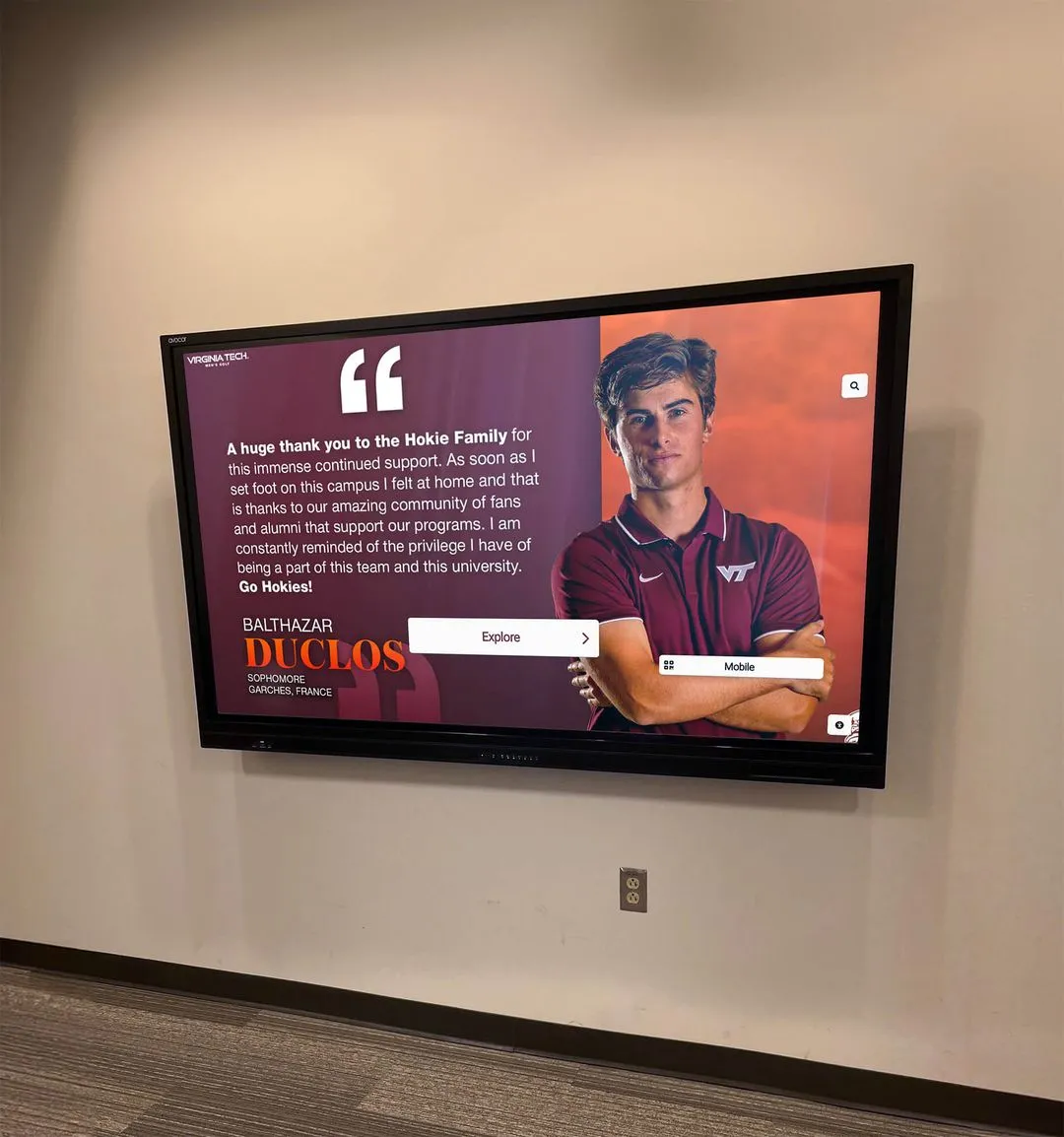
Year-round community recognition—not just season-opening banners—is what transforms donors into sustained partners
Sponsor Recognition: A Core Booster Club Responsibility
Fundraising generates the revenue. Sponsor recognition determines whether it happens again next year.
Sponsors contribute to school athletic programs for a combination of motivations: genuine community investment, brand visibility, and the positive association that comes from being connected to student-athlete success. Recognition programs that acknowledge all three motivations—not just the tax receipt—retain sponsors at dramatically higher rates than programs that treat acknowledgment as a formality.
What Strong Sponsor Recognition Looks Like
Effective sponsor recognition at the booster club level operates across multiple touchpoints:
Immediate acknowledgment. A thank-you letter within 48 hours of receiving a contribution, personalizing the note with the specific amount, what it funded, and where the sponsor’s name appeared during the season. Generic form letters communicate indifference; specific letters communicate that the sponsor’s investment was actually noticed.
In-season visibility. Logos in game programs, banners at home events, rotation in digital lobby displays, and social media recognition posts that the sponsor can share with their own followers. Visibility during the season—not just at year’s end—gives sponsors concrete evidence of the community reach they’re purchasing.
Year-end documentation. A sponsor benefits summary documenting which events featured their name, estimated event attendance, and any recognition placements they received. For sponsors evaluating whether to renew, this documentation converts an abstract investment into a measurable one. Donor recognition wall plaques and display solutions offer useful frameworks for how recognition materials communicate value to business sponsors and major donors alike.
Post-season follow-up. A personal call or meeting 6–8 weeks before the next season launch to present renewal options and any enhanced recognition available at upgraded tiers. This conversation—low-pressure and relationship-focused—is where the most durable multi-year sponsor commitments are built.
Recognition That Outlasts the Season
Static recognition—a banner at a game, a name in a program printed once—has a natural shelf life. Digital recognition systems that keep sponsor names visible throughout the school year, in lobbies and athletic hallways that families and community members walk past daily, create a fundamentally different value proposition.
When a sponsor’s logo appears alongside hall of fame inductees, championship banners, and student-athlete achievement boards in a digital display, they’re not just buying event visibility—they’re becoming part of the program’s ongoing story. That association is more compelling at renewal time than any sponsorship deck.
What Booster Clubs Do for Student-Athletes
Booster clubs exist to support athletic programs, but their most visible impact is on the student-athlete experience: the equipment that keeps practices safe, the travel budget that makes regional competition possible, the recognition events that mark athletic careers.
Equipment and uniforms. Institutional budgets rarely cover replacement cycles that match actual wear and tear. Booster clubs fund new uniforms, updated training equipment, and facility improvements that coaches cannot obtain through district purchasing.
Travel and competition fees. Regional and state tournament appearances require transportation, lodging, and entry fees that exceed most athletic department budgets. Booster funding is often the difference between a program that competes at the highest available level and one that limits its schedule to reduce costs.
Recognition events and banquets. End-of-season banquets, athletic letter ceremonies, and senior nights are typically organized and funded through booster club operations. These events close each season with appropriate ceremony—recognizing individual achievements, acknowledging the graduating class, and reinforcing the community identity around the program.
Awards and hall of fame programs. Many booster clubs coordinate annual award programs recognizing outstanding student-athletes, maintain school records boards, and contribute to athletic hall of fame programming. Student award programs that celebrate athletic and academic achievement provide frameworks that booster clubs can adapt for sport-specific or all-program recognition events.
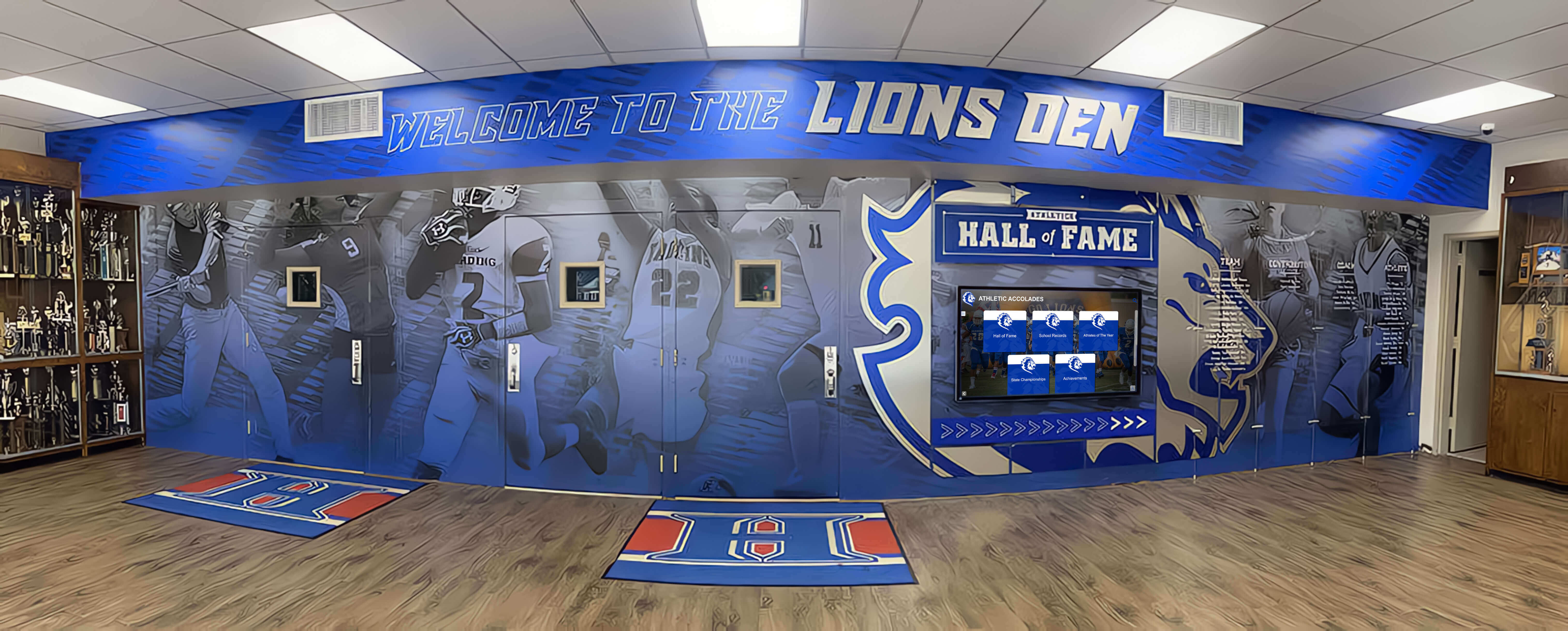
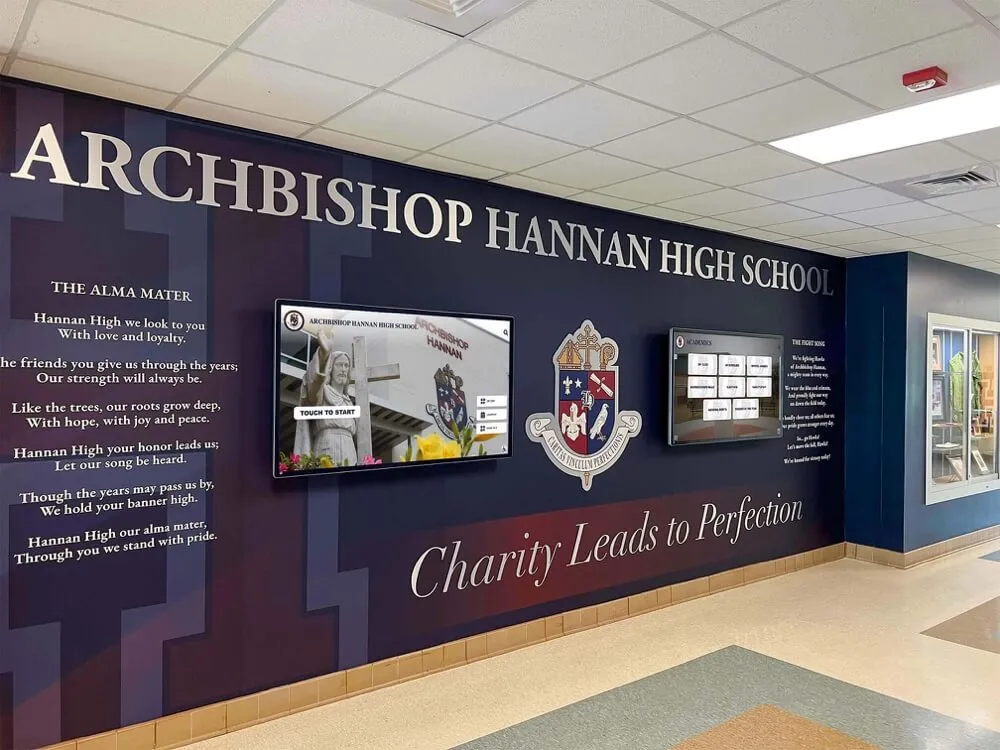
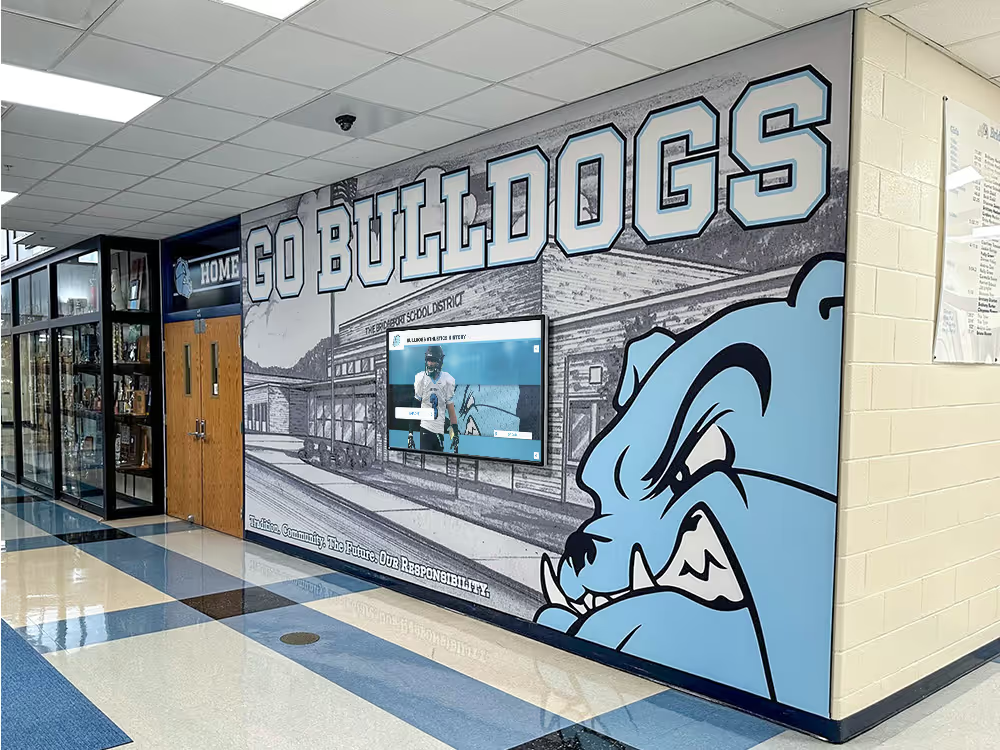
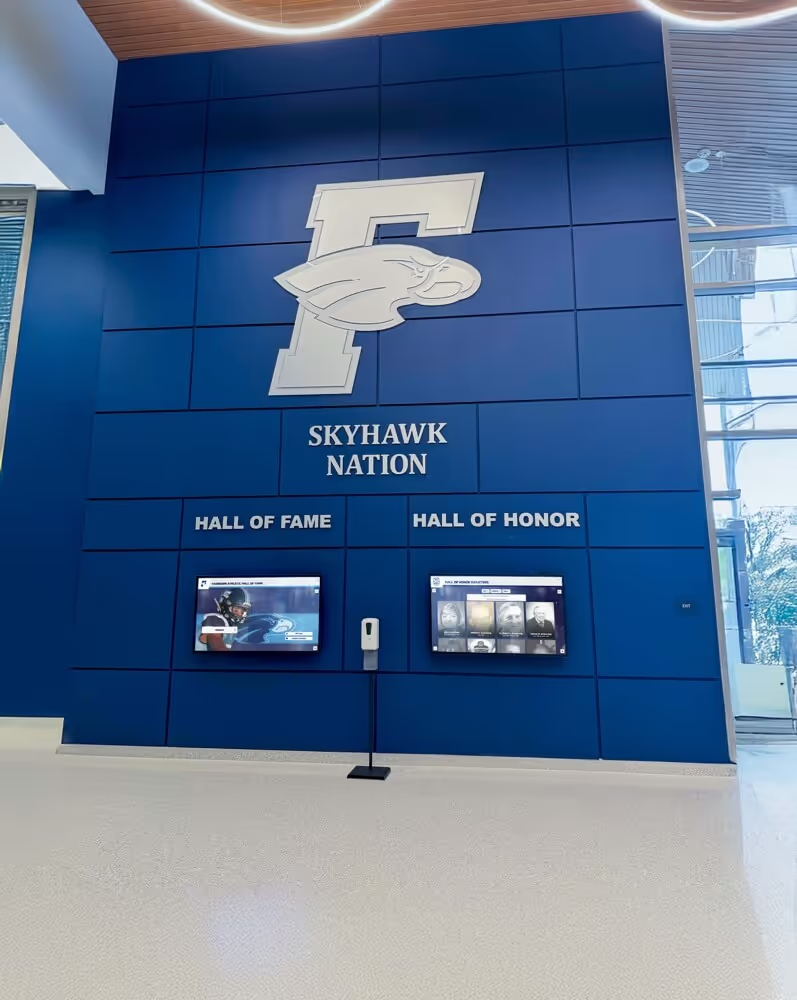
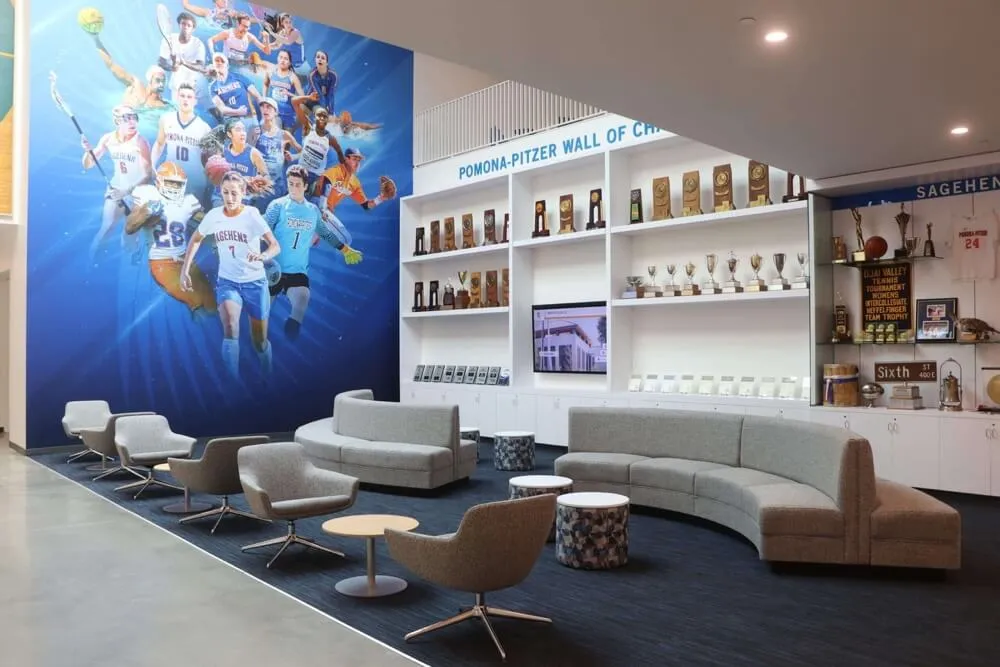
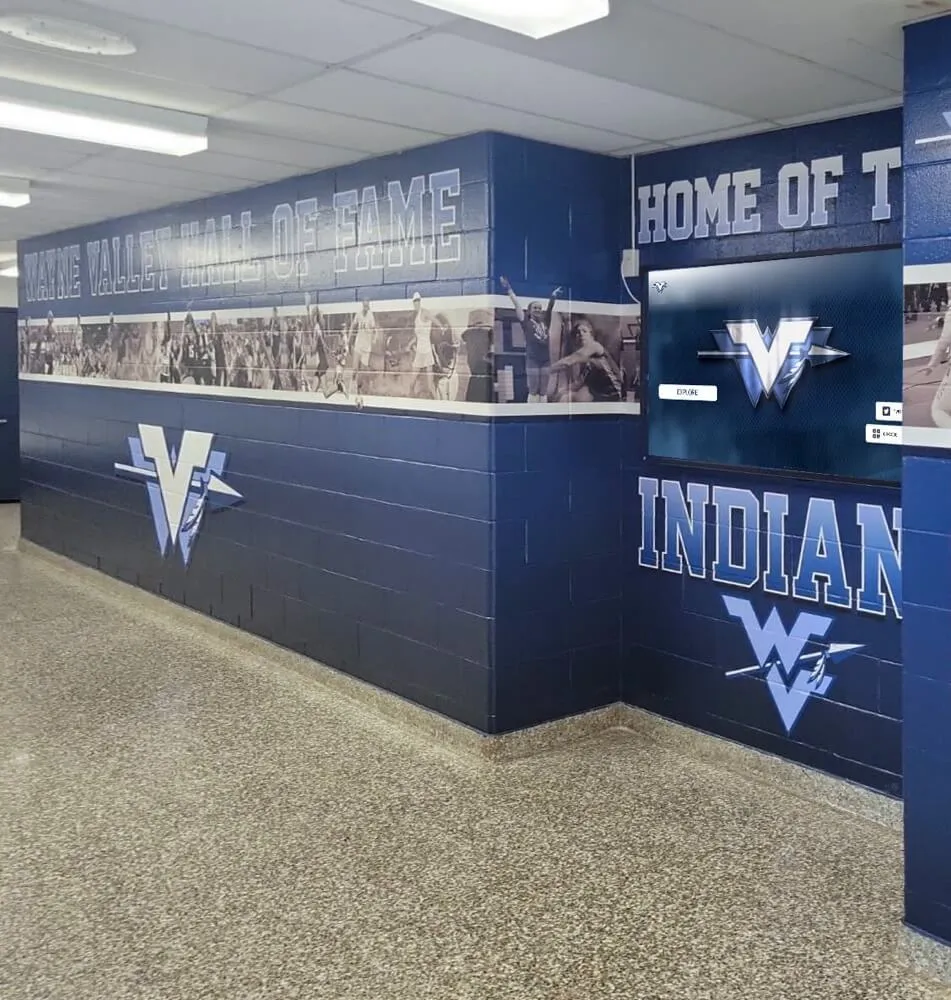
Booster club investment in permanent athletic recognition—trophy cases, murals, and hall of fame displays—creates school identity that endures beyond any single season
Booster Club Events: Building Community Around the Program
A booster club does more than raise money—it creates occasions that make families and community members feel invested in the athletic program’s identity.
Homecoming and spirit week. Booster clubs often coordinate or co-sponsor school spirit events that build program identity across the broader community. Homecoming and spirit week themes that engage the whole school offer event planning ideas that booster clubs can adapt into community engagement opportunities.
Alumni outreach and reunion events. Successful booster clubs actively engage athletic alumni—former players who feel connected to the program and often become donors as their own connection to current rosters fades. Alumni engagement event ideas that reconnect graduates to their school offer formats that translate directly into booster club cultivation and fundraising opportunities.
Season recap and archive events. End-of-season celebrations that document the year’s achievements—championship highlights, record-setting performances, individual award recipients—serve both recognition and community purposes. A thoughtful sports season recap that preserves athletic history gives booster clubs a natural framework for closing each year with appropriate ceremony while building the institutional archive that fuels future recognition programs.
Booster Clubs and Digital Recognition Infrastructure
The most forward-looking booster clubs are investing in digital recognition infrastructure that serves multiple functions simultaneously: donor acknowledgment, sponsor visibility, athlete celebration, and school identity.
Digital displays in athletic lobbies and hallways—featuring rotating sponsor logos, hall of fame inductee profiles, championship histories, and active donor lists—create year-round recognition presence that neither banners nor printed programs can replicate. A sponsor whose name appears in a school’s digital display every day classes are in session receives fundamentally more visibility than one whose banner goes up for a home game and comes down after.
These systems also address one of booster clubs’ most persistent operational challenges: the burden of maintaining recognition materials as donors change, sponsorship levels shift, and new achievements need to be recorded. Digital platforms managed through remote content management systems allow booster club volunteers to update recognition content without physical changes to displays—reducing the maintenance labor that exhausts volunteer capacity over time.
Baseball display cases and athletic memorabilia presentation represent one end of the physical recognition spectrum; digital touchscreen systems represent the other. Most programs benefit from a hybrid approach that preserves physical memorabilia while using digital infrastructure to scale recognition across donors, sponsors, and athlete achievements that exceed what physical space can accommodate.
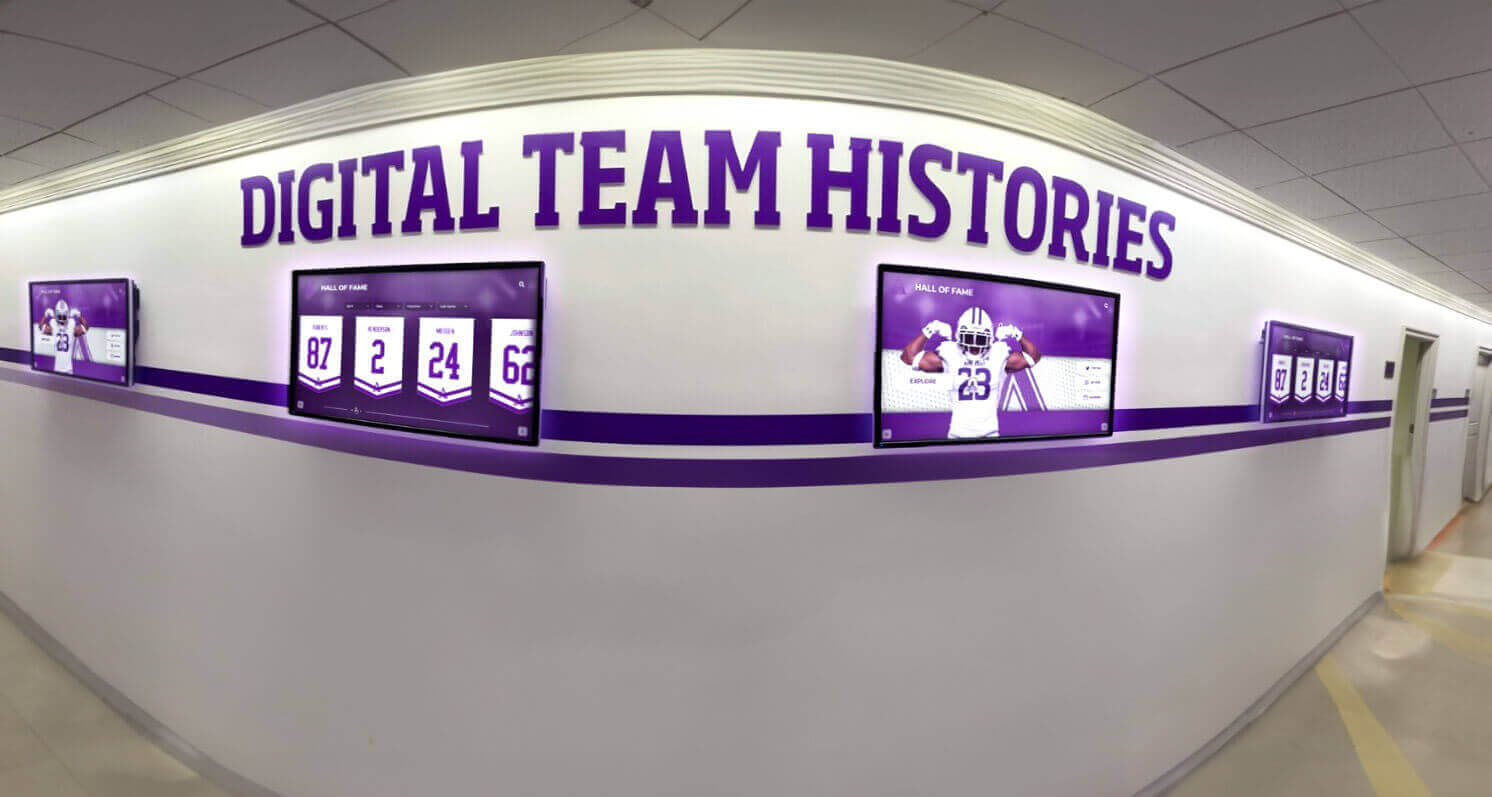
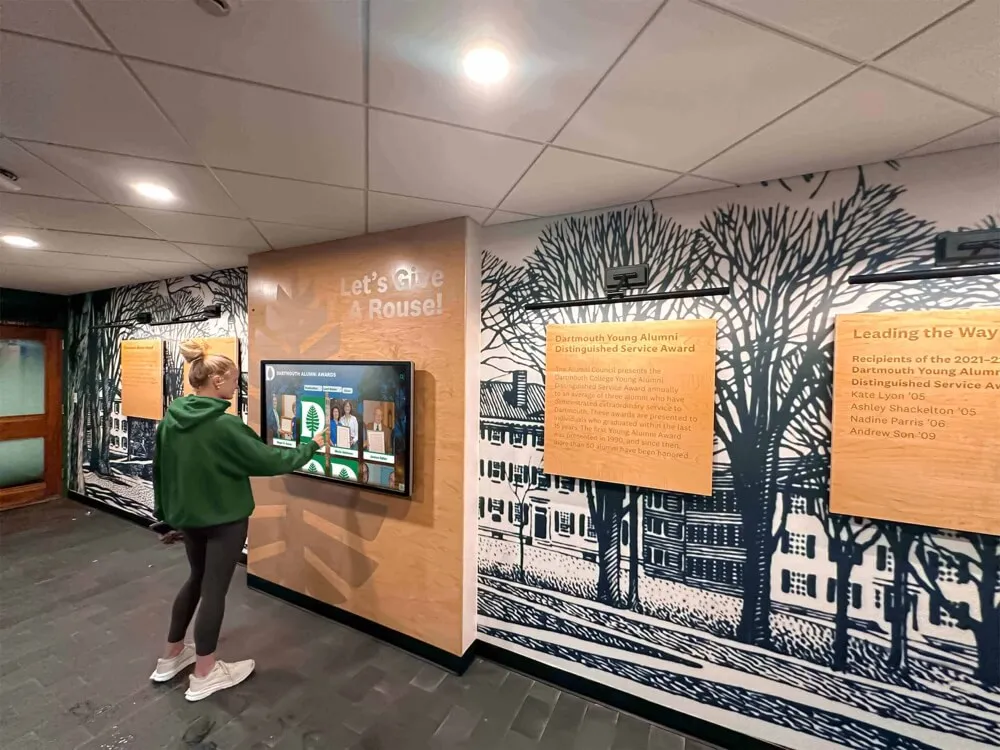
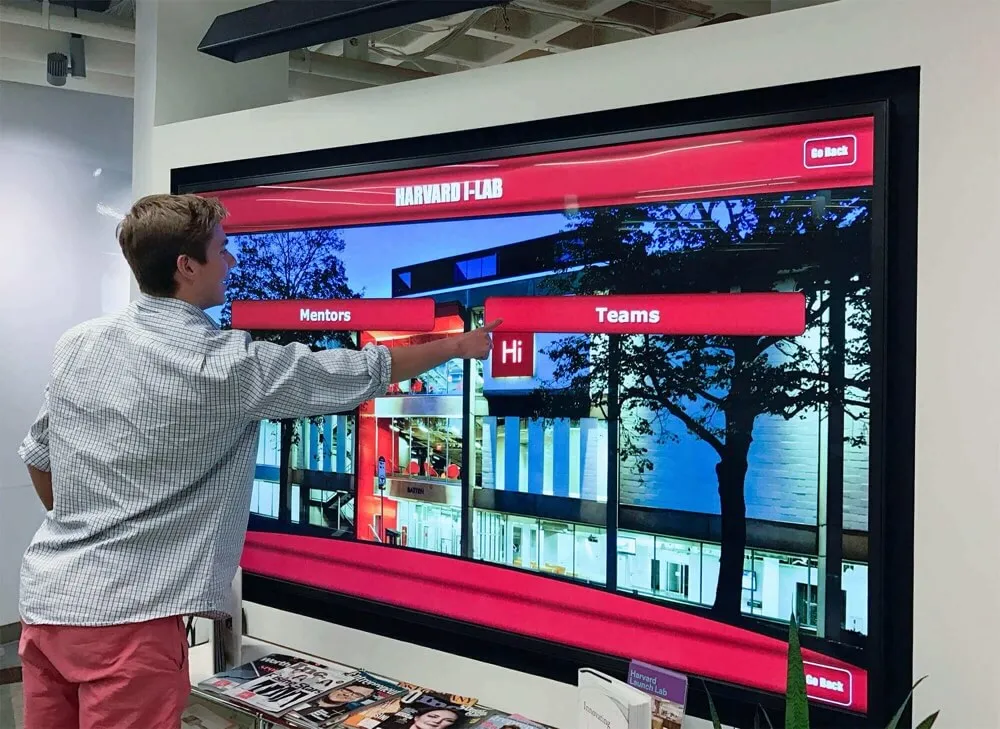
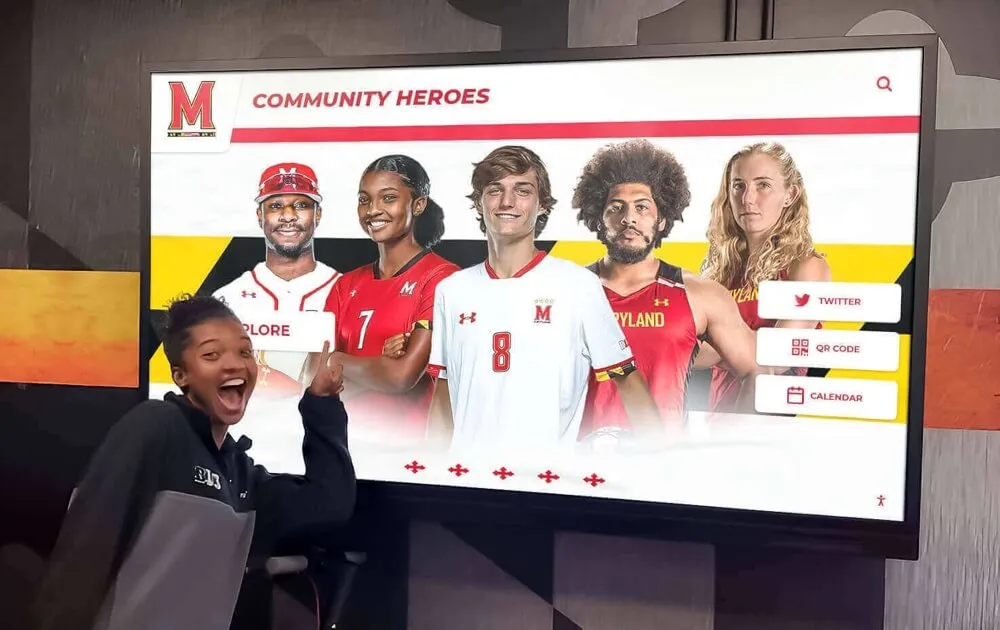
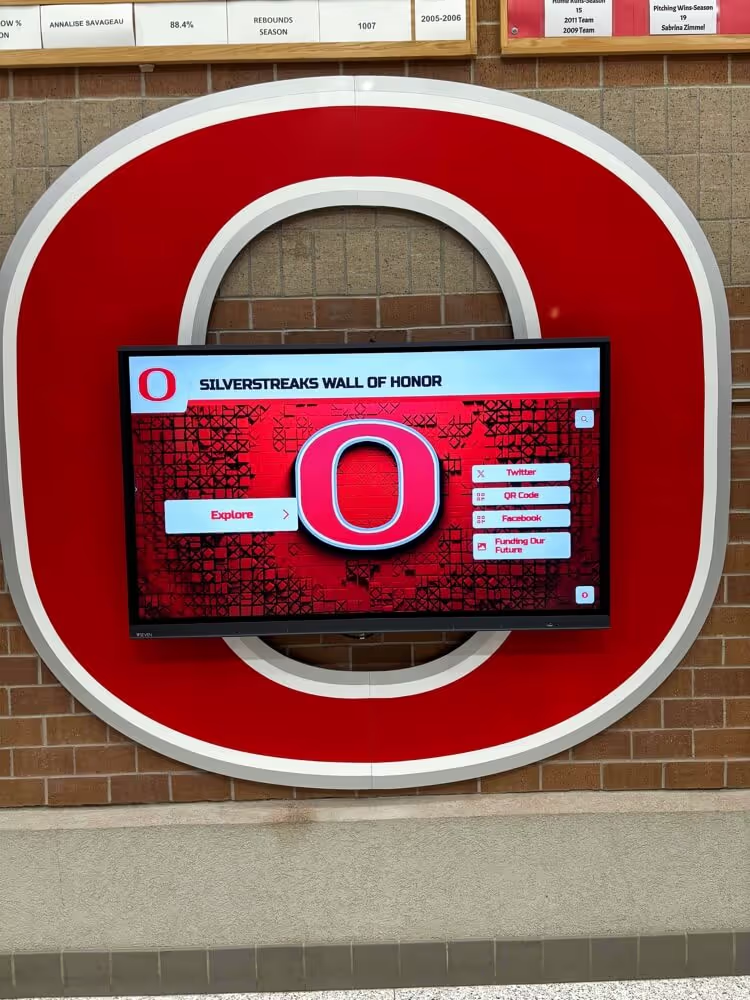
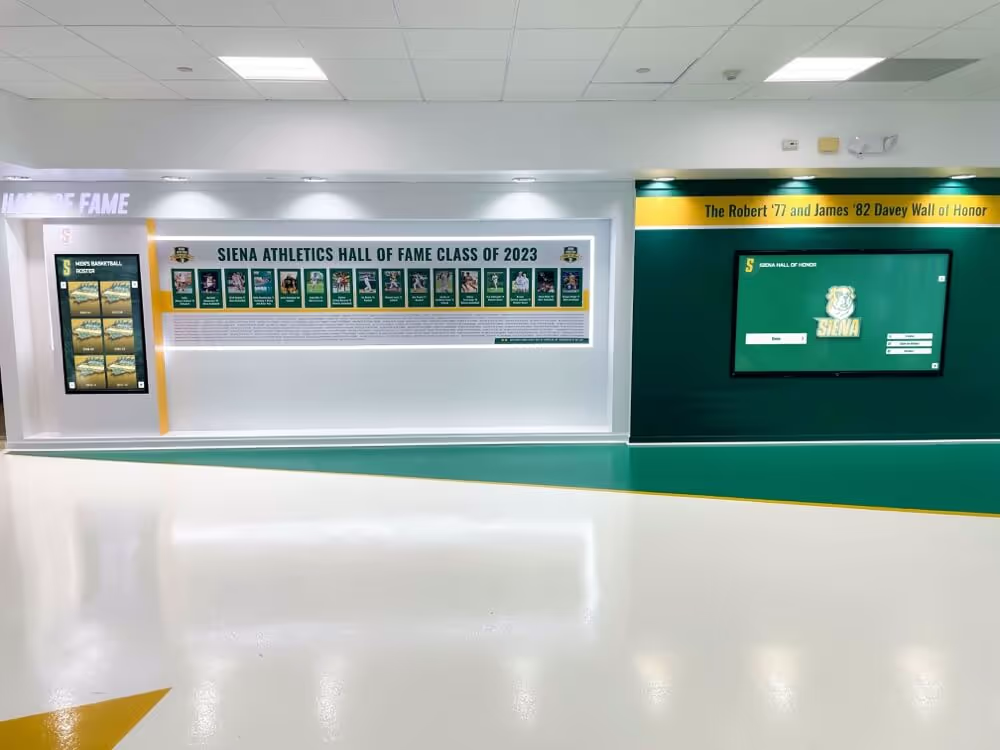
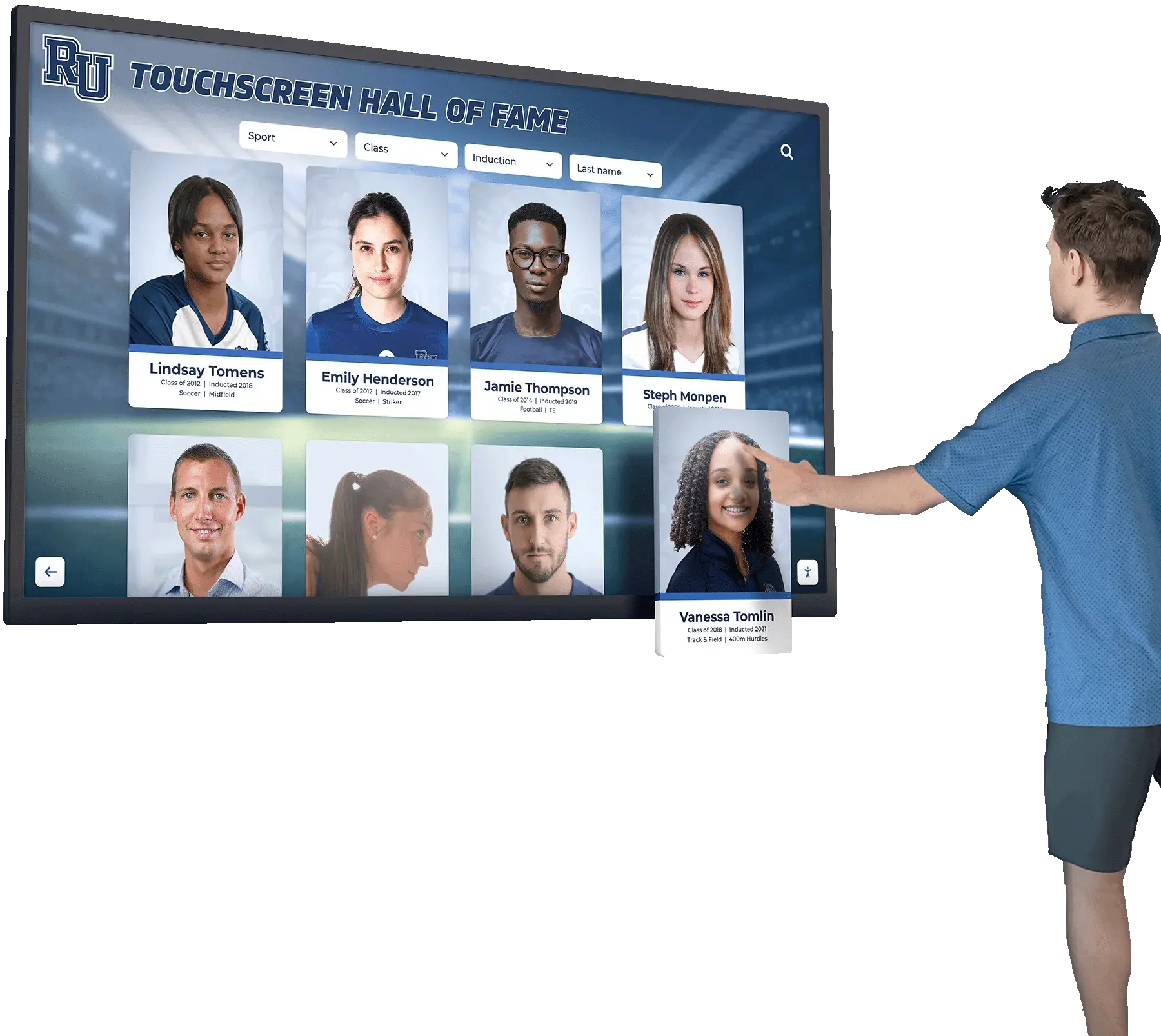
Digital recognition systems give booster clubs the capacity to acknowledge every donor and sponsor without the space constraints of physical plaques
What Makes an Effective Booster Club
Organizations that consistently deliver strong results for their athletic programs share several operational characteristics that distinguish them from clubs that raise adequate money but exhaust their volunteers in the process.
Diversified revenue. Successful booster clubs don’t overweight any single fundraising channel. Individual giving, corporate sponsorships, events, and game-day operations each contribute meaningfully—so that a poor event turnout or a business sponsor that doesn’t renew doesn’t crater the annual budget.
Efficient volunteer use. Return on volunteer investment—not just gross revenue—guides fundraising decisions. Work-efficient approaches that generate substantial revenue with predictable, limited volunteer hours preserve the volunteer capacity that organizations need to sustain operations across multi-year leadership transitions.
Systematic recognition. Recognition programs that run on established schedules—thank-you letters within 48 hours, mid-season social media acknowledgment, year-end documentation, pre-renewal follow-up—retain donors and sponsors at significantly higher rates than programs that acknowledge supporters only when convenient.
Transparent financial management. Regular financial reporting to membership and school administration builds the institutional trust that sustains major donor relationships and community credibility over time.
Succession planning. The booster clubs that survive leadership transitions have documented procedures, organized institutional knowledge, and identified successors before current leaders step back. Organizations that depend on the energy of one or two individuals rarely maintain their effectiveness through the natural turnover that follows student graduations.
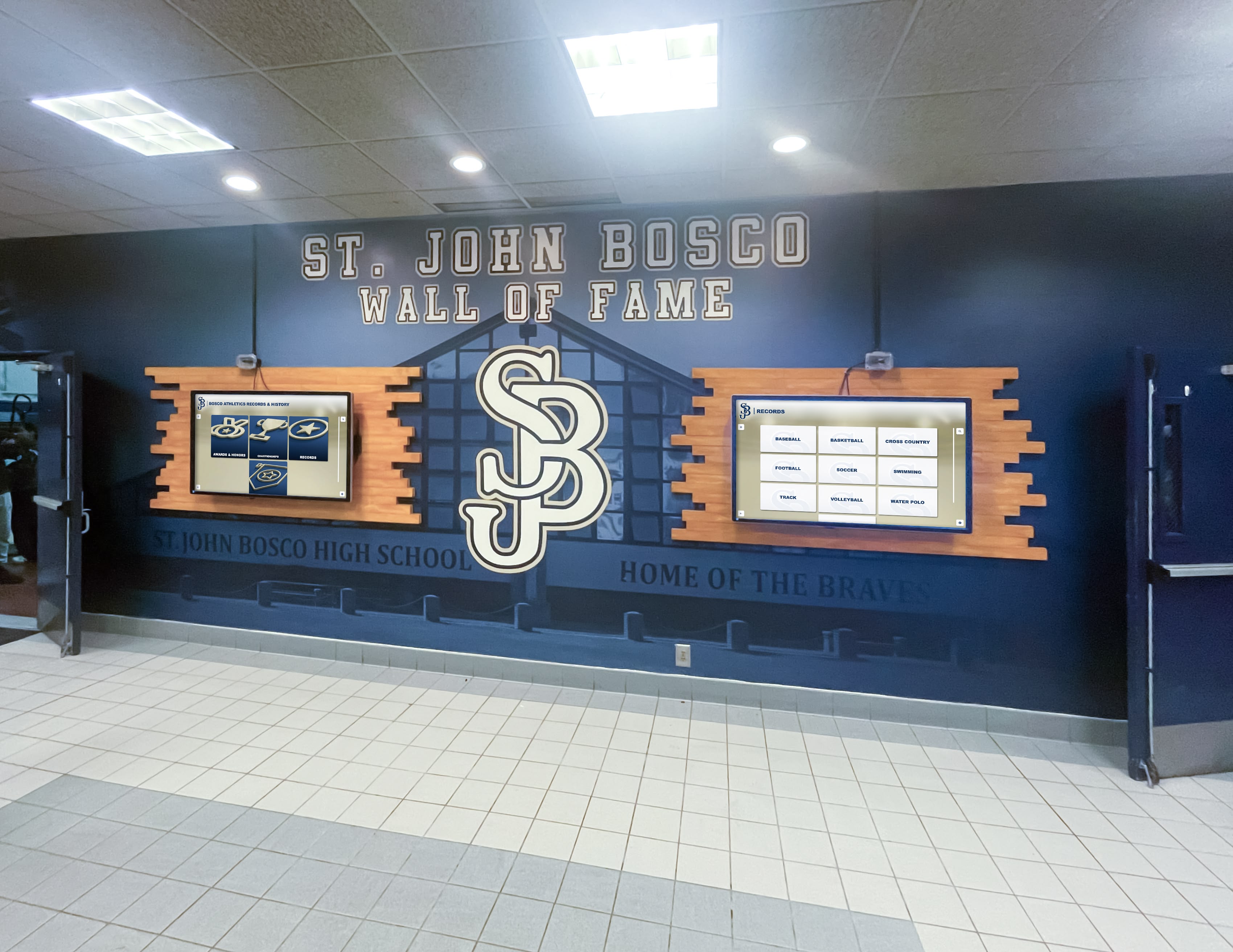
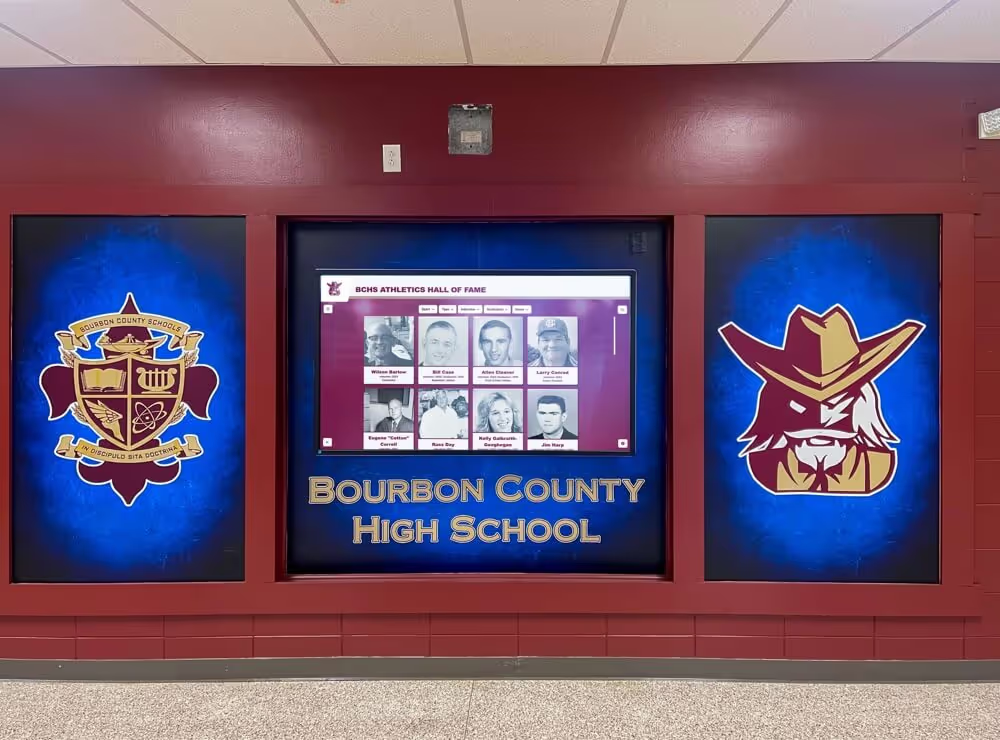
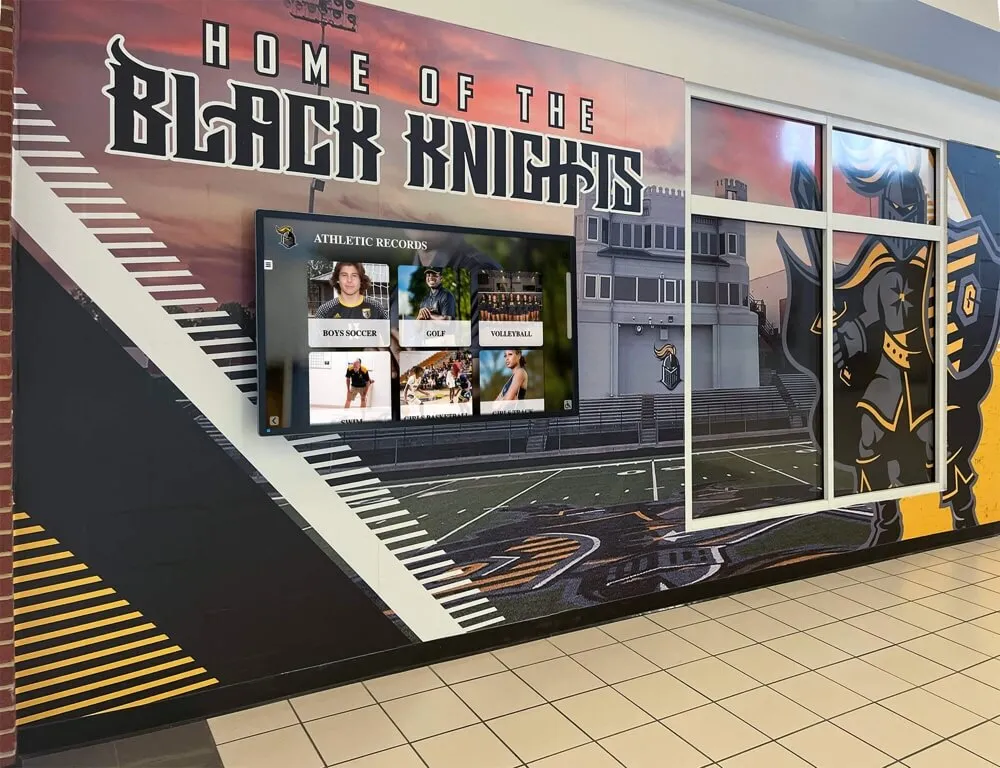
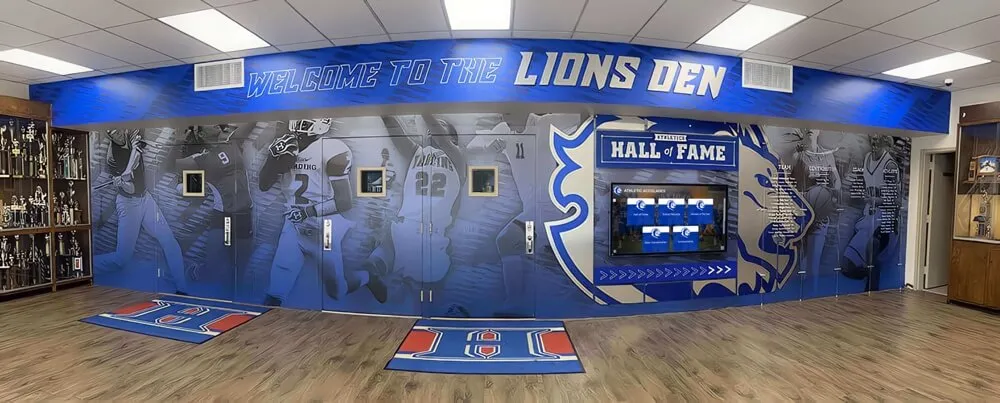
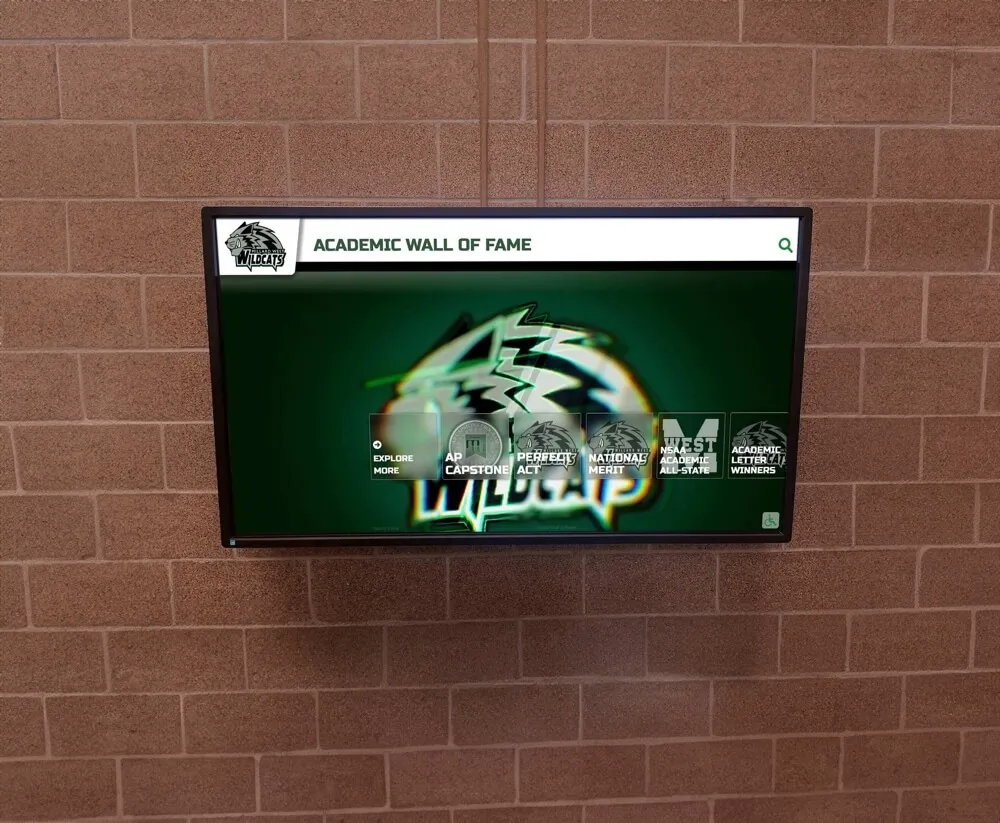
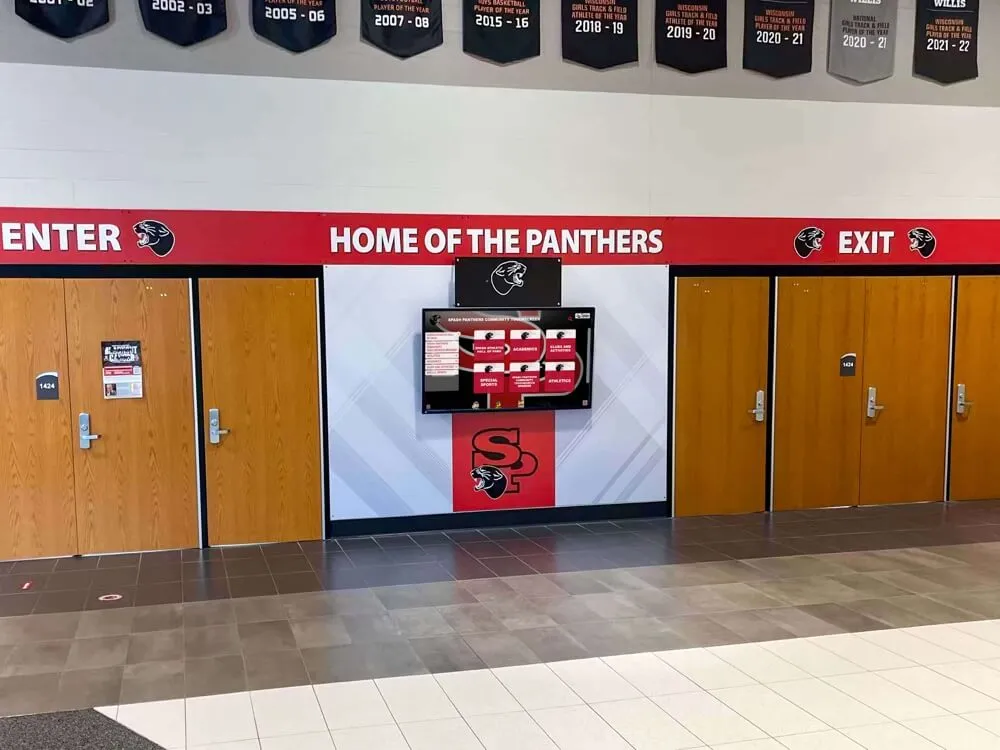
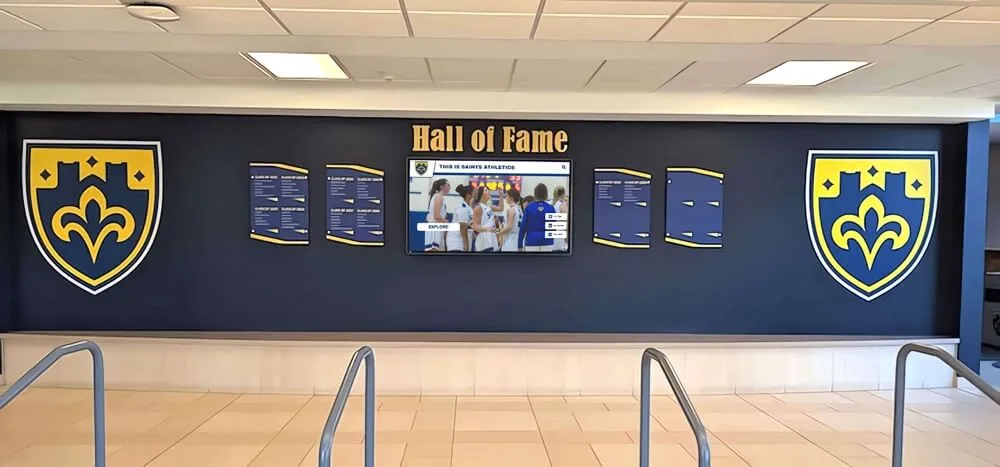
Athletic hallways that integrate digital recognition alongside murals and achievement displays create environments where donors and sponsors see their investment on every visit
Frequently Asked Questions
What is the difference between a booster club and a parent-teacher organization?
A booster club focuses specifically on supporting athletic or extracurricular programs—raising funds for sports equipment, travel, uniforms, and athletic facility improvements. A parent-teacher organization (PTO or PTA) typically supports the broader school community with general educational and school improvement goals. Some schools have both; others have a unified parent organization that handles both functions. Booster clubs tend to be more program-specific and more directly connected to competitive athletics.
Does a booster club need to be a 501(c)(3)?
Most established booster clubs pursue IRS 501(c)(3) tax-exempt status because it enables contributors to treat their gifts as tax-deductible, which meaningfully increases giving capacity among families and local businesses. Smaller organizations may operate as unincorporated associations initially and formalize as they grow. Consult legal counsel for guidance appropriate to your organization’s size and state requirements.
Who runs a booster club?
Booster clubs are run by elected volunteer officers—typically a president, vice president, secretary, and treasurer—alongside committee chairs who manage specific functions like fundraising, events, and communications. Officers are generally parents of current or recent student-athletes, though many clubs actively recruit community members and alumni to broaden their leadership base beyond families with active student enrollment.
What does a booster club typically fund?
Most booster clubs fund athletic equipment purchases and replacements, uniform updates, competition travel and tournament entry fees, coaching supplements, facility improvements, end-of-season banquets and award events, and donor recognition programs. Some clubs also fund scholarships for student-athletes, hall of fame programs, and capital improvements to athletic facilities through dedicated capital campaigns.
How do booster clubs recognize sponsors?
Sponsor recognition typically includes logo placement in game programs and on event banners, rotation in digital lobby or hallway displays, social media acknowledgment posts throughout the season, year-end documentation summarizing where the sponsor’s name appeared and estimated community reach, and a pre-season renewal conversation presenting upcoming sponsorship packages. The most effective recognition programs treat sponsors as community partners rather than transactional contributors, maintaining contact and delivering visible recognition throughout the year rather than only at check-receipt time.
What is the “booster club meaning” in practical terms?
In practical terms, a booster club is the volunteer organization that makes a school athletic program more than what its institutional budget can fund. It is the parents organizing the pasta dinner fundraiser, the local business owner who sponsors the scoreboard, the alumni member who helps fund travel to the state championship, and the volunteer who runs the concession stand on Friday nights. The booster club meaning is community investment made operational.
Conclusion
A booster club does far more than raise money. It builds community identity around an athletic program, stewards relationships with donors and sponsors across seasons, provides the volunteer labor that makes events possible, and creates recognition programs that make every supporter—from a $100 annual member to a five-figure presenting sponsor—feel genuinely valued.
The clubs that do this most effectively run systematic fundraising programs with diversified revenue, protect volunteer capacity through efficient operations, communicate transparently with school administration, and invest in recognition infrastructure that acknowledges supporters with the consistency and visibility their contributions deserve. When all of those functions work together, the result is an athletic program with sustainable resources—and a community that feels genuinely invested in its success.
Build Recognition That Works as Hard as Your Booster Club
Rocket Alumni Solutions helps schools and booster clubs create digital donor recognition walls, interactive hall of fame displays, and sponsor visibility systems that work year-round—turning every recognition opportunity into a reason for supporters to stay invested in your program.
Request a Recognition Demo