School athletic programs across the country face a persistent challenge: institutional budgets rarely cover the full cost of competitive sports. Equipment, uniforms, facility improvements, travel expenses, coaching supplements, and countless other necessities often exceed what schools can provide through regular funding allocations. This gap between what athletic departments need and what school budgets provide creates a critical problem affecting hundreds of thousands of student-athletes annually.
Enter booster clubs—parent-led volunteer organizations dedicated to bridging this funding gap and ensuring student-athletes have the resources, opportunities, and support necessary for athletic success. These community-driven groups raise money through various fundraising activities, recruit volunteers to support team operations, and build connections between schools, families, and local businesses invested in youth sports.
For schools and families new to the booster club ecosystem, understanding how these organizations function, what they provide, and how to engage effectively ensures that student-athletes benefit from the comprehensive support these groups offer. This guide explores what booster clubs are, how they operate, why they matter for school athletics, and how digital recognition displays help celebrate the supporters who make athletic excellence possible.

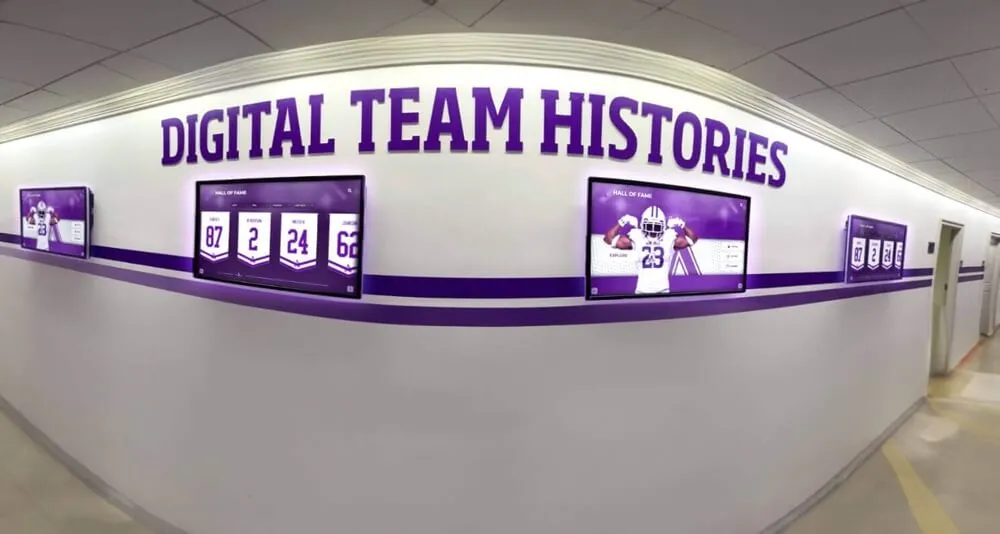
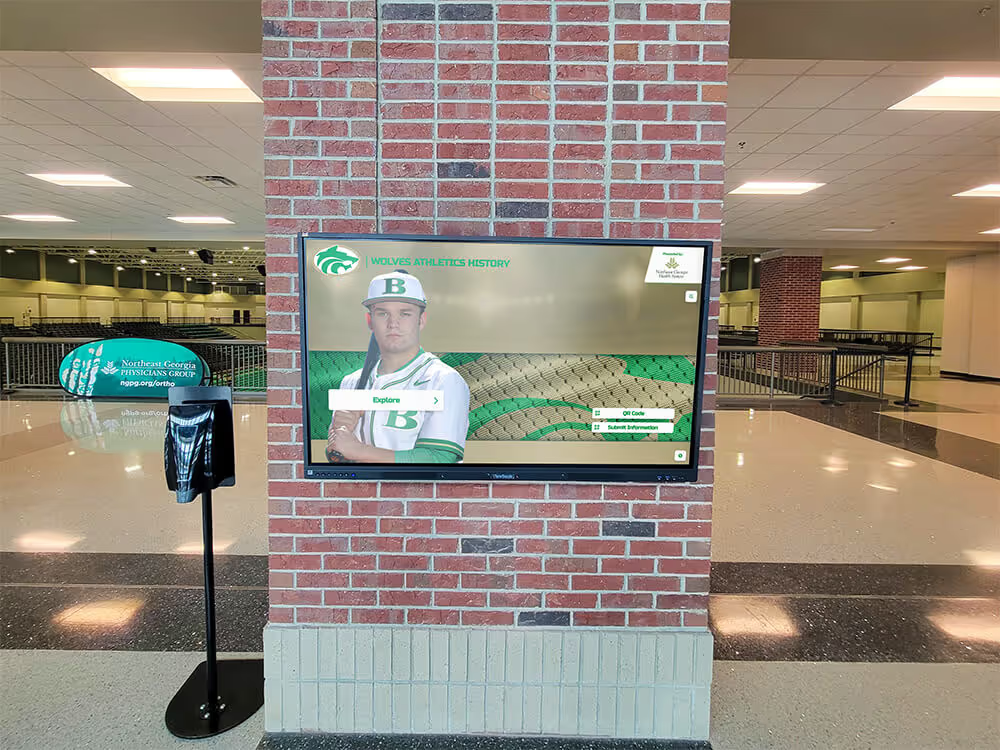
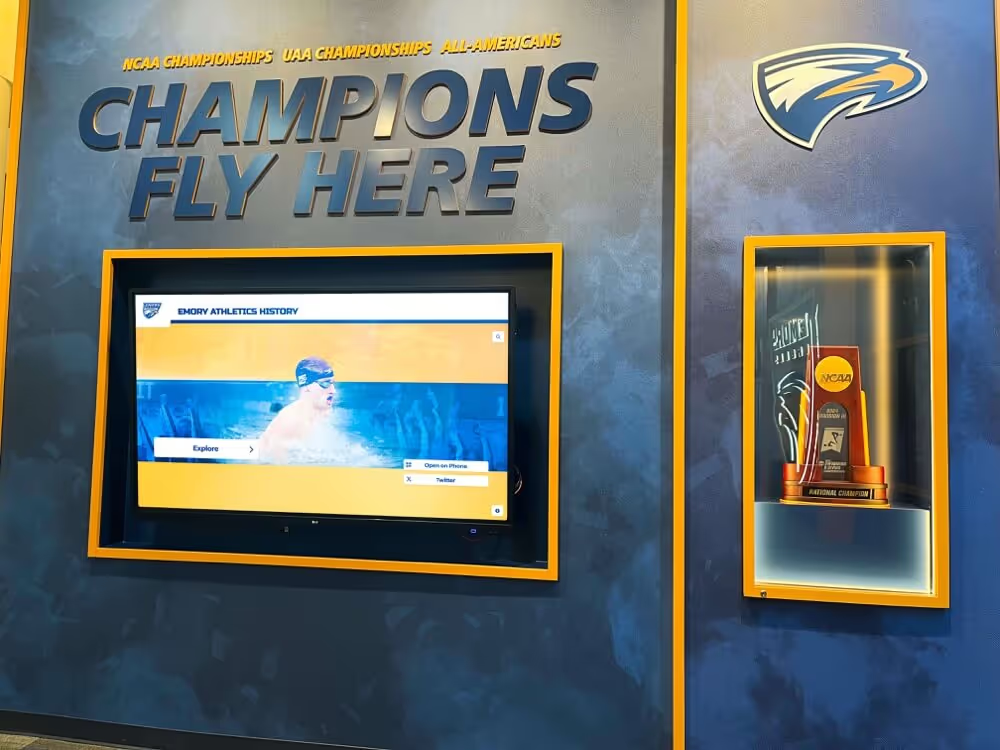
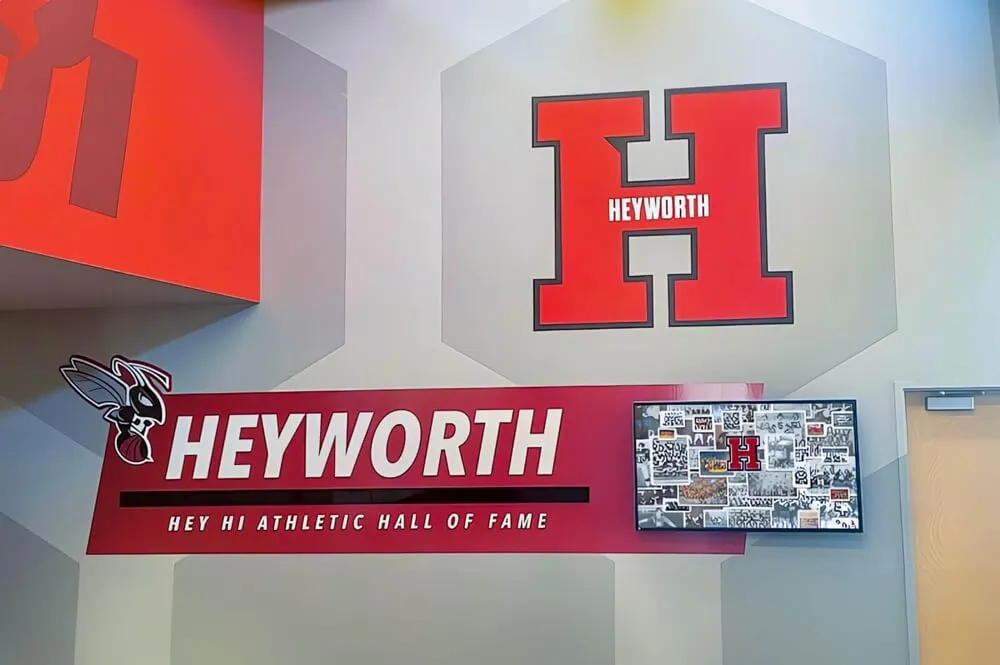
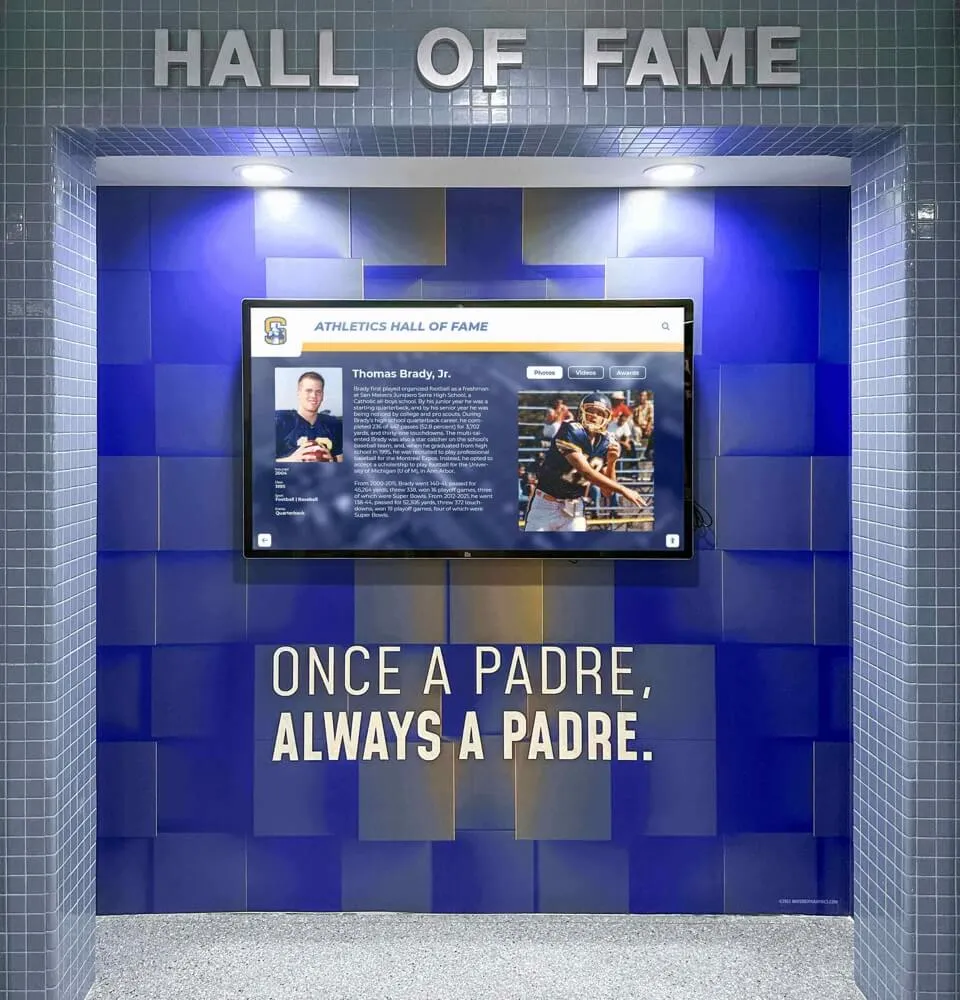
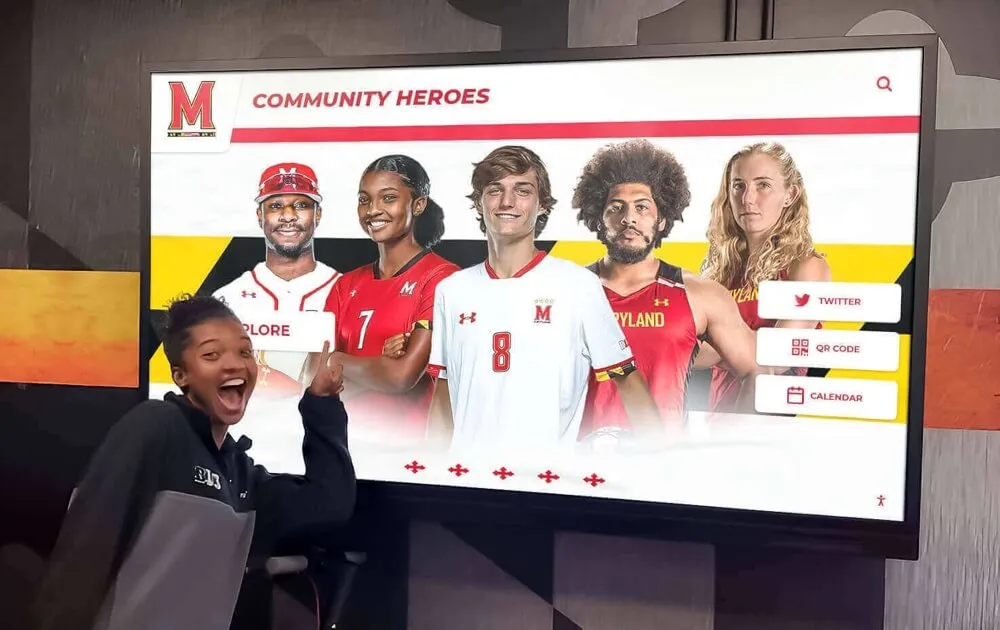
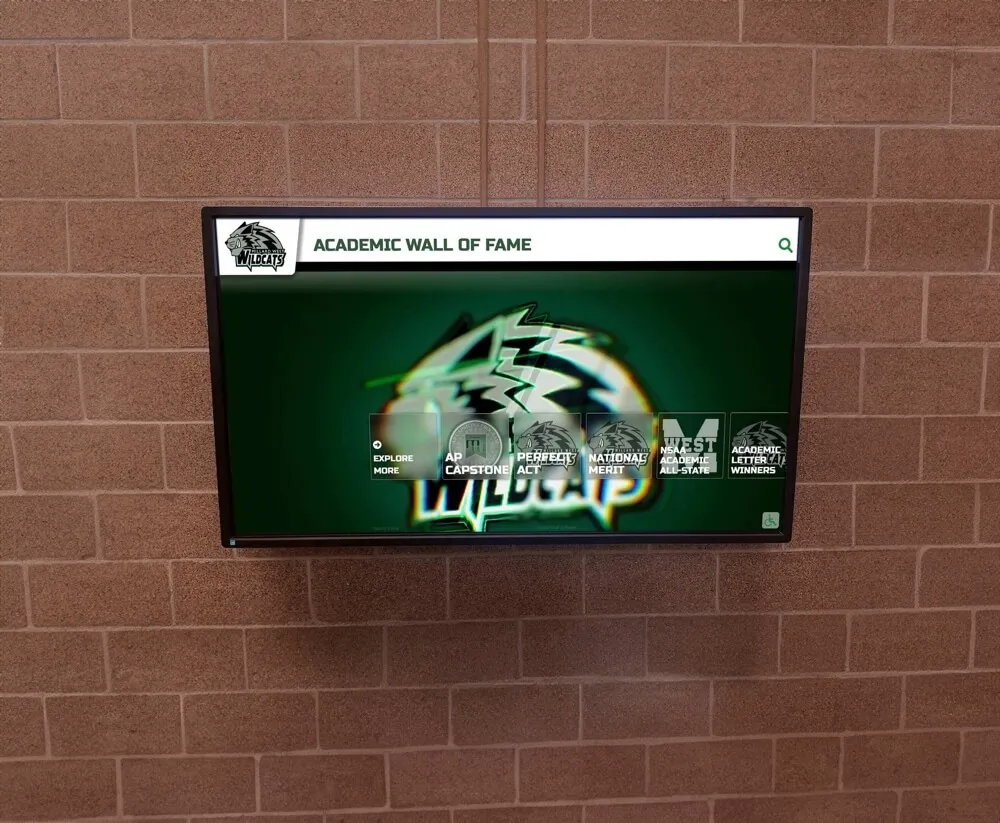
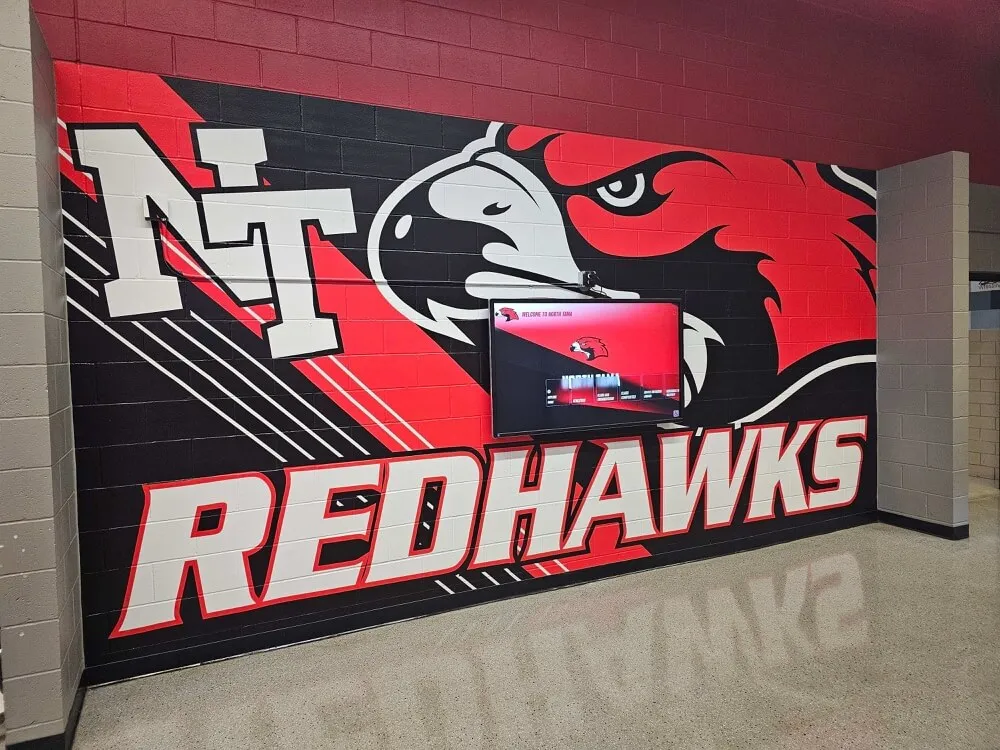
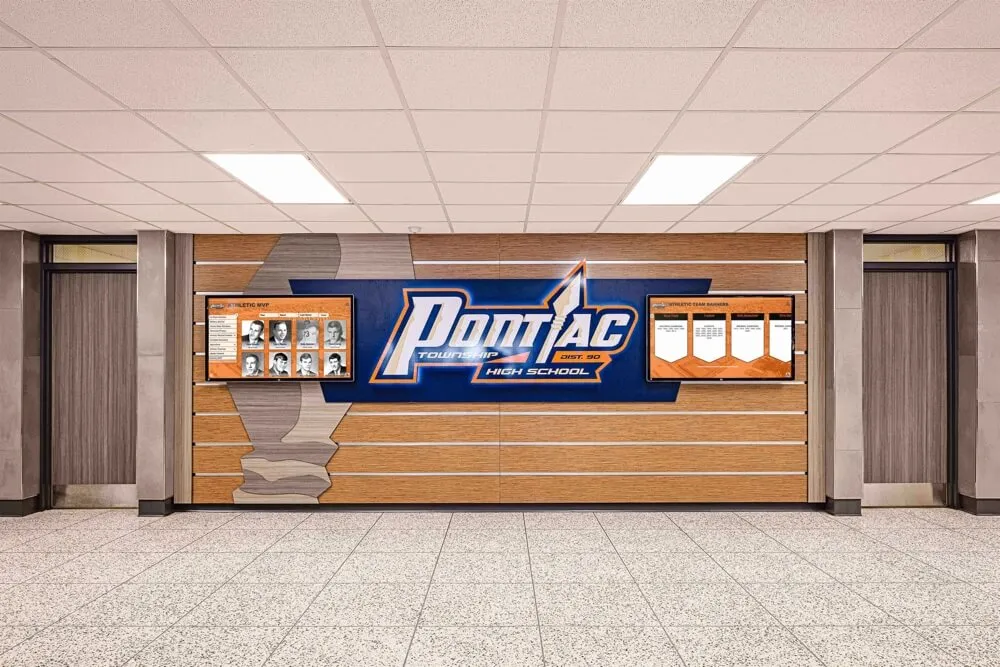
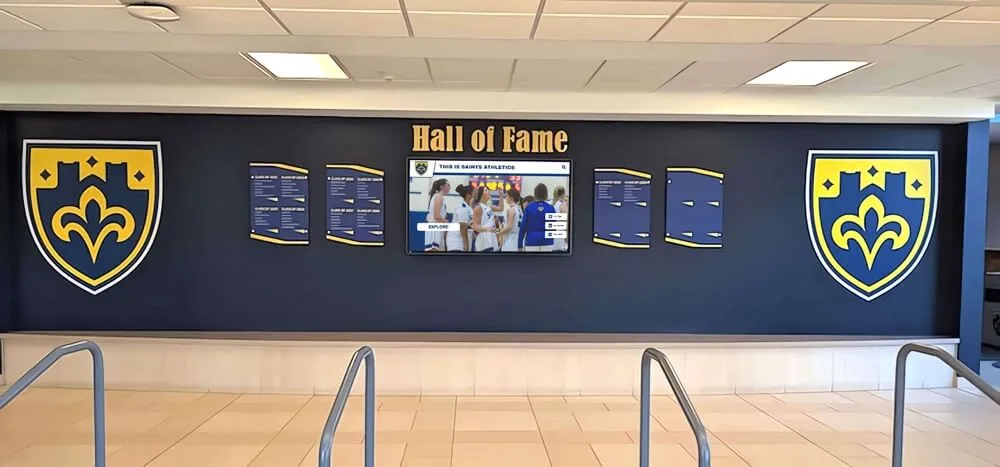
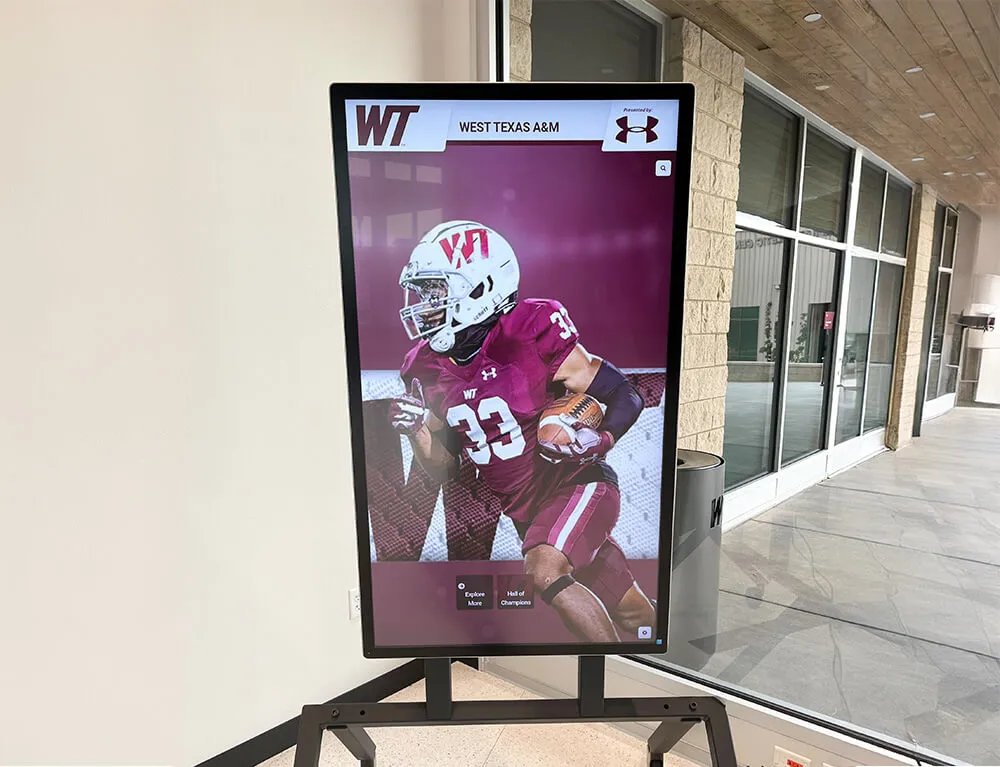
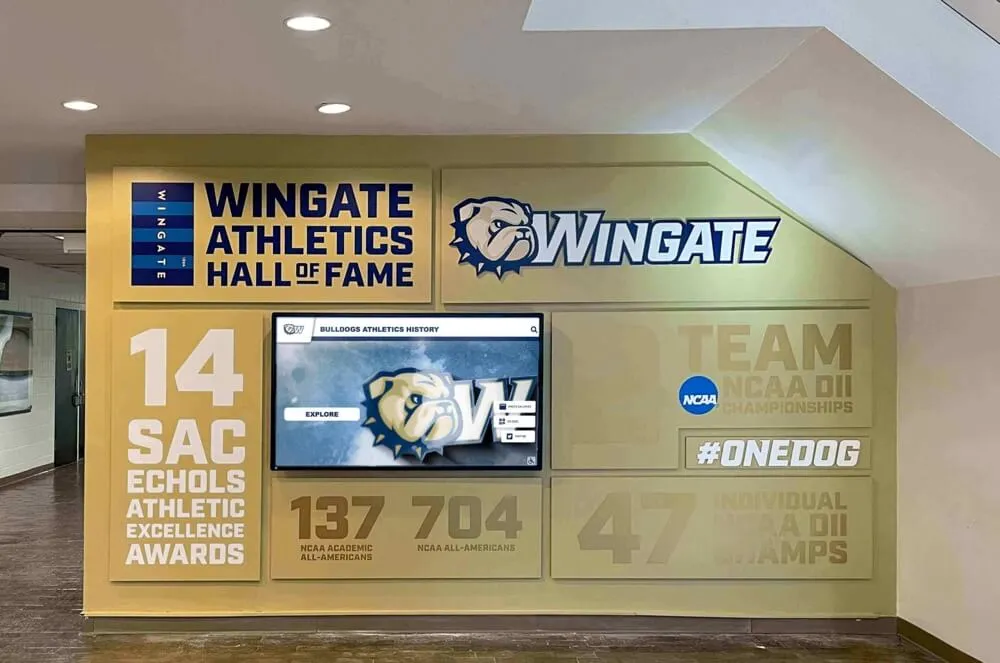
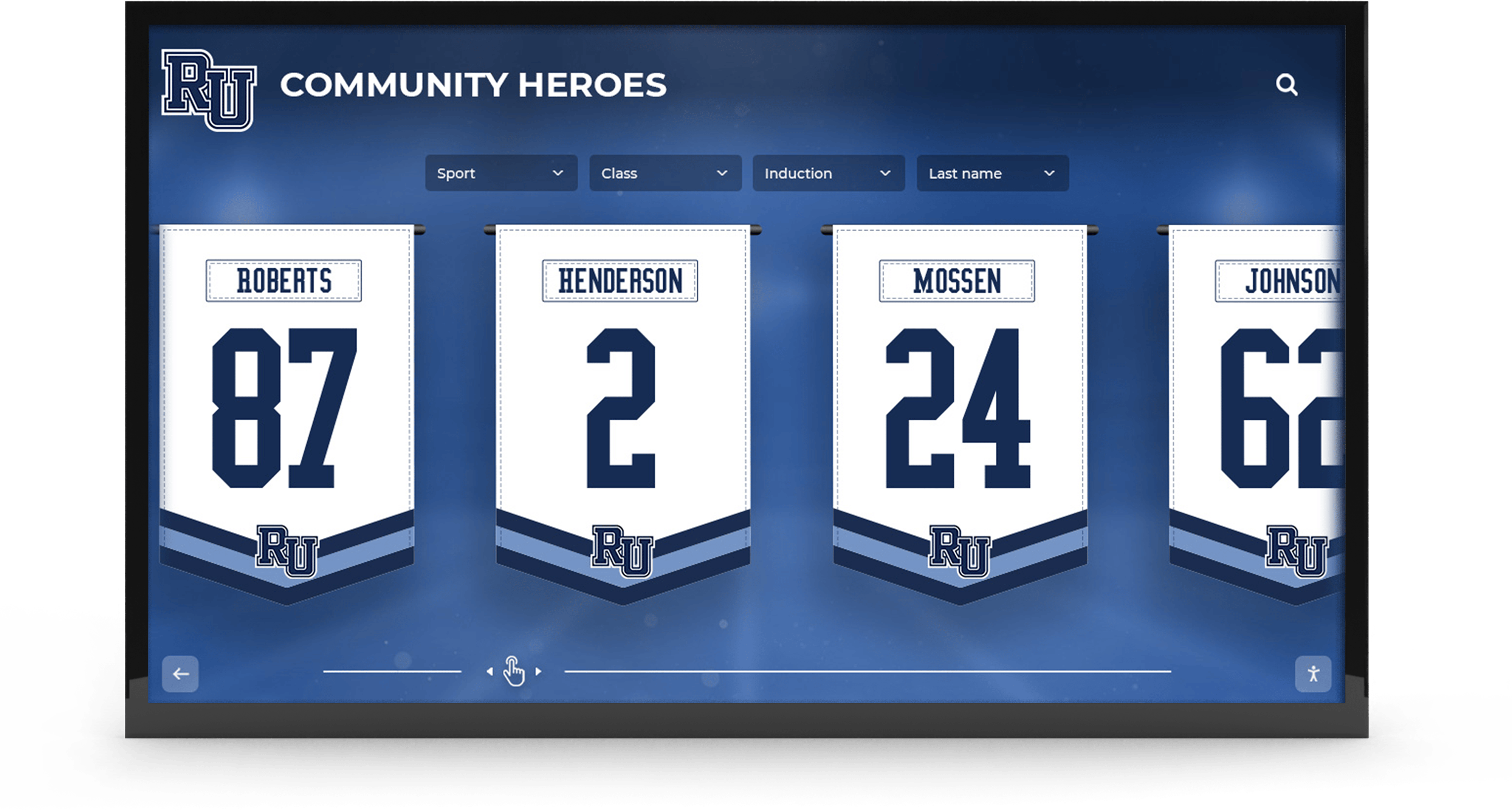
Modern recognition displays celebrate the community supporters and booster club members who fund school athletic programs
What Is a Booster Club? Definition and Core Purpose
A booster club is a volunteer-led nonprofit organization formed specifically to support school athletic programs through fundraising, community engagement, and direct volunteer service. These parent organizations operate independently from schools—though in close coordination with athletic departments—to provide financial resources and operational support that institutional budgets cannot accommodate.
The Fundamental Mission of Athletic Booster Clubs
Booster clubs exist to enhance athletic programs beyond what school funding alone can provide. This mission manifests through several interconnected objectives that shape how these organizations function and what they prioritize.
Financial Support for Equipment and Uniforms
Perhaps the most visible booster club contribution involves purchasing athletic equipment and team uniforms that schools cannot afford through regular budgets. Many school districts allocate minimal funds for athletic equipment replacement, forcing programs to use outdated gear or require families to purchase personal equipment creating financial barriers to participation. Booster clubs fill this gap by funding new uniforms on regular replacement cycles, purchasing specialized equipment for specific sports, providing backup gear ensuring all athletes have proper equipment, and covering maintenance and reconditioning costs extending equipment lifespan.
This equipment support ensures student-athletes compete with proper gear regardless of personal financial circumstances while maintaining program quality and safety standards that protect participant wellbeing.
Facility Improvements and Maintenance
Athletic facilities require ongoing investment in maintenance, upgrades, and improvements that institutional maintenance budgets often cannot address promptly. Booster clubs frequently fund facility enhancements including field and court resurfacing projects, locker room renovations and improvements, weight room equipment and training facility upgrades, lighting installations for practice and competition, and spectator facility improvements including bleachers, concession stands, and restrooms.
These facility investments benefit multiple sport seasons and countless student-athletes across years, creating lasting program infrastructure that elevates athletic opportunities while demonstrating community commitment to youth sports.
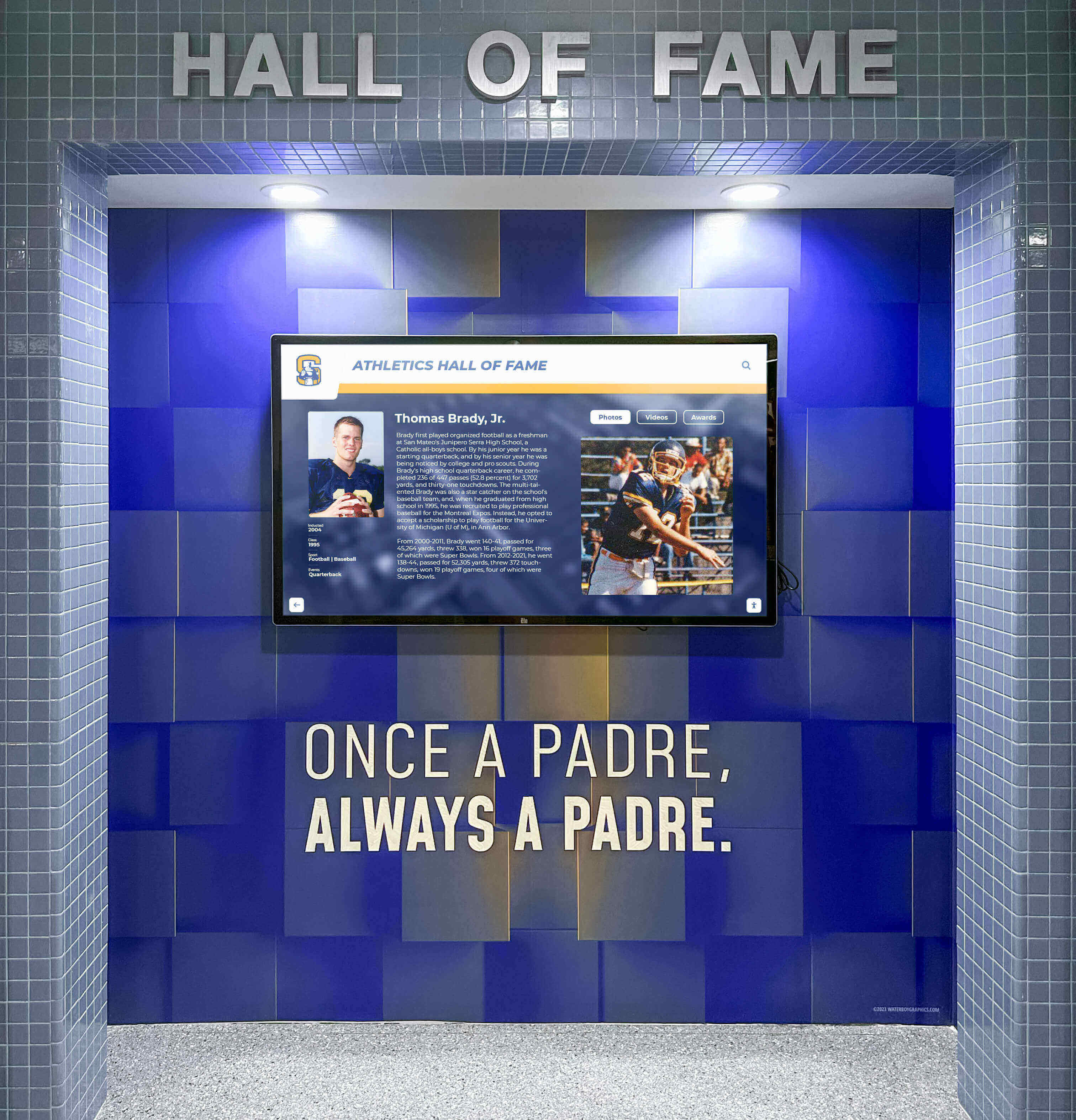
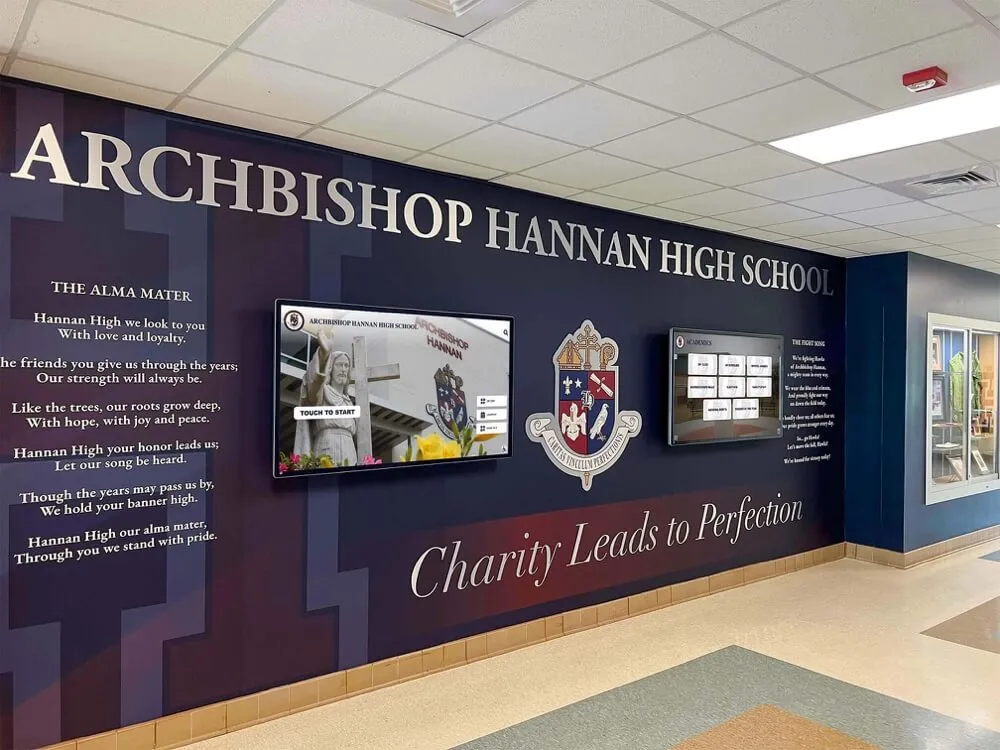
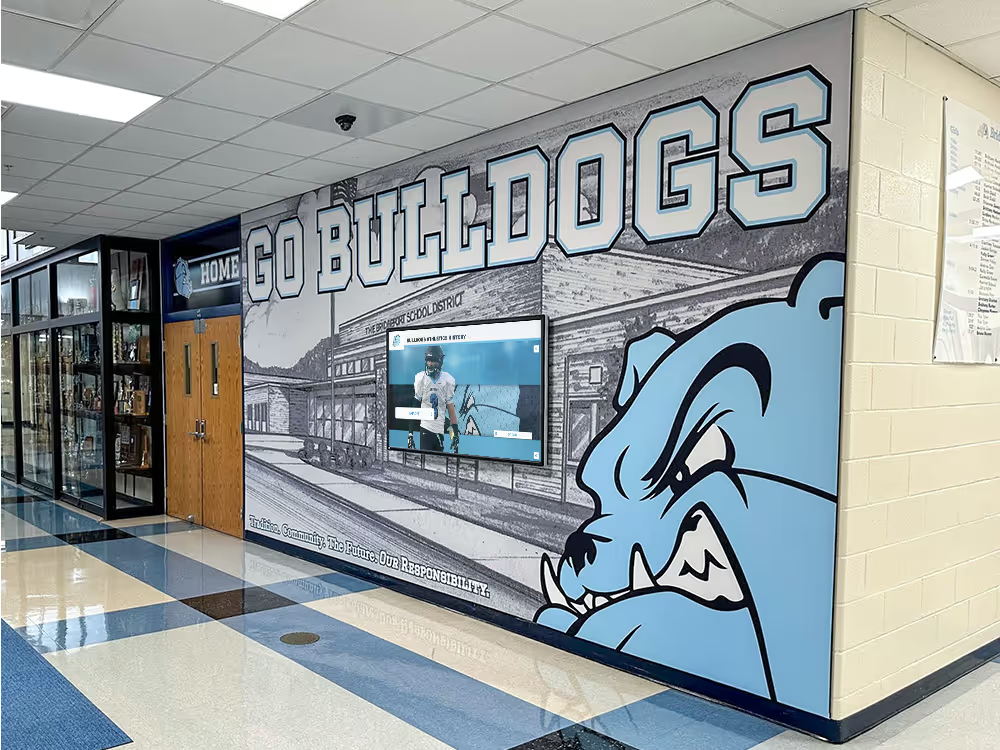
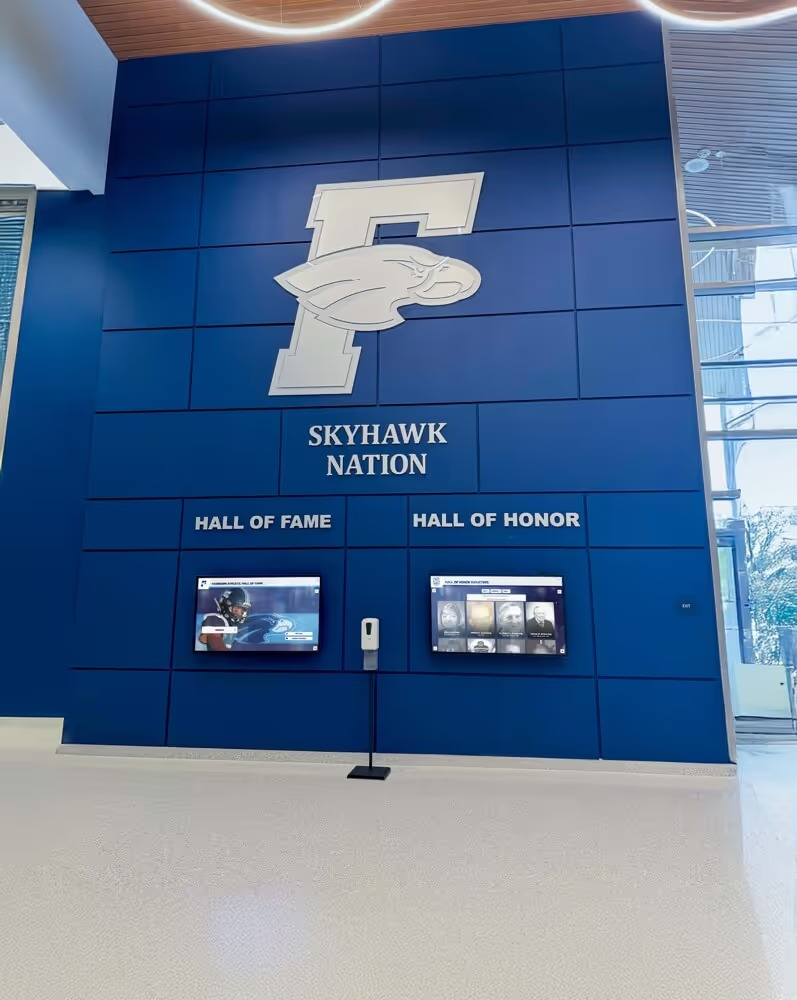
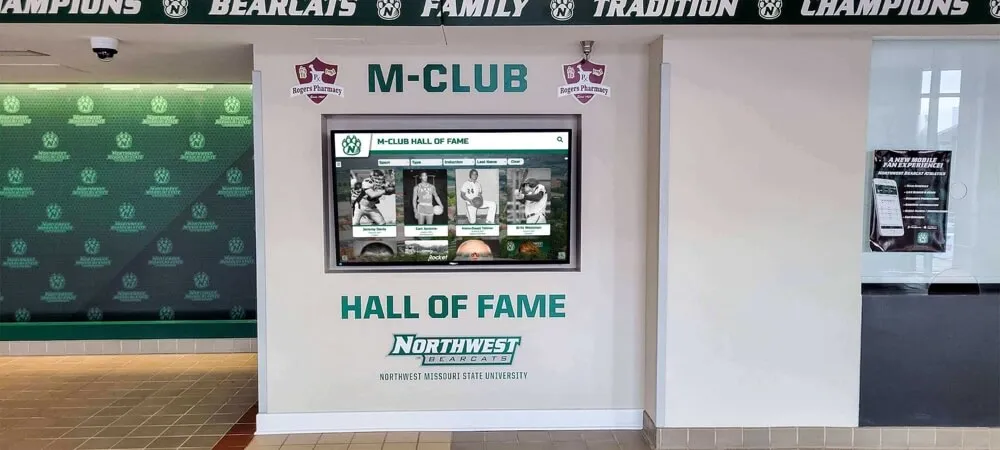
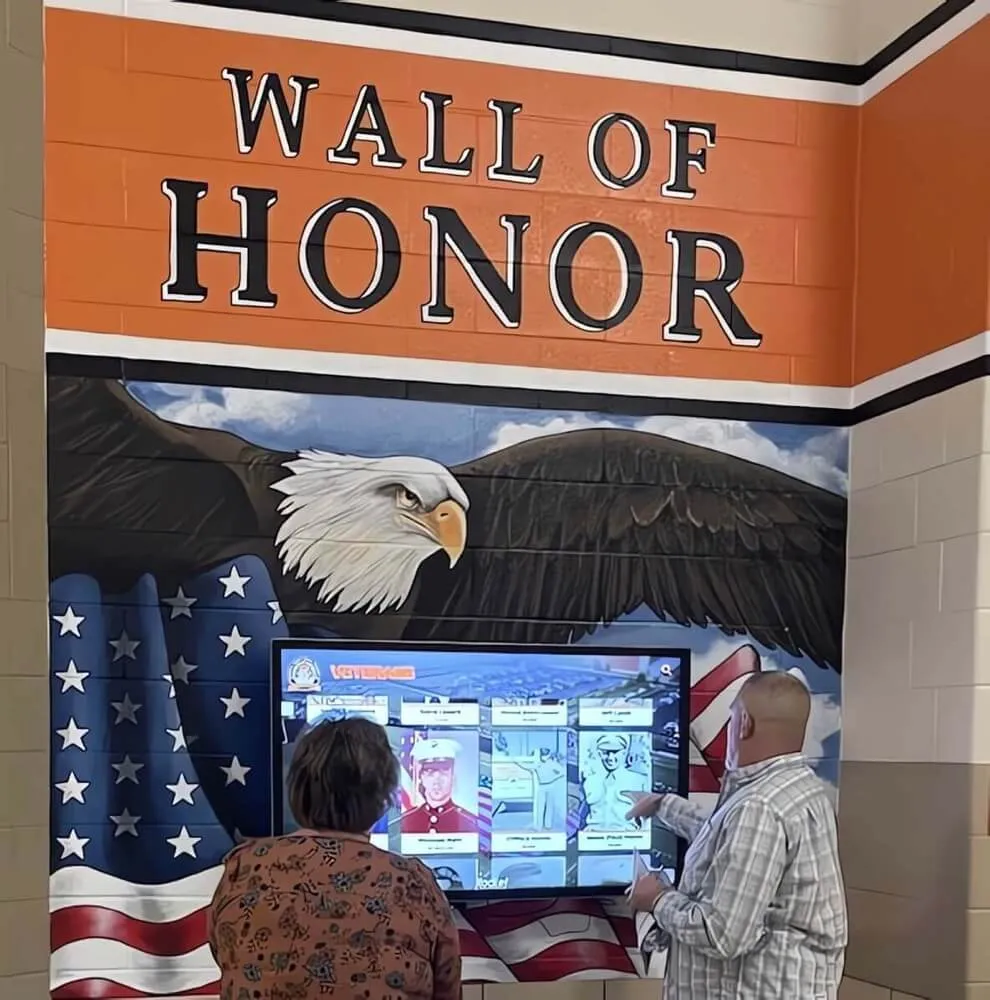
Booster club investments often include recognition displays that celebrate athletic achievement while honoring the supporters who make success possible
Travel and Competition Expenses
Competitive athletic programs require travel to tournaments, away competitions, and championship events that generate significant expenses beyond routine local contests. Transportation costs for buses or vans, tournament entry fees and participation costs, accommodation expenses for overnight travel, and meal provisions for extended trips quickly accumulate into substantial financial burdens. Booster clubs commonly fund travel expenses enabling teams to participate in competitive opportunities that schools cannot afford through regular athletic budgets, ensuring student-athletes access quality competition regardless of institutional financial constraints.
Understanding how athletic programs recognize booster club contributions helps schools develop recognition systems that inspire continued community support.
Coach and Staff Support
Quality coaching requires competitive compensation and ongoing professional development that many school districts cannot fully fund. Booster clubs often supplement coaching budgets through assistant coach stipend supplements, coaching education and certification funding, equipment and technology for coaching staff, and recognition programs honoring coaching excellence and dedication.
This coaching support helps programs attract and retain quality leadership while providing coaches with resources necessary for effective program development and athlete mentorship.
Recognition and Awards Programs
Celebrating athletic achievement and honoring supporter contributions creates program culture and motivates continued excellence. Booster clubs frequently fund recognition initiatives including end-of-season awards and banquets, athletic hall of fame displays honoring program history, donor recognition systems celebrating community supporters, and senior recognition programs honoring graduating athletes.
These recognition programs strengthen community connections while preserving program history and demonstrating appreciation for the volunteers and donors enabling athletic success.
How Booster Clubs Function: Structure and Operations
Understanding how booster clubs operate helps parents, families, and community members engage effectively with these organizations and appreciate the volunteer commitment required for successful programs.
Organizational Structure and Leadership
Most booster clubs adopt formal organizational structures ensuring accountability, continuity, and effective operations despite volunteer leadership transitions.
Board Structure and Officer Roles
Typical booster club leadership includes a president providing overall strategic direction and community representation, vice president supporting the president and managing specific initiatives, treasurer handling financial management and reporting, secretary maintaining records and handling communications, and committee chairs leading specific functional areas like fundraising, communications, or volunteer coordination.
These leadership roles typically serve term limits ensuring fresh perspectives while maintaining institutional knowledge through staggered terms and succession planning.
Committee Structure and Functional Organization
Beyond officer positions, booster clubs commonly establish standing committees addressing key operational areas including fundraising committees planning and executing revenue generation activities, concession operations managing food service and revenue opportunities, volunteer coordination recruiting and organizing parent participation, communications managing newsletters, social media, and stakeholder engagement, and recognition committees planning appreciation events and donor acknowledgment.
This committee structure distributes workload across volunteer base while enabling focused attention on specific organizational functions essential for comprehensive booster club operations.
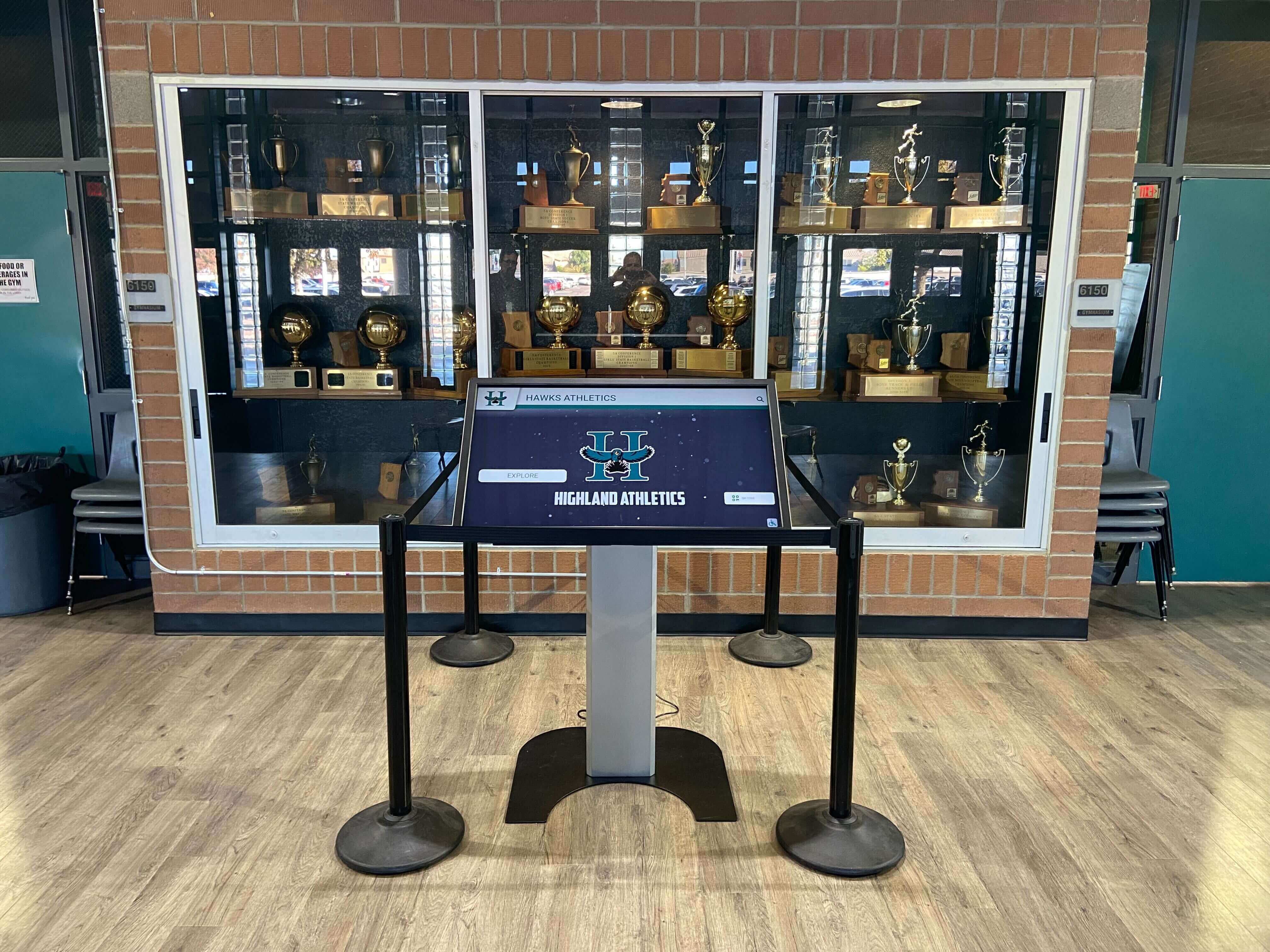
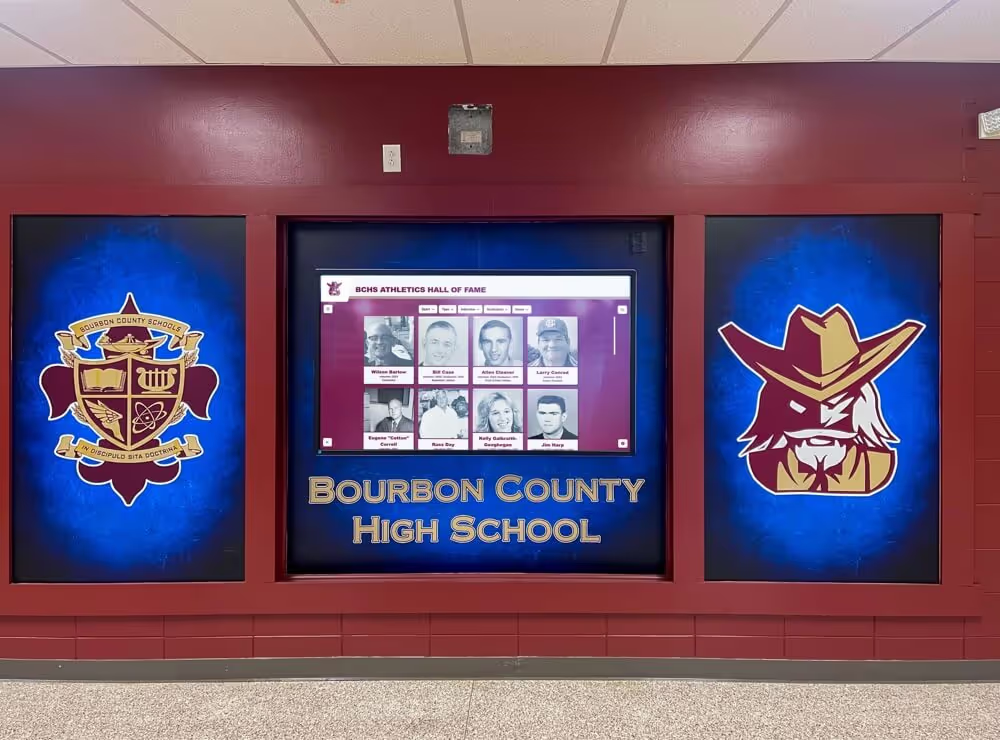
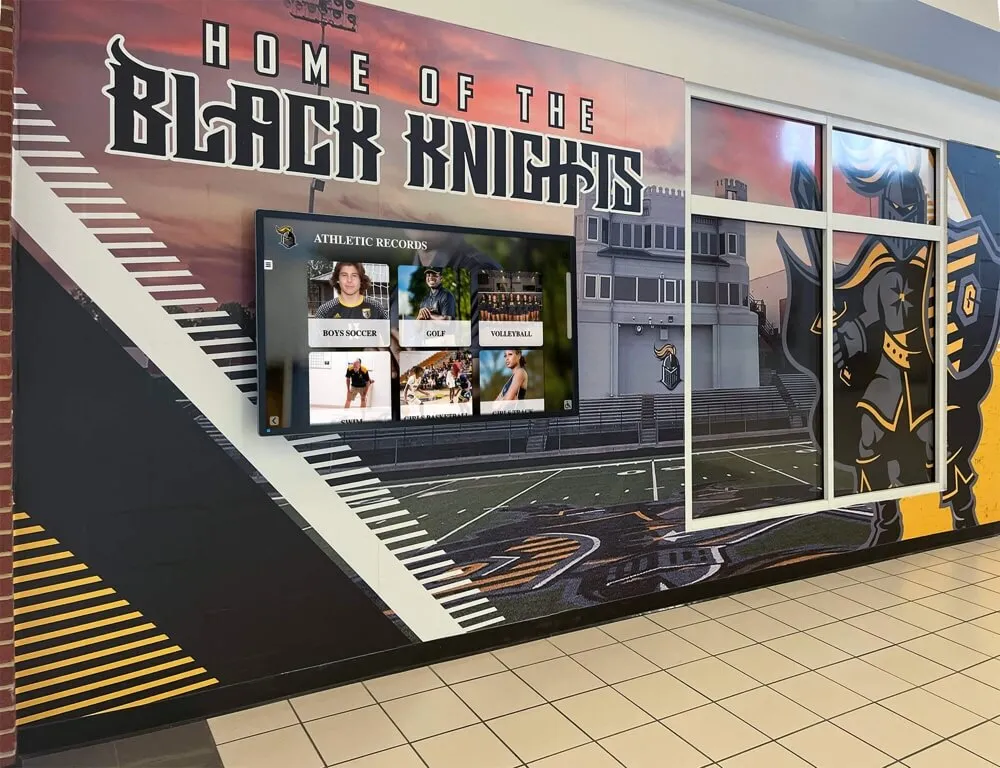
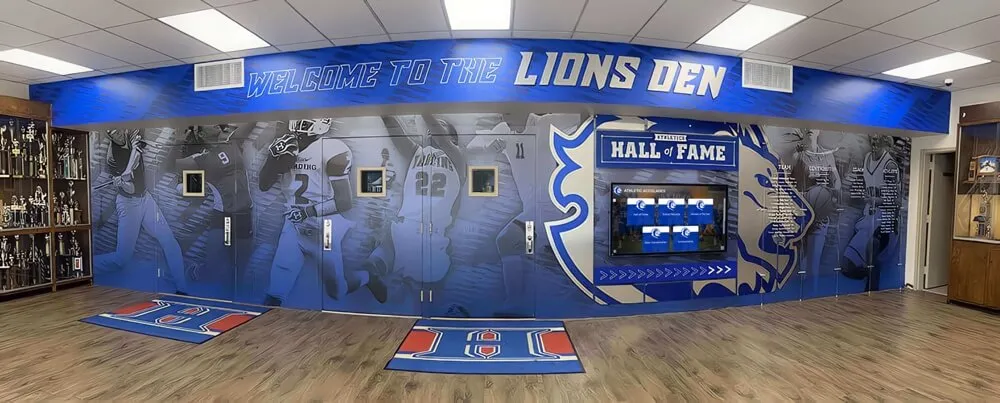
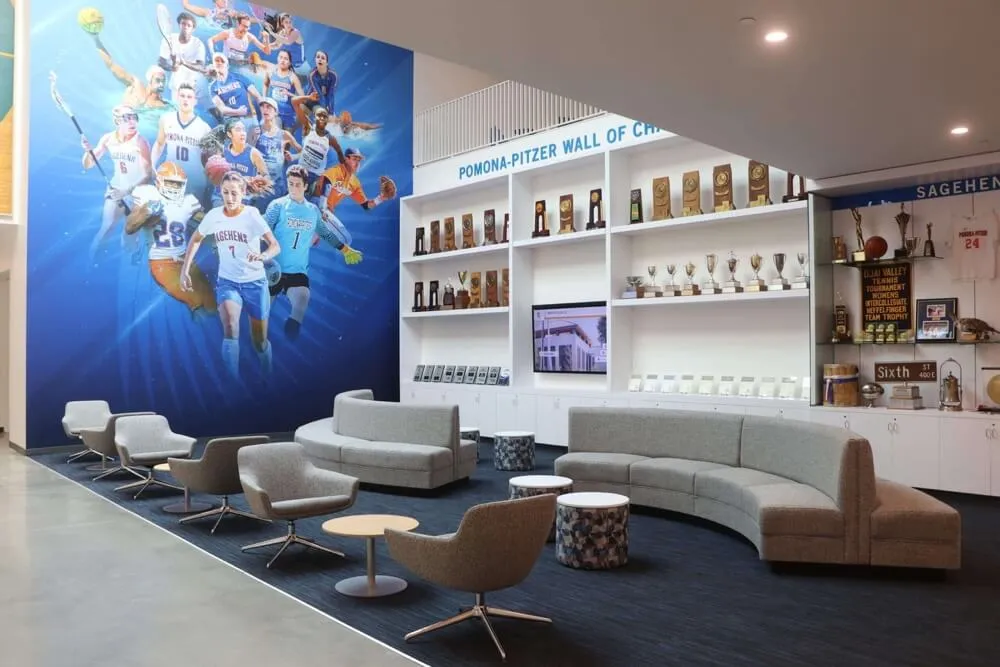
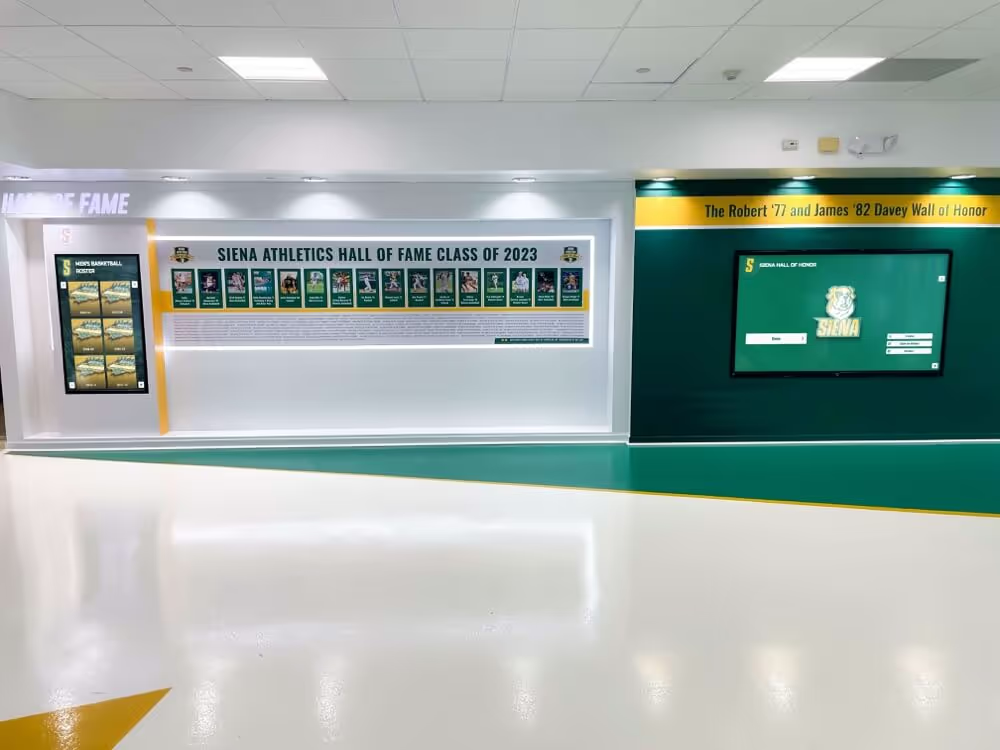
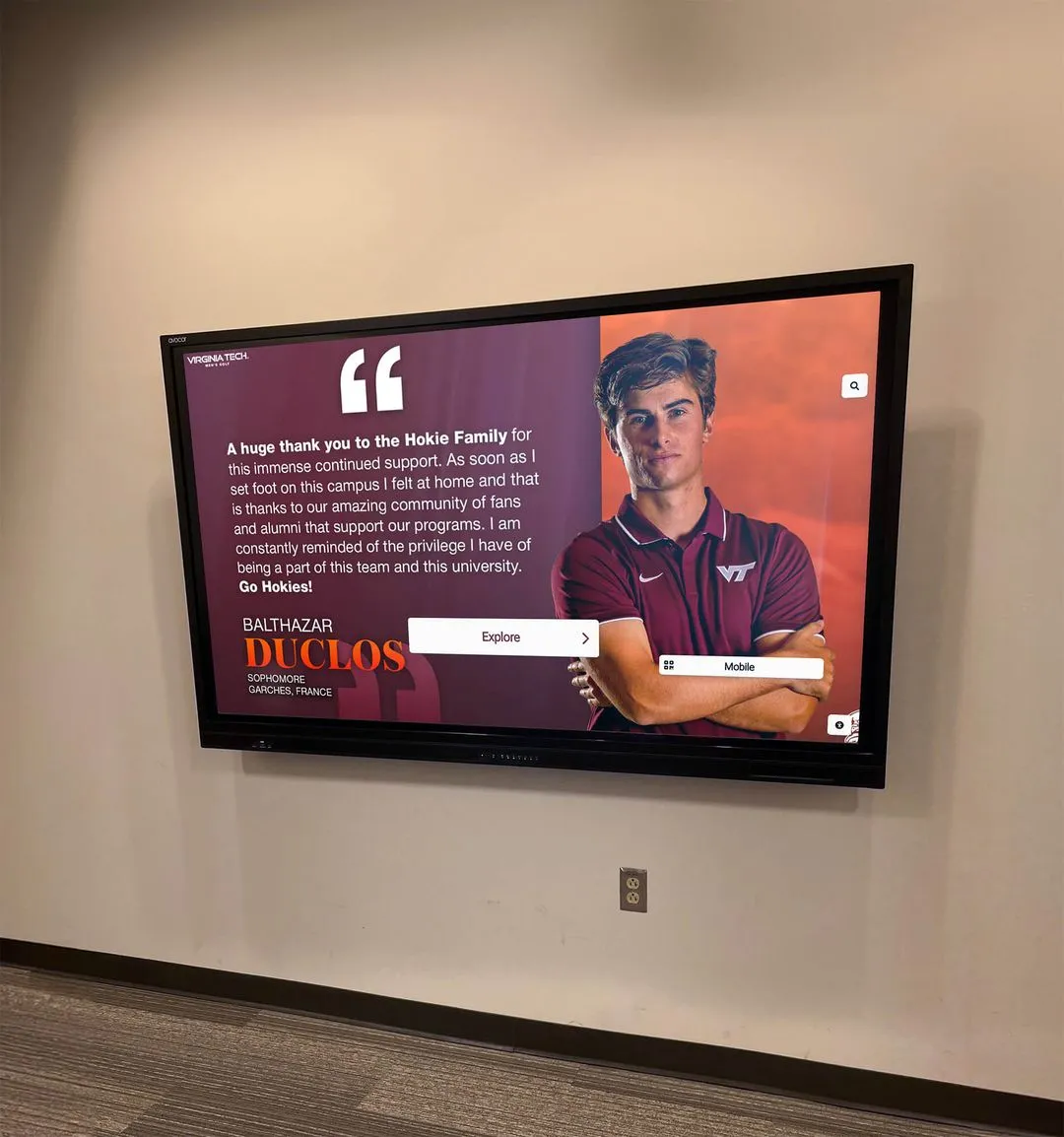
Modern booster clubs increasingly utilize digital displays integrated with traditional trophy cases for comprehensive recognition
Nonprofit Status and Governance
Most active booster clubs incorporate as nonprofit organizations obtaining 501(c)(3) tax-exempt status enabling tax-deductible donations and formal governance. This nonprofit structure requires adherence to specific operational standards including established bylaws governing operations and decision-making, regular membership meetings with documented proceedings, annual financial reporting and audit compliance, and conflict of interest policies ensuring ethical operations.
Formal nonprofit status provides credibility attracting larger donations while ensuring transparent operations building community trust in organizational stewardship of contributed resources.
Relationship with School Districts and Athletic Departments
Successful booster clubs maintain close working relationships with schools while preserving organizational independence necessary for effective nonprofit operations.
Coordination and Communication Protocols
Effective school-booster club relationships require regular communication including regular meetings between booster leadership and athletic directors, transparent communication about program needs and priorities, collaborative planning for major fundraising initiatives or capital projects, and clear protocols for fund disbursement and expenditure approval.
These communication channels ensure booster club support aligns with actual program needs and athletic department priorities while preventing duplication or misalignment that wastes volunteer effort and contributed resources.
Operational Boundaries and Independence
While closely coordinated, booster clubs maintain organizational independence from school districts through separate bank accounts and financial management, independent decision-making authority within agreed parameters, volunteer leadership selection by membership rather than administrative appointment, and liability insurance protecting both booster clubs and school districts.
This independence enables booster clubs to move quickly on fundraising opportunities while protecting school districts from financial obligations or liability for volunteer-managed organizations.
Funding Request and Approval Processes
Most successful school-booster relationships establish clear processes for requesting and approving booster club expenditures including written funding request protocols from coaches and administrators, defined approval thresholds and decision-making authority, transparent prioritization when requests exceed available funding, and documentation requirements ensuring accountability for all expenditures.
These processes prevent misunderstandings while ensuring booster club resources address highest-priority program needs as determined through collaborative decision-making between school leadership and parent volunteer organizations.
Booster Club Fundraising: How Parent Organizations Generate Revenue
Successful booster clubs employ diverse fundraising approaches generating sustainable revenue supporting athletic programs across multiple sport seasons.
Traditional Fundraising Activities
Time-tested fundraising methods remain central to booster club revenue generation despite emergence of newer digital approaches.
Membership Drives and Annual Giving
Most booster clubs establish membership programs soliciting annual contributions from parent families, alumni, and community supporters. These programs typically offer tiered membership levels including supporter level at $25-100 annually, silver level at $100-250, gold level at $250-500, platinum level at $500-1000, and diamond level for contributions exceeding $1000.
Membership programs provide predictable baseline revenue while creating systematic engagement opportunities with supporter base. Recognition displays showcasing membership levels inspire higher giving through visible acknowledgment of contribution levels.
Concession Stand Operations
Operating concession stands at athletic events generates consistent revenue while providing service to spectators. Successful concession programs require volunteer coordination managing food service during events, inventory management and supplier relationships, proper food handling and health compliance, and revenue tracking and financial management.
While labor-intensive, concession operations produce reliable revenue across full athletic seasons benefiting from consistent competition schedules and spectator attendance.
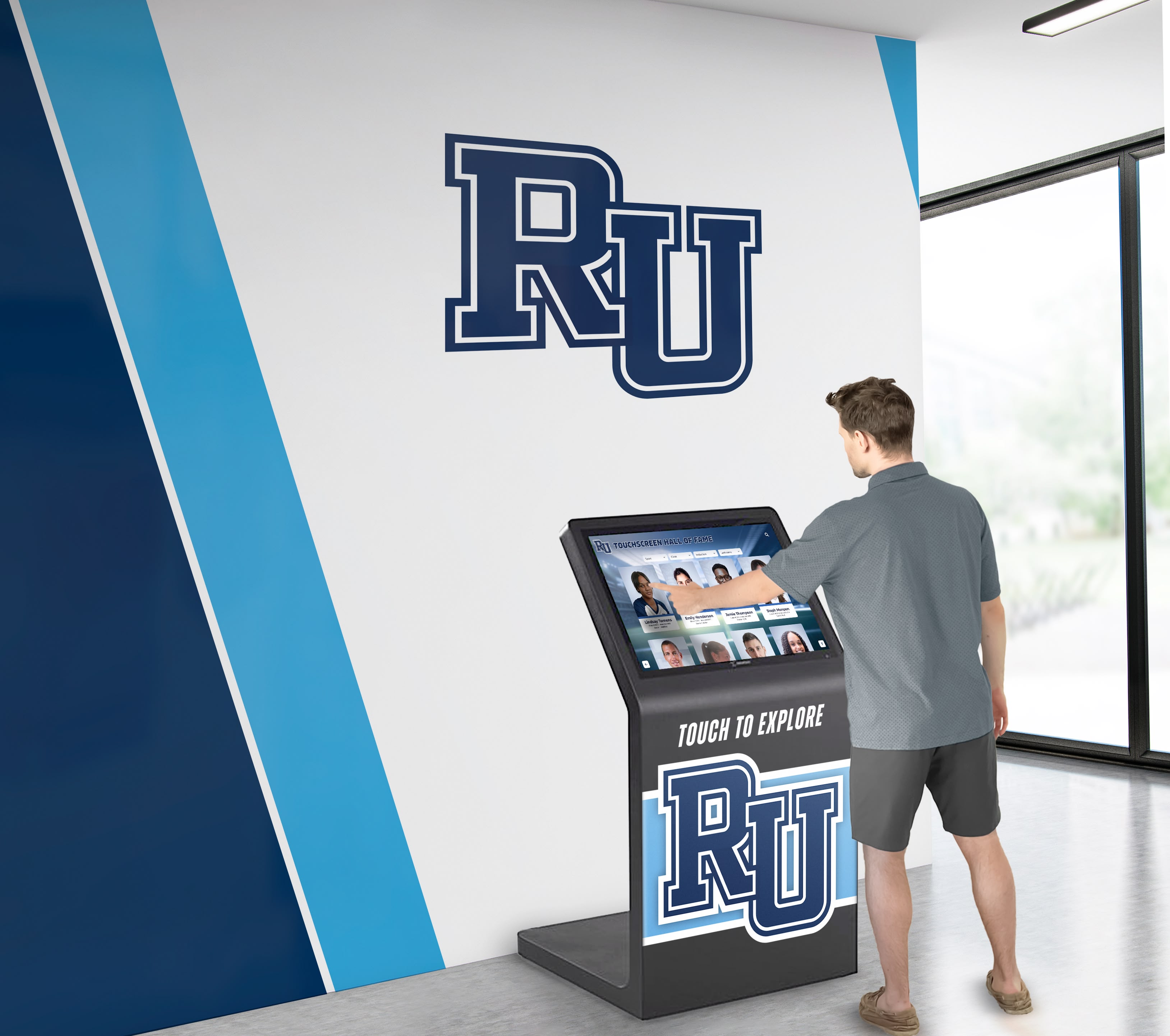
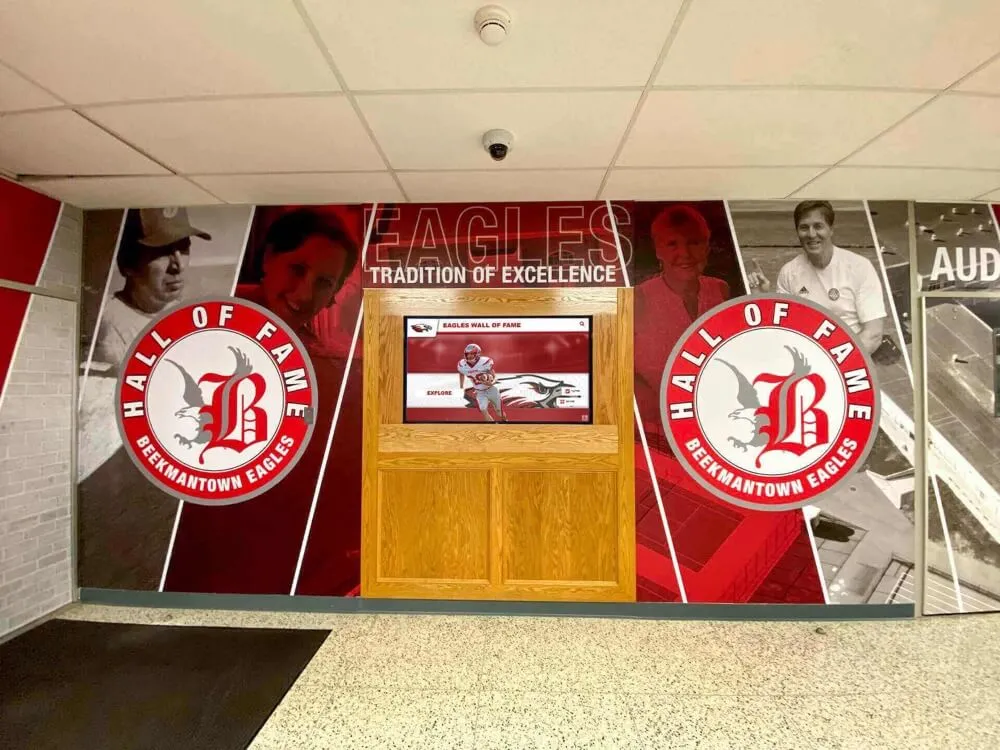
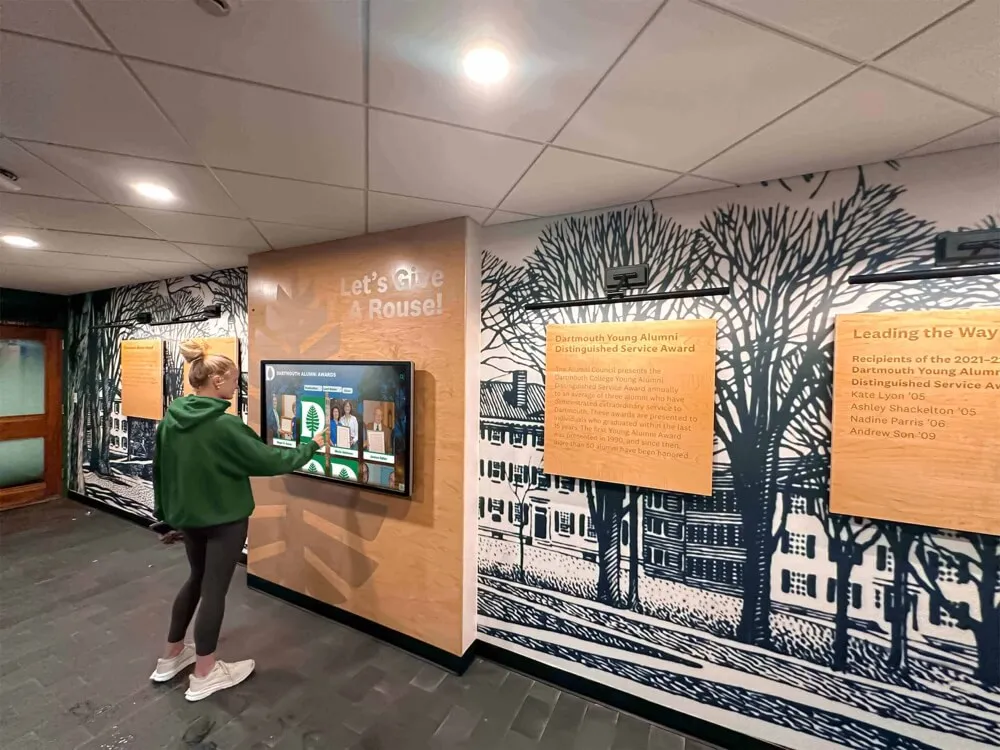
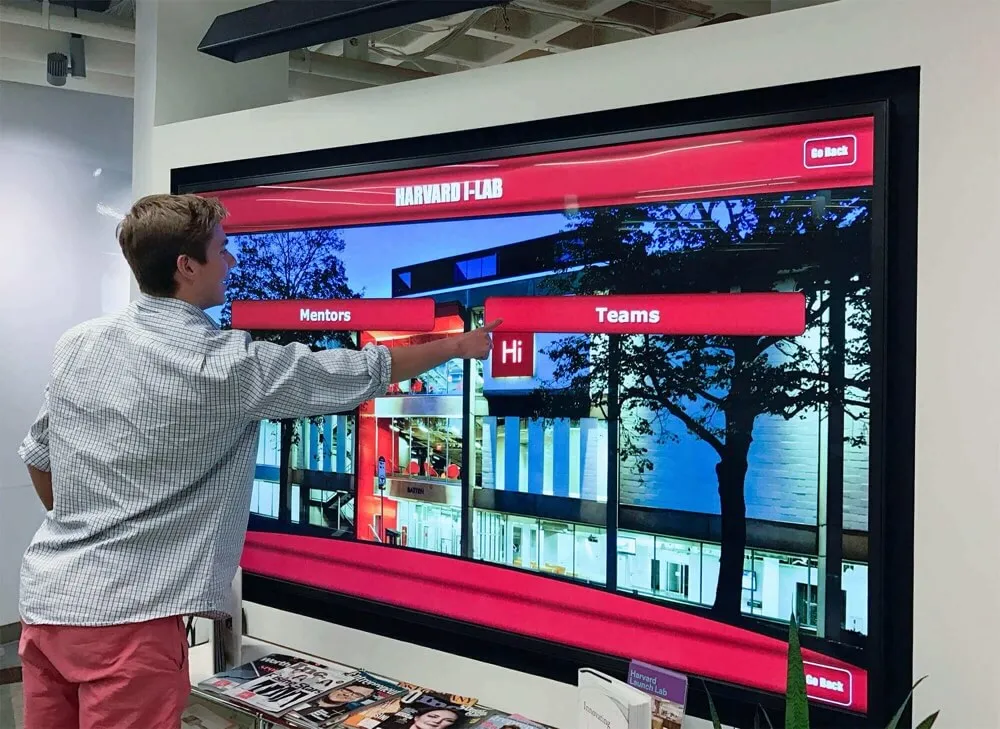
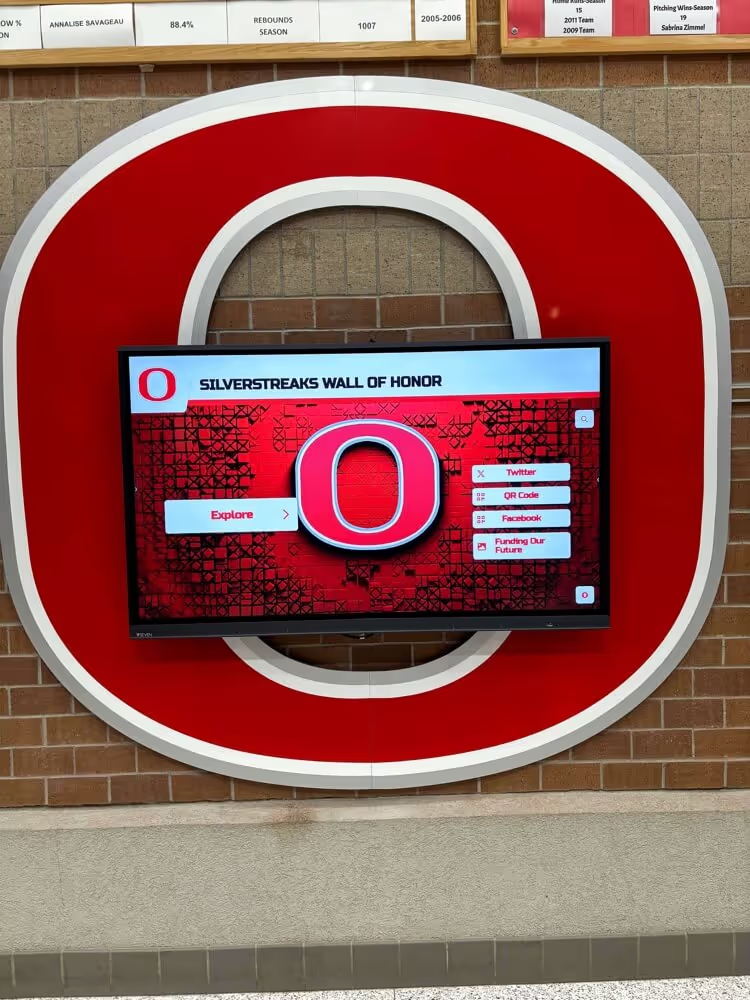
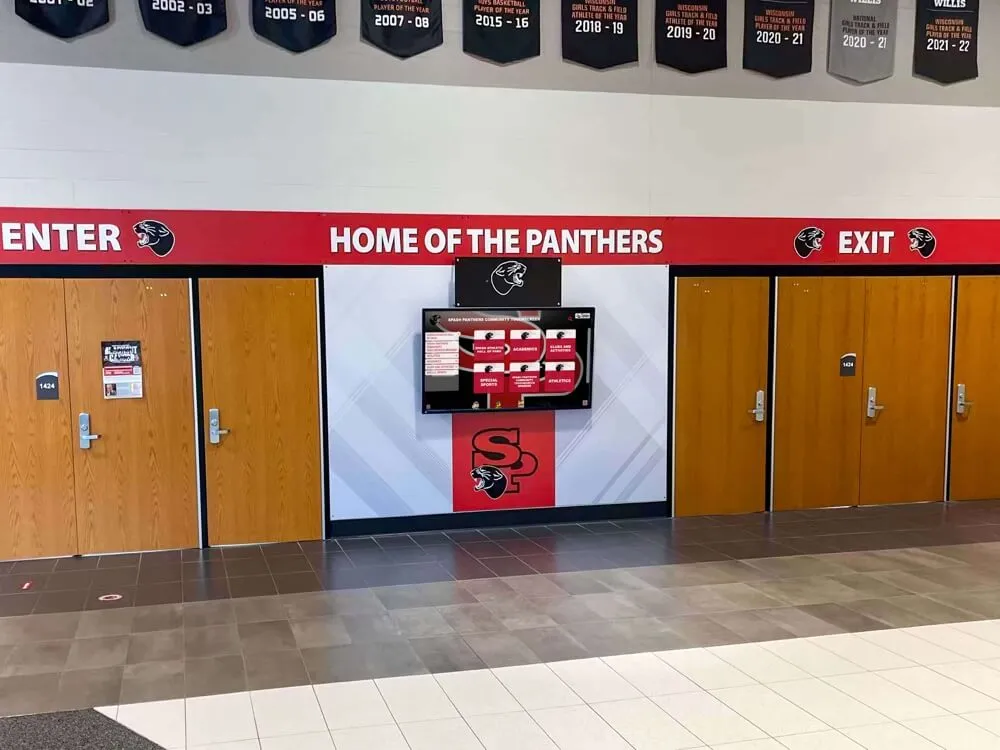
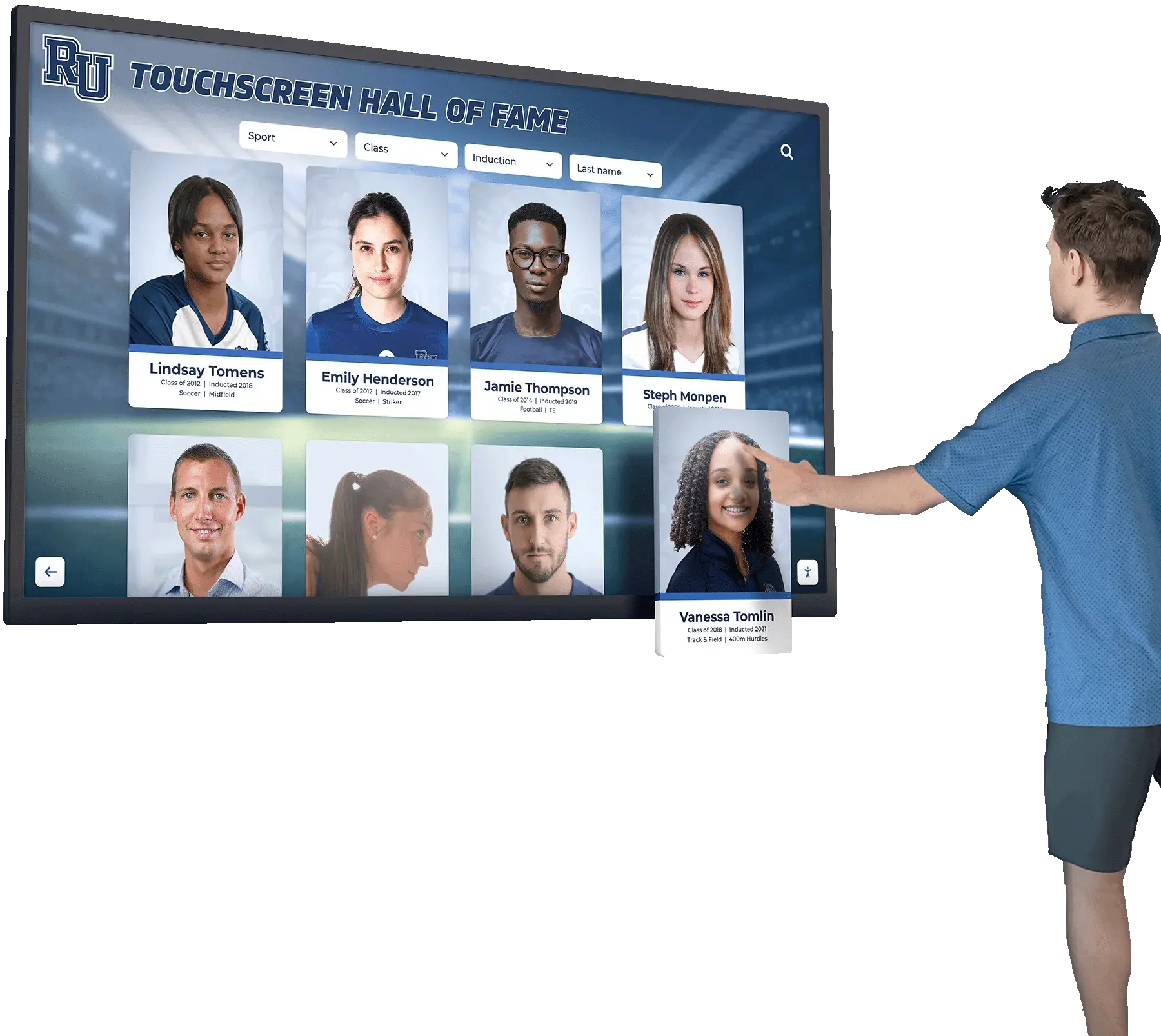
Digital donor recognition displays enable booster clubs to honor supporters year-round through interactive touchscreen experiences
Special Events and Fundraising Activities
Dedicated fundraising events generate concentrated revenue while building community engagement including annual golf tournaments or fun runs, auction events featuring donated items or experiences, athletic recognition banquets combining fundraising with celebration, car washes, raffles, or community carnival events, and holiday fundraising leveraging seasonal community engagement.
While requiring significant volunteer coordination, special events often attract broad community participation generating substantial revenue alongside positive program visibility.
Business Sponsorships and Corporate Partnerships
Local business support provides significant funding through corporate sponsorships including banner advertising at athletic facilities, program advertising in season schedules or event programs, naming rights for facilities or specific program elements, in-kind donations of goods or services, and employee matching gift programs amplifying individual contributions.
Business sponsorships often provide larger contributions than individual giving while building community partnerships that extend beyond simple financial transactions to create lasting institutional relationships.
Modern Digital Fundraising Approaches
Technology enables new fundraising methods expanding booster club revenue potential beyond traditional activities.
Online Giving Platforms and Crowdfunding
Digital fundraising platforms simplify contribution processes through secure online donation portals, recurring giving options for sustained monthly support, mobile-responsive interfaces enabling smartphone donations, social media integration amplifying fundraising reach, and campaign progress tracking visualizing community support.
Online platforms reduce barriers to giving while enabling geographical expansion beyond local community to include dispersed alumni and extended family networks.
Spirit Wear and Merchandise Sales
Online stores selling team apparel and branded merchandise generate revenue while building program visibility through custom team clothing and accessories, on-demand printing reducing inventory requirements, year-round availability beyond traditional event-based sales, and broader product selection than physical sale events can offer.
Modern print-on-demand services eliminate upfront inventory investment while providing professional e-commerce experiences that families expect from contemporary retail interactions.
Text-to-Give and Mobile Fundraising
Mobile giving technologies enable convenient contribution methods including text-message donation campaigns, QR code scanning at events enabling instant giving, mobile wallet integration supporting Apple Pay and similar services, and in-app fundraising through dedicated mobile applications.
These convenient giving methods particularly appeal to younger donors accustomed to mobile-first financial interactions and appreciate frictionless contribution experiences.
The Critical Role of Donor Recognition for Booster Clubs
Sustaining booster club support requires systematic recognition programs that celebrate contributors while inspiring continued community engagement.
Why Recognition Matters for Volunteer-Led Organizations
Booster clubs depend entirely on voluntary contributions of money and time, making recognition essential for retention and continued support.
Donor Retention and Sustained Giving
Research consistently demonstrates that recognized donors give more frequently and at higher levels than unacknowledged supporters. Systematic recognition programs increase donor retention from typical 40% to 65% or higher, encourage giving level increases as supporters seek higher recognition tiers, inspire multi-year sustained support beyond individual student enrollment, and create emotional connections motivating continued involvement after personal family participation concludes.
This retention impact makes recognition programs strategic investments in fundraising sustainability rather than optional acknowledgment activities.
Social Proof and Peer Inspiration
Public recognition creates powerful community dynamics that inspire additional giving through visible demonstration that athletic support represents valued community norm, validation for prospective donors considering contributions, friendly competition as community members seek recognition comparable to peers, and conversation generation extending fundraising reach beyond official communications.
These peer influence effects prove particularly powerful in tight-knit school communities where families interact regularly across multiple contexts and observe each other’s involvement patterns.

Interactive displays enable community members to explore both donor recognition and athletic achievement through user-friendly digital interfaces
Volunteer Motivation and Recruitment
Recognition honoring volunteer contributions alongside financial gifts acknowledges the complete support programs require including hundreds of hours operating concessions, coordinating events, and managing communications, specialized professional services donated by community members, leadership commitment from booster club officers and committee chairs, and in-kind contributions of goods, services, or facilities.
Comprehensive recognition systems that value volunteer time equally to financial contributions motivate continued service while helping recruit new volunteers by demonstrating that organizations genuinely appreciate member contributions.
Modern Digital Recognition Solutions for Booster Clubs
Contemporary recognition technology addresses traditional acknowledgment limitations while providing capabilities impossible with static physical displays.
Unlimited Recognition Capacity
Digital donor displays eliminate space constraints that force impossible prioritization decisions through unlimited contributor listings without physical expansion requirements, comprehensive historical archives preserving complete organizational history, flexible categorization by giving level, contribution type, or time period, and scalability accommodating program growth across decades without infrastructure limitations.
Solutions like Rocket Alumni Solutions provide purpose-built platforms designed specifically for school athletic donor recognition and community acknowledgment.
Multimedia Storytelling and Engagement
Digital platforms enable recognition extending far beyond name listings including donor photographs and family information, video testimonials explaining supporter motivation, impact visualization connecting contributions to specific outcomes, business sponsor logos and promotional content, and interactive exploration creating engaging experiences that passive plaques cannot match.
These rich content capabilities transform recognition from simple acknowledgment into compelling storytelling that inspires continued giving while demonstrating tangible connections between community support and athletic success.
Effortless Updates and Administration
Cloud-based management platforms dramatically simplify recognition maintenance through remote content updates from any internet-connected device, immediate additions following contribution receipt, scheduled publishing coordination with recognition events, bulk import capabilities for historical data, and role-based access enabling appropriate staff and volunteer permissions.
Volunteer-led booster clubs particularly benefit from intuitive management interfaces requiring no technical expertise while enabling updates in minutes rather than weeks of physical installation coordination.
Extended Web Accessibility
Digital recognition reaches beyond physical facility visitors through mobile-responsive web displays accessible globally, individual donor profile URLs for social sharing, integration with school and booster club websites, social media connectivity amplifying recognition reach, and remote access for geographically dispersed alumni and family networks.
This extended accessibility proves particularly valuable for engaging supporters who cannot regularly visit campus physical displays but remain emotionally connected to athletic programs through children’s participation or personal alumni experience.
Explore comprehensive approaches to booster club donor recognition that balance traditional and digital acknowledgment methods.
Getting Involved: How Parents and Community Members Support Booster Clubs
Booster clubs thrive through broad community participation across diverse contribution types accommodating varying capacity and interest levels.
Ways to Contribute Beyond Financial Donations
Booster club support extends far beyond monetary gifts to include numerous volunteer opportunities that enable program operations.
Event Volunteering and Operations Support
Booster clubs require substantial volunteer labor for core operations including concession stand staffing during athletic events, fundraising event coordination and execution, ticket sales and gate management, facility setup and cleanup for competitions, and game day operations supporting team and spectator needs.
Even families unable to make large financial contributions can support programs meaningfully through consistent volunteer service that reduces operational costs while building community connections among parent volunteers working toward shared goals.
Professional Services and Expertise
Community members frequently donate specialized professional expertise that booster clubs would otherwise need to purchase including accounting and financial management services, legal counsel for governance and compliance matters, marketing and graphic design for promotional materials, web development and technology support, and event planning and coordination expertise.
These professional service donations often represent significant value while enabling contributors to support programs through unique skills and capabilities they already possess.
In-Kind Donations of Goods and Services
Businesses and families commonly provide in-kind support including food and beverage donations for team meals or events, equipment donations or discounted purchases, printing services for programs and promotional materials, facility access for practices, meetings, or events, and transportation services for team travel.
In-kind donations reduce cash requirements for booster clubs while enabling businesses to support programs through excess inventory or service capacity they can provide more easily than equivalent cash contributions.
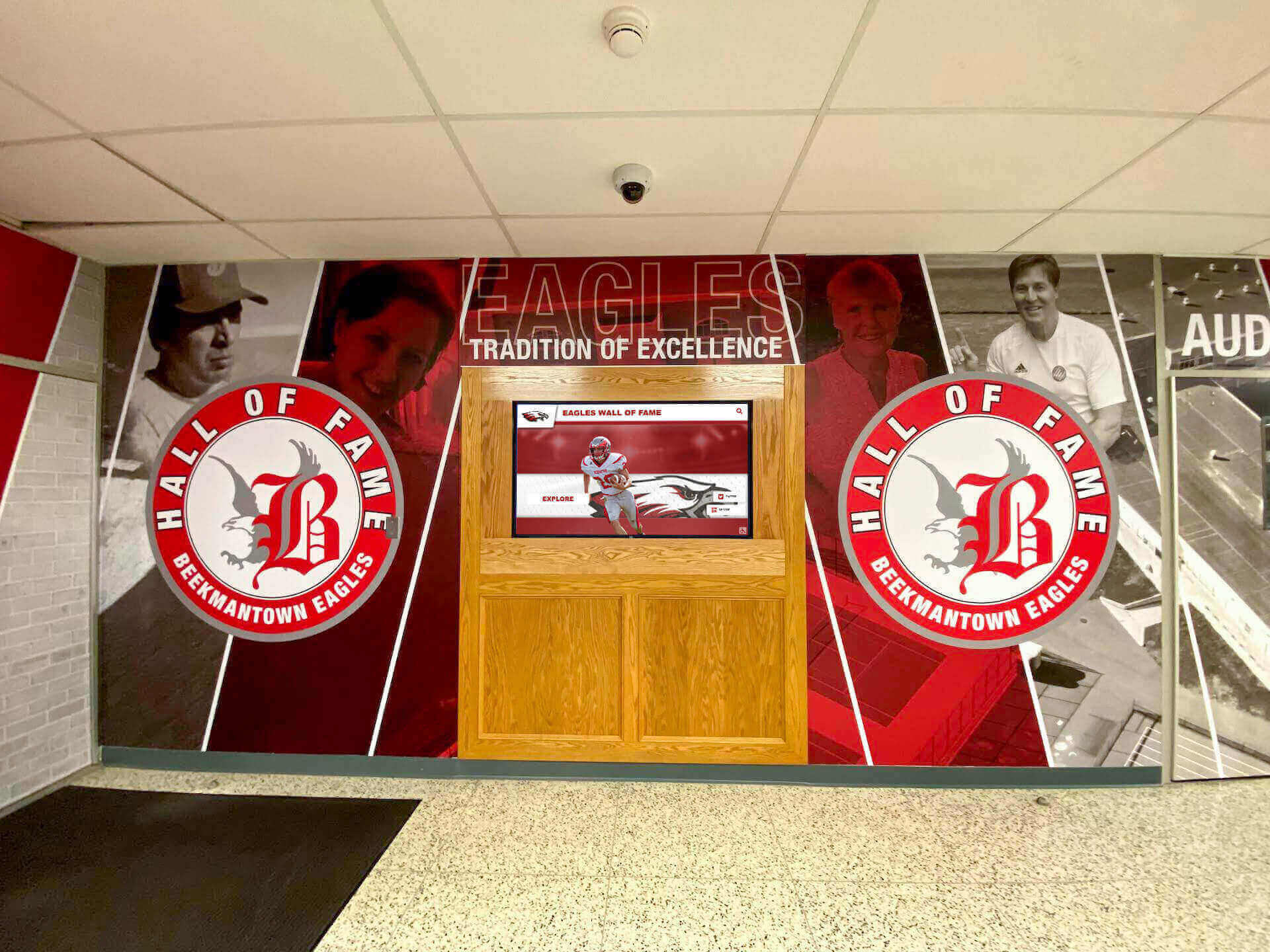
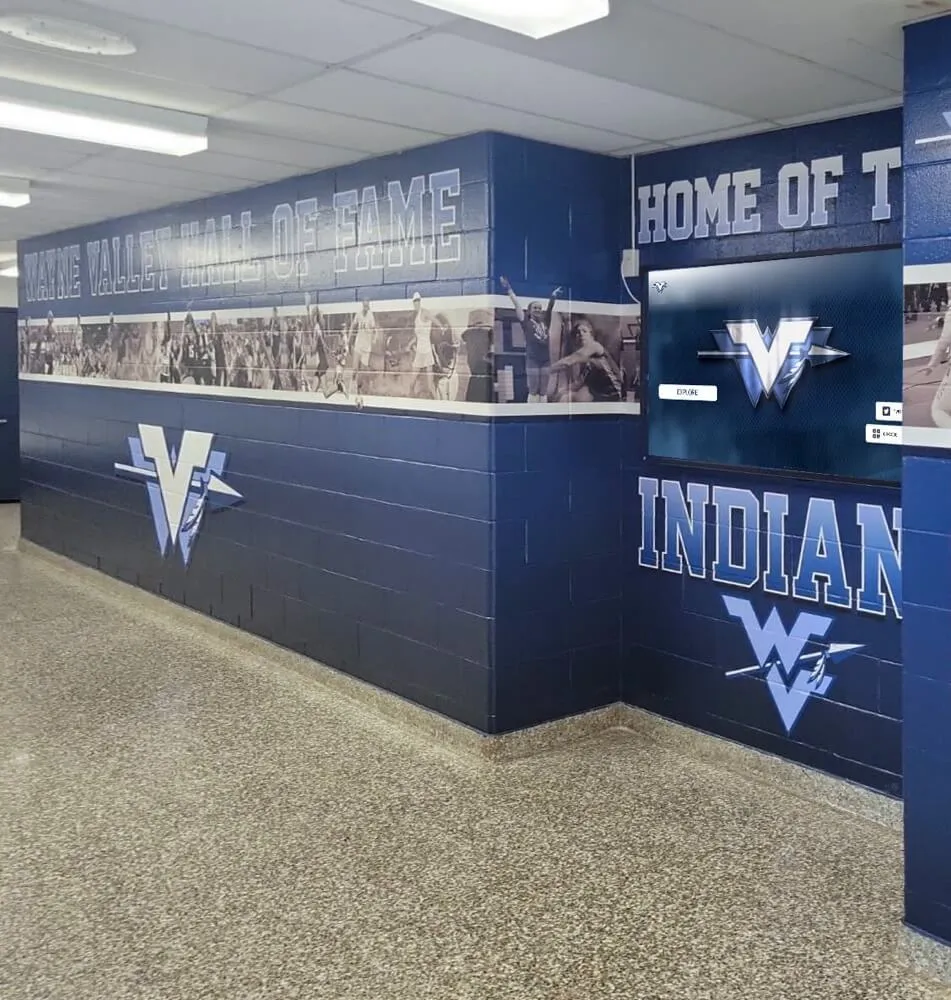
Comprehensive recognition environments integrate donor acknowledgment with athletic tradition and institutional branding
Leadership and Committee Service
Booster clubs depend on parent volunteers willing to accept leadership responsibility and coordinate essential organizational functions.
Board and Officer Positions
Each officer role requires specific commitments including presidents providing 10-15 hours weekly managing overall operations, treasurers handling financial management and reporting, secretaries maintaining records and managing communications, and vice presidents coordinating specific initiatives or committees.
While demanding, leadership service provides deep engagement opportunities while enabling volunteers to directly shape program direction and community impact.
Committee Membership and Project Leadership
Beyond officer positions, standing committees require member participation including fundraising committees planning and executing revenue activities, volunteer coordination recruiting and organizing parent participation, communications managing newsletters and social media, facilities committees overseeing improvement projects, and recognition committees planning appreciation events and donor acknowledgment.
Committee service accommodates diverse time commitments while enabling volunteers to contribute specific skills or interests to organizational success.
Challenges Facing Modern Booster Clubs
Despite essential contributions, booster clubs face persistent operational challenges requiring strategic solutions and community support.
Volunteer Leadership Transitions and Continuity
Booster club leadership typically rotates as parent volunteers’ children graduate and families reduce involvement. These natural transitions create challenges including institutional knowledge loss when experienced leaders depart, recruitment difficulties finding new volunteers willing to accept demanding roles, operational disruptions during leadership changes, and inconsistent program quality across volunteer generations.
Strategic succession planning, documented procedures, and digital systems that preserve organizational history help mitigate transition impacts while ensuring program continuity despite inevitable volunteer turnover.
Donor Fatigue and Fundraising Sustainability
Parents with multiple children participating in sports across years often experience fundraising fatigue from repeated solicitations. Additionally, community donor bases face competing requests from numerous school programs, civic organizations, and charities creating donation saturation. Booster clubs address these challenges through diversified revenue streams reducing dependence on any single source, creative fundraising approaches maintaining novelty and engagement, clear impact communication demonstrating tangible outcomes, and recognition programs inspiring sustained support through genuine appreciation.
Understanding donor stewardship best practices helps booster clubs maintain sustainable community support across multiple sport seasons.
Equity and Access Concerns
Well-intentioned booster clubs can inadvertently create participation barriers or equity issues when fundraising success varies dramatically between schools, wealthy programs provide advantages unavailable to less-funded competitors, financial expectations for participation create barriers for low-income families, and volunteer expectations favor families with flexible schedules and availability.
Addressing these concerns requires thoughtful policies ensuring essential program elements remain accessible regardless of individual family financial capacity, fostering collaboration between booster clubs and school districts to minimize competitive advantage disparities, creating diverse volunteer opportunities accommodating various schedule and capacity constraints, and maintaining transparency about how booster club funds are allocated and programs supported.
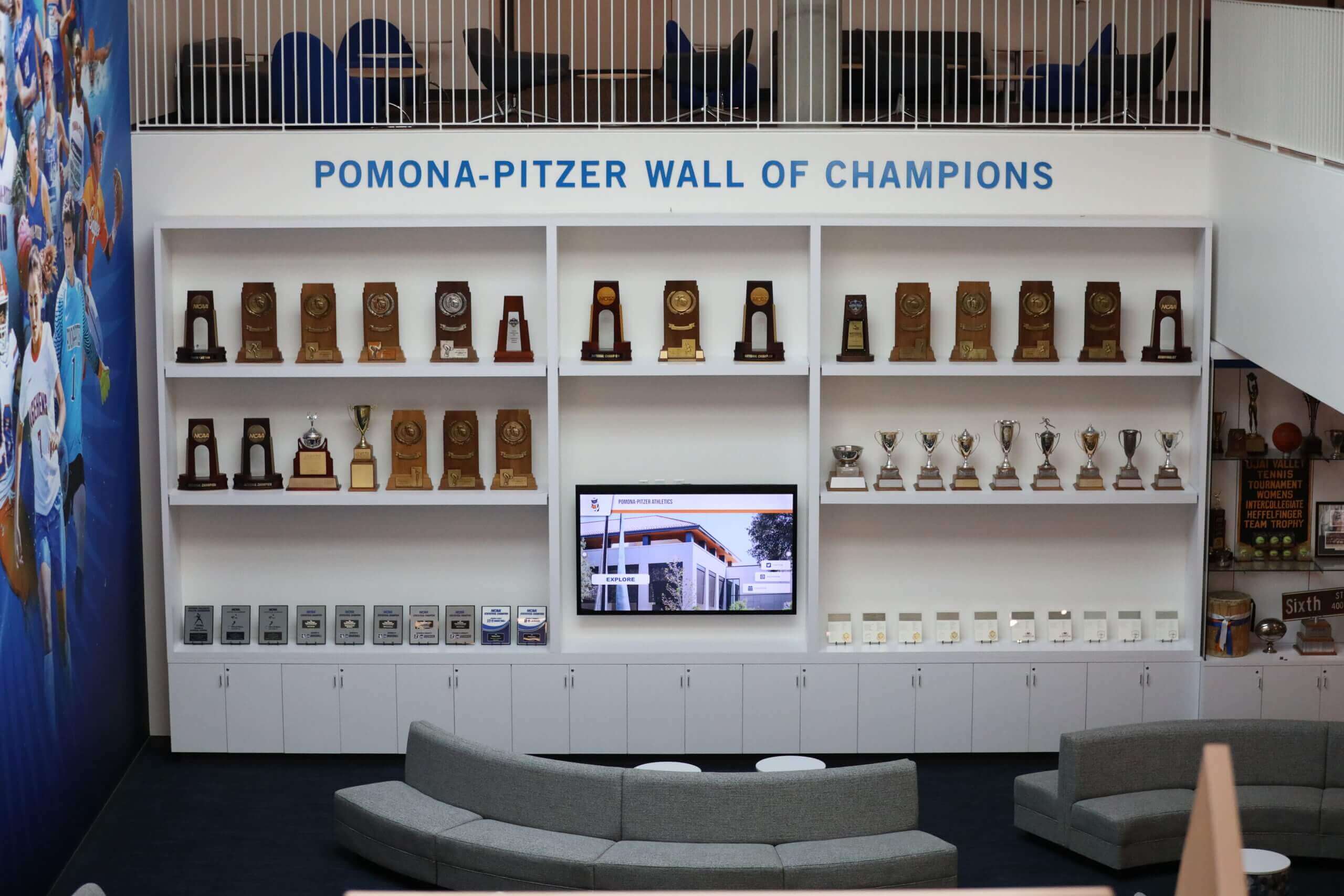
Recognition displays create destinations where community members can explore athletic tradition while celebrating supporter contributions
Booster Clubs and Educational Compliance Considerations
Operating effectively within educational frameworks requires attention to specific compliance and policy considerations.
Financial Management and Accountability
Nonprofit booster clubs must maintain rigorous financial practices including separate bank accounts distinct from school funds, regular financial reporting to membership and school administration, annual audits or financial reviews ensuring transparency, documented approval processes for all expenditures, and compliance with nonprofit financial reporting requirements.
These financial controls protect both booster clubs and school districts while building community confidence that contributed resources are managed responsibly with appropriate oversight.
Tax Compliance and 501(c)(3) Status
Maintaining tax-exempt status requires ongoing compliance including annual Form 990 filing with the IRS, adherence to 501(c)(3) operational standards, proper documentation for tax-deductible contributions, avoidance of private benefit or political activity, and periodic review of organizational structure and bylaws.
Professional accounting advice helps booster clubs navigate complex nonprofit tax requirements while ensuring continued access to tax-deductible contribution status that facilitates fundraising.
Coordination with School Policies
Booster clubs must operate within school district policy frameworks including fundraising approval processes and coordination, facility use agreements and scheduling, volunteer background check requirements, student safety and supervision policies, and intellectual property and trademark guidelines for school logos and branding.
Close coordination with school administration prevents policy conflicts while ensuring booster club activities complement rather than complicate school operations.
The Future of Booster Clubs: Trends and Innovations
Athletic booster clubs continue evolving to meet changing community needs and leverage emerging opportunities.
Digital Transformation and Online Engagement
Technology enables new approaches to traditional booster club functions including sophisticated online fundraising platforms, digital communications replacing printed newsletters, social media engagement building broader community awareness, virtual event opportunities expanding participation beyond geographical constraints, and comprehensive digital recognition systems honoring supporters year-round.
These digital capabilities expand booster club reach while reducing administrative burden on volunteer leadership managing organizations alongside work and family commitments.
Collaborative Models and Shared Resources
Some communities experiment with innovative organizational structures including unified booster organizations supporting all school athletics rather than sport-specific clubs, regional collaborations where multiple schools share resources and expertise, partnerships with local youth sports organizations creating development pipelines, and foundation models providing professional management for volunteer-led fundraising efforts.
These collaborative approaches address volunteer capacity constraints while potentially providing more sustainable long-term organizational models.
Enhanced Recognition and Stewardship
Progressive booster clubs adopt sophisticated donor relations practices including comprehensive digital recognition displays celebrating supporters year-round, regular impact reporting demonstrating contribution outcomes, personalized stewardship for major donors, exclusive appreciation events and experiences, and systematic volunteer recognition alongside financial contributor acknowledgment.
These enhanced stewardship practices strengthen donor relationships while inspiring the sustained engagement necessary for long-term booster club success and athletic program support.
Conclusion: The Essential Role of Booster Clubs in School Athletics
Booster clubs represent critical infrastructure enabling school athletic programs to provide opportunities, resources, and experiences that institutional budgets alone cannot support. These parent-led volunteer organizations bridge the persistent gap between what schools need and what districts can fund, ensuring hundreds of thousands of student-athletes nationwide access quality equipment, competitive opportunities, excellent coaching, and comprehensive programs that prepare young people for success in athletics and life.
Understanding what booster clubs are, how they function, and why they matter helps parents, families, and community members engage effectively with these essential organizations. Whether through financial contributions, volunteer service, professional expertise, or leadership commitment, supporting booster clubs directly impacts student-athlete success while strengthening community connections around shared investment in youth development through competitive sports.
For booster clubs themselves, adopting best practices in governance, fundraising, operations, and particularly donor recognition ensures sustainable organizations that thrive across volunteer leadership transitions while maintaining community support through systematic appreciation of the contributors who make athletic excellence possible.
Ready to enhance your booster club’s donor recognition program? Discover how Rocket Alumni Solutions can help you create comprehensive digital recognition displays that celebrate every supporter while inspiring sustained community engagement with your athletic programs through professional, interactive donor walls designed specifically for school booster clubs and parent athletic organizations.