For students and families navigating the college admissions process, understanding merit scholarships can unlock significant financial opportunities while recognizing outstanding academic achievement. Unlike need-based financial aid that considers family income, merit scholarships reward students for their accomplishments—from exceptional GPAs and standardized test scores to leadership achievements and specialized talents.
Yet confusion surrounds these valuable awards. Students wonder what qualifies as merit-worthy achievement, how colleges decide who receives these scholarships, and whether they’re automatically considered or require separate applications. Parents question how much merit scholarships typically cover and whether their child’s accomplishments will translate into meaningful financial support.
According to the National Association of Student Financial Aid Administrators, merit-based aid now represents a substantial portion of institutional grant funding, with colleges strategically using these awards to attract high-achieving students who enhance campus academic profiles. Understanding how merit scholarships work—and how schools celebrate recipients—helps families maximize educational opportunities while preparing students for academic success.
This comprehensive guide explores everything you need to know about merit scholarships: what they are, how they differ from other financial aid, eligibility requirements, application strategies, and how educational institutions recognize and celebrate these significant achievements.
Merit scholarships represent one of the most impactful forms of college funding for academically accomplished students. By rewarding achievement rather than financial circumstances, these awards make higher education accessible to high-performing students while motivating excellence throughout secondary education.

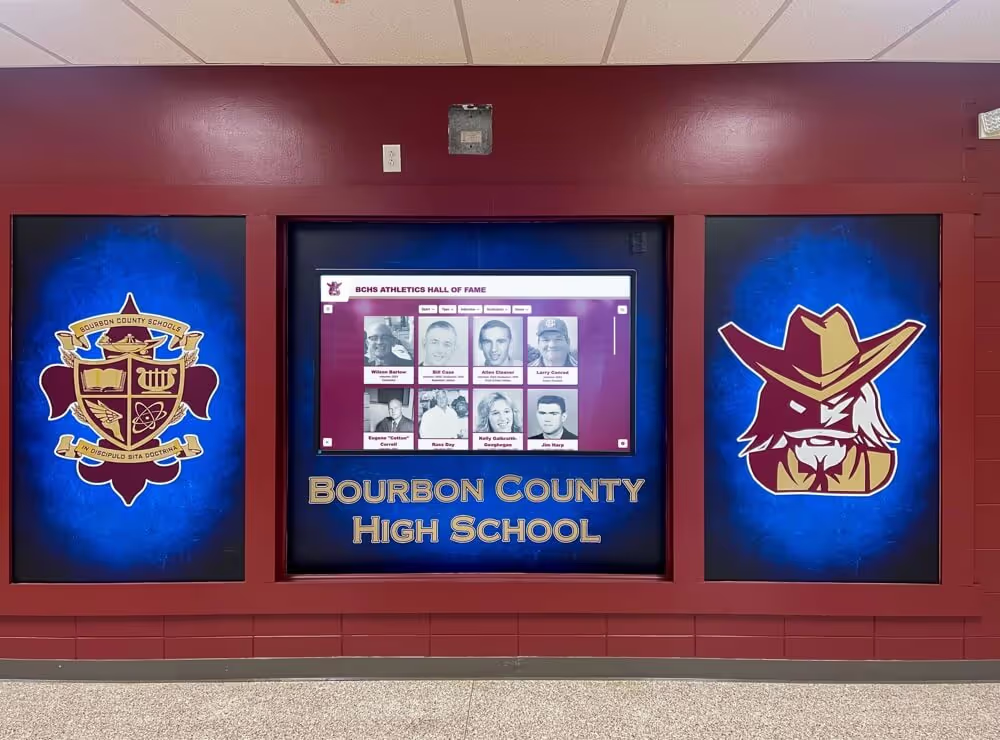
Schools celebrate merit scholarship recipients through prominent recognition displays that inspire future academic achievement
Understanding Merit Scholarships: Definition and Core Concepts
Merit scholarships provide financial awards to students based on demonstrated achievement, talent, or potential rather than financial need. These prestigious awards recognize academic excellence, leadership, special abilities, and other accomplishments that institutions value.
What Makes a Scholarship “Merit-Based”?
The defining characteristic of merit scholarships is their focus on achievement and qualifications rather than financial circumstances:
Achievement-Based Criteria
- Academic performance measured through GPA and class rank
- Standardized test scores on SAT, ACT, or other assessments
- Advanced coursework completion including AP, IB, or dual enrollment
- Academic competition success and scholarly achievements
- Research experience and academic publications
Talent and Skill Recognition
- Artistic abilities in music, visual arts, theater, or dance
- Athletic accomplishments and competitive sports performance
- Leadership roles in school, community, or extracurricular activities
- Special talents in STEM, writing, debate, or other specialized areas
- Community service and civic engagement
Personal Characteristics
- Leadership potential and demonstrated initiative
- Overcoming adversity and personal growth
- Unique perspectives and diverse backgrounds
- Commitment to specific fields or career paths
- Alignment with institutional values and mission
Unlike need-based financial aid that considers Expected Family Contribution (EFC) and financial circumstances, merit scholarships focus exclusively on what students have achieved and what they could contribute to campus communities.
Merit Scholarships vs. Other Financial Aid Types
Understanding how merit scholarships differ from other aid helps students develop comprehensive funding strategies:
Merit Scholarships vs. Need-Based Aid
- Merit scholarships: Awarded for achievement regardless of financial circumstances
- Need-based aid: Determined by financial need as calculated through FAFSA
- Can combine: Students may receive both merit and need-based aid simultaneously
- Different processes: Merit often through admissions; need-based through financial aid offices
- Renewal criteria: Merit requires maintaining academic standards; need-based requires continued financial need
Merit Scholarships vs. Athletic Scholarships
- Merit focus: Academic and non-athletic achievements
- Athletic focus: Sports performance and team contribution
- NCAA rules: Athletic scholarships governed by specific regulations
- Combination possible: Student-athletes may receive both academic merit and athletic awards
- Different processes: Merit through admissions; athletic through coaches and athletic departments
Learn about comprehensive recognition approaches in academic recognition programs that celebrate diverse achievements.

Modern recognition systems highlight merit scholarship recipients alongside their achievements and academic journeys
Types of Merit Scholarships: From Institutional to National Programs
Merit scholarships come from multiple sources, each with distinct characteristics, eligibility requirements, and selection processes.
Institutional Merit Scholarships
Colleges and universities offer merit scholarships directly to attract accomplished students:
Automatic Merit Awards Many institutions provide automatic scholarships to applicants meeting specific criteria:
- Minimum GPA thresholds (often 3.5 to 4.0 on 4.0 scale)
- Standardized test score requirements (SAT 1300+, ACT 28+)
- Class rank percentiles (top 10-25% of graduating class)
- Published award charts showing guaranteed amounts
- No separate application required beyond admissions
Competitive Merit Scholarships More prestigious institutional awards require additional effort:
- Separate scholarship applications with essays
- Portfolio submissions for arts or specialty programs
- Interviews with scholarship committees
- Consideration of broader achievements beyond GPA and test scores
- Limited number of awards with competitive selection
- Often include honors college admission
Presidential and Distinguished Scholarships Top-tier institutional awards recognize exceptional students:
- Substantial awards often covering full tuition or more
- Named scholarships honoring donors or historical figures
- Special recognition and programming for recipients
- Leadership development opportunities
- Priority registration and special housing options
- Digital recognition displays celebrating recipients
National Merit Scholarships
The National Merit Scholarship Program represents one of America’s most prestigious academic competitions:
Program Structure
- Based on PSAT/NMSQT scores taken in junior year
- Top 1% of test-takers become National Merit Semifinalists
- Semifinalists advance to Finalist status through application
- Corporate sponsors and colleges provide Merit Scholarships
- Recognition creates opportunities beyond direct awards

Recognition systems document scholarship recipients' complete academic journeys and accomplishments
National Merit Impact
- Prestigious designation enhancing college applications
- Many colleges offer substantial scholarships to National Merit Finalists
- Some institutions provide full-ride packages for National Merit recipients
- Recognition through academic honor displays in high schools
External Merit Scholarships
Organizations, foundations, and corporations offer merit scholarships outside colleges:
Private Foundation Scholarships
- Community foundations supporting local students
- Private foundations with specific focus areas
- Family foundations honoring deceased loved ones
- Professional associations supporting future professionals
- Service organizations like Rotary, Elks, or Kiwanis
Corporate Merit Scholarships
- Employee children scholarship programs
- Community investment initiatives from major corporations
- Industry-specific awards supporting future workforce
- Diversity and inclusion scholarship programs
- Leadership development scholarships
Specialized Merit Awards
- Field-specific scholarships (STEM, arts, humanities)
- Demographic-specific programs
- State-sponsored merit programs like HOPE Scholarship (Georgia)
- Military-affiliated merit scholarships
- Religious organization scholarships
Explore scholarship recognition through Dean’s List achievement programs that document academic excellence.
Merit Scholarship Eligibility: What You Need to Qualify
Understanding eligibility requirements helps students position themselves as strong candidates for merit awards.
Academic Performance Requirements
Most merit scholarships establish minimum academic standards:
GPA Requirements
- Typical thresholds range from 3.0 to 4.0 on 4.0 scale
- Competitive scholarships often require 3.7-4.0 GPAs
- Weighted vs. unweighted GPA considerations
- Specific subject area GPA requirements for specialized scholarships
- Class rank percentiles as alternative measures
- Grade trends showing improvement or consistency
Standardized Test Scores While test-optional policies have expanded, many merit scholarships still consider:
- SAT scores typically ranging from 1200 to 1500+ for different award levels
- ACT scores from 25 to 34+ depending on scholarship competitiveness
- Subject-specific test scores for specialized programs
- Test score superscore policies
- Alternative assessments for specific programs
- Declining emphasis at test-optional institutions
Course Rigor Demonstration Merit scholarship evaluators examine:
- Advanced Placement (AP) coursework and exam scores
- International Baccalaureate (IB) program participation
- Dual enrollment college courses during high school
- Honors-level courses across core subjects
- Academic challenge relative to school offerings
- Curriculum difficulty progression across high school years
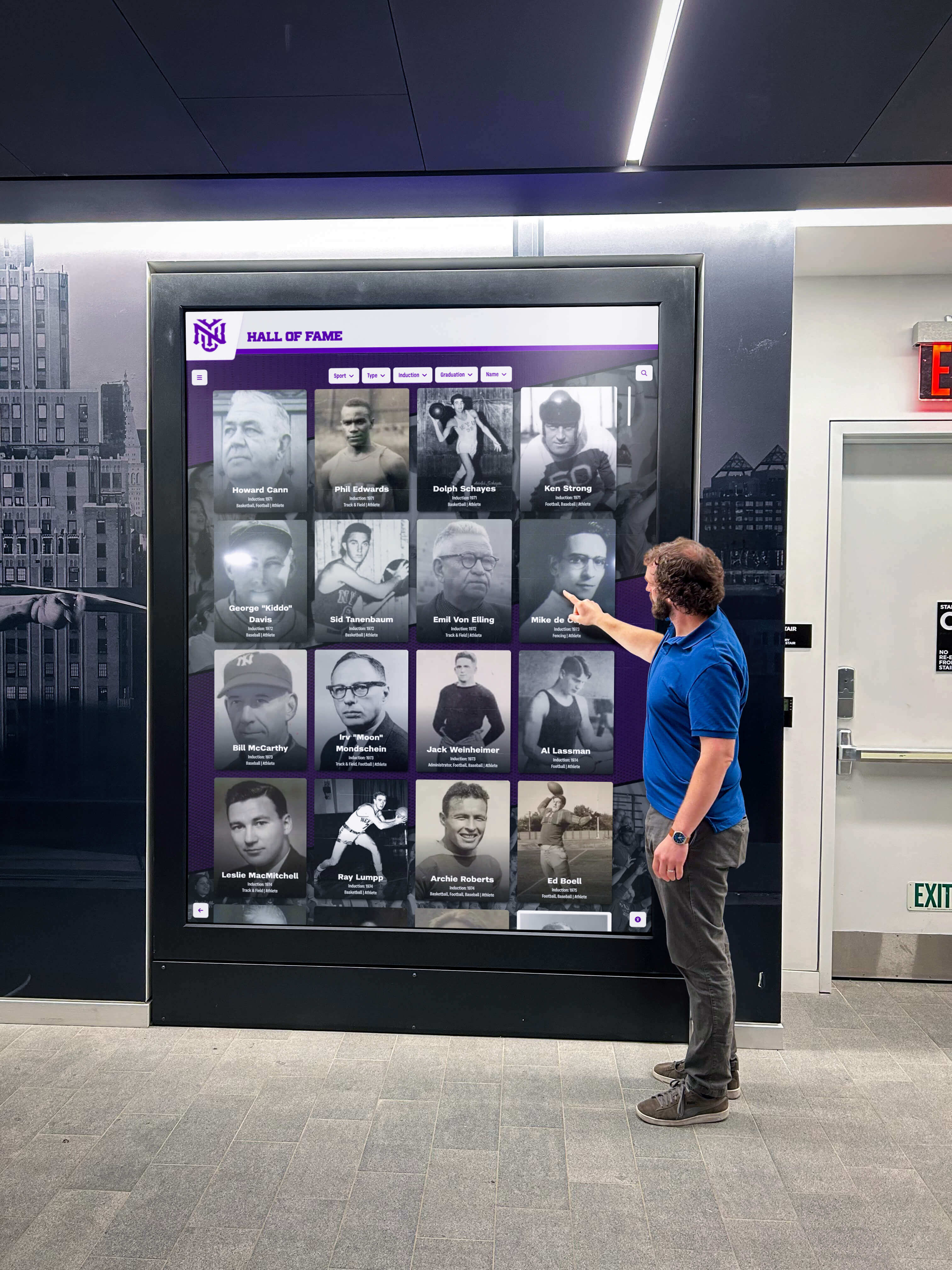
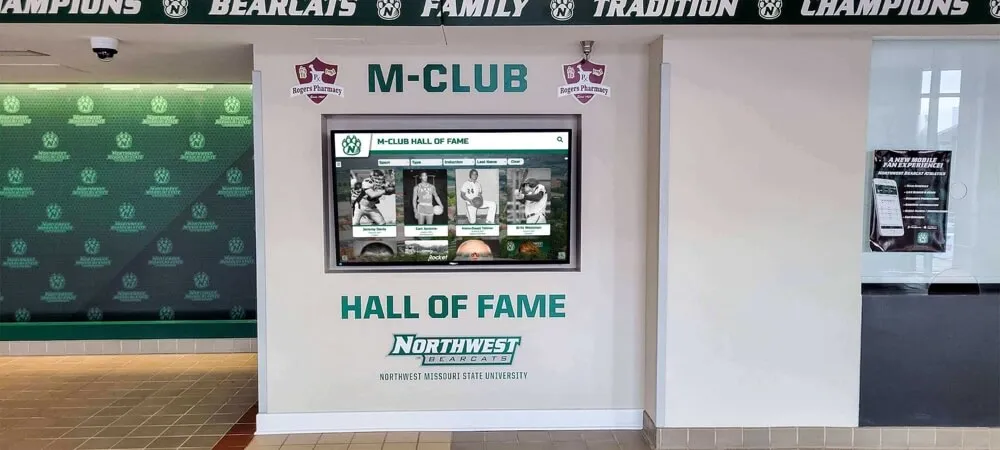
Interactive displays enable families and community members to explore merit scholarship recipients and academic excellence
Beyond Academics: Holistic Merit Considerations
Many merit scholarships evaluate accomplishments beyond transcripts:
Leadership and Extracurricular Achievement
- Student government positions and campus leadership roles
- Club founding or presidency demonstrating initiative
- Community organization leadership
- Extended commitment showing depth over breadth
- Impact and outcomes from leadership activities
- Recognition through student achievement recognition programs
Community Service and Civic Engagement
- Sustained volunteer commitments over multiple years
- Service leadership roles and program development
- Quantifiable impact on communities served
- Connection between service and personal values
- Service recognized through awards or commendations
- Integration of service with academic or career interests
Special Talents and Achievements
- Arts portfolios and performance accomplishments
- Research experience and publications
- Competition success at regional, state, or national levels
- Entrepreneurship and business creation
- Technical skills and certifications
- Unique accomplishments distinguishing candidates
Personal Qualities and Characteristics
- Essay quality demonstrating writing ability and perspective
- Recommendation letters highlighting character and potential
- Interview performance and interpersonal skills
- Overcoming obstacles and demonstrating resilience
- Alignment with scholarship mission or institutional values
- Demonstrated commitment to specific fields or causes
How to Find and Apply for Merit Scholarships
Strategic approaches maximize scholarship opportunities and application success.
Finding Merit Scholarship Opportunities
Systematic research uncovers available awards:
College-Specific Merit Scholarship Research
- Review financial aid pages on college websites
- Identify automatic vs. competitive scholarship programs
- Note application deadlines and requirements
- Contact admissions offices with specific questions
- Attend information sessions and virtual presentations
- Request scholarship information during campus visits
National and External Scholarship Databases
- Free scholarship search engines (Fastweb, Scholarships.com, College Board)
- High school guidance counselor scholarship lists
- Community foundation scholarship announcements
- Professional association scholarship programs
- Corporate scholarship programs for employee families
- State-sponsored merit programs
Early Identification Strategies
- Begin scholarship research sophomore or junior year
- Track deadlines using spreadsheets or scholarship apps
- Note renewable vs. one-time awards
- Understand stacking policies (can you combine scholarships?)
- Research previous recipient profiles
- Identify scholarships matching your specific profile
Learn about recognition of scholarship achievement through academic hall of fame displays celebrating educational excellence.

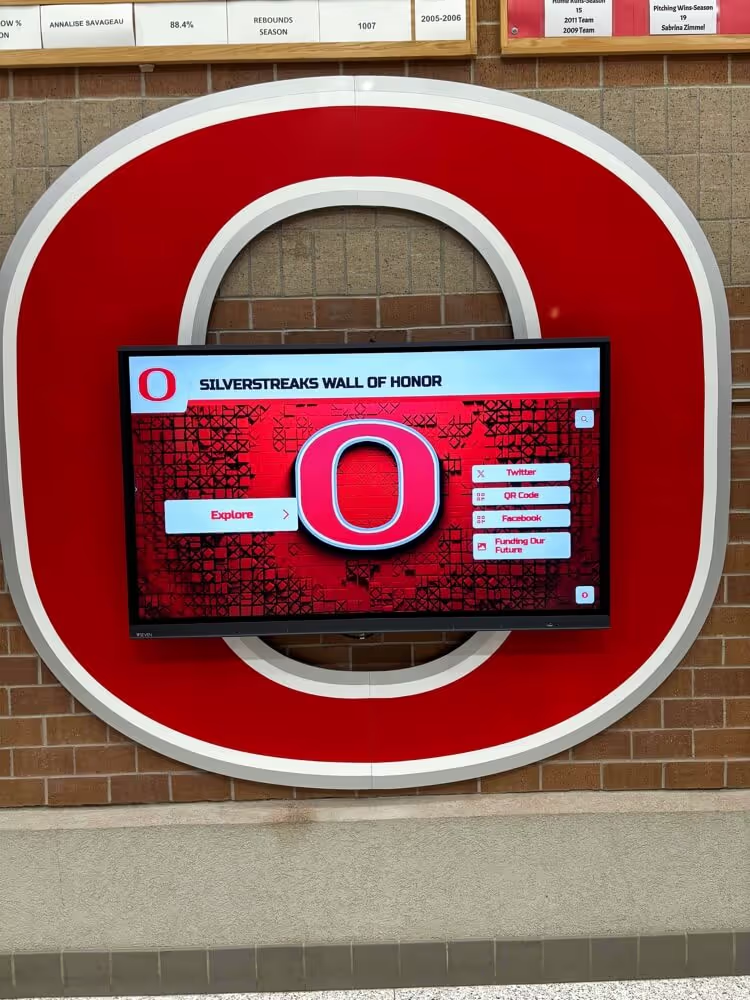
Strategic placement of scholarship recognition in high-traffic areas celebrates achievement and motivates future students
Application Best Practices and Strategies
Maximizing success requires strategic application approaches:
Timeline Management
- Start applications months before deadlines
- Allow time for transcript requests and recommendations
- Complete FAFSA and CSS Profile early (opens October 1)
- Meet early admission deadlines for maximum scholarship consideration
- Submit applications before priority deadlines
- Track submission confirmations and follow up
Application Components Excellence
Strong Essays and Personal Statements
- Address prompts directly and specifically
- Share authentic personal stories demonstrating qualities
- Connect achievements to scholarship criteria
- Proofread multiple times and seek feedback
- Demonstrate knowledge of scholarship mission
- Avoid clichés and generic statements
Compelling Recommendation Letters
- Select recommenders who know you well
- Provide recommenders with resume and specific examples
- Request letters early (at least one month before deadline)
- Waive right to view letters (demonstrates confidence)
- Send thank-you notes to recommenders
- Provide deadline reminders politely
Professional Portfolios and Supplements
- High-quality portfolios for arts scholarships
- Research papers or writing samples for academic awards
- Video auditions or performances for performing arts
- Organized presentation of achievements and awards
- Professional formatting and presentation
- Additional materials only if requested or allowed
Maximizing Institutional Merit Aid
Colleges strategically use merit aid to attract students they want:
Admission Application Timing
- Apply early action or early decision when possible
- Submit applications well before regular deadlines
- Demonstrate serious interest through visits and engagement
- Complete application thoroughly without errors
- Submit all supplemental materials promptly

Modern scholarship recognition systems integrate physical displays with comprehensive digital platforms
Demonstrated Interest Factors
- Campus visits (virtual or in-person)
- Engagement with admission representatives
- Attendance at information sessions
- Thoughtful questions demonstrating research
- Prompt response to communications
- Social media engagement with institution
Negotiation and Appeals
- Respectfully request scholarship reconsideration if appropriate
- Provide additional information about achievements or circumstances
- Share competing offers from peer institutions
- Emphasize fit and genuine interest in attending
- Understand institutional policies on appeals
- Maintain professional, appreciative tone
Understanding Merit Scholarship Amounts and Value
Merit scholarships vary dramatically in award amounts and overall financial impact.
Typical Merit Scholarship Award Ranges
Understanding common award levels helps set realistic expectations:
Small to Moderate Awards ($1,000 - $5,000)
- Common for external scholarships and small institutional awards
- Help reduce overall college costs but don’t cover full expenses
- Often stackable with other scholarships and aid
- May be one-time awards or renewable
- Application effort proportional to award size
- Valuable for reducing student loan burden
Substantial Merit Scholarships ($5,000 - $20,000)
- Significant institutional awards for strong candidates
- Can reduce college costs by 25-50% at many institutions
- Usually renewable for four years with GPA requirements
- Competitive but attainable for well-qualified students
- Sometimes includes special programming or benefits
- Major factor in college affordability
Full Tuition or Full-Ride Scholarships
- Most prestigious and competitive merit awards
- Cover tuition (full tuition) or tuition plus room/board (full-ride)
- Often include stipends, research funding, or study abroad support
- Extremely competitive with limited number of recipients
- Usually include honors college and special opportunities
- Celebrated through prominent recognition displays at institutions
Renewable vs. One-Time Scholarships
Understanding renewal requirements prevents financial surprises:
Renewable Scholarship Requirements
- Minimum GPA maintenance (typically 3.0 to 3.5)
- Full-time enrollment status
- Satisfactory academic progress
- Continued enrollment at awarding institution
- Specific major or program requirements
- Community service or participation requirements
Managing Renewal Expectations
- Understand GPA calculation methods (cumulative vs. semester)
- Know grade forgiveness and repeat course policies
- Plan course loads balancing rigor and GPA maintenance
- Access academic support services proactively
- Communicate with scholarship offices about challenges
- Understand appeal processes if requirements not met
Financial Planning Considerations
- Don’t assume renewal is guaranteed
- Have backup funding plans if scholarship lost
- Consider whether to prioritize GPA over course challenge
- Understand net cost if scholarship not renewed
- Factor renewal probability into college selection
- Budget conservatively accounting for potential loss
Celebrating Merit Scholarship Recipients: Recognition Programs
Schools and institutions recognize merit scholarship recipients in ways that motivate future achievement and celebrate current excellence.
Traditional Recognition Approaches
Educational institutions have long celebrated scholarship recipients:
Award Ceremonies and Celebrations
- Annual scholarship award banquets and receptions
- Academic awards ceremonies during school year
- Graduation recognition for scholarship recipients
- Scholarship donor meetings with recipients
- Photography and media coverage of recipients
- Special cords, stoles, or other ceremonial items
Honor Roll and Published Recognition
- Scholarship recipient lists in school publications
- Local newspaper announcements
- School website honor rolls
- Annual report recognition
- Social media celebration posts
- Community recognition through local organizations
Physical Recognition Displays
- Traditional plaques listing scholarship recipients by year
- Photo displays in hallways or offices
- Trophy cases including academic awards
- Bulletin boards celebrating recent recipients
- Dedicated scholarship recipient spaces
- Integration with athletic and other recognition
Learn about traditional approaches in end-of-year student awards that include scholarship recognition.

Integrated scholarship recognition systems combine digital innovation with traditional elements for lasting impact
Modern Digital Scholarship Recognition
Contemporary institutions increasingly use technology to celebrate scholarship recipients:
Interactive Digital Displays Solutions like Rocket Alumni Solutions transform scholarship recognition through touchscreen displays that overcome traditional limitations:
Unlimited Recognition Capacity
- Single display showcases unlimited scholarship recipients across all years
- No physical space constraints limiting who receives recognition
- Comprehensive archives preserving complete scholarship history
- All scholarship types receive equal display capacity
- Historical recipients remain permanently accessible
Rich Interactive Content
- Detailed recipient profiles including photos and biographies
- Scholarship descriptions and sponsor information
- Achievement details and academic accomplishments
- Video interviews with recipients
- Search functionality for finding specific recipients
- Filtering by scholarship type, year, or recipient characteristics
Simple Content Management
- Cloud-based updates from any internet-connected device
- Immediate recognition as scholarships are awarded
- No physical updates or engraving required
- Professional templates ensuring consistent presentation
- Scheduled publishing for award ceremonies
- Role-based access for appropriate staff
Explore comprehensive digital solutions through academic recognition technology that celebrates all achievements.
Extended Web-Based Recognition Modern scholarship recognition extends beyond physical campus:
- Online scholarship recipient honor rolls
- Mobile-accessible scholarship databases
- Social media recognition campaigns
- Integration with institutional websites
- Alumni network connections to current recipients
- Donor connections to scholarship recipients they fund
Scholarship Recognition Benefits
Prominent scholarship recognition creates multiple benefits:
Recipient Motivation and Pride
- Public acknowledgment reinforcing achievement value
- Permanent record of accomplishments
- Family celebration opportunities
- Resume and LinkedIn recognition
- Alumni network connections
- Professional development advantages
Future Student Motivation
- Visible models demonstrating achievement possibilities
- Specific scholarship information for prospective applicants
- Inspiration for underclassmen
- Normalization of academic excellence
- Reduced barriers to aspiring to recognition
- Clear pathways to scholarship eligibility
Donor Engagement and Stewardship
- Visible impact of scholarship funding
- Recipient stories for donor appreciation
- Recognition of donor generosity
- Motivation for continued or increased support
- Connection between donations and student outcomes
- Enhanced fundraising for scholarship endowments
Learn about donor recognition integration in creating impactful displays that celebrate both donors and recipients.
Maintaining Merit Scholarships: Renewal Requirements and Academic Success
Receiving a merit scholarship represents just the beginning—maintaining it through college requires strategic planning and consistent effort.
Common Renewal Requirements
Understanding expectations prevents scholarship loss:
Academic Performance Standards
- Minimum GPA requirements (typically 3.0-3.5 cumulative)
- Semester vs. cumulative GPA calculations
- Grace periods for first semester adjustments
- Academic probation vs. immediate loss policies
- Grade point averaging methods
- Course repeat and grade replacement policies
Enrollment Requirements
- Full-time status (usually 12-15 credit hours minimum)
- Continuous enrollment expectations
- Policies for study abroad or internship semesters
- Leave of absence impacts
- Transfer credit applicability
- Summer enrollment requirements or options
Progress Toward Degree
- Declared major requirements and timelines
- Credit accumulation pace expectations
- Satisfactory Academic Progress (SAP) standards
- Major change implications
- Double major or minor impacts on timeline
- Completion timeline expectations
Additional Requirements
- Participation in honors programs or scholars communities
- Community service hour requirements
- Leadership activity expectations
- Mentorship or tutoring commitments
- Research participation requirements
- Annual renewal applications or confirmations
Strategies for Maintaining Merit Scholarships
Proactive approaches ensure scholarship retention:
Academic Planning and Management
- Course selection balancing rigor with achievability
- Understanding grading standards in different departments
- Strategic use of pass/fail options when allowed
- Building relationships with professors
- Accessing tutoring and academic support early
- Monitoring GPA throughout semester, not just at end
Time Management and Study Skills
- Developing effective study routines from day one
- Avoiding overcommitment to extracurricular activities
- Building strong foundational skills in challenging subjects
- Seeking help before falling behind
- Managing stress and maintaining wellness
- Prioritizing academic requirements over social activities
Resource Utilization
- Writing centers for paper improvement
- Math and science tutoring labs
- Professor office hours for clarification
- Academic advisors for strategic planning
- Peer study groups and collaborative learning
- Time management and study skills workshops
Proactive Communication
- Understanding scholarship office contacts and procedures
- Reporting challenges before they become crises
- Asking questions about policies and requirements
- Requesting clarification on renewal processes
- Exploring options if struggling academically
- Building relationships with scholarship administrators
Merit Scholarships and College Selection Strategy
Merit scholarship potential should influence college list development and final enrollment decisions.
Building a Scholarship-Strategic College List
Match Schools for Strong Merit Potential The highest merit awards often come from colleges where you’re in the top 25% of admitted students:
- Research admitted student academic profiles
- Identify schools where your stats exceed 75th percentile
- Prioritize institutions with strong institutional aid
- Consider public honors colleges with full-ride programs
- Research schools with automatic merit scholarships
- Balance academic fit with financial opportunity
Reach, Match, and Safety with Merit Lens
- Reach schools unlikely to offer substantial merit aid
- Match schools where modest merit possible
- Safety schools where significant merit likely
- Financial safety schools guaranteeing affordability
- Merit-focused schools where you’re highly competitive
- Balancing prestige with financial outcomes
Geographic and Institutional Diversity
- Public universities in your state (in-state merit programs)
- Out-of-state publics recruiting geographic diversity
- Private colleges with large endowments supporting merit aid
- Regional comprehensive universities offering competitive merit
- Specialty institutions (honors colleges, specialized programs)
- Test-optional schools considering broader achievement
Learn about comprehensive student success recognition in building positive school culture that celebrates scholarship achievement.

Interactive scholarship displays engage students and showcase achievement pathways and opportunities
Comparing Merit Scholarship Offers
True Cost of Attendance Calculation
- Total Cost of Attendance minus all grants and scholarships
- Renewable vs. one-time awards impact over four years
- Work-study and loan components
- Expected family contribution requirements
- Additional fees not covered by scholarships
- Net price calculator utilization
Four-Year Financial Planning
- Multiply annual awards by four (if renewable)
- Account for tuition increases over four years
- Consider housing cost changes for upperclassmen
- Factor in study abroad or special program costs
- Understand impact if scholarship not renewed
- Calculate total debt burden at graduation
Beyond Financial Considerations
- Academic program quality and fit
- Campus culture and student experience
- Career services and internship opportunities
- Graduate school preparation
- Location and distance from home
- Special opportunities (research, study abroad, honors programs)
Frequently Asked Questions About Merit Scholarships
Can I receive merit scholarships if my family has financial need?
Yes—merit scholarships and need-based aid are not mutually exclusive. Many students receive both merit scholarships based on achievement and need-based grants based on financial circumstances. Some institutions reduce need-based aid if merit scholarships cover demonstrated need, while others allow stacking. Each college has different policies about combining aid types, so ask financial aid offices about specific stacking policies.
Do merit scholarships require separate applications?
It depends on the scholarship. Many institutional merit scholarships are automatically awarded based on your admission application—no separate application required. However, some prestigious merit scholarships require additional essays, applications, interviews, or portfolio submissions. External scholarships from foundations, corporations, or organizations typically require separate applications with unique requirements and deadlines. Review each college’s scholarship webpage and external scholarship descriptions carefully.
How do colleges decide who receives merit scholarships?
Colleges use various approaches depending on the scholarship. Automatic merit scholarships use formulas based on GPA, test scores, and sometimes class rank—students meeting criteria receive specified awards. Competitive scholarships involve committees reviewing applications holistically, considering academics, essays, recommendations, extracurriculars, leadership, and fit with scholarship mission. Some use a combination: automatic preliminary qualification with competitive selection for top awards. Selection criteria align with institutional priorities for student body composition and qualities.
Can merit scholarships be combined with athletic scholarships?
NCAA Division III schools can combine merit and athletic aid freely. NCAA Division I and II have complex rules about combining academic merit and athletic scholarships. In general, Division I and II student-athletes can receive merit scholarships if they meet criteria applied to all students (not athlete-specific) and the scholarship doesn’t consider athletic ability. Merit scholarships for athletes must come from institutional aid not connected to athletics department budgets. Consult with college compliance offices and coaches about specific situations.
What GPA do I need to maintain to keep my merit scholarship?
Renewal GPA requirements vary by scholarship and institution, typically ranging from 3.0 to 3.5 on a 4.0 scale. More competitive scholarships often require higher GPAs (3.5+) for renewal. Some scholarships use semester GPA while others require cumulative GPA maintenance. Many offer grace periods for first-year adjustment or allow probationary semesters if GPA drops slightly. Review your specific scholarship terms carefully, as losing a major scholarship due to GPA can dramatically change college affordability.
Are merit scholarships taxable?
Merit scholarships are generally tax-free if you’re a degree candidate and the scholarship covers qualified education expenses (tuition, fees, required books and supplies). However, scholarship amounts used for room, board, travel, or other non-qualified expenses may be taxable income. If scholarships exceed qualified expenses, the excess is typically taxable. Scholarships requiring services (teaching, research) may be taxable as compensation. Consult IRS Publication 970 and tax professionals for specific situations, as tax rules are complex and change periodically.
Conclusion: Merit Scholarships as Pathways to Educational Excellence and Opportunity
Merit scholarships represent far more than financial awards—they recognize achievement, motivate excellence, and make higher education accessible for accomplished students regardless of family financial circumstances. Understanding what merit scholarships are, how they work, and how to position yourself as a competitive candidate opens doors to educational opportunities that might otherwise remain closed.
The strategies explored in this guide provide comprehensive frameworks for finding merit scholarships, strengthening applications, comparing offers, and maintaining awards through college. From automatic institutional awards based on GPA and test scores to highly competitive national programs recognizing exceptional achievement, merit scholarships reward students who excel academically, demonstrate leadership, and contribute meaningfully to their communities.
Celebrate Academic Excellence Through Modern Recognition
Discover how digital recognition solutions help schools celebrate merit scholarship recipients and inspire future student achievement through engaging, interactive displays.
Explore Recognition SolutionsFor students pursuing merit scholarships, success requires strategic planning beginning in early high school. Build strong academic foundations through challenging coursework, develop distinctive achievements in areas you’re passionate about, and research scholarship opportunities early. Understanding that merit scholarships reward not just grades but leadership, service, special talents, and personal qualities helps you develop comprehensive profiles that scholarship committees value.
For families navigating college affordability, merit scholarships should inform college list development and enrollment decisions. Students who are academically strong candidates at less selective institutions often receive more generous merit aid than at highly selective colleges where they’re average applicants. Balancing academic fit, college experience, and financial outcomes requires comparing true net costs over four years while considering renewal requirements and graduation likelihood.
For educational institutions, celebrating merit scholarship recipients through modern recognition programs—from digital displays showcasing achievements to comprehensive honor roll systems—motivates future achievement while demonstrating commitment to academic excellence. Solutions like Rocket Alumni Solutions enable schools to overcome space limitations of traditional plaques while creating engaging recognition that tells complete scholarship recipient stories.
Whether you’re a student beginning the scholarship search, a parent supporting college planning, or an educator celebrating academic achievement, understanding merit scholarships empowers you to maximize educational opportunities. With proper planning, strategic applications, and sustained effort, merit scholarships can make college affordable while recognizing the dedication and accomplishment that academic excellence represents.
Ready to learn more? Explore comprehensive scholarship recognition approaches or discover student achievement celebration strategies that honor academic excellence and inspire continued success.