Every spring, graduating classes across the country gather to celebrate students who spent years earning the highest academic honors their school can bestow. Among those honored, few positions carry as much tradition, prestige, and personal significance as the salutatorian. Standing at the front of a packed auditorium, a salutatorian represents not just individual brilliance but the collective academic aspirations of an entire class. Yet despite the honor’s long history, many students, parents, and even educators find themselves wondering: what is a salutatorian, exactly, and how does this distinction differ from related honors like valedictorian?
The salutatorian designation has roots stretching back centuries into American educational tradition, and its meaning carries practical weight for college applications, scholarship consideration, and lifelong recognition. Whether you are a student aiming for the honor, a parent trying to understand your child’s academic standing, or an educator designing fair and meaningful recognition systems, a thorough understanding of the salutatorian distinction—how it is earned, what it means, and how schools honor it—provides essential context for celebrating academic excellence at its highest levels.
This guide covers everything you need to know: the origin and definition of the salutatorian title, how it compares to the valedictorian designation, the criteria schools use to determine selection, the traditional salutatorian speech, the tangible benefits of the honor, and how modern schools create permanent, visible recognition for these outstanding achievers.
Academic achievement at the highest level deserves recognition that honors the years of dedication students invest in their education. Understanding the salutatorian title fully—its meaning, its history, and the recognition it deserves—helps schools build stronger cultures of academic excellence that inspire every student to reach their potential.

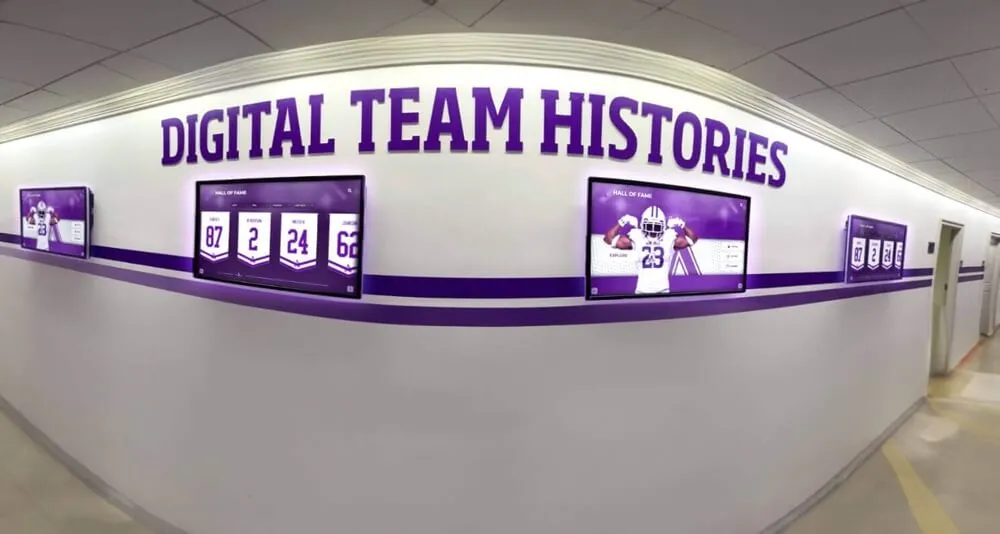
Permanent recognition displays give top academic honorees like salutatorians lasting visibility that certificates and plaques alone cannot provide
What Is a Salutatorian? Definition and Origin
The word “salutatorian” derives from the Latin salutatio, meaning a greeting or salutation. In the context of graduation ceremonies, the salutatorian was historically the student designated to deliver the opening address—the salutatory speech—that formally welcomed guests, faculty, and fellow graduates to the commencement proceedings.
A salutatorian is the student who graduates with the second-highest academic rank in a graduating class. This definition holds across high schools, colleges, and universities in the United States and many other countries that have adopted similar graduation traditions. While the specific criteria for determining rank vary between institutions, the essential meaning remains consistent: the salutatorian is the runner-up to the valedictorian in terms of cumulative academic achievement.
The Historical Tradition Behind the Title
The salutatorian tradition in American education traces its origins to colonial-era colleges and early universities, where commencement ceremonies were formal academic exercises conducted largely in Latin. The student who delivered the opening salutatory address—welcoming dignitaries and setting the tone for the proceedings—occupied a position of significant academic and social prestige.
Over time, as English replaced Latin in commencement ceremonies and graduation traditions evolved, the salutatory speech transitioned from a formal Latin oration to an English-language welcoming address. The student delivering it retained the title “salutatorian,” now understood to mean not just the opening speaker but the second-highest academic achiever in the graduating class.
This dual meaning—academic rank and ceremonial role—explains why the salutatorian holds such a distinctive place in graduation tradition. Unlike many academic honors that are purely statistical, the salutatorian designation has always carried a performative, community-facing dimension: this is the student who stands before their peers and officially opens one of education’s most meaningful ceremonies.
How the Salutatorian Rank Is Determined
Schools use several methods to identify the salutatorian, and the specific approach varies significantly between institutions:
Cumulative GPA The most common method ranks students by their cumulative grade point average across all years of study. The student with the highest GPA earns the valedictorian designation; the student with the second-highest GPA becomes the salutatorian. At schools using this approach, a fraction of a GPA point can separate the two honors.
Weighted vs. Unweighted GPA Some schools calculate class rank using weighted GPA, which assigns additional points for advanced coursework such as AP, IB, or honors courses. Others use unweighted GPA, which treats all courses equally. This distinction matters significantly for salutatorian selection, as students who take more rigorous coursework may rank differently depending on which calculation method the school applies.

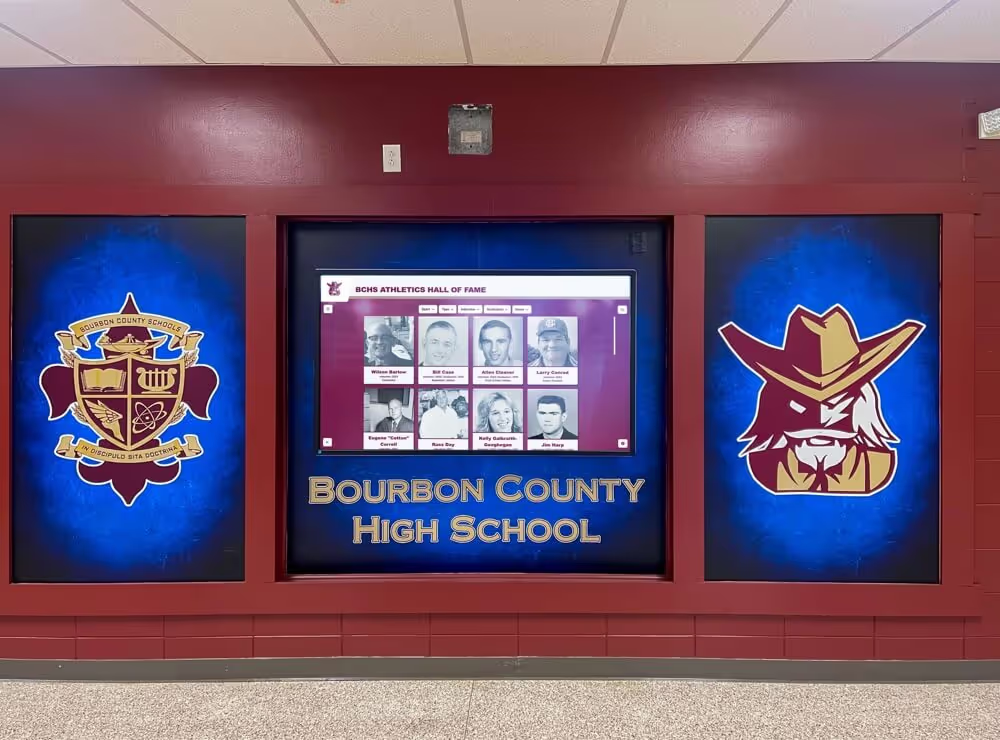
Digital recognition systems allow schools to create rich individual profiles celebrating salutatorians and other high-achieving students
Class Rank Percentile Some institutions, particularly larger high schools and colleges, calculate class rank as a percentile rather than an absolute position. In these systems, being “second in the class” means ranking in the 99th percentile or higher, and the salutatorian designation goes to the student immediately below the valedictorian in that ranking.
Credit Hour Thresholds Most institutions require students to have completed a minimum number of credit hours or semesters to be eligible for salutatorian consideration, preventing students who transferred late or completed non-standard course loads from claiming the honor based on limited records.
Understanding the specific method your school or district uses to determine class rank is essential for any student pursuing the salutatorian or valedictorian designation. These details are typically published in student handbooks, academic policy documents, or available through the registrar or guidance counseling office.
Explore the broader landscape of academic awards in high school to understand how salutatorian recognition fits within comprehensive academic honors programs.
Salutatorian vs. Valedictorian: Key Differences
The two most prominent academic honors at graduation ceremonies are frequently discussed together, and understanding the distinction between them is central to understanding what it means to be named salutatorian.
The Core Academic Distinction
The valedictorian holds the highest academic rank in the class; the salutatorian holds the second-highest rank. In traditional graduation ceremony formats, the valedictorian delivers the valedictory address—a farewell speech to classmates—while the salutatorian delivers the salutatory address that opens the ceremony.
This ceremonial structure gives both honors clear and meaningful public roles. Neither student is simply awarded a certificate and forgotten; both step forward to represent their class in front of the entire graduating community, making their accomplishment visible and celebrated in a way that purely statistical honors cannot replicate.
For a comprehensive look at the related designation, explore what valedictorian means and how the two honors work together to recognize the highest academic achievers.
Prestige and Recognition
In most educational cultures, the valedictorian designation carries slightly greater prestige simply because it represents the highest absolute rank. However, the salutatorian position is regarded as equally rigorous and nearly as selective—in large graduating classes, being second out of hundreds or thousands of students represents an extraordinary academic achievement that admissions committees and employers recognize as such.
At highly competitive schools where dozens of students maintain near-perfect GPAs, both designations carry significant weight precisely because the margin separating them may be tiny. A salutatorian who earned a 4.28 weighted GPA while the valedictorian earned a 4.30 has demonstrated academic excellence at a level indistinguishable from the top honor in the eyes of most evaluators.
Similarities Between the Honors
Despite their differences in rank, salutatorians and valedictorians share important characteristics:
- Both are determined by cumulative academic performance across the full duration of enrollment
- Both typically require students to have been enrolled at the institution for a minimum number of terms
- Both receive formal public recognition at graduation ceremonies
- Both provide meaningful advantages for college applications, scholarship competitions, and professional credentials
- Both represent the highest tier of academic achievement a graduating class can confer
The Salutatorian Speech: Tradition and Content
One of the most distinctive aspects of the salutatorian honor is the ceremonial responsibility to deliver the opening address at commencement. This speech, known as the salutatory address, sets the tone for the entire graduation ceremony and represents one of the most visible moments of public recognition a student can receive from their school community.
What the Salutatory Address Typically Covers
Unlike the valedictorian’s farewell address—which often focuses on looking forward, offering advice, and bidding farewell to classmates—the salutatory address traditionally serves as a formal welcome. A typical salutatory speech:
- Welcomes family members, faculty, guests, and community members to the ceremony
- Expresses gratitude on behalf of the graduating class
- Acknowledges the contributions of teachers, counselors, and support staff
- Reflects briefly on the class’s shared experiences and journey
- Sets an optimistic or celebratory tone for the ceremony that follows

Digital recognition systems invite the entire school community to celebrate top academic achievers, extending the impact of honors like salutatorian beyond graduation day
For students preparing to deliver the salutatory address, graduation speech ideas and strategies offer practical guidance for crafting a memorable address that honors both the occasion and the class.
The Evolving Nature of Salutatory Speeches
Contemporary salutatory speeches have evolved considerably from their formal Latin-oration origins. Today’s salutatorians bring personal voices, humor, vulnerability, and authenticity to addresses that reflect both traditional ceremony and modern communication styles. Many of the most memorable commencement speeches in recent years have been salutatory addresses that surprised audiences with their depth, honesty, and genuine celebration of the graduating community.
While some schools still adhere to the traditional structure of a formal welcome address, others have expanded the salutatory speech into a broader reflection on the class’s years together—blending elements of welcome, gratitude, humor, and inspiration into an opening address that feels less formulaic and more personal. The content of the speech is now often as important as the academic achievement that earned the student the platform to deliver it.
Benefits of Being Named Salutatorian
Earning the salutatorian designation creates tangible benefits that extend well beyond graduation day. Understanding these advantages helps students and families appreciate the full value of striving for the highest academic rankings.
College Admissions Recognition
The salutatorian designation carries significant weight in competitive college admissions processes. Admissions officers evaluating applications use class rank as a key comparative metric, and being identified as the salutatorian of a graduating class provides an immediately legible signal of academic distinction. Many selective colleges and universities specifically note whether applicants held the salutatorian or valedictorian designation.
For students applying to highly selective institutions where thousands of applicants have exceptional GPAs, the salutatorian title provides differentiation that raw GPA numbers alone cannot supply. It demonstrates not just academic achievement in absolute terms but competitive excellence relative to an entire cohort of peers.
Scholarship Opportunities
Numerous scholarship programs explicitly favor or require salutatorian or valedictorian status as eligibility criteria. These range from local community scholarships to large national programs that use class rank as a preliminary screening mechanism. Some institutional merit scholarships automatically award significant funding to incoming students who hold these designations from their high schools.
Being named salutatorian also strengthens applications for competitive merit scholarships that do not explicitly require the designation, as it serves as independent verification of sustained academic excellence throughout secondary education.
Understanding how graduation honors cords and their meanings communicate achievement helps families and students see how salutatorian status fits within the broader visual language of graduation recognition.
Professional and Long-Term Recognition
The salutatorian designation on a resume or in professional materials continues to carry weight long after graduation, particularly for students entering competitive fields early in their careers. Graduate school applications, professional fellowship programs, and selective job applications all provide opportunities to reference this distinction, where it remains a credible indicator of academic excellence and competitive achievement.
At the college level, the parallel distinction—often called the graduation salutatorian or academic honors designation—serves similar functions in graduate school applications and early professional settings.
Is the Salutatorian Honor Still Relevant?
In recent decades, some schools and districts have moved away from or modified the traditional valedictorian/salutatorian system, raising questions about the honor’s continued relevance. Understanding the arguments on both sides helps schools make informed decisions about how to structure their academic recognition programs.
Arguments for Reconsidering the Traditional System
Critics of the single-student salutatorian/valedictorian model point to several genuine concerns:
Intense competition with diminishing returns. At schools where multiple students maintain near-identical GPAs, the difference between the salutatorian and the fifth-ranked student may be a fraction of a point accumulated over four years—a margin that reflects luck as much as differential effort or ability.
Narrow definition of academic achievement. Class rank based solely on GPA does not capture the full spectrum of academic excellence. Students who demonstrate exceptional achievement in research, creative work, leadership, or community engagement may rank lower than peers whose strengths lie in test performance and grade accumulation.
Stress and competitive dynamics. The winner-take-all nature of class rank competition can create damaging dynamics in otherwise collaborative school cultures, where students make strategic rather than intellectually curious course selections to protect their GPA rankings.

Hallway recognition displays transform academic achievement into visible, daily inspiration for current students and visitors throughout the school year
Arguments for Preserving the Designation
Advocates for maintaining the salutatorian tradition counter with equally compelling points:
Clear, objective standards motivate sustained excellence. When students know that cumulative academic performance determines class rank, they receive a clear and consistent target for years of effort. This clarity motivates the kind of sustained, disciplined academic work that serves students well throughout their lives.
The honor carries genuine external value. College admissions processes, scholarship programs, and professional contexts continue to recognize and value salutatorian designation. Eliminating the honor does not make these external systems irrelevant; it simply removes students from consideration for opportunities the designation unlocks.
Public ceremony deserves individual recognition. Graduation is one of the few occasions when academic excellence receives the same visible public celebration as athletic or artistic achievement. The salutatory address gives the second-highest academic achiever a platform that most students never access, creating a meaningful public acknowledgment of years of dedication.
Many schools have found middle ground by recognizing multiple students with top honors—designating several co-valedictorians and co-salutatorians, or establishing broader recognition tiers that honor the top 5–10% of the class alongside the traditional first- and second-place designations.
For institutions exploring recognition programs that honor the breadth of academic achievement, Phi Theta Kappa recognition at community colleges provides an excellent model for how two-year institutions create tiered, meaningful honors that recognize academic excellence without the constraints of single-student designations.
How Schools Recognize Salutatorians: From Ceremony to Permanent Display
Delivering the salutatory address and receiving a certificate or cord during graduation creates powerful momentary recognition—but truly honoring the salutatorian requires recognition that outlasts the ceremony itself. How schools preserve and display this recognition shapes whether the honor continues to inspire current students and maintain meaningful community memory.
Traditional Recognition Methods
Most schools recognize salutatorians through a combination of:
- Graduation ceremony designation: The public announcement and speech opportunity at commencement
- Printed program recognition: Inclusion in graduation programs distributed to attendees
- Academic transcript notation: Permanent documentation of the honor in official academic records
- Physical certificates or plaques: Certificates presented at ceremony and sometimes permanent plaques in trophy cases or administrative offices
- Local and school media announcements: Recognition through school newsletters, local newspapers, and school website features
These approaches provide meaningful immediate recognition but face common limitations. Physical plaques require space, regular updating, and maintenance. Printed materials reach limited audiences and become outdated. Web announcements may be removed when websites are redesigned. The result is that salutatorians from even a decade ago may be difficult to locate in a school’s public recognition systems.
Modern Digital Recognition for Salutatorians
Forward-thinking schools are transforming how they recognize their top academic achievers through digital recognition platforms that create permanent, visible, and accessible honor displays. These systems solve the space and maintenance problems of physical recognition while dramatically expanding the audience who can discover and celebrate each year’s honorees.
Interactive touch walls for high schools demonstrate how touchscreen displays positioned in school lobbies and hallways allow current students, parents, alumni, and visitors to explore decades of academic achievement—including salutatorians and valedictorians from every graduating class.
What makes digital recognition more effective:
- Unlimited historical capacity — no space constraints mean every salutatorian from every graduating class remains findable and celebrated
- Rich student profiles — beyond names and years, digital systems can include student photos, activities, colleges attended, and career paths
- Searchable archives — families, alumni, and community members can instantly find specific honorees by name, year, or class
- Remote updating — administrators add each year’s salutatorian without physical installation or vendor coordination
- Broad accessibility — web-accessible versions allow proud families worldwide to share and celebrate recognition

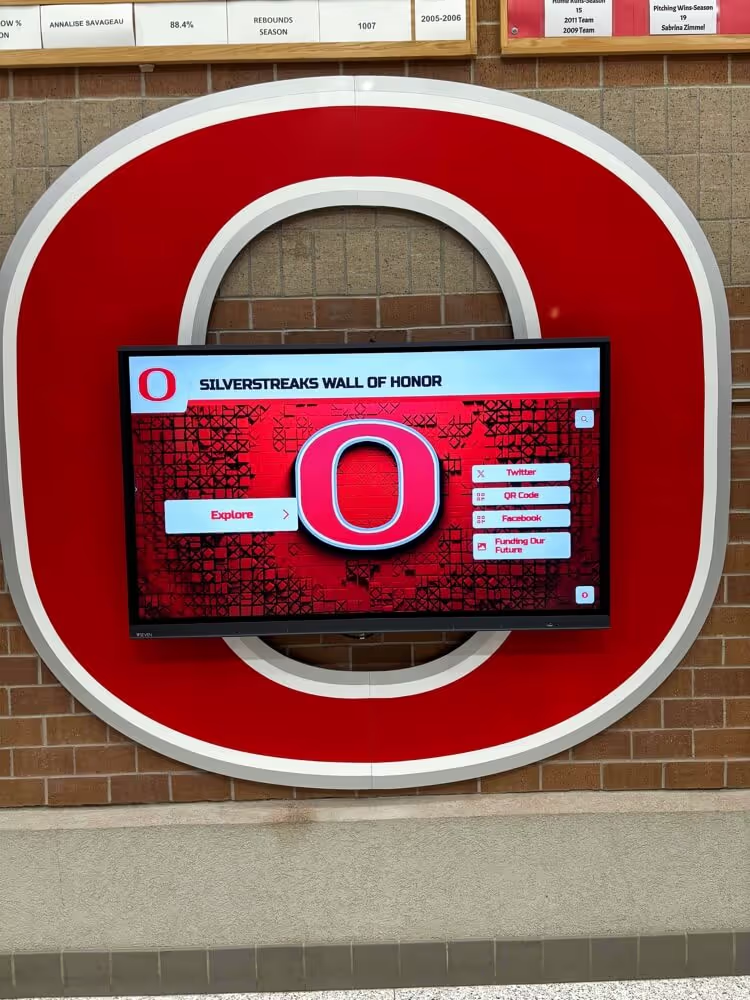
Campus lobby recognition displays create high-visibility moments of celebration that greet every visitor with evidence of student achievement
Building a Complete Academic Recognition System
The most effective school recognition programs place salutatorian honors within a comprehensive system that celebrates academic achievement across multiple dimensions. Rather than recognizing only the top two students, these systems create layered acknowledgment that honors:
- Salutatorians and valedictorians as the pinnacle academic designations
- Honor roll and dean’s list achievers who sustained high performance across terms
- Subject-specific academic award winners recognized by department faculty
- Academic competition champions in math, science, debate, and other disciplines
- Students earning national recognition including National Merit distinctions
A digital hall of fame system can accommodate all of these recognition categories within a single unified platform, giving schools the ability to honor both top-ranked students and the broader community of high achievers without the space and maintenance constraints of traditional physical displays.
Planning and budgeting for a permanent recognition system that does justice to top academic achievers benefits from the strategies outlined in a digital hall of fame planning and budget guide, which walks school leaders through the key decisions involved in creating lasting recognition infrastructure.
The Donor Connection: How Recognition Supports Giving
Schools that build strong academic recognition cultures—with visible, accessible, permanent displays honoring top achievers like salutatorians—create environments where alumni and donors feel their investments produce meaningful results. When former students can return to their school and find their recognition still visible and celebrated, the emotional connection to their alma mater deepens.
This connection between recognition and giving is powerful. Advancement teams report that alumni who feel genuinely honored and remembered by their schools are significantly more likely to donate, volunteer, and advocate on behalf of their institutions. A robust academic recognition program that prominently features salutatorians and other top achievers does not just honor the past—it cultivates the future donors and ambassadors who sustain the school’s mission.
Named scholarships and donor-funded academic prizes can also be incorporated into digital recognition systems, allowing schools to honor both the donors who fund academic excellence and the students who achieve it. This integration creates a virtuous cycle: recognized donors fund scholarships, scholarship recipients are recognized, and those recognized achievers become future donors who fund the next generation of academic honors.
Frequently Asked Questions About the Salutatorian Honor
Does every school have a salutatorian? No. Some smaller schools with only a handful of graduating students may not formally designate a salutatorian and valedictorian. Some schools have moved to other recognition models. And some schools that maintain these designations do not require the salutatorian to deliver a speech. The tradition varies considerably between institutions.
Can there be co-salutatorians? Yes. When two or more students share identical cumulative GPAs after all possible tiebreakers have been applied, many schools designate co-salutatorians. In cases with co-salutatorians, both students typically receive full recognition of the honor, though the speech responsibilities may be divided or assigned to one student.
Does the salutatorian designation appear on transcripts? This varies by school. Many institutions note the salutatorian designation on official transcripts as a permanent part of the academic record. Others provide certificates and public recognition without formal transcript notation. Students seeking confirmation of their designation for college applications or scholarships should request documentation from their school registrar.
Does being salutatorian guarantee scholarship funding? No scholarship is guaranteed by any designation alone, but salutatorian status strengthens applications for merit-based scholarships and opens eligibility for programs that require top class rank designations. The value depends significantly on the scholarship program and the competitiveness of the applicant pool.
Is the salutatorian honor the same in college and high school? The designation exists at both levels but functions somewhat differently. In high school, salutatorian is typically based on four years of cumulative GPA. At colleges and universities, the parallel recognition is often framed through graduation honors (cum laude, magna cum laude, summa cum laude) rather than explicit salutatorian/valedictorian designations, though some colleges do maintain these titles for undergraduate commencement ceremonies.
Conclusion: The Salutatorian as a Foundation for Academic Culture
The salutatorian designation represents far more than the second-best grade point average in a graduating class. It embodies a tradition of publicly celebrating academic excellence, giving the highest achievers a meaningful ceremonial role in one of education’s most important rituals, and creating visible evidence that intellectual dedication earns recognition proportional to its difficulty and value.
For students pursuing the honor, understanding what the salutatorian designation means—how it is determined, what it requires, and what it provides—creates a clear framework for setting and achieving ambitious academic goals. For schools, treating the salutatorian designation as an opportunity to build lasting recognition infrastructure turns a graduation-day moment into a year-round cultural asset that motivates current students, honors alumni, and demonstrates to the broader community that academic excellence is taken seriously.
Celebrate Your Top Academic Achievers With Lasting Recognition
Rocket Alumni Solutions helps schools build digital recognition systems that honor salutatorians, valedictorians, and every outstanding student with the permanent, visible celebration their achievements deserve. Explore how modern recognition technology transforms academic honors into lasting community assets.
Explore Academic Recognition SolutionsWhen schools invest in recognition systems that give every salutatorian—past, present, and future—a permanent place of honor accessible to students, families, and alumni, they signal something profound: academic excellence is not a momentary achievement noted at graduation and forgotten. It is a lasting contribution to the school’s identity, worthy of display alongside athletic championships and artistic achievements. That signal changes school culture, motivates students at every level, and creates the kind of community where the salutatorian’s story inspires generations of scholars to come.