Every year, hundreds of thousands of high school students compete in DECA competitions that test their business acumen, leadership capabilities, and real-world problem-solving skills. Yet despite DECA’s significant impact on students’ college readiness and career preparation, many parents, educators, and even students themselves don’t fully understand what DECA is, how competitions work, or why these achievements deserve recognition alongside traditional academic and athletic accomplishments.
DECA provides more than just competition experience—it offers comprehensive career and leadership development through realistic business challenges, networking opportunities with industry professionals, and credentials that strengthen college applications. For high schools building cultures of diverse excellence, DECA achievements represent exactly the kind of accomplishments worth celebrating: students developing practical skills, demonstrating initiative, and preparing for post-secondary success through rigorous competitive experiences.
This comprehensive guide explains what DECA is, how high school students participate in DECA competitions, the different competitive events available, and strategies for recognizing DECA winners with the same visibility schools traditionally reserve for athletic achievements—because business leadership excellence deserves equal prominence.
Understanding DECA helps schools support student participation while creating recognition systems that celebrate diverse pathways to success. When schools systematically acknowledge DECA achievements through visible recognition programs, they signal institutional priorities that value career preparation, business skills, and leadership development alongside traditional academic and athletic excellence.
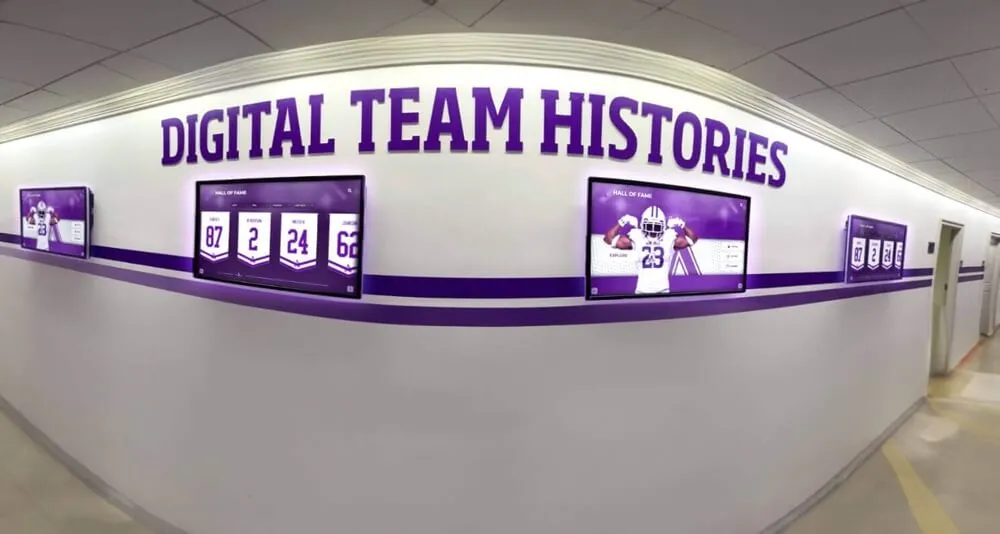
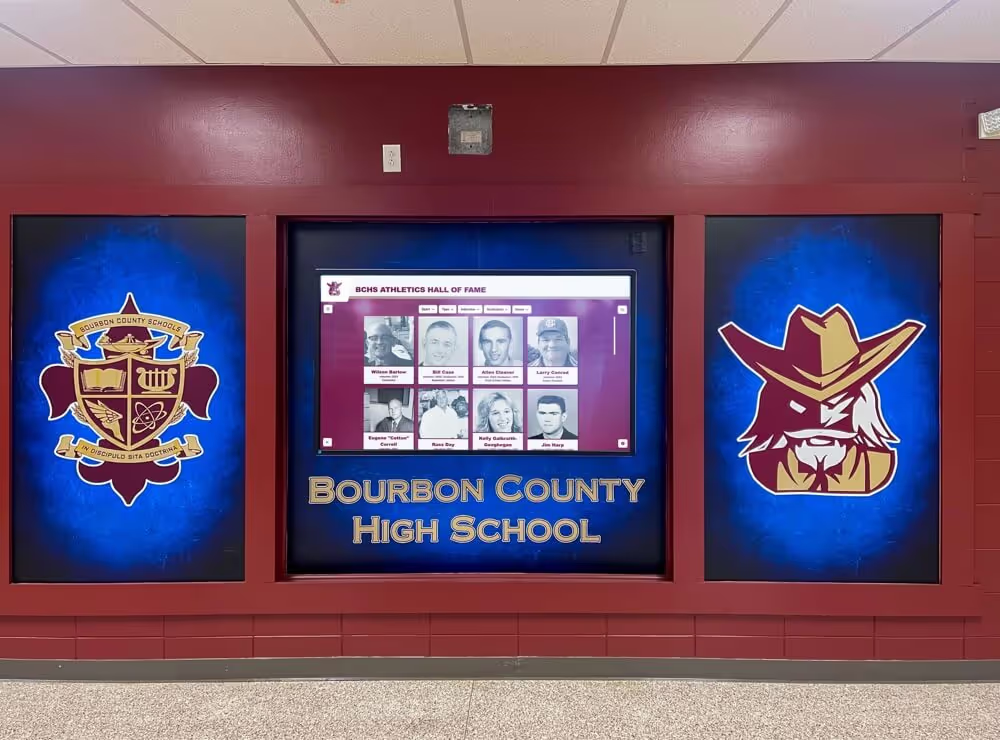
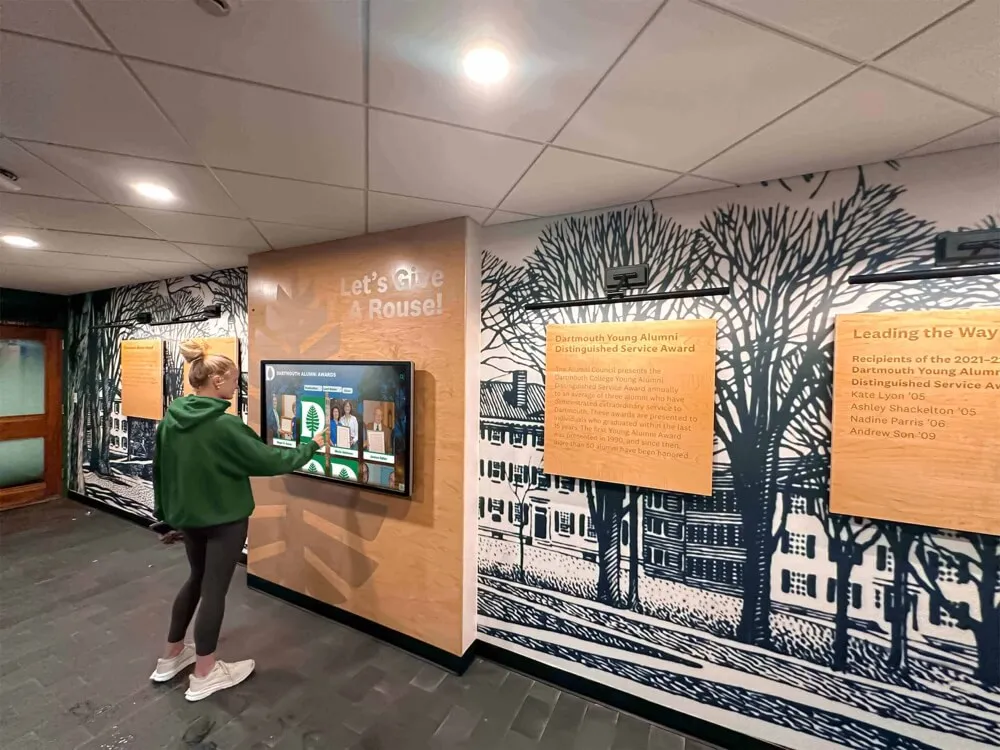
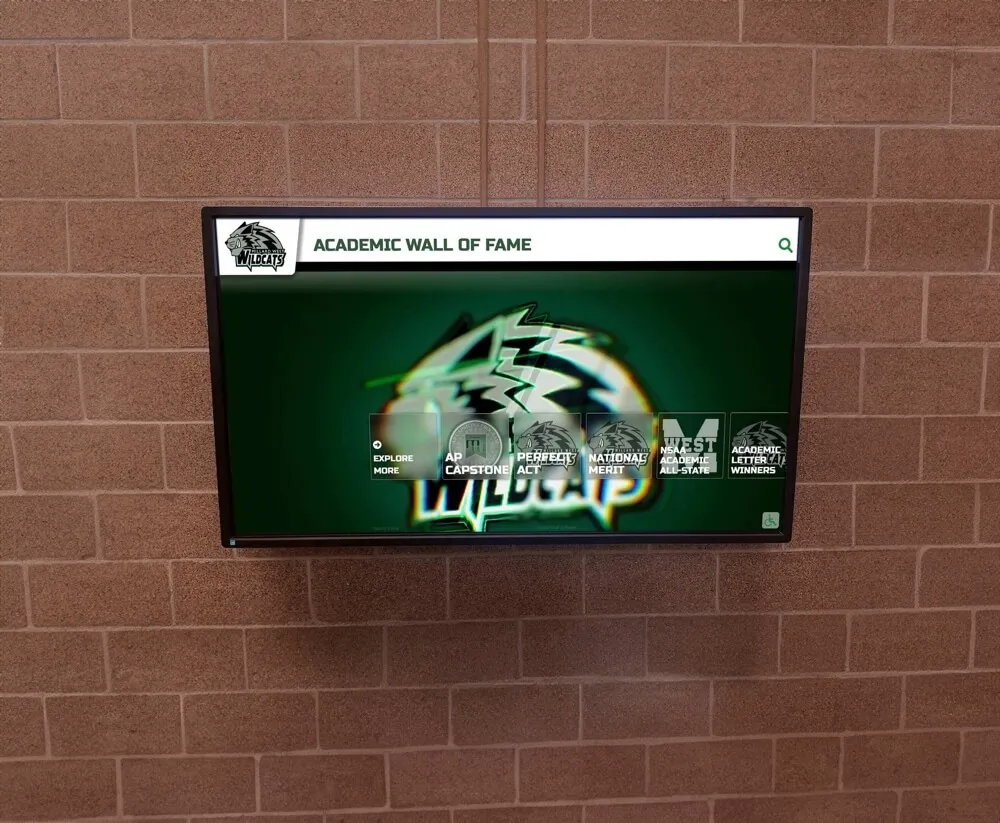
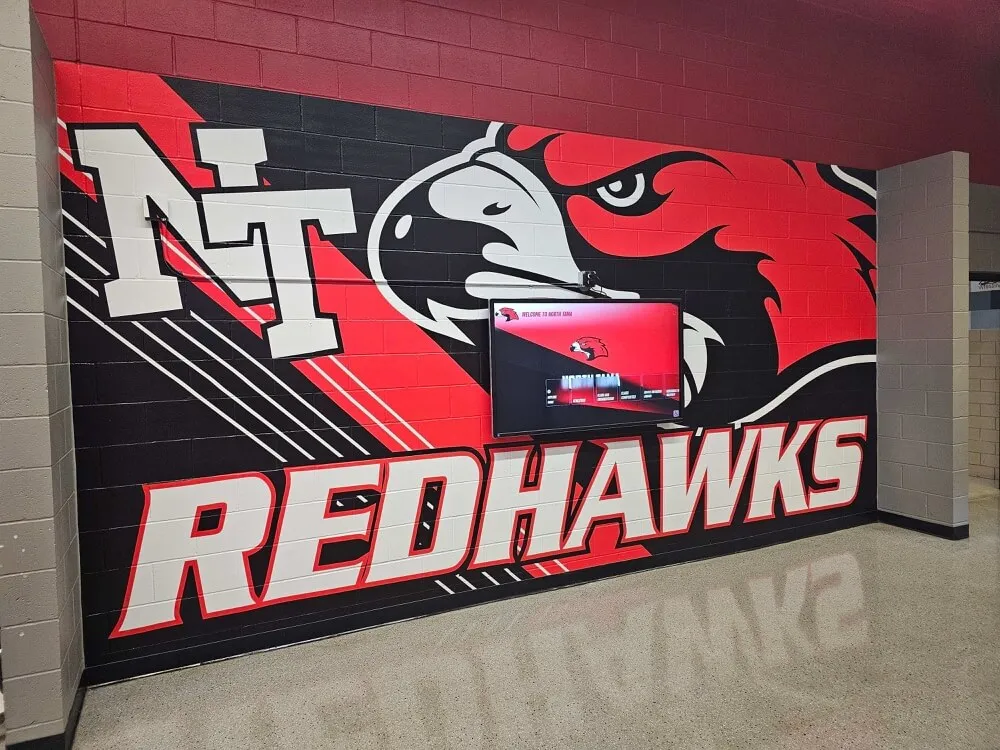
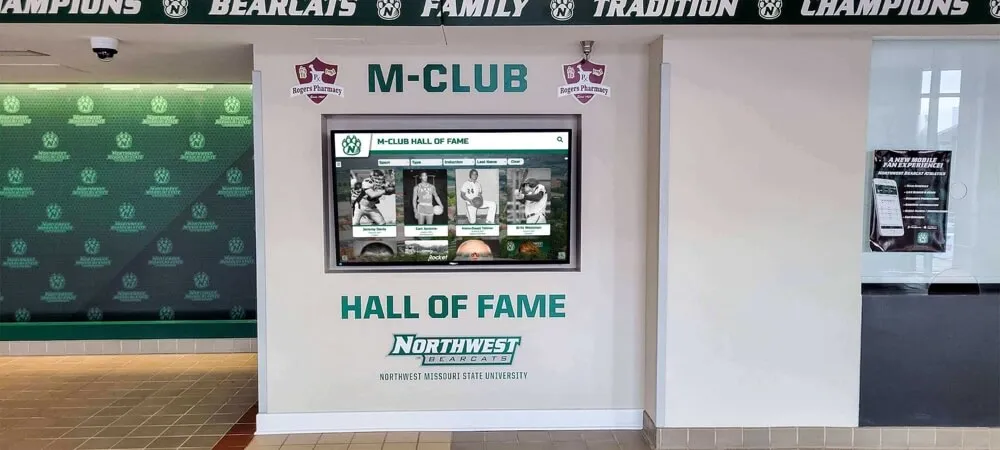
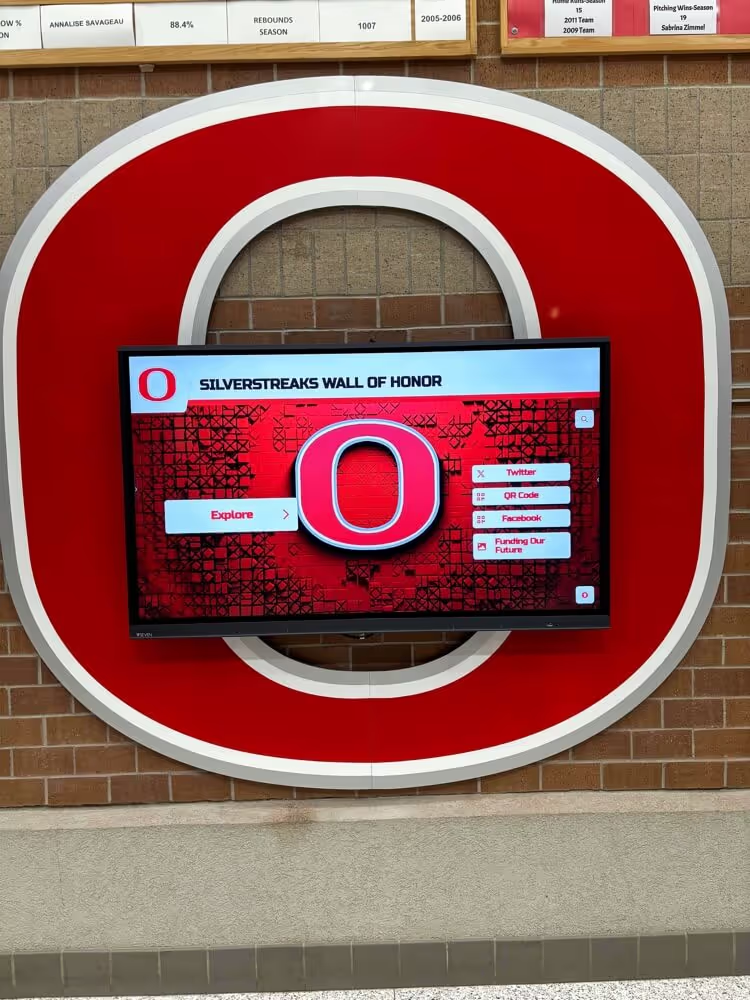
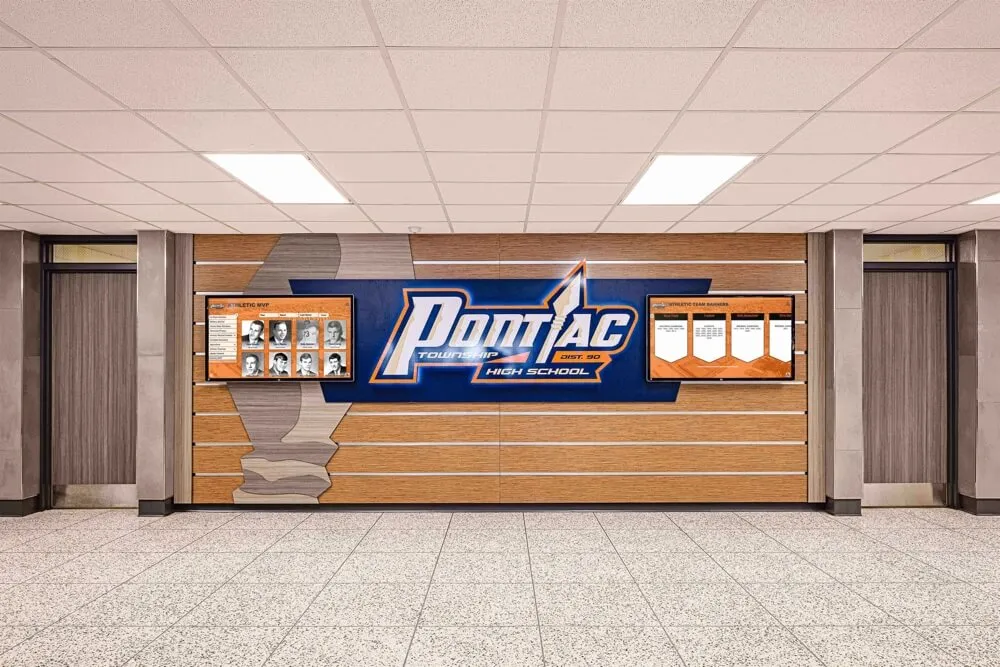
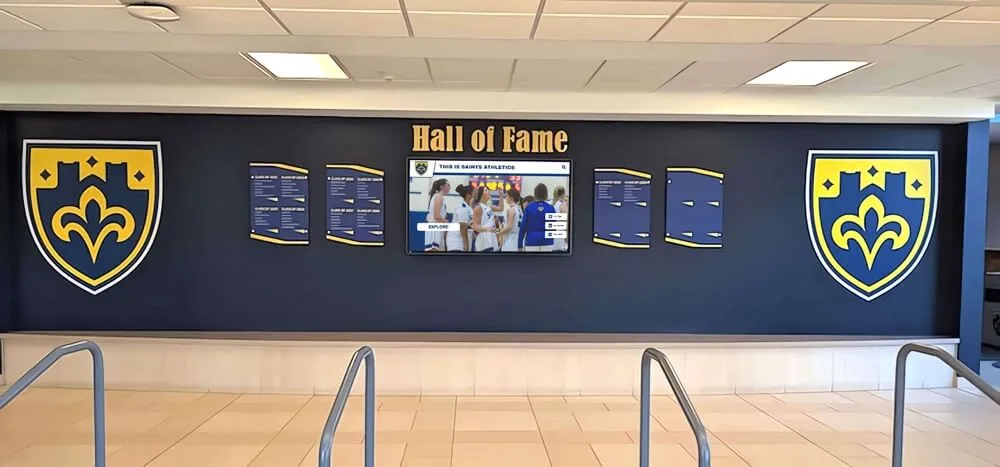
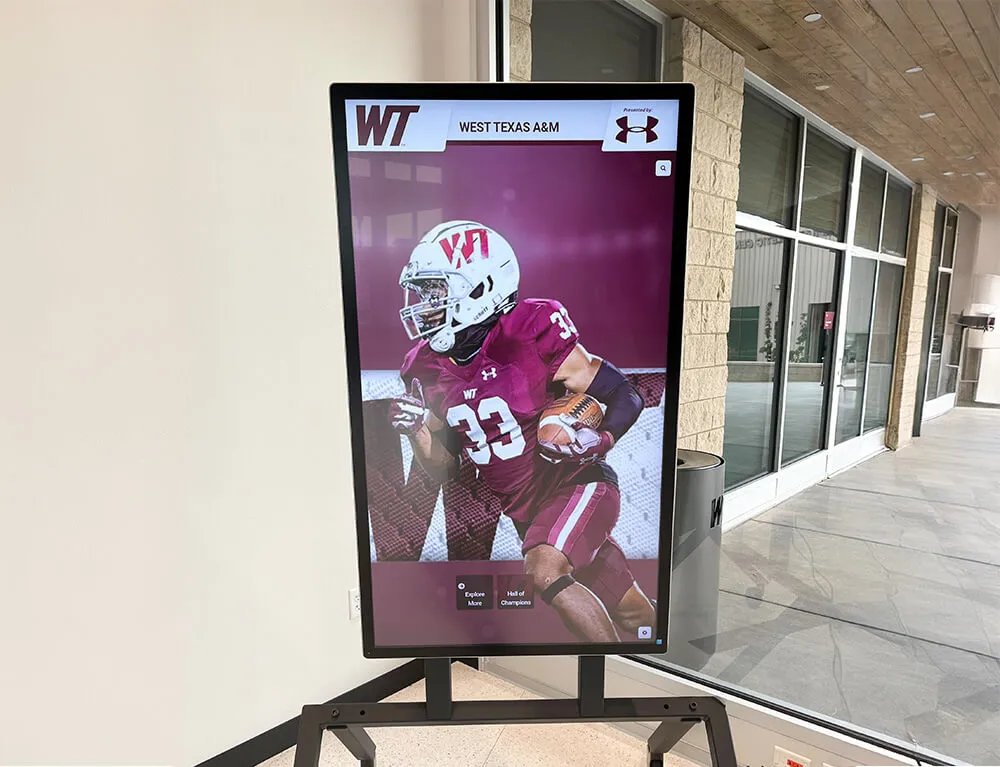
Modern digital recognition displays make DECA competition achievements visible alongside athletic and academic accomplishments
What Is DECA? Understanding the Organization
DECA is one of the largest career and technical student organizations (CTSOs) serving high school and college students interested in business, marketing, hospitality, management, and entrepreneurship.
DECA’s Mission and Purpose
Founded in 1946, DECA (originally the Distributive Education Clubs of America) prepares emerging leaders and entrepreneurs for careers in marketing, finance, hospitality, and management.
Core Organizational Goals
- Develop career-ready students through authentic learning experiences
- Connect students with business professionals and industry mentors
- Provide competitive events testing real-world business capabilities
- Build leadership and professional skills applicable across all career paths
- Create pathways connecting classroom learning with career opportunities
DECA operates as a 501(c)(3) educational organization partnering with educators to deliver curriculum-based programs that integrate with classroom instruction while extending learning beyond school walls.
Membership and Reach
DECA’s scale demonstrates its impact on career education:
- Over 200,000 members across the United States, Canada, China, Germany, Mexico, Poland, and Puerto Rico
- Nearly 3,600 school-based chapters providing local programming
- Partnerships with more than 200 corporate sponsors and educational institutions
- Annual competitive conferences engaging tens of thousands of students
- Alumni network including business leaders, entrepreneurs, and executives across industries
This extensive reach makes DECA one of the most significant youth leadership organizations, providing students with experiences, connections, and credentials that influence their educational and career trajectories.
Learn more about comprehensive student achievement recognition programs that celebrate diverse accomplishments including DECA success.
DECA vs. Other CTSOs
High schools often offer multiple career and technical student organizations, each serving specific career interests:
Complementary Organizations
- FBLA (Future Business Leaders of America): Focuses on business education across all career pathways with different competitive event structures
- BPA (Business Professionals of America): Emphasizes business and information technology careers
- HOSA (Health Occupations Students of America): Serves students interested in healthcare careers
- SkillsUSA: Focuses on skilled trades and technical careers
- FFA (Future Farmers of America): Serves agricultural education students
DECA specifically emphasizes marketing, entrepreneurship, finance, hospitality, and management—distinguishing it from broader business organizations while complementing other career preparation programs schools offer.
Students may participate in multiple organizations if their interests span different career areas and their schools support membership in various CTSOs.
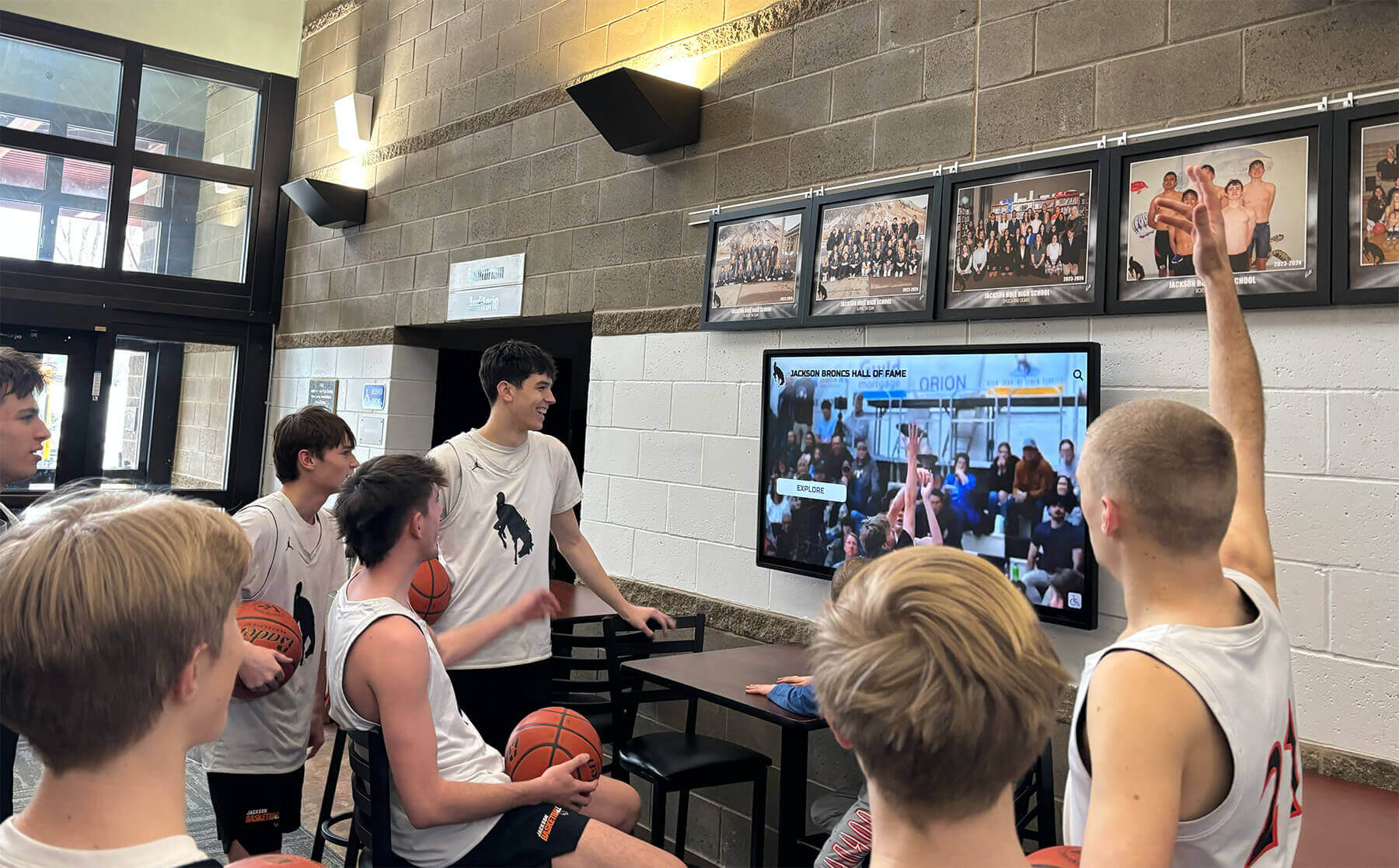
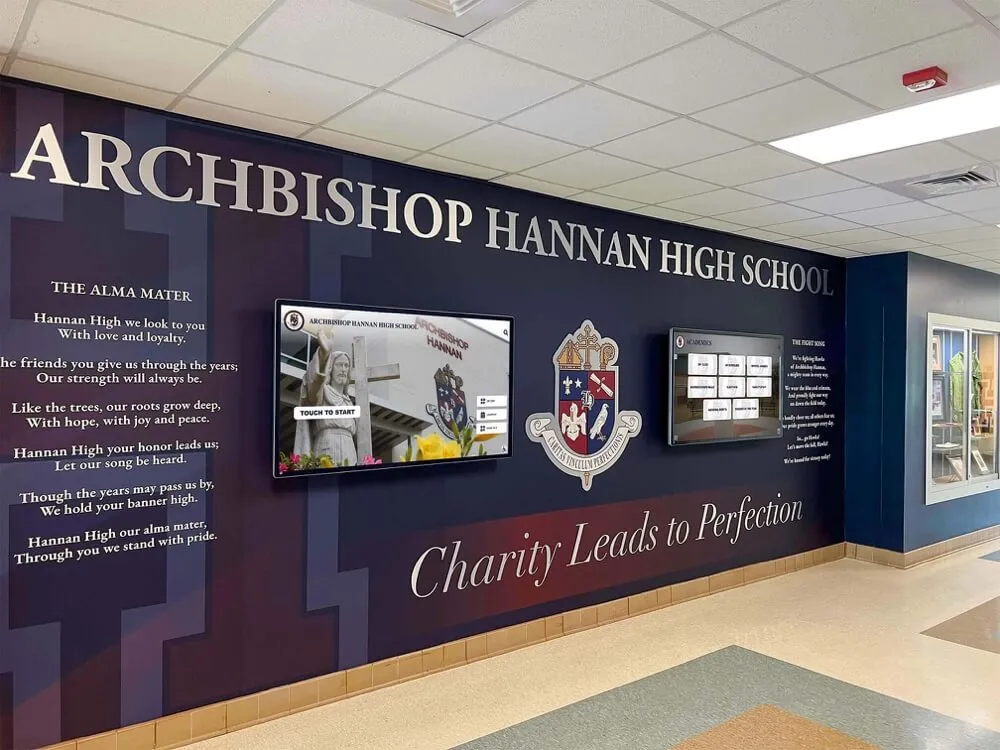
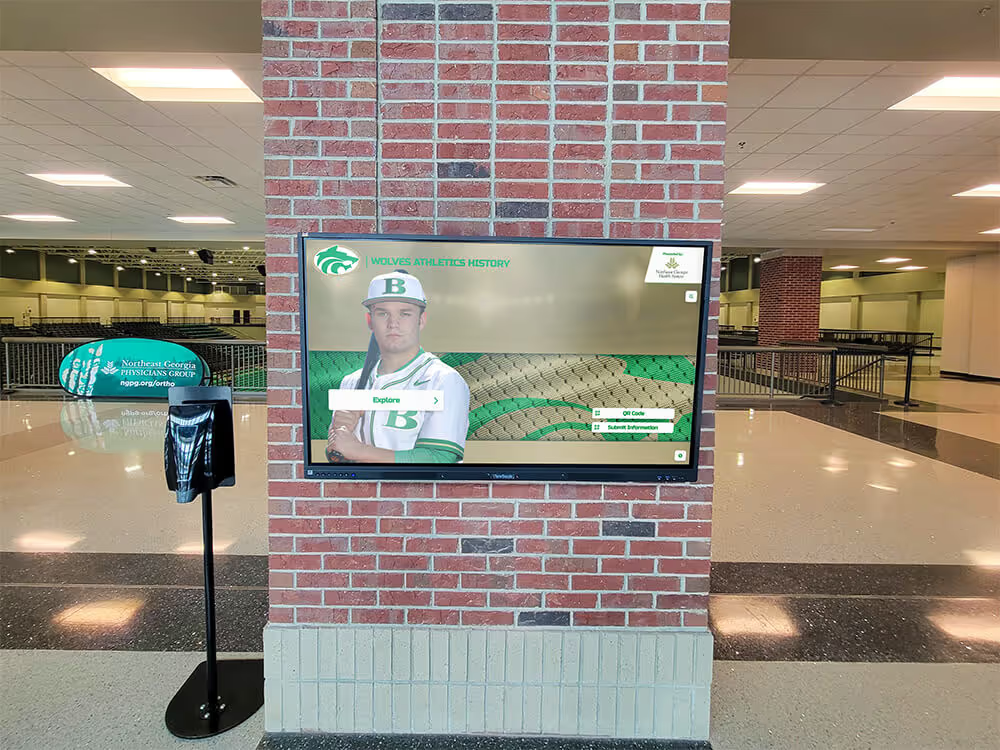
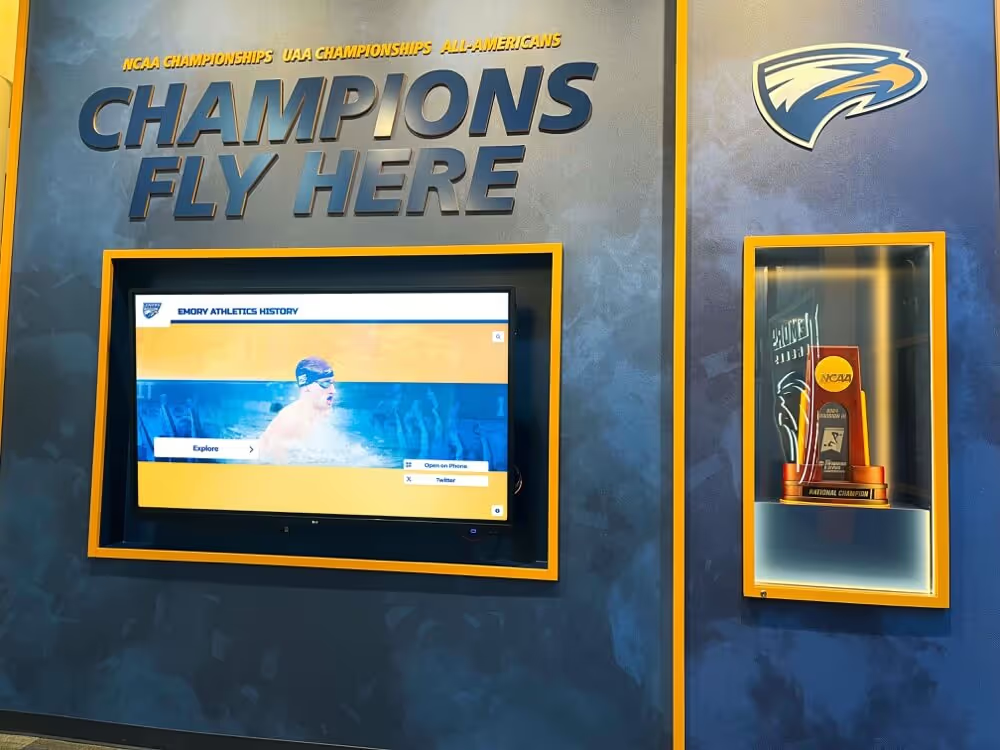
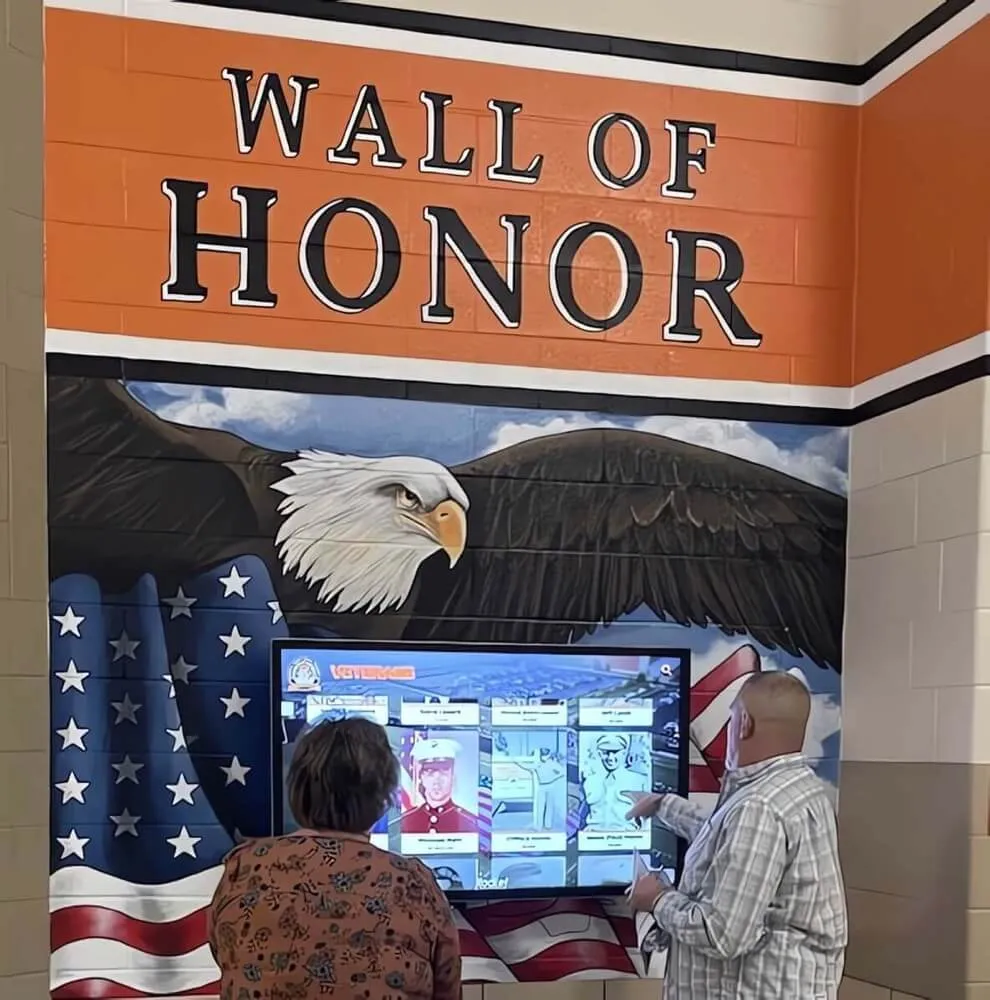
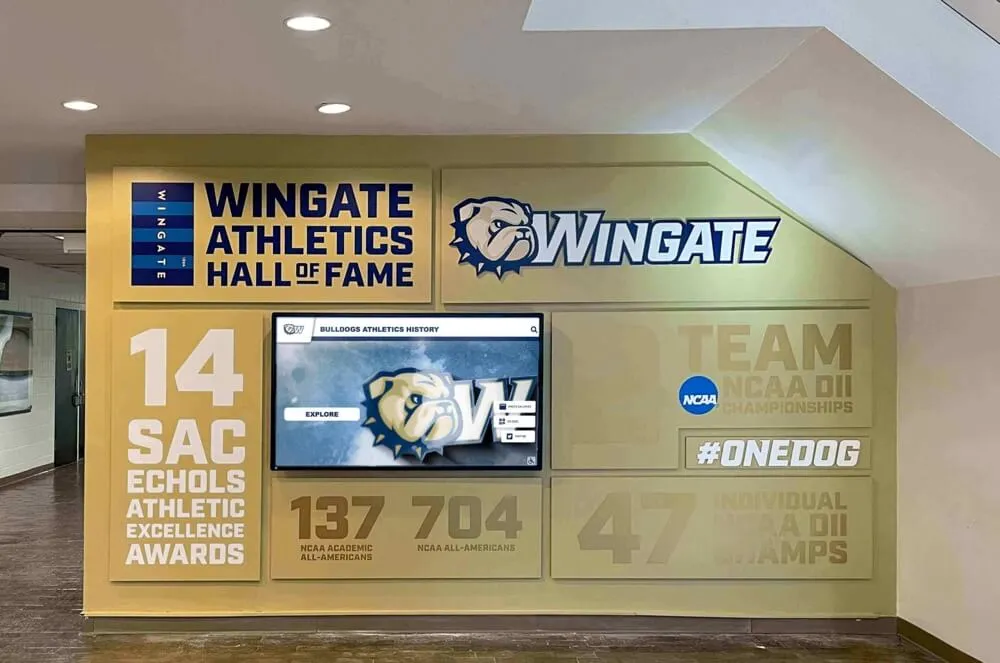
Strategic recognition systems showcase achievements across all student activities including business competitions
DECA Competition Structure and Event Types
Understanding DECA’s competitive structure helps students choose appropriate events while enabling schools to recognize achievements appropriately.
High School Competitive Event Categories
DECA offers over 25 different competitive events organized into several categories based on career focus and skill demonstration:
Individual Series Events
These 100-minute exams test fundamental knowledge and problem-solving in specific career areas:
- Marketing Management Series
- Business Management and Administration Series
- Finance Series
- Hospitality and Tourism Series
- Personal Financial Literacy Event
Students complete exams comprising 100 multiple-choice questions covering business concepts, current issues, and scenario-based problem-solving. Top scorers in each category earn recognition at district, state/provincial, and international levels.
Team Decision-Making Events
Teams of 2-3 members receive business case studies requiring collaborative problem-solving:
- Business Services Team Decision Making
- Buying and Merchandising Team Decision Making
- Financial Services Team Decision Making
- Hospitality and Tourism Team Decision Making
- Sports and Entertainment Team Decision Making
- Travel and Tourism Team Decision Making
Teams analyze case information, develop recommendations, and present solutions to judges—simulating real business consulting experiences.
Explore recognition for diverse competition achievements in end-of-year awards programs that celebrate academic and extracurricular success.
Role-Play Events
Students receive business scenarios and perform professional consultations or management situations:
- Retail Merchandising Role Play
- Restaurant and Food Service Management Role Play
- Sports and Entertainment Marketing Role Play
- Accounting Applications Series
- Automotive Services Marketing Series
- Business to Business Marketing Series
- And over 20 additional role-play categories
These 15-minute scenarios test students’ ability to analyze situations quickly and deliver professional recommendations—mirroring real workplace interactions.
Project-Based Events
Students or teams develop comprehensive projects demonstrating planning, research, and implementation:
- Entrepreneurship Events (written proposal plus presentation)
- Business Growth Plan (strategic expansion planning)
- Start-Up Business Plan (new venture development)
- Innovation Plan (product/service innovation proposals)
- Community Giving Project (social responsibility initiatives)
- Public Relations Project (organizational communication campaigns)
- Integrated Marketing Campaign (comprehensive promotional strategies)
These extensive projects require months of preparation, culminating in written reports and formal presentations to business professionals serving as judges.
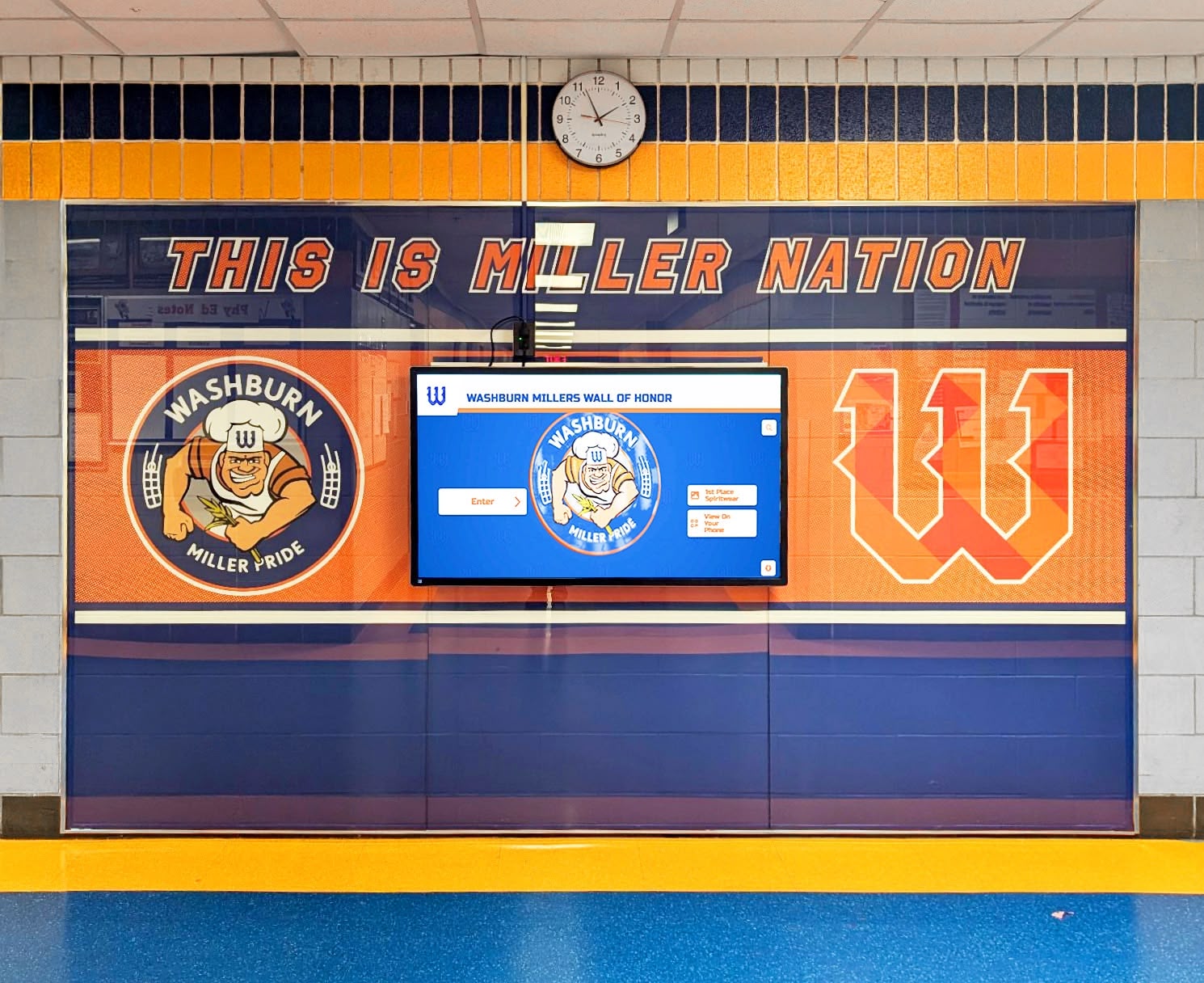
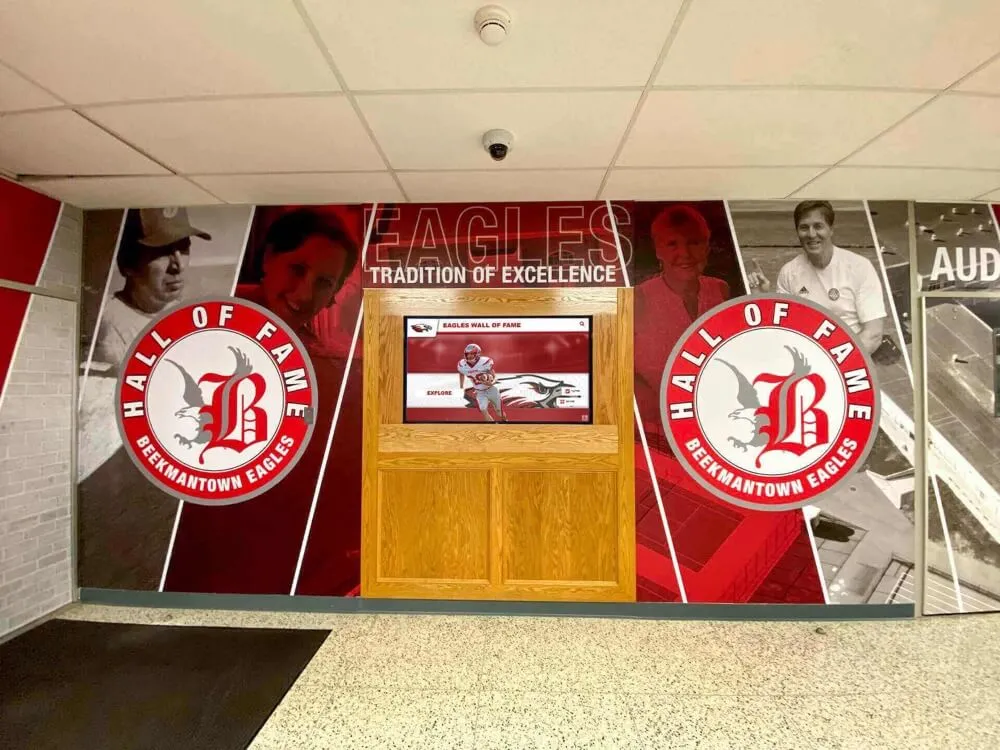
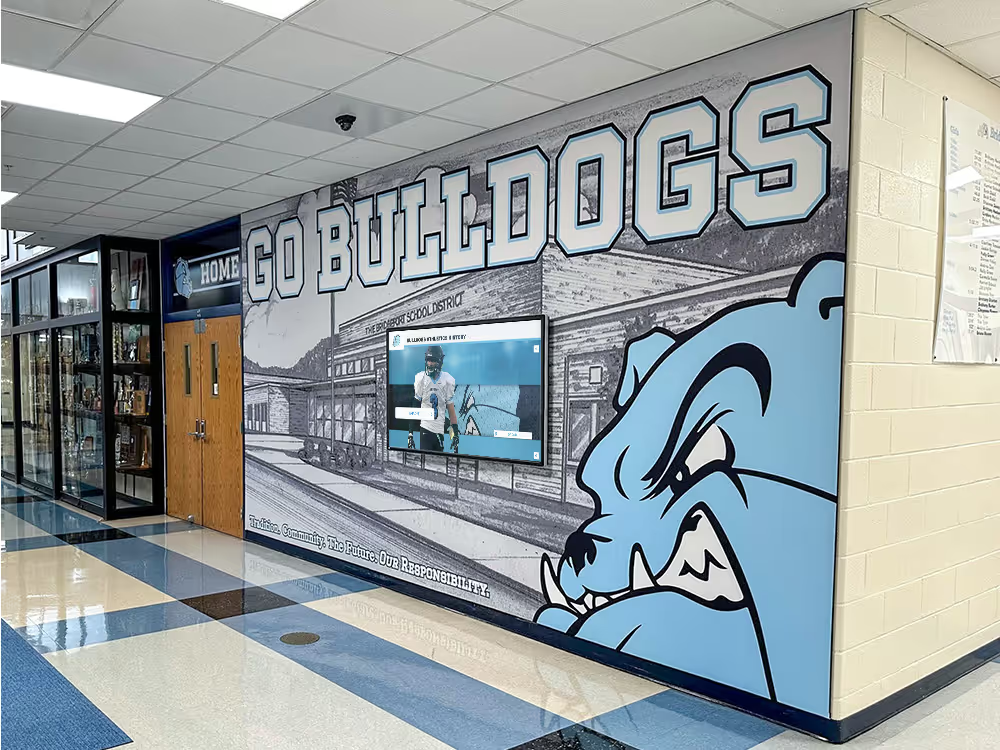
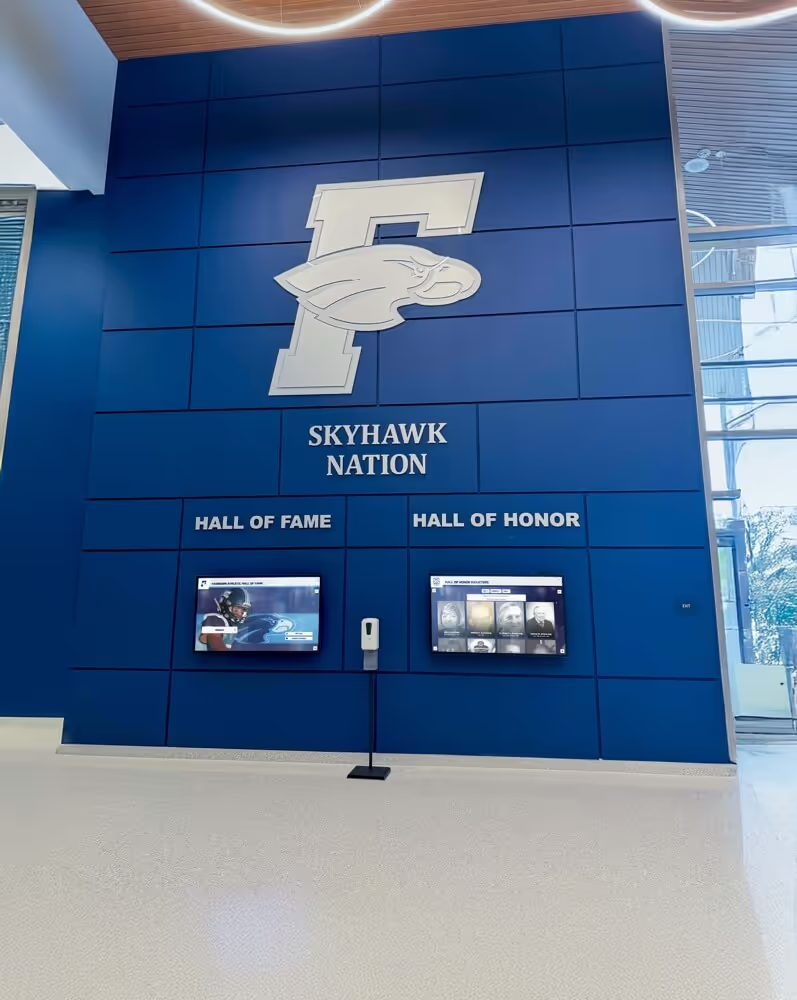
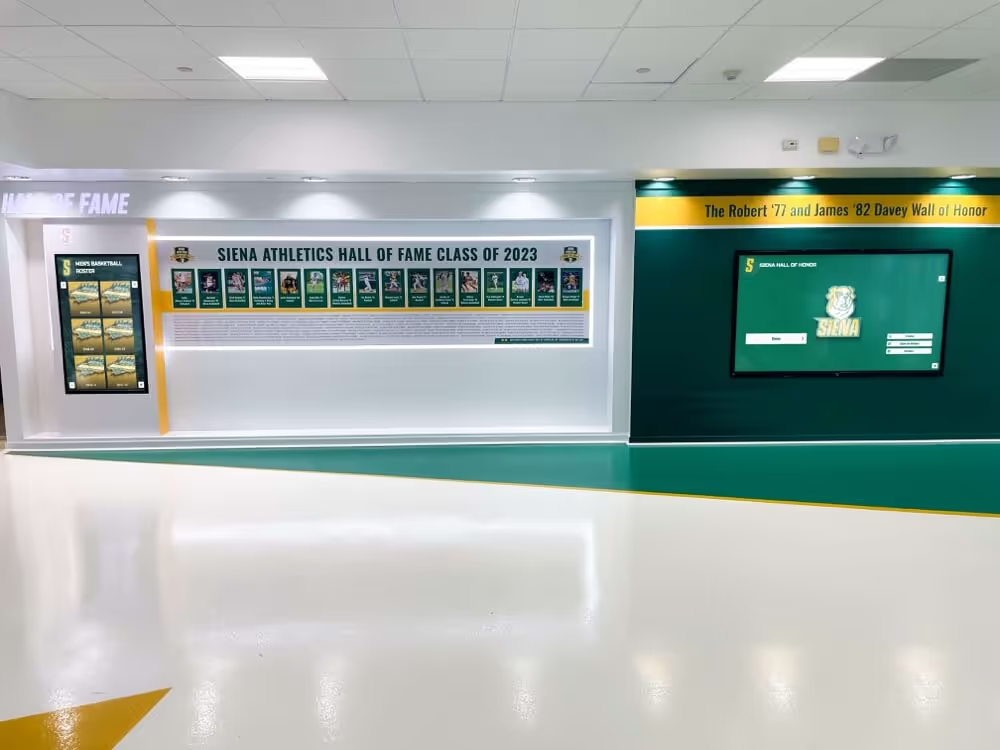
High-visibility placement ensures DECA achievements receive attention proportional to their significance
Competition Levels and Progression
DECA competitions occur at multiple levels creating progressive achievement pathways:
District/Regional Competitions
Initial competitive rounds typically occur in fall or winter depending on state/provincial association schedules:
- Students compete in chosen events against peers from nearby schools
- Top performers in each category advance to state/provincial competitions
- Opportunity to refine competitive skills in lower-pressure environments
- Recognition for district/regional placing even without state advancement
State/Provincial Competitions
State and provincial conferences bring together top district performers:
- Typically held in late winter or early spring at major convention centers
- Competitive events determine state/provincial champions
- Top finishers in each event qualify for international competition
- Leadership development sessions complement competitive events
- Networking opportunities with business professionals and DECA members statewide
International Career Development Conference (ICDC)
DECA’s international competition represents the pinnacle achievement:
- Held annually each spring in major cities across the United States
- Over 20,000 attendees including competitors, advisors, and business partners
- Top state/provincial finishers compete for international recognition
- Winners receive medals, certificates, and prestigious DECA international champion designation
- Educational sessions, career fair, and networking events complement competition
This tiered structure ensures students compete at appropriate levels while creating clear achievement milestones worth recognizing at each stage.
Learn about creating comprehensive award ceremony programs that celebrate DECA achievements alongside other student accomplishments.
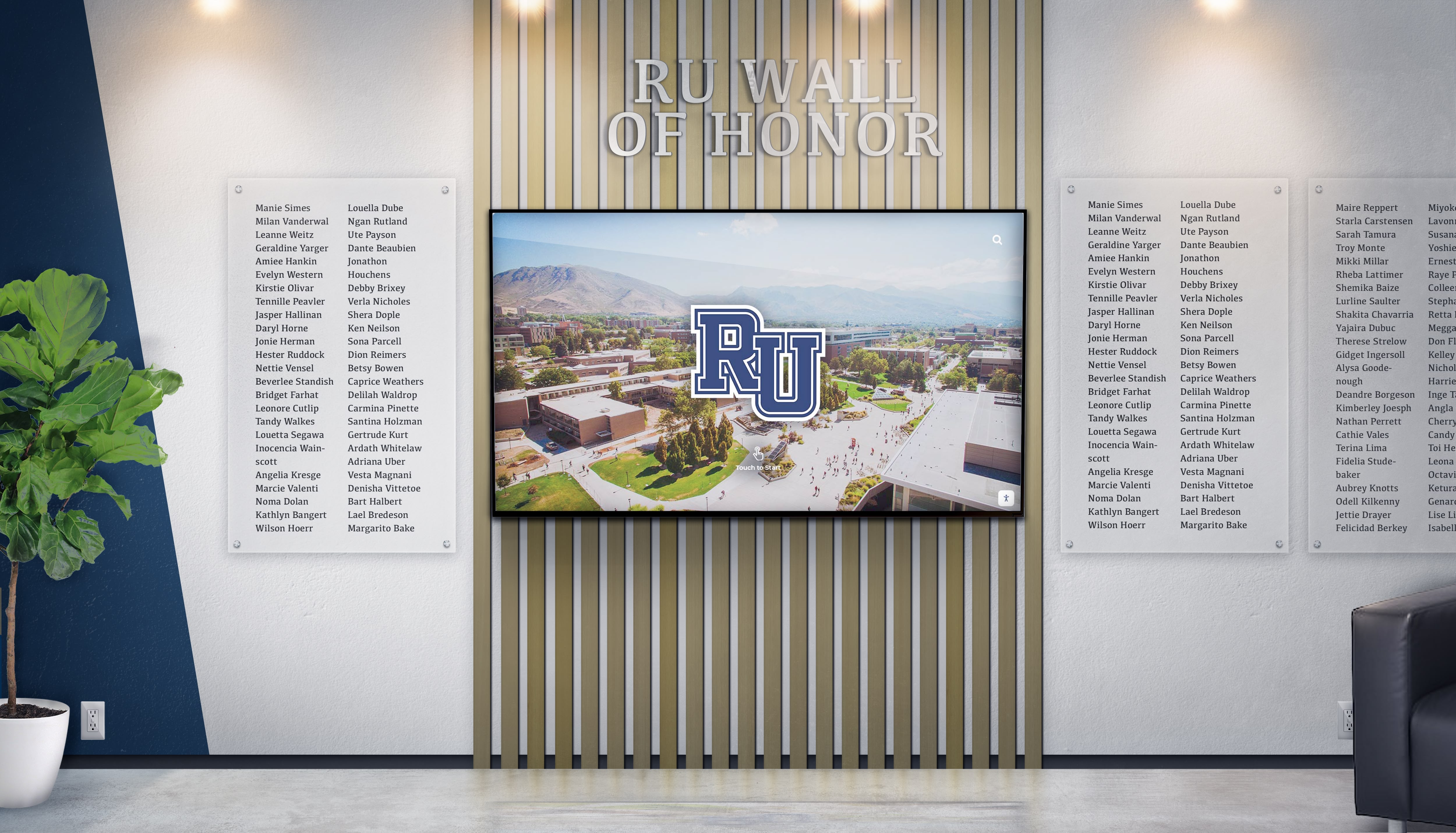
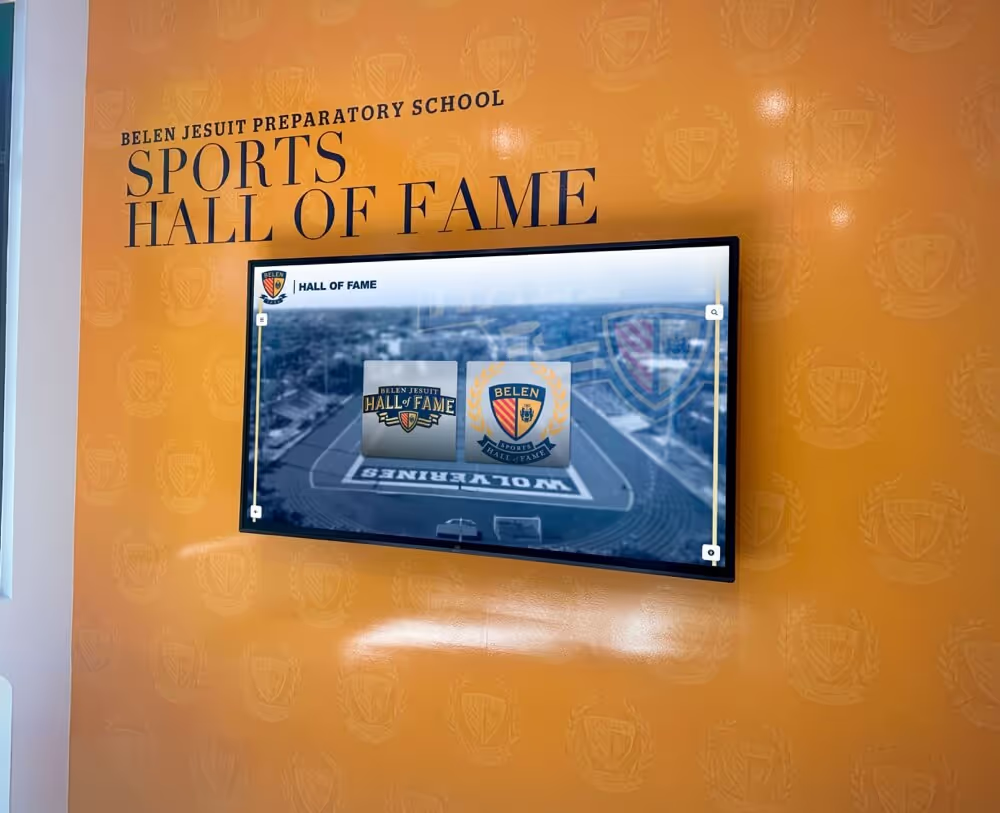
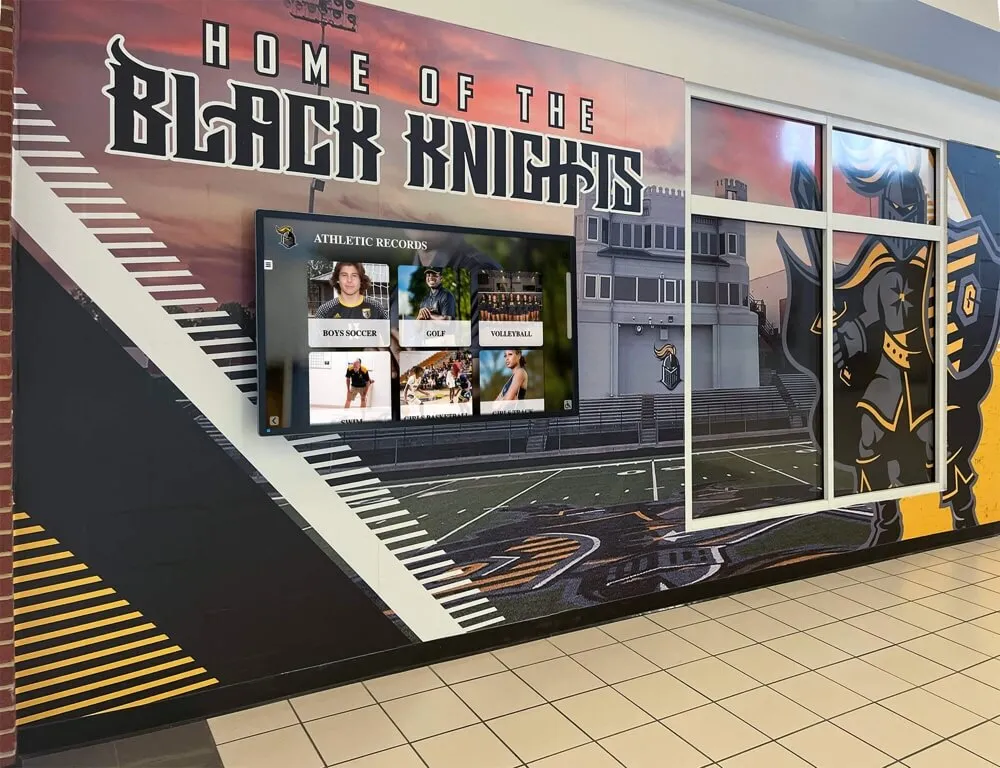
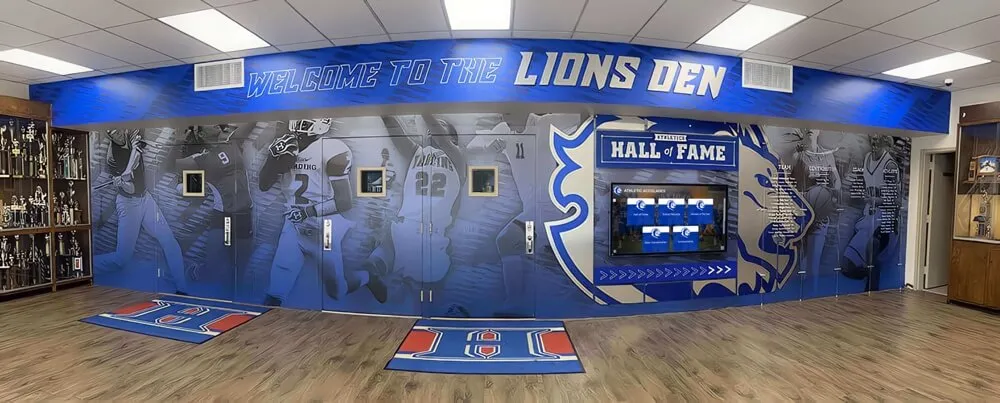
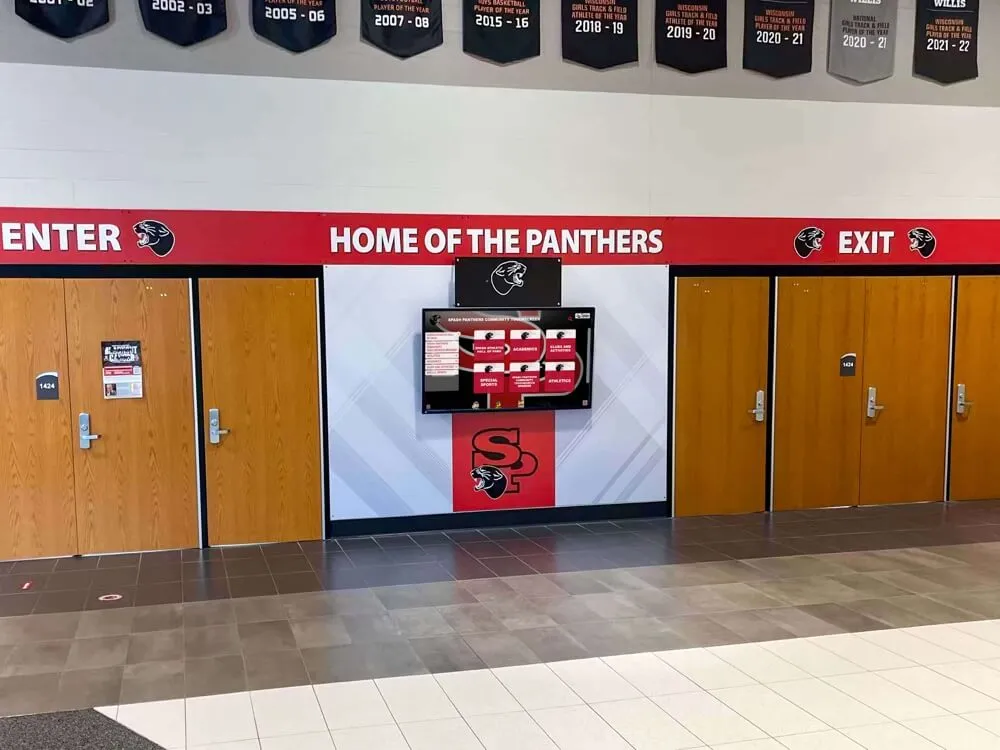
Integrated recognition systems celebrate achievements across all dimensions of student excellence
How Students Participate in DECA
Understanding participation requirements helps schools support students while ensuring equitable access to DECA opportunities.
Chapter Membership and Eligibility
School-Based Chapters
DECA participation begins with school chapters:
- Schools must have active DECA chapters sponsored by business education teachers
- Chapters require advisors (typically marketing or business teachers) coordinating activities
- Schools pay annual affiliation fees supporting chapter operations and member resources
- Chapter activities include meetings, fundraising, community service, and competition preparation
Individual Membership
Students join DECA through their school chapters:
- Membership typically costs $25-$40 annually depending on state/provincial association
- Fees support materials, online resources, and competitive event administration
- Members receive access to DECA learning resources, competitive event guidelines, and member benefits
- No prerequisites required—any interested student can join regardless of prior business knowledge
Schools should ensure membership costs don’t create barriers, offering scholarships or fundraising support for students facing financial constraints.
Course Integration vs. Extracurricular Participation
DECA operates both as curriculum-integrated organization and extracurricular activity:
- Some schools incorporate DECA into business and marketing courses during class time
- Other schools run DECA as after-school program with meetings outside regular schedules
- Competition preparation may occur during class, after school, or both depending on school structure
- Students don’t need enrollment in specific courses to participate in many schools—check with local advisors
This flexibility allows diverse participation models matching school resources and student schedules.
Competition Preparation and Training
Event Selection Process
Students choose competitive events based on interests and strengths:
- Advisors help students understand different event formats and career focuses
- Individual vs. team events require different preparation approaches
- Project-based events demand more extensive time commitment than exam or role-play events
- Students may compete in multiple events or focus intensively on single competitions
Strategic event selection matching students’ skills, interests, and available preparation time improves competitive success while ensuring positive experiences.
Test Preparation for Individual Series
Exam-based events require comprehensive business knowledge:
- Study guides covering exam content available through DECA resources
- Practice exams helping students assess knowledge and identify study priorities
- Flashcard systems and online quizzes reinforcing key concepts
- Study groups enabling peer learning and knowledge sharing
- Advisor-led review sessions targeting exam content and test-taking strategies
Consistent preparation over months produces better results than cramming immediately before competitions.
Case Study and Role-Play Practice
Events involving business scenarios benefit from repeated practice:
- Sample cases available through DECA allowing practice with similar formats
- Mock presentations with advisors or business professionals providing feedback
- Peer practice sessions developing presentation skills and timing
- Analysis of business news developing current awareness informing responses
- Framework development creating systematic approaches to case analysis
Students who practice extensively with diverse scenarios perform more confidently during actual competitions when facing new situations under pressure.
Explore how digital recognition systems can showcase DECA preparation activities alongside competitive achievements.
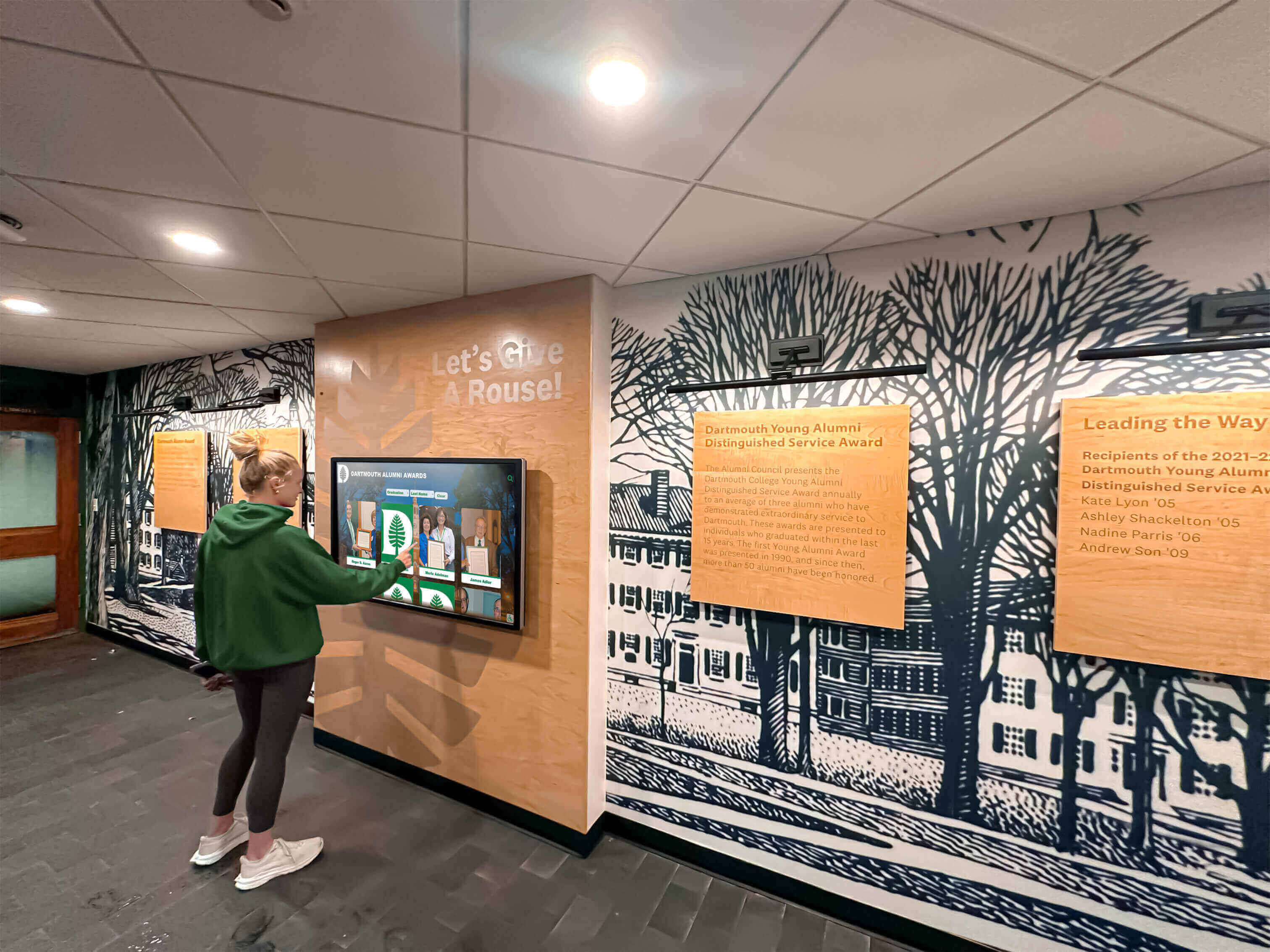
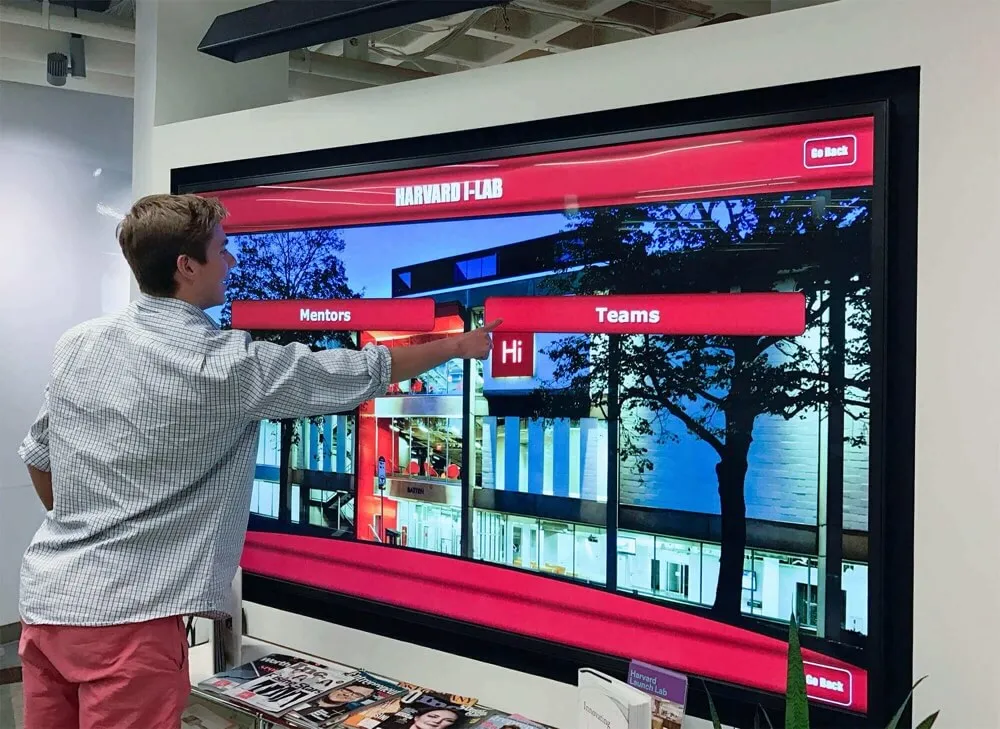
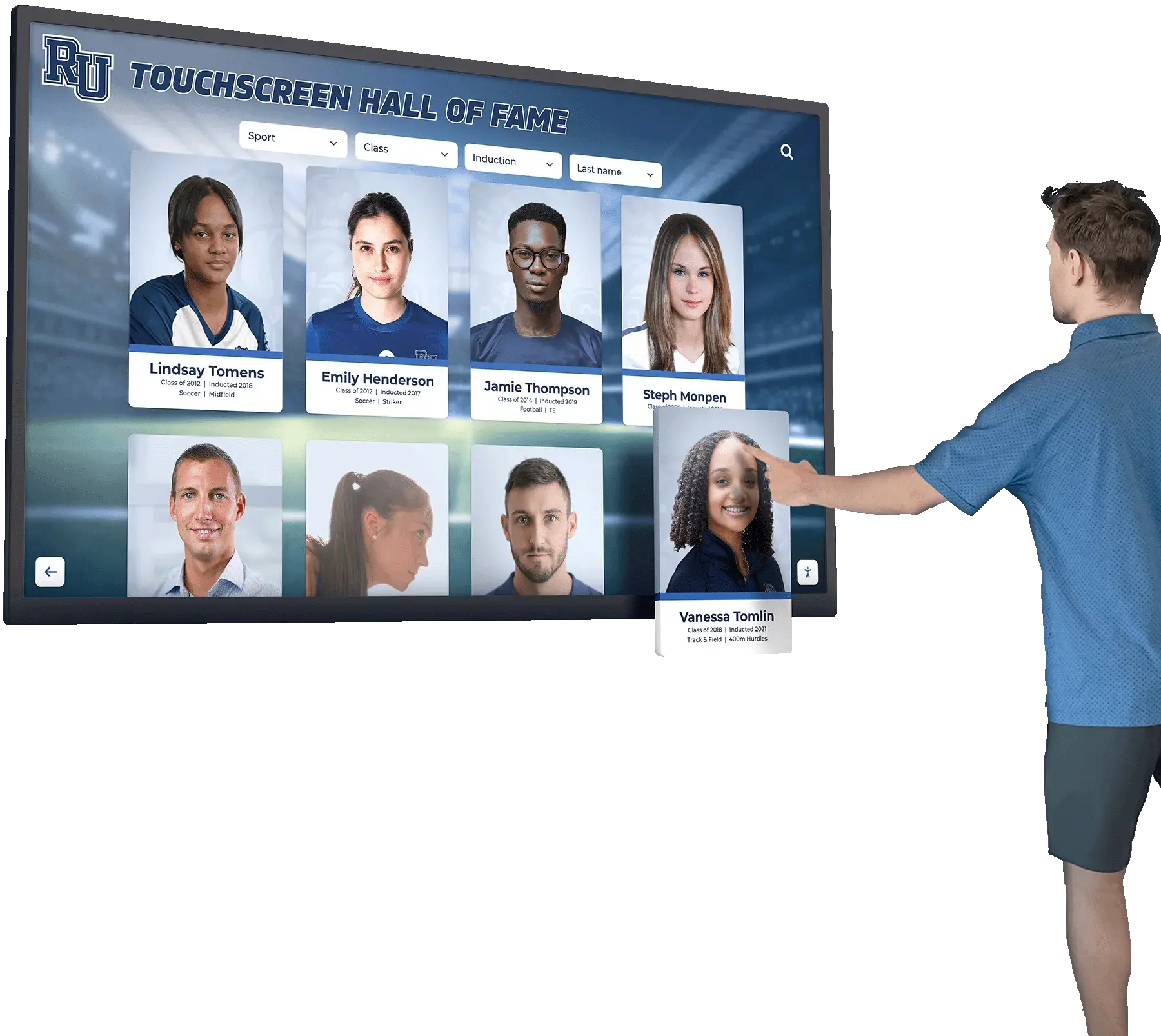
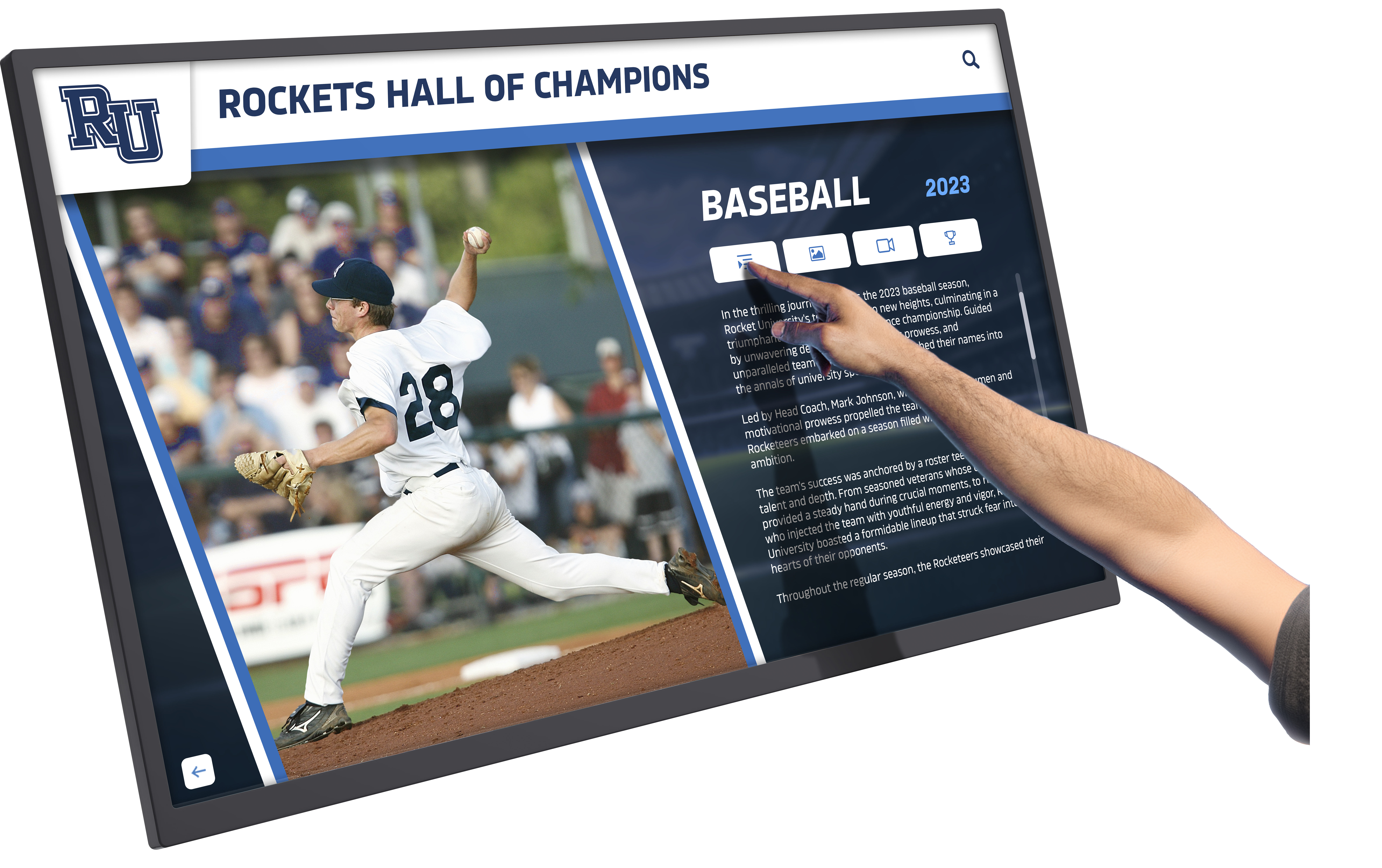
Interactive displays invite student exploration during unstructured time, creating repeated exposure to diverse achievements
Competition Day Experience
District and State Competitions
Understanding competition flow helps students prepare effectively:
Registration and Check-In
- Competitors register online before events, receiving schedule information
- Check-in at venue on competition day verifying eligibility and event assignments
- Receive competition materials including case studies, exam instructions, or project evaluation times
- Meet judges and review professional expectations for presentations
Competitive Event Execution
- Exam events: Students complete 100-question tests in designated testing rooms within time limits
- Role-play events: Competitors receive scenarios, prepare responses (typically 10 minutes), then present to judges (typically 15 minutes)
- Team decision-making: Teams receive cases, collaborate on solutions, then present recommendations
- Project events: Students deliver prepared presentations to judge panels with Q&A sessions
Additional Conference Activities
- Leadership development workshops on career skills, personal development, and business trends
- Recognition sessions honoring top performers in various competitive events and leadership categories
- Networking opportunities with business professionals, industry representatives, and DECA members
- Social events including opening ceremonies, dances, and closing award sessions
Results and Advancement
- Event scores posted throughout or at end of conferences
- Top finishers announced during award ceremonies
- State competition winners receive qualification for ICDC international competition
- All participants receive participation certificates; top finishers receive medals and plaques
This comprehensive experience provides valuable professional development beyond competitive results alone.
Benefits of DECA Participation for Students
Understanding DECA’s value helps schools prioritize support and recognition for participants.
Career Exploration and Development
Realistic Business Experience
DECA provides practical career exposure traditional coursework alone cannot deliver:
- Authentic business scenarios simulating real workplace situations
- Interaction with business professionals providing industry insights
- Exposure to diverse career pathways across marketing, management, finance, and entrepreneurship
- Understanding of professional expectations for presentations, analysis, and communication
- Experience with business concepts and vocabulary building career literacy
Students discover career interests and aptitudes through hands-on competitive experiences, enabling more informed post-secondary planning.
Professional Skill Development
Competition preparation builds transferable capabilities:
- Public speaking and presentation skills through repeated practice and performance
- Analytical thinking analyzing complex business situations and developing recommendations
- Teamwork and collaboration in team-based events requiring cooperation
- Time management balancing competition preparation with academic and other commitments
- Professionalism understanding workplace behavior expectations and business etiquette
These competencies serve students throughout their educational journeys and careers regardless of specific fields they ultimately pursue.
Learn about recognizing diverse achievement dimensions in athletic banquet planning guides adaptable for DECA recognition ceremonies.
College Application Enhancement
Competitive Achievements as Credentials
DECA success strengthens college applications significantly:
- International competition qualification demonstrates elite performance among hundreds of thousands of participants
- State competition medals show regional excellence in competitive fields
- District advancement indicates local leadership and capability
- Chapter leadership positions demonstrate commitment and organizational skills
- Project-based event participation shows initiative and comprehensive skill application
Admissions officers recognize DECA achievements as indicators of students’ motivation, capability, and preparation for college-level work.
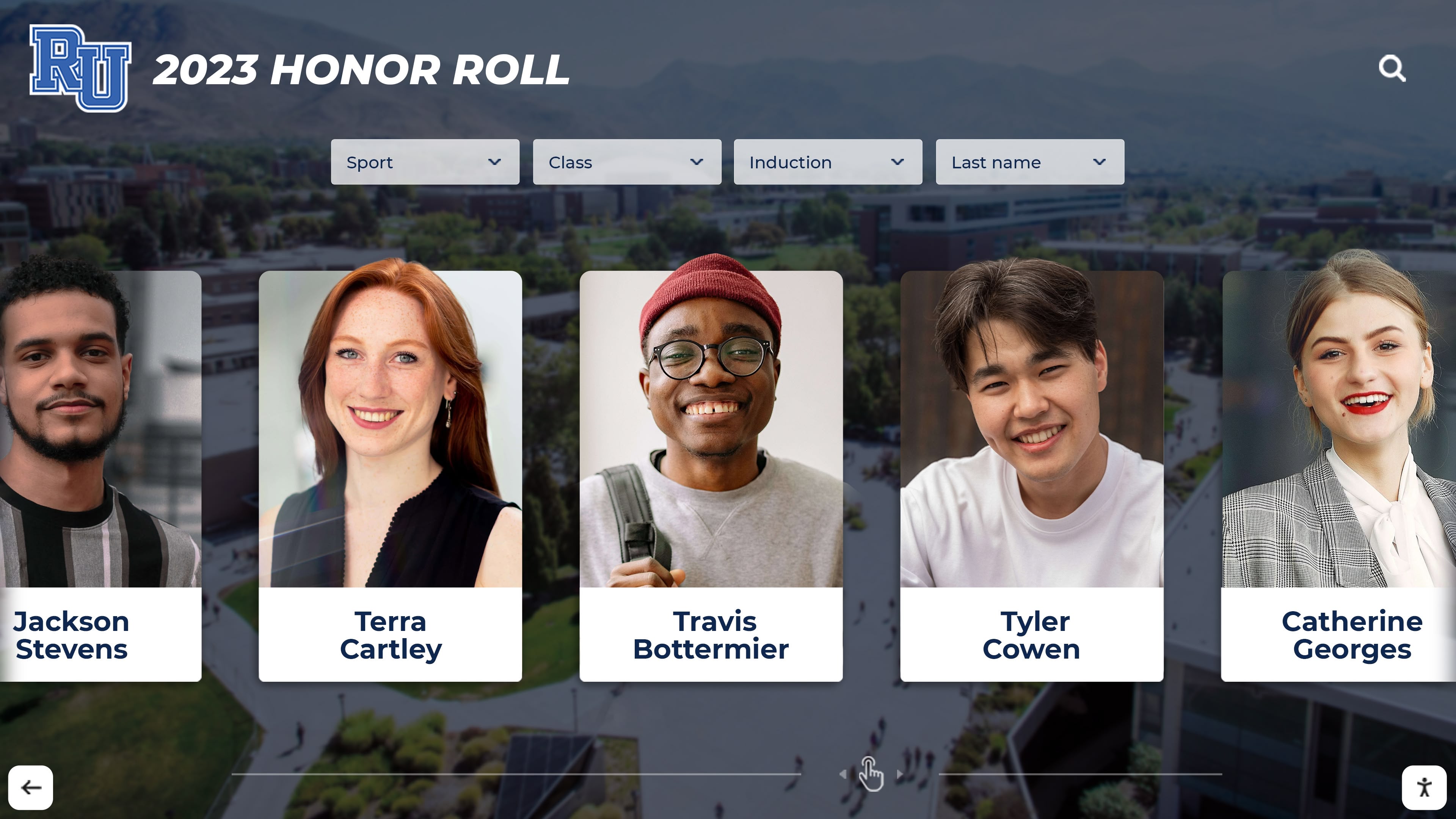
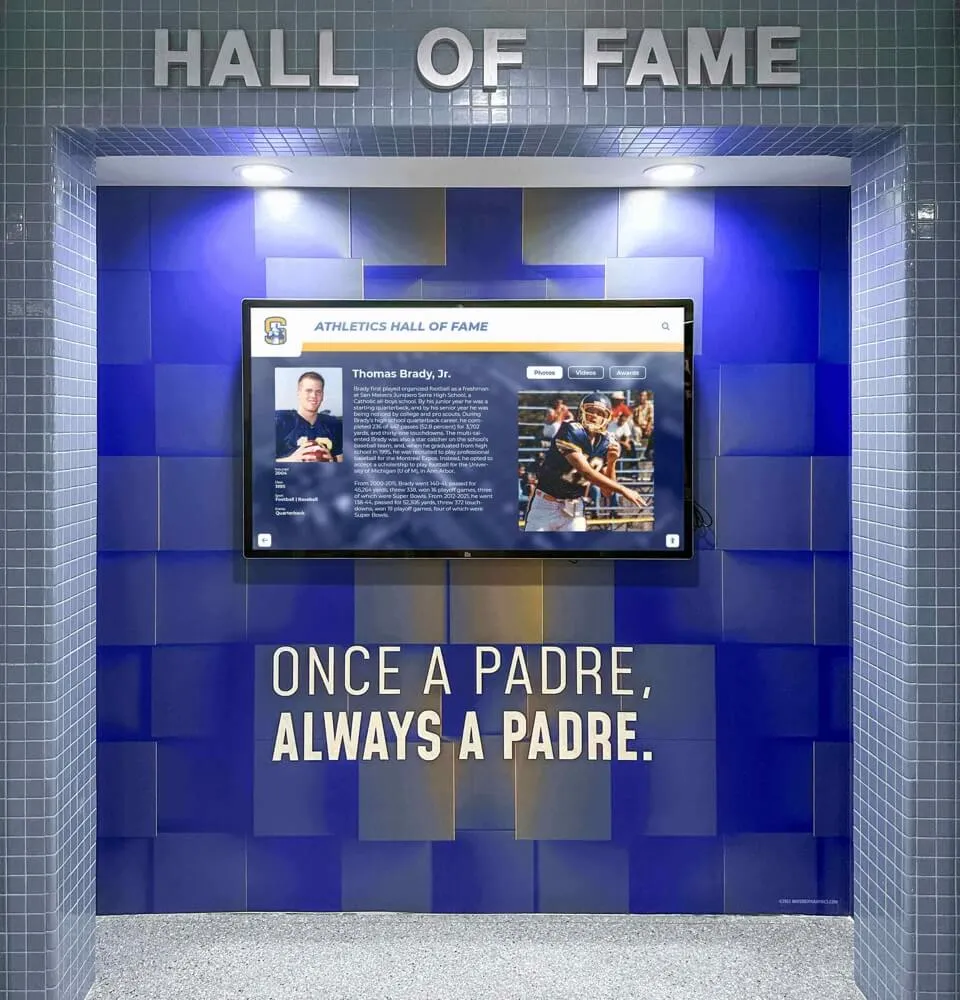
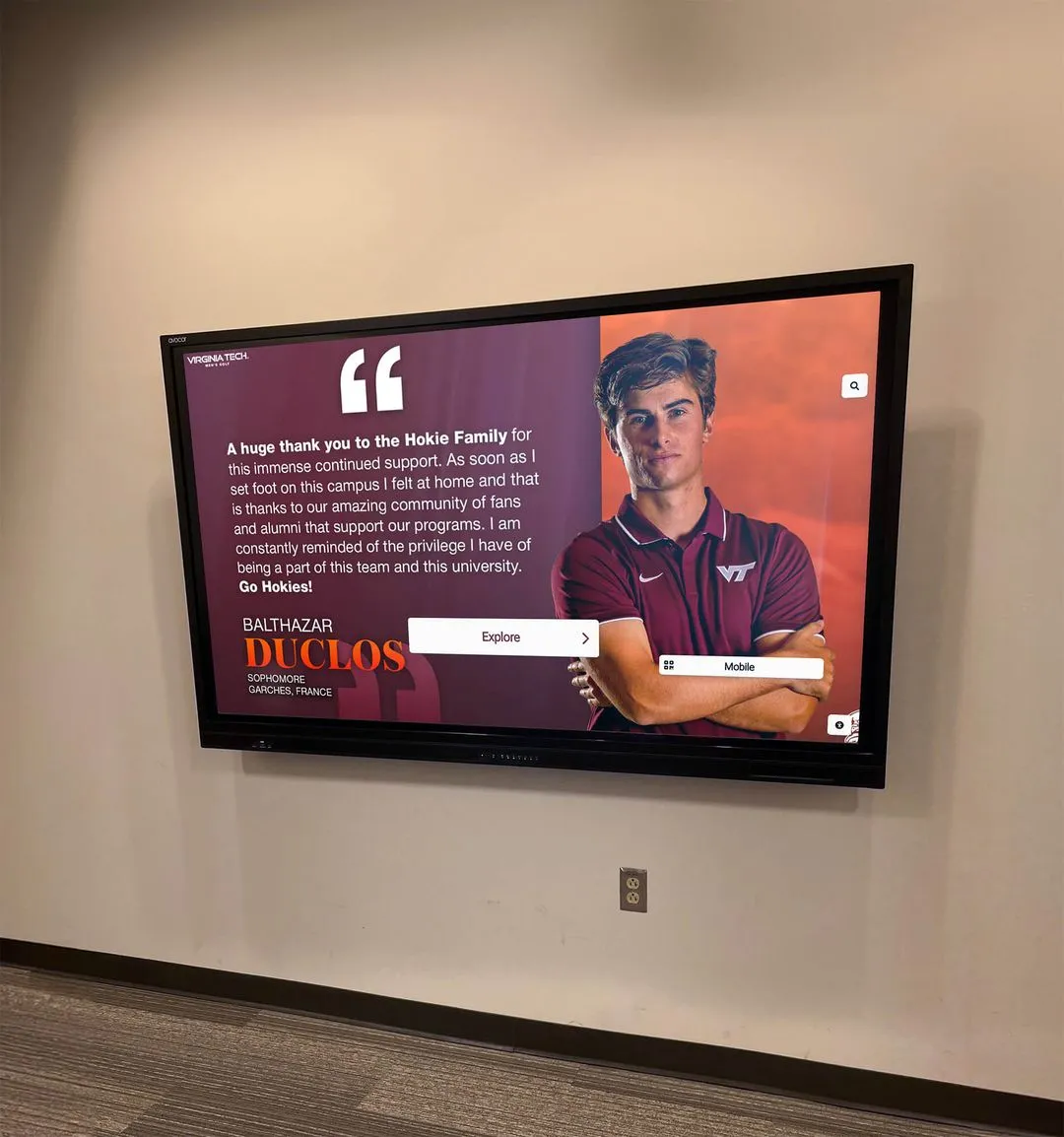
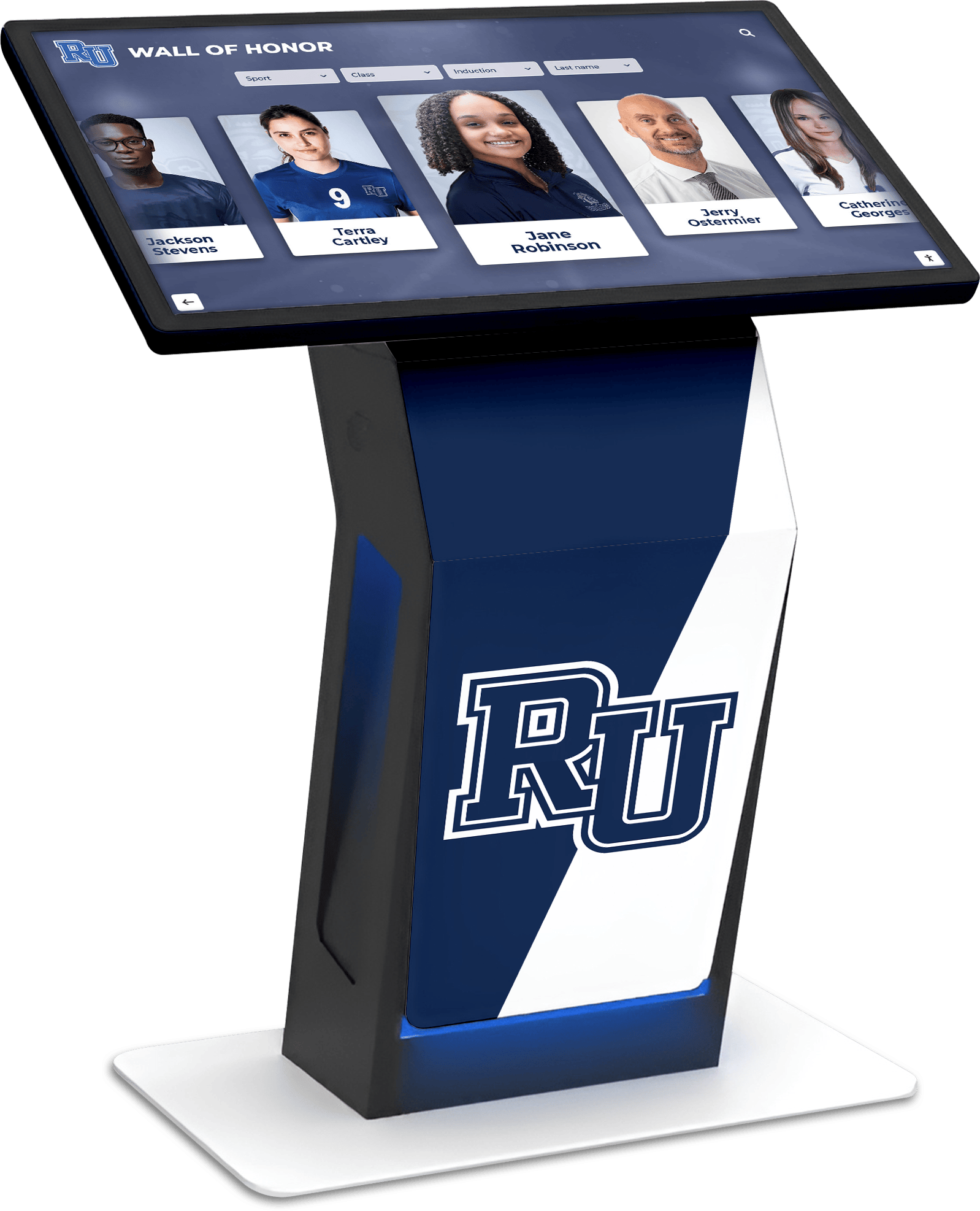
Individual achievement profiles celebrate specific accomplishments including competition success
Scholarship Opportunities
DECA success connects to various scholarship programs:
- DECA Inc. offers competitive scholarships for DECA members based on participation, leadership, and academics
- Many colleges and universities offer specific scholarships for DECA members or competitive achievers
- Business schools recognize DECA participation as demonstration of career interest and preparation
- Corporate sponsors provide scholarships and internship opportunities for high-performing DECA members
Students should highlight DECA achievements prominently in scholarship applications and college essays, connecting experiences to career goals and personal growth.
Personal Growth and Confidence Building
Overcoming Competitive Challenges
Competition experience develops resilience and confidence:
- Managing competition pressure and performing under scrutiny
- Recovering from setbacks when results don’t meet expectations
- Persisting through extensive preparation despite uncertain outcomes
- Celebrating successes while maintaining humility and continued improvement focus
- Building self-efficacy through demonstrated capability in challenging situations
These personal development outcomes often prove as valuable as competitive achievements themselves, shaping students’ approaches to challenges throughout their lives.
Network Development
DECA creates lasting connections:
- Friendships with peers sharing business and career interests
- Relationships with advisors and business professionals mentoring students
- Alumni network including successful business leaders maintaining DECA connections
- Professional contacts made at conferences potentially influencing internships and career opportunities
- Community of support encouraging continued career development
Students maintain many DECA connections long after graduation, creating networks supporting their educational and career advancement.
Explore recognition approaches in staff appreciation programs adaptable for honoring DECA advisors and student leaders.
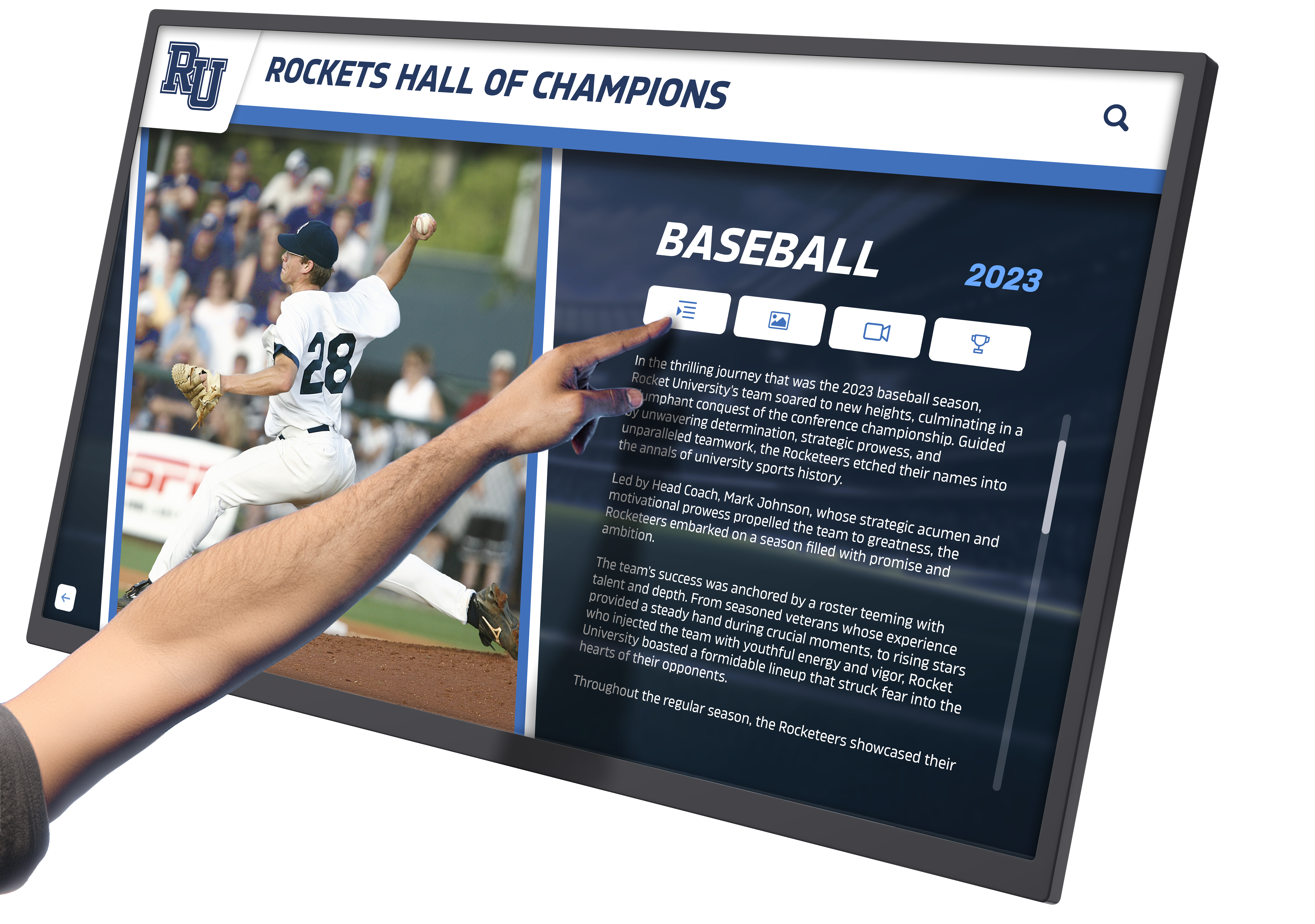
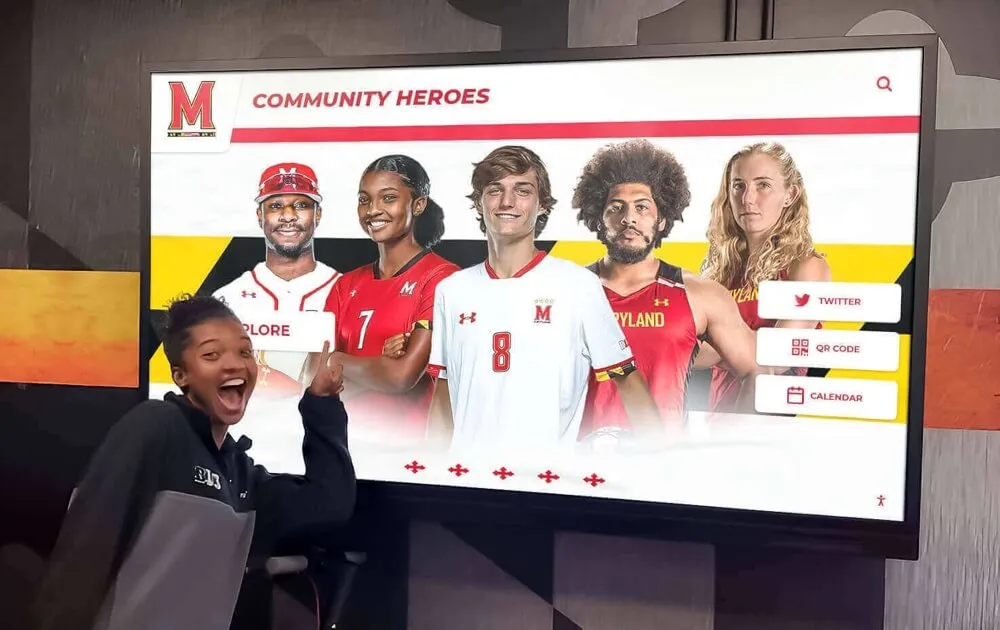
Modern recognition platforms make exploring diverse achievements engaging and accessible
Recognizing DECA Competition Achievements
Schools committed to celebrating diverse excellence must ensure DECA achievements receive visibility proportional to their significance.
Why DECA Recognition Matters
Balancing Recognition Priorities
Many schools extensively celebrate athletic achievements through:
- Trophy cases prominently displaying team championships and individual medals
- Banner displays hanging in gymnasiums acknowledging conference and state titles
- Regular announcements during school assemblies and morning programs
- Social media posts celebrating victories and acknowledging senior athletes
- Recognition ceremonies like athletic banquets honoring season accomplishments
Meanwhile, DECA achievements often receive:
- Brief mentions in newsletters that few students read
- Small awards ceremonies attended primarily by DECA members and families
- Limited social media recognition compared to athletic accomplishments
- Minimal visible displays beyond bulletin boards in business classrooms
- No permanent recognition preserving achievements for future student inspiration
This recognition imbalance sends unintended messages about institutional priorities, potentially discouraging students from pursuing career and technical education pathways despite their significant value for college and career preparation.
Creating Equity Across Achievement Types
Implementing systematic DECA recognition addresses several important objectives:
- Demonstrates that schools value career preparation and business skills development
- Provides recognition opportunities for students whose strengths lie in business and leadership rather than athletics or performing arts
- Celebrates the extensive preparation and skill DECA competition requires
- Motivates current students to participate in DECA by showcasing peer success
- Honors the dedication DECA advisors invest in student development
- Shows prospective families that schools support diverse pathways to excellence
When schools celebrate DECA achievements with visibility comparable to athletic recognition, they create more inclusive cultures of excellence where all students see pathways to acknowledgment aligned with their capabilities and interests.
Traditional DECA Recognition Approaches
Existing Recognition Methods
Schools typically acknowledge DECA success through:
Chapter-Level Recognition
- DECA meetings acknowledging competitive achievements of members
- Chapter social events celebrating season successes
- Year-end banquets similar to athletic awards nights
- Chapter leadership position appointments for distinguished members
- Peer recognition within DECA community
While valuable, these approaches provide recognition only within existing DECA membership rather than inspiring broader student participation.
School-Wide Announcements
- Morning announcements mentioning competition results
- Newsletter articles summarizing DECA achievements
- Social media posts acknowledging major accomplishments
- Brief mentions at school award ceremonies
These communications provide fleeting visibility that quickly disappears rather than creating lasting recognition students can revisit and that continues motivating future participants.
Physical Recognition Displays
- Bulletin boards in business classrooms displaying DECA accomplishments
- Trophy cases occasionally including DECA medals and plaques
- Certificates and awards displayed in advisors’ classrooms
- Occasional hallway displays during DECA month
Physical space constraints limit how many years of DECA achievement these traditional approaches can accommodate, forcing schools to remove historical recognition when space fills.
Learn about modernizing recognition in school event planning guides that create memorable achievement celebrations.
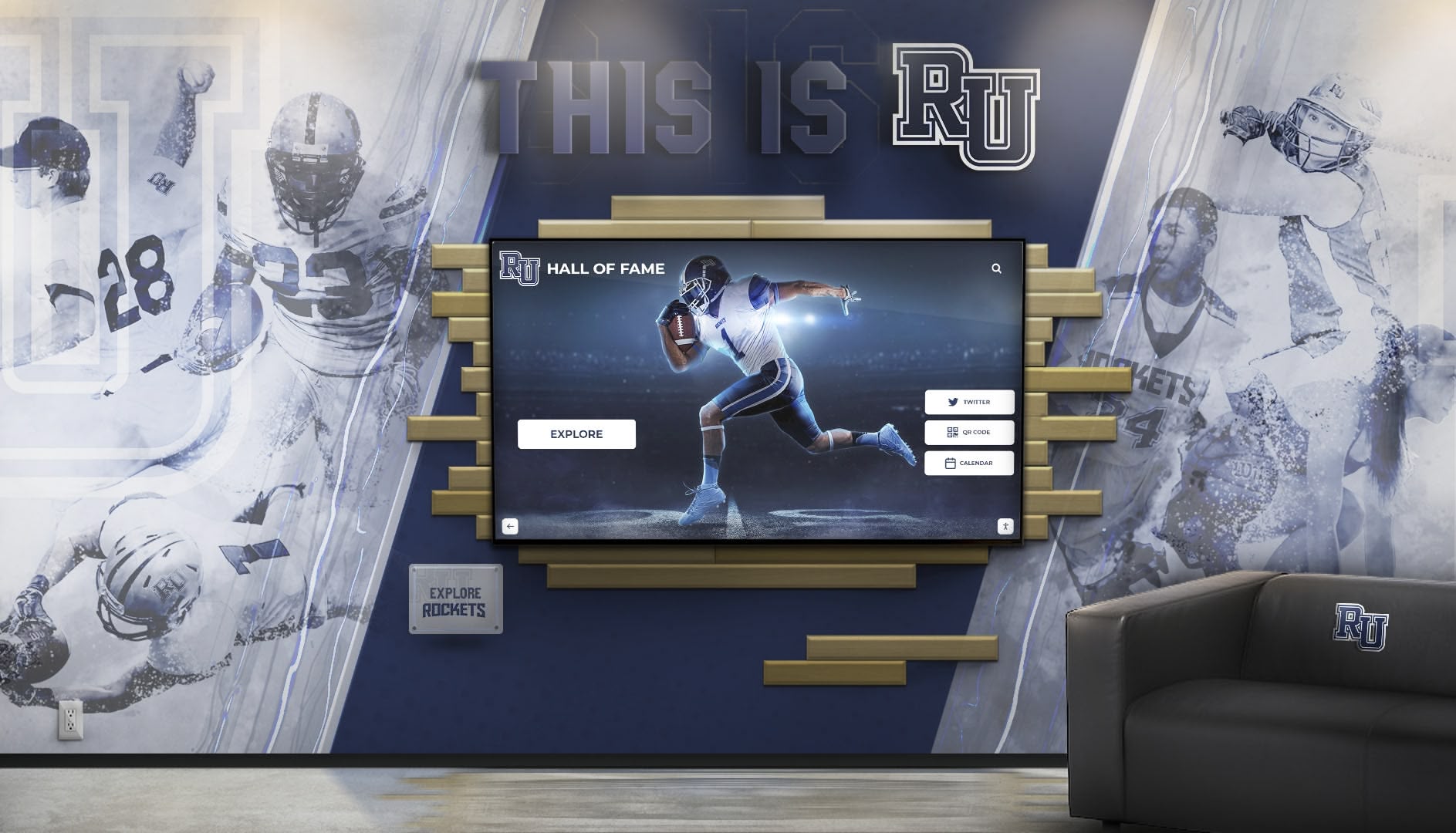
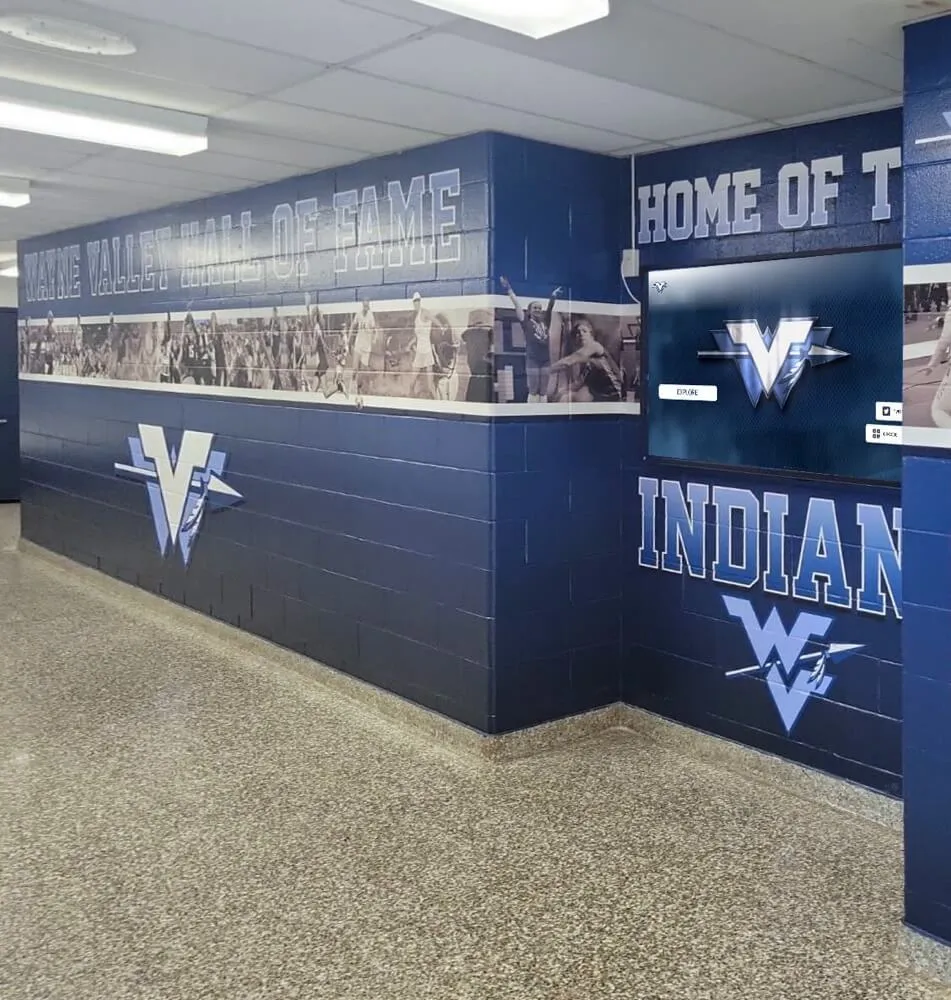
Combined digital and physical recognition creates comprehensive celebration spaces honoring diverse achievements
Modern Digital Recognition Solutions
Overcoming Traditional Limitations
Digital recognition displays transform how schools celebrate DECA achievements by addressing space constraints and engagement limitations:
Unlimited Recognition Capacity
Solutions like Rocket Alumni Solutions enable schools to:
- Recognize every DECA competitive achievement across all years without space limitations
- Maintain comprehensive historical archives preserving chapter tradition
- Accommodate growing DECA programs without removing past recognition
- Give equal visibility to state qualifiers, international competitors, and chapter leaders
- Integrate DECA recognition with academic, athletic, and other achievement categories
Single digital displays can showcase unlimited students, ensuring no DECA achievements go unrecognized due to physical space constraints.
Rich, Engaging Achievement Profiles
Digital systems move beyond simple name lists to create compelling recognition:
- Individual student photos showing DECA competitors in professional settings
- Specific competitive event details including competition levels and placement
- Project titles and descriptions for students competing in prepared events
- Leadership roles held within DECA chapters
- Personal statements about DECA’s impact on career interests and development
- Progression showing students’ DECA journeys across multiple years and competitions
This rich content makes recognition more meaningful while helping non-DECA students understand what competitive success requires.
Interactive Exploration Features
Modern touchscreen displays create engagement static bulletin boards cannot:
- Search functionality allowing students to find specific DECA achievers
- Filtering by competition type, achievement level, or graduation year
- Browse interfaces enabling discovery of role models and inspiration
- Related content showing classmates who competed together
- Statistical summaries displaying chapter trends and accomplishments over time
Students naturally interact with touchscreen displays during passing periods, lunch, and unstructured time—creating repeated exposure to DECA recognition that traditional approaches rarely achieve.
Explore comprehensive recognition solutions in digital hall of fame guides applicable to diverse achievement categories.
Strategic Placement for Maximum Visibility
Digital displays should occupy prominent locations ensuring DECA recognition receives visibility proportional to athletic achievements:
- Main entrance lobbies creating immediate impression for all visitors
- Cafeteria and commons areas engaging students during unstructured time
- Hallways connecting academic wings reaching students multiple times daily
- Guidance and counseling centers supporting career exploration conversations
- Locations near athletic trophy displays demonstrating equal institutional priority
When DECA achievements occupy high-visibility spaces typically reserved for athletic recognition, schools send powerful messages about valuing diverse excellence.
Web-Based Recognition Extension
Recognition should extend beyond physical school buildings:
- Online platforms allowing families worldwide to view DECA achievements
- Social sharing enabling students to celebrate accomplishments broadly
- Mobile-responsive displays ensuring accessibility across devices
- Integration with school websites creating seamless recognition experiences
- Alumni access allowing graduates to revisit their achievements
This extended reach amplifies recognition impact while demonstrating institutional commitment to celebrating success through modern channels students and families regularly use.
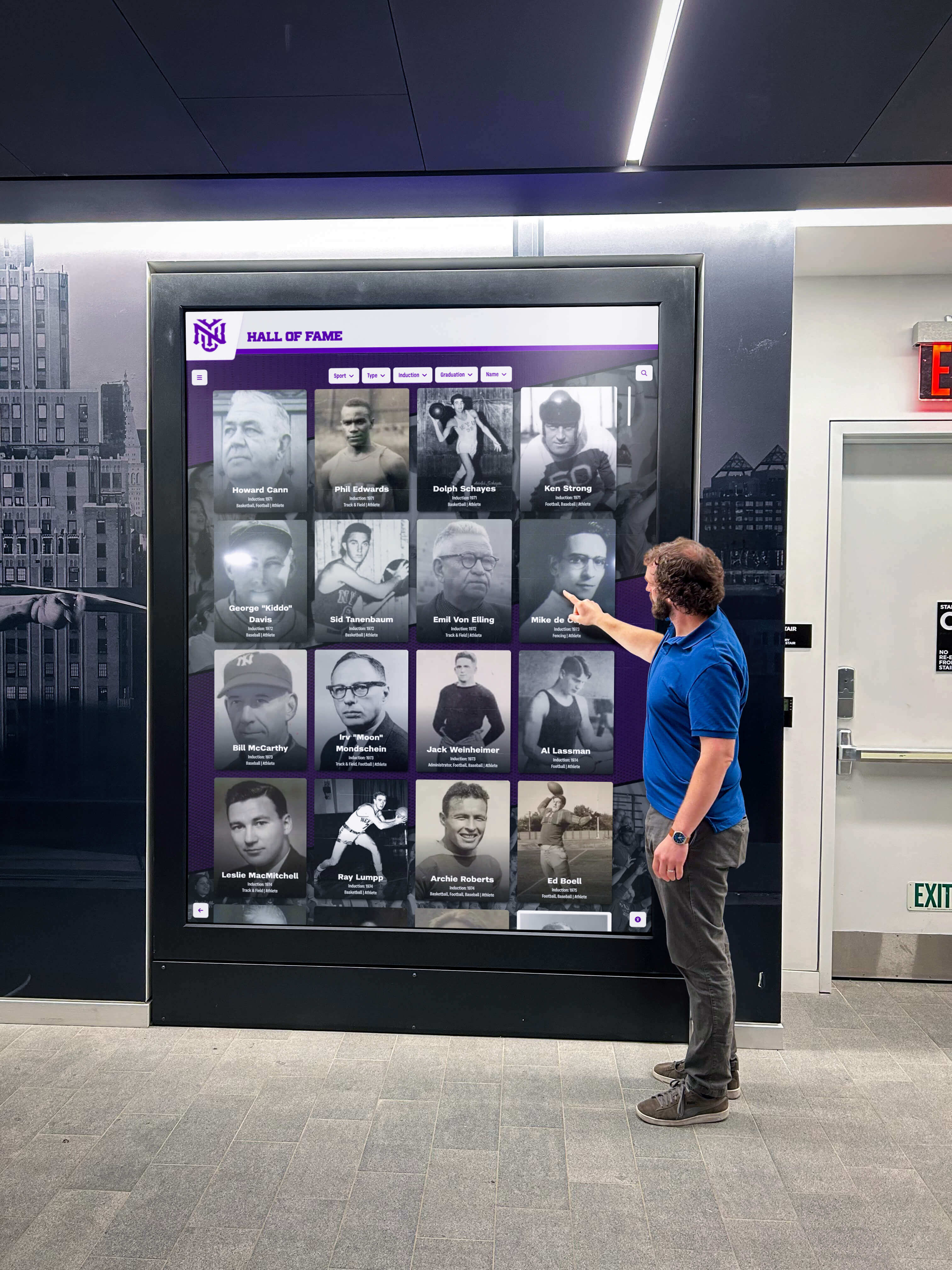
Prominent lobby placement ensures diverse achievements greet visitors and community members
Implementing DECA Recognition Programs
Systematic approaches ensure consistent, effective recognition that motivates students and honors achievements appropriately.
Planning Recognition Criteria and Standards
Defining Recognition-Worthy Achievements
Establish clear standards determining which DECA accomplishments receive recognition:
- International competition qualification and placement
- State/provincial competition advancement and placement
- District/regional competition achievement and medaling
- Chapter leadership positions and responsibilities
- Participation milestones for multi-year members
- Project-based event completion demonstrating initiative
Clear criteria eliminate ambiguity while ensuring consistent application across years and changing chapter membership.
Tiered Recognition Approaches
Create recognition levels matching achievement significance:
- Highest-tier recognition for international competition qualifiers and medalists
- Second-tier recognition for state competition qualifiers and top performers
- Third-tier recognition for district competition achievement and advancement
- Participation recognition for all competitive participants
- Leadership recognition for chapter officers and coordinators
This tiered approach ensures all DECA participants receive acknowledgment while distinguishing elite achievement deserving special prominence.
Content Creation and Management
Building DECA Achievement Profiles
Create engaging content celebrating DECA success:
Essential Information
- Student name and graduation year
- Competitive event title and category
- Competition level and placement achieved
- Year of competition achievement
- Professional student photo in business attire when available
Enhancement Content
- Personal statements about DECA’s impact on career interests
- Project descriptions for prepared event competitors
- Path to achievement showing progression through competition levels
- Team members for collaborative events
- Post-graduation plans and how DECA influenced aspirations
- Advice for students considering DECA participation
Enhanced profiles make recognition more meaningful while providing information that motivates non-DECA students to consider participation.
Establishing Update Processes
Create sustainable workflows maintaining current recognition:
- Post-competition documentation collecting achievement details and photos
- Scheduled content creation after district, state, and international competitions
- Review processes ensuring accuracy and professional presentation
- Coordinated publishing aligned with school recognition events
- Multi-channel announcements maximizing achievement visibility
Consistent processes prevent recognition delays while reducing administrative burden on DECA advisors.
Learn about recognition content strategies in digital signage implementation guides adaptable for DECA celebration.
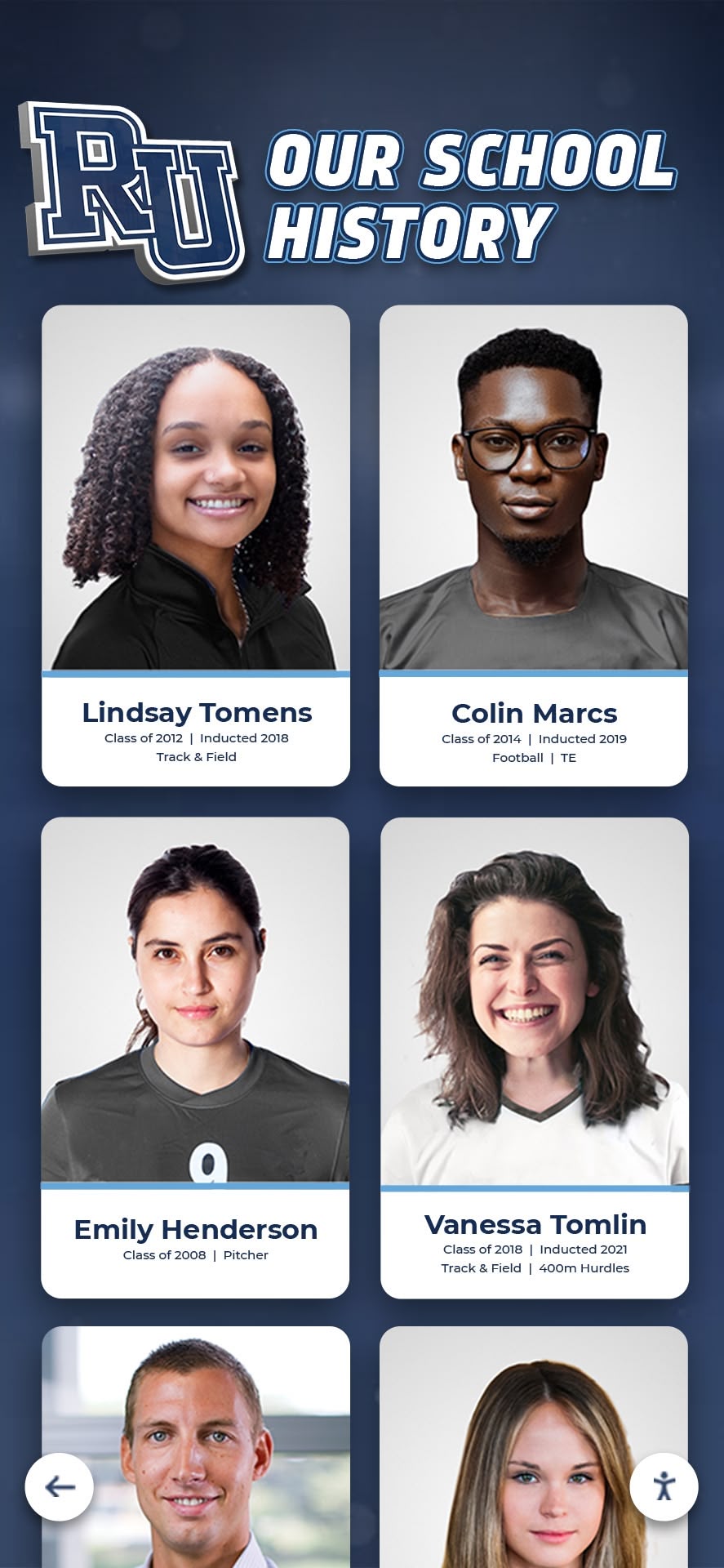
Consistent profile formats create professional, unified recognition across diverse achievement categories
Recognition Events and Ceremonies
DECA Awards Celebrations
Formal events provide important milestone recognition:
Year-End DECA Banquets
- Evening ceremonies honoring season achievements similar to athletic banquets
- Recognition for all competitive participants acknowledging preparation and effort
- Special awards for top achievers including state qualifiers and international competitors
- Chapter leader recognition honoring officers and coordinators
- Advisor acknowledgment celebrating their investment in student development
- Guest speakers from business community connecting DECA to careers
Integration with School-Wide Recognition
- Include DECA achievements in all-school honors nights alongside academic recognition
- Acknowledge DECA qualifiers during graduation ceremonies
- Feature DECA success in senior awards presentations
- Incorporate DECA recognition into quarterly achievement celebrations
This integration demonstrates that DECA success deserves acknowledgment proportional to other prestigious accomplishments.
Digital Display Unveilings
- Schedule recognition addition ceremonies revealing newly added DECA profiles
- Invite families and community members to view updated displays
- Create social media content documenting recognition additions
- Connect unveilings with DECA meeting schedules maximizing member attendance
These ceremonies provide memorable moments while generating renewed interest in recognition systems.
Explore event planning in guides about end-of-year recognition ceremonies that celebrate diverse achievements.
Communication and Promotion Strategies
Multi-Channel Recognition Announcements
Maximize achievement visibility through coordinated communication:
- Email notifications to families celebrating students’ specific accomplishments
- Social media posts with photos and competition details across platforms
- School website features and homepage recognition for major achievements
- Newsletter articles explaining DECA value and celebrating chapter success
- Morning announcements acknowledging competitive results
- Local media releases for exceptional achievements like international qualification
This comprehensive approach ensures recognition reaches all stakeholders through their preferred information channels.
Connecting Recognition to Recruitment
Use recognition strategically encouraging DECA participation:
- Display references during course selection highlighting DECA opportunities
- Showcase DECA achievements during parent information nights
- Include recognition displays in school tour routes for prospective families
- Connect achievement profiles to DECA recruitment materials
- Feature successful alumni DECA members demonstrating long-term impact
Strategic recognition serves dual purposes: honoring past achievements while motivating future participation.
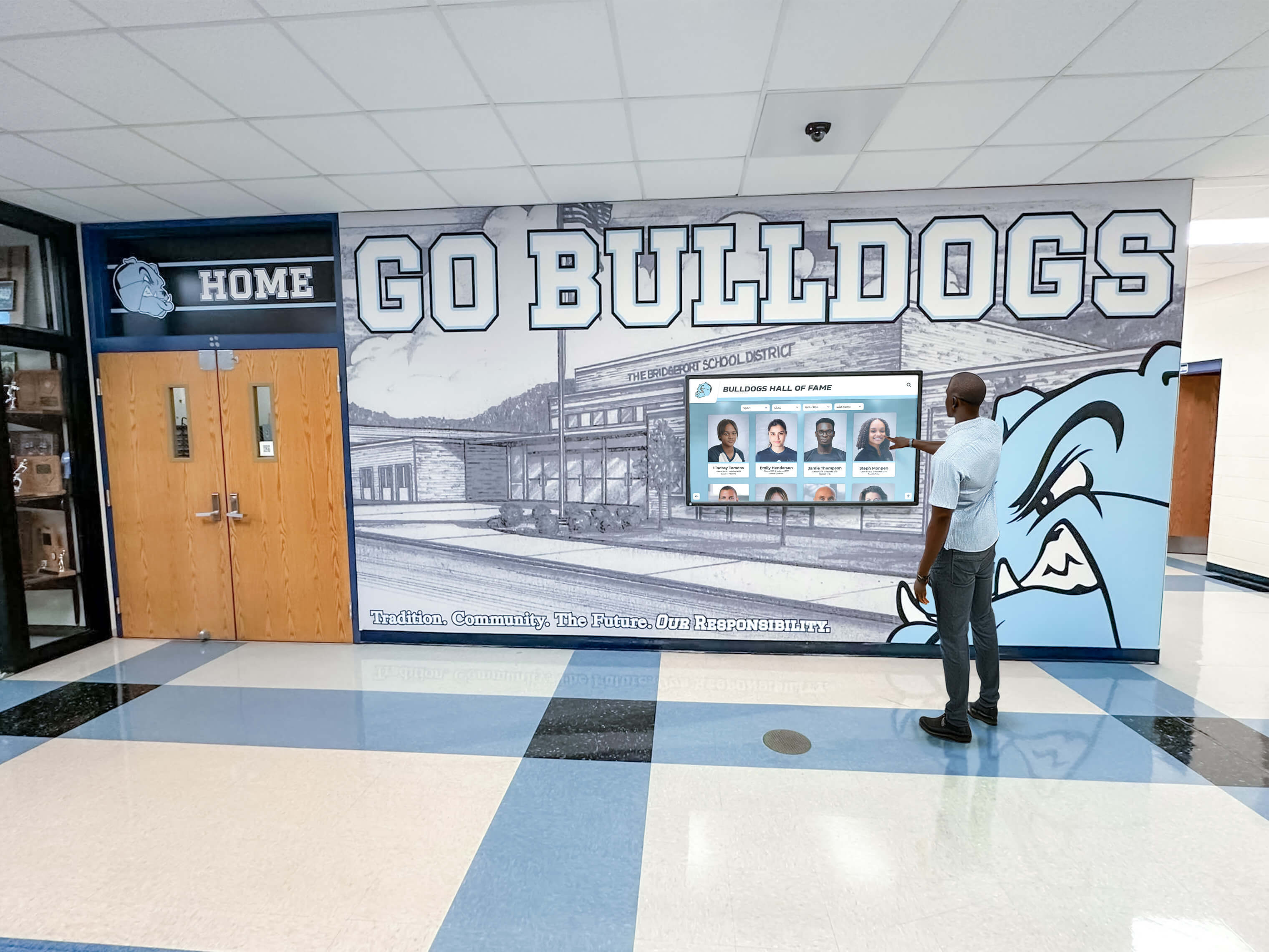
High-traffic hallway placement ensures regular student exposure to diverse achievement recognition
Rocket Alumni Solutions for DECA Recognition
While generic digital signage can display announcements, purpose-built recognition platforms provide specialized capabilities designed specifically for celebrating student achievement including DECA success.
Comprehensive Achievement Celebration Systems
Rocket Alumni Solutions enables schools to create recognition programs celebrating achievements across all categories:
Unified Multi-Category Recognition
Single platforms accommodate diverse achievement types:
- DECA competition success alongside athletic championships
- Academic honors integrated with career and technical achievements
- Leadership recognition complementing competitive accomplishments
- Arts achievements displayed with equal prominence to business success
- Community service recognition showing diverse excellence dimensions
This integrated approach creates comprehensive recognition ensuring all students see achievement pathways aligned with their strengths and interests.
Flexible Achievement Organization
Content management systems enable multiple navigation approaches:
- Filter by achievement category isolating DECA accomplishments when desired
- Search by student name enabling anyone to find specific individuals
- Browse by graduation year showing class-specific achievements
- Sort by competition level highlighting international qualifiers
- Related content linking showing teammates and classmates who achieved together
This organizational flexibility ensures visitors can explore achievements through multiple pathways matching their interests and relationships.
Intuitive Content Management
Simplified Profile Creation
Rocket’s platform makes recognizing DECA achievers manageable:
- Consistent templates ensuring professional, uniform presentation
- Drag-and-drop interfaces requiring no technical expertise
- Bulk import capabilities for adding multiple achievers simultaneously after competitions
- Preview functionality allowing review before publication
- Scheduled publishing aligning with recognition ceremonies
Cloud-Based Access and Updates
Maintain recognition from anywhere:
- Web-based management eliminating need for on-site updates
- Role-based permissions allowing DECA advisors direct content control
- Mobile-responsive admin interfaces enabling updates from any device
- Support resources including training and responsive customer service
- Regular platform updates adding features without school IT intervention
Schools report dramatic time savings compared to maintaining traditional physical displays or managing generic digital signage requiring complex technical updates.
Learn about implementation approaches in recognition hardware setup guides covering complete system deployment.
Analytics and Engagement Insights
Understanding Recognition Impact
Track how students interact with DECA recognition:
- Display engagement metrics showing interaction frequency and duration
- Popular profile tracking revealing which achievements resonate most
- Search pattern analysis understanding what students seek
- Social sharing statistics measuring extended recognition reach
- Demographic data ensuring recognition reaches diverse student populations
These insights help schools optimize recognition strategies while demonstrating program value to stakeholders and supporting DECA program growth proposals.
Supporting Program Development
Recognition analytics inform DECA chapter planning:
- Engagement trends showing optimal announcement and promotion timing
- Achievement interest patterns suggesting competitive events to emphasize
- Demographic data identifying populations underrepresented in DECA
- Comparison data benchmarking recognition against other achievement categories
- Historical trends showing DECA program growth trajectories
Data-informed approaches maximize recognition effectiveness while supporting strategic DECA program development.
Transform Your Student Achievement Recognition
Discover how modern digital recognition solutions can help you celebrate DECA competition success alongside athletic and academic achievements, creating cultures of diverse excellence where all students see pathways to recognition aligned with their capabilities.
Explore Recognition SolutionsSupporting DECA Program Growth
Schools committed to career preparation should actively support DECA chapter development and participation growth.
Removing Participation Barriers
Financial Accessibility
Ensure costs don’t prevent student participation:
- School or district funding covering membership fees for financial need
- Fundraising programs supporting competition travel expenses
- Business sponsorships offsetting conference registration costs
- Equipment and resource provision eliminating student expenses
- Transparent cost communication preventing surprise expenses
Financial barriers disproportionately affect students from lower-income families—the very populations most likely to benefit from career preparation programs like DECA.
Schedule Accommodations
Create participation structures supporting diverse student schedules:
- Flexible meeting times accommodating work and family responsibilities
- Multiple preparation session options enabling participation despite conflicts
- Integration with courses when possible reducing after-school time demands
- Transportation arrangements supporting students lacking independent mobility
- Communication systems ensuring all members receive information regardless of meeting attendance
These accommodations expand DECA access beyond students with flexible schedules and reliable transportation.
Inclusive Chapter Culture
Develop welcoming environments encouraging diverse participation:
- Explicit outreach to students underrepresented in business careers
- Mentorship programs connecting new members with experienced competitors
- Team-based focus reducing individual performance pressure
- Skill-building workshops preparing students before competitive situations
- Celebration of improvement and effort alongside elite achievement
Inclusive cultures help all students feel capable of DECA participation regardless of prior business knowledge or experience.
Explore creating supportive environments in school recognition program guides that celebrate diverse pathways to excellence.
Advisor Support and Recognition
Providing Adequate Resources
DECA advisors require support delivering quality programs:
- Professional development opportunities including state and national advisor conferences
- Stipends or release time acknowledging the significant work DECA advising requires
- Budget allocations funding materials, competition fees, and travel
- Administrative support with logistics, permissions, and communications
- Recognition celebrating advisors’ contributions to student development
Well-supported advisors build stronger programs serving more students effectively.
Connecting DECA with Career Pathways
Integrate DECA with broader career preparation initiatives:
- Alignment with career and technical education course sequences
- Connections with work-based learning and internship programs
- Partnership with business community for mentorship and job shadowing
- Integration with college and career readiness planning
- Articulation agreements recognizing DECA achievement in post-secondary programs
These connections demonstrate DECA’s role in comprehensive career preparation rather than treating it as isolated extracurricular activity.

Professional design and intuitive interfaces make recognition displays effective engagement tools
Conclusion: Building Cultures of Diverse Excellence
DECA competitions provide high school students with valuable opportunities to develop business skills, explore career interests, demonstrate leadership, and prepare for post-secondary success. When schools systematically support DECA participation and celebrate competitive achievements with visibility proportional to athletic and academic accomplishments, they create more inclusive cultures of excellence where students pursuing diverse pathways to success all find recognition opportunities aligned with their capabilities and interests.
The competitive achievements DECA members earn—from district advancement to state medals to international qualification—represent significant accomplishments requiring extensive preparation, professional skill development, and impressive performance under pressure. These achievements deserve systematic celebration through modern recognition approaches that overcome the space constraints and engagement limitations of traditional bulletin boards and static displays.
Digital recognition solutions like Rocket Alumni Solutions make comprehensive DECA celebration achievable by providing unlimited capacity for acknowledging every achievement, creating engaging interactive experiences that resonate with contemporary students, and extending recognition reach beyond school walls through web-accessible platforms. When DECA accomplishments receive prominent visibility through strategic display placement in high-traffic locations, complemented by multi-channel communication ensuring broad awareness, recognition influences not just those celebrated but all students who encounter these displays while considering their own participation in career and technical student organizations.
Schools implementing systematic DECA recognition send powerful messages about institutional priorities that value career preparation, business skill development, and practical competency alongside traditional academic and athletic excellence. These recognition systems create more equitable environments where achievements requiring equal effort and demonstrating comparable capability receive proportional visibility and celebration regardless of whether they occur in gymnasiums, classrooms, or convention centers.
Start where you are with recognition approaches you can implement immediately, then systematically expand to create comprehensive celebration of diverse excellence your students deserve. Every DECA achievement that receives meaningful, visible recognition validates students’ career exploration and skill development while inspiring other students to pursue their own business leadership pathways. Every school that celebrates DECA competition success alongside athletic championships demonstrates commitment to supporting all pathways to excellence, creating cultures where diverse student strengths receive equal acknowledgment and all capable students feel motivated to pursue achievement aligned with their interests and capabilities.
Your DECA competitors’ accomplishments deserve recognition equal to accomplishments in any domain. With thoughtful planning defining recognition standards, appropriate technology providing visibility and engagement, and consistent implementation ensuring sustainable celebration, you can create recognition systems that honor every DECA achievement while building positive cultures where business skill development, career exploration, and leadership excellence thrive alongside traditional academic and athletic success.
Ready to transform your approach to student achievement recognition? Explore additional strategies for celebrating diverse accomplishments through comprehensive recognition program guides, debate team achievement recognition that parallels DECA celebration, or learn about volunteer service recognition systems honoring students’ diverse contributions to school and community excellence.