Model United Nations (Model UN or MUN) is an educational simulation program where students role-play as delegates to the United Nations, debating global issues and crafting resolutions to international problems. Through this immersive experience, participants develop critical thinking, public speaking, diplomacy, and leadership skills that serve them throughout their academic and professional careers.
For students considering Model UN participation, the experience offers far more than resume-building credentials. It provides practical training in negotiation, research, writing, and collaborative problem-solving while connecting participants with a global community of peers passionate about international relations and current events.
This comprehensive guide explores everything you need to know about Model UN: how the program works, what skills you’ll develop, how conferences are structured, and how schools celebrate these significant student achievements alongside other academic accomplishments.
Whether you’re a middle school student curious about joining your first conference, a high school delegate preparing for competitive national tournaments, or a college participant considering a career in international relations, understanding Model UN’s structure and benefits helps you maximize this transformative educational opportunity.

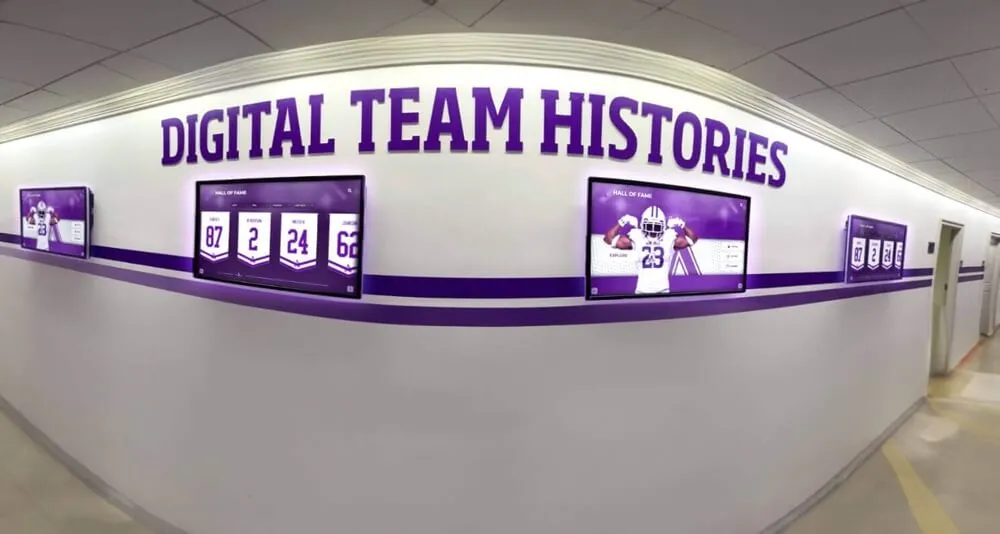
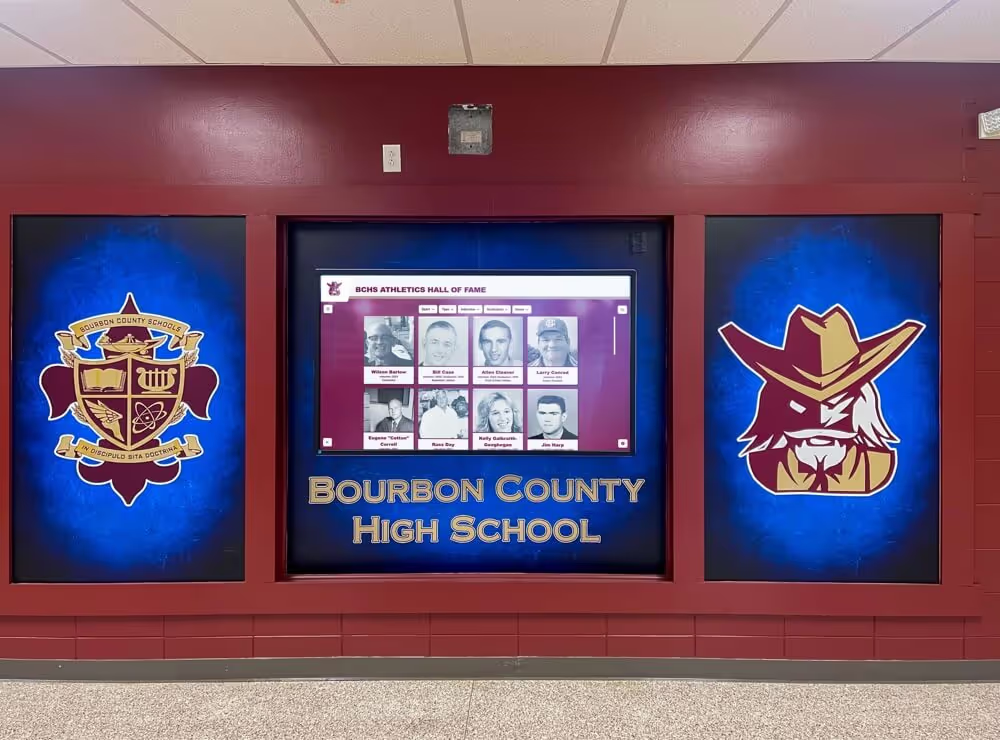
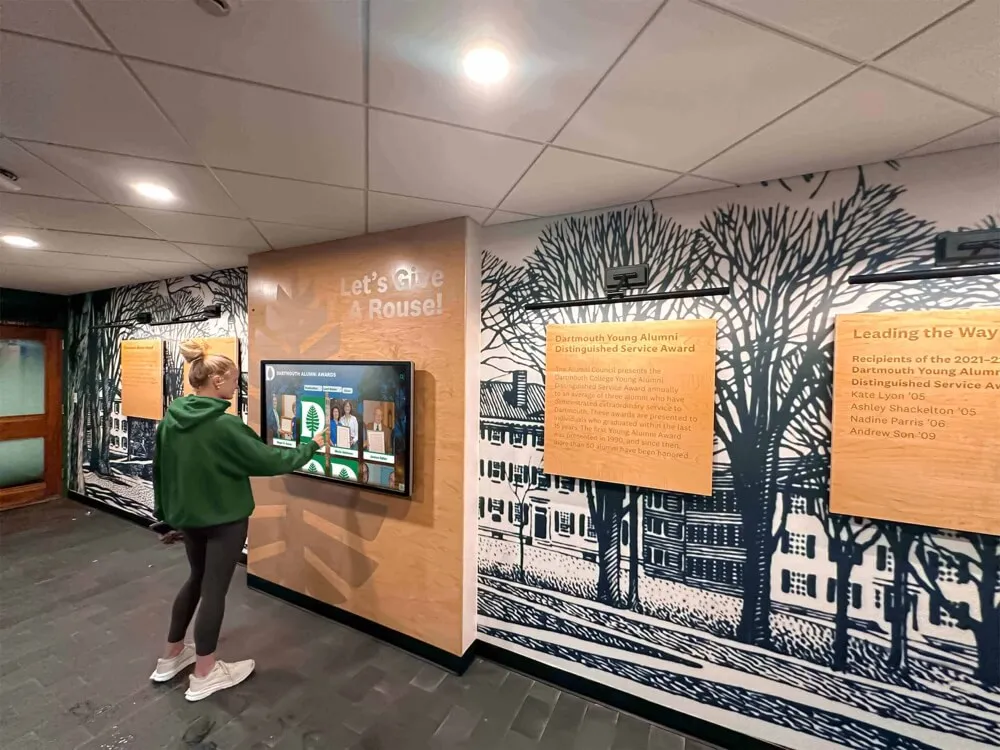
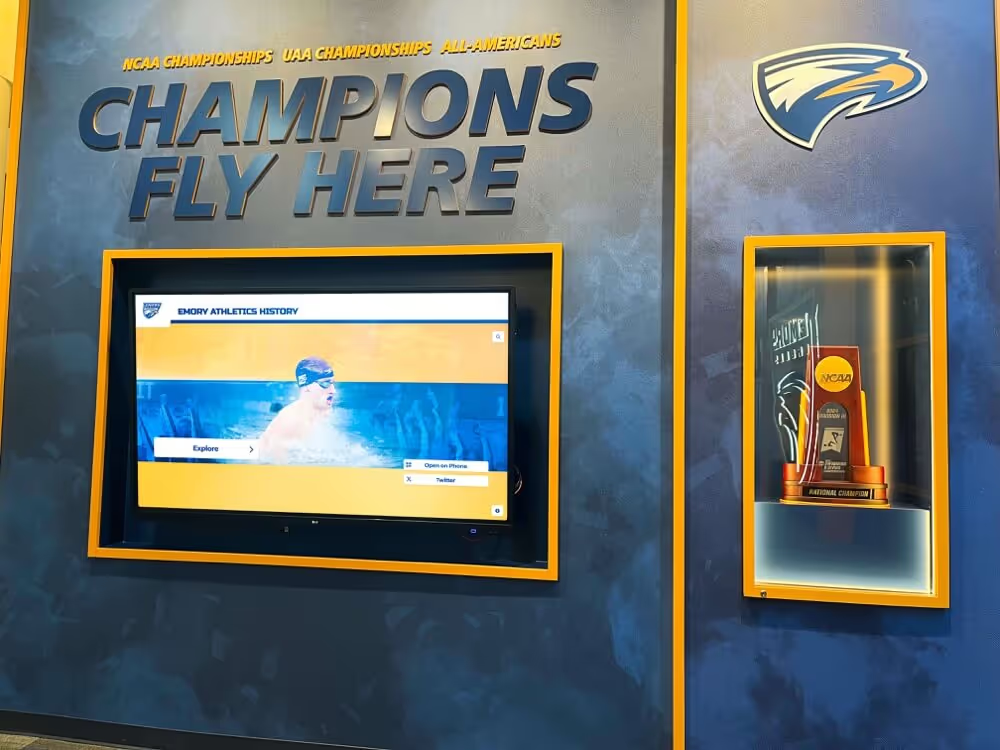
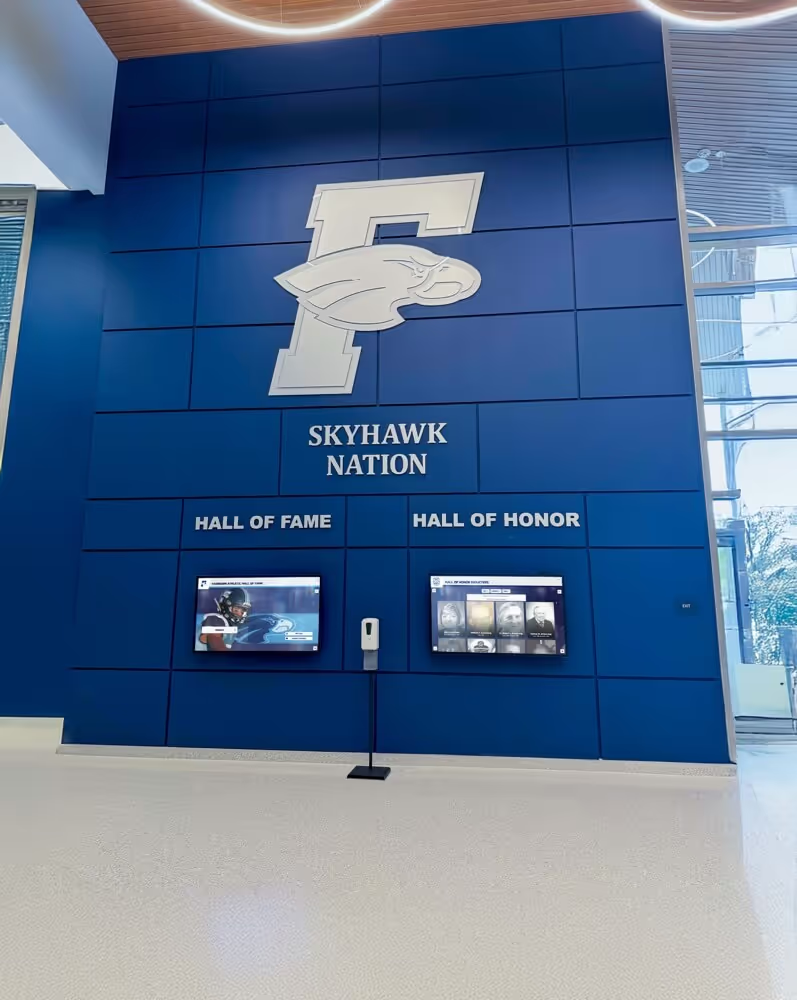
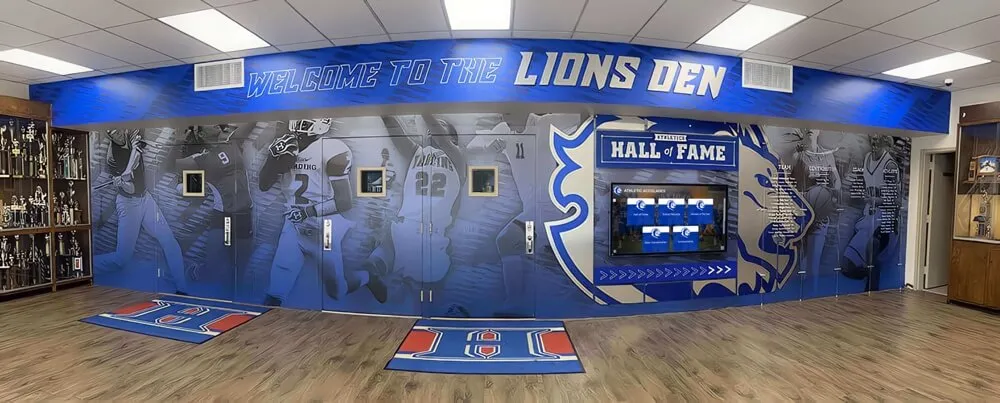
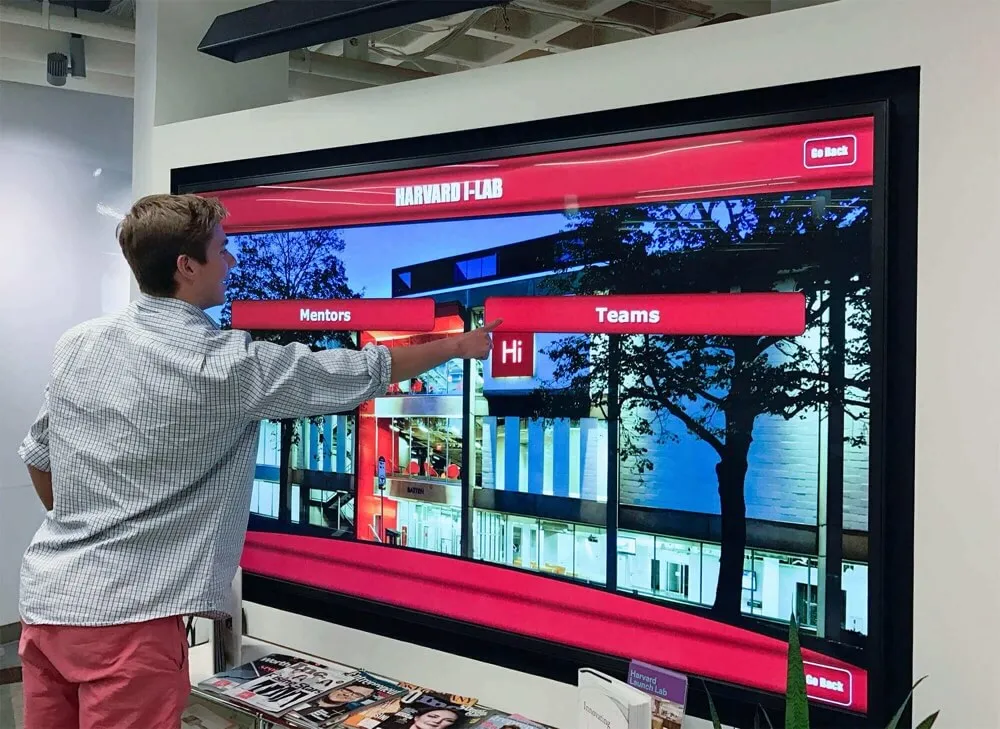
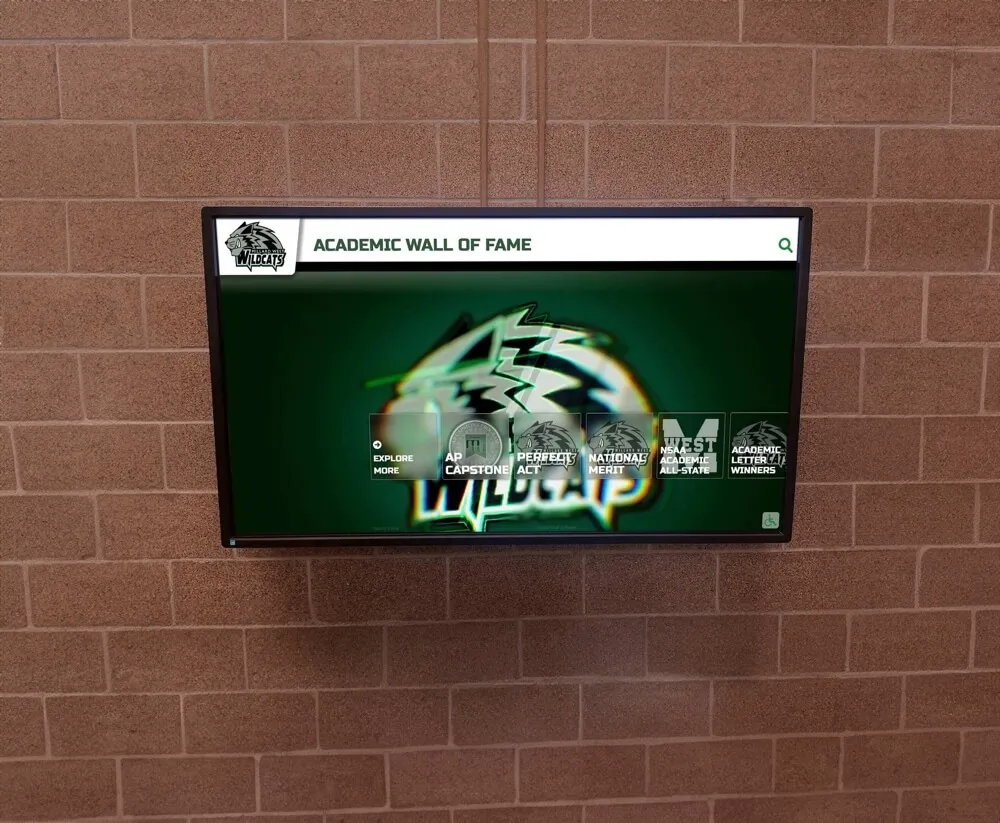
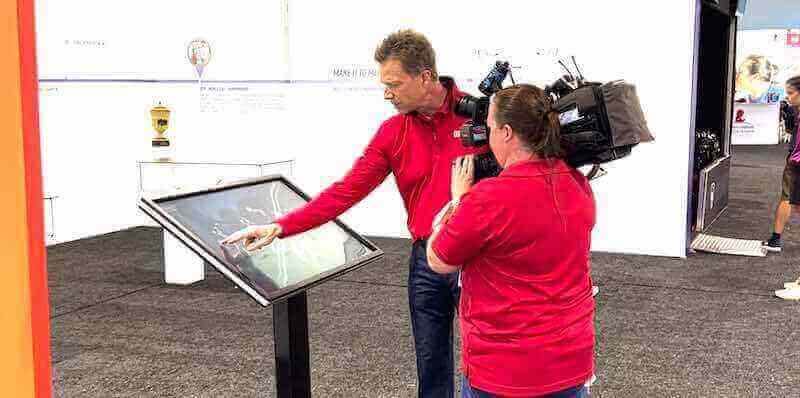
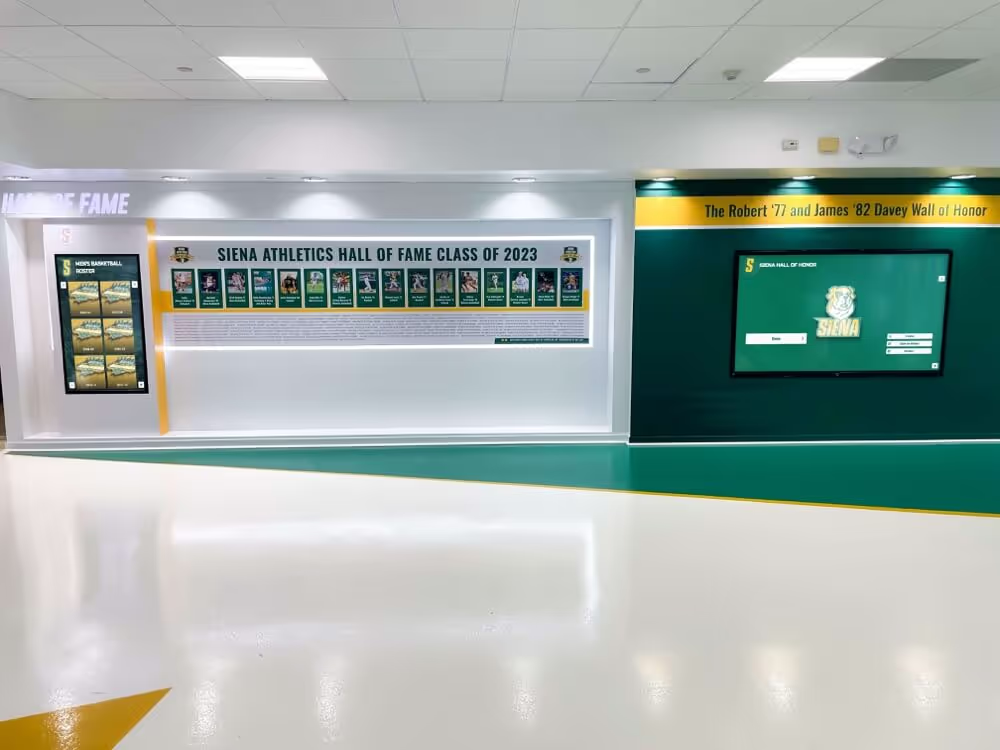
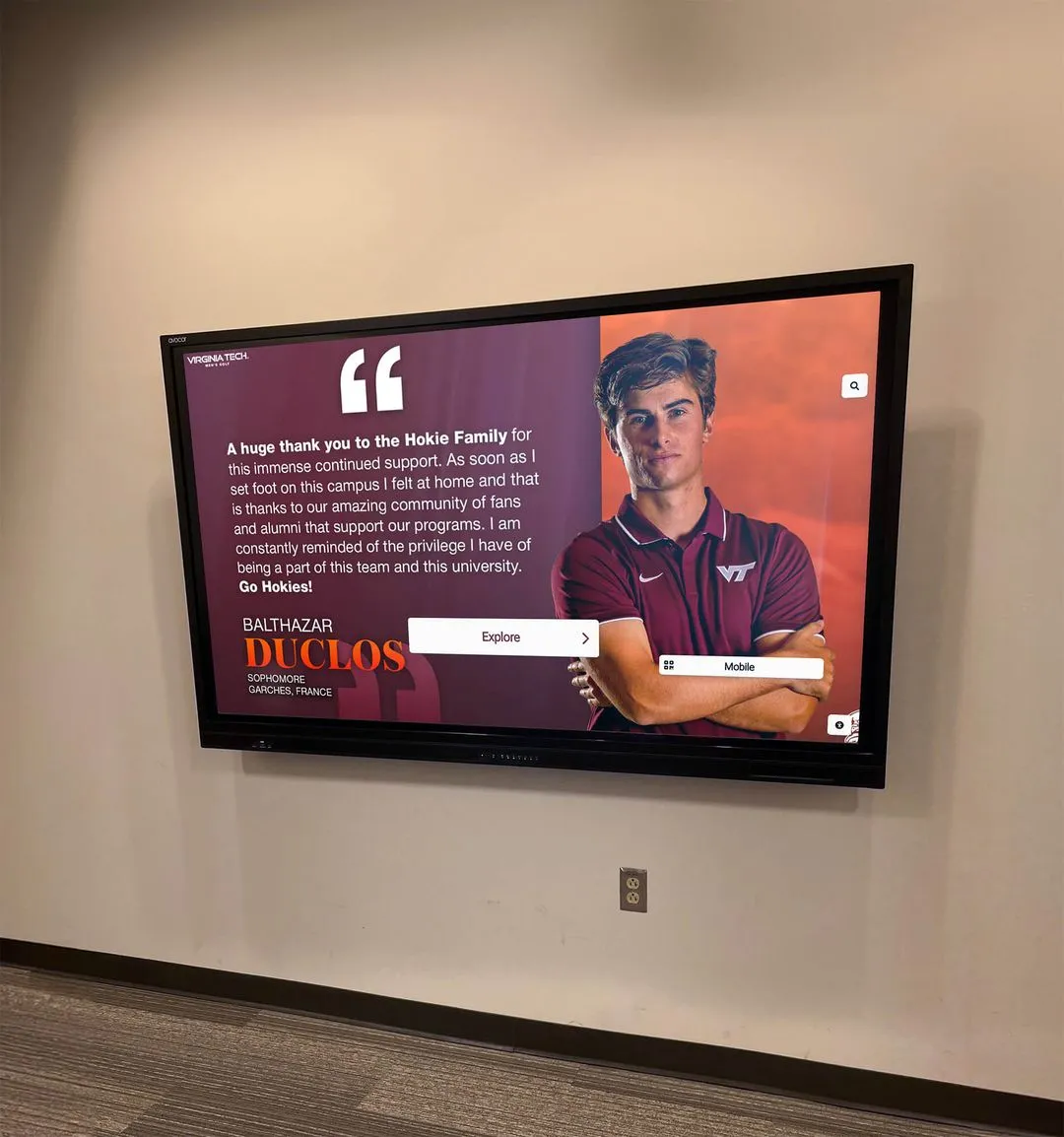
Schools increasingly celebrate Model UN achievements alongside other academic accomplishments through modern recognition displays
Understanding Model United Nations: The Basics
Model UN simulates the work of the United Nations by having students represent different countries in committee sessions where they debate pressing global issues.
The Core Concept
At its foundation, Model UN works through structured simulation:
Country Representation
- Students are assigned to represent specific UN member nations
- Delegates must advocate for their assigned country’s positions regardless of personal beliefs
- Representation requires extensive research into country history, policies, foreign relations, and voting records
- Effective delegates balance their country’s interests with coalition-building and compromise
Committee Structure Model UN conferences divide participants into committees mirroring actual UN bodies:
- General Assembly committees addressing broad international concerns
- Security Council dealing with peace and security threats
- Economic and Social Council (ECOSOC) committees
- Regional bodies like the African Union or European Union
- Specialized agencies such as World Health Organization or UNESCO
- Historical or crisis committees exploring past events or dynamic scenarios
Each committee addresses specific topics, and delegates work within these focused groups to develop solutions through formal debate and negotiation.
Resolution Development The ultimate goal involves crafting resolutions—formal documents proposing actions to address committee topics:
- Delegates form blocs with countries sharing similar positions
- Working papers evolve into draft resolutions through collaboration
- Amendments refine proposals through debate
- Final resolutions require majority or consensus approval depending on committee rules
- Passed resolutions represent successful diplomatic achievement
Historical Background
Model UN originated in the 1920s with Model League of Nations simulations at universities. The modern Model UN format emerged after World War II alongside the actual United Nations’ founding in 1945.
Growth and Evolution
- Started primarily at university level in the 1950s
- Expanded to high schools throughout the 1960s-1980s
- Middle school programs developed in recent decades
- Now includes hundreds of thousands of participants globally
- Prestigious conferences attract delegates from six continents
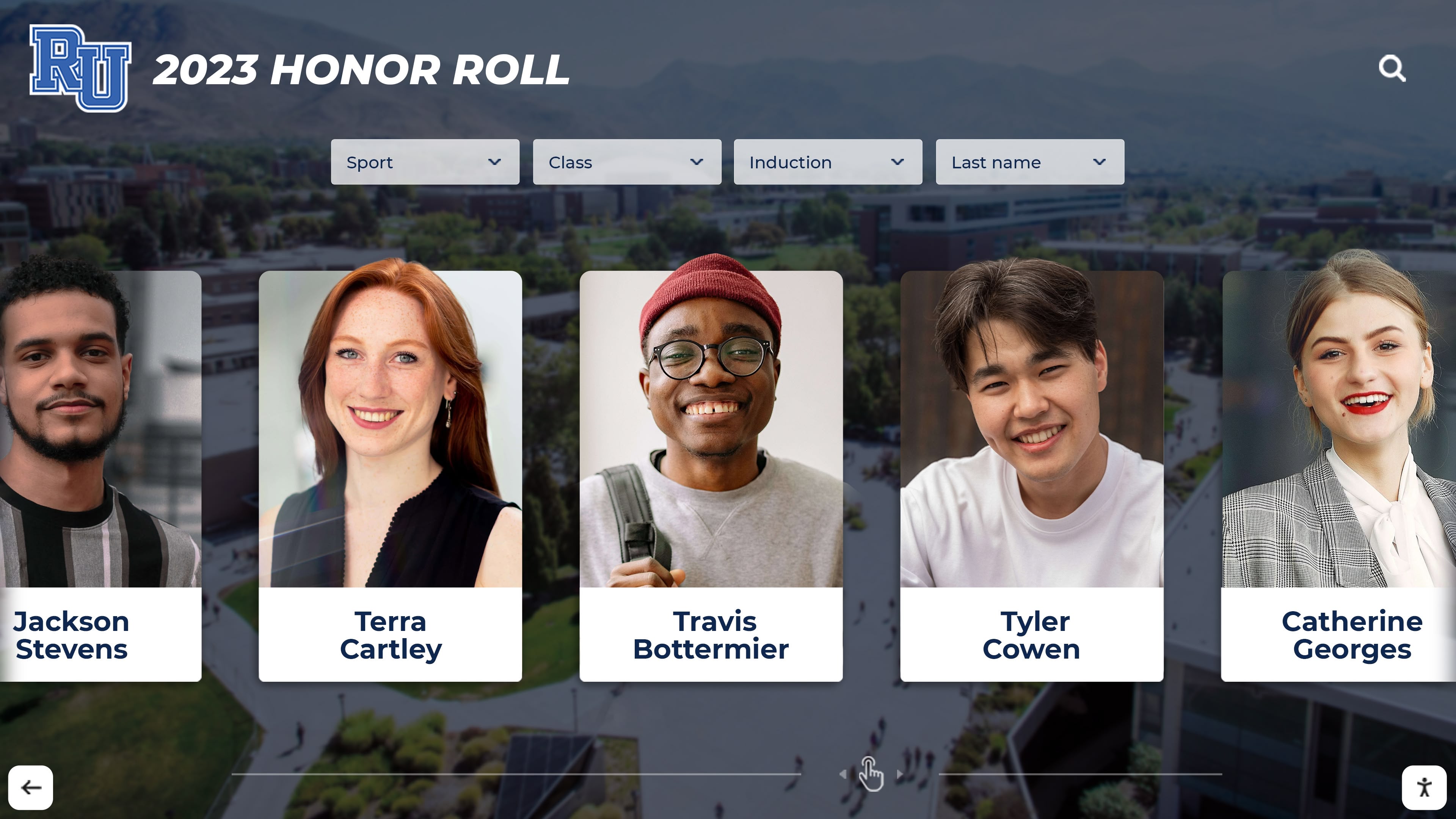
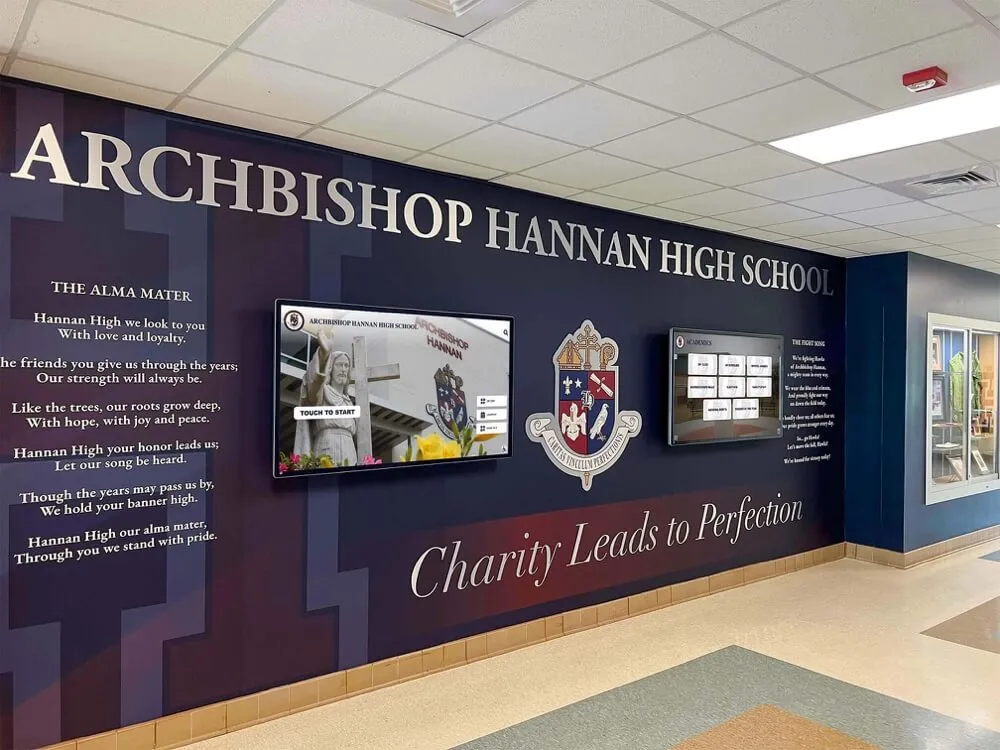
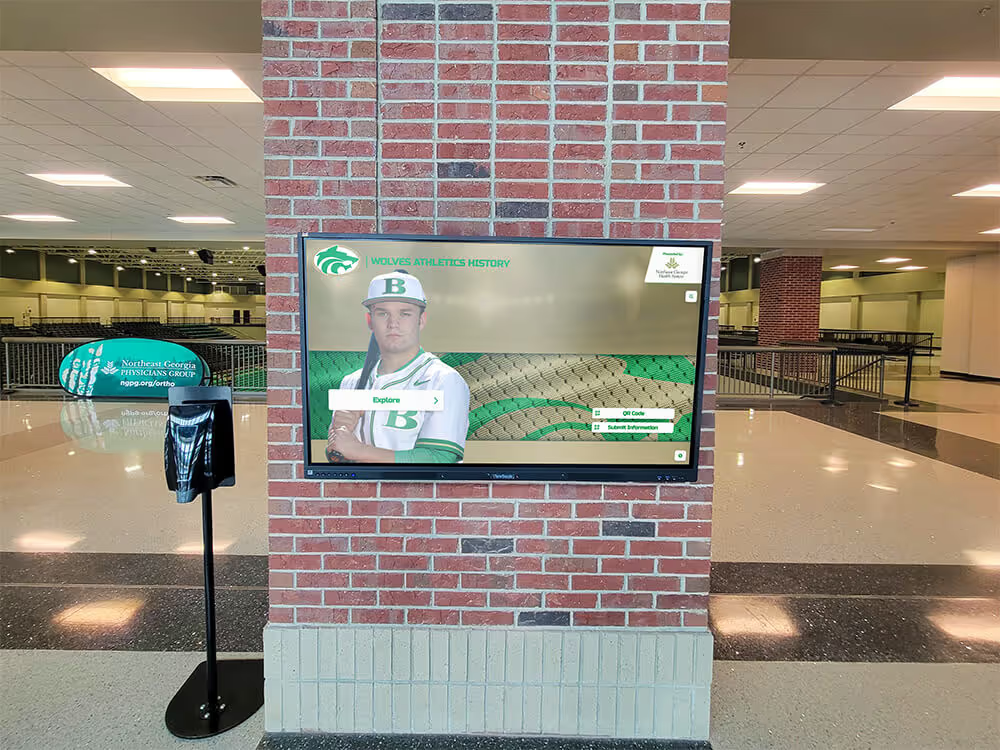
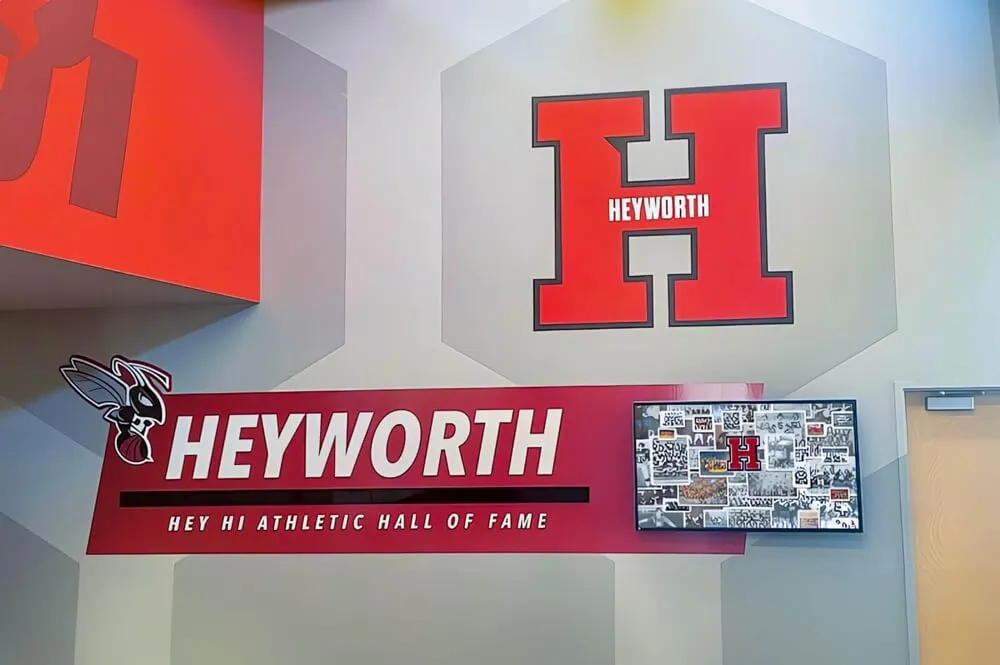
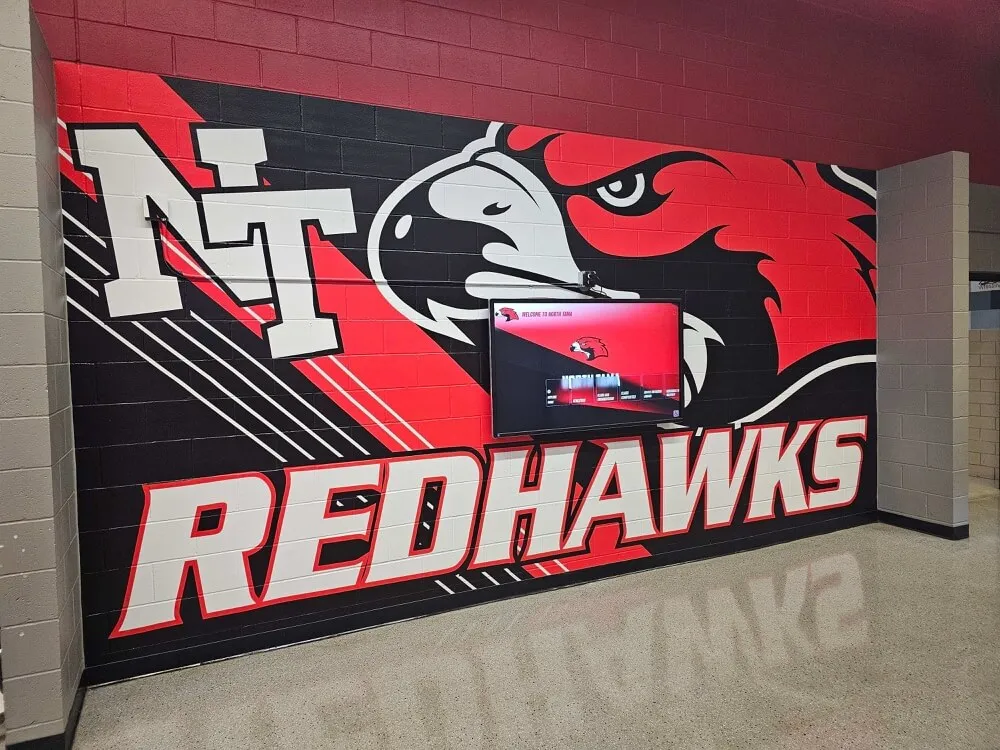
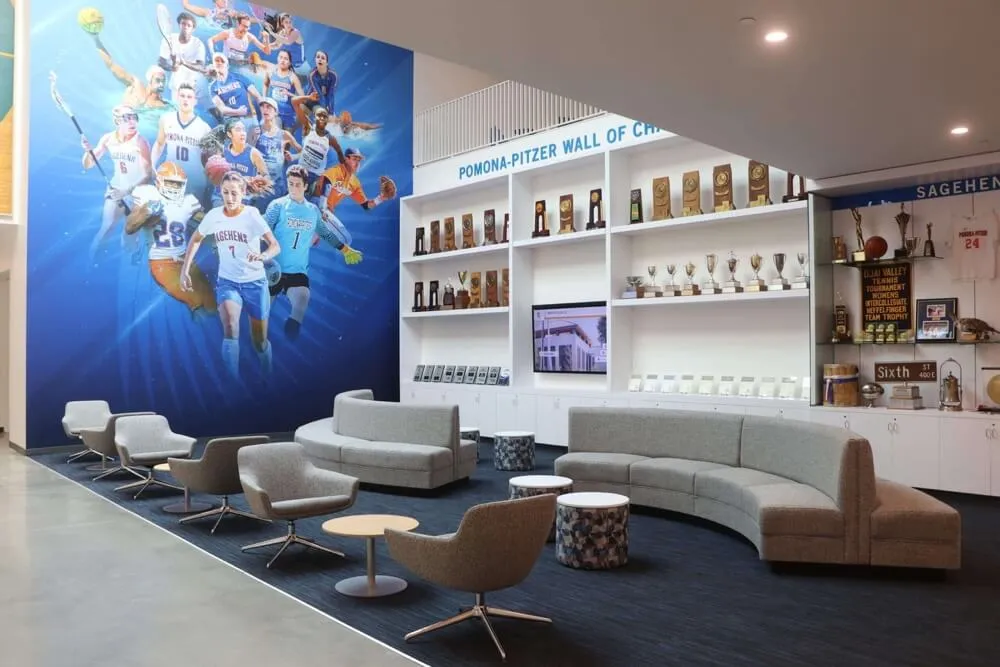
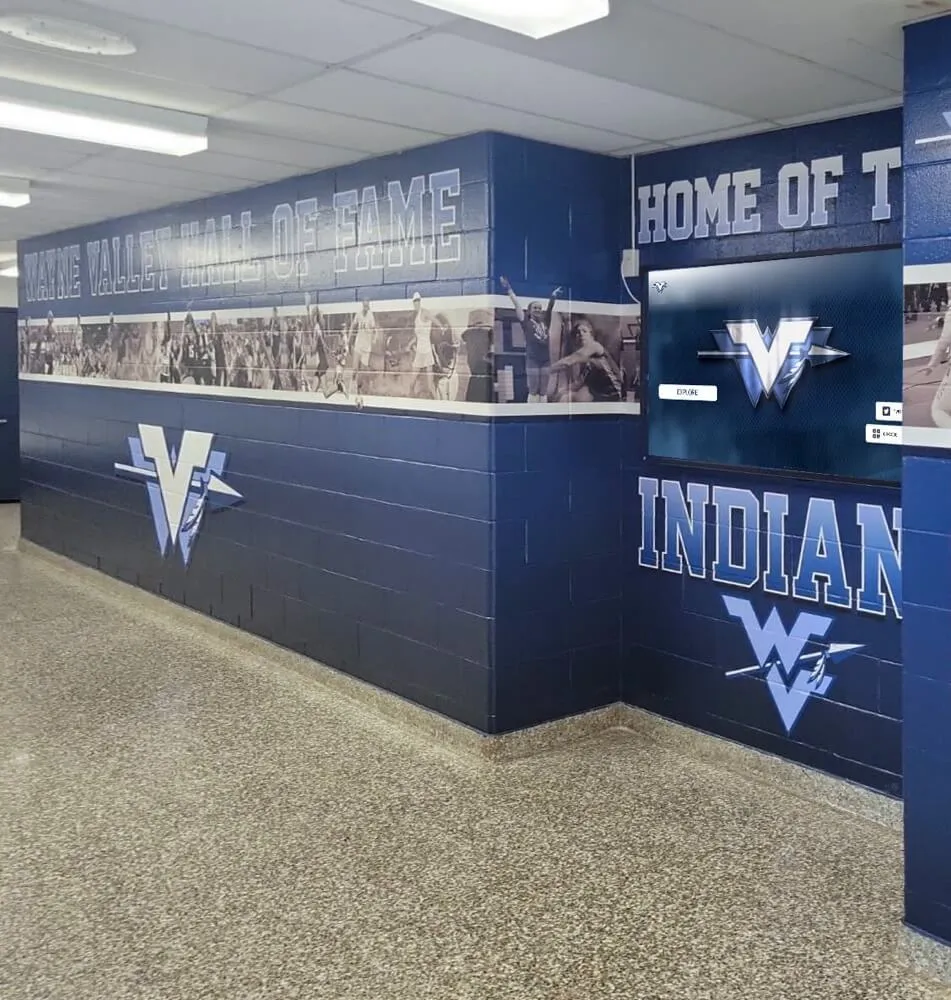
Model UN achievements join other academic accomplishments in comprehensive student recognition programs
Program Levels and Accessibility
Model UN welcomes participants across educational levels:
Middle School Model UN
- Introductory committees with accessible topics
- Simplified rules of procedure
- Emphasis on skill development and confidence building
- Regional conferences designed specifically for younger delegates
- Foundation for high school participation
High School Model UN The most active participation level features:
- Competitive regional, national, and international conferences
- Complex committee assignments and challenging topics
- Leadership opportunities in school clubs and conferences
- College application enhancement through demonstrated achievement
- Scholarship opportunities from Model UN involvement
College and University Model UN Advanced programs offering:
- Highly competitive conference circuits
- Crisis committees with dynamic, evolving scenarios
- Career networking in international relations fields
- Conference secretariat and organizing experience
- Graduate school preparation
Learn more about recognizing diverse academic achievement across programs in your school community.
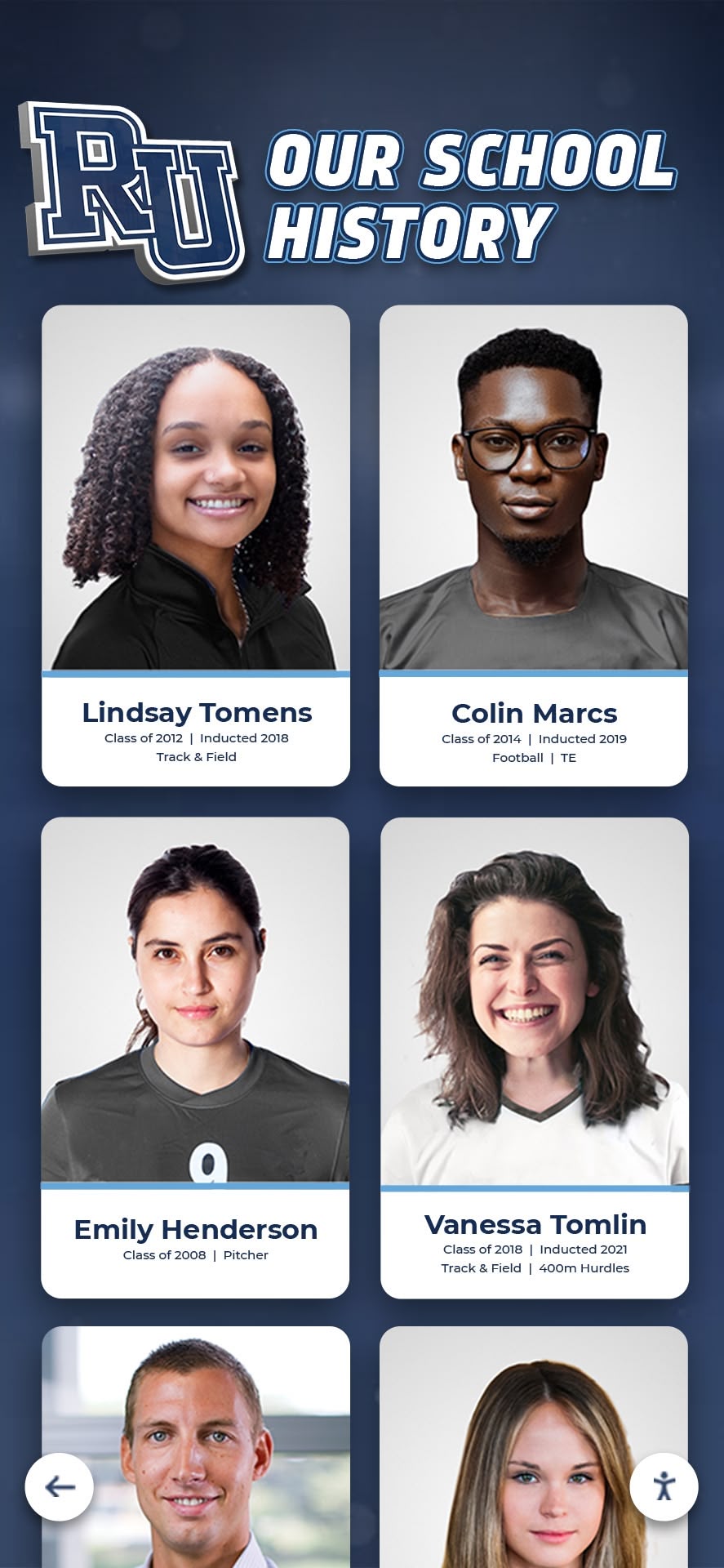
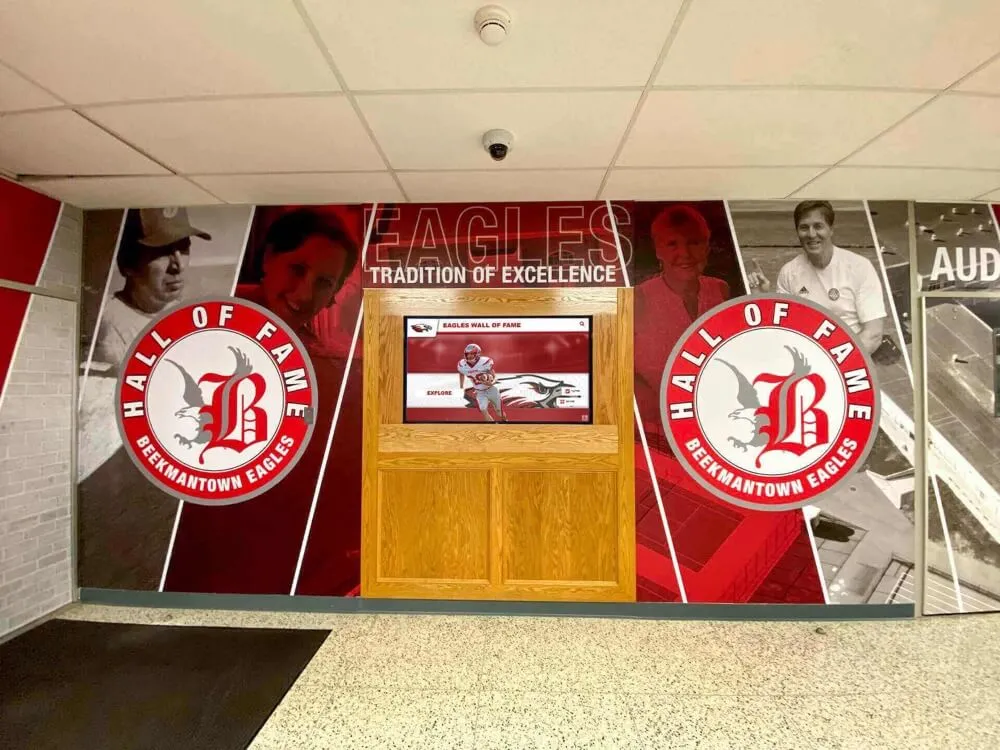
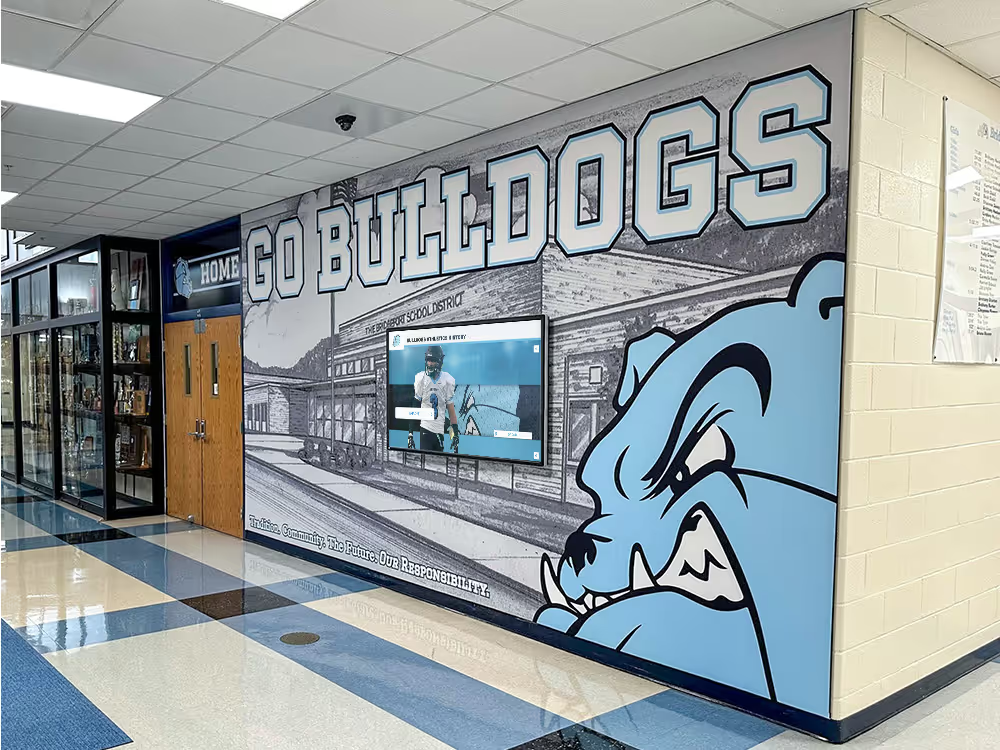
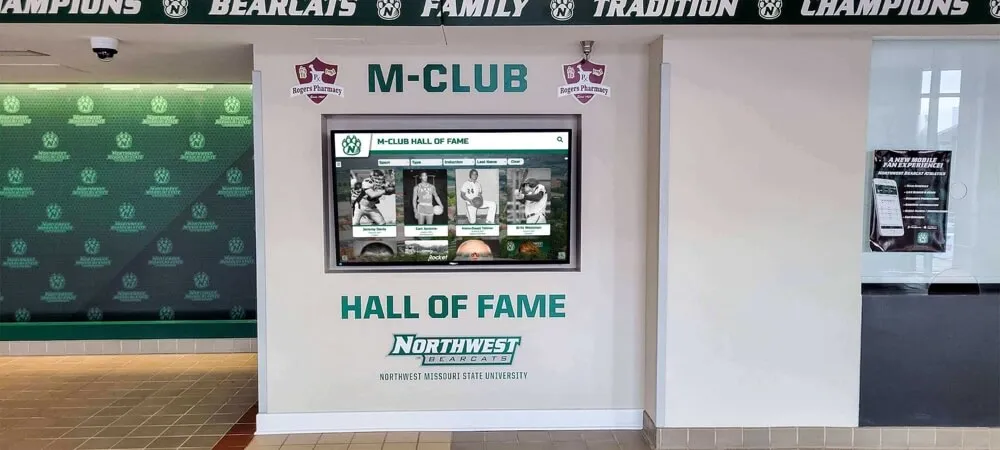
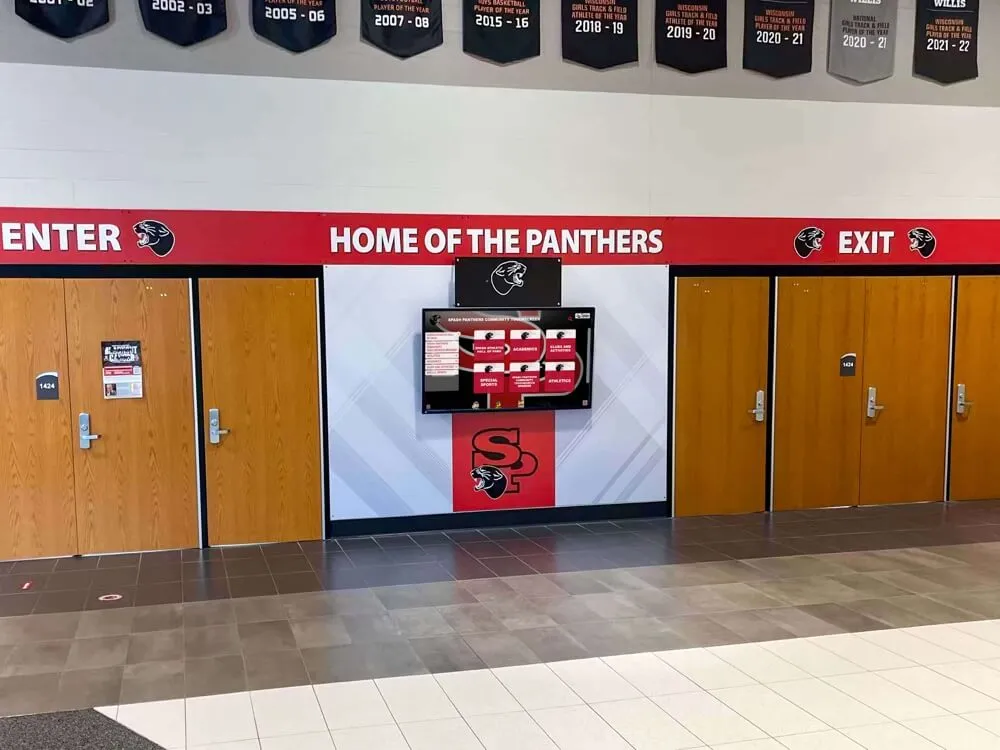
Schools preserve Model UN achievements alongside athletic and academic accomplishments in comprehensive recognition systems
How Model UN Conferences Work
Understanding conference structure helps prepare participants for successful engagement.
Pre-Conference Preparation
Effective Model UN participation begins weeks or months before the conference:
Country and Committee Assignment
- Schools register delegates who receive country assignments
- Committee placements match experience levels and interests
- Position papers outline country policies on committee topics
- Research requires exploring historical voting patterns, alliances, and policy positions
- Background guides from conference organizers provide topic overviews
Position Paper Development Most conferences require position papers demonstrating preparation:
- Typically 1-2 pages outlining country position on topics
- Includes historical context and previous UN action
- Proposes specific solutions aligned with country interests
- Demonstrates research quality and understanding
- Often factors into awards consideration
Parliamentary Procedure Mastery Delegates must understand formal debate rules:
- Motions for different debate types and actions
- Speaking time limits and protocols
- Amendment procedures and voting rules
- Points and privileges for specific situations
- Caucusing rules for negotiation periods
Schools with active Model UN programs often hold practice sessions where experienced delegates help newcomers master these procedures before attending conferences.
Conference Structure and Schedule
Most Model UN conferences follow similar multi-day formats:
Opening Ceremonies Conferences begin with formal opening:
- Keynote speakers discussing international relations topics
- Committee assignments and procedural overviews
- Social events helping delegates network
- Briefings on conference rules and expectations
Committee Sessions The core conference experience involves multiple committee sessions:
Formal Debate Periods
- Speakers list determines speaking order
- Delegates present positions and respond to questions
- Moderated caucuses allow focused discussion on specific topics
- Unmoderated caucuses permit free negotiation and drafting
- Pages deliver notes facilitating communication between delegates
Resolution Development
- Working papers evolve from informal bloc discussions
- Draft resolutions formalize proposed solutions
- Amendment processes refine proposals
- Voting procedures determine which resolutions pass
- Multiple resolutions may address single topics from different angles
Evening and Social Components Beyond formal sessions, conferences include:
- Social events and delegates’ dances
- Panel discussions with diplomats or experts
- Cultural showcases celebrating international diversity
- Informal networking opportunities
- Organized sightseeing for conferences at notable locations
Closing Ceremonies and Awards Conferences conclude with recognition:
- Awards for outstanding delegates demonstrating excellence
- Honorable mentions acknowledging strong performance
- Best delegation awards for school teams
- Closing remarks from conference leadership
- Certificate distribution documenting participation
Explore how schools celebrate Model UN achievements through digital recognition programs that honor diverse student accomplishments.
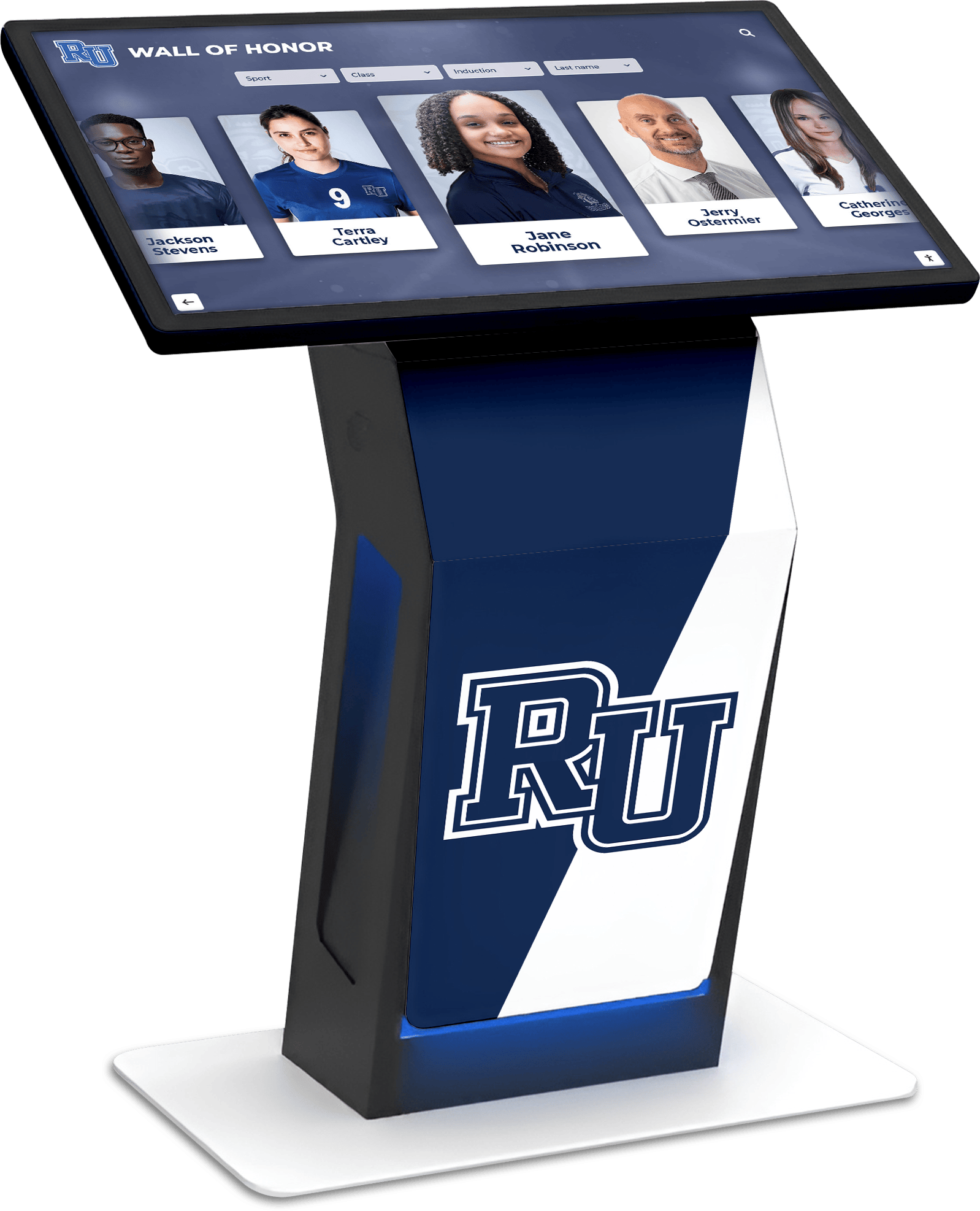
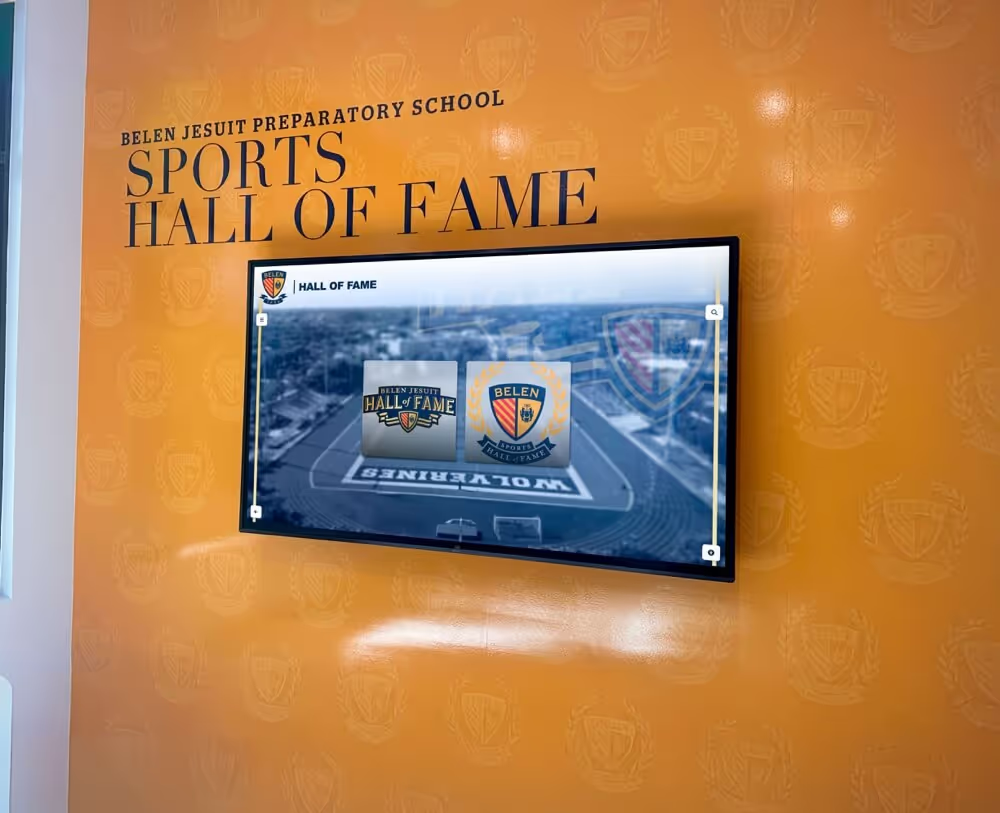
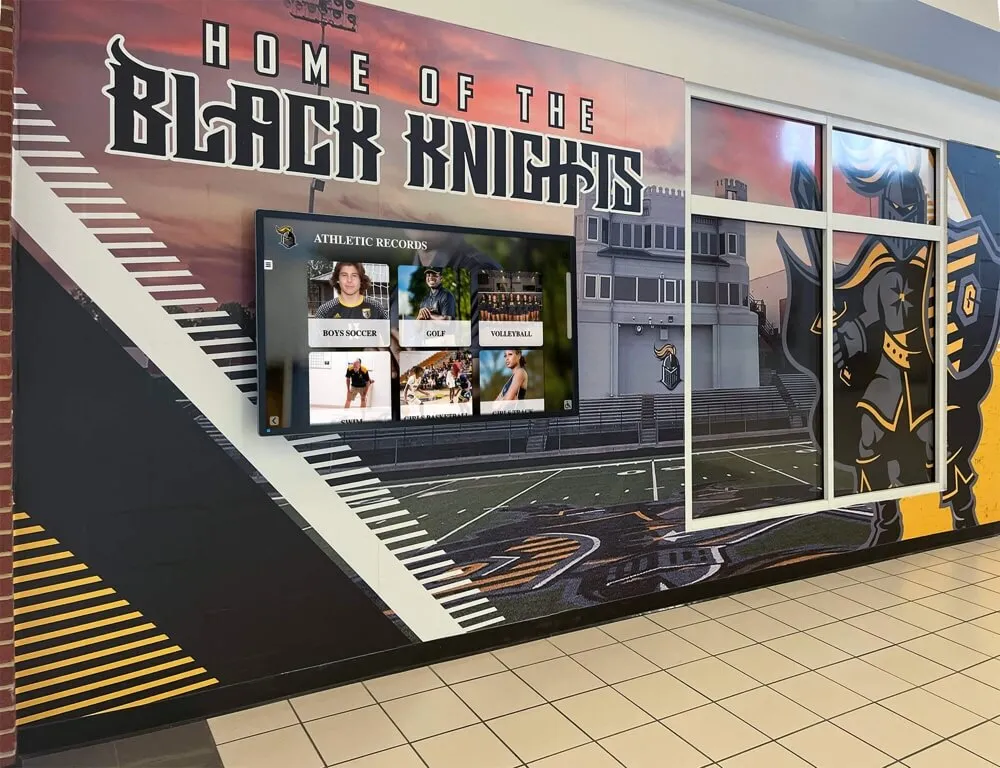
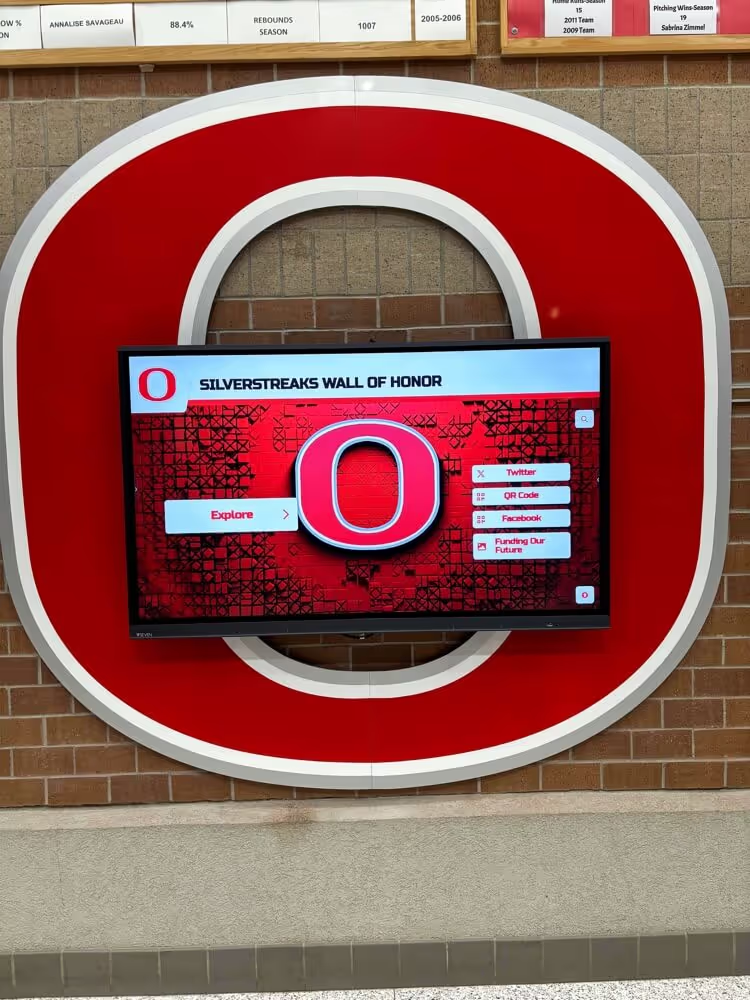
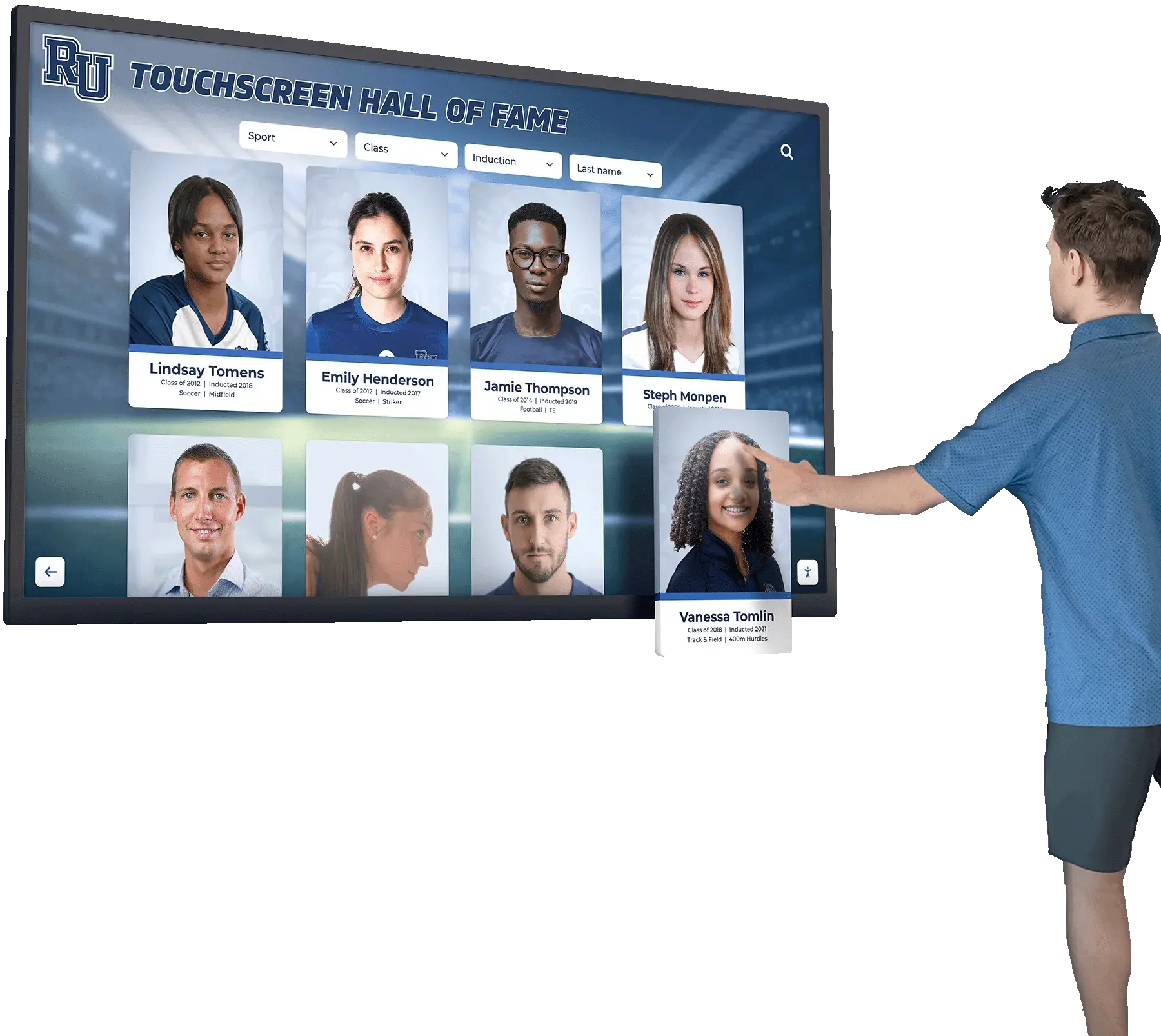
Interactive displays allow students to explore diverse achievements including Model UN awards, academic honors, and leadership recognition
Skills Developed Through Model UN Participation
Model UN develops transferable skills valuable throughout education and career paths.
Communication and Public Speaking Skills
Model UN transforms participants into confident communicators:
Formal Speaking Abilities
- Delivering speeches to audiences of peers and adults
- Structuring arguments logically and persuasively
- Responding to questions and challenges spontaneously
- Maintaining composure under pressure
- Adapting communication style to different audiences and contexts
Written Communication Excellence
- Drafting formal position papers and resolutions
- Writing clear, concise operative clauses
- Creating persuasive working papers
- Developing diplomatic correspondence
- Mastering specialized terminology and conventions
Active Listening Development
- Understanding complex arguments from multiple perspectives
- Identifying common ground for coalition building
- Recognizing when to speak and when to listen strategically
- Processing information rapidly during dynamic debate
- Asking clarifying questions that advance discussion
These communication skills prove valuable in college admissions interviews, scholarship competitions, and eventually job interviews and professional presentations.
Research and Critical Thinking
Model UN requires sophisticated analytical capabilities:
Research Methodology
- Evaluating source credibility and reliability
- Synthesizing information from diverse sources
- Understanding geopolitical context and historical patterns
- Analyzing foreign policy positions and national interests
- Staying current with evolving international situations
Critical Analysis
- Assessing policy effectiveness and feasibility
- Identifying unintended consequences of proposals
- Weighing competing priorities and trade-offs
- Understanding cultural and political contexts shaping perspectives
- Recognizing bias in information sources
Problem-Solving Approaches
- Breaking complex global issues into manageable components
- Developing creative solutions to seemingly intractable problems
- Balancing idealism with pragmatic achievability
- Building on previous UN actions and international law
- Anticipating counterarguments and obstacles
Negotiation and Diplomacy
Model UN teaches participants essential diplomatic skills:
Coalition Building
- Identifying potential allies with shared interests
- Crafting compromises acceptable to multiple parties
- Managing disagreements constructively
- Building trust through reliable follow-through
- Creating win-win solutions where possible
Strategic Thinking
- Developing long-term committee strategies
- Timing interventions for maximum impact
- Prioritizing goals and accepting partial victories
- Adapting tactics as situations evolve
- Balancing principle with pragmatism
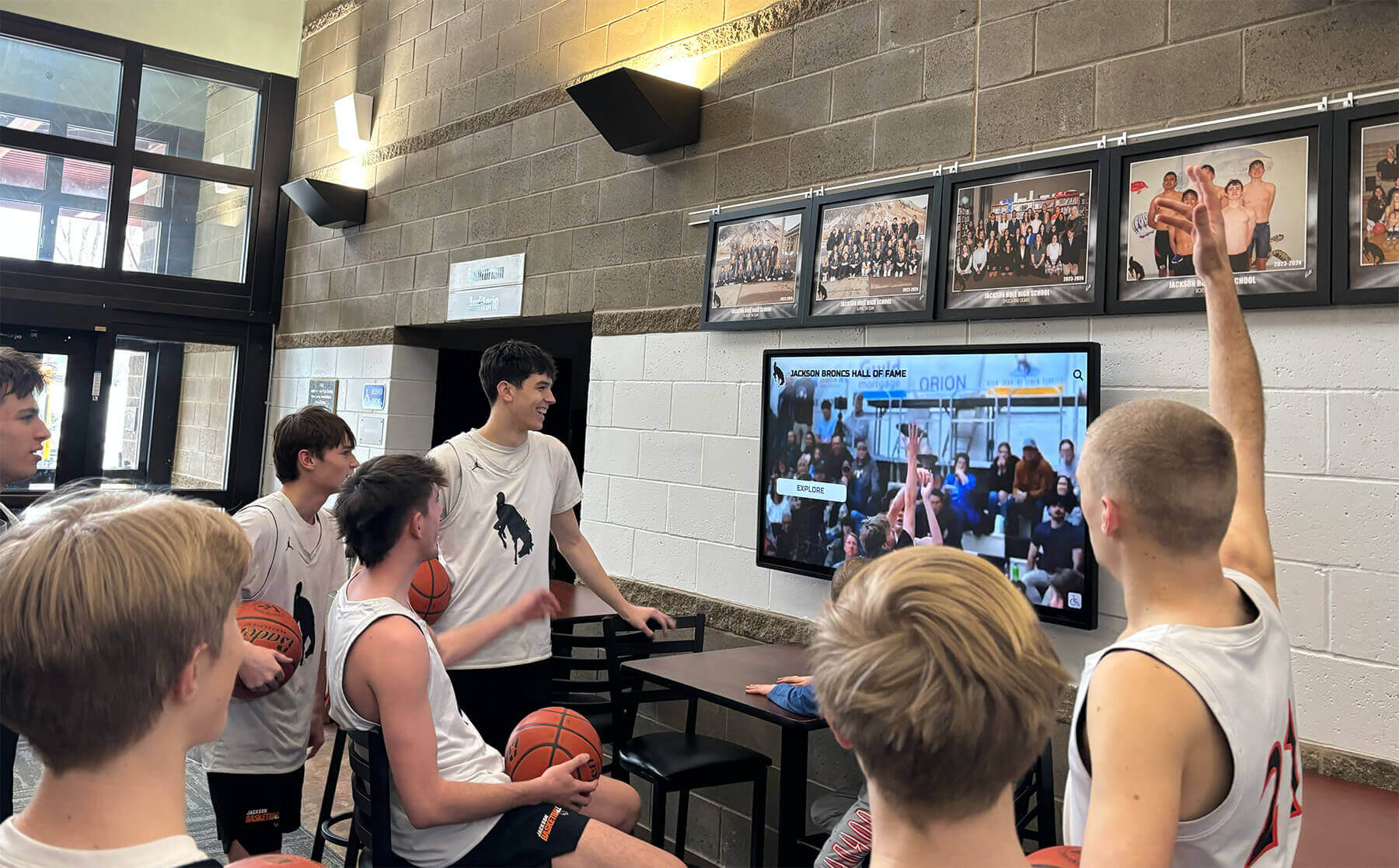
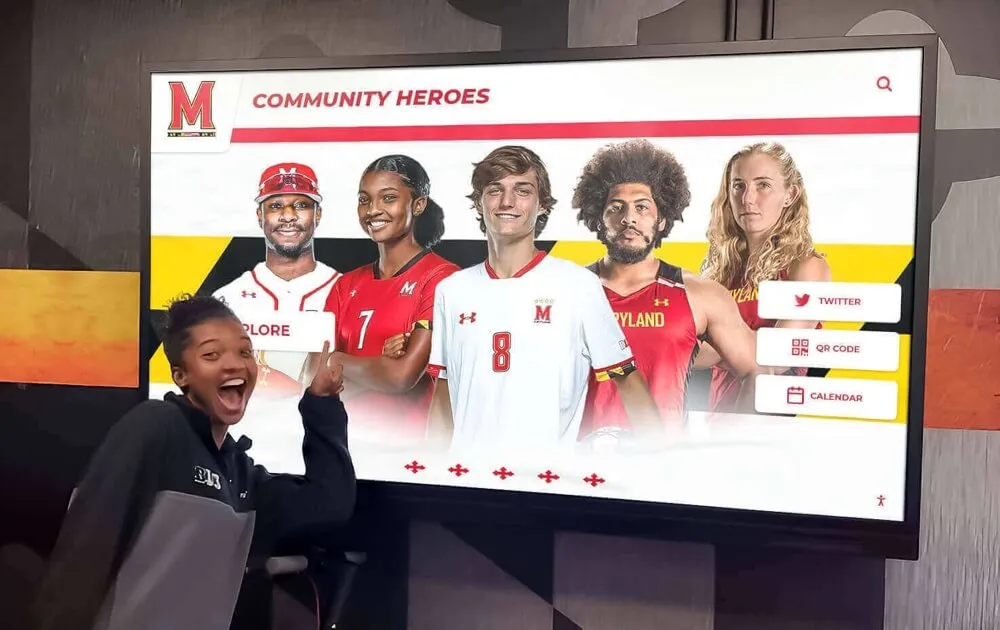
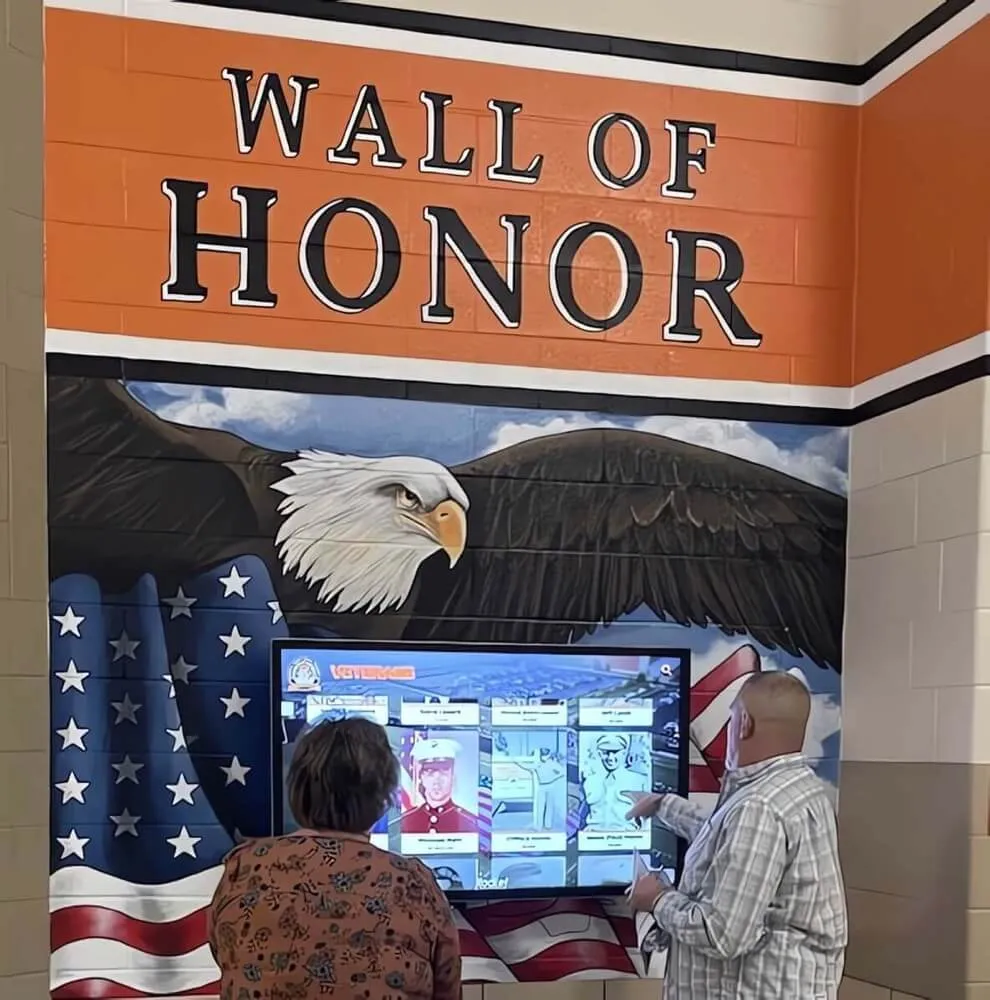
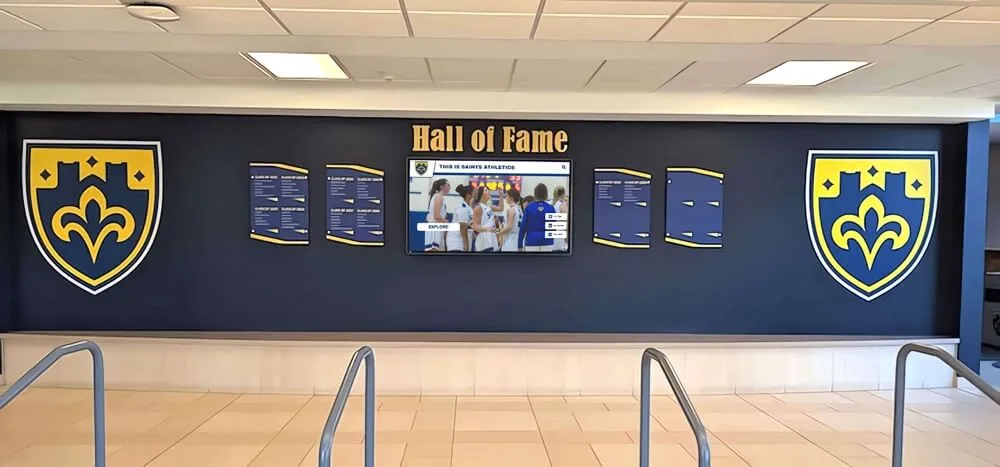
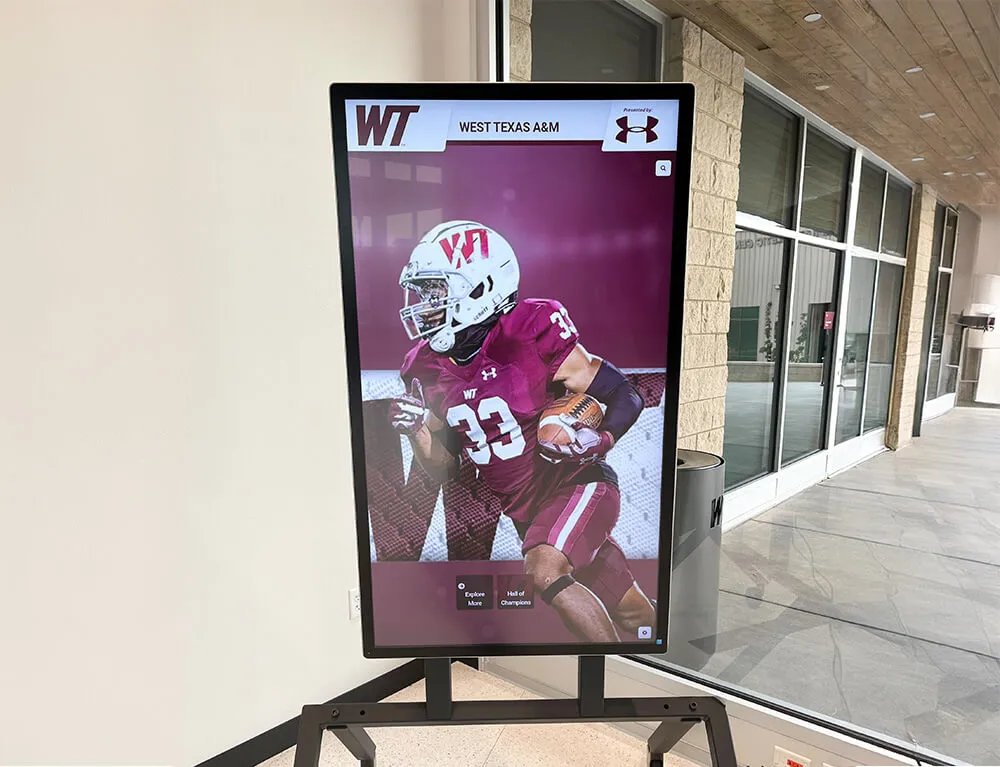
Recognition displays engage students with diverse achievements from athletics to Model UN accomplishments
Cultural Competency
- Understanding diverse worldviews and value systems
- Respecting different approaches to problem-solving
- Recognizing how history shapes current positions
- Communicating effectively across cultural differences
- Avoiding ethnocentrism in policy proposals
Leadership and Collaboration
Model UN develops both leadership and teamwork capabilities:
Leadership Opportunities
- Leading school delegations as head delegate
- Mentoring newer delegates
- Taking initiative in forming blocs and drafting resolutions
- Chairing committees at conferences
- Organizing school or conference Model UN programs
Collaborative Skills
- Working effectively in diverse teams
- Contributing specialized knowledge to group efforts
- Managing group dynamics and conflict
- Sharing credit appropriately
- Supporting team goals even when personal recognition is limited
Learn about comprehensive approaches to celebrating student leadership through academic recognition programs for various organizations and competitions.
Types of Model UN Conferences
Different conference formats serve various experience levels and interests.
High School Conference Circuit
Regional Conferences Most Model UN journeys begin locally:
- Hosted by colleges or large high schools in your region
- Typically 100-500 participants
- One to three-day formats
- More accessible cost and travel requirements
- Excellent training ground for newer delegates
- Often feature middle school and novice divisions
Competitive National Conferences As delegates gain experience, they may attend prestigious national conferences:
Model United Nations of the University of Chicago (MUNUC) One of the oldest and largest conferences, hosting thousands of high school students annually with highly competitive committees and distinguished guest speakers.
Georgetown International Relations Association Conference (GIAC) Hosted at Georgetown University, offering specialized committees and crisis simulations alongside traditional UN bodies.
Harvard Model United Nations (HMUN) Prestigious four-day conference attracting top delegates nationally and internationally, known for innovative committee topics and rigorous debate.
University of Pennsylvania Model United Nations Conference (UPMUNC) Large conference offering diverse committee options from beginner to advanced levels.
These competitive conferences enhance college applications significantly, especially when delegates earn recognition awards or leadership positions.
International Conferences The most ambitious delegates may participate in global conferences:
- The Hague International Model United Nations (THIMUN)
- Model United Nations of the Far West (MUNFW)
- International conferences in New York, Geneva, or other global cities
- Opportunities to interact with actual UN officials and diplomats
- Cultural exchange alongside diplomatic simulation
College and University Conferences
College Model UN operates at advanced levels:
Intercollegiate Competitions University teams compete at specialized conferences:
- More complex committee structures including crisis scenarios
- Higher expectations for research and preparation
- Networking opportunities for international relations careers
- Graduate school preparation
- Resume building for State Department, NGO, or international organization positions
Conference Organizing Experience Many college students gain leadership experience by organizing conferences:
- Secretariat positions managing overall conference operations
- Committee chair roles facilitating debate
- Crisis staff creating dynamic scenarios
- Logistics coordination for large events
- These organizing roles develop project management and leadership capabilities
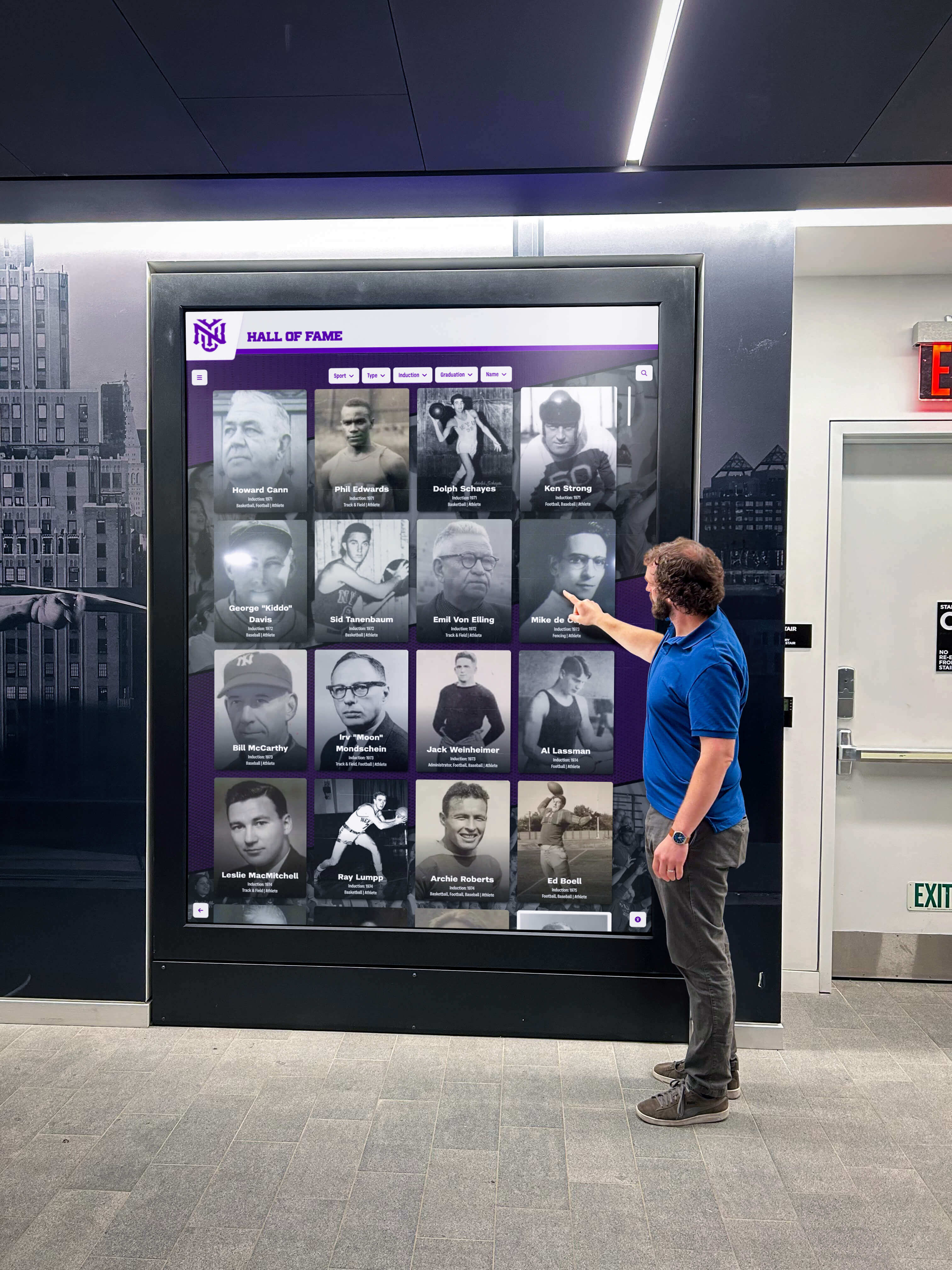
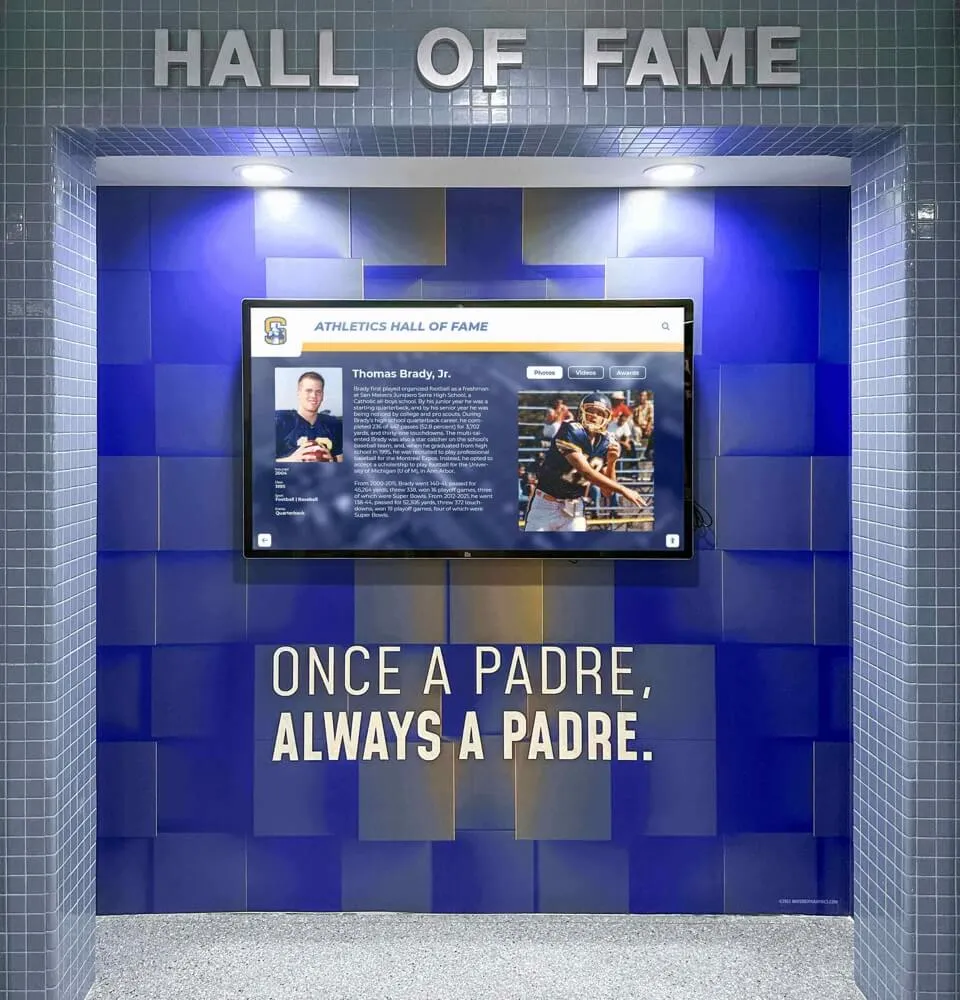
Schools showcase Model UN achievements alongside other academic honors, creating comprehensive recognition that visitors and prospective students can explore
Getting Started with Model UN
Students interested in Model UN can begin their journey through several pathways.
Joining Your School’s Model UN Team
If your school has an established program:
Attending Introductory Meetings
- Most Model UN clubs hold informational meetings early in the school year
- Learn about conference schedule and participation expectations
- Meet experienced delegates who can mentor newcomers
- Understand costs, time commitment, and logistics
- Sign up for beginner-friendly conference assignments
Preparation and Training Strong programs provide systematic preparation:
- Regular club meetings covering procedural rules and research methods
- Practice debates simulating conference environments
- Position paper workshops with feedback
- Experienced delegates mentoring newcomers
- Country assignment research support
Conference Attendance Begin with local or regional conferences:
- Less intimidating environments for first experiences
- Lower costs and shorter time commitments
- Novice committees designed for beginners
- Foundation for future competitive conference participation
Starting a Model UN Program
If your school lacks a Model UN program, students can often start one:
Finding Faculty Advisors
- Approach social studies, history, or debate teachers
- Explain Model UN benefits and structure
- Share resources about starting programs
- Identify teachers interested in international relations or student leadership development
Recruiting Members
- Present at club fairs and in relevant classes
- Create social media presence
- Host informational meetings
- Reach out to students interested in debate, current events, or international relations
- Start small—even 5-10 committed members can form strong foundations
Selecting First Conferences Begin conservatively:
- Choose nearby conferences minimizing travel complexity
- Attend as observers first if possible
- Select beginner-friendly conferences welcoming new delegations
- Focus on learning rather than immediate competitive success
- Build gradually toward larger conferences as experience grows
Funding and Support New programs need resources:
- Apply for school club funding
- Seek parent-teacher organization support
- Hold fundraisers to offset conference costs
- Apply for grants from Model UN organizations
- Reach out to community organizations for sponsorship
Schools with strong Model UN programs often celebrate achievements through comprehensive student recognition systems that highlight diverse accomplishments and build school culture.
Individual Participation Options
Even without school programs, motivated students can participate:
Independent Delegate Registration Some conferences accept individual registrations:
- Research conferences welcoming independent delegates
- Often matched with other individual delegates on temporary teams
- Requires more self-directed preparation
- Demonstrates exceptional initiative to college admissions
Online Model UN Programs Virtual formats have expanded access:
- Lower cost without travel requirements
- Flexible scheduling accommodating various time zones
- Practice opportunities between major conferences
- Accessible to students in remote locations or with mobility challenges
- Introductory experiences before committing to in-person conferences
Community and Summer Programs Various organizations offer Model UN opportunities:
- Community centers or libraries hosting local simulations
- Summer camps focused on Model UN training
- University programs for high school students
- International programs combining Model UN with cultural exchange
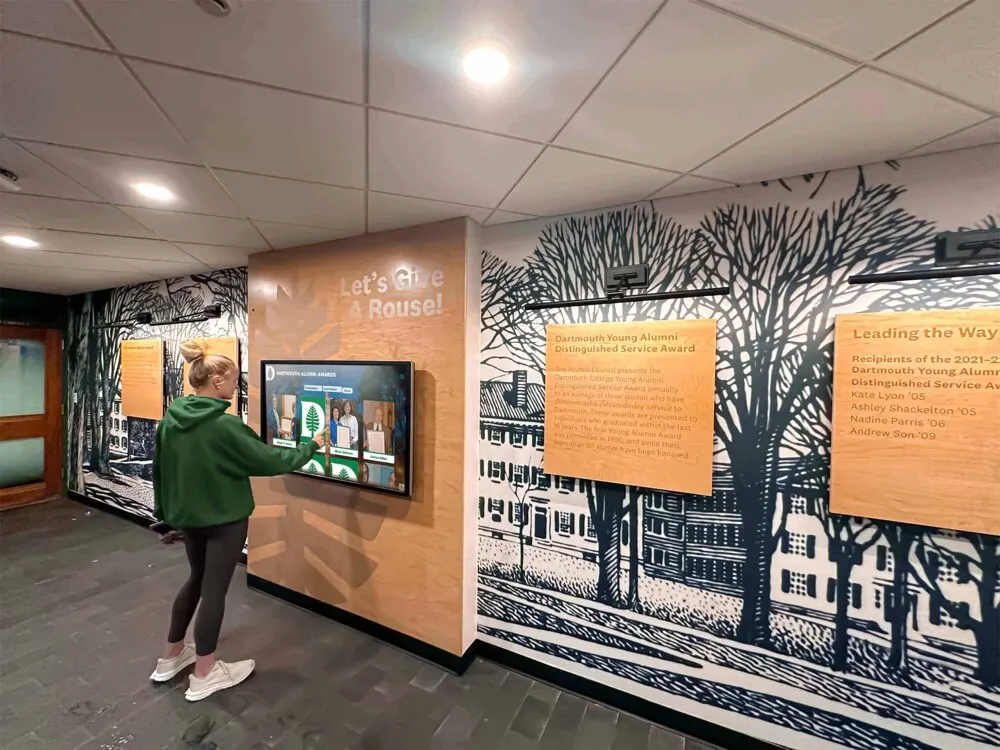
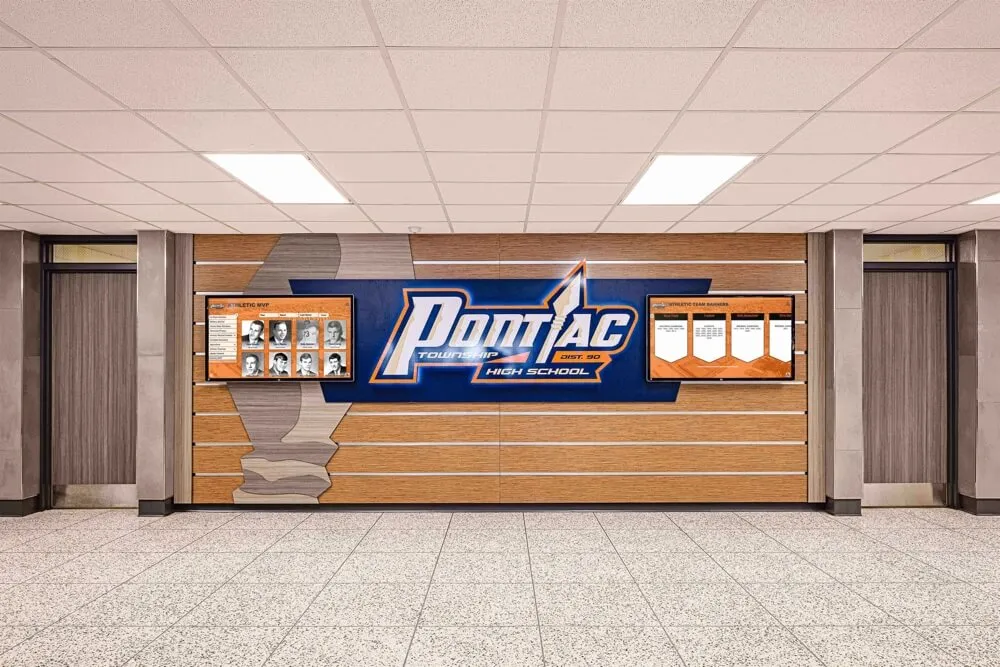
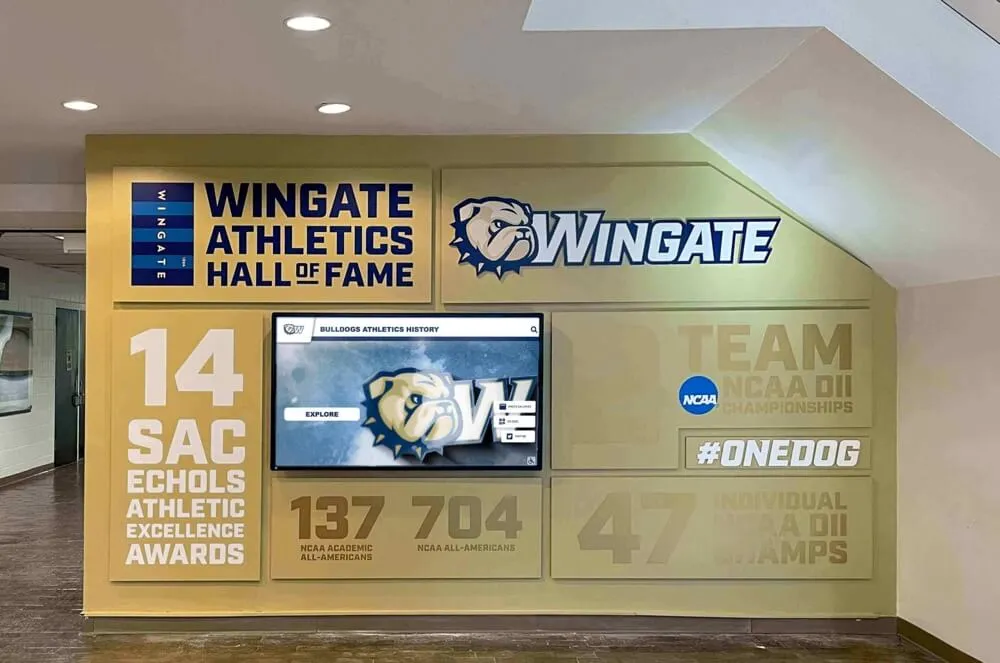
Digital recognition systems in high-traffic school areas showcase Model UN achievements alongside athletic and academic accomplishments
Model UN and College Applications
Model UN participation strengthens college applications in multiple ways.
Demonstrated Skills and Qualities
Colleges value Model UN because it develops qualities they seek:
Intellectual Curiosity
- Engagement with complex global issues
- Self-directed learning about international relations
- Sustained interest in current events and policy
- Willingness to understand diverse perspectives
- Critical thinking about societal challenges
Leadership Development Model UN provides numerous leadership opportunities colleges recognize:
- Head delegate positions managing school teams
- Conference organizing roles
- Mentoring newer delegates
- Starting programs at schools without existing teams
- Award recognition at competitive conferences
Communication Excellence Application essays and interviews benefit from Model UN’s communication training:
- Clear articulation of complex ideas
- Persuasive argumentation
- Professional communication style
- Confidence in high-pressure situations
Strategic Application Positioning
Activity List Presentation Describe Model UN involvement effectively:
- Specify leadership positions and responsibilities
- Quantify participation (number of conferences, delegates mentored)
- Highlight awards and recognitions received
- Emphasize impact on school culture or program growth
- Connect to intended major or career interests when relevant
Essay Opportunities Model UN provides rich material for application essays:
- Transformative conference experiences
- Challenging debates that changed perspectives
- Leadership lessons from managing delegation dynamics
- Skills developed through preparation and competition
- Connections between Model UN and future goals
Letters of Recommendation Faculty advisors can provide powerful recommendations:
- Specific examples of growth and achievement
- Comparison to other students over multiple years
- Evidence of intellectual engagement and character
- Description of leadership impact on peers
- Context about competitive achievements
Model UN and Scholarships
Some scholarships specifically value Model UN involvement:
Model UN-Specific Scholarships
- United Nations Association scholarships
- International relations program scholarships
- Peace and diplomacy-focused awards
- Foreign service and diplomatic career support
General Scholarship Applications Model UN strengthens general scholarship applications through:
- Leadership demonstration
- Community service when programs include outreach
- Academic excellence correlation
- Communication skills evident in applications
- Unique experiences distinguishing candidates
Explore how schools highlight scholarship achievements alongside Model UN awards through comprehensive recognition programs celebrating diverse student accomplishments.
Recognizing Model UN Achievement in Schools
Schools increasingly recognize Model UN accomplishments alongside athletic and traditional academic honors.
The Importance of Visible Recognition
When Model UN achievements receive prominent recognition:
Student Motivation
- Visible celebration encourages continued participation
- Recognition attracts new students to programs
- Honors for student effort and accomplishment
- Creates aspiration for underclassmen
- Demonstrates school values beyond athletics
Program Sustainability
- Recognition supports faculty advisor recruitment and retention
- Builds administrative support for funding requests
- Strengthens parent and community understanding of program value
- Helps justify conference attendance and associated costs
- Creates positive program reputation
Equitable Achievement Celebration Many schools excel at celebrating athletic success but neglect academic competitions:
- Model UN awards deserve visibility equal to sports trophies
- Balanced recognition demonstrates institutional priorities
- Ensures students with different strengths all see recognition pathways
- Sends messages about what achievement school values
Modern Recognition Approaches
Digital recognition solutions address traditional limitations:
Comprehensive Achievement Documentation Solutions like Rocket Alumni Solutions enable schools to showcase:
- Individual Model UN awards and conference achievements
- Team accomplishments and delegation successes
- Historical participation records
- Committee assignments and positions represented
- Leadership roles within school programs
- Photos from conferences and preparation
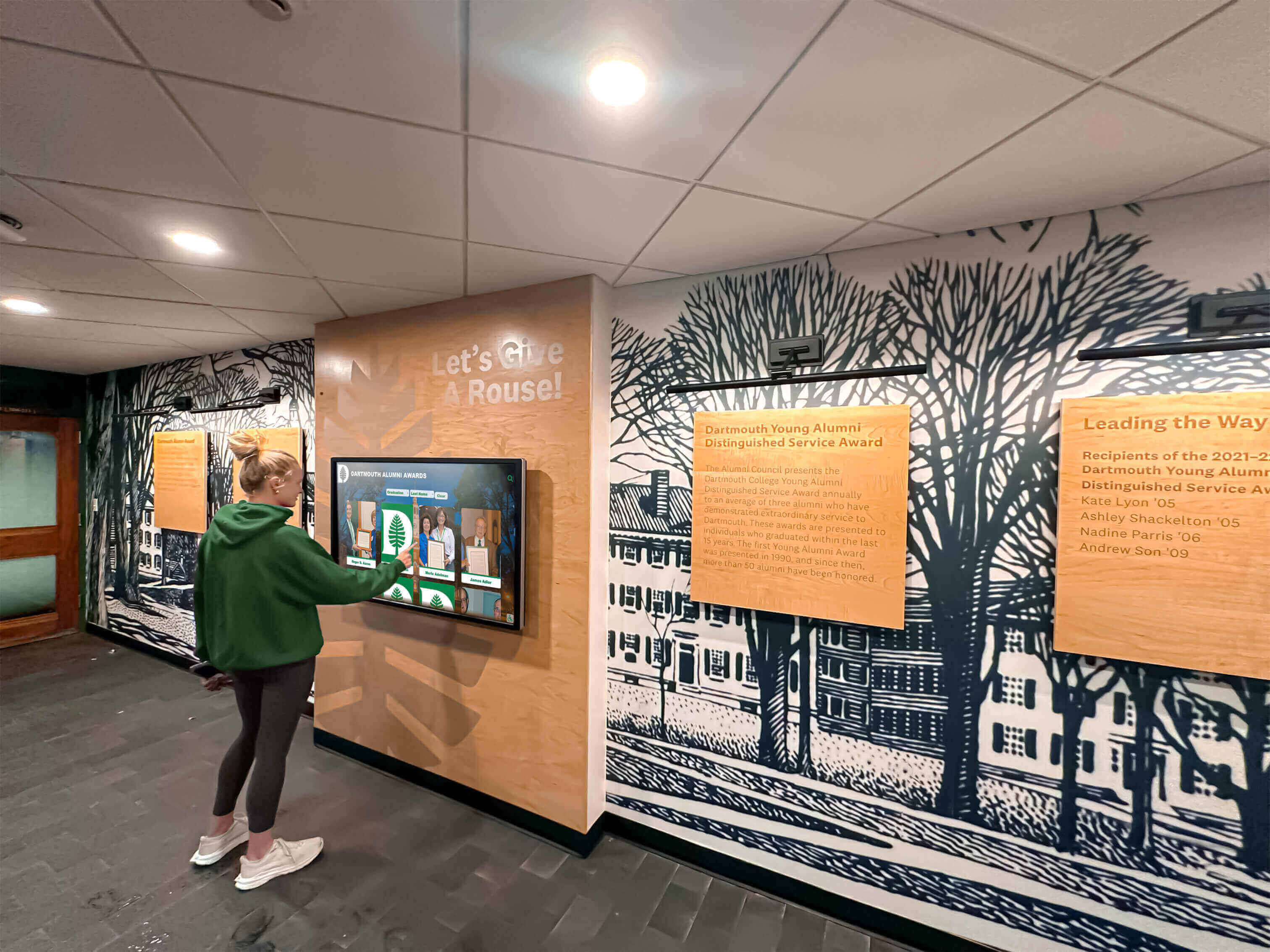
Interactive displays engage students with diverse achievements including Model UN recognition alongside athletic and academic honors
Unlimited Recognition Capacity Traditional trophy cases fill quickly, forcing choices about whose accomplishments to display. Digital recognition displays overcome these limitations:
- Showcase unlimited students across all achievement categories
- Preserve complete program history without space constraints
- Include current and historical achievements simultaneously
- Accommodate growing programs without removing past recognition
- Celebrate Model UN alongside athletics, arts, and other academics
Interactive Exploration Modern touchscreen systems create engagement traditional displays cannot match:
- Students search for themselves and explore peers’ achievements
- Filter by graduation year, conference, or award type
- Detailed profiles telling complete achievement stories
- Progress tracking showing multi-year participation
- Integration with other academic and extracurricular recognition
Web-Based Extension Recognition should extend beyond physical school buildings:
- Families anywhere can view student achievements
- College admissions counselors can verify accomplishments
- Alumni return digitally to revisit their Model UN experiences
- Social sharing amplifies recognition impact
- Mobile accessibility ensures recognition reaches all families
Learn about comprehensive approaches to showcasing student achievement across diverse programs including Model UN.
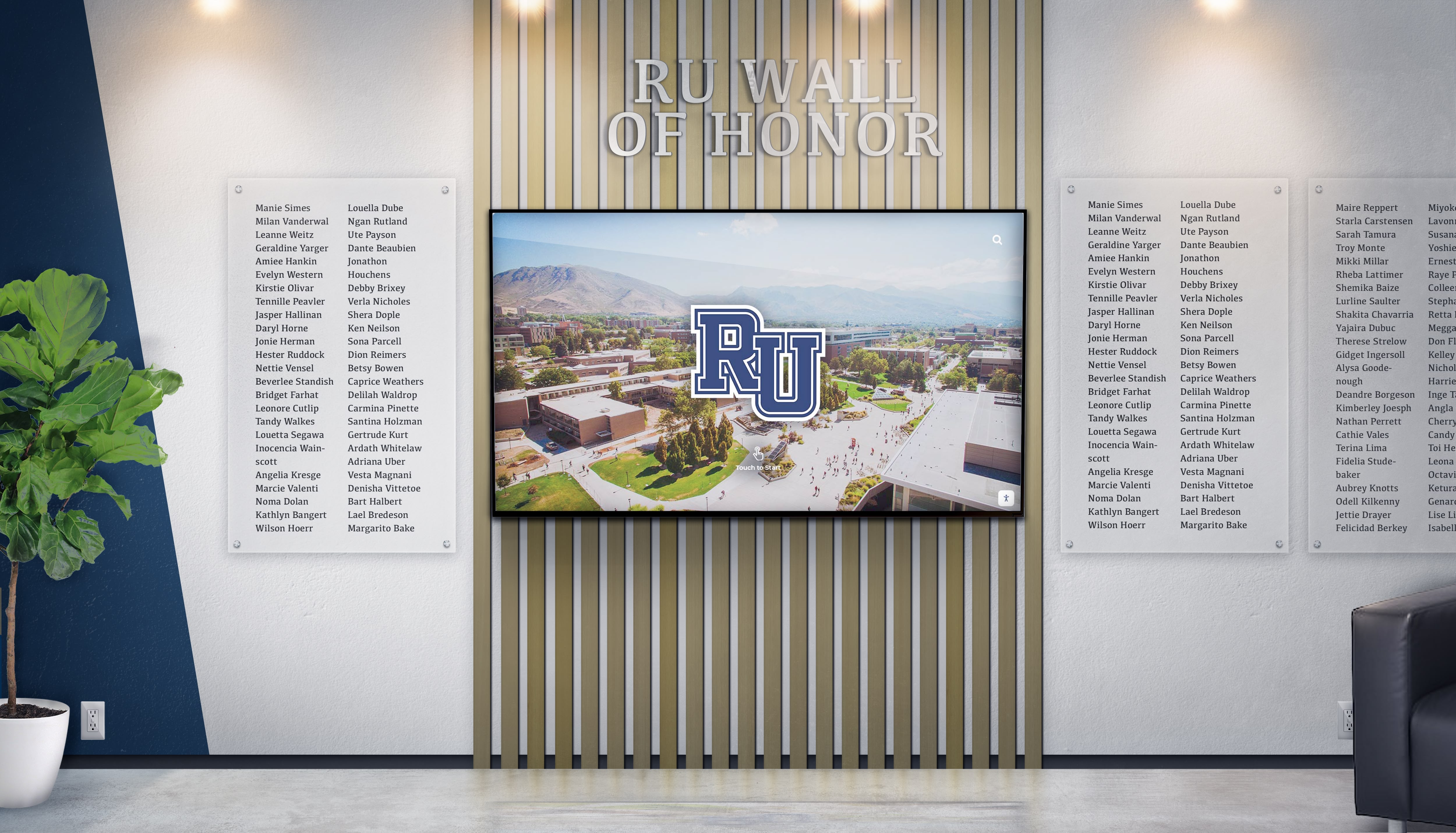
Integrated recognition systems combine digital displays with physical elements, celebrating Model UN achievements alongside other honors
Challenges and Growth Opportunities in Model UN
Understanding common challenges helps participants maximize their Model UN experience.
Common Beginner Challenges
New delegates often encounter similar obstacles:
Procedural Confusion
- Learning rules of procedure takes time and practice
- Making procedural mistakes is normal and expected
- Experienced delegates started as confused beginners too
- Conference staff answer procedural questions patiently
- Improvement comes rapidly with each session attended
Public Speaking Anxiety
- Nearly all delegates feel nervous initially
- Committee environments become more comfortable quickly
- Start with shorter speeches before attempting longer interventions
- Practice at school meetings before attending conferences
- Anxiety decreases significantly after first few speeches
Research Overwhelm
- Country research can feel daunting initially
- Focus on committee topics rather than learning everything about countries
- Background guides provide essential starting information
- Seek guidance from advisors and experienced delegates
- Research efficiency improves with practice
Building Connections
- Making allies initially challenges many delegates
- Note-passing provides less intimidating entry to communication
- Common ground emerges as delegates discuss topic
- Smaller bloc meetings feel more manageable than full committee
- Friendships often develop rapidly at conferences
Advancing to Competitive Levels
As delegates gain experience, they often pursue competitive excellence:
Award Pursuit Strategies Earning recognition requires specific approaches:
- Quality over quantity in speeches—contribute meaningfully rather than frequently
- Lead resolution drafting and coalition building
- Master procedural nuances enabling strategic interventions
- Demonstrate thorough research through substantive contributions
- Balance advocacy with cooperation and compromise
Crisis Committee Preparation Advanced crisis committees require different skills:
- Rapid analysis and response to evolving scenarios
- Creative problem-solving under time pressure
- Individual action directives alongside group resolutions
- Historical or specialized knowledge depending on crisis type
- Comfortable with dynamic, unpredictable situations
Leadership Development Pathways Experienced delegates can pursue leadership roles:
- Head delegate positions managing school teams
- Conference staffing as crisis directors or committee chairs
- Starting programs at schools or mentoring at middle school conferences
- Secretariat roles organizing entire conferences
- These leadership experiences prove especially valuable for college applications
Connecting Model UN to Career Paths
Model UN participants often pursue related fields:
International Relations and Diplomacy
- Foreign Service Officer in State Department
- United Nations staff positions
- International development organizations
- Think tanks and policy research institutions
- Cultural diplomacy and exchange programs
Law and Policy
- International law specializations
- Government and regulatory positions
- Policy analysis and advocacy
- Nonprofit management in social justice organizations
- Political campaigns and strategy
Communication and Media
- International journalism
- Public relations in global firms
- Strategic communications
- Broadcasting and documentary production
- Digital media and content creation
Business and Finance
- International business development
- Global marketing and brand management
- Import/export and trade compliance
- International finance and banking
- Corporate social responsibility
Even delegates pursuing unrelated careers benefit from Model UN’s transferable skills in communication, analysis, collaboration, and leadership.
Resources for Model UN Success
Numerous resources support Model UN participation and growth.
Online Resources and Guides
Best Delegate Comprehensive platform offering:
- Conference guides and position paper help
- Skill development articles and videos
- Conference calendar and reviews
- Country and committee research resources
- Discussion forums connecting global delegates
UNA-USA United Nations Association resources including:
- Educational materials about UN structure and functions
- Model UN program development support
- Conference hosting guidance
- Curriculum integration ideas for educators
University Conference Websites Major conferences provide extensive resources:
- Background guides for committee topics
- Rules of procedure documentation
- Position paper formatting requirements
- Country research starting points
- Historical committee archives
Books and Publications
Model UN Handbooks
- “Model United Nations: An Introduction for Students” providing comprehensive overviews
- Committee-specific guides for specialized bodies
- Crisis simulation strategies
- Parliamentary procedure references
- Award-winning position paper examples
International Relations Reading Building substantive knowledge:
- Current events magazines like Foreign Affairs and Foreign Policy
- International organization publications
- Country-specific newspapers and analysis
- Historical diplomatic case studies
- UN official documentation and reports
Community and Networking
Social Media Groups Connect with the global Model UN community:
- Facebook groups for regional delegates
- Instagram accounts sharing conference experiences
- LinkedIn connections for career networking
- Reddit communities discussing tactics and conferences
- YouTube channels with tutorials and conference recaps
Conference Networking Build relationships at events:
- Exchange contact information with delegates from other schools
- Stay connected between conferences
- Share research and resolution ideas
- Support each other’s growth
- Create lifelong friendships through shared experiences
Learn about how schools celebrate diverse achievements through comprehensive recognition approaches that honor academic competition success alongside other accomplishments.
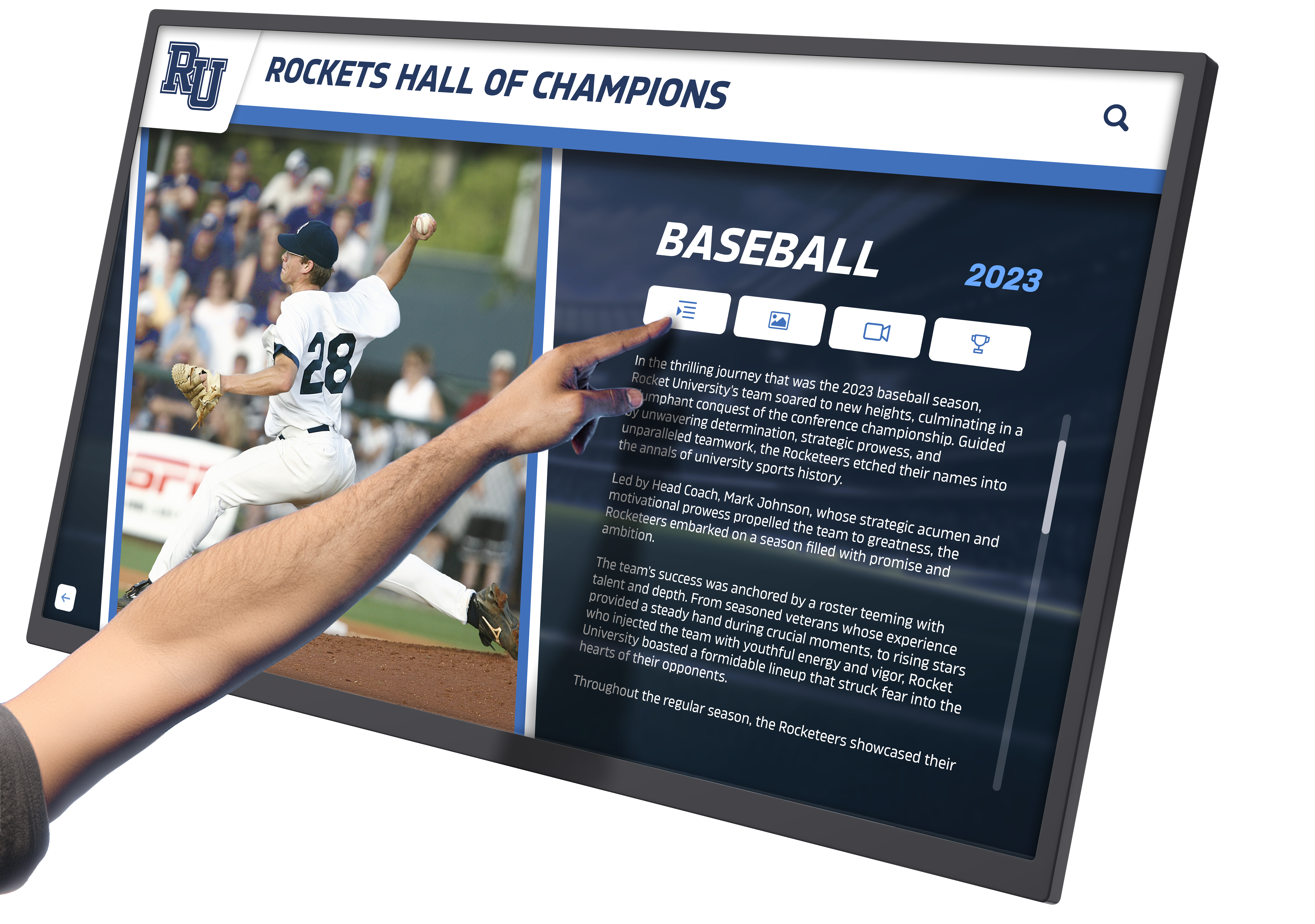
Recognition displays celebrate championships and awards across all student achievement areas from Model UN to athletics
Conclusion: Model UN as Transformative Educational Experience
Model United Nations offers students far more than an extracurricular activity to list on college applications. It provides transformative experiences developing essential skills, broadening perspectives, and connecting participants with global communities of engaged peers passionate about understanding and addressing international challenges.
Whether you participate in a single local conference or compete at prestigious national tournaments, Model UN teaches practical capabilities that serve you throughout education and careers: articulate communication, rigorous research, strategic thinking, collaborative problem-solving, and leadership under pressure. These transferable skills prove valuable regardless of whether you ultimately pursue international relations or choose entirely different paths.
For schools and advisors, Model UN programs create opportunities to develop engaged, informed citizens while providing students with meaningful recognition pathways beyond traditional academic metrics. When schools systematically celebrate Model UN achievements through prominent recognition—whether traditional displays or modern digital solutions—they demonstrate institutional commitment to diverse excellence while motivating broader student participation in these valuable programs.
Celebrate Model UN Excellence at Your School
Discover how modern recognition solutions help schools honor Model UN achievements alongside athletic and academic accomplishments, building comprehensive cultures of excellence that motivate all students.
Explore Recognition SolutionsThe skills you develop through Model UN participation—from researching complex international issues to building coalitions across different perspectives to communicating persuasively under pressure—prepare you for success in any field requiring critical thinking, collaboration, and leadership. The friendships you form with fellow delegates often last beyond high school and college, creating personal networks spanning continents and careers.
If you’re considering Model UN participation, take the first step: attend an informational meeting at your school, or if no program exists, approach a teacher about starting one. If you’re already participating, challenge yourself to attend more competitive conferences, pursue leadership roles, or mentor newer delegates. Each conference, each committee session, each resolution you help draft develops capabilities that will serve you throughout your life.
Your Model UN achievements—whether Best Delegate awards at competitive conferences or simply the courage to deliver your first speech—deserve recognition equal to any other accomplishment. These achievements represent intellectual engagement, personal growth, and commitment to understanding our complex, interconnected world.
Ready to learn more? Explore additional resources including academic recognition program strategies, student leadership celebration approaches, or discover how comprehensive digital recognition systems celebrate diverse student achievements including Model UN success.