The school principal serves as the cornerstone of educational excellence, orchestrating complex ecosystems where students learn, teachers thrive, and communities connect. Far beyond the disciplinarian stereotype many remember from their own school days, today’s principals function as instructional leaders, community builders, data analysts, budget managers, and culture architects simultaneously navigating educational policy, stakeholder expectations, and the diverse needs of every student walking through school doors.
Yet the principalship remains widely misunderstood outside educational circles. Parents often see principals primarily through discipline interactions, teachers experience principals through evaluations and administrative directives, and community members may view principals simply as the school’s public face. This limited perspective misses the strategic leadership, complex decision-making, and relentless dedication defining modern educational administration.
This comprehensive guide explores what school principals actually do, examining the multifaceted responsibilities, essential qualifications, daily realities, and leadership approaches that distinguish effective principals who transform schools into places where every student can succeed.
Understanding the principalship matters for anyone invested in educational quality—from aspiring administrators mapping career paths, to teachers working alongside building leaders, to parents partnering in their children’s education, to community members supporting local schools. Whether you’re considering educational administration, seeking to understand your child’s school leadership, or simply curious about who really runs schools, this exploration reveals the demanding yet profoundly impactful work shaping millions of students’ educational experiences.

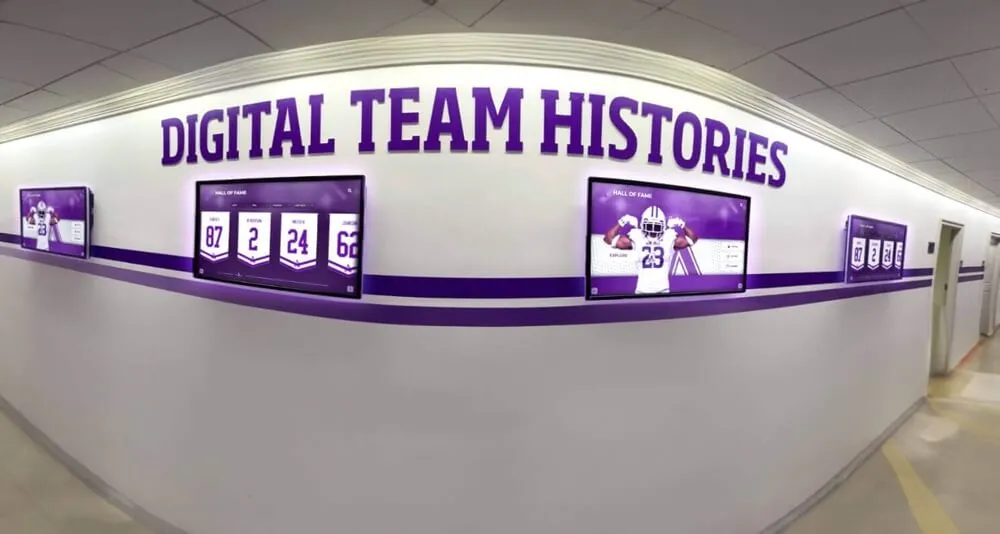
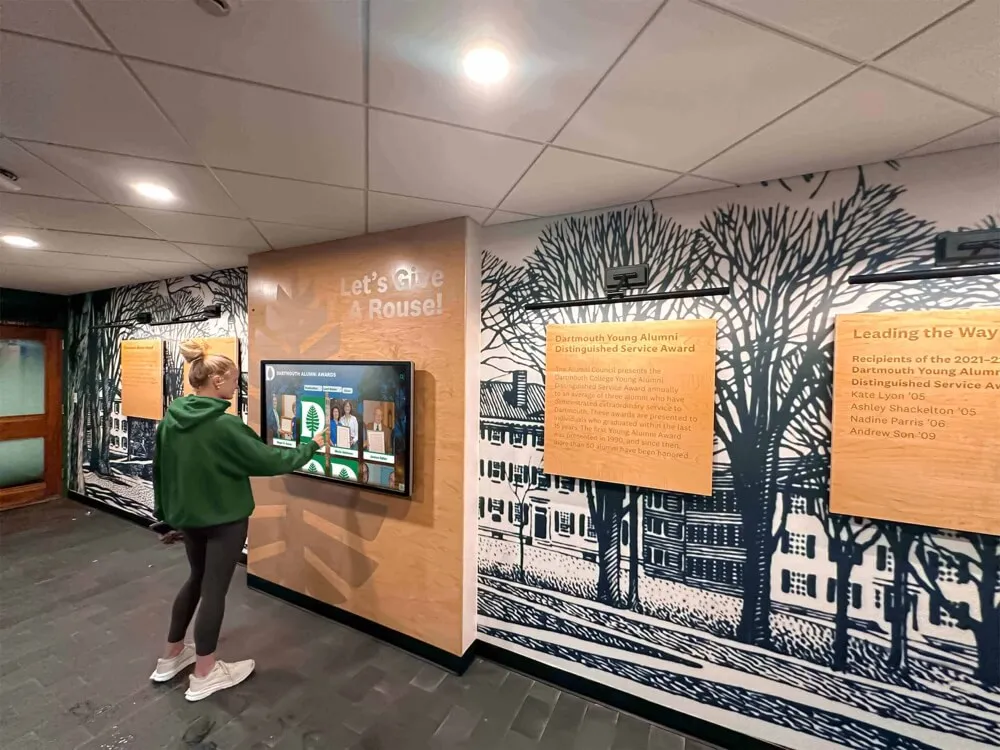
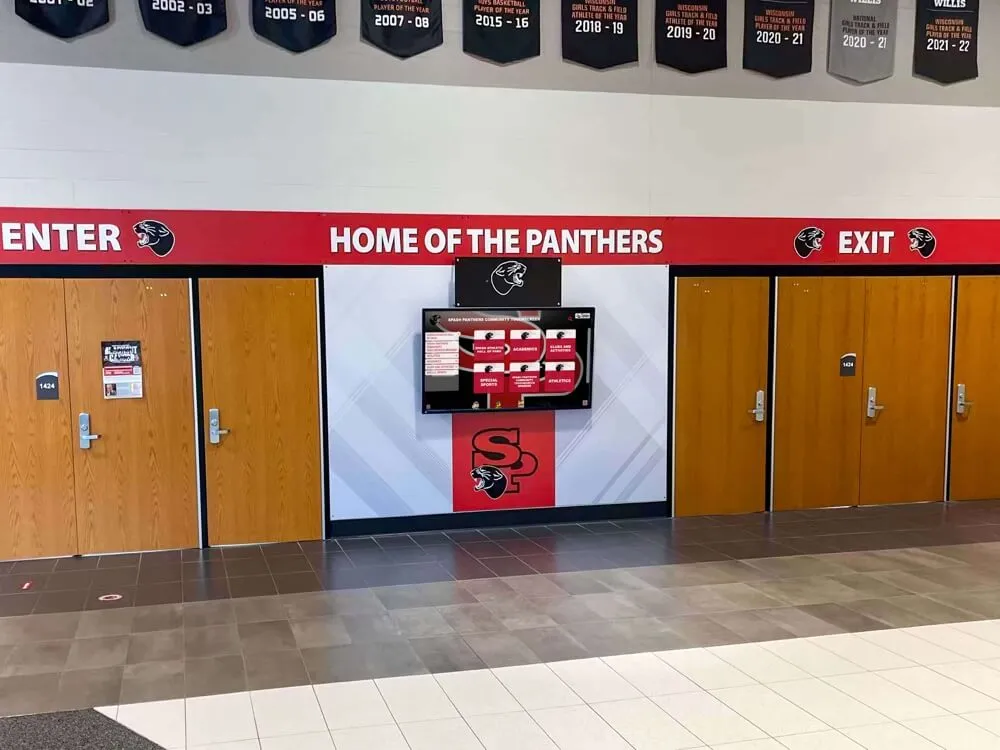
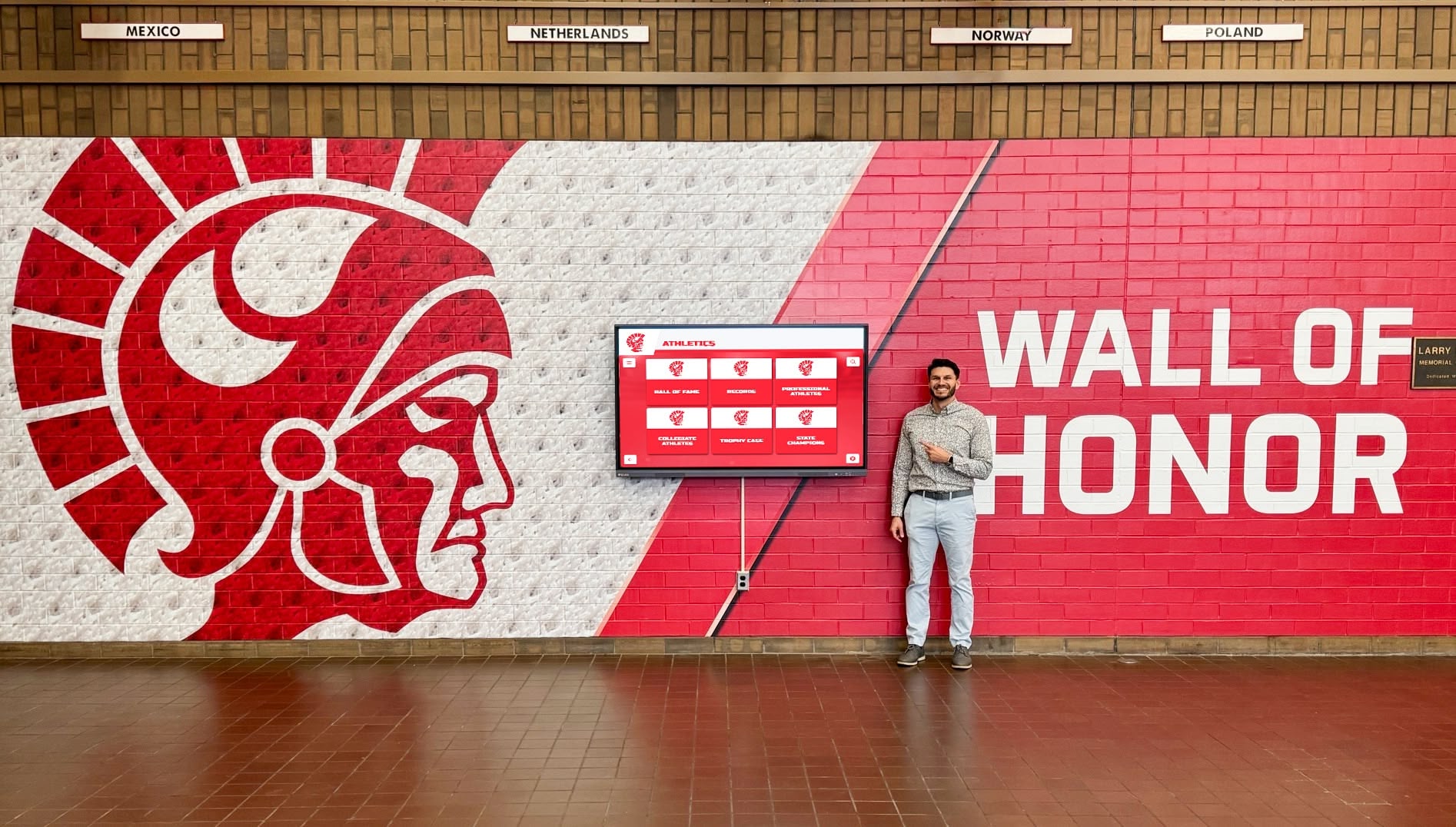
Modern principals build cultures celebrating achievement and inspiring excellence through visible recognition systems
Defining the School Principal Role: Core Responsibilities
At its foundation, the school principalship encompasses comprehensive responsibility for all aspects of building-level educational operations, student outcomes, staff effectiveness, and school culture.
Instructional Leadership: The Primary Mandate
The principal’s most fundamental responsibility centers on instructional leadership—ensuring high-quality teaching and learning occur throughout the building.
Teacher Evaluation and Development
Principals observe classroom instruction regularly, providing teachers with feedback aimed at strengthening pedagogical practice. Through formal evaluation cycles and informal walkthroughs, effective principals maintain deep awareness of instructional quality while offering support helping teachers continuously improve. This requires principals to understand effective teaching across all subjects and grade levels, recognize quality instruction when observing it, and provide actionable feedback that actually improves practice.
Beyond individual evaluation, principals coordinate professional development addressing school-wide instructional needs. When data reveals reading comprehension gaps, effective principals don’t simply mandate new programs—they provide training, coaching, and resources enabling teachers to implement evidence-based literacy strategies. When new technology enters classrooms, principals ensure adequate preparation rather than expecting teachers to figure out implementation independently.
Curriculum Implementation and Alignment
Principals ensure curriculum alignment with state standards and district requirements while maintaining coherent learning progressions across grade levels. This involves coordinating curriculum mapping, selecting instructional materials, and ensuring that what teachers teach connects logically from kindergarten through graduation.
Rather than viewing curriculum as purely academic concern, effective principals understand how curriculum choices affect student engagement, equity, and achievement. They question whether materials represent diverse perspectives, whether assessments actually measure meaningful learning, and whether all students receive challenging content regardless of demographic background.
Data-Driven Decision Making
Modern principals navigate constant streams of assessment data—standardized test scores, benchmark assessments, formative classroom measures, attendance statistics, discipline referrals, and more. Effective principals transform this data avalanche into actionable insights guiding instructional improvement.
This means identifying specific achievement gaps requiring intervention, recognizing successful teaching strategies worth replicating, spotting early warning signs for struggling students, and evaluating whether school initiatives actually improve outcomes. Principals increasingly need sophisticated data literacy enabling evidence-based leadership rather than decision-making driven by intuition alone.
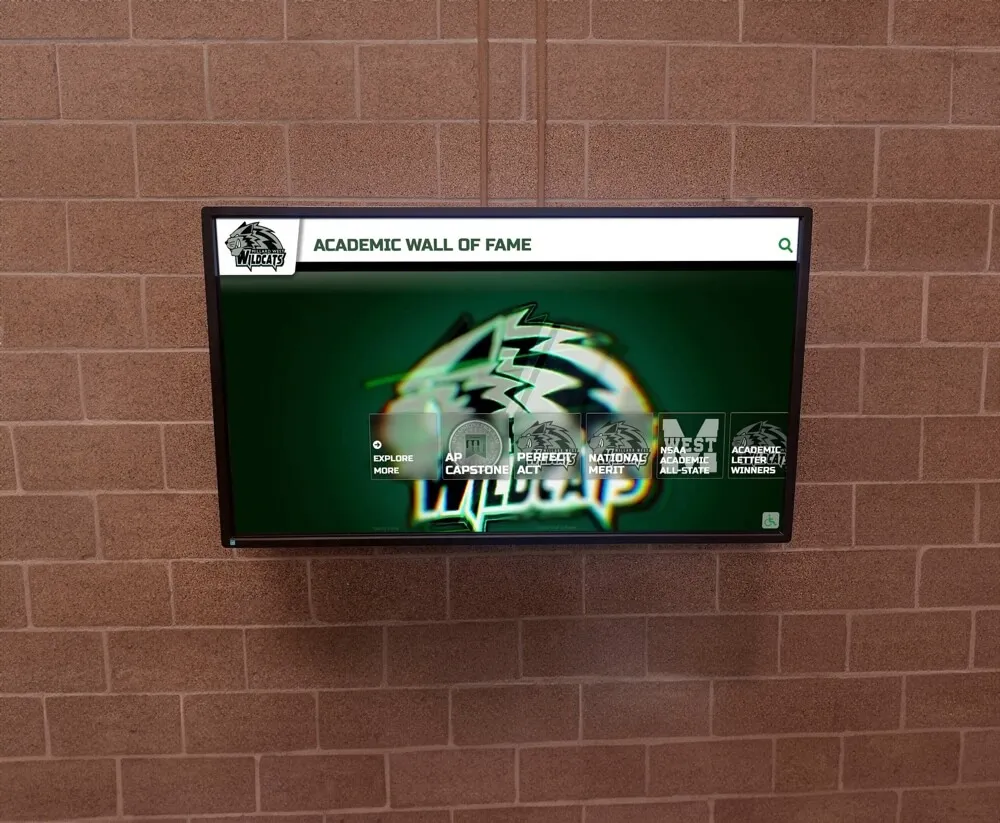
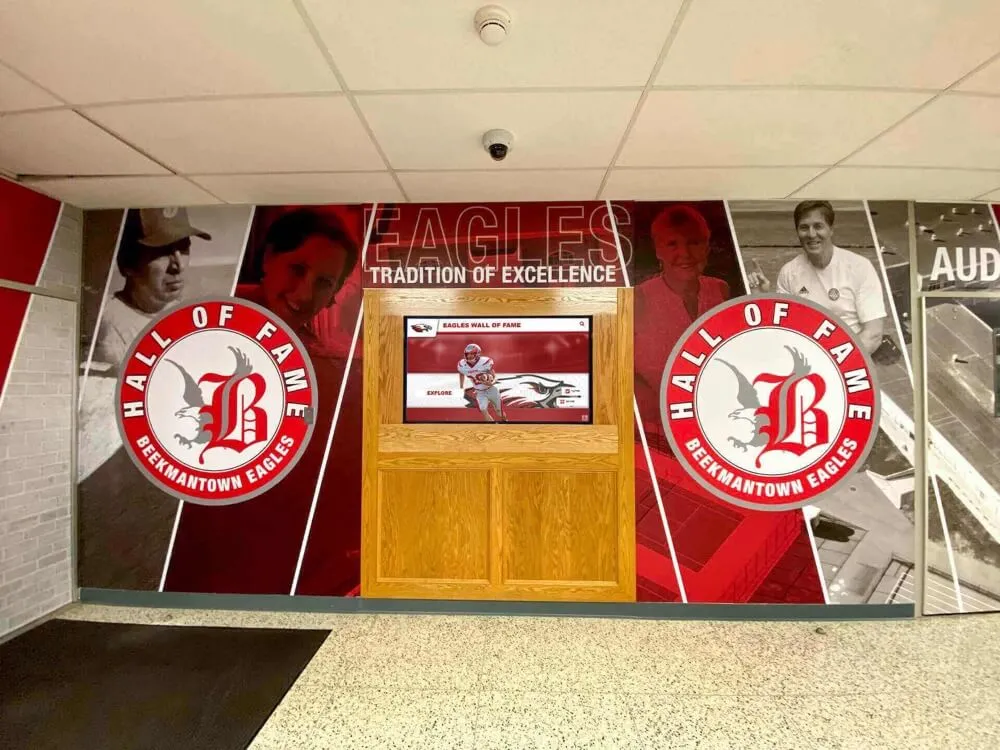
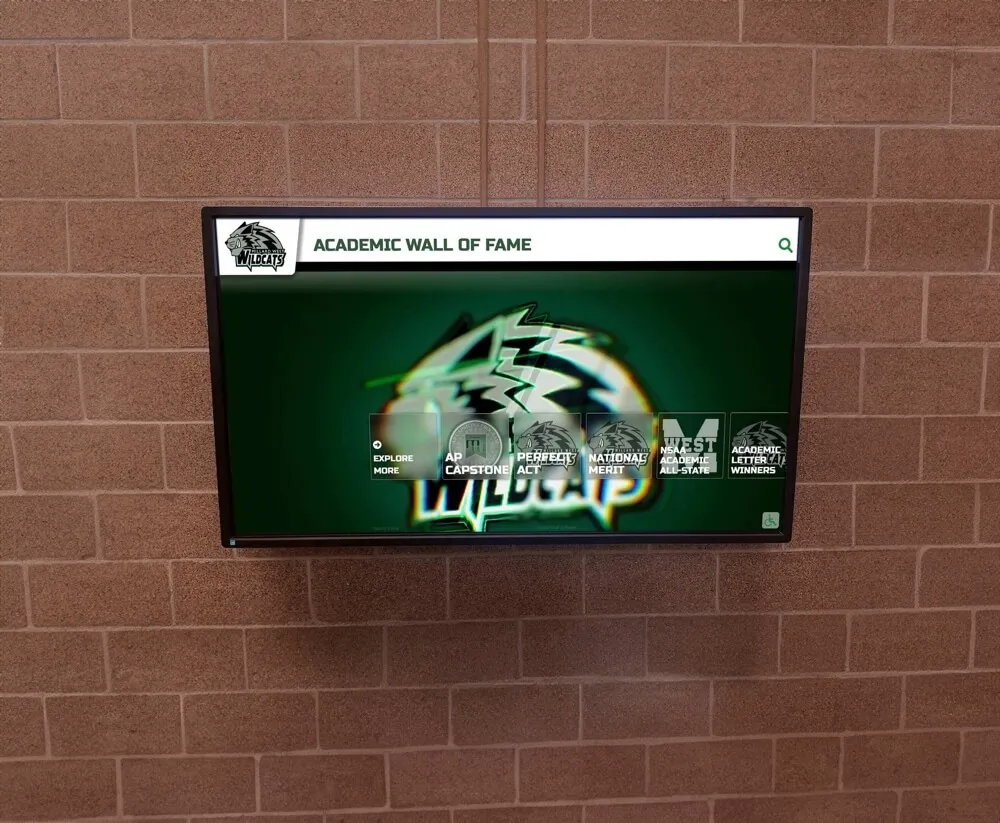
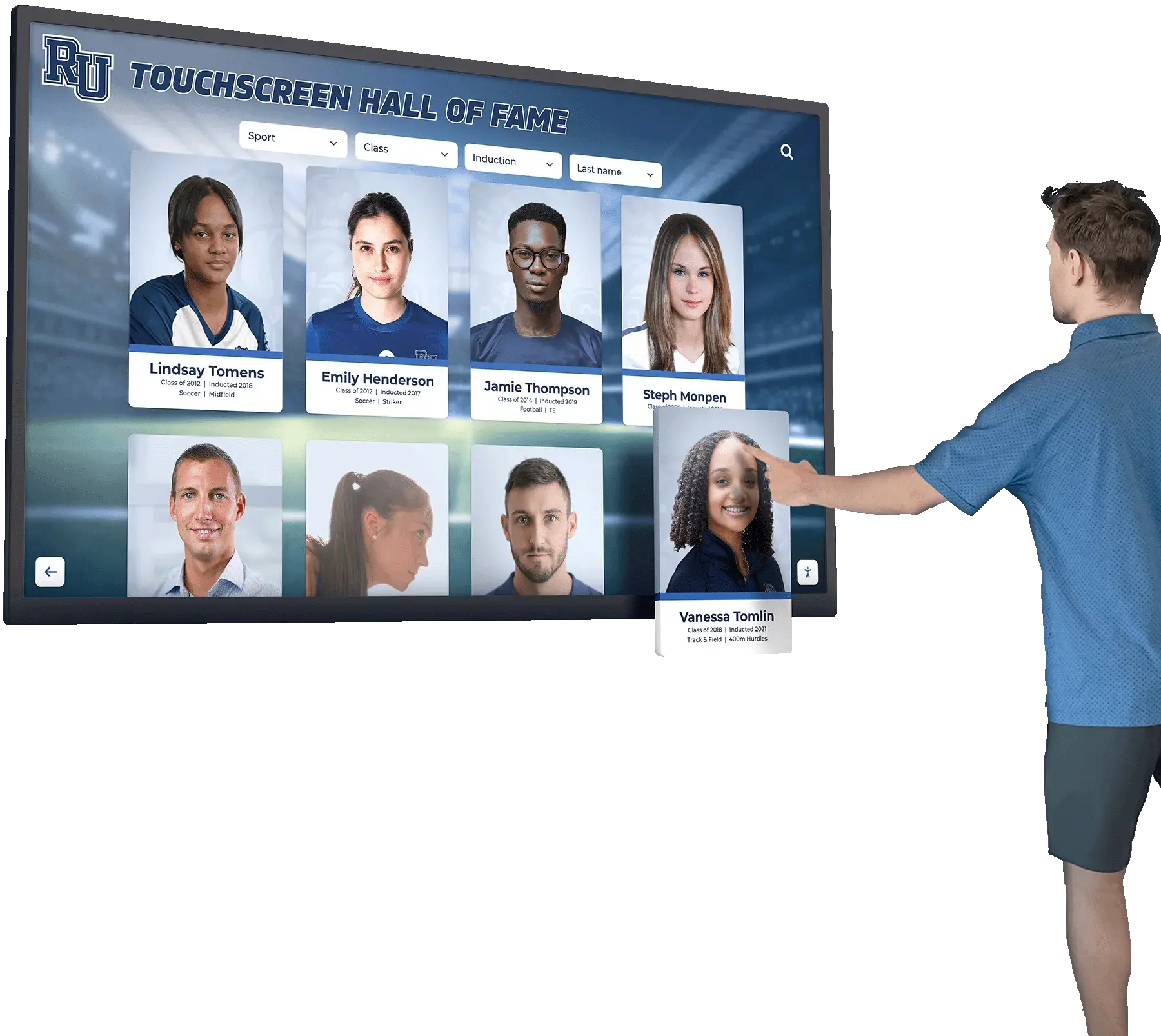
Strategic principals use recognition systems to celebrate achievement while motivating continued academic excellence
Operational Management: Running the Building
Beyond instructional leadership, principals manage complex daily operations keeping schools functioning smoothly.
Budget and Resource Allocation
Principals typically oversee substantial building budgets requiring strategic allocation across competing needs. Should limited funds support additional instructional aide positions, updated technology, expanded library resources, or professional development? These resource allocation decisions directly impact educational quality while demanding principals balance stakeholder priorities with student needs.
Effective principals involve staff in budget development, communicate transparently about financial constraints, and allocate resources aligned with building improvement goals rather than simply maintaining status quo or satisfying loudest voices.
Facility Management and Safety
Building maintenance, safety protocols, emergency preparedness, and facility use coordination all fall under principal oversight. From ensuring proper playground supervision to developing active shooter response plans, from coordinating building use by community groups to managing construction projects minimally disrupting instruction, principals juggle constant logistical demands.
The COVID-19 pandemic dramatically illustrated this dimension—principals suddenly needed expertise in ventilation systems, contact tracing, hybrid instructional models, and health protocols while maintaining educational continuity amidst unprecedented disruption.
Scheduling and Staffing
Creating master schedules accommodating student course requests, teacher preparations, special services, and countless other variables requires complex problem-solving. Principals assign teachers to classrooms, coordinate specialist schedules, arrange lunch and recess supervision, manage substitute teacher placement, and continuously adjust schedules responding to enrollment changes or staff transitions.
Beyond pure logistics, scheduling decisions affect instructional quality. When do students take high-stakes subjects—early morning when fresh, or after lunch when drowsy? How are intervention periods structured to support struggling learners without creating stigmatizing pullouts? These questions demonstrate how seemingly technical scheduling decisions carry pedagogical implications.

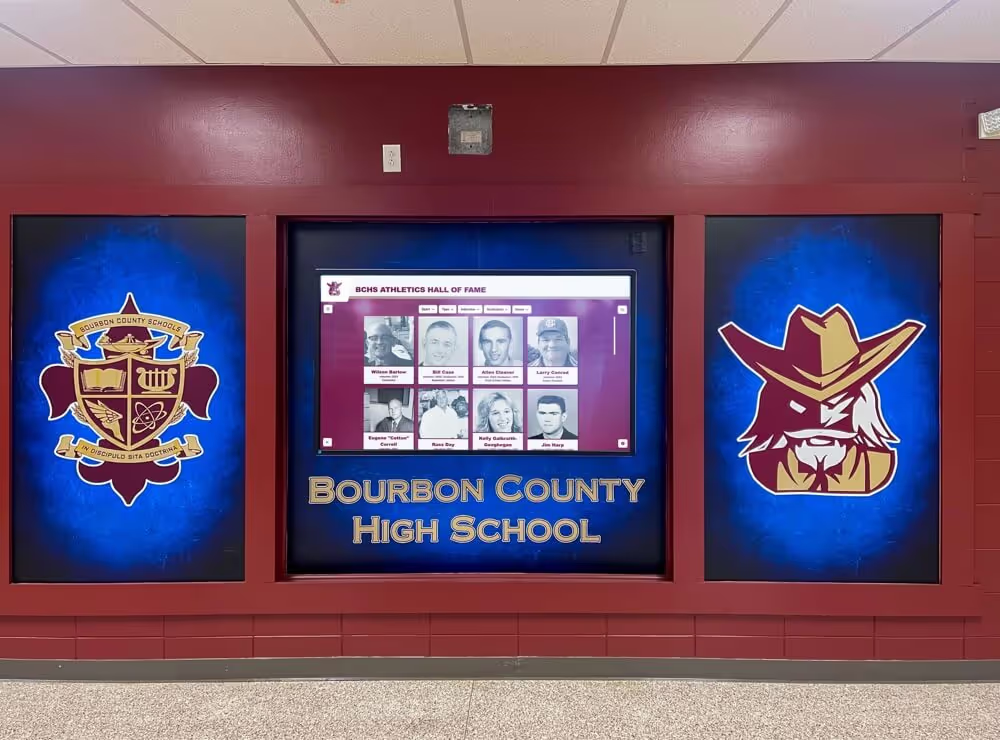
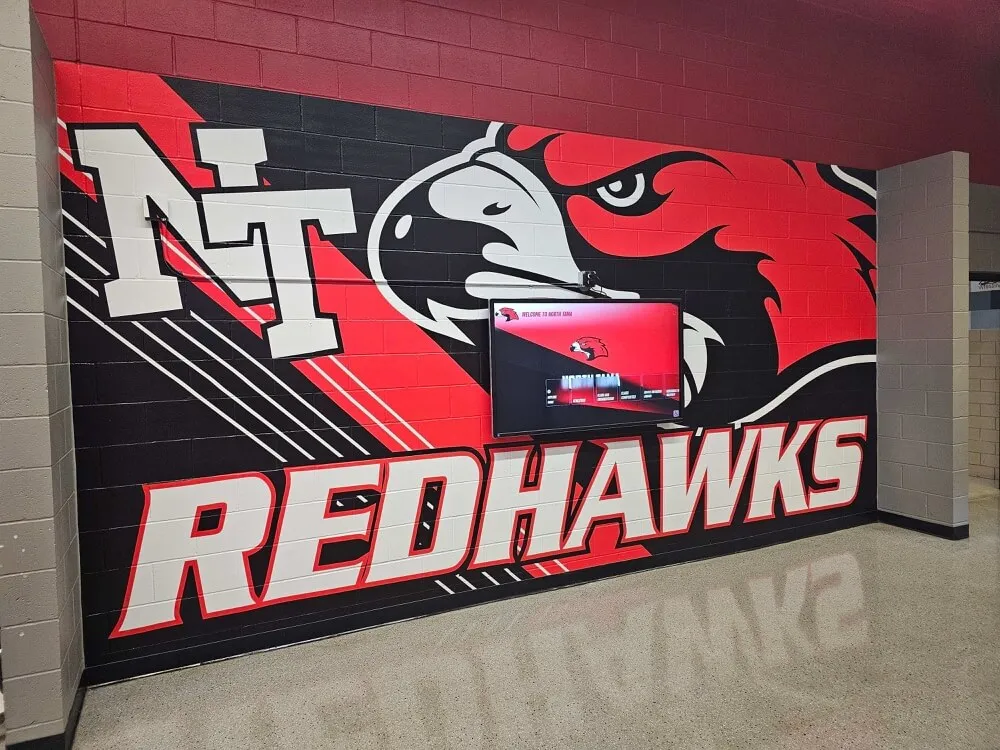
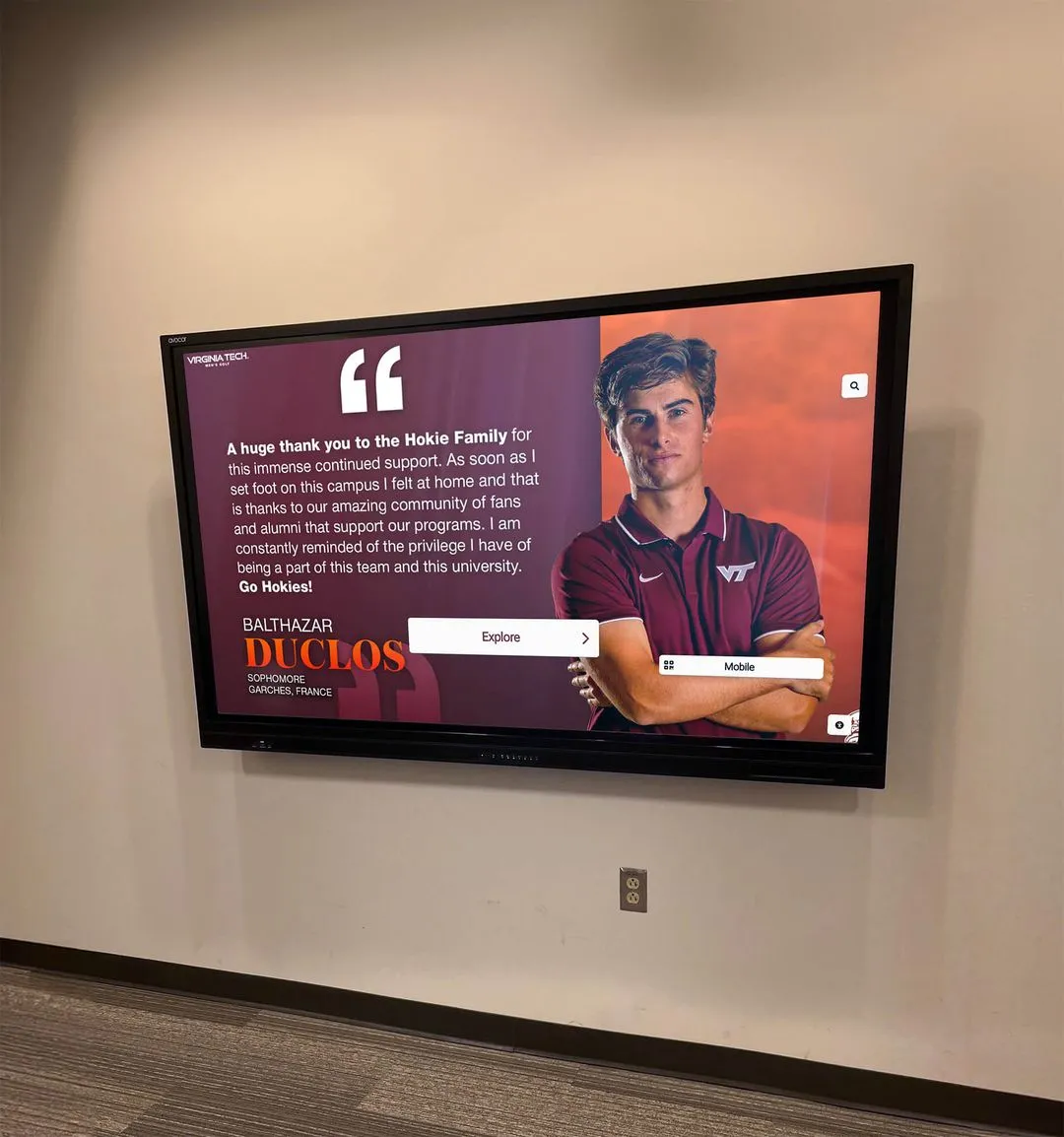
Principals create school environments celebrating diverse achievements across academics, athletics, and service
Culture Building and Student Support
Principals shape school culture—the collective attitudes, behaviors, and environmental factors determining whether schools feel welcoming, safe, and conducive to learning.
Discipline and Behavior Management
Handling student discipline remains among principals’ most visible responsibilities. Rather than simply punishing rule violations, effective principals implement positive behavioral frameworks preventing problems while addressing underlying causes when issues arise.
This requires balancing multiple considerations: maintaining safe, orderly learning environments; teaching students appropriate behavior and social-emotional skills; addressing individual student circumstances and needs; and ensuring discipline practices don’t create disproportionate impacts on particular demographic groups. Progressive principals move beyond purely punitive approaches toward restorative practices building accountability and relationship repair.
Student Recognition and Achievement Celebration
Creating cultures valuing academic achievement, character development, artistic excellence, athletic accomplishment, and service contributions requires systematic recognition ensuring students receive acknowledgment for meaningful achievement. Effective principals don’t limit recognition to honor roll and athletic trophies—they celebrate improvement, effort, citizenship, creativity, and diverse forms of excellence.
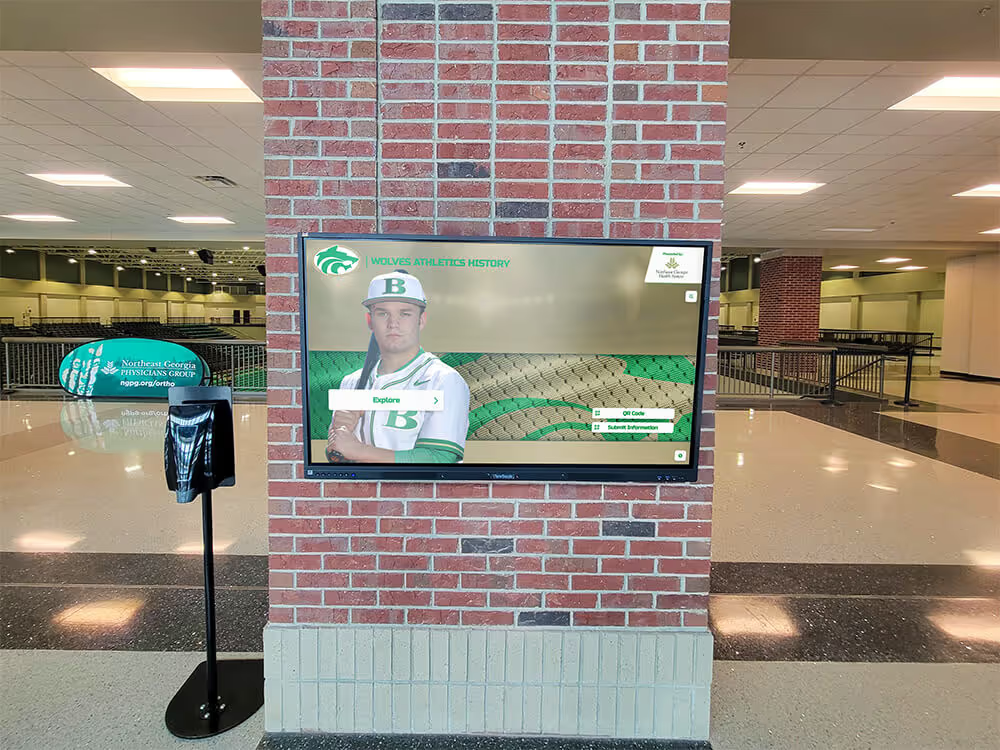
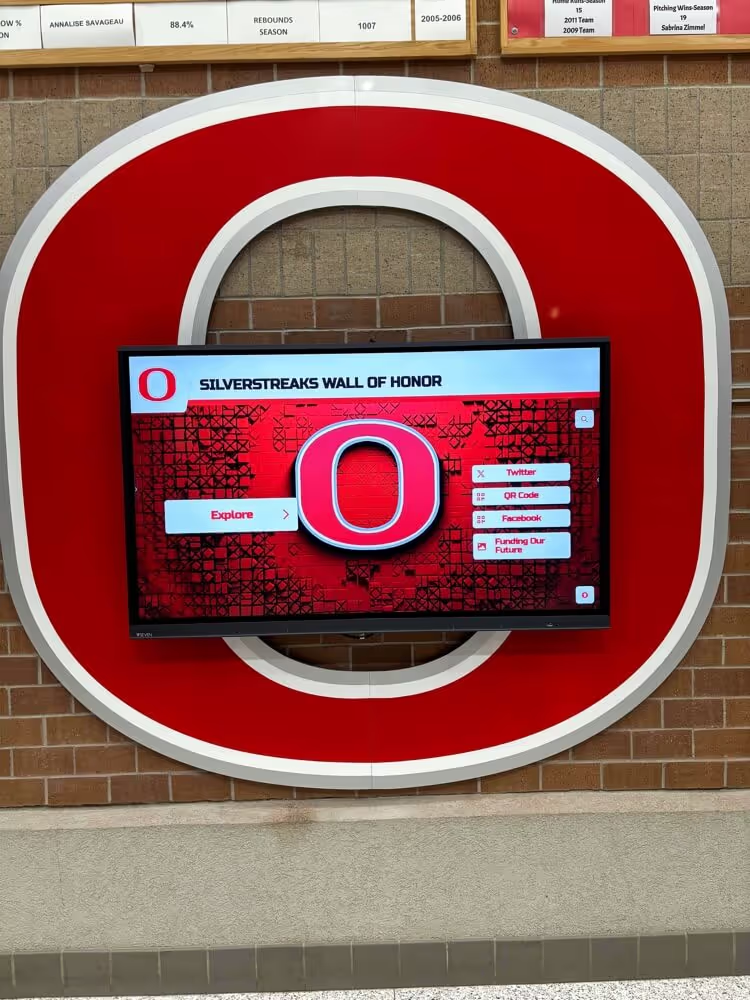
Many forward-thinking principals implement comprehensive recognition systems like digital recognition displays that showcase student accomplishments across all dimensions, from academic honors to end-of-year student awards to athletic achievements. These systems provide unlimited recognition capacity while enabling principals to celebrate every achievement type rather than forcing impossible prioritization decisions limited by physical plaque space.
Social-Emotional Learning and Mental Health
Principals increasingly address students’ social-emotional needs and mental health, coordinating counseling services, implementing trauma-informed practices, responding to mental health crises, and creating supportive environments where students feel safe discussing struggles. The growing mental health challenges affecting young people demand principals understand wellness alongside academics while ensuring appropriate support systems exist.
Community Relations and Stakeholder Engagement
Principals serve as primary liaisons between schools and broader communities, managing complex stakeholder relationships.
Parent and Family Partnerships
Effective principals recognize families as essential education partners, creating welcoming school climates and meaningful involvement opportunities. This extends beyond traditional parent-teacher conferences to communication systems keeping families informed, volunteer programs leveraging family talents, and genuine partnerships around individual student support.
Principals navigate delicate dynamics when family expectations conflict with educational best practices, when communication barriers exist due to language or cultural differences, or when difficult conversations about student struggles become necessary. Building trust with diverse family populations requires cultural competency, patience, and genuine commitment to partnership.
District Leadership Collaboration
Principals implement district policies and initiatives while advocating for building-specific needs. This dual role requires balancing district directives with local school context, communicating staff concerns upward, and sometimes serving as buffer between central office mandates and classroom realities.
Effective principals maintain productive relationships with superintendents and district leadership while protecting staff from initiative overload and ensuring building voices influence district decision-making.
Community Partnerships and Public Relations
Beyond families, principals build relationships with community organizations, local businesses, civic leaders, and media. Strategic principals leverage community resources supporting educational goals—securing mentors for students, obtaining internship opportunities, generating financial support through business partnerships, or engaging civic organizations in school improvement initiatives.
Managing public perception also matters. When controversies arise, when crisis events occur, or when school successes deserve celebration, principals serve as primary communicators shaping narratives about school quality and student achievement.
Understanding comprehensive school lobby design principles helps principals create welcoming environments that communicate school values to all stakeholders from the moment they enter the building.
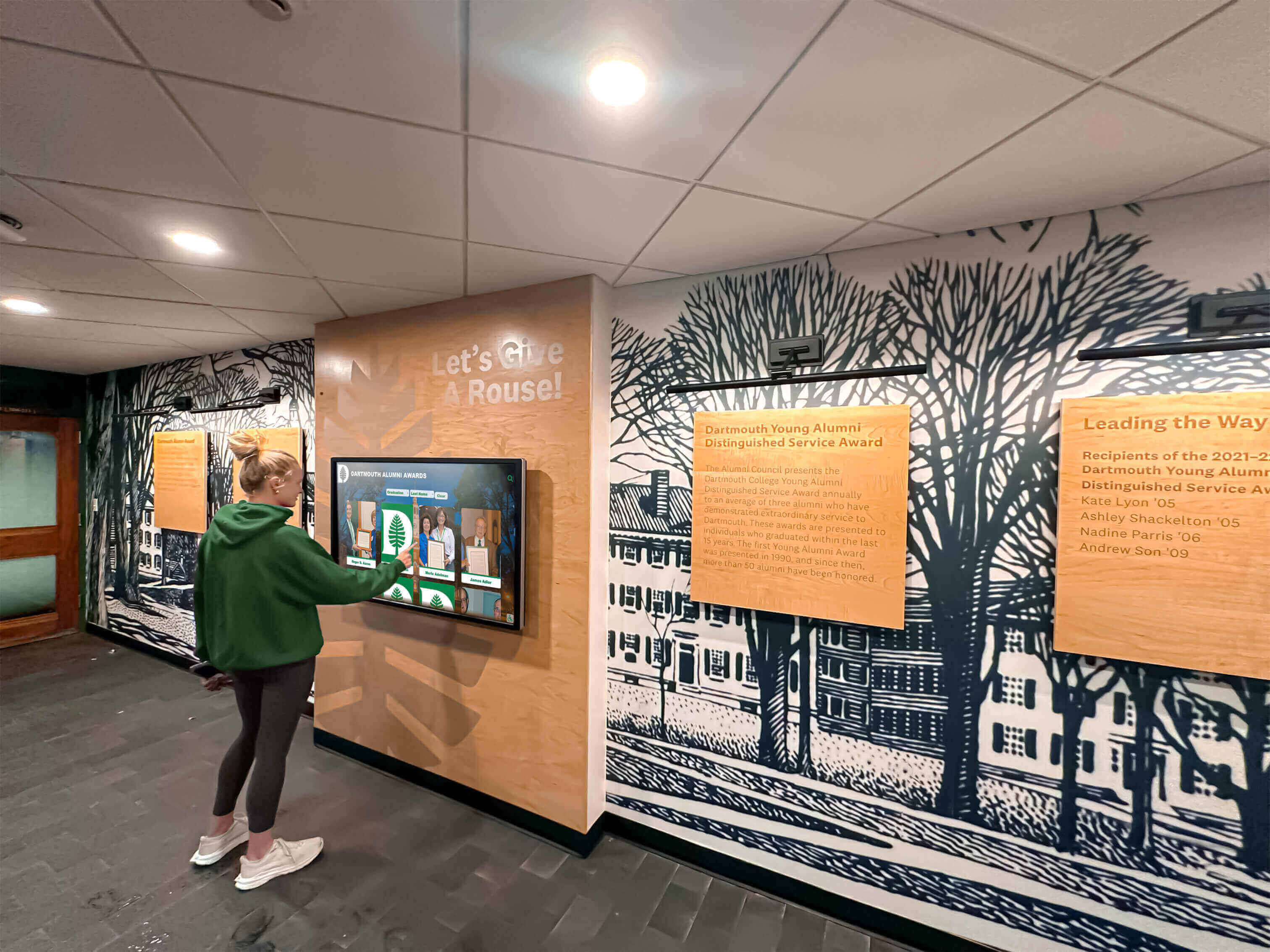
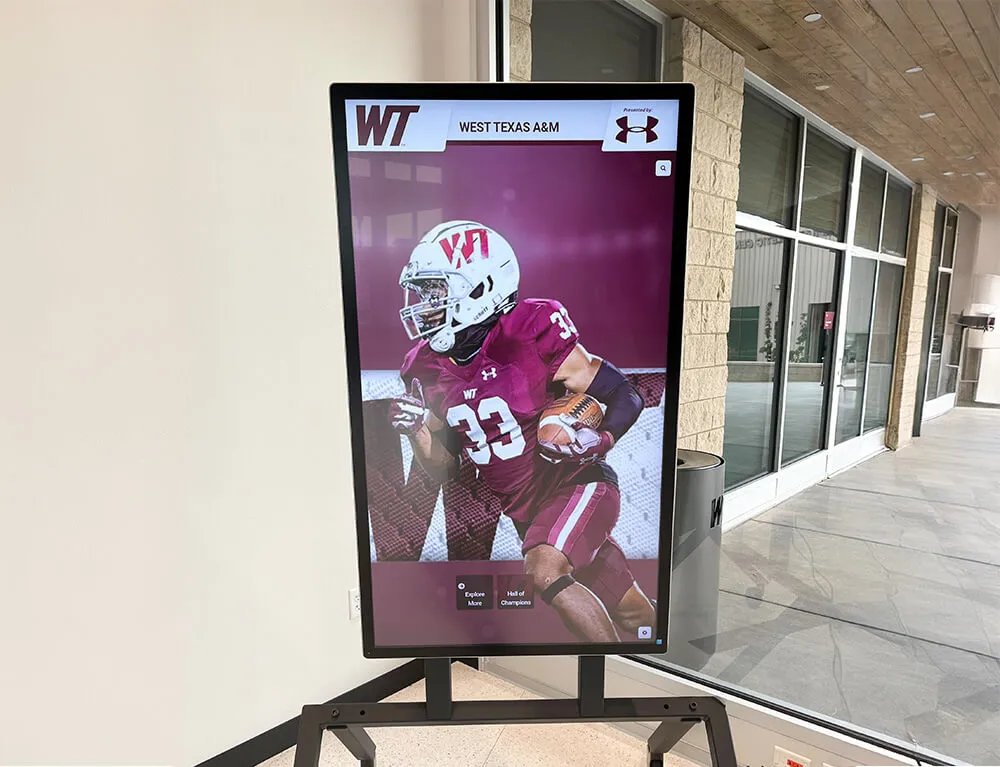
Interactive recognition systems engage students while demonstrating that achievement receives meaningful, lasting acknowledgment
Educational Qualifications and Career Pathway to Principalship
Becoming a school principal requires specific educational credentials, professional experience, and demonstrated leadership capability.
Typical Educational Requirements
Teaching Experience Foundation
Nearly all principals begin as classroom teachers, with most states requiring 3-5 years teaching experience before administrative certification. This teaching foundation proves critical—principals without classroom experience lack credibility with faculty and struggle understanding instructional realities.
Effective teaching experience provides principals with practical knowledge about curriculum implementation, student learning, classroom management, parent communication, and the daily challenges teachers navigate. This foundational understanding enables principals to lead instructional improvement authentically rather than managing through purely theoretical frameworks.
Master’s Degree in Educational Leadership
Most states require principals to hold master’s degrees in educational administration, educational leadership, or closely related fields. These graduate programs typically cover school law, instructional supervision, organizational leadership, budget management, curriculum development, assessment and data analysis, and educational policy.
Quality preparation programs combine coursework with substantial field experiences—internships or practicum placements where aspiring administrators work alongside experienced principals, participate in real leadership decisions, and develop practical administrative skills beyond what classroom instruction alone can provide.
Administrative Certification or Licensure
Beyond degrees, states require specific administrative certifications or licenses demonstrating candidates meet established competency standards. Certification requirements typically include completing approved preparation programs, passing standardized examinations testing administrative knowledge, and documenting required teaching experience.
Certification regulations vary substantially by state—some require only building-level credentials while others distinguish between elementary and secondary administration. Some states accept reciprocal certification from other jurisdictions while others require additional assessments or coursework for out-of-state administrators.
Alternative Pathways and Leadership Development
District-Grown Leadership Pipelines
Many districts develop internal leadership pipelines identifying promising teachers early and providing graduated leadership opportunities. Teachers might serve as department chairs, grade-level team leaders, instructional coaches, or assistant principals before advancing to principalships.
These structured pathways enable districts to cultivate leaders aligned with district values and familiar with local context while giving aspiring administrators opportunities to develop skills progressively rather than making abrupt teacher-to-principal transitions.
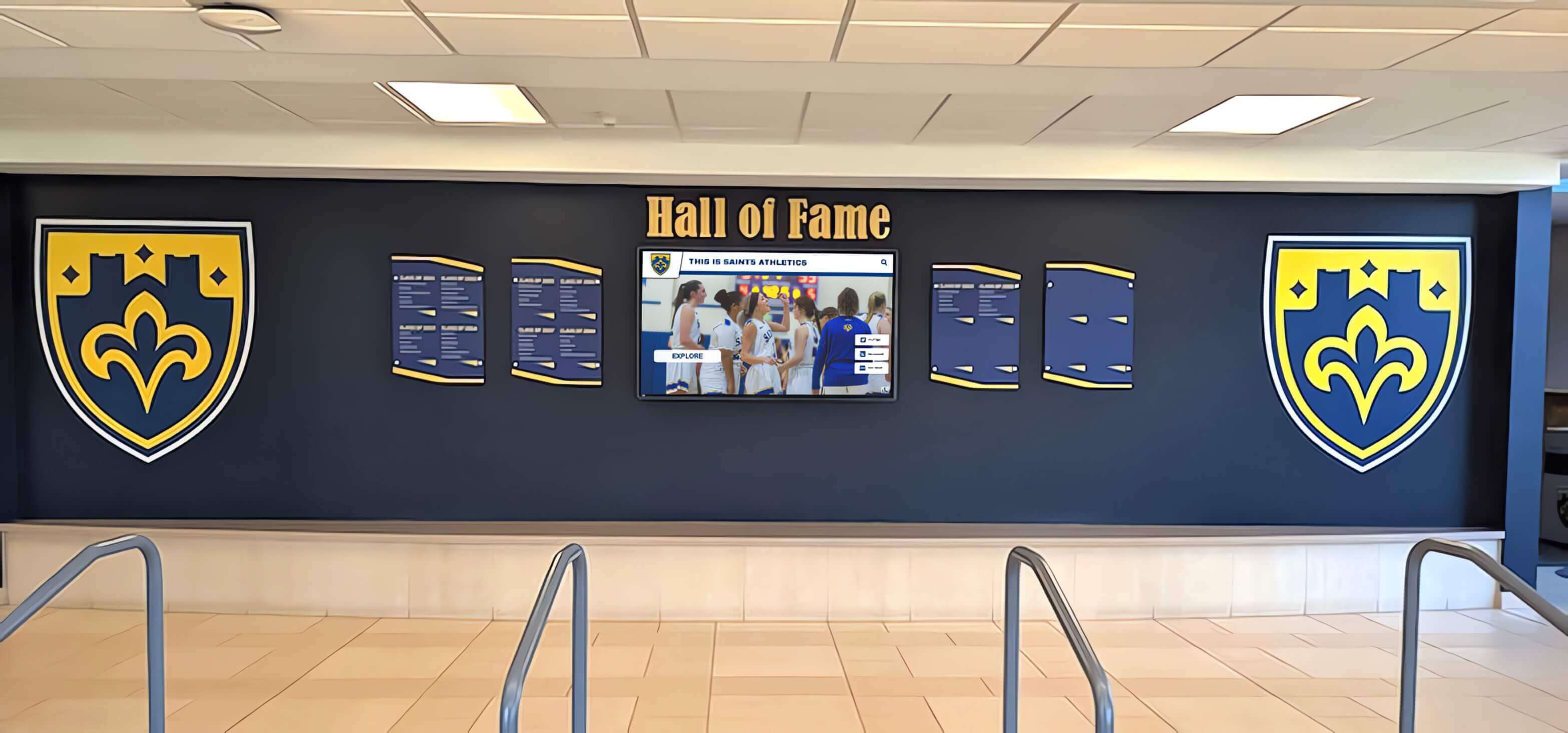
Strategic principals create physical environments reflecting school values and celebrating institutional achievement
Alternative Certification Programs
Some regions experiencing principal shortages have created alternative certification routes enabling career-changers or those with non-traditional backgrounds to enter educational administration. These programs typically provide accelerated coursework combined with intensive mentorship from experienced principals.
While controversial among some educational leaders who emphasize traditional preparation, alternative pathways can bring valuable private sector expertise, diverse perspectives, and increased administrator diversity when designed with appropriate rigor and support systems.
Ongoing Professional Development
Effective principals don’t stop learning after initial certification. The educational landscape continually evolves—new technologies, shifting demographics, emerging pedagogical approaches, changing accountability systems, and evolving student needs require continuous professional growth.
Progressive principals engage in leadership coaching, participate in professional learning networks with peer administrators, attend conferences and workshops addressing contemporary challenges, and pursue additional graduate study or specialized certifications addressing specific interest areas like special education administration or instructional technology leadership.
The Principal’s Daily Reality: A Day in the Life
Understanding principals’ actual work requires moving beyond job descriptions to examine the complex, unpredictable daily realities defining the position.
Morning Routines: Before Students Arrive
Most principals arrive well before students, using early morning hours for preparation and planning before buildings fill with activity.
Building Walkthroughs and Operational Checks
Effective principals conduct building walkthroughs ensuring facilities are safe, clean, and prepared for the day. They verify proper heating or cooling, check that hallways and entryways are clear, confirm custodial staff addressed overnight issues, and ensure technology systems function properly.
These operational checks matter—temperature problems, facility issues, or technology failures disrupt instruction, so proactive principals identify and address problems before students and teachers arrive.
Communication Review and Planning
Principals review email, voicemail, and communications from district leadership, scanning for urgent issues requiring immediate attention. They review the day’s schedule—identifying meetings, observations, parent conferences, assemblies, or special events requiring preparation.
Many principals use this quiet morning time for strategic planning, working on improvement initiatives, analyzing data, or preparing for difficult conversations they know await later in the day.
Staff Interactions and Morning Supervision
As teachers arrive, principals greet staff, check in about concerns, provide quick answers to questions, and build the positive relationships essential for effective leadership. They supervise morning arrival—monitoring bus drop-offs, ensuring cafeteria breakfast runs smoothly if offered, and providing welcoming presence for students entering the building.
This visible presence signals priorities and builds community. Students see principals aren’t distant authorities hiding in offices but active participants in daily school life.
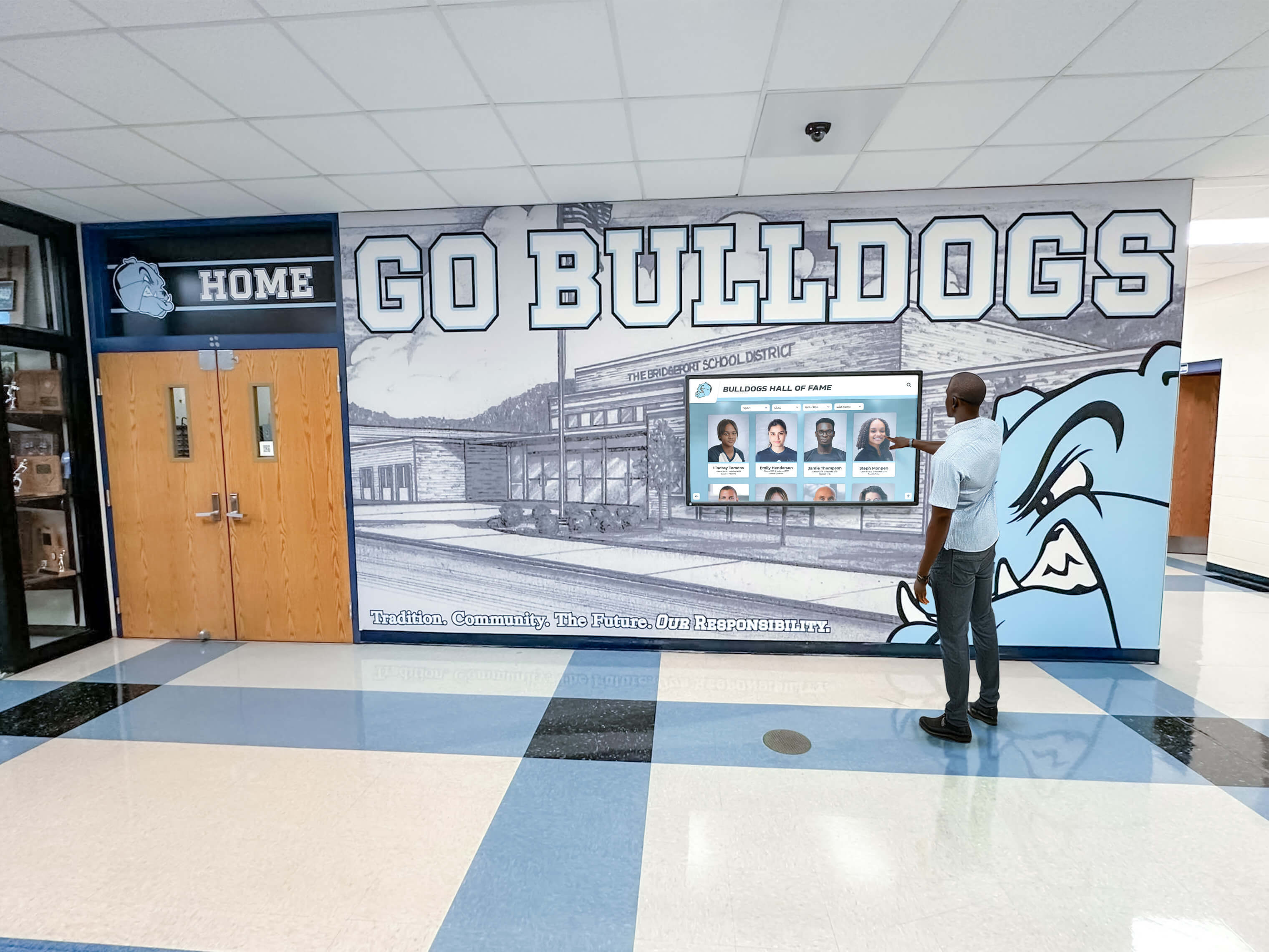
Principals who understand modern recognition technology can showcase student achievements more comprehensively than traditional static displays allow
The Chaotic Middle: Instructional Day Management
Once students arrive, principals navigate constant demands requiring rapid priority shifts and skilled multitasking.
Instructional Observations and Teacher Support
Effective principals spend significant time in classrooms, conducting formal evaluations and informal walkthroughs. They observe instruction, take notes about teaching strategies and student engagement, and provide teachers with feedback supporting continuous improvement.
These observations require sophisticated instructional knowledge—recognizing quality teaching, understanding subject-specific pedagogy, identifying areas for growth, and providing actionable feedback that actually improves practice. Poor principals go through evaluative motions mechanically; effective principals use observations to genuinely strengthen instruction.
Student Discipline and Crisis Response
Despite comprehensive behavior systems, discipline issues inevitably arise. Principals investigate conflicts, meet with students about behavioral choices, contact families, implement consequences, and coordinate support services for students with chronic behavior challenges.
Beyond routine discipline, principals serve as first responders when serious incidents occur—medical emergencies, violent conflicts, mental health crises, or safety threats. These situations demand calm leadership, rapid decision-making, appropriate authority involvement, and careful communication with families and staff.
Meetings, Meetings, More Meetings
Principals attend numerous meetings throughout typical days—administrative team meetings with assistant principals and other building leaders, individual teacher conferences about instruction or students, parent meetings addressing concerns or special education planning, district-level meetings with other administrators, and community partnership meetings. Meeting management becomes essential skill; ineffective principals allow meetings to consume entire days with minimal productivity.
Problem-Solving and Decision-Making
Principals make countless decisions daily, from minor operational choices to significant policy determinations. A parent requests their child be moved to different classroom. A teacher reports concerning student behavior. The cafeteria runs short on food. Technology systems malfunction. A community group requests building use. Each requires principal attention and timely resolution.
This constant problem-solving can be exhausting, with trivial concerns and critical issues arriving randomly throughout days, requiring principals to assess urgency, gather necessary information, make sound judgments, and communicate decisions effectively.
Implementing systems like digital class composite displays helps principals celebrate class identity and school tradition while creating welcoming environments visitors and prospective families appreciate.
Afternoon and Evening: Extended Leadership
Principal workdays rarely end when students leave. Afternoon and evening hours bring additional responsibilities.
After-School Program Oversight
Many principals oversee after-school programs, athletic practices, club activities, and tutoring initiatives extending educational opportunities beyond regular hours. This requires coordinating staff, ensuring appropriate supervision, managing facilities, and maintaining the same quality standards applied during regular school hours.
Evening Events and Community Engagement
Principals attend evening events regularly—back-to-school nights, parent-teacher conferences, school board meetings, athletic competitions, concerts and performances, fundraising events, and community forums. These evening commitments enable relationship-building and demonstrate principal investment in comprehensive school life beyond academics.
While meaningful, evening obligations significantly extend work hours. Principals with families navigate competing demands, sacrificing personal time to fulfill professional responsibilities. The principalship is not a typical 8-to-4 job.
Planning and Administrative Work
After students and most staff leave, principals finally find uninterrupted time for work requiring sustained focus—completing teacher evaluations, analyzing assessment data, working on improvement plans, preparing budgets, responding to complex parent communications, or developing policies.
Many principals report doing their most important strategic work during early mornings, late afternoons, or weekends when constant interruptions cease and they can think deeply about instructional leadership rather than simply reacting to immediate demands.
Learn how effective principals implement comprehensive teacher recognition programs that build staff morale and strengthen instructional quality.

Modern recognition technology enables principals to showcase detailed achievement stories rather than limiting recognition to names on plaques
Leadership Approaches: Different Principalship Styles
While all principals share core responsibilities, effective leaders employ different approaches based on school context, personal strengths, and community needs.
Instructional Leadership Model
Principals emphasizing instructional leadership prioritize teaching and learning above all else, viewing their primary purpose as improving instructional quality throughout buildings.
Characteristics of Instructional Leaders
These principals spend maximum time in classrooms, observing instruction and providing teacher feedback. They personally lead professional development, model effective teaching strategies, and maintain deep expertise about curriculum and assessment. Building schedules, resource allocation, hiring decisions, and improvement initiatives all flow from instructional priorities.
Instructional leaders ask constantly: “How does this decision improve teaching and learning?” If proposed initiatives don’t clearly strengthen instruction, these principals reject them regardless of other benefits they might provide.
When This Approach Works Best
Instructional leadership particularly suits schools needing significant academic improvement, buildings with inexperienced teaching staffs requiring substantial development, or contexts where principals possess exceptional pedagogical expertise. When instructional quality represents the primary improvement lever, principals focusing intensively on teaching and learning can drive dramatic achievement gains.
Transformational Leadership Model
Transformational principals focus on culture change, inspiring stakeholders around shared visions, building collective commitment, and empowering distributed leadership throughout organizations.
Characteristics of Transformational Leaders
Rather than directing unilaterally, transformational principals develop collaborative decision-making structures, cultivate teacher leadership, articulate compelling visions of school excellence, and build shared ownership for improvement. They emphasize relationships, trust-building, and creating conditions enabling others to lead rather than controlling all decisions personally.
These principals recognize sustainable school improvement requires collective effort—one person can’t transform complex organizations alone. By inspiring commitment and distributing leadership, transformational principals create movements rather than mandating compliance.
When This Approach Works Best
Transformational leadership suits schools with strong faculty but lacking coherent direction, contexts requiring cultural shifts around equity or innovation, or situations where previous authoritarian leadership damaged trust and morale. When technical solutions alone can’t address challenges and meaningful change requires winning hearts alongside minds, transformational approaches prove powerful.
Servant Leadership Model
Servant leader principals view their role as supporting and enabling teachers, students, and families to succeed rather than wielding positional authority.
Characteristics of Servant Leaders
These principals prioritize others’ needs, asking how they can remove obstacles teachers face, what resources would enable student success, and how school structures might better serve families. They emphasize listening, empathy, and building community rather than issuing directives.
Servant leaders recognize hierarchical authority exists but choose to lead through service, relationship, and empowerment rather than position-based command. They’re often visible supporting school events, covering classes when teachers face emergencies, or personally addressing operational problems rather than delegating everything to subordinates.
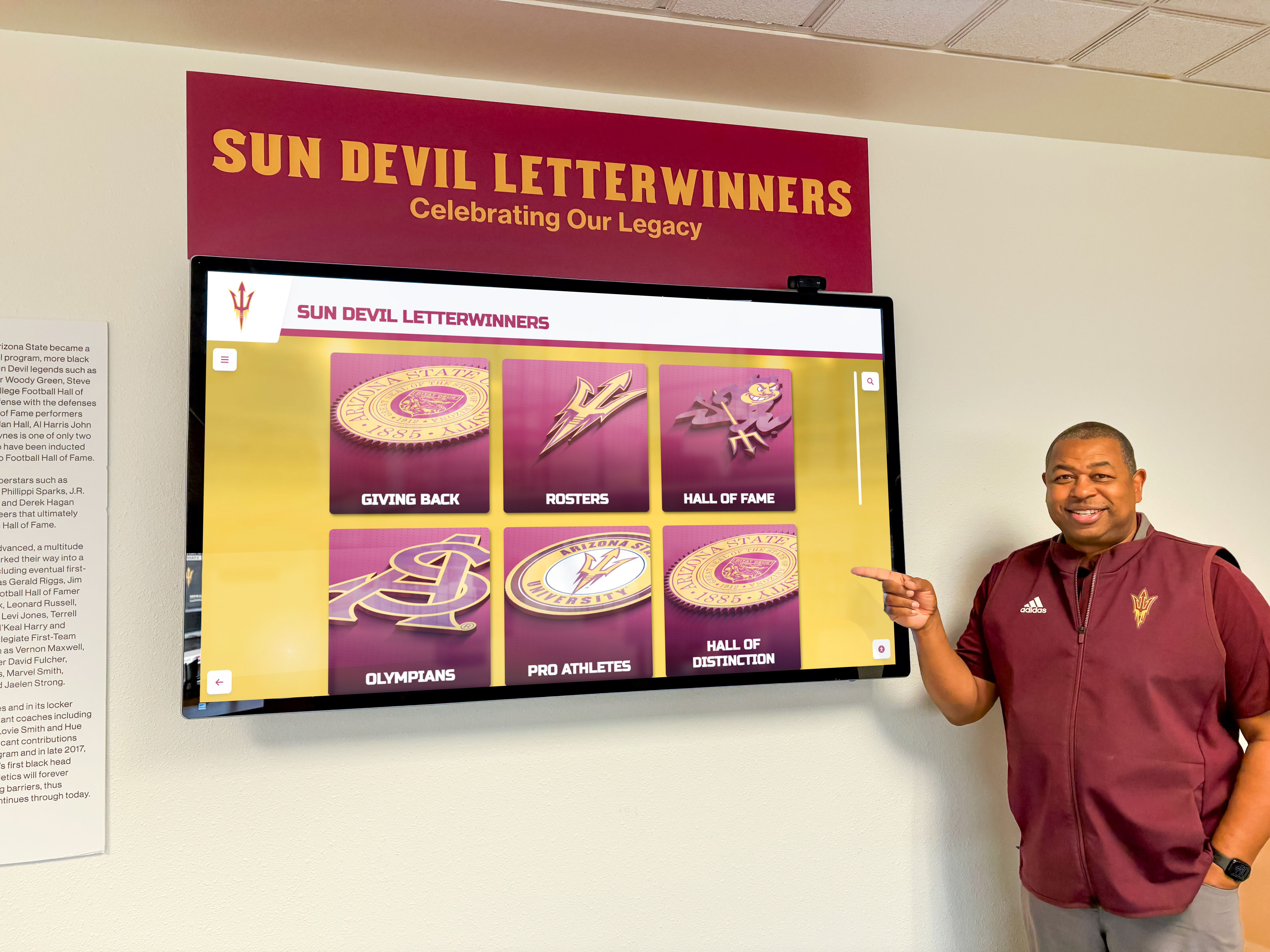
Principals who celebrate diverse achievements—academic, athletic, artistic, and service—build well-rounded school cultures
When This Approach Works Best
Servant leadership works well in schools with experienced, professional faculty who need support more than direction, contexts emphasizing collaboration and community, or situations where principals rebuild trust after leadership failures. When staff feel respected and supported, servant leadership unlocks discretionary effort and commitment hierarchical approaches can’t mandate.
Distributed Leadership Model
Rather than concentrating leadership in principal offices, distributed leadership spreads responsibility across multiple formal and informal leaders throughout organizations.
Characteristics of Distributed Leaders
These principals cultivate leadership at all levels—developing teacher leaders, empowering department chairs and team leaders, creating decision-making structures involving diverse voices, and recognizing that effective schools require leadership far beyond what individual principals can provide.
Distributed leadership doesn’t mean principals abdicate responsibility but rather multiply leadership capacity by developing others’ skills and creating systems enabling collective leadership. Strategic principals understand their success depends on building leadership density throughout organizations.
When This Approach Works Best
Distributed leadership suits larger schools where individual principals simply can’t maintain direct connection to all teachers and students, contexts requiring specialized expertise principals don’t personally possess, or situations preparing for leadership succession by developing internal capacity rather than depending on individual heroic leaders.
Contemporary Challenges Facing School Principals
Today’s principals navigate unprecedented challenges requiring adaptability, resilience, and sophisticated leadership capabilities.
Accountability Pressure and High-Stakes Testing
Principals face intense pressure around standardized test performance, with evaluation and sometimes continued employment tied to student achievement metrics. While accountability aims to ensure educational quality, narrow focus on test scores can drive teaching to tests, narrowing curriculum, and gaming system rather than genuinely improving learning.
Effective principals balance accountability demands with comprehensive educational visions, using data to improve instruction while maintaining rich learning experiences that standardized tests can’t fully capture. They protect teachers from demoralizing pressure while ensuring rigorous standards and refusing to accept achievement gaps.
Mental Health Crisis and Student Wellness
Student mental health challenges have intensified dramatically, with principals addressing anxiety, depression, trauma, suicidal ideation, and self-harm at unprecedented levels. Schools increasingly serve mental health functions traditionally outside educational missions, requiring principals coordinate counseling services, implement prevention programs, respond to crises, and support students facing struggles once primarily addressed by families or medical systems.
This shift requires principals develop mental health expertise while acknowledging limits of what schools can address alone. Strategic principals build community partnerships with mental health providers, implement comprehensive social-emotional learning programs, and train staff in trauma-informed practices while advocating for adequate mental health infrastructure supporting students.
Technology Integration and Digital Learning
Principals navigate constant technology evolution, implementing new instructional platforms, managing device deployments, addressing digital safety concerns, evaluating educational software, and supporting teachers integrating technology meaningfully rather than using devices for sake of usage.
The pandemic accelerated this dramatically, with principals suddenly overseeing remote instruction, hybrid learning models, and technology access issues revealing significant digital divides. Even as schools return to in-person instruction, technology integration questions persist—how to leverage digital tools enhancing learning while avoiding distraction, how to address social media impacts on student wellbeing, how to teach digital citizenship and information literacy.
Forward-thinking principals explore innovative solutions like digital trophy case implementations that showcase achievements in engaging ways while making efficient use of limited hallway space.

Principals who thoughtfully design school spaces create environments communicating values and celebrating community identity
Equity Challenges and Achievement Gaps
Persistent achievement gaps along racial, economic, and linguistic lines demand principals address systemic inequities rather than treating gaps as inevitable. This requires examining how school policies and practices might inadvertently disadvantage particular students, ensuring rigorous instruction reaches all learners regardless of background, confronting implicit bias affecting discipline and academic placement, and creating genuinely inclusive school cultures.
Progressive principals move beyond colorblind approaches pretending differences don’t exist toward culturally responsive practices honoring diversity while ensuring equitable opportunity and outcomes. This equity work proves challenging in communities resistant to conversations about race, privilege, and systemic advantage, requiring principals to lead often uncomfortable discussions about fairness and justice.
Polarization and Community Division
Principals increasingly navigate politically polarized communities where curriculum, library materials, classroom discussions, diversity initiatives, and even public health measures become controversial. Managing conflicts around contentious issues while maintaining focus on student learning and community cohesion requires sophisticated communication skills, clear value grounding, and willingness to withstand criticism from multiple directions.
Effective principals establish principles guiding decision-making—student wellbeing, evidence-based practice, professional judgment, legal requirements—then communicate transparently about how those principles inform specific choices. They create opportunities for stakeholder input while recognizing some decisions are professional responsibilities that community popularity contests can’t appropriately determine.
Teacher Shortages and Staff Recruitment
Many regions experience severe teacher shortages, with principals struggling to fill positions with qualified candidates. This requires creative recruitment strategies, developing supportive environments making teaching sustainable careers, and sometimes making uncomfortable decisions about accepting less-qualified candidates when no alternatives exist.
Strategic principals recognize teacher retention matters as much as recruitment. By creating positive school cultures, providing meaningful professional development, implementing recognition programs celebrating teaching excellence, and addressing factors driving teacher attrition, effective principals build stable instructional teams even amid broader workforce challenges.
Building Recognition Systems That Support Principal Leadership
Strategic principals understand that comprehensive recognition systems serve multiple leadership goals simultaneously—motivating students, building positive culture, engaging families, and creating institutional memory.
The Limitations of Traditional Recognition
Traditional approaches to student and staff recognition face significant constraints principals constantly navigate.
Physical Space Limitations
Trophy cases fill quickly, hallway plaque space becomes exhausted, honor roll bulletin boards accommodate limited names, and principals face impossible decisions about whose achievements receive prominent display versus storage in dusty cabinets. These space constraints force prioritization that can feel unfair, with certain achievement types receiving visibility while others go unrecognized.
Static Information and Dated Content
Once physical recognition is created—plaques mounted, trophies displayed, names printed—updating or expanding information becomes impossible or prohibitively expensive. Yesterday’s honor roll list remains posted for months, historical achievement context gets lost, and recognition quickly feels dated rather than dynamic and engaging.
Limited Storytelling Capacity
Names on plaques tell incomplete stories. Who were these people beyond their achievements? What challenges did they overcome? How did recognition influence their lives? Traditional recognition formats lack capacity for the rich storytelling that makes achievement meaningful and inspiring rather than simply cataloging names and dates.
Modern Recognition Solutions for Strategic Principals
Forward-thinking principals increasingly implement comprehensive digital recognition systems addressing traditional limitations while supporting multiple leadership priorities.
Unlimited Recognition Capacity
Solutions like Rocket Alumni Solutions provide unlimited digital space for honoring achievements across all categories—from academic honors and athletic accomplishments to artistic excellence, service contributions, and character recognition. Every deserving student receives acknowledgment without space constraints forcing impossible prioritization.
This comprehensive recognition capacity enables principals to celebrate diverse forms of excellence, ensuring students see that schools value multiple achievement pathways rather than privileging narrow definitions of success. A single interactive touchscreen can showcase recognition that would require dozens of traditional trophy cases, making efficient use of limited hallway space while honoring every achievement comprehensively.
Rich Multimedia Storytelling
Digital platforms enable principals to share complete achievement stories through high-resolution photos, detailed biographies, video content, achievement documentation, and personal reflections that static plaques cannot accommodate. Students aren’t reduced to names and dates but receive recognition honoring their full stories—the challenges overcome, the support received, the impact achieved.
This storytelling capacity proves particularly powerful for principals building inclusive cultures. Rather than simply listing names, comprehensive profiles can showcase diverse achievement pathways, highlight different forms of excellence, and create narratives helping all students see themselves in school success stories.
Dynamic, Current Content
Cloud-based content management enables principals or designated staff to update recognition instantly from any internet-connected device. New honor roll recipients are added immediately after grading periods end rather than waiting weeks for printed updates. Athletic achievements are recognized within days rather than months. School leadership updates appear as elections occur. This currency keeps recognition relevant and engaging rather than becoming stale archived information.
Principals report that remote content management eliminates the administrative burden that often caused traditional recognition systems to languish with outdated information. Simple interfaces requiring no technical expertise enable secretaries, counselors, or activities directors to maintain recognition content as part of regular workflows.
Engagement Analytics and Leadership Insights
Modern recognition systems provide principals with data about what content students and visitors engage with, revealing what achievement types generate most interest, which stories resonate, and how recognition systems actually get used. These insights inform strategic decisions about recognition priorities, communication approaches, and culture-building initiatives.
Beyond analytics, interactive recognition systems create engagement opportunities impossible with static displays. Students can search for themselves and peers, explore achievement histories, filter by specific categories, and interact with content in personalized ways. This active engagement makes recognition more meaningful while creating regular touchpoints reinforcing that achievement matters.
Explore how effective principals implement school history displays that preserve institutional memory while celebrating tradition and inspiring current students.

Interactive recognition systems engage students while reinforcing messages about what excellence looks like and how achievement receives acknowledgment
Strategic Recognition Implementation
Effective principals approach recognition system implementation strategically, connecting technology investments to broader leadership goals.
Alignment with School Improvement Plans
Rather than treating recognition as standalone initiative, strategic principals connect recognition to comprehensive improvement plans. If school goals emphasize increasing academic rigor, recognition systems highlight academic excellence and intellectual achievement. If goals focus on building inclusive culture, recognition celebrates diverse achievements and multiple excellence pathways. Recognition becomes strategic tool advancing broader improvement agendas rather than disconnected add-on.
Staff and Student Involvement
Effective implementation involves stakeholders in designing recognition systems, determining what achievements merit acknowledgment, establishing selection criteria, and creating processes ensuring fair, comprehensive recognition. This involvement builds ownership while ensuring systems reflect community values rather than solely principal preferences.
Student involvement proves particularly powerful. When students help design recognition criteria, select achievement categories, or contribute content for profiles, they develop deeper investment in excellence while understanding that recognition isn’t arbitrary principal favoritism but systematic acknowledgment of meaningful accomplishment.
Communication and Visibility
Even comprehensive recognition systems fail if stakeholders don’t know they exist. Strategic principals communicate about recognition through multiple channels—school newsletters, social media, parent meetings, assembly programs, and website features. They position recognition displays in high-traffic locations ensuring maximum visibility while incorporating recognition into school events and ceremonies.
Many principals report that digital recognition systems extend reach beyond campus, with web-accessible displays enabling alumni, distant family members, and community supporters to explore school achievements remotely. This extended reach amplifies recognition impact while strengthening community connection to school success.
Understanding comprehensive approaches to elementary school recognition and middle school recognition helps principals implement age-appropriate systems across different educational levels.
Career Advancement: Beyond the Principalship
For many educational leaders, building-level principalship represents not career culmination but preparation for broader system-level leadership.
Central Office Administration
Experienced principals often advance to district-level positions—curriculum directors overseeing instruction across buildings, human resources administrators managing hiring and personnel, student services directors coordinating special education and support programs, or operations managers handling facilities and logistics.
These specialized positions enable former principals to influence educational quality across entire systems rather than single buildings, though many miss direct student and teacher interaction that made building leadership meaningful.
Superintendency
Some principals aspire to district superintendent roles, serving as school system chief executives reporting to elected school boards. Superintendents set district-wide vision, manage complex budgets, lead board relations, serve as primary public spokespersons, and oversee multiple principals while navigating political dynamics building principals avoid.
The superintendency offers broader influence but moves leaders further from direct educational work. Many superintendents report that managing budgets, politics, and adult relationships consumes time they once invested in instructional leadership and student connection.
Higher Education and Educational Consulting
Experienced principals sometimes transition to university positions, teaching educational leadership courses, conducting research about school improvement, or coordinating principal preparation programs. Others launch educational consulting practices, supporting districts with leadership development, school turnarounds, or specialized improvement initiatives.
These roles provide flexibility and intellectual stimulation while enabling veteran principals to share expertise with emerging leaders or struggling districts beyond what individual building leadership allows.
Policy and Advocacy Roles
Some principals move into educational policy positions—serving in state departments of education, joining advocacy organizations influencing education legislation, or working for professional associations representing school leaders. These positions enable systemic influence on conditions affecting teaching and learning, though they move principals far from classroom realities that drew them to education originally.
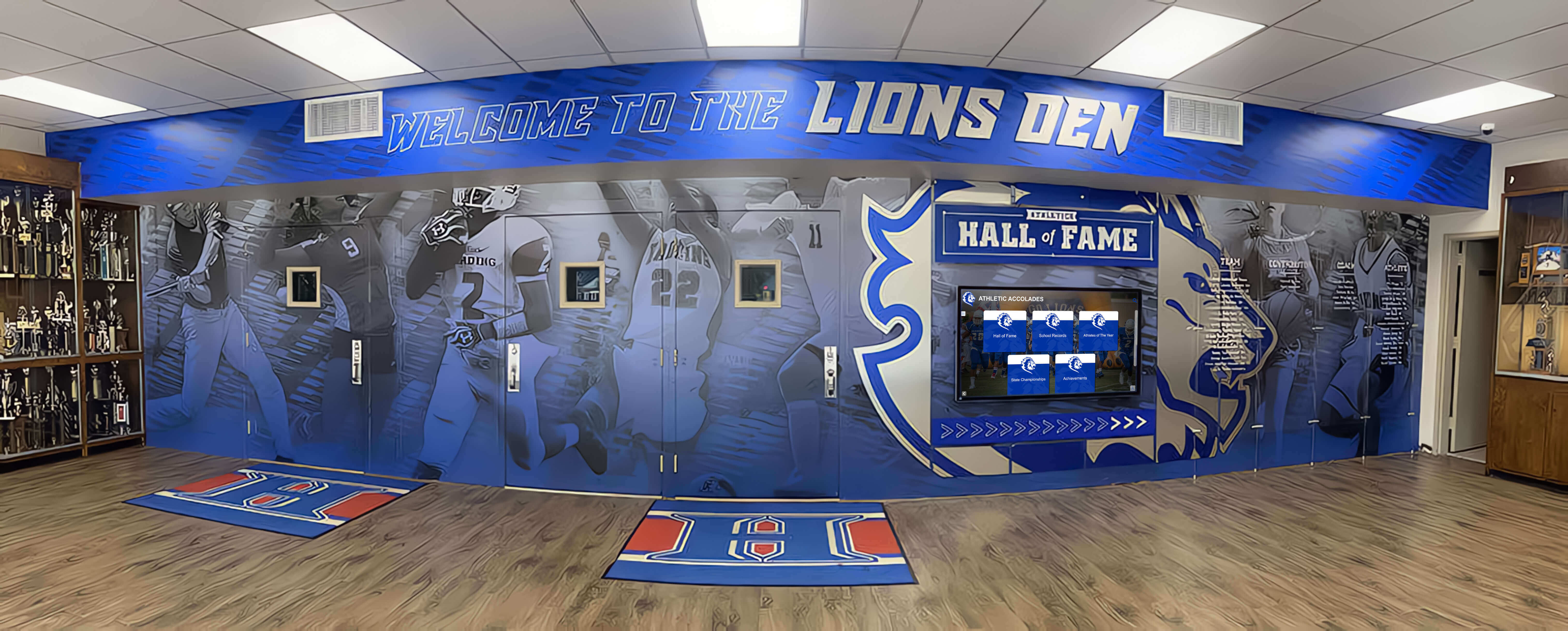
Strategic principals create recognition environments combining traditional and modern elements that honor history while embracing innovation
Conclusion: The Principal’s Enduring Impact
School principals occupy uniquely challenging yet profoundly influential positions shaping educational experiences for hundreds or thousands of students annually. Beyond the stereotypes of disciplinarians or middle managers, effective principals serve as instructional leaders improving teaching quality, community builders creating positive school cultures, strategic managers allocating resources wisely, culture architects establishing values and expectations, and advocates ensuring every student receives excellent education regardless of background or circumstance.
The work proves demanding—long hours, constant pressure, competing demands, insufficient resources, and sometimes thankless sacrifice. Yet effective principals persist because they understand impact. The teacher they coach becomes more effective, improving learning for hundreds of students across entire career. The recognition system they implement celebrates achievement for decades, inspiring countless students toward excellence. The inclusive culture they build creates belonging for students previously marginalized. The academic standards they maintain prepare students for success long after graduation.
Elevate Your School's Recognition Program
Discover how modern digital recognition solutions help principals celebrate every student achievement, build positive school culture, and create lasting engagement through comprehensive, accessible recognition systems.
Explore Recognition SolutionsUnderstanding what principals actually do helps all stakeholders appreciate the complex leadership required for educational excellence. For aspiring administrators, this exploration reveals both challenges and profound rewards awaiting those committed to school leadership. For teachers, understanding principal pressures and priorities enables more productive collaboration and realistic expectations. For parents, appreciating principal complexity supports constructive partnership around student success. For community members, recognizing principals’ comprehensive responsibilities informs how citizens can effectively support schools beyond simply criticizing or cheerleading.
Today’s educational landscape demands more from principals than ever—navigating polarization, addressing mental health crises, ensuring equity, integrating technology, managing accountability pressure, and continuously improving instruction amid constant change. Yet thousands of dedicated principals persist, driven by belief that excellent schools transform individual lives and strengthen communities. Their leadership matters profoundly, shaping whether schools become places where all students thrive or only some succeed.
If you’re considering educational leadership, bringing valuable perspective to the principalship, or simply seeking to understand who leads schools, recognize that effective principals combine multiple expertises—instructional knowledge, operational competence, relationship skills, strategic thinking, and unwavering commitment to student success. They navigate ambiguity, balance competing priorities, make difficult decisions with incomplete information, and persist through criticism because they believe every student deserves excellent education.
Your school principal deserves appreciation for the complex, demanding work they do daily—work that rarely receives headlines when successful but draws immediate criticism when anything goes wrong. Whether you’re a teacher, parent, student, or community member, finding opportunities to express gratitude, offer support, and recognize the essential leadership principals provide strengthens the partnerships educational excellence requires.
Ready to learn more? Explore comprehensive approaches to building school pride and community spirit, discover strategies for creating welcoming school environments through thoughtful design, or learn about comprehensive recognition programs that celebrate diverse achievements across academic, athletic, and service dimensions.