Walking through any college campus, you’ll often spot digital displays and plaques honoring students who’ve achieved something remarkable: making the dean’s list. For many students and families, this academic recognition represents a significant milestone—a formal acknowledgment that a student has excelled academically during a particular term. Yet despite its prevalence across American higher education, confusion often surrounds what the dean’s list actually is, how students qualify, and why it matters for academic and professional futures.
The dean’s list stands as one of the most widely recognized and consistently maintained academic honors in colleges and universities nationwide. Unlike honors that recognize only the very top students or those reserved for graduation achievements, the dean’s list provides semester-by-semester recognition for students demonstrating strong academic performance, creating ongoing motivation and tangible acknowledgment of scholarly dedication. This regular recognition cycle—typically every fall and spring semester—means students have multiple opportunities throughout their college careers to earn this distinction and see their names prominently displayed among their accomplished peers.
This comprehensive guide explores everything you need to know about the dean’s list: its definition and purpose, specific eligibility requirements across different institutions, the tangible benefits it provides for students’ academic and professional trajectories, how it differs from similar academic honors, and how modern colleges effectively recognize dean’s list achievers through both traditional and digital recognition systems.
The dean’s list serves a dual purpose in higher education—rewarding individual academic achievement while simultaneously promoting a culture of excellence that elevates academic standards throughout the institution. Understanding this recognition fully helps students set appropriate goals, families celebrate achievements meaningfully, and institutions implement effective recognition systems that honor scholarly accomplishment with the visibility and permanence it deserves.

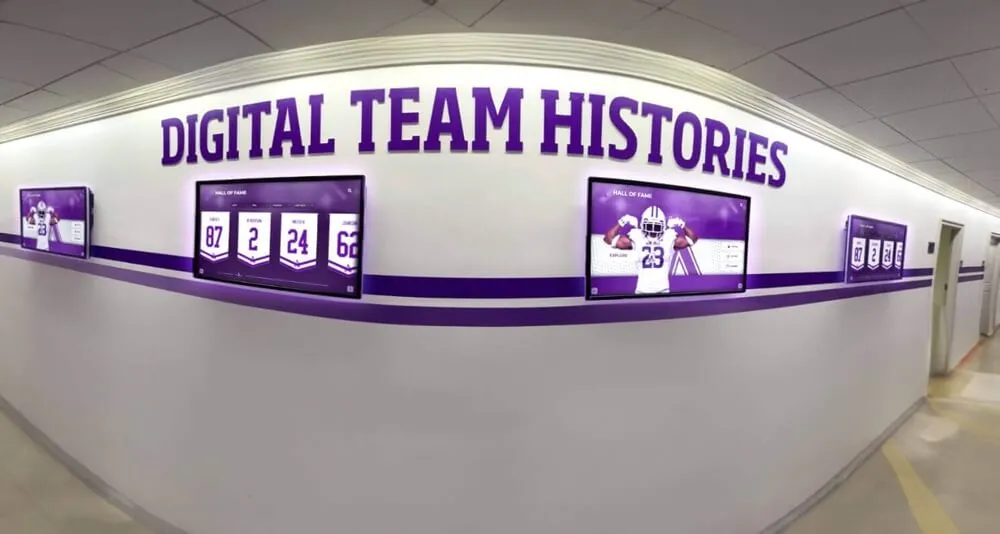
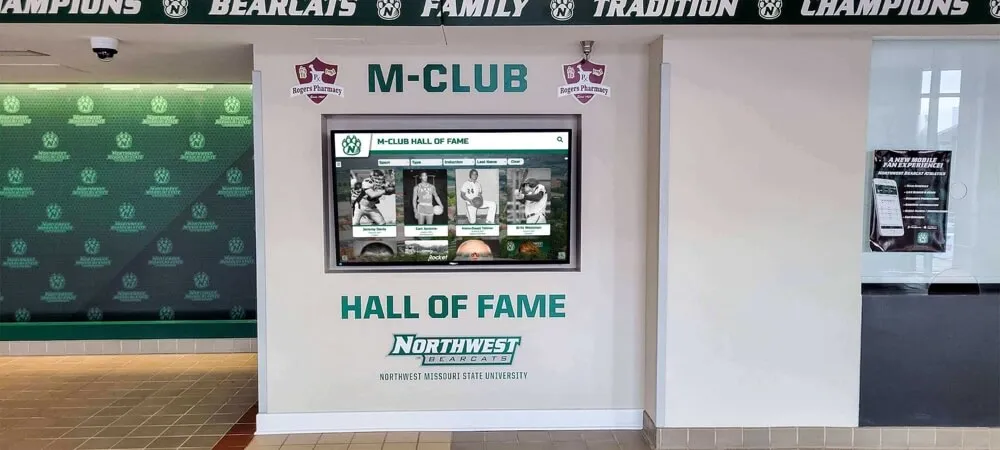
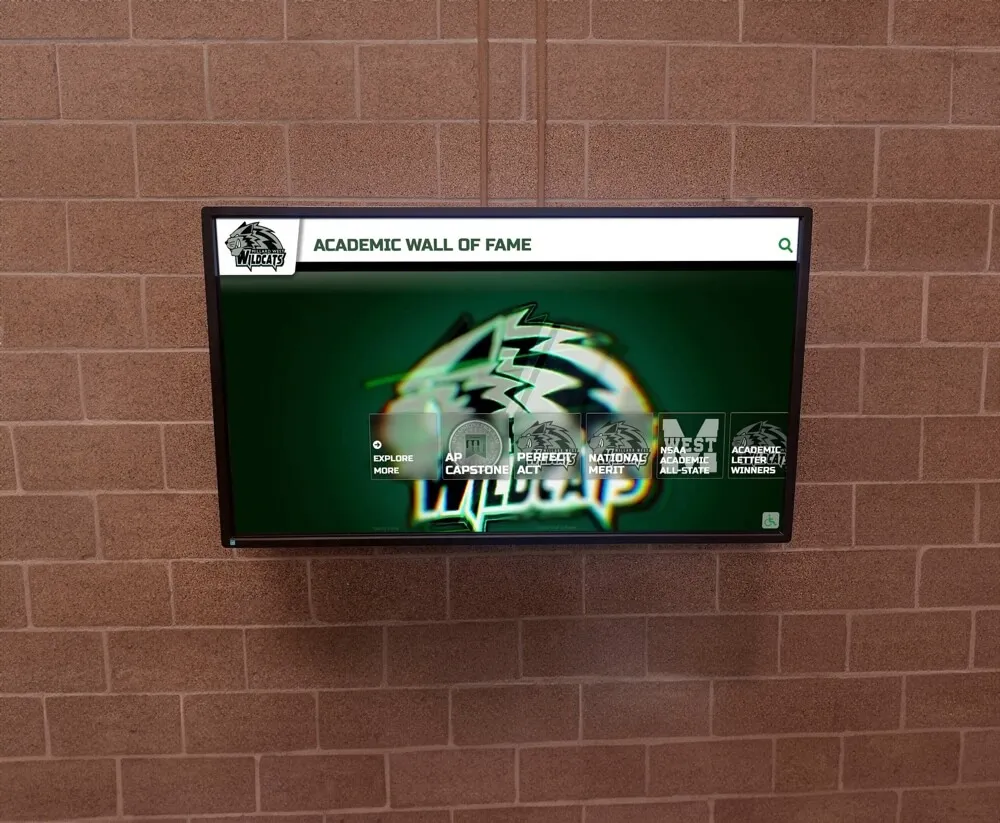
Modern academic recognition displays prominently celebrate dean's list achievements, creating visible inspiration for current and prospective students
Understanding the Dean’s List: Definition and Purpose
Before examining specific requirements or recognition methods, it’s essential to understand what the dean’s list fundamentally represents and why colleges maintain this long-standing tradition.
What Exactly Is the Dean’s List?
The dean’s list is a formal academic honor roll recognizing undergraduate students who achieve exceptional academic performance during a specific semester or term. Named because it historically came from the office of the college dean—the senior academic administrator—this distinction acknowledges students whose grade point averages during a given term meet or exceed established excellence thresholds.
Unlike graduation honors such as cum laude (which recognize cumulative achievement across an entire college career) or merit-based scholarships (which may consider factors beyond grades), the dean’s list focuses specifically on semester-by-semester academic performance. This regular, recurring recognition cycle distinguishes it from one-time honors and creates opportunities for consistent acknowledgment throughout students’ undergraduate journeys.
Most colleges and universities announce dean’s list recipients shortly after grades are finalized each semester—typically within 2-4 weeks of term conclusion. Students receive official notification through multiple channels: email congratulations from the dean’s office, notation on official transcripts, physical certificates suitable for framing, public announcements through institutional communications, and increasingly, inclusion in digital recognition displays positioned prominently in high-traffic campus locations.
The Purpose and Value of Dean’s List Recognition
Colleges maintain dean’s list traditions because this recognition serves multiple important institutional and educational purposes:
Motivating Academic Excellence
The dean’s list creates concrete, achievable goals for students pursuing academic success. Unlike distant graduation honors that may feel abstract to freshmen and sophomores, semester-based dean’s list recognition provides immediate, regular targets that motivate sustained effort throughout college careers. Students who narrowly miss dean’s list one semester often redouble efforts to achieve the distinction the following term—demonstrating how these regular recognition cycles promote ongoing academic engagement.

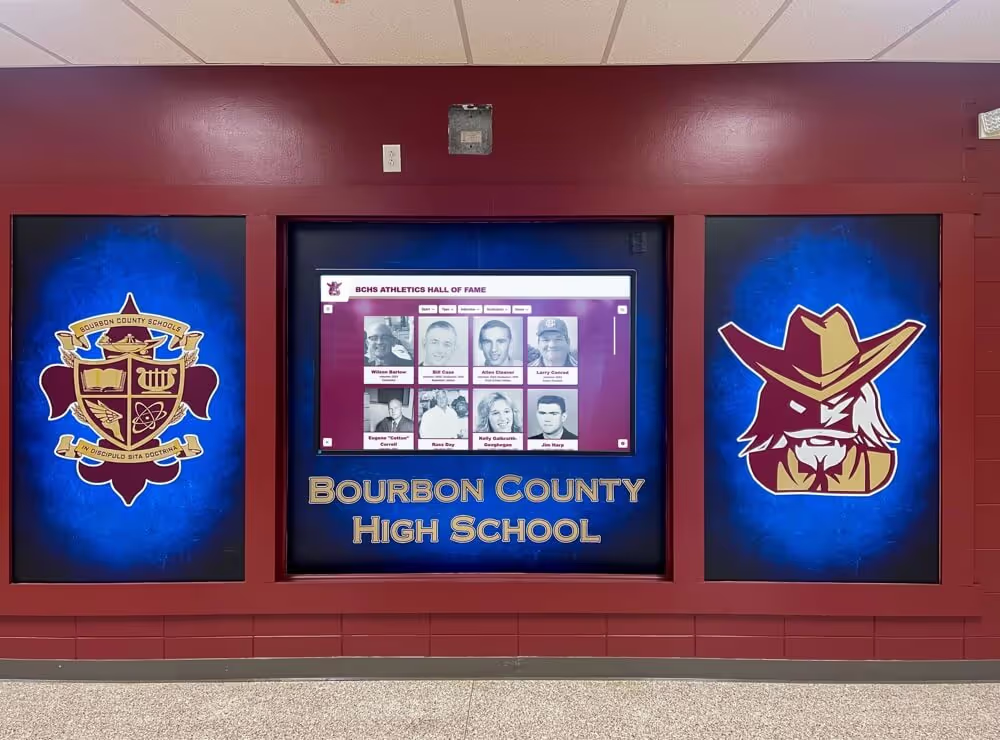
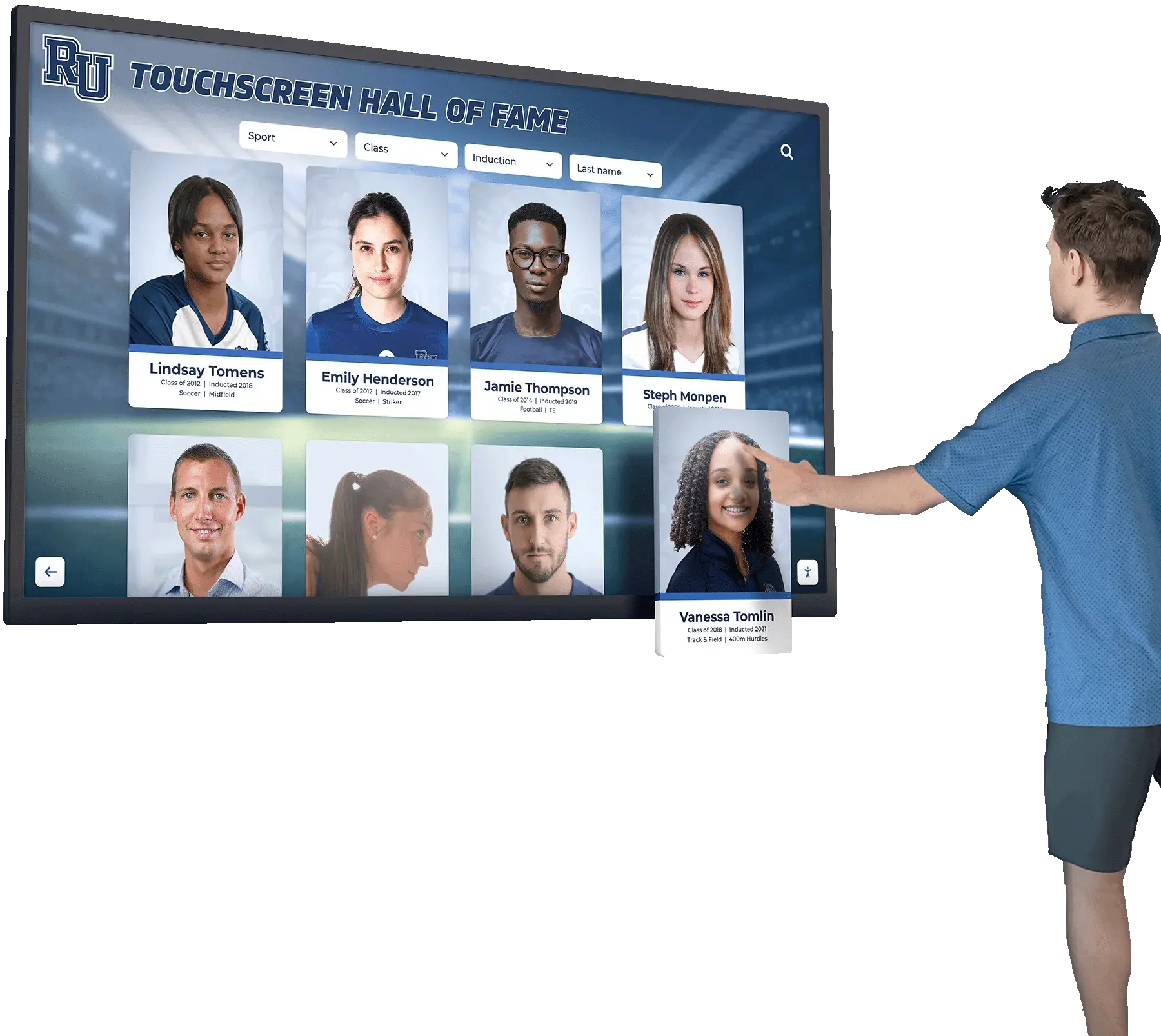
Personal achievement profiles celebrate dean's list students individually, providing meaningful recognition beyond simple name lists
Acknowledging Student Effort
College academics demand significant time, dedication, and intellectual effort. The dean’s list provides formal institutional acknowledgment that students’ hard work has produced measurable results. This recognition validates the sacrifices students make—late-night study sessions, disciplined time management, and prioritization of academics alongside social and extracurricular activities. For many students, seeing their names on official dean’s list announcements represents the first time their academic dedication receives formal, public recognition from their institution.
Building Academic Community
When colleges prominently display dean’s list achievers and celebrate these accomplishments institution-wide, they create academic communities where scholarly excellence becomes normalized and celebrated rather than dismissed or hidden. This cultural impact extends beyond recognized students to influence peers who see academic achievement valued and admired, potentially inspiring increased academic engagement across broader student populations.
Explore comprehensive approaches to academic recognition programs that celebrate dean’s list achievement alongside diverse student accomplishments.
Enhancing Institutional Reputation
Colleges benefit reputationally when they can demonstrate that significant percentages of their student bodies achieve dean’s list recognition—evidence of both rigorous academic standards and student body quality. Institutions frequently feature dean’s list statistics in admissions materials and communications with prospective students and families, using this data to showcase academic excellence and student success rates.
Dean’s List Eligibility Requirements and Criteria
While nearly all accredited colleges and universities maintain dean’s list programs, specific eligibility criteria vary significantly across institutions. Understanding these variations helps students navigate their particular college’s requirements while revealing common standards that unite most dean’s list programs nationwide.
Standard GPA Thresholds for Dean’s List Recognition
The most fundamental dean’s list requirement centers on grade point average achievement during a specific semester. Most institutions establish GPA thresholds that distinguish dean’s list recognition from general good academic standing.
Common GPA Requirements
3.5 GPA Threshold: The most common dean’s list standard, requiring students to maintain at least a 3.5 grade point average (equivalent to a B+ average) for the recognition term. This threshold balances recognition accessibility—allowing solid, dedicated students to qualify—with meaningful standards that preserve the honor’s significance.
3.75 or 4.0 GPA Thresholds: More selective institutions or specific colleges within universities sometimes establish higher thresholds requiring 3.75 GPA (A-/A average) or perfect 4.0 GPA. These elevated standards create more exclusive recognition tiers while potentially limiting dean’s list achievement to only the highest-performing students.
Tiered Recognition Systems: Some institutions implement multiple dean’s list levels with different GPA requirements—such as “Dean’s List” for 3.5-3.74 GPA, “Dean’s High Honors” or “President’s List” for 3.75-3.99 GPA, and “Dean’s Highest Honors” for perfect 4.0 GPAs. These tiered systems provide recognition opportunities at multiple achievement levels while maintaining distinctions between different performance tiers.
Course Load and Credit Hour Requirements
Beyond GPA thresholds, most colleges impose minimum course load requirements ensuring dean’s list recognition acknowledges substantial academic work rather than high grades earned in minimal coursework.
Full-Time Enrollment Standards
Typical dean’s list requirements mandate that students maintain full-time enrollment status during the recognition semester—generally defined as 12-15 credit hours or more. This standard prevents students from achieving high GPAs by taking only one or two courses while ensuring recognized students balanced multiple demanding courses simultaneously.
Some institutions establish specific credit minimums beyond basic full-time thresholds—commonly 12, 14, or 15 credits—based on institutional norms and academic cultures. Schools with quarter systems rather than semester calendars typically adjust credit minimums proportionally to account for shorter term lengths.
Graded Course Requirements
Many colleges specify that dean’s list-eligible credits must come from graded courses receiving letter grades that factor into GPA calculations. This distinction matters because various courses may carry pass/fail designations, audit status, or other grading schemes that don’t contribute to GPA.
Students taking significant pass/fail coursework may find themselves ineligible for dean’s list recognition even if their graded courses all earned high marks, simply because their graded credit hours fell below institutional minimums. Understanding this distinction early helps students make informed decisions about pass/fail options when dean’s list recognition matters for their goals.

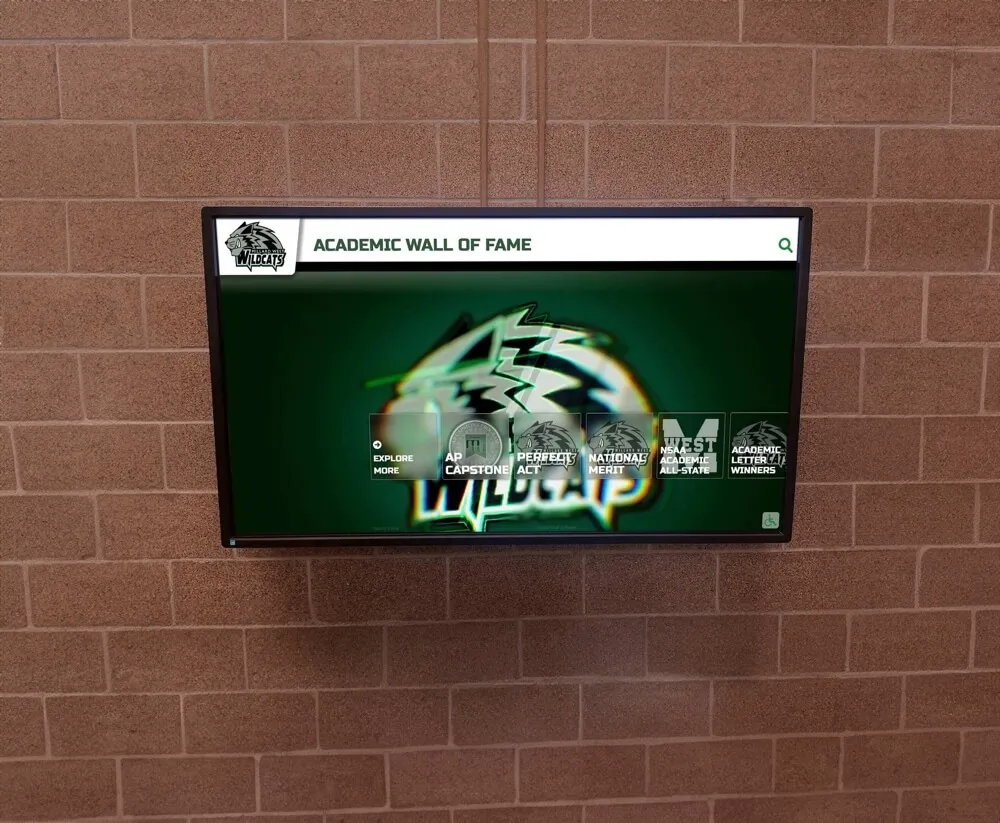
Interactive digital displays allow students to explore dean's list achievements across semesters and discover peers' academic accomplishments
Academic Good Standing and Conduct Requirements
Dean’s list recognition typically requires more than just meeting numerical GPA and credit thresholds—students must also maintain general academic good standing without serious conduct violations.
Academic Integrity Standards
Students found responsible for academic dishonesty violations—plagiarism, cheating, unauthorized collaboration, or other integrity breaches—typically become ineligible for dean’s list recognition even if their GPAs technically meet thresholds. This standard reinforces that dean’s list honors not just academic performance but also ethical scholarly conduct.
Disciplinary Status Considerations
Some institutions exclude students serving academic or disciplinary probation from dean’s list eligibility regardless of semester GPA achievement. These policies ensure dean’s list recognition acknowledges students in full good standing with their institutions across all dimensions—academic, conduct, and community citizenship.
Institutional Variations and Exceptions
While the general framework described above applies broadly, prospective and current students should always verify specific requirements at their particular institutions, as significant variations exist.
Graduate and Professional Student Inclusion
Traditional dean’s list programs focus on undergraduate students, but some universities extend similar recognition to graduate and professional school students through modified programs with higher GPA thresholds (often 3.75 or 3.85 for graduate students) accounting for different grading norms at advanced academic levels.
Part-Time Student Eligibility
Most traditional dean’s list programs require full-time enrollment, effectively excluding part-time students from recognition regardless of their academic performance. However, some institutions have created modified dean’s list programs specifically for part-time students who meet proportional credit and GPA thresholds—acknowledging that many students balance academics with work, family, or other commitments preventing full-time enrollment.
Understanding your specific institution’s requirements ensures you can plan coursework strategically and avoid unexpected eligibility issues that might prevent recognition despite strong academic performance. Most colleges publish dean’s list criteria in academic catalogs, registrar websites, and student handbooks.
Learn more about comprehensive academic honor roll recognition systems that celebrate dean’s list alongside other academic achievements.
The Tangible Benefits of Dean’s List Recognition
Making the dean’s list provides more than just momentary satisfaction or family bragging rights—this recognition delivers concrete academic, professional, and personal benefits that can impact students’ trajectories both during college and after graduation.
Academic and Scholarship Advantages
Dean’s list recognition directly influences various academic opportunities and financial considerations throughout college careers.
Scholarship Eligibility and Retention
Many merit-based scholarships require recipients to maintain dean’s list-level GPAs (typically 3.5 or higher) as conditions for scholarship renewal. Students who consistently make the dean’s list essentially create proof that they meet these renewal requirements, simplifying verification and demonstrating sustained academic performance rather than one-time achievement.
Additionally, numerous scholarship programs specifically target or preferentially select dean’s list students, viewing this recurring recognition as evidence of sustained excellence rather than isolated high performance. Some institutions offer dean’s list-specific scholarships recognizing students who make the list multiple consecutive semesters.
Honors Program and Advanced Opportunity Access
Admission to selective honors programs, research opportunities, and competitive academic experiences often requires demonstrated academic excellence—with dean’s list achievement serving as verified proof. Program directors reviewing applications for undergraduate research positions, study abroad programs, or specialized academic tracks frequently prioritize or require dean’s list recognition as evidence that students can handle additional academic challenges while maintaining strong performance in regular coursework.
Professional and Career Benefits
The advantages of dean’s list recognition extend well beyond graduation, influencing early career opportunities and professional development.
Resume Enhancement
Dean’s list recognition belongs prominently on resumes and CVs, particularly for recent graduates and early-career professionals whose work experience may be limited. Employers evaluating candidates fresh out of college use academic honors as key differentiators—dean’s list recognition signals discipline, time management, intellectual capability, and sustained performance rather than isolated achievement.
Strategic resume presentation matters. Rather than simply noting “Dean’s List” generically, specify the number of semesters achieved and any special distinctions: “Dean’s List—6 semesters” or “Dean’s High Honors—all eligible semesters” provides more impressive context than unqualified listings.

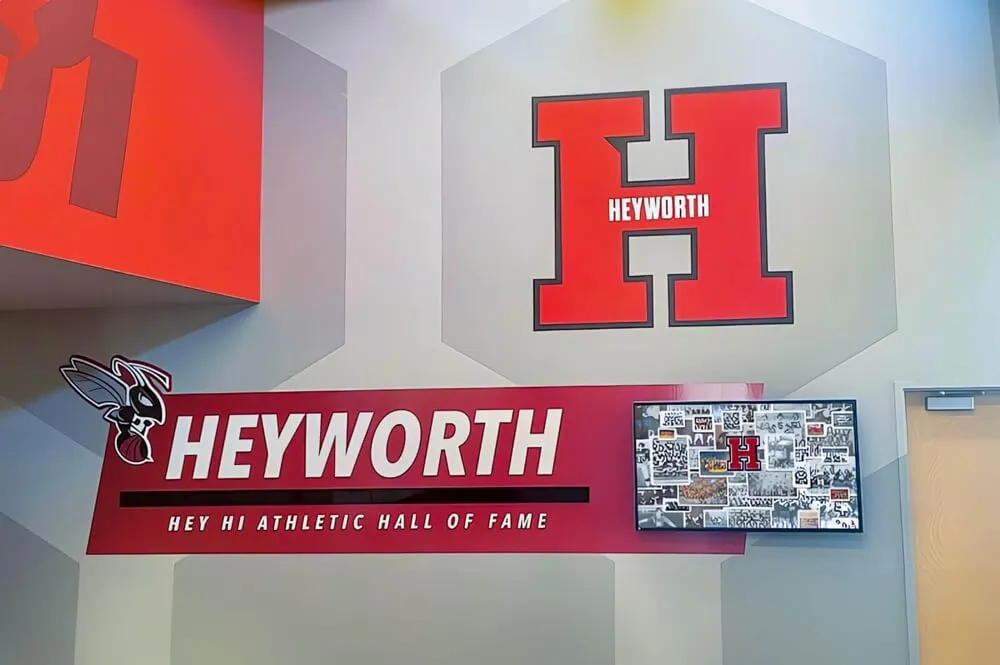
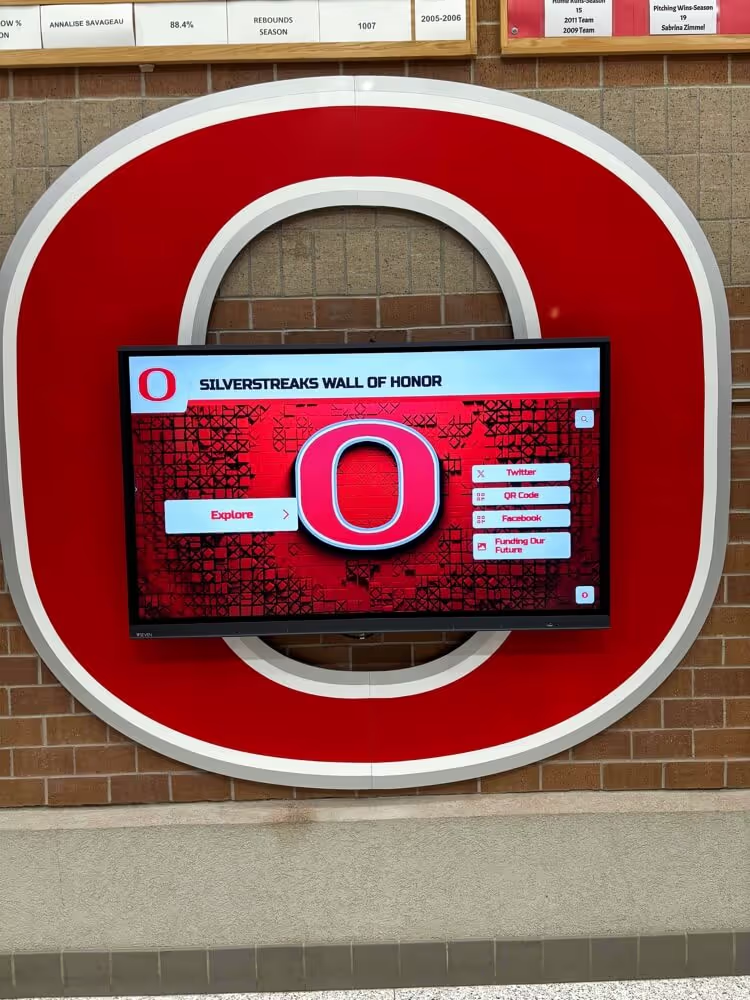
Prominent campus recognition displays celebrate dean's list students alongside other institutional achievements, creating inspiration for current students
Graduate School Applications
Graduate and professional school admissions committees carefully evaluate academic records when selecting candidates. Consistent dean’s list recognition throughout undergraduate years demonstrates sustained academic excellence and intellectual engagement—qualities graduate programs highly value. For applicants with GPAs that hover near but don’t dramatically exceed minimums for competitive programs, dean’s list recognition every semester provides additional evidence of strong, consistent performance rather than sporadic success.
Professional Networking and Alumni Connections
Many universities maintain dean’s list alumni networks or databases enabling current students and recent graduates to connect with accomplished alumni who also earned this distinction. These connections facilitate mentorship relationships, informational interviews, and professional networking based on shared academic excellence. Some employers who are alumni themselves preferentially interview candidates from their alma maters who achieved dean’s list recognition—viewing this shared experience as evidence of compatible work ethics and capabilities.
Discover approaches for recognizing academic all-americans and other high-achieving students through modern recognition displays.
Personal and Psychological Benefits
Beyond tangible academic and career advantages, dean’s list recognition provides meaningful personal and psychological benefits that contribute to student success and wellbeing.
Confidence and Academic Identity Building
Earning dean’s list recognition—particularly for first-generation college students or those who questioned whether they belonged in college—builds academic confidence and strengthens students’ identities as capable scholars. This psychological impact often creates positive feedback loops where increased confidence leads to greater academic engagement, which produces continued strong performance and further dean’s list achievements.
Family Pride and Support Reinforcement
For many students, sharing dean’s list news with family represents meaningful moments of pride and celebration. Parents, grandparents, and extended family who supported students’ educational journeys gain tangible evidence that their investments and encouragement produced measurable success. This family recognition often strengthens support networks that help students persist through challenging academic periods.
Institutional Belonging and Community Connection
Seeing one’s name publicly displayed on dean’s list announcements—whether traditional bulletin boards or modern digital displays—creates sense of belonging and connection to institutional academic community. Students recognized for academic achievement often report feeling more invested in their institutions and more connected to academic missions, potentially influencing persistence and engagement throughout college careers.
How Dean’s List Differs From Other Academic Honors
The academic honors landscape includes numerous recognition types—understanding how the dean’s list relates to and differs from other distinctions helps students and families appreciate its specific meaning and value.
Dean’s List vs. President’s List
Many colleges maintain both dean’s list and president’s list programs, creating confusion about their relationship and relative prestige.
Understanding the Distinction
Dean’s List: Typically requires 3.5-3.74 GPA during a semester, recognizing strong academic performance across relatively broad student populations (often 15-25% of full-time undergraduates qualify).
President’s List: Usually requires higher achievement—commonly 3.75-4.0 GPA or perfect 4.0 GPA—creating more selective recognition honoring exceptional performance. Some institutions reserve president’s list exclusively for perfect 4.0 semesters.
Both recognitions follow similar eligibility models regarding credit requirements and good standing, differing primarily in GPA thresholds. Students achieving president’s list standards automatically exceed dean’s list requirements, though institutions may choose to recognize them under the more prestigious president’s list designation exclusively or acknowledge both honors simultaneously.
The naming convention reinforces the hierarchical distinction—deans report to presidents in administrative structures, so president’s list designation signals recognition from the highest institutional level reserved for the most outstanding achievement.
Dean’s List vs. Graduation Latin Honors
Dean’s list and graduation Latin honors (cum laude, magna cum laude, summa cum laude) both recognize academic excellence but operate on fundamentally different timeframes and calculation methods.
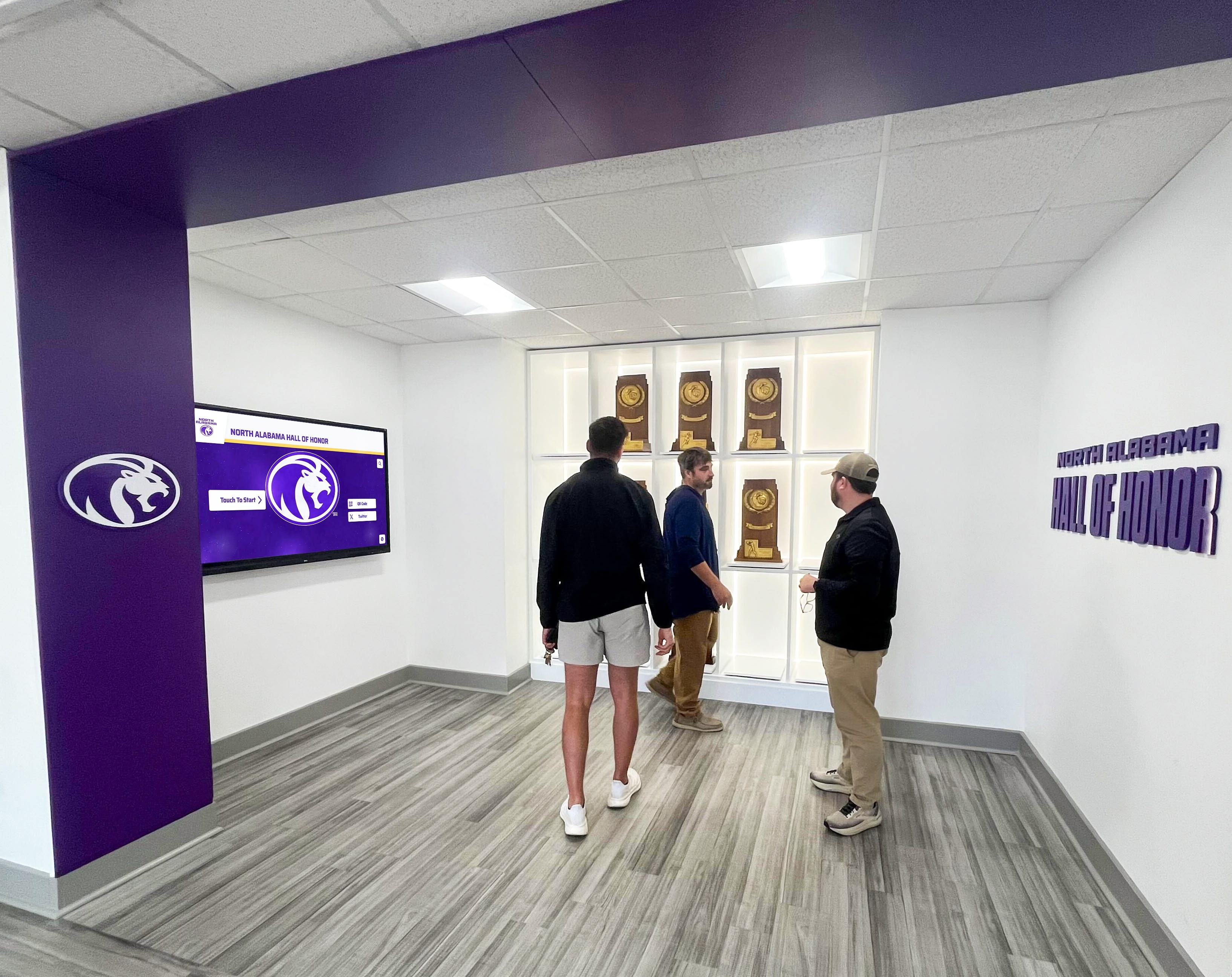
Effective recognition planning considers multiple honor types including dean's list, creating comprehensive celebration of academic achievement
Temporal Scope Differences
Dean’s List: Semester-based recognition evaluating GPA achievement during individual 15-16 week terms, providing regular, recurring honors throughout college careers. Students may make dean’s list some semesters and not others depending on that specific term’s performance.
Latin Honors: Cumulative recognition based on overall GPA across entire undergraduate careers (typically all courses or final 60+ credits), announced at graduation. Students learn their Latin honors designations only at college completion, making them endpoint achievements rather than ongoing recognition.
GPA Calculation Methodologies
Dean’s list calculations typically include only courses taken during the specific recognition semester, while Latin honors calculations encompass two to four years of coursework. A student might earn dean’s list recognition one semester with 3.6 GPA for that term while ultimately graduating without Latin honors if their cumulative four-year GPA falls below cum laude thresholds (often 3.5 or higher).
Conversely, students might never make dean’s list any individual semester yet still graduate cum laude if their overall GPA meets thresholds despite never achieving that level in isolated terms. These distinctions mean both honors provide valuable information—dean’s list shows sustained semester-level performance while Latin honors represent cumulative achievement.
Dean’s List vs. Honor Societies
Academic honor societies like Phi Beta Kappa, Golden Key, or discipline-specific societies operate differently from dean’s list recognition despite sharing focus on academic achievement.
Membership vs. Recognition Models
Dean’s List: Recognition-based honor requiring no application, membership fees, or ongoing engagement. Students automatically receive dean’s list designation when they meet published criteria—no application process or selection committee reviews individual cases. Recognition happens each qualifying semester without requiring students to maintain membership or pay fees.
Honor Societies: Membership organizations requiring applications (though sometimes invitation-only), selection processes, initiation fees, and often ongoing dues. Members gain access to society benefits—networking events, scholarship opportunities, career resources—that extend beyond recognition itself. However, membership requires financial investment and active engagement that dean’s list recognition does not.
Selection Criteria Comprehensiveness
Dean’s list focuses primarily or exclusively on GPA achievement during specific semesters. Honor societies often evaluate broader criteria including cumulative GPA, class rank percentile, leadership experience, service engagement, faculty recommendations, and demonstrated character. This comprehensive evaluation means honor society membership may be more selective than dean’s list recognition despite similar or even lower GPA thresholds.
Understanding these distinctions helps students appreciate dean’s list recognition as one component within broader academic honors ecosystems—valuable and meaningful while complementing rather than replacing other achievement recognition.
Learn about celebrating perfect attendance alongside academic excellence in comprehensive recognition systems.
Recognizing Dean’s List Achievement: From Traditional to Digital Approaches
Colleges and universities employ various methods to recognize and celebrate dean’s list achievers, ranging from traditional certificates to sophisticated digital recognition systems that create lasting visibility and inspiration for campus communities.
Traditional Dean’s List Recognition Methods
Long-established approaches to dean’s list recognition remain common, each offering particular advantages while facing certain limitations in contemporary educational environments.
Official Transcript Notation
All accredited institutions note dean’s list achievement directly on students’ official academic transcripts, creating permanent record visible to graduate schools, employers, and others requesting transcripts. This documentation ensures dean’s list recognition remains verifiable throughout students’ lives rather than representing ephemeral acknowledgment lost after graduation.
Transcript notation typically follows semester grade listings with abbreviated designations such as “Dean’s List” or “DL,” allowing anyone reviewing transcripts to immediately identify terms when students achieved this distinction. This permanent documentation makes dean’s list recognition valuable beyond immediate psychological benefits—it becomes verified academic credential that can be referenced decades later.
Printed Certificates and Letters
Many colleges mail or present formal certificates congratulating dean’s list achievers, providing tangible recognition items students can frame, share with family, or include in personal achievement portfolios. These certificates serve ceremonial purposes while creating keepsakes commemorating academic success.
Additionally, personalized congratulatory letters from deans or department chairs acknowledge achievement while reinforcing institutional pride in students’ accomplishments. These communications often highlight what dean’s list recognition represents and encourage continued academic excellence in subsequent semesters.
Printed List Publications
Traditional dean’s list recognition included publishing complete lists in campus newspapers, local community newspapers, institutional newsletters mailed to alumni and donors, and printed bulletins posted in high-traffic campus locations. These publications created public acknowledgment extending recognition beyond individual notification to broader community awareness.
However, printed list approaches face significant limitations in digital age. Physical publications reach limited audiences, become outdated immediately after each new semester, require ongoing printing costs, and provide no interactive capabilities allowing viewers to search for specific students or explore achievements across multiple semesters.
Modern Digital Dean’s List Recognition Systems
Contemporary recognition approaches leverage digital technology to overcome traditional method limitations while creating engaging, permanent, and accessible celebration of academic achievement.
Interactive Digital Recognition Displays
Solutions like Rocket Alumni Solutions transform dean’s list recognition through touchscreen displays positioned in prominent campus locations—library entrances, student union lobbies, academic building atriums, and administrative centers. These purpose-built recognition platforms provide capabilities traditional methods cannot match:
- Unlimited capacity eliminating physical space constraints that force institutions to remove historical achievers when space fills
- Searchable databases enabling students, families, and visitors to instantly find specific individuals across any semester or year
- Rich student profiles moving beyond name lists to include student photos, majors, graduation years, and other contextual information
- Multi-semester tracking allowing viewers to see students who made dean’s list multiple times throughout college careers

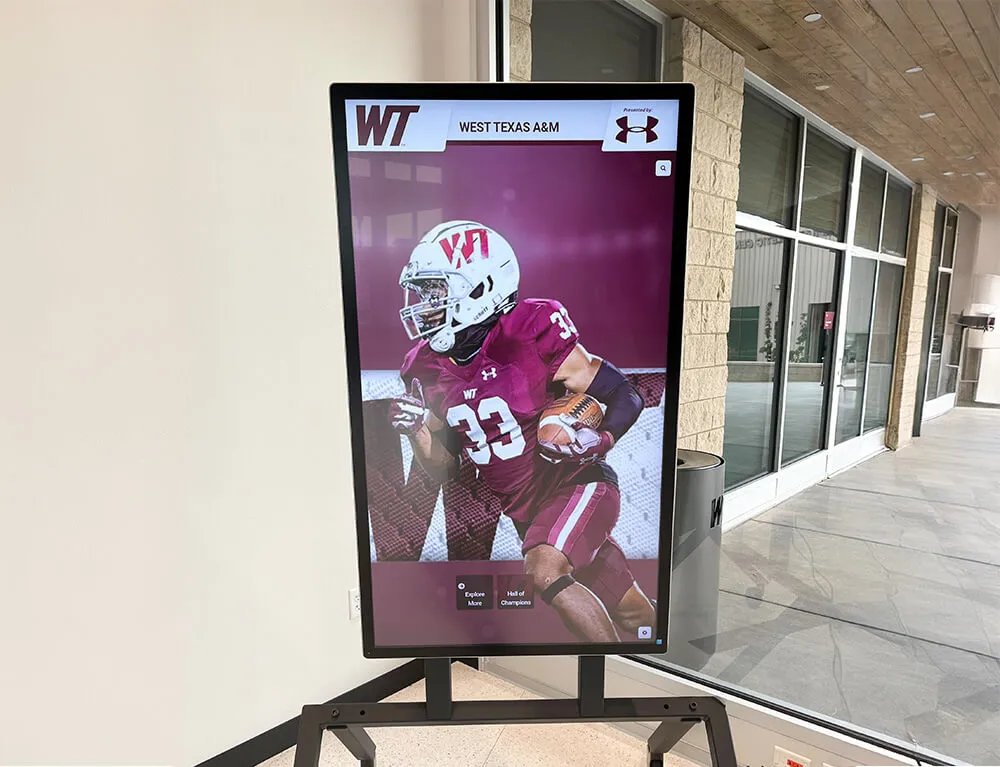
Touchscreen recognition systems invite exploration and engagement, transforming passive list viewing into active achievement discovery
Cloud-Based Content Management
Modern digital recognition platforms feature intuitive content management systems allowing administrators to update dean’s list recognition remotely from any internet-connected device. After each semester when dean’s list determinations are finalized, administrators can bulk-upload entire recognition lists through spreadsheet imports, schedule automatic publication at specified dates, and maintain comprehensive historical archives without technical expertise or IT department involvement.
This simplified management eliminates the administrative burden that often prevents institutions from maintaining current, comprehensive recognition displays. Schools report that updating dean’s list recognition through cloud-based systems requires minutes rather than the hours needed for traditional bulletin board updates or plaque modifications.
Web-Based Recognition Extensions
Digital recognition extends beyond physical campus displays through web-accessible platforms. Students can share their dean’s list achievements through direct links to online recognition profiles—perfect for social media celebration, LinkedIn profile documentation, or sharing with family members unable to visit campus. Alumni worldwide can revisit their dean’s list accomplishments years or decades after graduation, creating lasting connection to institutions and academic achievements.
This extended reach amplifies recognition impact exponentially compared to campus-only displays accessible exclusively during facility operating hours. Parents, grandparents, and extended family celebrate students’ achievements from anywhere through devices they already use daily, strengthening family engagement with students’ academic journeys.
Discover how Rocket Alumni Solutions provides comprehensive digital recognition platforms specifically designed for celebrating academic achievement including dean’s list honors.
Creating Comprehensive Academic Recognition Ecosystems
The most effective recognition approaches integrate dean’s list celebration within broader academic recognition systems that honor diverse achievements, creating cultures where intellectual excellence receives visibility and celebration across multiple dimensions.
Multi-Category Recognition Integration
Purpose-built recognition platforms enable institutions to celebrate dean’s list achievement alongside other academic honors within unified systems:
- Graduation Latin honors (cum laude, magna cum laude, summa cum laude)
- Academic department awards and subject-specific recognition
- Undergraduate research and creative achievement
- Honor society memberships and academic organization leadership
- Standardized test achievements and competitive scholarship awards
- Academic competition success and intellectual contributions
This integrated approach ensures dean’s list recognition receives context within comprehensive academic excellence celebration rather than existing in isolation. Students discover that the same platform celebrating dean’s list achievers also recognizes research accomplishments, departmental awards, and other scholarly dimensions—creating holistic acknowledgment of diverse intellectual contributions.
Equity and Inclusion in Recognition
Digital recognition systems should incorporate accessibility features ensuring all students and visitors can engage with dean’s list celebration regardless of physical abilities:
- Physical accessibility through appropriate mounting heights and clear approach spaces complying with ADA standards
- Digital accessibility including screen reader compatibility, high-contrast viewing modes, and text magnification
- Multilingual support when campuses serve diverse language communities
- Mobile optimization ensuring recognition remains accessible on smartphones and tablets
These accessibility considerations ensure dean’s list recognition truly honors all qualifying students while welcoming all community members to celebrate academic achievement regardless of their individual accessibility needs.
Explore comprehensive approaches to academic achievement recognition that integrate dean’s list honors within broader celebration systems.
Strategies for Making the Dean’s List
While this guide primarily focuses on what the dean’s list is and how institutions recognize it, students aspiring to this achievement benefit from practical strategies supporting dean’s list-level performance.
Academic Planning and Course Management
Strategic Course Selection
Making dean’s list requires balancing challenge and capability. Students sometimes assume they should take only the easiest courses to maximize GPA potential—but this approach often backfires by failing to develop skills needed for increasingly difficult upper-division courses while also limiting intellectual growth and professional preparation.
Instead, effective strategies involve selecting appropriately challenging courses that align with genuine interests and career goals while being realistic about workload capacity. Taking five exceptionally demanding courses simultaneously might seem impressive but often leads to divided attention preventing excellence in any single class. Conversely, balanced course loads combining challenging major courses with distribution requirements create manageable workflows supporting sustained high performance.
Understanding Grading Policies and Expectations
Early in each semester, students pursuing dean’s list should thoroughly review syllabi to understand exactly how final grades are calculated—what percentage comes from exams versus papers, whether attendance factors into grades, how participation is evaluated, and what opportunities exist for extra credit or grade improvement. This information allows strategic effort allocation focusing energy where it most impacts final grades.
Additionally, understanding professors’ specific expectations, preferences, and evaluation criteria early prevents surprises later. Visiting office hours during the first two weeks to ask clarifying questions about assignments and expectations demonstrates engagement while providing insights that inform higher-quality work throughout the semester.
Time Management and Study Strategies
Consistent Study Habits Over Cramming
Research consistently demonstrates that distributed practice—regular study sessions over extended periods—produces better learning and retention than massed practice (cramming). Students who study consistently, even briefly, most days vastly outperform peers who study intensively right before exams but neglect ongoing review and practice.
Creating study schedules that allocate time for each course proportional to credit hours and difficulty—then actually following those schedules with the same discipline as class attendance—provides foundation for dean’s list performance. The key lies in treating study time as non-negotiable appointments equal in importance to scheduled classes rather than optional activities that happen only when convenient.
Active Learning Techniques
Passive review (re-reading notes and textbooks) proves far less effective than active learning strategies requiring mental effort and engagement:
- Creating practice tests and self-quizzing before exams
- Teaching concepts to others or explaining them aloud
- Creating concept maps and visual diagrams connecting ideas
- Working problems and practicing application before assignments
- Generating examples and non-examples of concepts being learned
These active approaches require more effort than passive review but produce dramatically better learning, retention, and grade outcomes—ultimately requiring less total time investment than ineffective passive strategies.
Seeking Support and Resources
Utilizing Academic Support Services
Most colleges provide comprehensive academic support services specifically designed to help students achieve at high levels. These resources often remain underutilized because students perceive them as only for struggling students—when in fact, they serve students at all performance levels seeking to maximize achievement:
- Academic skills workshops on time management, test-taking, note-taking, and study strategies
- Writing centers providing feedback on draft papers and assistance with writing development
- Tutoring services offering subject-specific help and study group facilitation
- Faculty office hours creating direct access to instructors for clarification and deeper understanding
Students consistently making dean’s list tend to be those who proactively seek help and utilize available resources rather than those who struggle silently until performance suffers irreversibly.
Building Study Networks
Forming study groups with other motivated students creates accountability systems and collaborative learning opportunities that enhance individual performance. Group study works best when members share commitment to excellence, prepare independently before meeting, and use group time for active discussion and problem-solving rather than passive note comparison or social chatting.
These networks provide more than academic support—they create social communities where academic achievement is normalized and celebrated, reducing isolation and building relationships with peers who share scholarly values.
Learn about recognizing student of the month achievements alongside dean’s list honors through comprehensive recognition systems.
Dean’s List Recognition Across Different Institution Types
While dean’s list fundamentals remain consistent across American higher education, specific implementation details, recognition prominence, and cultural significance vary based on institution type and academic culture.
Research Universities and Large Public Institutions
Large research universities enrolling 20,000+ students typically maintain formal dean’s list programs with clearly published criteria, automated determination processes, and regular communication systems notifying qualifying students each semester.
Scale and Recognition Challenges
At institutions where hundreds or thousands of students make dean’s list each semester, individual recognition becomes challenging. These schools increasingly implement digital recognition solutions that provide unlimited capacity for acknowledging all achievers without space constraints that would make traditional plaques or bulletin boards impractical.
Digital displays positioned in college-specific buildings (College of Engineering, Business School, College of Liberal Arts) allow dean’s list recognition at more intimate scale even within large universities—students see achievements from their specific academic community rather than being lost among institution-wide lists encompassing unfamiliar names from unrelated programs.
Liberal Arts Colleges and Smaller Institutions
Smaller colleges enrolling 1,000-3,000 students often create more personalized dean’s list recognition given closer-knit academic communities where faculty and staff know larger percentages of students personally.
Community Integration
Small college dean’s list announcements may include personal notes from deans congratulating individual students, recognition during all-campus events, and more prominent positioning of achievers in campus communications. The intimate scale allows recognition that feels personal rather than formulaic.
However, these same institutions may face resource constraints limiting their ability to implement sophisticated digital recognition systems—making purpose-built platforms with accessible pricing and minimal technical requirements particularly valuable for smaller colleges seeking modern recognition approaches without enterprise-level budgets or IT infrastructure.
Community Colleges and Two-Year Institutions
Community colleges maintain dean’s list programs recognizing academic excellence among students pursuing associate degrees, transfer pathways, or career technical certificates. These programs serve particularly important motivational functions for student populations that may include first-generation college students, adult learners returning to education, and students who didn’t excel in high school but are demonstrating capability in college.
Celebrating Diverse Achievement Paths
Dean’s list recognition at community colleges celebrates students successfully navigating academics while often balancing work, family responsibilities, and other commitments. Many community colleges implement modified dean’s list criteria accommodating part-time students who may take only 6-9 credits per semester while working full-time—ensuring these students can receive recognition for excellence within their particular circumstances.
Digital recognition systems at community colleges should celebrate not just dean’s list but comprehensive achievement including degree completion, transfer success, and workforce certification—creating holistic acknowledgment of diverse paths students pursue through two-year institutions.
Conclusion: Dean’s List as Foundation for Academic Excellence Culture
The dean’s list represents far more than a line on transcripts or temporary acknowledgment of semester performance. This enduring academic tradition creates tangible motivation for sustained excellence, provides meaningful recognition that influences students’ academic identities and professional trajectories, and signals institutional commitment to celebrating scholarly achievement with the same visibility and permanence traditionally reserved for athletic and extracurricular accomplishments.
Understanding what the dean’s list is—its specific requirements, tangible benefits, relationship to other academic honors, and recognition approaches—empowers students to pursue this distinction strategically while helping families appreciate its significance and institutions implement recognition systems that honor achievement effectively.
Transform Your Academic Recognition Program
Discover how modern digital recognition solutions can help you celebrate dean's list achievers and build a thriving culture of academic excellence that inspires every student to reach their highest potential.
Explore Recognition SolutionsAs colleges increasingly recognize that academic achievement deserves celebration equal to any other accomplishment, dean’s list recognition evolves from printed lists posted briefly on bulletin boards to comprehensive digital systems creating permanent, engaging, and accessible acknowledgment. Purpose-built recognition platforms eliminate the administrative burden and space constraints that once prevented institutions from maintaining current, visible dean’s list celebration while providing interactive experiences that resonate with contemporary students who expect technology to be intuitive, searchable, and socially shareable.
The semester after implementing prominent digital dean’s list recognition, institutions often observe increased awareness of dean’s list standards among students, higher percentages of students reporting that academic achievement is valued and celebrated on campus, and enhanced family engagement as parents share students’ recognition through accessible web platforms. These outcomes demonstrate that how institutions recognize dean’s list matters as much as the distinction itself—visibility creates impact, permanence builds legacy, and accessibility ensures recognition truly honors all achievers.
Your dean’s list students have earned recognition that celebrates their dedication and inspires peers pursuing academic excellence. With thoughtful planning, appropriate technology, and consistent implementation, you can create recognition systems that honor every semester’s achievers while building the positive, motivating academic culture where intellectual achievement thrives and students enthusiastically pursue the scholarly excellence that dean’s list celebrates.
Ready to enhance your academic recognition? Explore additional strategies for comprehensive student recognition programs or discover approaches for celebrating honor students through modern digital recognition platforms that create lasting visibility and inspiration for entire campus communities.