A varsity letter represents one of the most prestigious honors a student-athlete can earn during their high school career. This iconic chenille patch, typically displaying a school’s initial letter, symbolizes athletic excellence, dedication, and the countless hours of practice, competition, and personal sacrifice that define the high school sports experience.
For over a century, varsity letters have served as visible proof of athletic achievement. Yet many students, parents, and even community members remain unclear about what exactly qualifies as varsity letter-worthy performance, how athletes earn this recognition, and what the tradition means within school athletic culture.
This comprehensive guide explores everything you need to know about varsity letters—from their fascinating history dating back to 1865 Harvard University to modern criteria schools use for awarding them. You’ll discover how letter-earning requirements differ across sports, what the physical letter looks like and how it’s typically displayed, and how schools today preserve letter winner recognition through digital platforms that ensure every athlete’s achievement receives lasting acknowledgment.
Whether you’re a student-athlete working toward earning your first varsity letter, a parent supporting your child’s athletic journey, or a school administrator establishing recognition programs, understanding the varsity letter tradition provides valuable context for one of education’s most enduring achievement symbols.

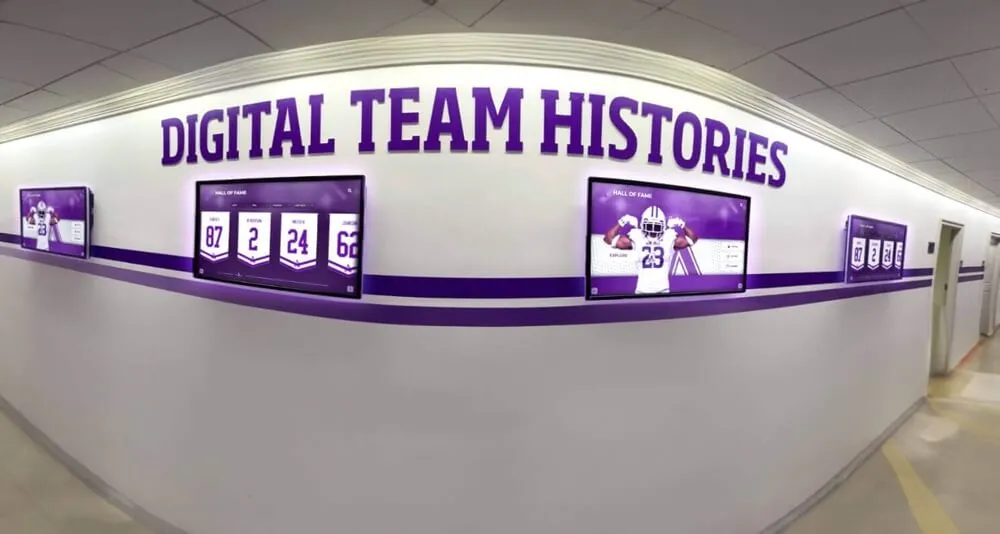
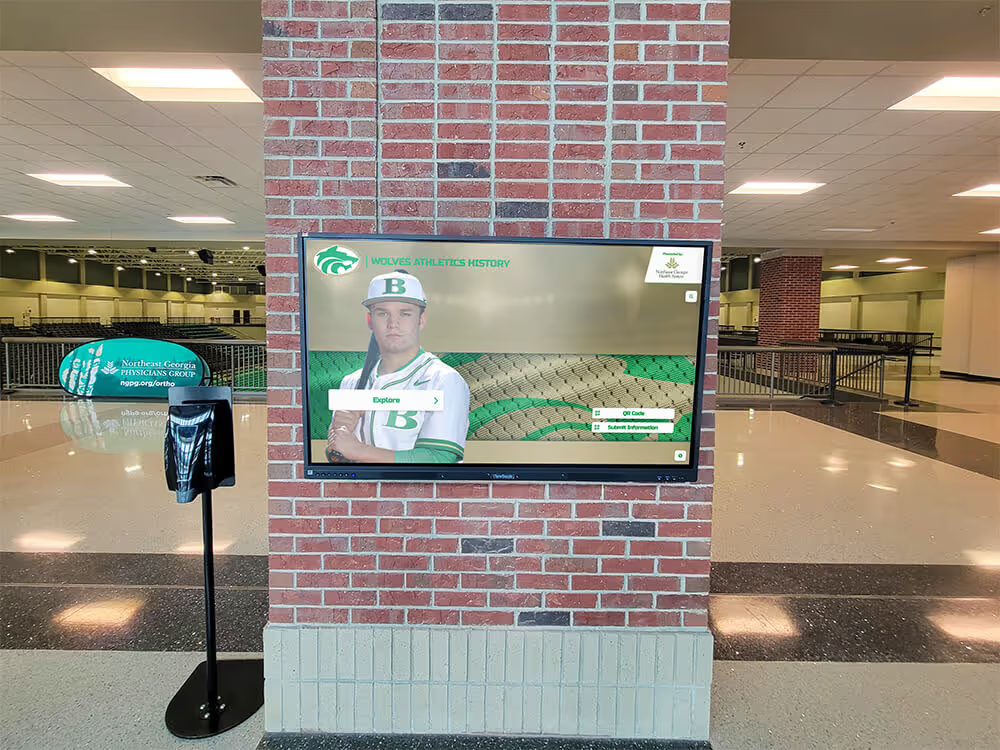
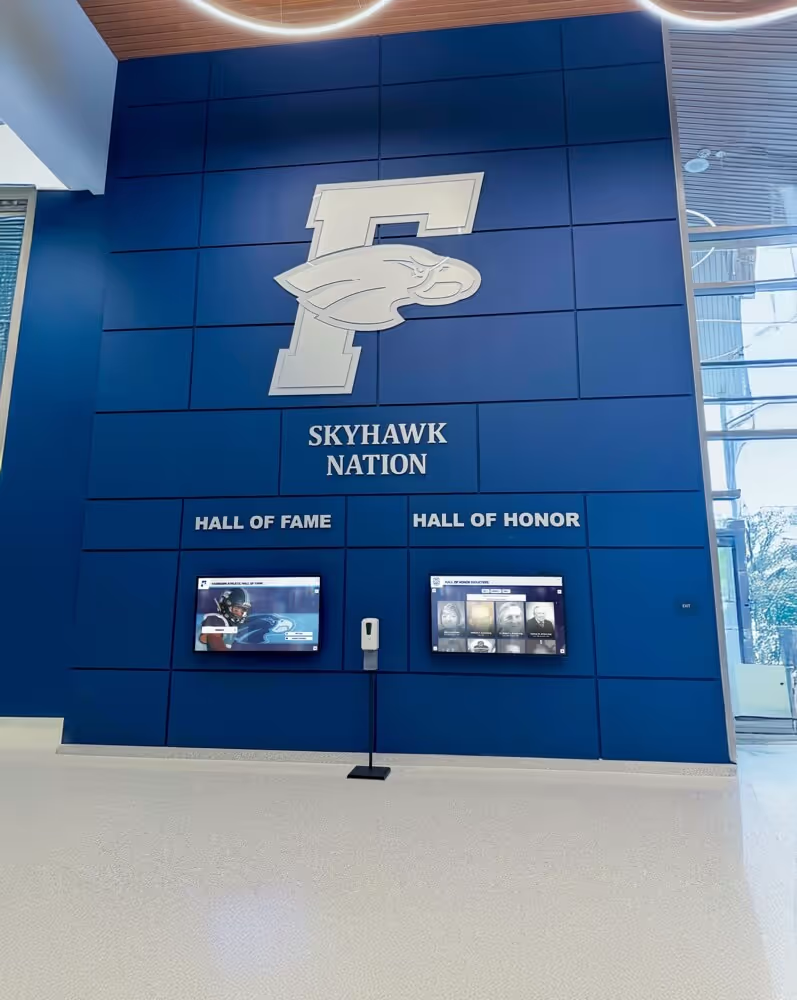
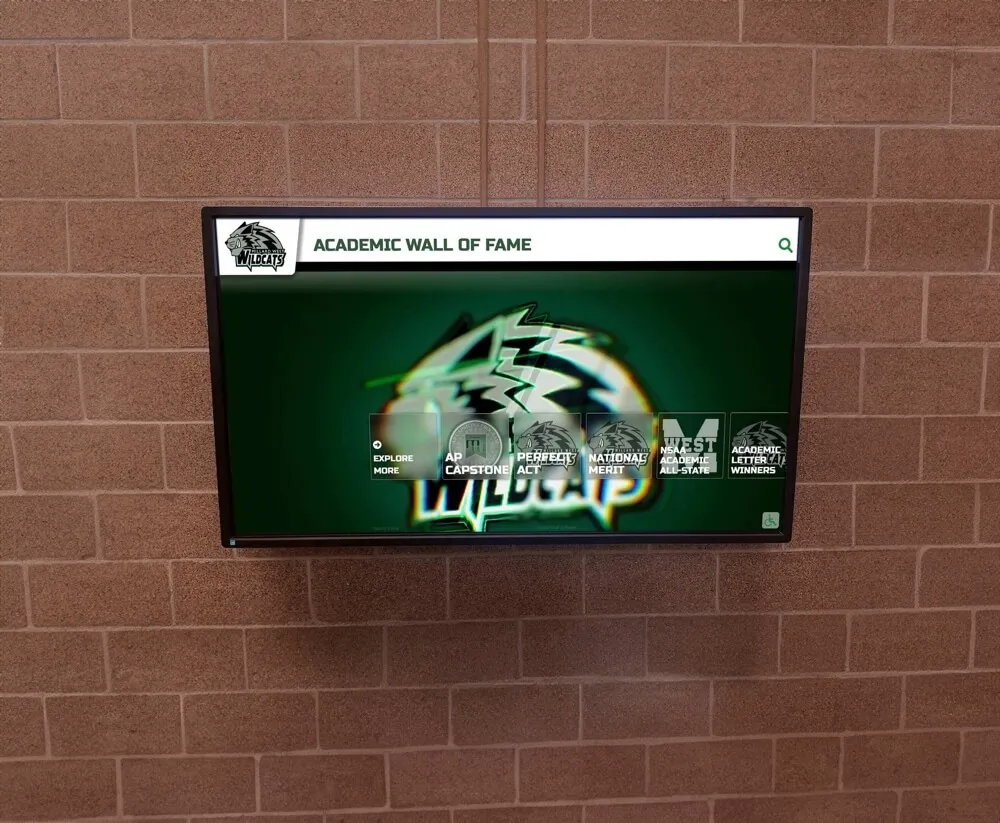
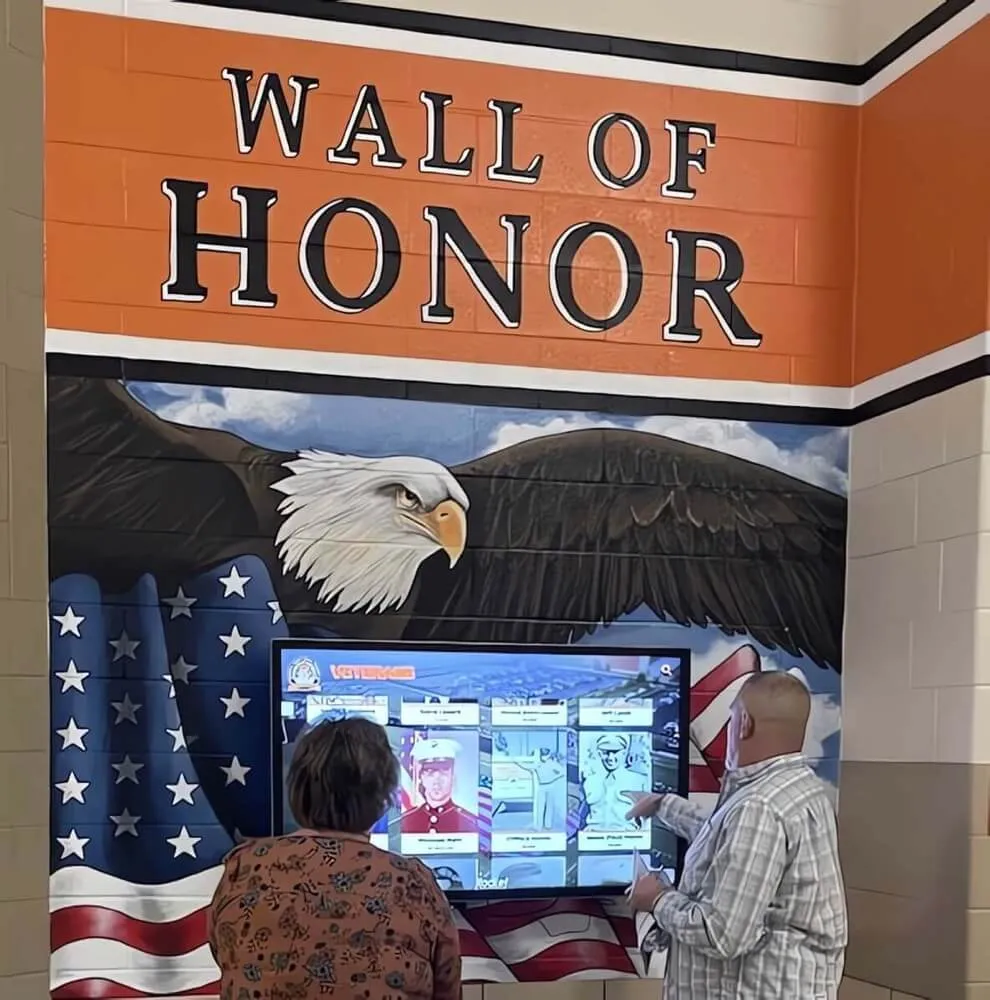
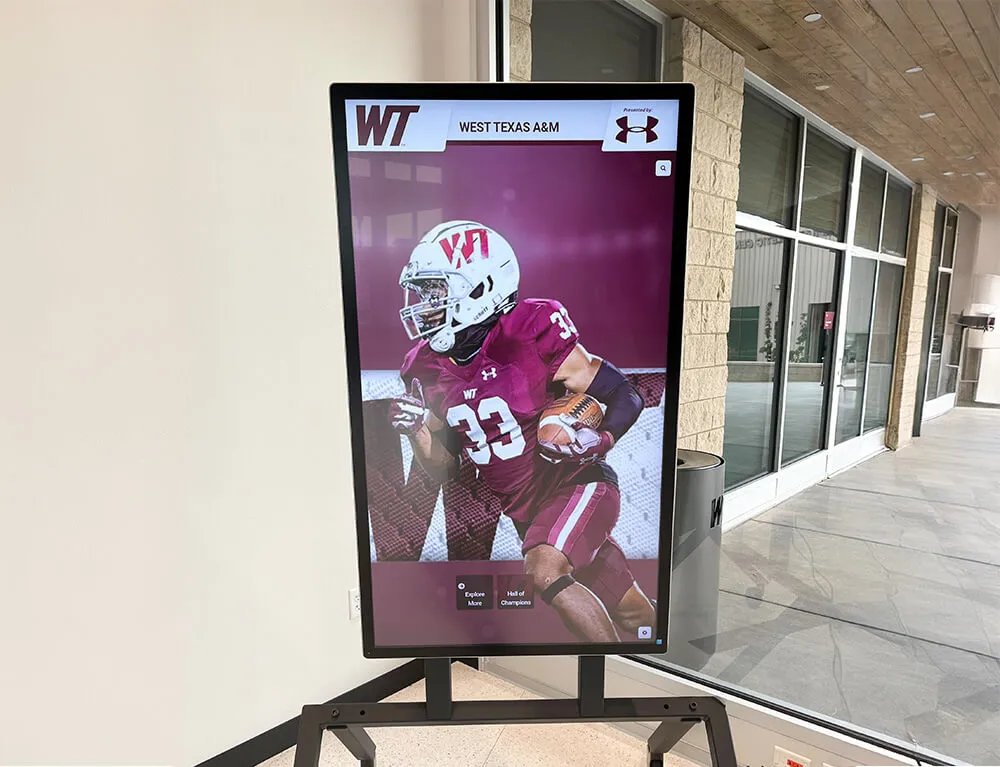
Modern digital recognition systems preserve varsity letter winner achievements while making athletic heritage accessible to entire school communities
The Varsity Letter: Definition and Core Components
Before exploring how athletes earn varsity letters, let’s establish exactly what these symbols represent and what makes them distinctive among athletic recognition.
What Qualifies as a Varsity Letter
A varsity letter is an award given to student-athletes who meet specific performance, participation, or achievement criteria established by their school’s athletic department. The recognition confirms that an athlete competed at the highest level within their school’s athletic program and demonstrated the skill, commitment, and competitive excellence their coaches and athletic directors deemed worthy of permanent acknowledgment.
Unlike participation trophies or general team recognition, varsity letters represent selective honors. Not every team member automatically receives a letter—athletes must earn this distinction by meeting rigorous standards that separate genuine athletic achievement from simple participation.
The term “varsity” itself denotes the top competitive level within a school. Varsity teams represent their schools in the highest classification of competition, distinguished from junior varsity, freshman, or recreational teams that provide developmental opportunities for less experienced or younger athletes.
The Physical Letter: Appearance and Specifications
Traditional varsity letters consist of chenille fabric patches—the distinctive fuzzy material that gives letters their characteristic texture and appearance. These patches typically measure between six and eight inches in height for varsity-level achievement, displaying the school’s initial letter in the institution’s colors.
The standardized sizing conventions communicate achievement levels at a glance. Smaller letters (typically four to five inches) often denote junior varsity accomplishments, while the larger six to eight inch letters confirm full varsity status. This visual hierarchy allows anyone familiar with the tradition to immediately recognize an athlete’s competitive level.
Most schools award letters in their primary school colors, often featuring the letter in one color bordered or backed by a contrasting school color. For example, a school with blue and gold colors might award a gold chenille letter with a blue border, creating immediate visual connection to institutional identity.
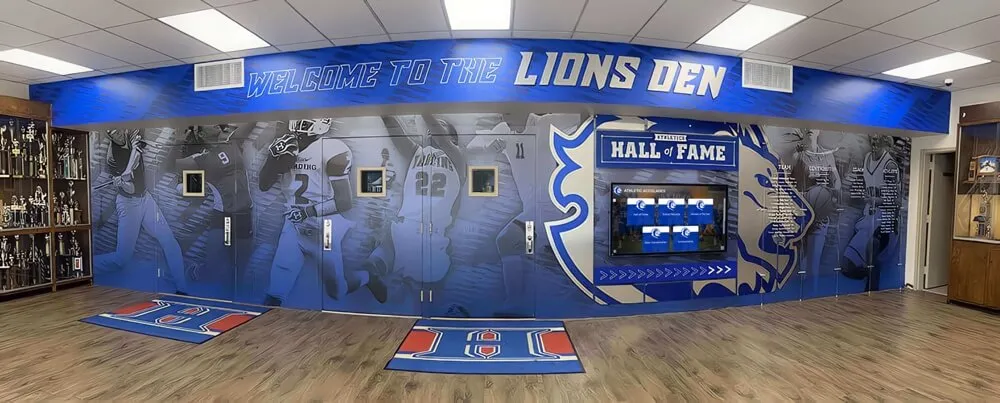
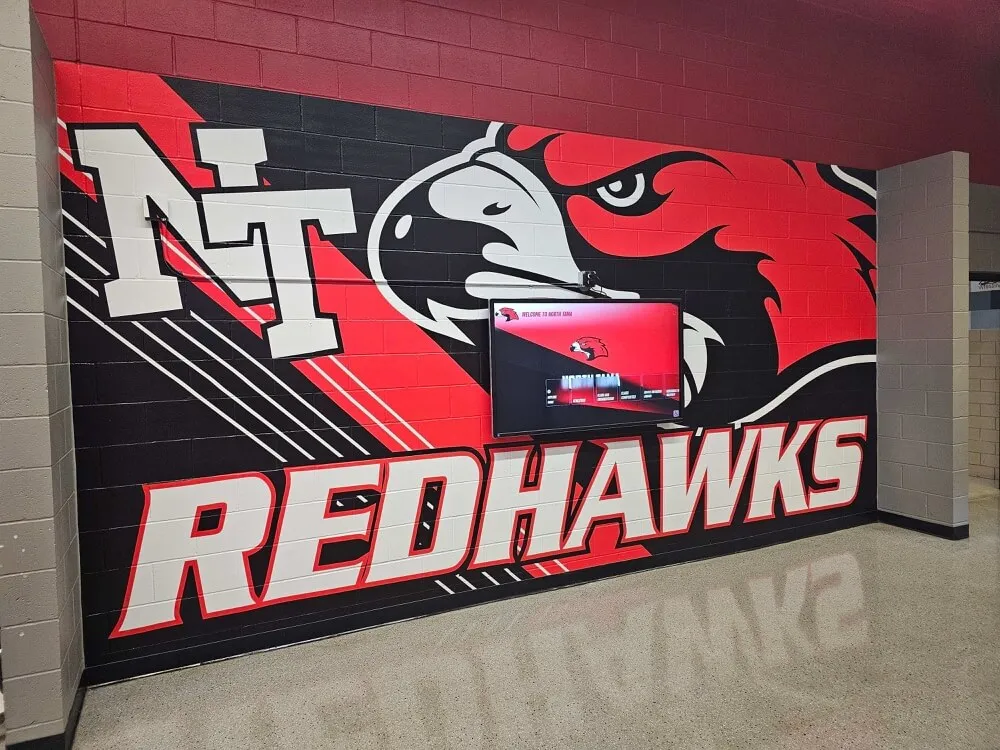
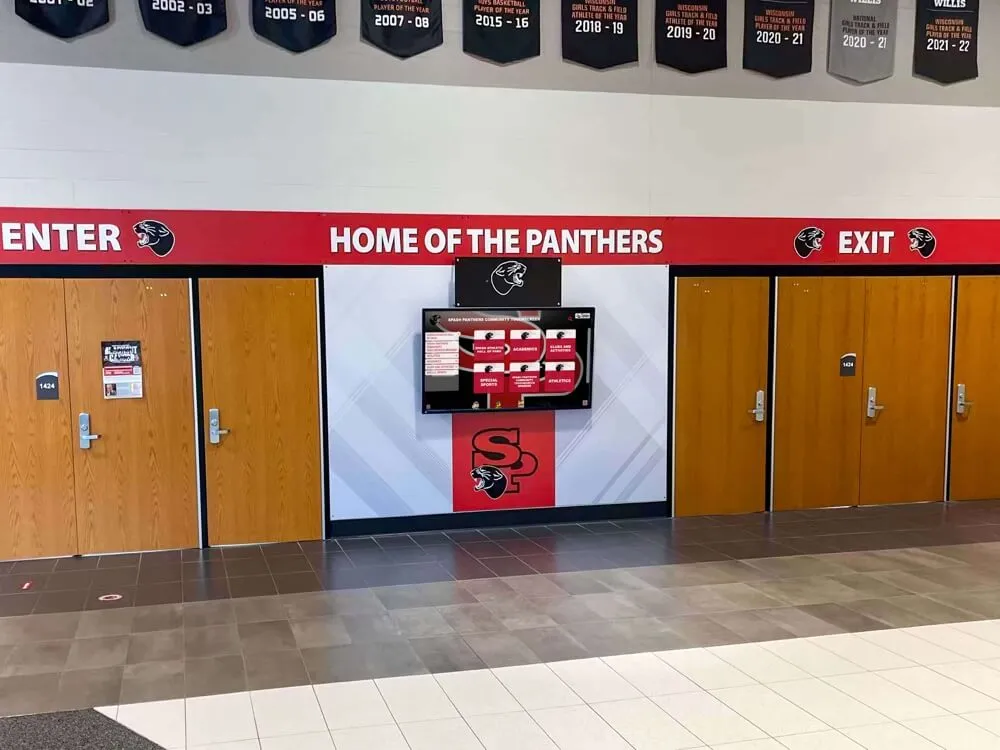
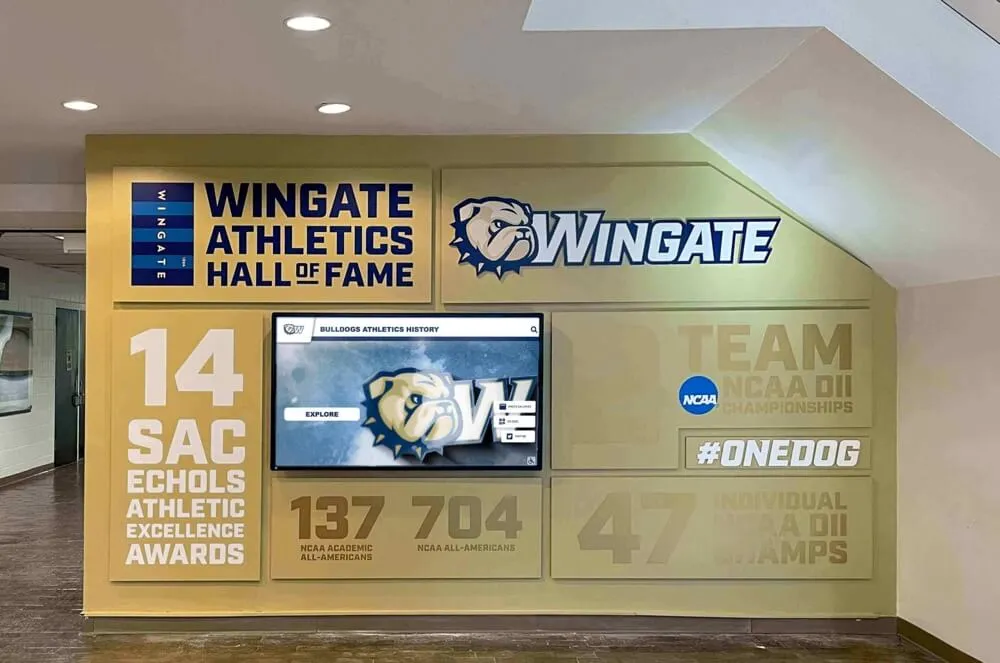
Schools traditionally displayed athletic honors including varsity letter winners through physical recognition walls that celebrate competitive excellence
Letter Jackets: The Traditional Display Method
The most iconic way student-athletes display their varsity letters involves letter jackets—typically wool-bodied jackets with leather or vinyl sleeves in contrasting colors. Athletes purchase these jackets (or receive them through booster club fundraising) and sew their earned letters onto the chest area, creating wearable displays of their athletic accomplishments.
Beyond the initial letter, athletes add additional recognition elements to their jackets including sport-specific pins indicating which sports they lettered in, achievement bars noting championships, state tournament participation, or special honors, year patches documenting each season they earned letters, and captain’s bars or other leadership designations.
These personalized jackets become cherished possessions many graduates preserve for decades, serving as tangible reminders of their high school athletic achievements and the communities they belonged to during their competitive years.
The Rich History Behind Varsity Letters
Understanding where varsity letters originated and how the tradition evolved provides context for why this recognition remains meaningful despite changing educational landscapes.
Origins at Harvard University (1865)
The varsity letter tradition traces back to 1865 when Harvard University became the first institution to award commemorative emblems to outstanding athletes. The original practice involved presenting a large fabric “H” to members of the baseball team who demonstrated exceptional performance during the season.
This early recognition served multiple purposes—it provided visible acknowledgment of athletic excellence, created a sense of elite status among letter winners, and established a physical symbol that athletes could display proudly throughout campus and their communities. The tradition struck an immediate chord, addressing fundamental human desires for recognition, achievement validation, and community belonging.
Expansion Throughout American Education
Following Harvard’s lead, other colleges and universities rapidly adopted letter recognition systems throughout the late 1800s and early 1900s. Each institution awarded letters featuring their own initial—Yale students earned “Y” letters, Princeton athletes received “P” letters, and so on across the collegiate landscape.
The practice migrated from higher education into secondary schools during the early decades of the 20th century. As high school athletics became increasingly organized and competitive, schools sought meaningful ways to acknowledge student-athlete achievements. The varsity letter provided a proven recognition model that communicated athletic excellence while fostering school pride and competitive culture.
By the mid-20th century, varsity letters had become standard recognition across virtually all American high schools with organized athletic programs. The tradition transcended regional, economic, and demographic boundaries—whether urban or rural, large or small, public or private, schools embraced letter recognition as a fundamental component of athletic culture.

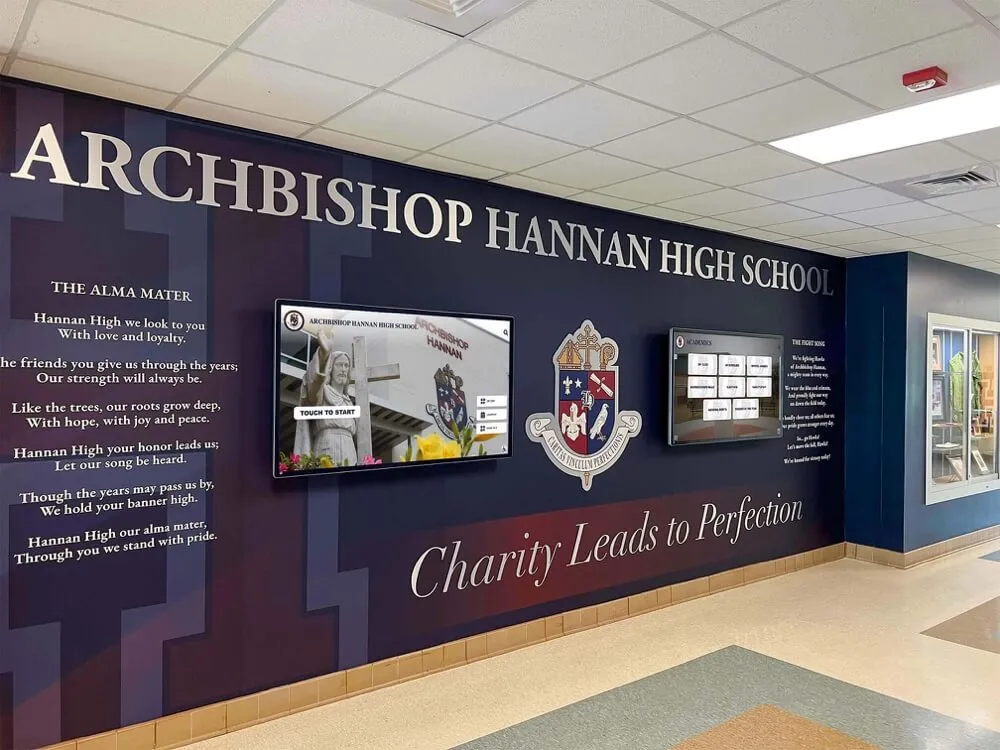
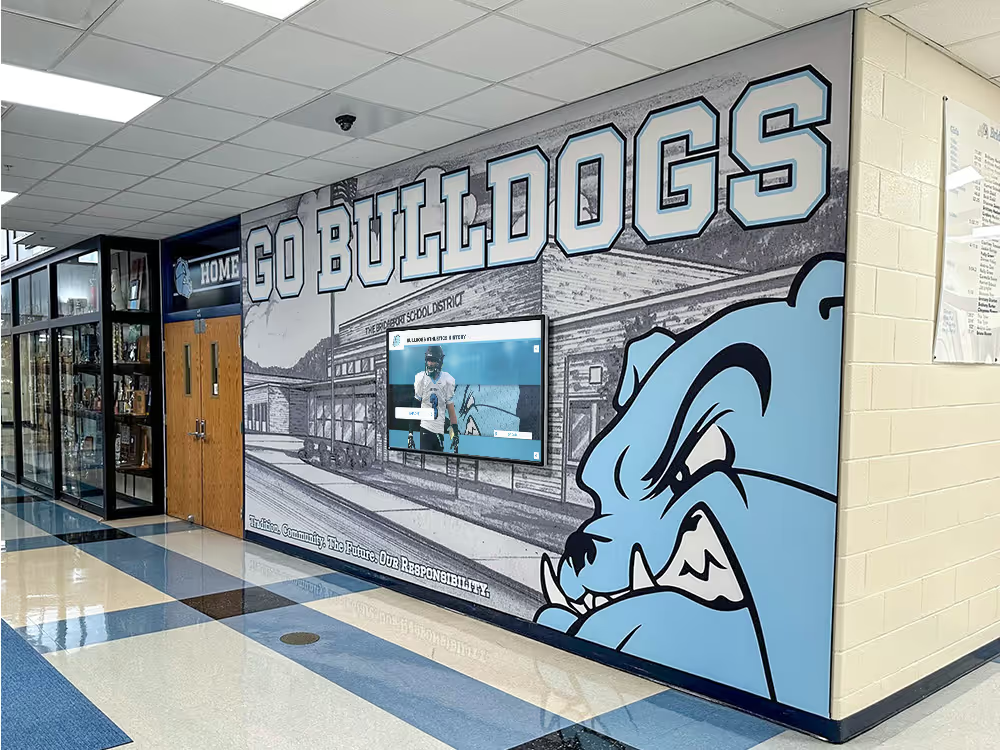
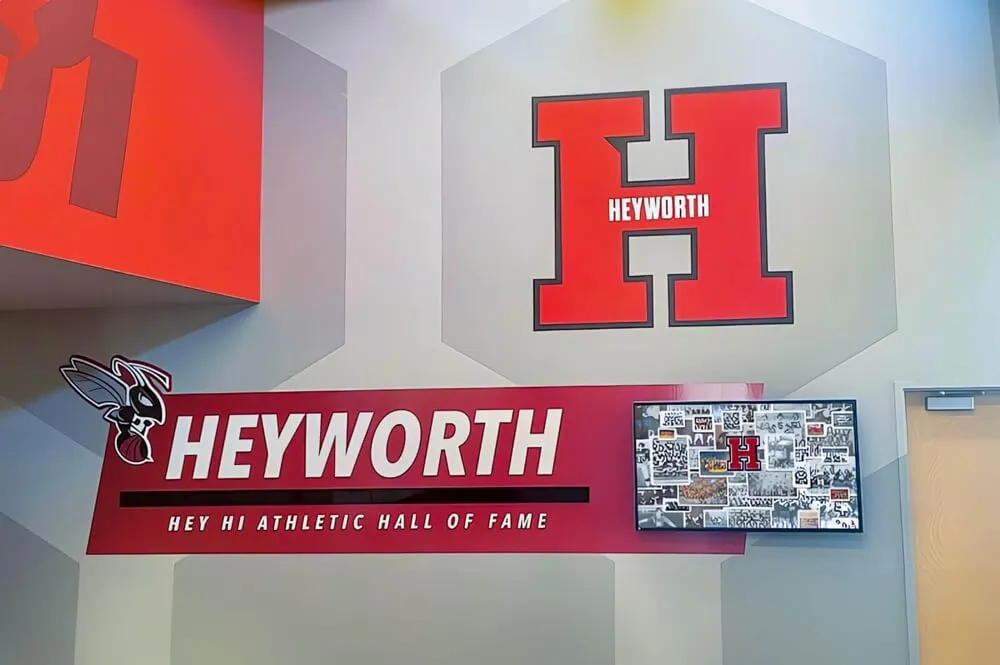
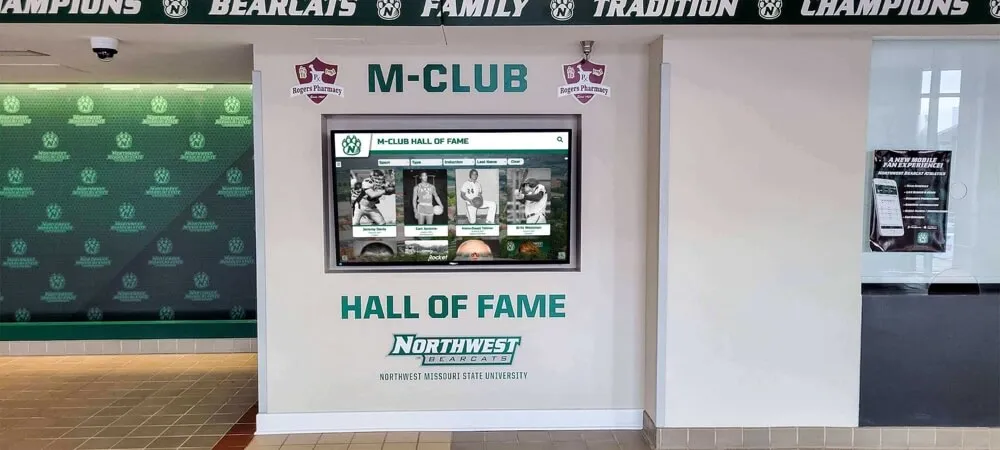
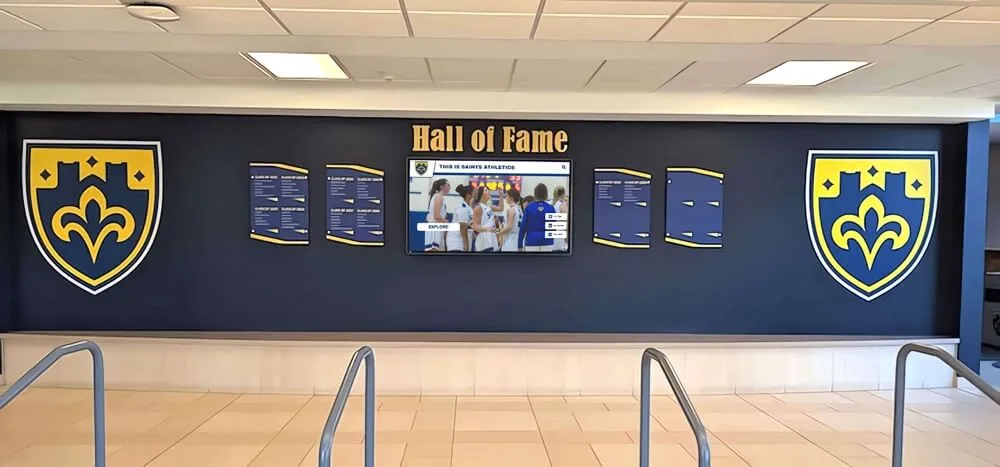
Contemporary schools increasingly combine traditional letter recognition with modern digital displays that preserve athletic heritage across generations
Evolution of Letter Criteria and Standards
Early varsity letter programs often used simple criteria—making the team roster or participating in a certain number of competitions might suffice for letter recognition. However, as athletic programs matured and participation increased, schools developed more rigorous and nuanced letter-earning standards.
Modern letter criteria typically incorporate multiple factors including minimum participation thresholds (games played, innings pitched, etc.), performance benchmarks demonstrating skill and contribution, team achievement requirements like conference championships, character and citizenship standards ensuring sportsmanship, and coach discretion for recognizing exceptional circumstances.
This evolution reflects growing sophistication in how schools approach athletic recognition—moving from broad participation acknowledgment toward selective honors that genuinely distinguish exceptional achievement from simply being part of a team.
How Student-Athletes Earn Varsity Letters
Letter-earning criteria vary significantly across schools, sports, and competitive contexts. However, several common frameworks help illustrate how athletic departments determine which athletes merit this recognition.
Participation-Based Criteria
Many schools use participation standards as primary letter-earning requirements. These criteria typically establish minimum thresholds such as competing in a certain percentage of varsity games or matches (often 50-75%), accumulating specific amounts of playing time across a season, participating in minimum numbers of practices, or completing full seasons without quitting or disciplinary removal.
Participation criteria ensure that letters recognize sustained commitment rather than brief or minimal involvement. An athlete who makes the varsity roster but rarely competes or contributes doesn’t meet the same standard as teammates who demonstrate consistent dedication throughout entire seasons.
For team sports like football, basketball, or soccer, participation criteria might specify minimum quarters, halves, or games started. Individual sports often use competition entries, tournament participation, or score qualifications as equivalent measures demonstrating genuine competitive engagement.
Performance and Achievement Standards
Beyond simple participation, many schools incorporate performance benchmarks ensuring letters acknowledge genuine athletic excellence. These standards vary widely by sport but commonly include statistical thresholds like points scored, goals achieved, or personal records, placing in top positions at championship meets or tournaments, earning all-conference or all-state recognition, breaking school records or approaching historical performance marks, and making significant contributions to team victories in critical competitions.
Performance standards ensure varsity letters maintain prestige by requiring not just participation but demonstrated excellence at the competitive level athletes represent. This approach prevents letter recognition from becoming equivalent to participation medals while preserving the honor’s historical association with athletic achievement.

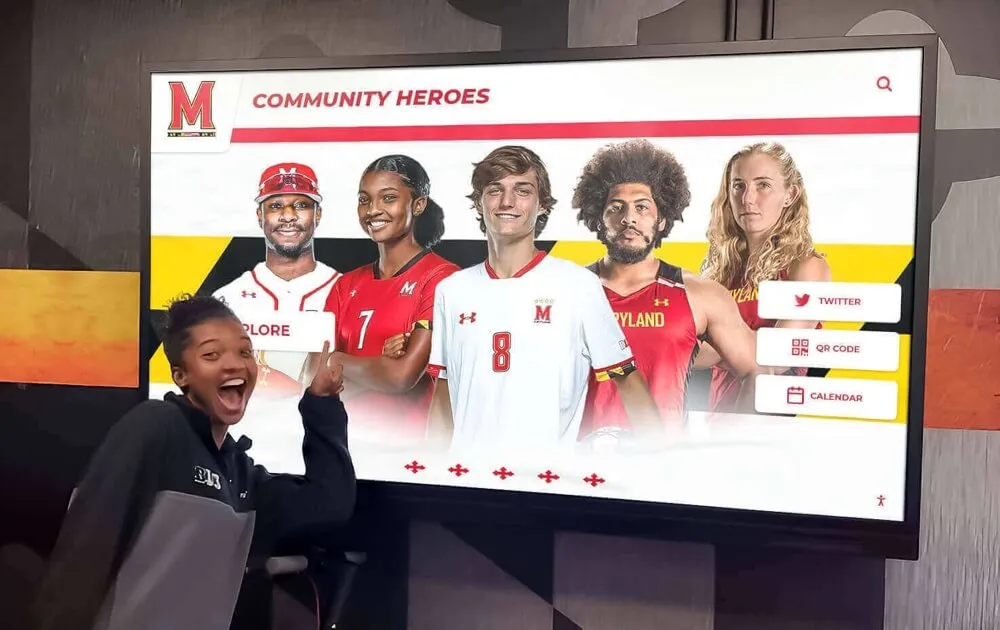
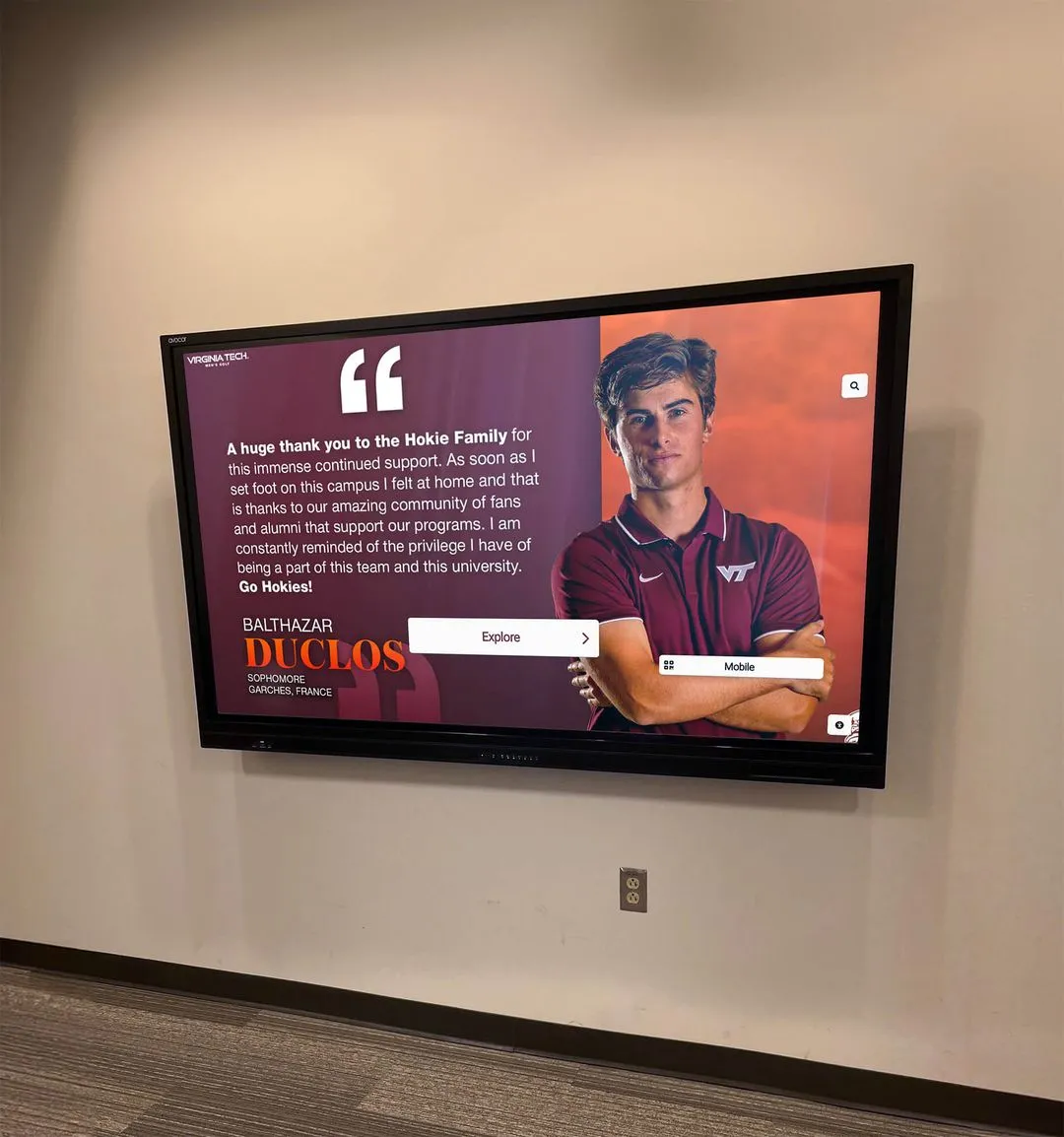
Interactive recognition systems enable detailed documentation of letter winner achievements, statistics, and contributions to team success
Character and Citizenship Requirements
Recognizing that education serves purposes beyond athletic skill development, most schools incorporate character criteria into letter-earning requirements. These standards typically include maintaining academic eligibility throughout the competitive season, demonstrating appropriate sportsmanship during practices and competitions, avoiding significant disciplinary issues or code of conduct violations, showing respect toward coaches, officials, opponents, and teammates, and contributing positively to team culture and program reputation.
These character requirements reflect educational values ensuring varsity letters honor complete student-athletes rather than simply rewarding athletic skill regardless of behavior, academic commitment, or citizenship. Schools want letter winners to exemplify institutional values, serving as positive role models for younger students and representing their programs with integrity.
Coach Discretion and Special Circumstances
While most letter criteria feature objective standards, virtually all schools preserve coaching discretion for recognizing special circumstances. Coaches might award letters to athletes who suffer season-ending injuries after demonstrating letter-worthy performance, made exceptional contributions to team culture despite limited playing time, improved dramatically throughout seasons showing exemplary work ethic, or demonstrated leadership particularly valuable to program success.
This discretionary authority acknowledges that rigid criteria cannot capture every scenario where athletes deserve recognition. Wise coaches use discretion judiciously—honoring genuine achievement and contribution while maintaining letter prestige by not diluting standards through excessive exceptions. Educational institutions looking to modernize their athletic recognition programs often establish clear policies balancing objective criteria with appropriate coaching judgment.
Varsity Letter Criteria Across Different Sports
While general principles guide letter recognition, specific criteria often vary significantly across different athletic programs reflecting unique competitive structures and achievement measures.
Team Sports: Football, Basketball, Soccer
Team sports typically use participation percentages and playing time as primary letter criteria. Football programs might require athletes to compete in 50% of quarters across the season or dress for all varsity games. Basketball teams often specify minimum quarters played or percentages of total available playing time. Soccer programs may establish similar standards based on matches played or minutes accumulated.
These participation thresholds recognize that team sports inherently limit how many athletes can compete simultaneously—not everyone on a 50-person football roster can play equal amounts regardless of ability. Letter criteria balance rewarding consistent contributors while acknowledging that depth players supporting team preparation also provide valuable service even with limited game action.
Many team sports also incorporate achievement standards like competing in playoff or state tournament games, contributing to conference championship victories, or earning all-conference recognition from league coaches.
Individual Sports: Track, Swimming, Tennis
Individual sports often use performance-based letter criteria emphasizing competitive achievement rather than simple participation. Track and field programs typically require athletes to score points at specific championship meets, achieve qualifying times or distances, or place in district, regional, or state competitions.
Swimming teams similarly emphasize meet performance, state qualifying times, relay participation at championship levels, or scoring contributions at conference championships. Tennis programs might require winning minimum matches, earning varsity lineup positions, or advancing in district or state tournaments.
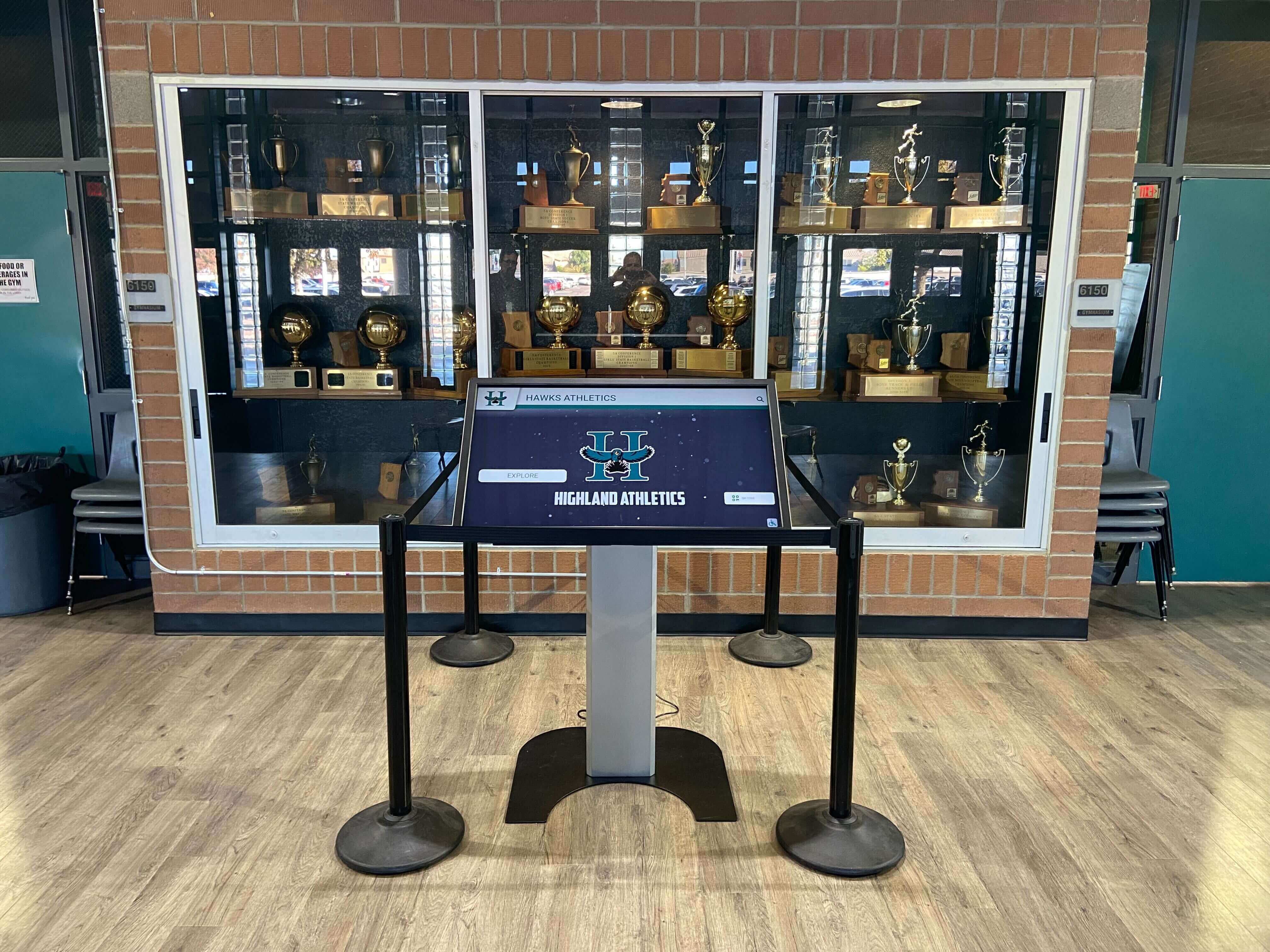
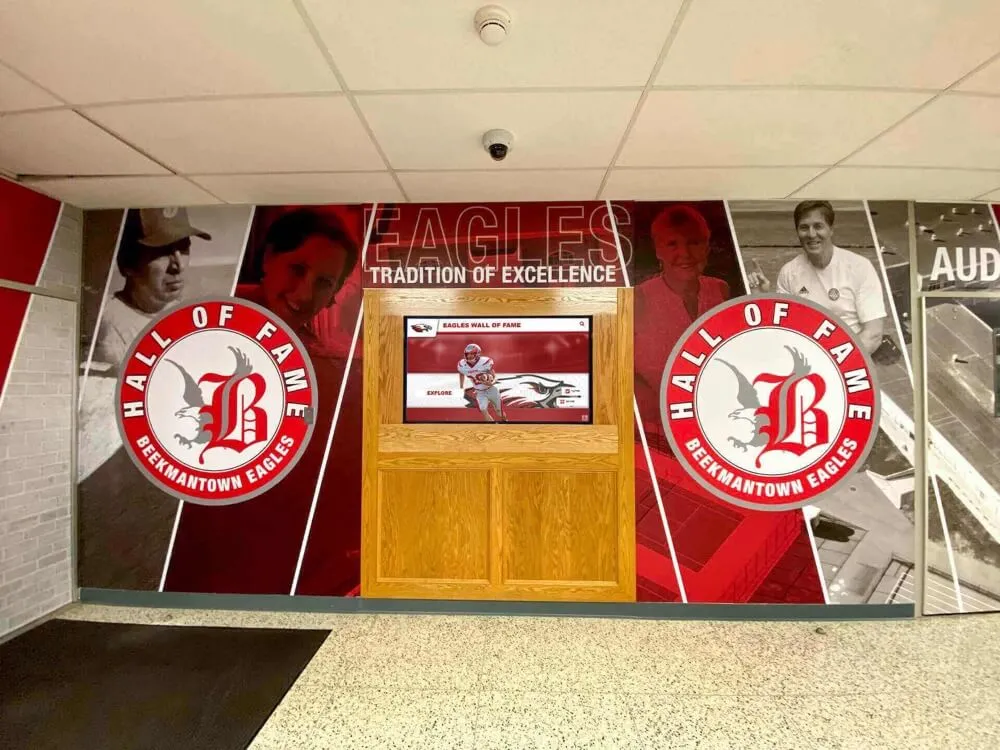
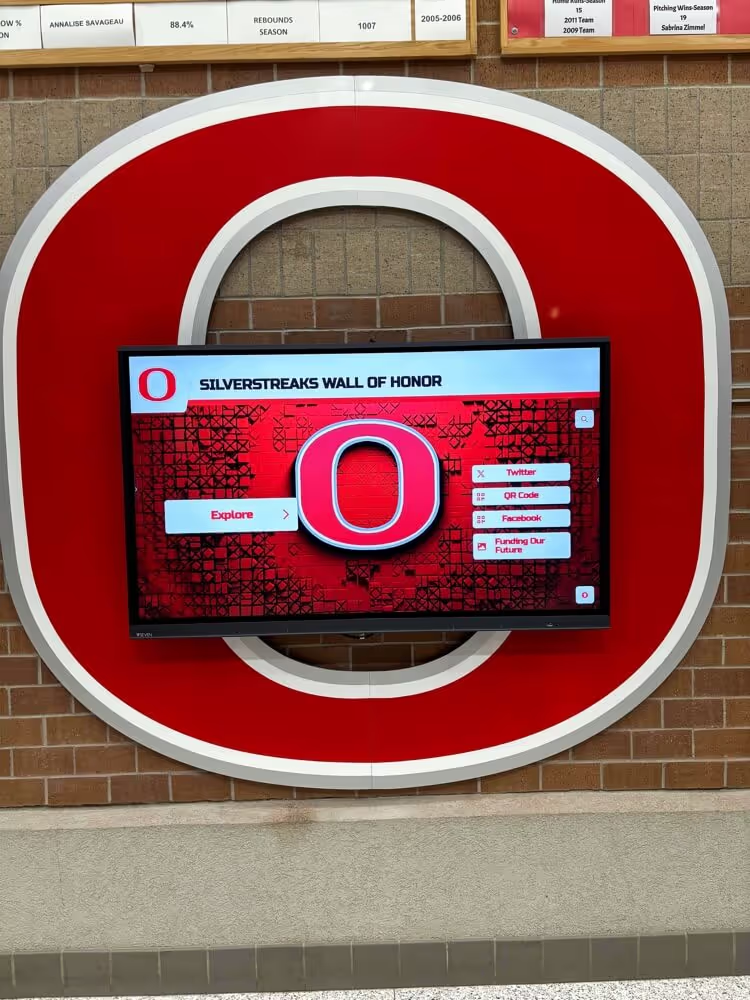
Strategic display placement within trophy case areas connects digital letter winner recognition with traditional physical athletic honors
These performance emphases reflect individual sport structures where participation alone doesn’t determine value—athletes must achieve competitive success demonstrating genuine excellence at their competitive level. This approach maintains letter prestige while ensuring recognition acknowledges actual athletic achievement rather than simple team membership.
Multi-Season and Senior Recognition
Many schools establish differentiated criteria for first-time letter winners versus returning letter earners. Initial letters might require higher standards, while athletes earning subsequent letters for additional seasons may face streamlined requirements acknowledging their proven status and continued commitment.
Some programs also incorporate senior recognition policies, potentially lowering thresholds or using coaching discretion more liberally for graduating athletes who demonstrated sustained multi-year commitment despite limited varsity playing opportunities due to depth charts or positional competition.
These nuanced approaches balance maintaining letter prestige with acknowledging different forms of athletic contribution and honoring sustained program commitment across multiple seasons.
The Significance of Earning a Varsity Letter
Beyond the physical patch itself, varsity letters carry substantial personal, social, and practical significance for student-athletes, schools, and communities.
Personal Achievement and Validation
For student-athletes, earning varsity letters provides tangible validation of years of dedicated effort. The thousands of hours spent in early morning practices, weight room training, skill development, and competition culminate in recognition confirming that their commitment produced measurable achievement worthy of permanent acknowledgment.
This validation proves particularly meaningful during adolescence when identity formation and peer recognition significantly impact self-concept. Letter recognition communicates that athletic dedication matters, that schools value competitive excellence, and that athletic achievement merits acknowledgment comparable to academic or artistic accomplishments.
Many athletes describe earning their first varsity letter as among their proudest high school achievements—representing visible proof of their athletic identity and competitive success. The recognition provides lasting confidence that their dedication produced real results despite challenges, setbacks, and competition they overcame along their athletic journeys.
Social Status and School Community
Within school communities, letter winner status carries social significance. Athletes wearing letter jackets display visible symbols of achievement that garner respect from peers, recognition from teachers and administrators, and connection to traditions linking them with letter winner alumni across generations.
This social recognition strengthens school spirit and athletic culture. Current students see letter winners as examples of achievable excellence within their own institutions—if those athletes earned letters, perhaps they can too with sufficient dedication. This peer modeling creates positive competitive culture motivating broader athletic participation and sustained commitment.
Letter winner ceremonies, where schools formally present letters to qualifying athletes, create community celebration moments reinforcing that athletic achievement matters institutionally. These public recognitions demonstrate that schools value diverse forms of excellence—academic, artistic, and athletic—creating inclusive environments acknowledging multiple pathways toward distinction.

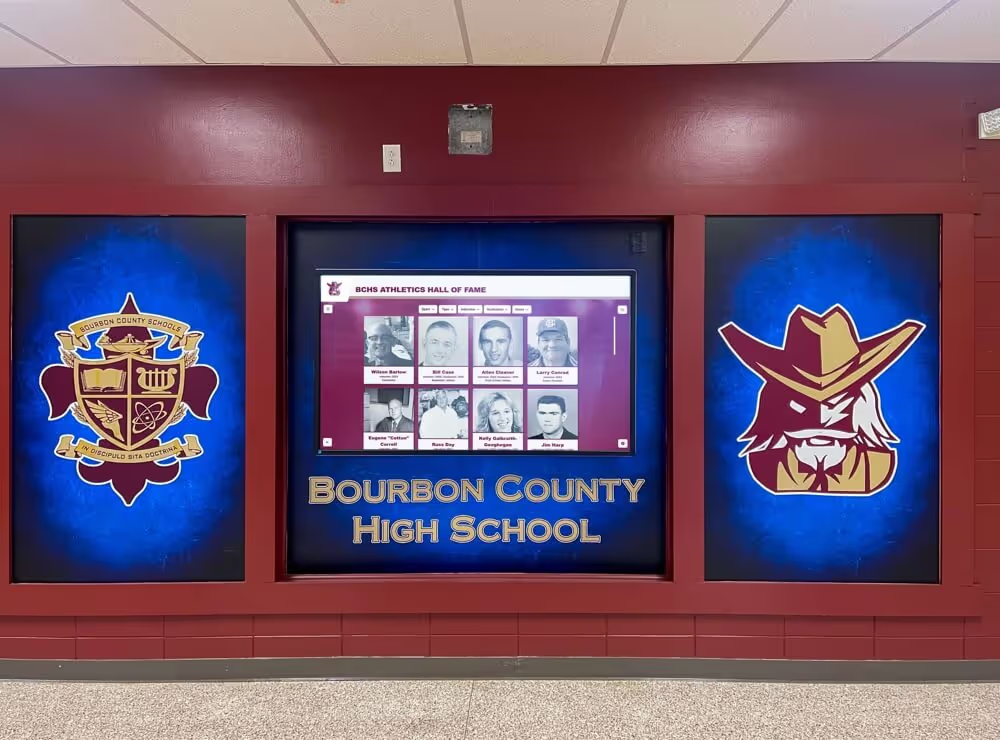
Accessible digital recognition enables students, alumni, and visitors to explore letter winner history and discover individual athlete achievements
College Applications and Beyond
Letter winner status provides practical benefits beyond high school recognition. College admissions increasingly value sustained extracurricular commitment demonstrating time management, perseverance, and achievement. Varsity letter recognition confirms that students didn’t simply participate in athletics but achieved distinction validated by their schools through selective recognition.
Many scholarship applications specifically ask about varsity letter status or athletic achievement. Letter winners can honestly answer affirmatively, strengthening applications by demonstrating competitive success beyond mere participation. This distinction proves particularly valuable for student-athletes not receiving athletic scholarships but seeking academic, community, or leadership awards where athletic achievement supplements academic credentials.
Letter winner recognition also supports student-athletes in developing personal narratives about commitment, goal achievement, and overcoming challenges—stories valuable for college essays, interviews, and professional networking throughout their lives. The tangible recognition provides concrete examples of sustained effort producing measurable results, demonstrating characteristics employers and educational institutions value across contexts.
Modern Recognition: Digital Letter Winner Displays
While letter jackets remain popular personal displays, schools increasingly implement comprehensive digital recognition systems preserving letter winner achievements permanently and making athletic heritage accessible to broader communities.
Limitations of Traditional Recognition
Traditional letter winner recognition faces persistent challenges limiting effectiveness. Physical plaques or boards in athletic facilities accommodate limited names before filling completely. As programs mature and letter winners accumulate across decades, schools must choose between removing historical recognition or accepting that most letter winners won’t receive permanent institutional acknowledgment.
Traditional displays also communicate minimal information—typically just names and graduation years. This basic acknowledgment fails to capture achievement stories, specific accomplishments that met letter criteria, team contexts letter winners competed within, or records and championships they contributed toward.
Additionally, physical displays serve only those visiting athletic facilities in person. Alumni who moved away, family members unable to attend games, and prospective students exploring programs cannot access traditional recognition remotely. This geographic limitation means letter recognition primarily serves current community members rather than creating lasting connections with geographically dispersed alumni.
Digital Solutions and Enhanced Capabilities
Modern digital recognition platforms address every traditional limitation while introducing enhanced capabilities impossible through physical displays alone. Solutions like Rocket Alumni Solutions provide unlimited capacity for recognizing every letter winner across unlimited sports and seasons without physical space constraints.
Digital platforms support rich multimedia profiles including high-resolution photos, detailed achievement descriptions, career statistics, video highlights, and personal reflections from letter winners. Interactive search features enable users to filter by sport, graduation year, or achievement type, making large letter winner databases easily navigable rather than overwhelming.
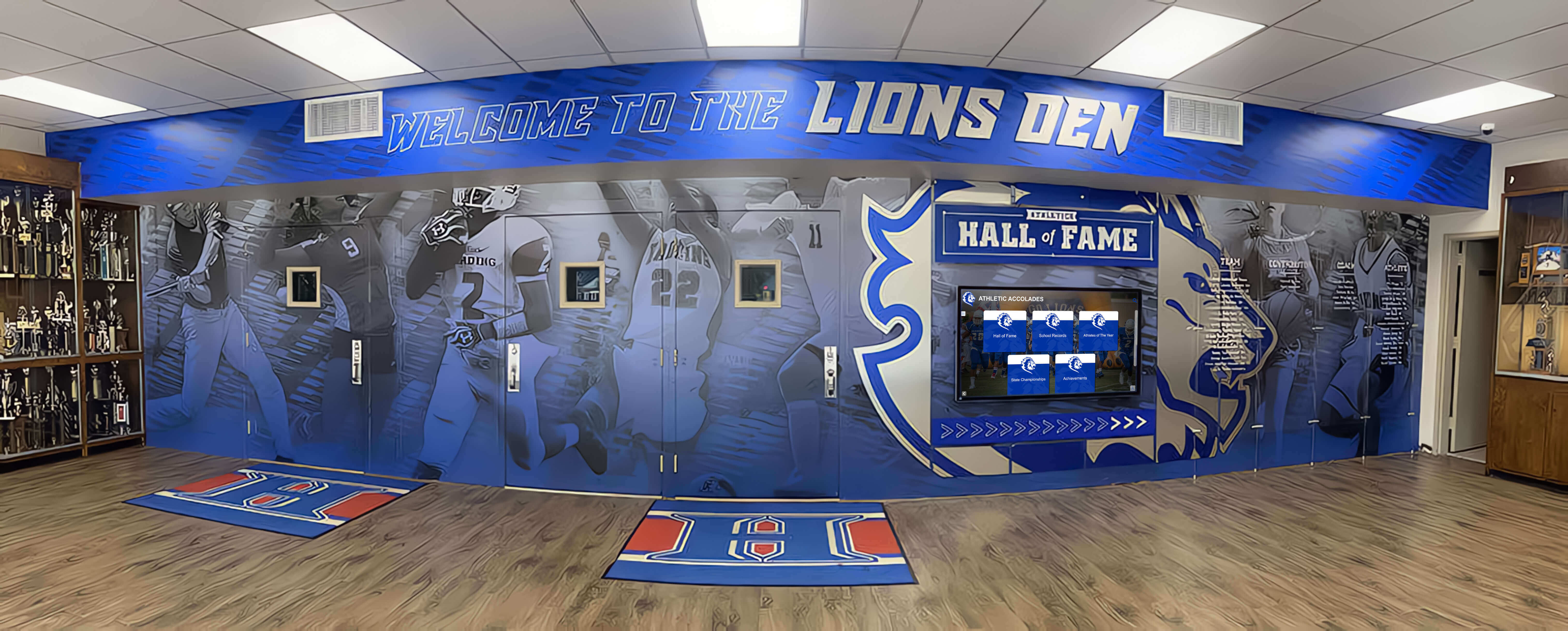
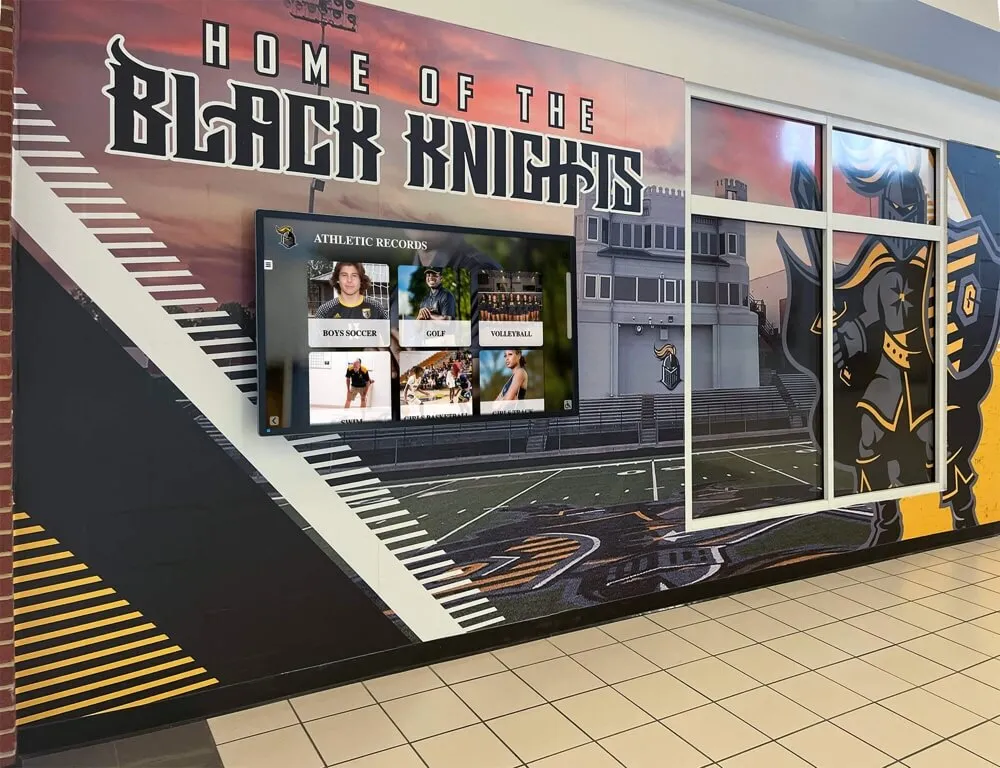
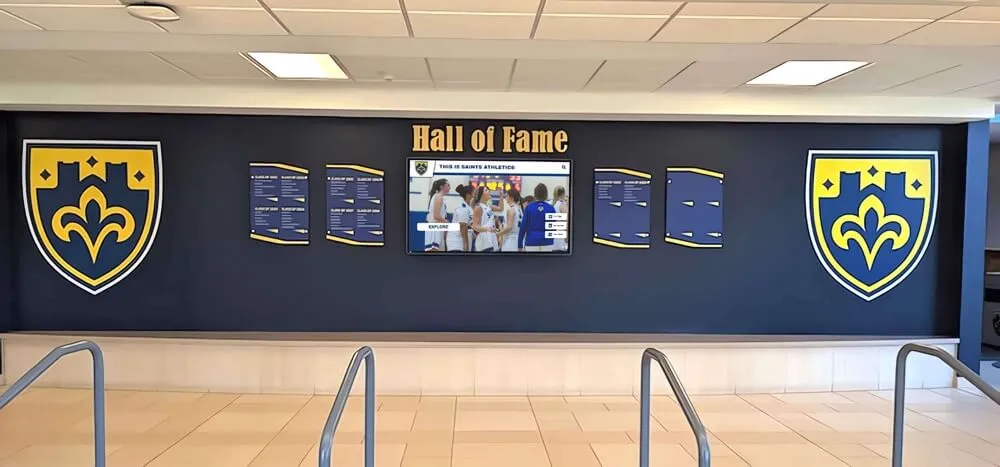
Comprehensive athletic recognition environments integrate multiple display types celebrating diverse achievements while preserving letter winner heritage
Cloud-based systems ensure letter winner information remains permanently accessible regardless of facility renovations, hardware changes, or institutional transitions. Alumni can revisit their letter recognition decades after graduation from anywhere globally, share achievements with their own families, and maintain emotional connections to their schools based on verified documentation of competitive accomplishments.
These enhanced capabilities transform letter recognition from simple name acknowledgment into compelling storytelling that honors letter winners comprehensively while preserving athletic heritage through detailed institutional memory. Many schools now maintain both traditional elements like letter jackets and modern digital recognition displays, creating comprehensive recognition programs serving multiple stakeholder needs.
Implementation and Content Development
Schools implementing digital letter recognition typically follow systematic approaches. Initial phases involve compiling comprehensive letter winner lists across all sports and years possible, gathering historical documentation from yearbooks, athletic records, and archived programs, collecting photos and achievement information, and designing recognition templates ensuring consistent professional presentation.
Content development transforms simple letter winner lists into rich profiles documenting what made each athlete’s achievement significant. This historical preservation proves time-intensive but creates permanent value—once documented digitally, letter winner information remains accessible indefinitely rather than risking loss as institutional memory fades with retirements and personnel changes.
Varsity Letters Across Different Educational Levels
While this guide focuses primarily on high school varsity letters, understanding how letter recognition operates at other educational levels provides broader context about this enduring tradition.
Middle School and Junior High Recognition
Some middle schools and junior high programs award athletic recognition, though practices vary widely. Schools with competitive athletic programs sometimes provide letters or alternative recognition like certificates, medals, or junior varsity designations. However, many educational systems reserve formal letter recognition for high school to maintain its significance as an achievement marker distinguishing secondary athletics from youth recreational sports.
Middle school programs that do award letters typically use modified criteria reflecting age-appropriate expectations and developmental stages. These early recognition programs introduce students to athletic achievement culture while establishing frameworks for understanding how competitive excellence merits acknowledgment.
College and University Letters
Collegiate athletics maintains varsity letter traditions, though practices differ from high school programs. College athletes typically earn letters by competing in varsity competitions, appearing in minimum percentages of games or competitions, or completing full seasons in good standing. Standards often prove more stringent than high school criteria given higher competitive levels.
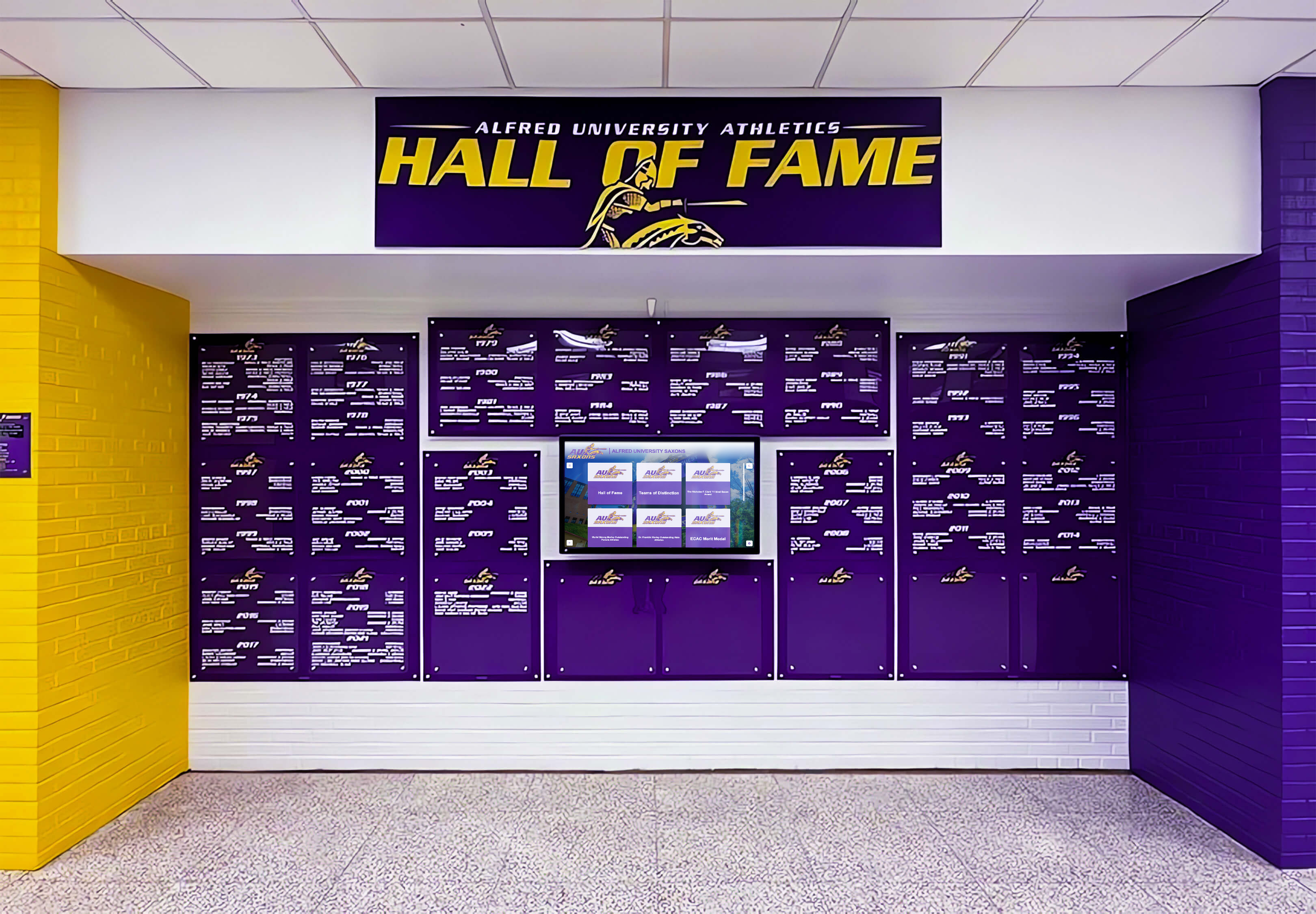
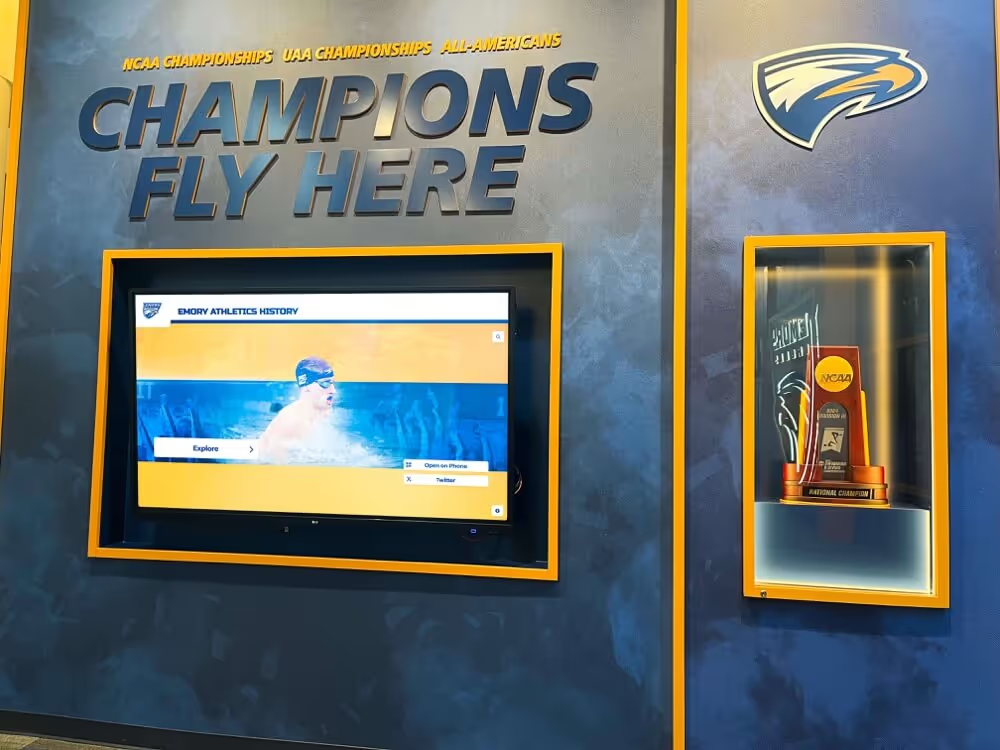
College and university athletic recognition programs continue letter winner traditions while documenting institutional competitive heritage
Many colleges award letters annually, with graduating athletes receiving multiple letters corresponding to years of varsity participation. Some institutions provide alternative recognition like athletic department certificates, letterman’s clubs, or athletic alumni associations specifically for letter winners.
The collegiate athletic hall of fame programs often incorporate letter winner status as baseline criteria for consideration while requiring additional achievement standards distinguishing truly exceptional careers from solid but not historically significant competitive participation.
Professional and Semi-Professional Recognition
Professional sports generally don’t use varsity letter recognition given that entire careers occur at the highest competitive levels. However, some professional organizations maintain equivalent traditions through all-star selections, championship rings, awards ceremonies, and halls of fame recognizing exceptional careers and achievements.
The underlying principles remain consistent—selective recognition distinguishing genuine excellence from simple participation, tangible symbols athletes can display proudly, and preservation of competitive heritage acknowledging those whose achievements merit lasting institutional memory.
Common Questions About Varsity Letters
Several questions about varsity letters arise frequently among students, parents, and school communities.
Can You Earn Letters in Multiple Sports?
Yes, student-athletes can earn varsity letters in multiple sports during the same school year or across their high school careers. Multi-sport athletes who meet letter criteria in each sport they compete in receive separate letters for each program. Many athletes earn two, three, or occasionally four letters across different seasons, reflecting impressive versatility and sustained athletic commitment.
Schools typically require athletes meet full letter criteria for each sport independently—earning a football letter doesn’t automatically qualify an athlete for basketball recognition. This approach ensures letter recognition acknowledges genuine achievement in each specific sport rather than simply rewarding overall athletic participation.
Multi-sport letter winners often receive special recognition during awards ceremonies, and some schools maintain additional honors specifically for athletes demonstrating exceptional versatility across multiple competitive seasons annually.
What If Athletes Don’t Meet Letter Criteria?
Athletes who don’t meet established letter criteria simply don’t receive varsity letters for that season. This outcome isn’t punitive—it reflects that letter recognition remains selective, acknowledging specific achievement levels rather than general team membership.
Many schools provide alternative recognition for athletes who contributed to programs without meeting full letter standards. Certificates of participation, junior varsity letters, reserve team acknowledgment, or coach’s awards provide appropriate recognition for valuable contributions while maintaining distinctions between achievement levels.
Athletes who don’t letter as freshmen or sophomores often use this as motivation for continued improvement, working toward meeting criteria in subsequent seasons. Many successful letter winners initially fell short of standards before dedicating themselves to reaching higher performance levels.
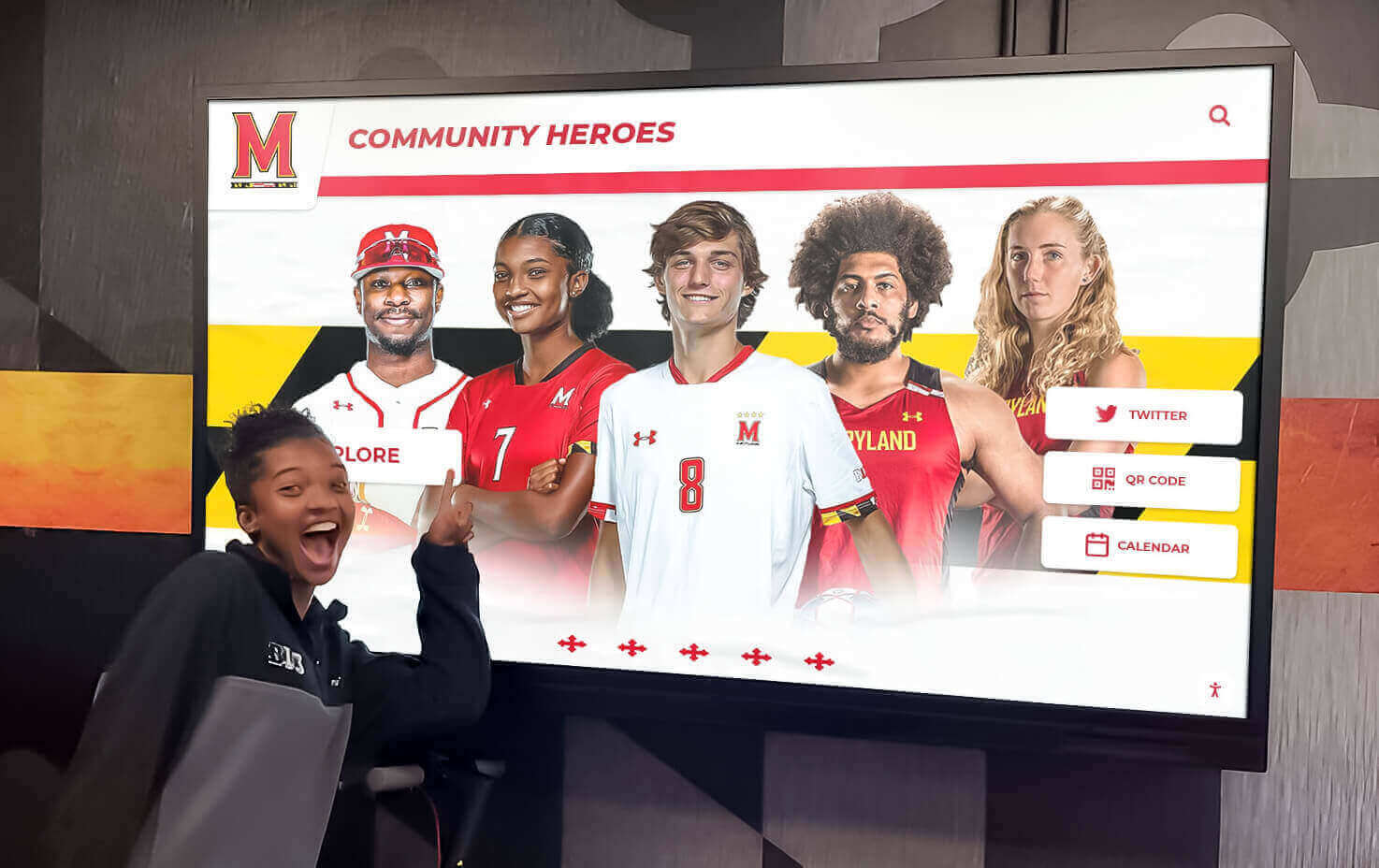
Public recognition displays celebrate letter winners and athletic achievements, making competitive excellence visible throughout school communities
Do Letter Winners Receive Actual Physical Letters?
Practices vary across schools. Most programs provide actual chenille letter patches to first-time letter winners, who typically sew these onto letter jackets they purchase. Subsequent letters for additional seasons or sports may be recognized through pins, bars, or other emblems attached to the original letter rather than full additional patches.
Some schools include letter costs in athletic fees, while others require athletes or families to purchase letters. Booster clubs sometimes fundraise to provide letters and jackets to all qualifying athletes regardless of family financial circumstances, ensuring economic barriers don’t prevent letter winners from receiving their earned recognition.
Beyond physical letters, many schools now provide digital recognition through online athletic hall of fame platforms, touchscreen displays in athletic facilities, and permanent letter winner documentation preserving achievements regardless of whether athletes purchase physical letters or jackets.
How Long Does Varsity Letter Recognition Last?
Letter winner status represents permanent recognition. Once athletes earn varsity letters, that achievement remains part of their permanent athletic records and school history. Digital recognition systems ensure letter winner documentation persists indefinitely, remaining accessible decades after athletes graduate.
This permanence distinguishes letter recognition from temporary honors like athlete-of-the-week designations or seasonal team awards. Letter winner status becomes part of athletes’ lasting identities—something they can reference throughout their lives when reflecting on their high school experiences and competitive accomplishments.
Celebrating Letter Winners: Beyond Individual Recognition
While varsity letters primarily honor individual athletes, effective programs also recognize letter winners collectively, creating community traditions and sustained athletic culture.
Letter Winner Assemblies and Ceremonies
Many schools host annual letter winner ceremonies during spring athletic awards nights or special assemblies. These events publicly recognize all letter-earning athletes from the current year, often featuring introductions by sport, coach presentations providing achievement context, and brief remarks from athletic directors about letter earning significance.
Public ceremonies demonstrate institutional commitment to athletic recognition while creating memorable moments for athletes and families. The collective celebration strengthens athletic program identity while showing that schools value competitive excellence across all sports rather than focusing exclusively on high-profile programs.
Some schools invite letter winner alumni to ceremonies, creating multigenerational connections and demonstrating how letter recognition creates lasting bonds to schools and athletic programs. These traditions help current athletes understand they’re continuing heritage spanning decades of competitive excellence.
Letter Winner Organizations and Alumni Groups
Larger schools sometimes establish letter winner clubs or organizations providing exclusive membership to athletes who earned varsity letters. These groups might meet periodically, organize service projects, host athletic events, or simply provide social connection among letter winners across different sports and graduation years.
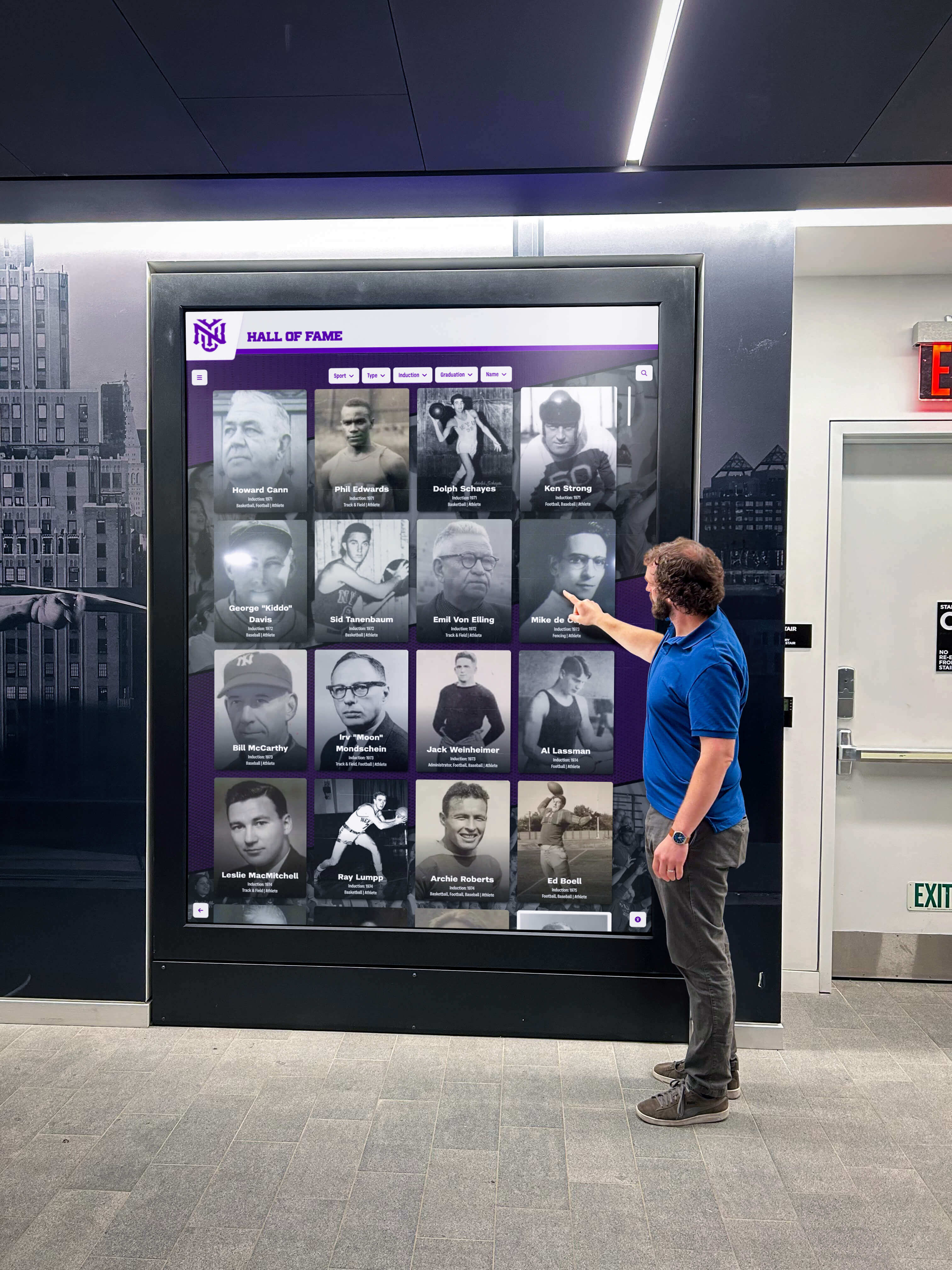
Accessible lobby displays enable diverse visitors including prospective families and alumni to explore letter winner recognition
Alumni letter winner organizations maintain connections between former athletes and their schools, supporting current athletic programs through mentorship, fundraising, or facility improvements. These networks demonstrate how letter recognition creates lasting communities extending far beyond high school graduation.
Many schools feature letter winner alumni in digital recognition displays, showcasing post-graduation accomplishments and illustrating life trajectories of former athletes. This approach helps current students see that athletic achievement represents just one chapter in complete lives while maintaining connections between past and present program participants. Resources on senior night recognition often incorporate letter winner celebrations into graduation-season athletic events.
Integrating Letters with Comprehensive Athletic Recognition
The most effective athletic recognition programs integrate letter winner acknowledgment within broader celebration systems honoring diverse accomplishments. Comprehensive approaches might document championship teams letter winners contributed to, individual records letter winners set or approached, all-conference and all-state selections letter winners earned, career achievement milestones spanning multiple letter-earning seasons, and academic recognition for scholar-athletes combining letter winner status with strong academic performance.
This integrated recognition creates complete athletic heritage documentation celebrating excellence across multiple dimensions rather than treating letter recognition as completely separate from other achievement categories. When users explore letter winner profiles, they simultaneously discover related championships, records, and honors creating richer narratives than isolated letter acknowledgment provides.
The Future of Varsity Letter Recognition
As educational technology evolves and schools embrace digital transformation, varsity letter recognition continues adapting while preserving core traditions that have sustained this practice across 160 years.
Balancing Tradition with Innovation
Schools implementing modern recognition systems face questions about balancing cherished traditions with technological innovation. The most successful approaches maintain traditional elements valued by communities—letter jackets, presentation ceremonies, physical displays—while adding digital enhancements addressing limitations inherent in exclusively physical recognition.
This hybrid model respects tradition while gaining digital benefits including unlimited capacity, enhanced documentation, permanent preservation, and remote accessibility. Athletes still receive physical letters for personal display while also gaining permanent digital recognition accessible throughout their lives regardless of geographic location.
The tradition’s core principles remain constant—selective recognition distinguishing genuine achievement, tangible acknowledgment athletes can display proudly, and preservation of competitive heritage honoring those whose accomplishments merit lasting institutional memory. Technology changes how schools implement these principles, not the principles themselves.
Expanding Recognition Beyond Traditional Athletics
Some schools explore expanding varsity letter-style recognition beyond traditional athletics to acknowledge exceptional achievement in fine arts, academic competitions, performing arts, or community service. These expanded programs apply athletic letter principles—selective criteria, sustained commitment requirements, achievement validation—to diverse excellence pathways.
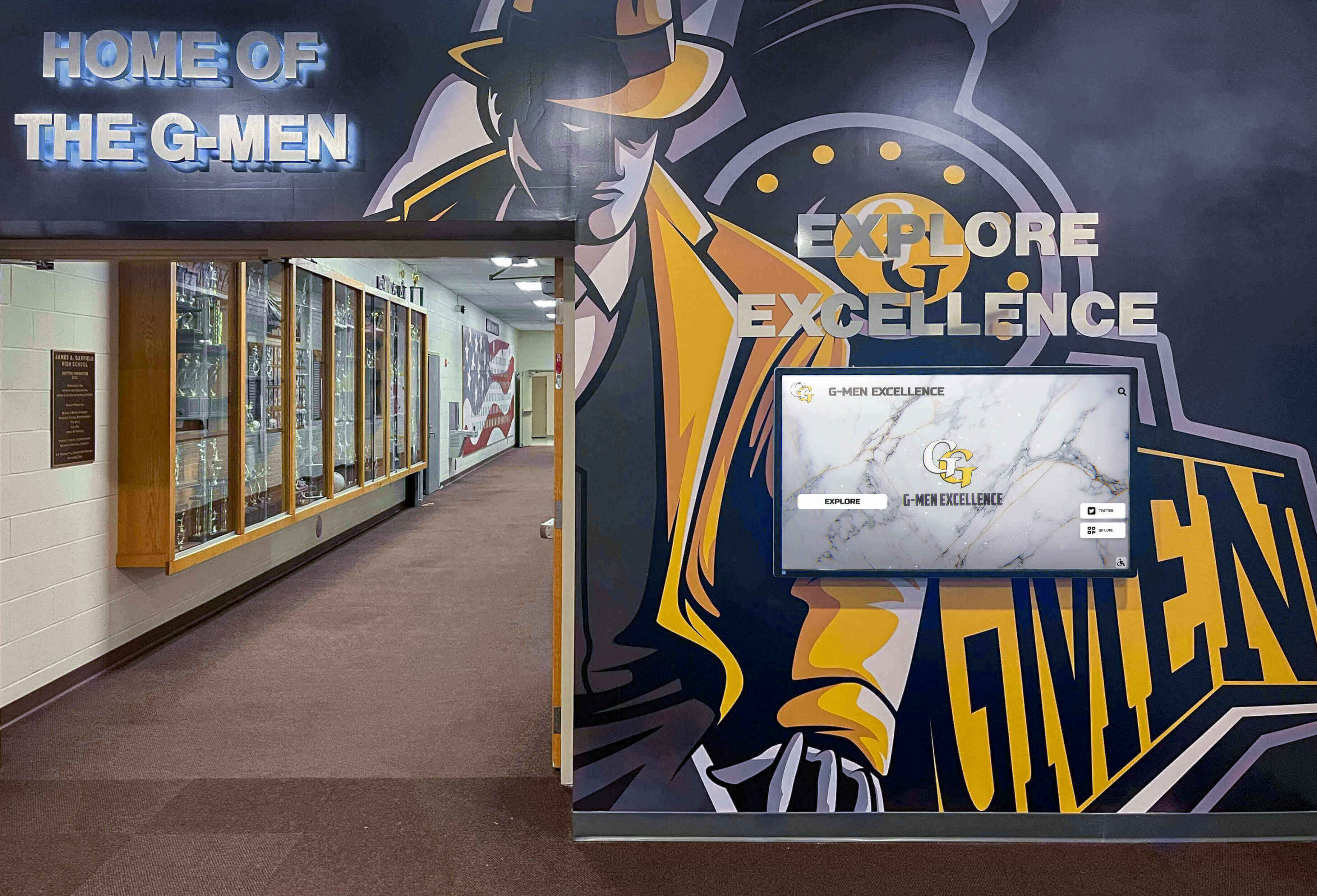
Comprehensive recognition environments celebrate diverse achievements while maintaining distinct identity for traditional athletic letter winners
While this broadened recognition reflects admirable institutional values, most schools maintain athletic letter traditions as distinct recognition systems preserving their historical identity and cultural significance. Alternative recognition programs for non-athletic excellence serve important purposes without diluting what varsity letters specifically represent within athletic contexts.
Data-Driven Enhancement of Letter Programs
Modern digital platforms enable schools to analyze letter winner data identifying patterns and opportunities for program improvement. Analytics might reveal which sports have declining letter winner numbers suggesting participation challenges, whether letter criteria consistently identify athletes who continue competing at college levels, how letter winner status correlates with academic performance or post-graduation outcomes, and whether current criteria appropriately distinguish exceptional achievement from good but not letter-worthy participation.
These insights help athletic directors refine letter programs ensuring criteria remain meaningful, equitable across sports, and effectively identify athletes deserving permanent recognition. Data-informed management strengthens recognition programs while maintaining traditions communities value. Schools interested in comprehensive athletic recognition strategies benefit from platforms providing both recognition capabilities and analytical insights about program effectiveness.
Conclusion: The Enduring Value of Varsity Letter Recognition
More than a century and a half after Harvard University first awarded fabric emblems to outstanding baseball players, varsity letters remain powerful symbols of athletic achievement within American education. This enduring tradition persists because it addresses fundamental human needs—recognition of achievement, validation of sustained effort, and tangible symbols of excellence that create lasting pride and community connection.
For student-athletes, earning varsity letters represents visible confirmation that thousands of hours of dedication, countless early morning practices, and persistent competitive effort produced measurable achievement worthy of permanent acknowledgment. The recognition validates athletic identity while creating cherished memories that many graduates recall with pride decades after their competitive careers conclude.
For schools, letter recognition strengthens athletic culture and competitive excellence. Visible letter winner acknowledgment creates aspirational examples motivating current athletes while preserving institutional heritage honoring those whose achievements merit lasting memory. Effective recognition programs demonstrate that schools value diverse forms of excellence while maintaining standards ensuring recognition acknowledges genuine distinction rather than simple participation.
Preserve Your Letter Winner Heritage
Discover how modern digital recognition systems can honor every letter winner throughout your athletic program's history while creating engaging, searchable, and permanently accessible celebration of athletic excellence.
Explore Recognition SolutionsThe evolution from exclusively physical recognition toward comprehensive digital platforms that preserve letter winner achievements permanently represents natural progression rather than abandonment of tradition. Modern solutions address persistent limitations—capacity constraints, minimal documentation, geographic accessibility restrictions—while maintaining core recognition principles that have sustained letter traditions across generations.
Whether your school maintains established letter programs seeking enhancement or develops new recognition systems honoring athletic achievement, understanding what varsity letters represent, how athletes earn this distinction, and why recognition matters provides essential foundation. The letter winners who dedicated themselves to athletic excellence throughout their high school careers deserve comprehensive acknowledgment honoring their achievements appropriately while preserving their contributions to institutional athletic heritage.
Your letter winners made their schools proud through competitive excellence, sustained commitment, and dedication to team success. Ensure their accomplishments receive the lasting, accessible, and comprehensive recognition they deserve through programs that honor tradition while embracing innovation—celebrating athletic achievement in ways that serve current athletes, honor past excellence, and inspire future generations toward pursuing their own letter-earning goals.