Sports banquets represent milestone celebrations honoring athletic achievement, team dedication, and season success. These formal recognition events bring together athletes, families, coaches, and administrators to celebrate accomplishments earned through countless hours of practice, competition, and commitment. Yet many attendees—particularly students navigating their first banquets or parents unsure about appropriate formality—struggle with a deceptively simple question: what should I wear?
The anxiety around sports banquet attire is completely understandable. Show up overdressed in formal evening wear when everyone else wears business casual, and you feel conspicuous and uncomfortable. Arrive too casually when the event calls for formal attire, and you appear disrespectful of the occasion’s significance. Finding that appropriate middle ground requires understanding banquet formality, venue expectations, regional norms, and age-appropriate options that balance occasion respect with personal comfort.
This comprehensive guide eliminates sports banquet wardrobe stress by providing clear recommendations for different scenarios, attendee roles, and formality levels. Whether you’re an athlete receiving awards, a parent supporting your student, a coach presenting recognition, or a guest celebrating team success, these practical strategies ensure you dress appropriately while feeling confident throughout the event.
Sports banquets differ significantly from regular athletic events or casual team gatherings. These are typically formal or semi-formal recognition ceremonies held in venues like school cafeterias, banquet halls, country clubs, or restaurant event spaces. Understanding this ceremonial context helps frame appropriate attire decisions while recognizing that proper dress honors both the athletes being celebrated and the significance of their accomplishments.

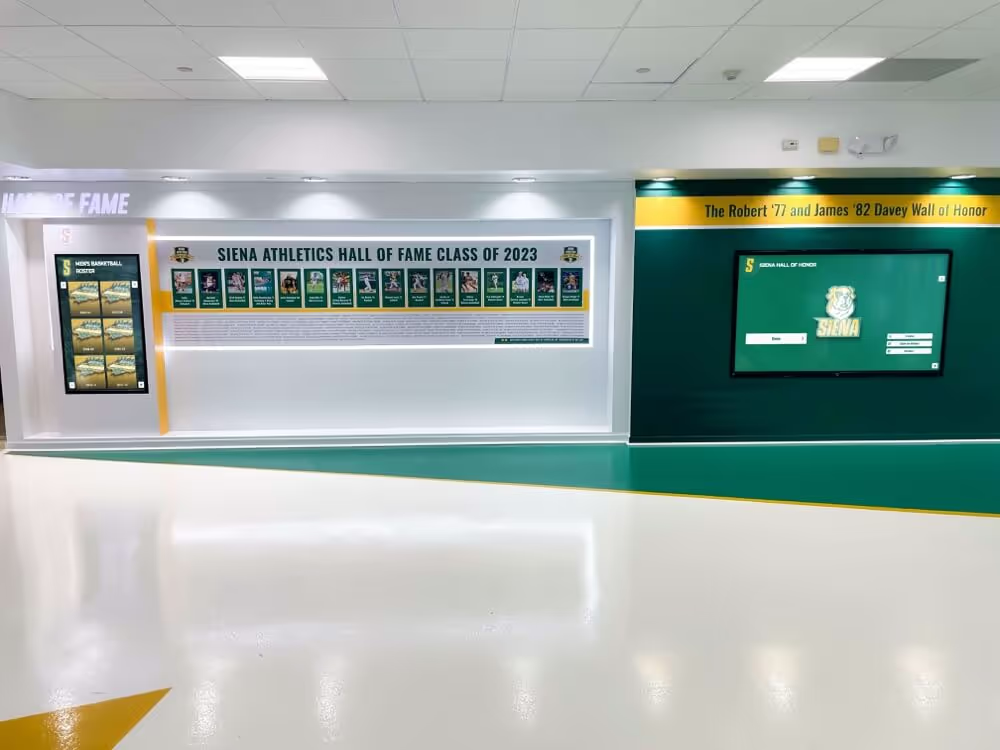
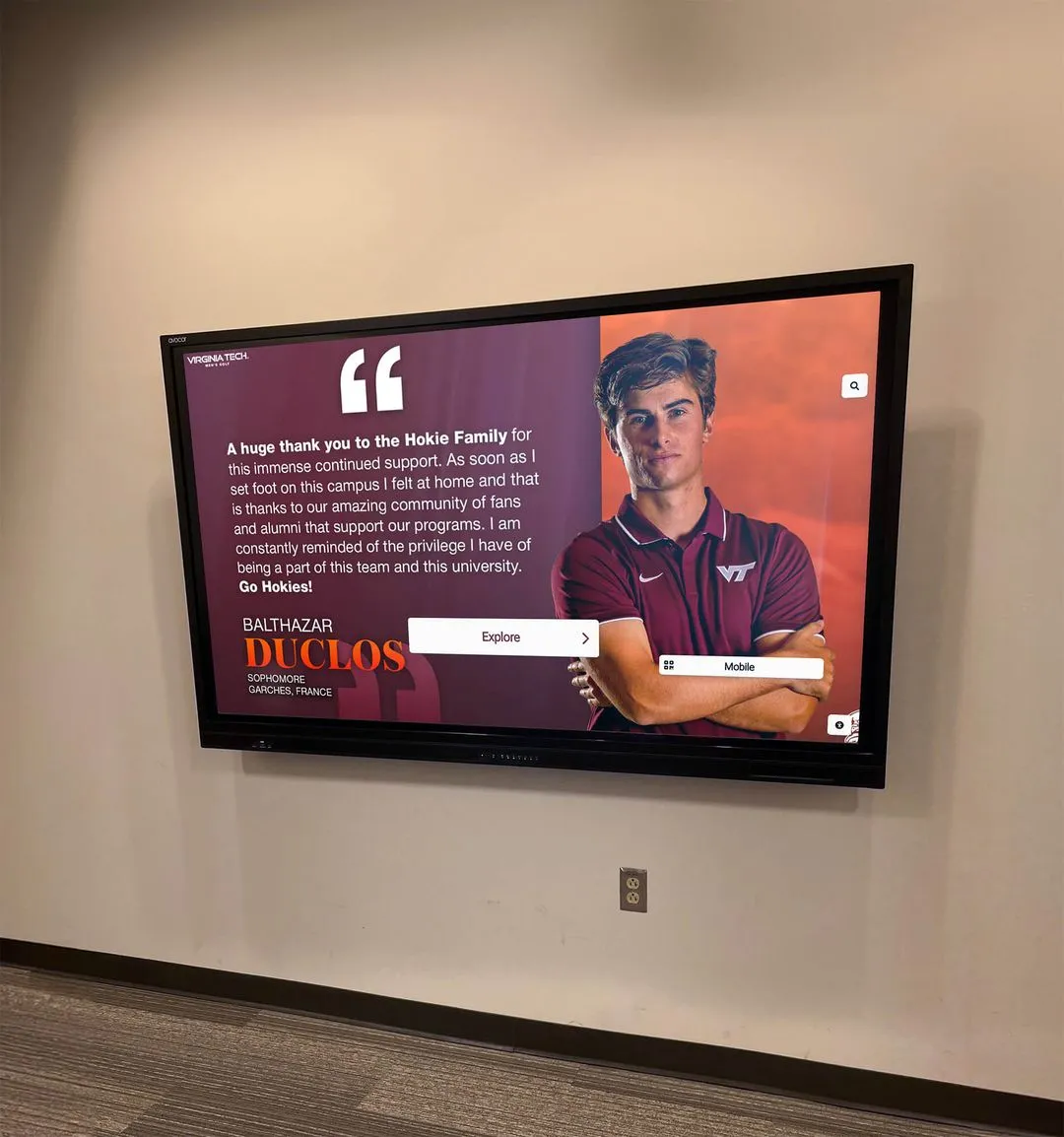
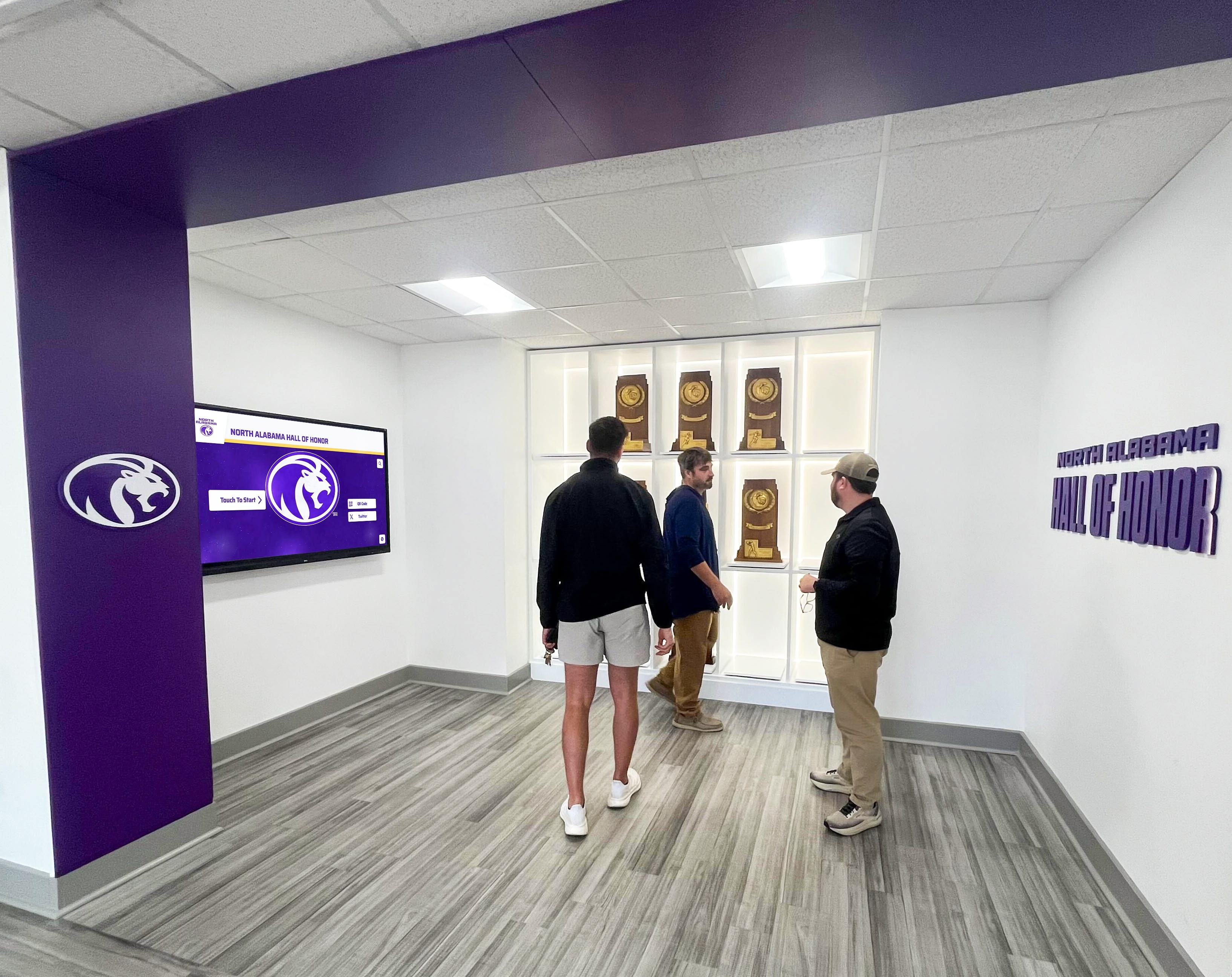
Sports recognition events honor significant athletic achievement and warrant appropriate formal or semi-formal attire
Understanding Sports Banquet Dress Codes: Formality Levels Explained
Before selecting specific outfits, understanding common sports banquet formality levels helps narrow appropriate options.
Semi-Formal Attire (Most Common)
The vast majority of high school and youth sports banquets call for semi-formal dress—more elevated than everyday clothing but not requiring full formal evening wear.
What Semi-Formal Means: Semi-formal strikes a balance between professional business attire and formal event clothing. Think of attire appropriate for religious services, school awards ceremonies, or nice restaurant dinners rather than either everyday school clothes or prom-level formal wear.
Why This Level Dominates: Most sports banquets occur in school settings or casual banquet facilities rather than upscale venues. They celebrate athletic achievement without the pretense of formal galas or black-tie charity events. Semi-formal provides sufficient respect for occasion significance while remaining accessible for families with varying budgets and wardrobe options.
Setting Expectations: When invitations specify “semi-formal,” “dressy casual,” or “nice attire,” expect most attendees to wear dress pants or khakis with button-down shirts or sweaters for men, and dress pants, skirts, or casual dresses for women—elevated from daily wear but comfortable for 2-3 hour indoor events.
Business Casual
Some sports banquets—particularly those held at country clubs, professional venues, or involving college-level athletics—request business casual attire representing slightly more professional presentation.
What Business Casual Means: Business casual reflects professional workplace attire appropriate for office environments without requiring formal suits or evening dresses. This level emphasizes clean, polished presentation with quality fabrics and tailored fits.
Key Indicators: Banquets held at upscale venues, college or university athletic recognition events, all-conference or all-region award ceremonies, or banquets with significant sponsor involvement often request business casual attire reflecting the event’s elevated status.
Practical Definition: For men, business casual typically means dress pants with collared shirts (polo or button-down) and leather shoes. For women, this includes dress pants or skirts with blouses, sweaters, or business-appropriate dresses. Blazers or sport coats remain optional but appropriate.
Formal Attire (Rare but Possible)
Occasionally—particularly for championship celebrations, major milestone events, or banquets combined with fundraising galas—sports banquets request formal attire approaching cocktail or evening event standards.
When to Expect Formal: State championship banquets, major program milestone celebrations (50th anniversaries, hall of fame inductions), combined athletic and fundraising events, or college-level recognition ceremonies sometimes warrant formal presentation.
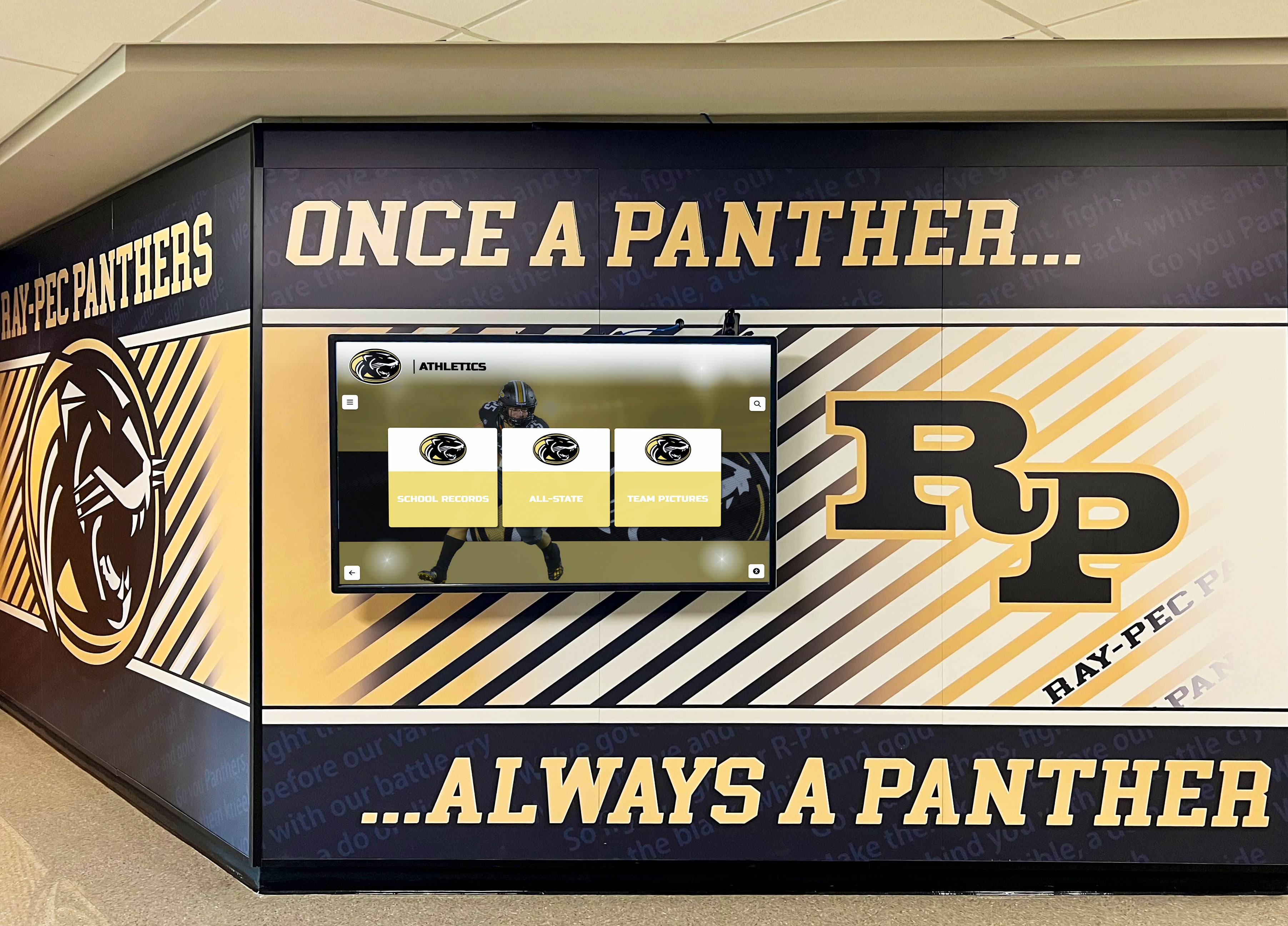
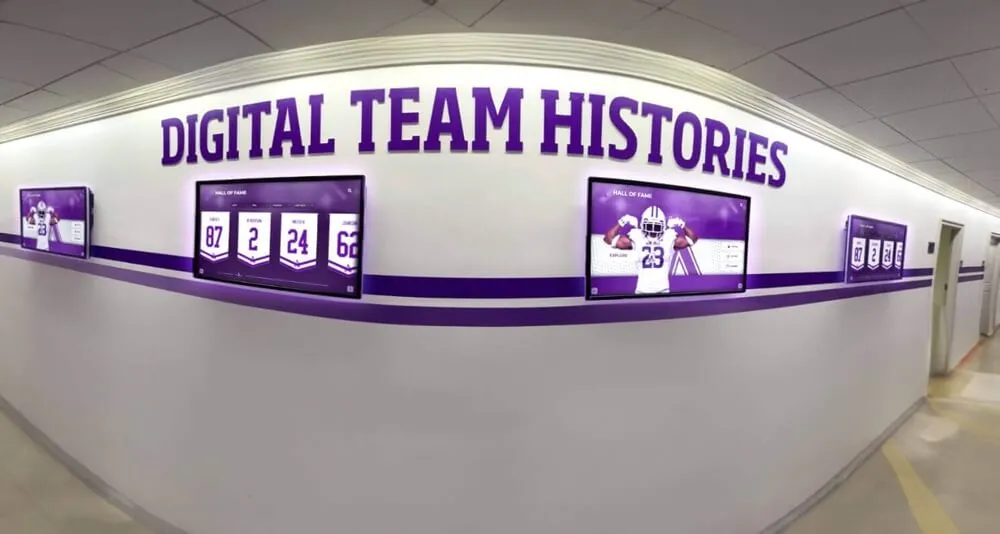
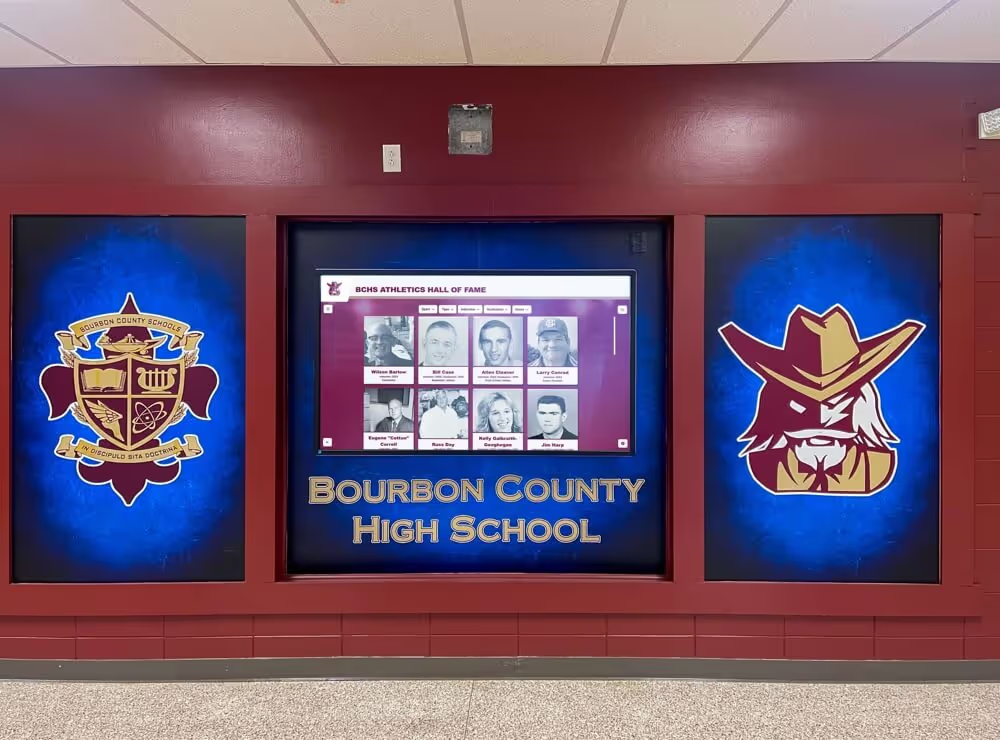
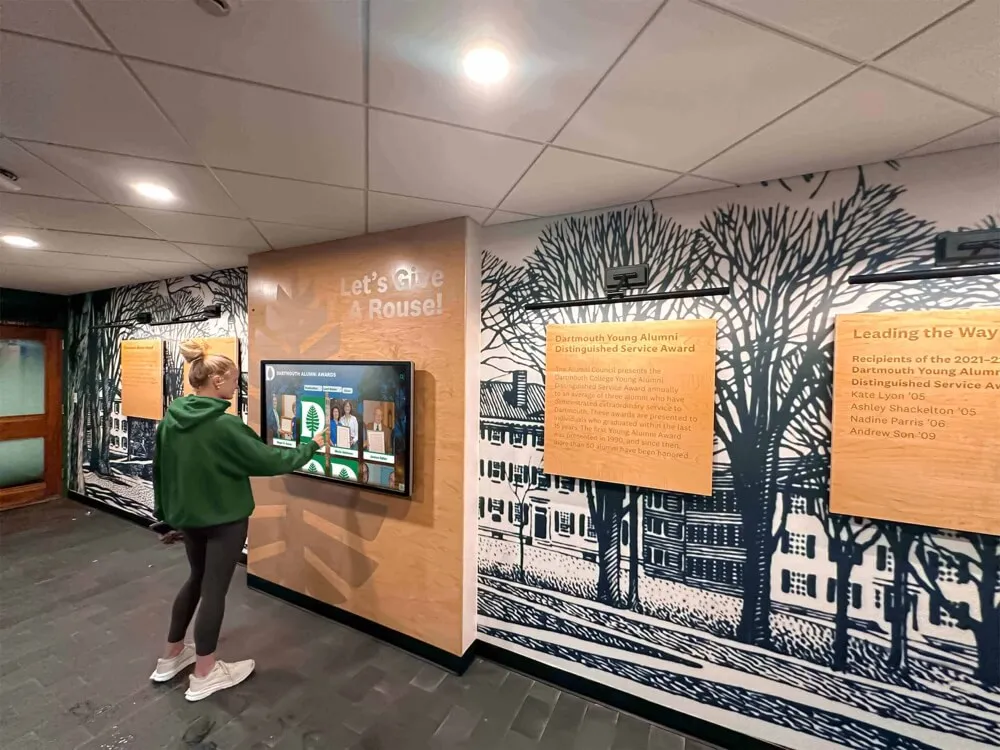
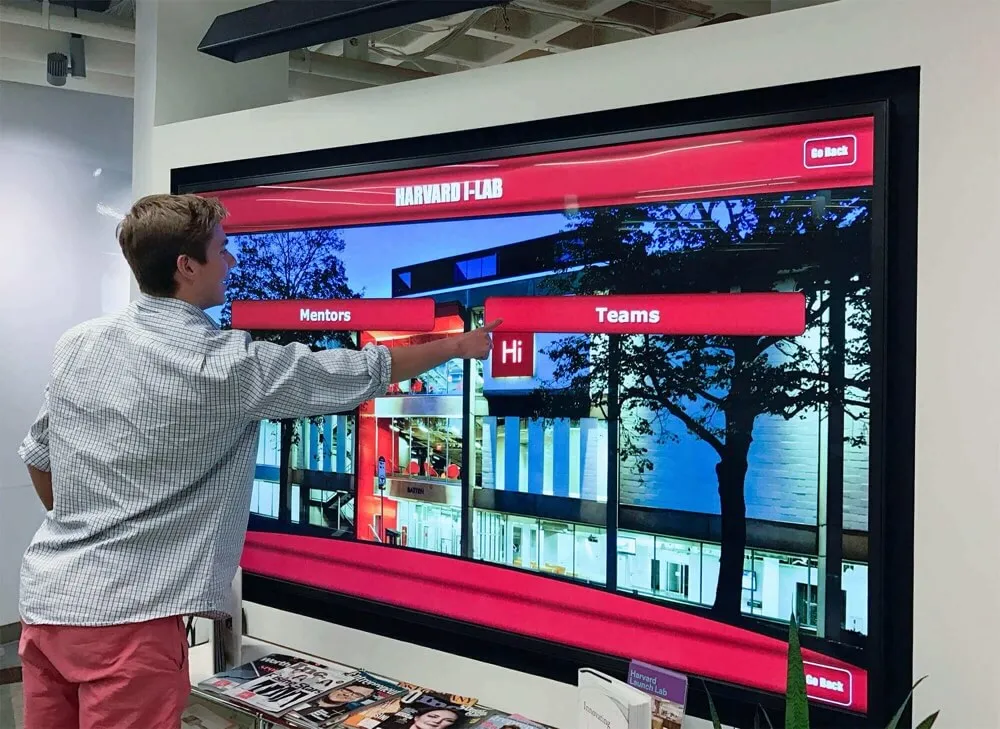
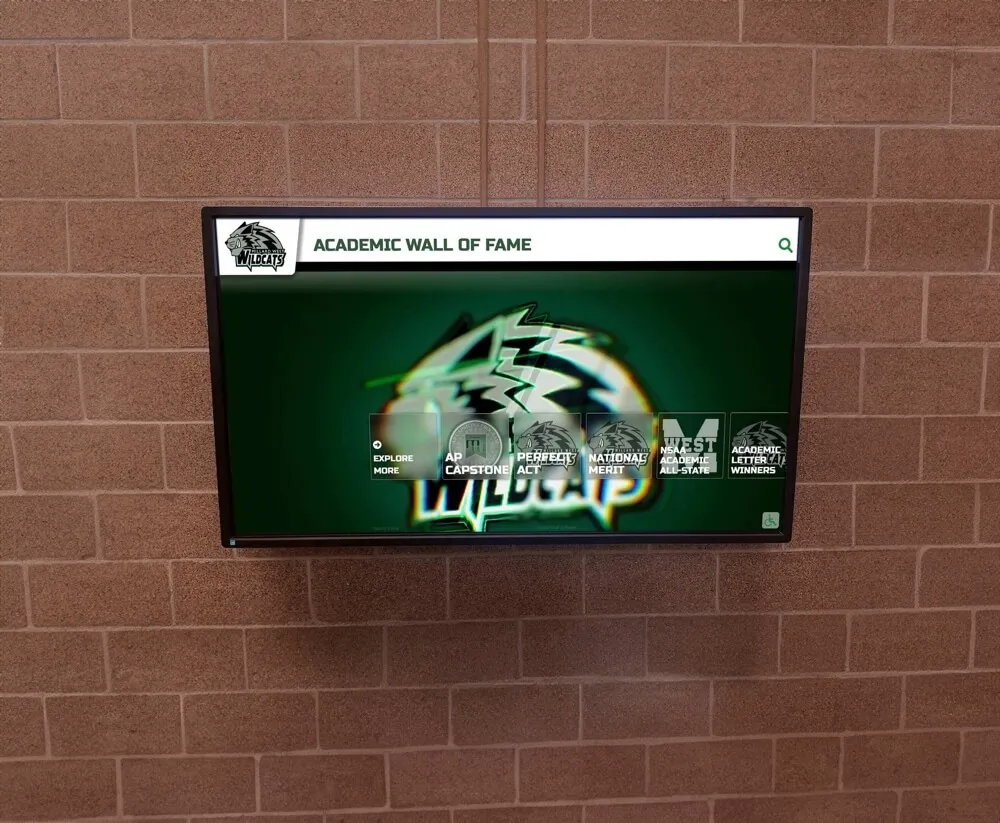
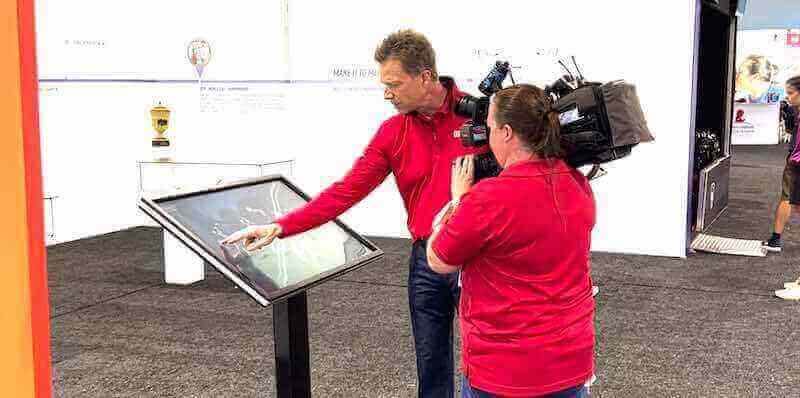
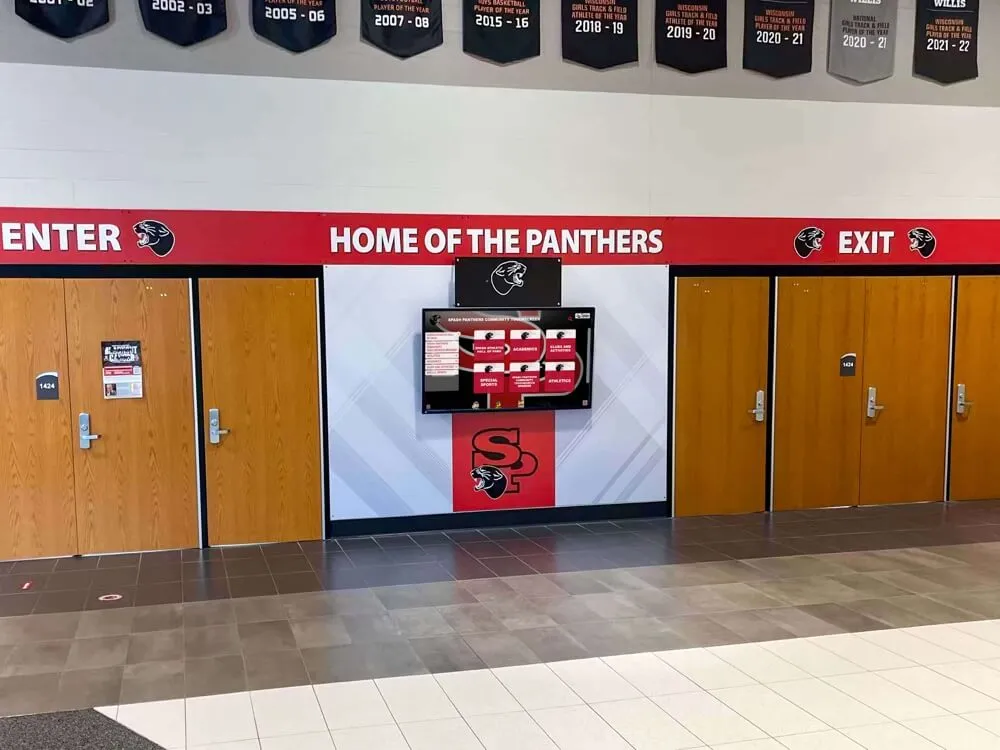
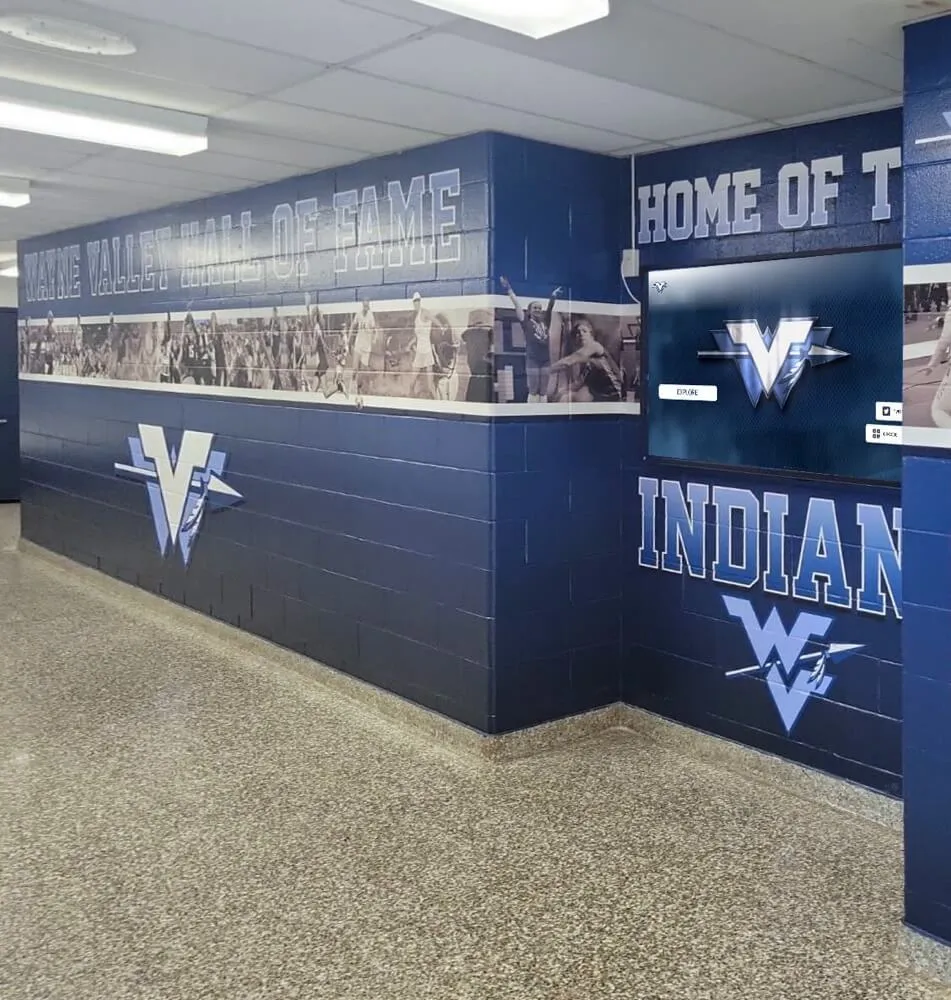
Major athletic recognition programs often feature both ceremonial events and permanent digital displays celebrating achievements
Formal Definitions: Men typically wear suits with ties for formal banquets, while women wear cocktail dresses, evening dresses, or dressy separates. Formal doesn’t necessarily mean black-tie—most sports banquets never reach true black-tie formality—but represents the upper end of dressy attire.
Themed or Casual Events
Some teams host themed banquets (decade themes, sports history themes, color themes) or explicitly casual gatherings like picnic-style celebrations or backyard barbecue banquets. These remain exceptions rather than norms.
Following Theme Guidelines: When banquets specify themes, consider incorporating thematic elements while maintaining appropriate formality. A 1980s-themed banquet might include era-appropriate accessories or color schemes while still wearing generally appropriate semi-formal base outfits.
Truly Casual Events: If invitations explicitly specify “casual,” “cookout attire,” or “picnic dress,” clean, neat casual clothing works appropriately. However, even “casual” sports events typically mean clean jeans or khakis with nice shirts rather than athletic wear or very informal clothing.
What Athletes Should Wear to Sports Banquets
Athletes receiving recognition at sports banquets face particular wardrobe considerations balancing formality expectations with age-appropriate comfort.
High School Male Athletes
Recommended Outfit Foundation: Dress pants or khakis paired with button-down shirts (long or short sleeve depending on season) or nice polo shirts represent safe, appropriate choices for most high school sports banquets. Add a belt and leather or dressy canvas shoes to complete the look.
Going Slightly More Formal: Athletes can elevate this foundation by adding sweaters (V-neck or crew neck) over shirts, sport coats or blazers for particularly formal banquets, or ties if the event warrants additional formality. Many athletes feel most comfortable with the sweater-over-collared-shirt combination providing polish without full suit formality.
What to Avoid: Athletic wear (team warmups, practice clothes, athletic shoes), excessively casual clothing (t-shirts, hoodies, cargo shorts), ripped or distressed clothing, overly trendy items that may photograph poorly, or anything appearing sloppy or unkempt. Remember that sports banquets typically include extensive photography, so clothing should look polished in pictures athletes will see for years.
Practical Considerations: Ensure clothing fits properly—neither excessively baggy nor uncomfortably tight. If purchasing new banquet attire, buy pieces usable for other occasions like church services, school presentations, or family celebrations rather than one-time items. Schools implementing digital athletic recognition systems often encourage athletes to dress appropriately for both banquet ceremonies and photo sessions documenting their achievements.
High School Female Athletes
Versatile Dress Options: Dresses suitable for school dances (excluding prom-level formal gowns), casual church dresses, or sundresses with cardigans represent excellent sports banquet choices. Look for knee-length or midi-length options in solid colors or subtle patterns that photograph well and allow comfortable sitting for extended periods.
Separates Alternatives: Many female athletes prefer dress pants, skirts, or nice jeans paired with blouses, dressy tops, or sweaters. This separates approach offers flexibility and comfort while maintaining appropriate formality. Add accessories like statement necklaces or earrings for added polish.
Footwear Considerations: Flats, low heels, wedges, or dressy sandals work well depending on personal comfort. Remember that banquets involve considerable standing during reception periods, photo sessions, and award presentations. Choose shoes you can wear comfortably for 2-3 hours rather than prioritizing maximum formality over function.
Avoiding Common Pitfalls: Steer clear of overly revealing clothing (extremely short skirts or dresses, plunging necklines, cut-outs), overly casual items (athletic wear, graphic t-shirts, flip-flops), or clothing requiring constant adjustment. The goal is feeling confident and comfortable rather than self-conscious about wardrobe choices.
Cultural Sensitivity: Some athletic programs or schools have specific modesty guidelines. Review any provided dress code information or, when uncertain, err on the side of modest coverage ensuring appropriate presentation.
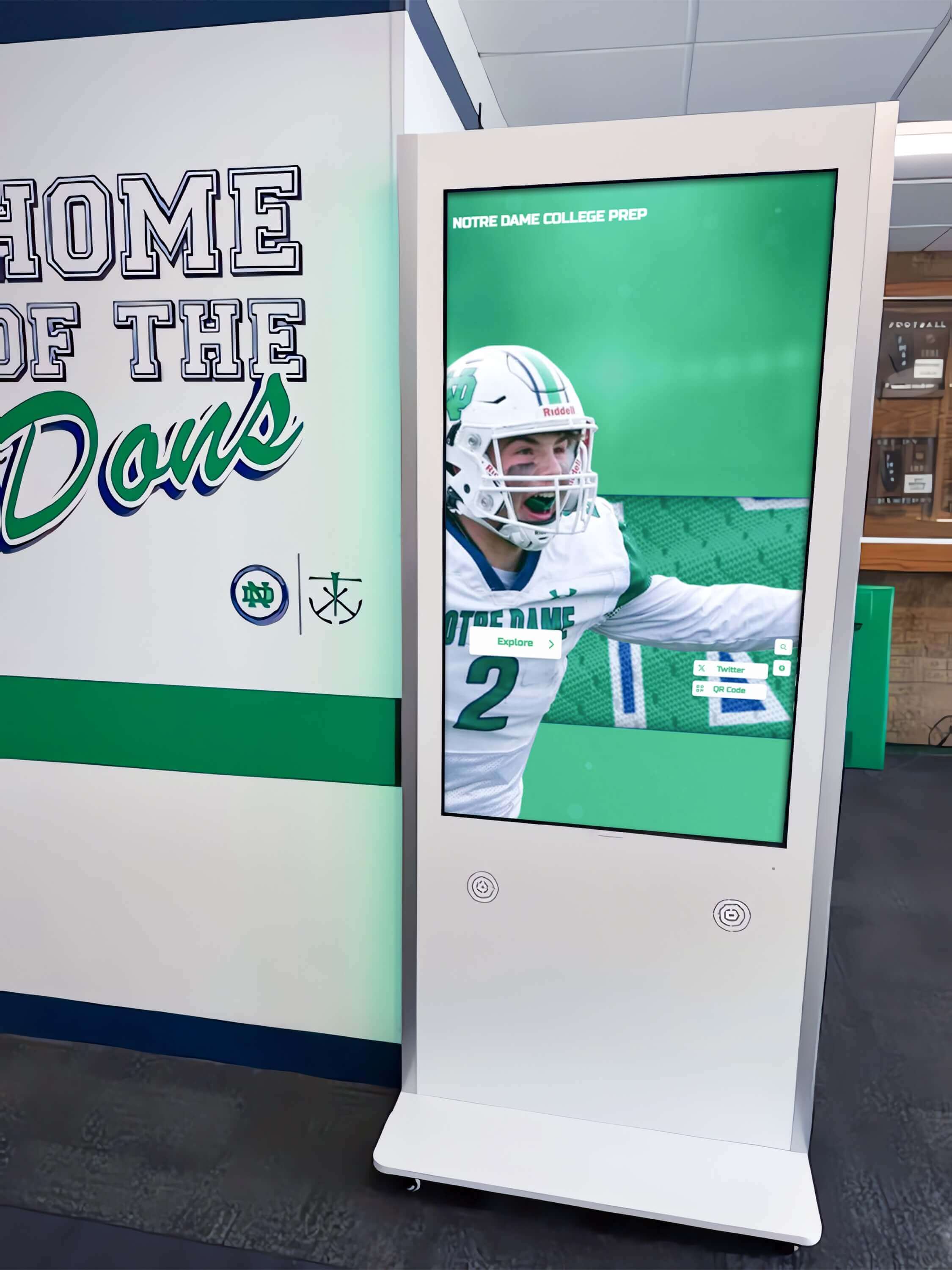
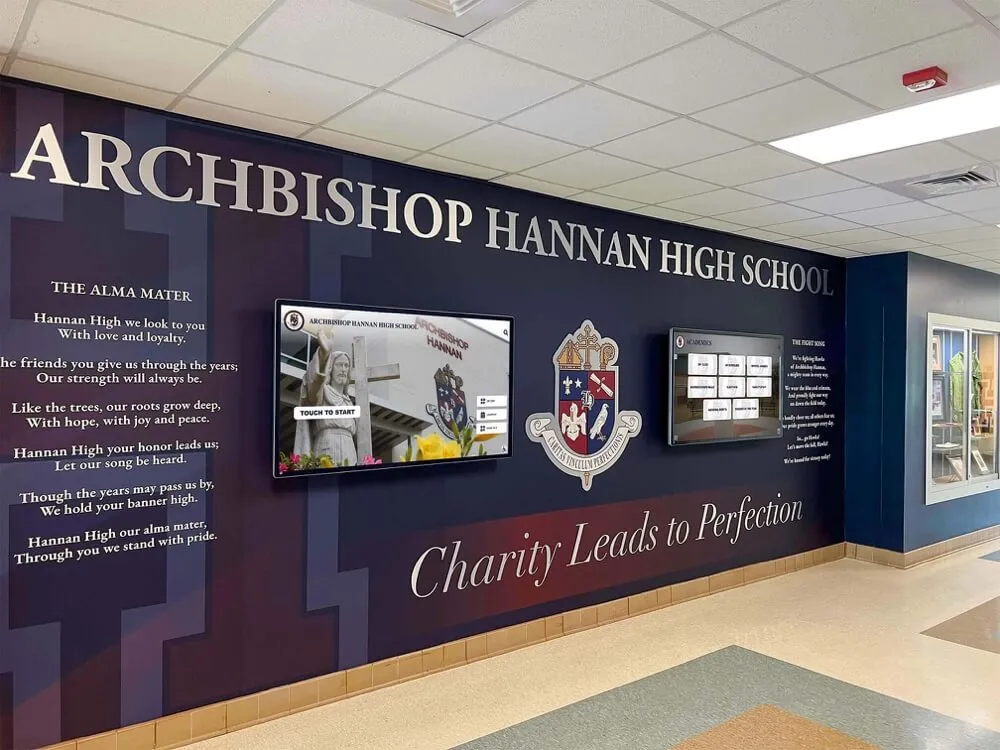
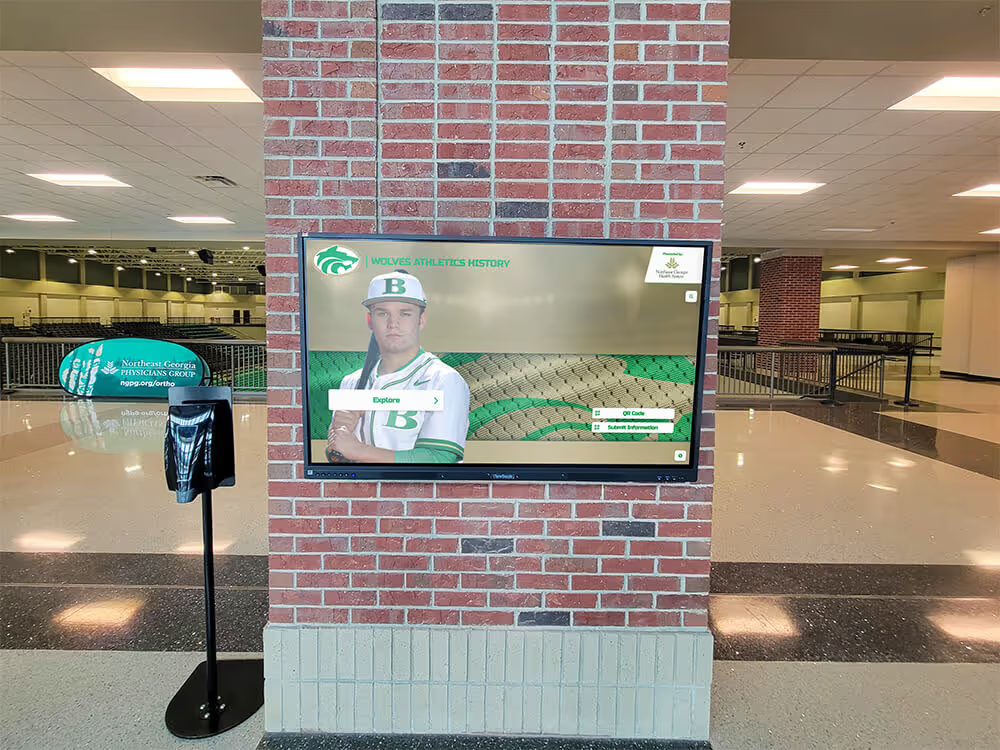
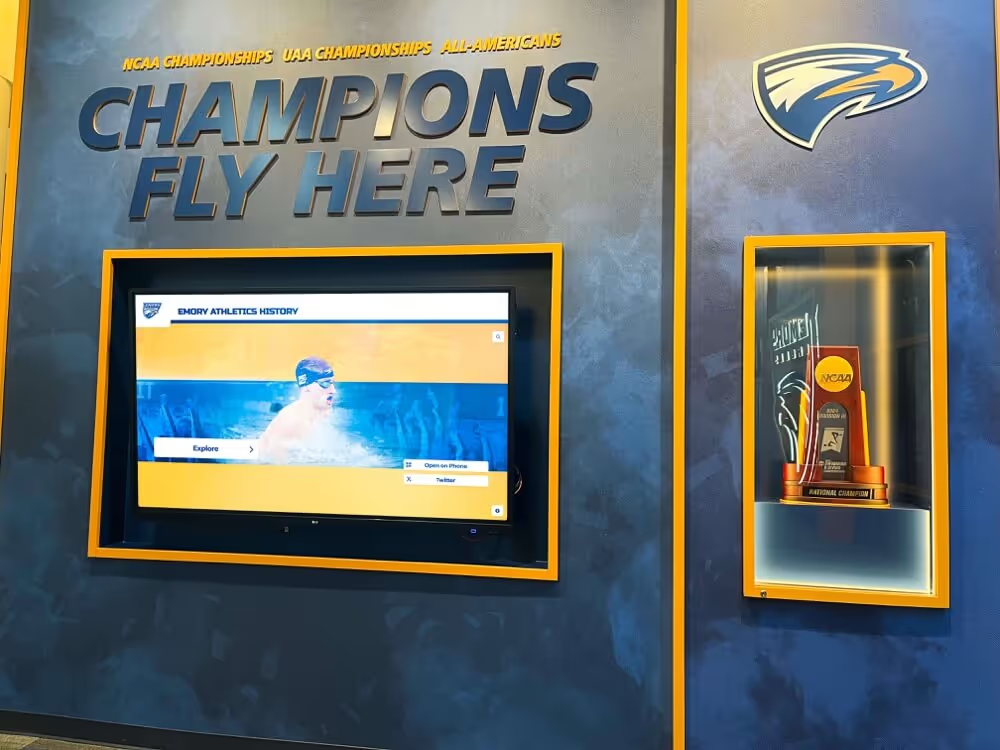
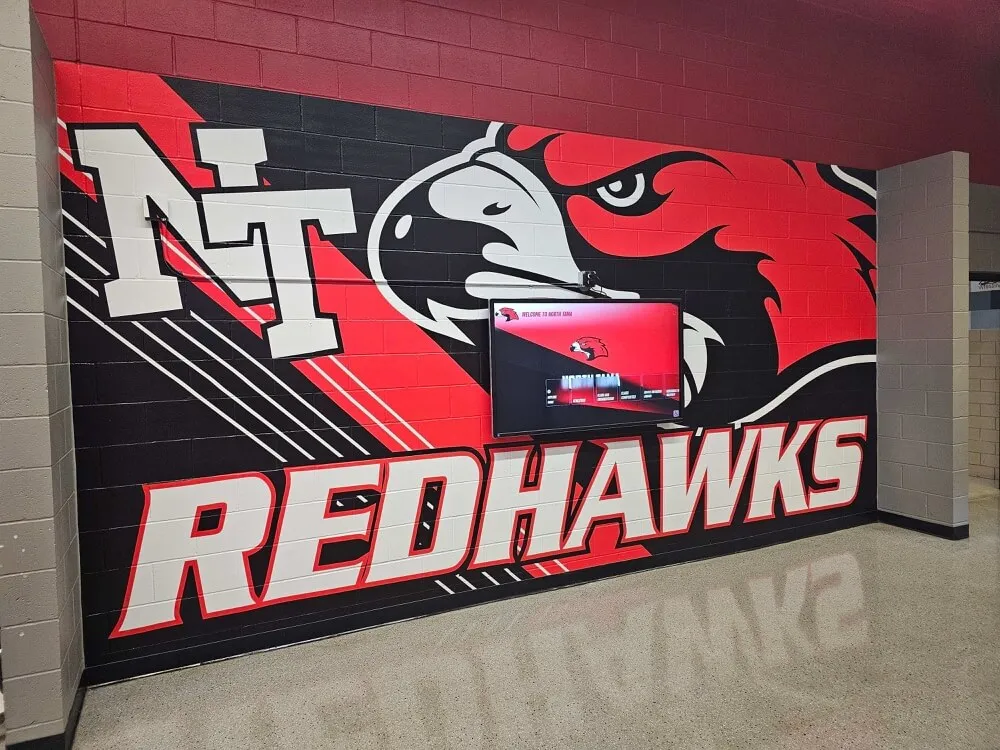
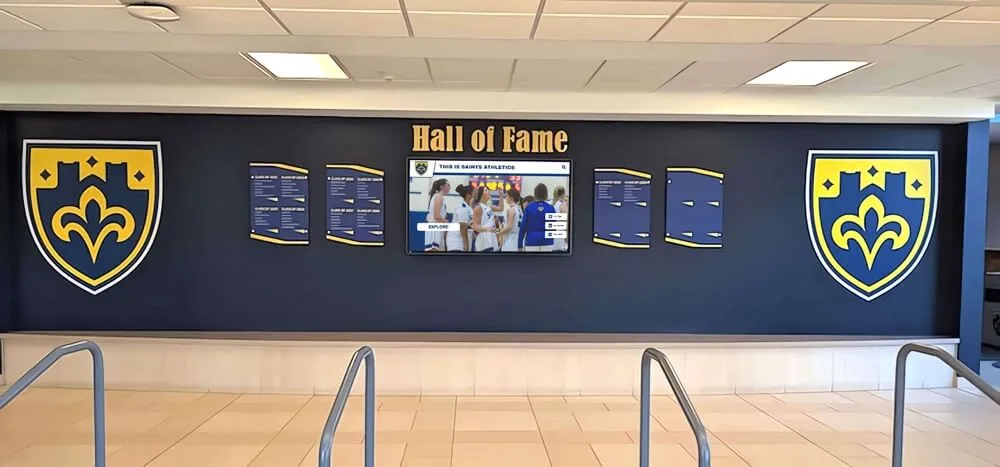
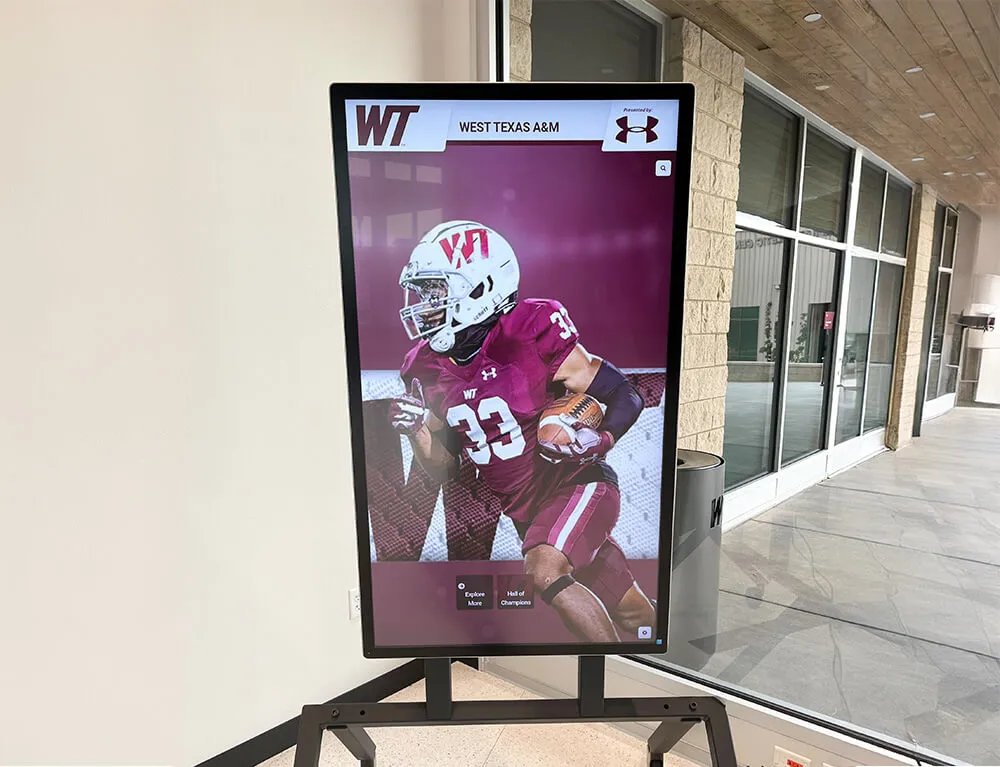
Modern athletic programs combine traditional banquet celebrations with permanent interactive displays preserving athlete achievements
Youth and Middle School Athletes
Age-Appropriate Choices: Younger athletes should dress nicely while maintaining age-appropriate styling. Clean dress pants or khakis with collared shirts for boys, and simple dresses or dress pants with nice tops for girls provide suitable options without requiring overly mature or formal presentation.
Comfort Priority: Youth sports banquets often feature longer programs with significant sitting periods. Prioritize comfortable clothing that allows children to sit attentively without fidgeting with uncomfortable formal wear. Younger athletes don’t need suits or formal dresses—clean, neat, respectful attire suffices.
Growth Considerations: Children outgrow clothing rapidly. When possible, choose banquet attire that fits well currently but might serve multiple purposes—items wearable for school concerts, holiday gatherings, or family events rather than single-use formal clothing children quickly outgrow.
College and Elite Level Athletes
Elevated Expectations: College athletic banquets and elite-level recognition events typically expect business casual to formal attire reflecting the programs’ stature and the significance of achievements being celebrated. College athletes should generally assume business casual minimum unless invitations specify otherwise.
Professional Presentation: Many college athletic banquets include sponsors, university administration, donors, or media attendance warranting more polished presentation. Male athletes should consider sport coats or blazers paired with dress pants and ties, while female athletes might choose cocktail dresses, dressy separates, or professional suit alternatives.
Program Culture: Some athletic programs establish specific team dress standards for banquets, potentially requiring matching blazers, specific color schemes, or coordinated presentation. Verify any team-specific expectations with coaches or team leadership before selecting personal attire.
Understanding what varsity athletic recognition means helps contextualize why banquet presentation matters—these events formally acknowledge competitive achievement and deserve appropriate ceremonial respect.
What Parents and Family Members Should Wear
Parents and family members supporting athletes at sports banquets should dress respectfully while allowing athletes to remain the focus of attention.
General Guidelines for Parents
Matching Event Formality: Parents should generally dress at or slightly below the formality expected for athletes themselves. If athletes wear semi-formal attire, parents wearing business casual or semi-formal clothing creates appropriate balance. Avoid significantly overdressing athletes or appearing substantially more casual than students being honored.
Classic, Understated Choices: Choose classic, timeless styles in neutral or subtle colors rather than extremely trendy pieces or attention-grabbing outfits. Remember that the evening celebrates athletes—parental attire should be respectful and appropriate without competing for visual attention in group photographs or ceremony documentation.
Comfort for Extended Events: Sports banquets typically last 2-3 hours including reception periods, dinner service, speeches, and award presentations. Select clothing and footwear comfortable enough for extended wear while remaining standing periodically and moving between tables and photo areas.
Specific Parent Outfit Suggestions
For Fathers and Male Guests: Dress pants or khakis paired with button-down shirts or polo shirts represent safe, appropriate choices. Adding sport coats or sweaters elevates formality when warranted. Ties remain optional for most sports banquets unless the event explicitly requests business formal attire. Leather dress shoes or polished casual shoes complete the outfit appropriately.
For Mothers and Female Guests: Casual dresses, dress pants with blouses or sweaters, skirts with dressy tops, or other business casual to semi-formal options work well. Choose modest necklines and appropriate hemlines suitable for school-related events. Avoid overly formal cocktail attire unless the banquet specifically requests formal dress. Comfortable dress shoes, flats, or low heels allow extended standing and movement.
Regional and Seasonal Adjustments: Consider local climate and seasonal timing when selecting materials and styles. Lightweight fabrics work better for spring sports banquets in warm climates, while winter sports recognition might warrant heavier materials. Layer clothing to adjust for varying venue temperatures—many banquet halls and cafeterias have inconsistent climate control.
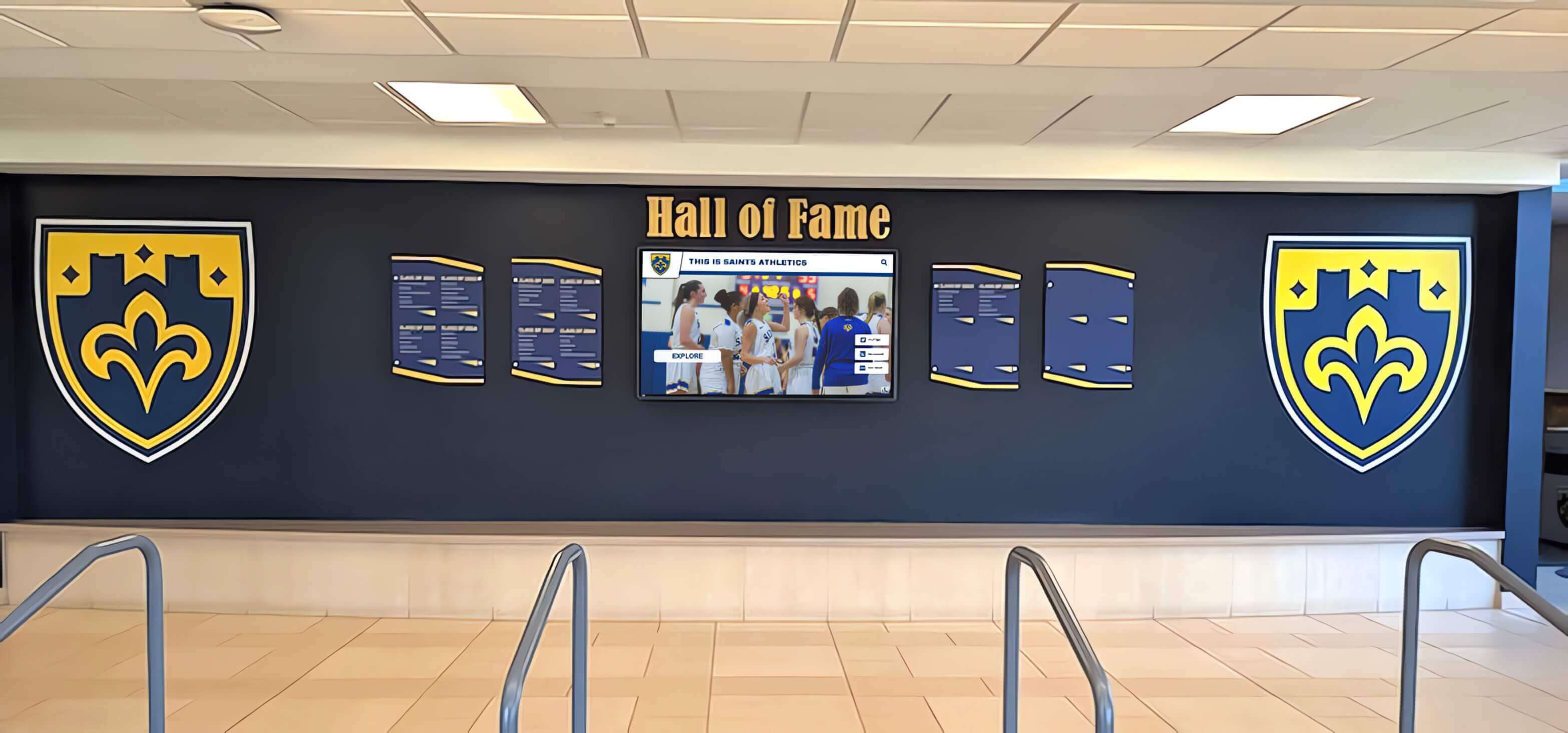
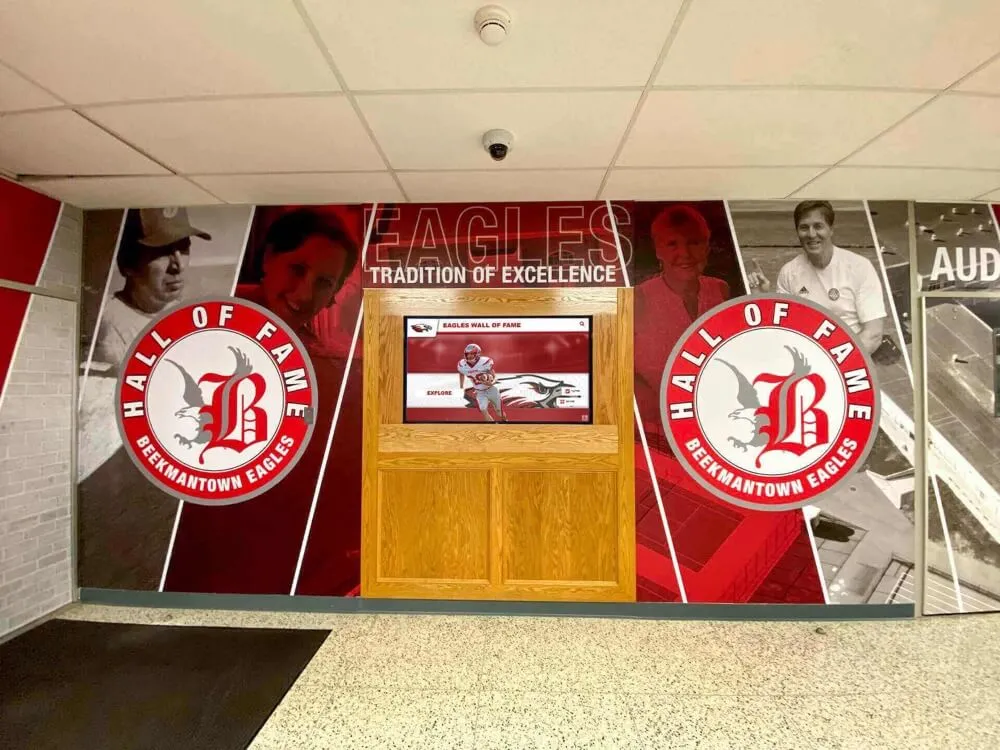
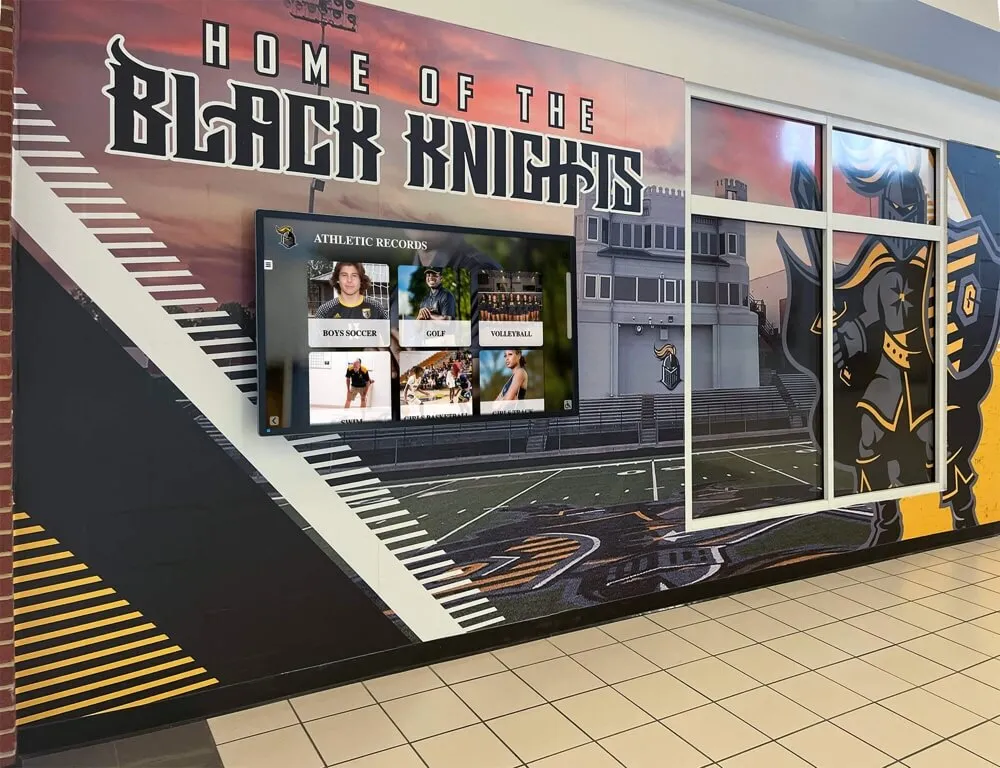
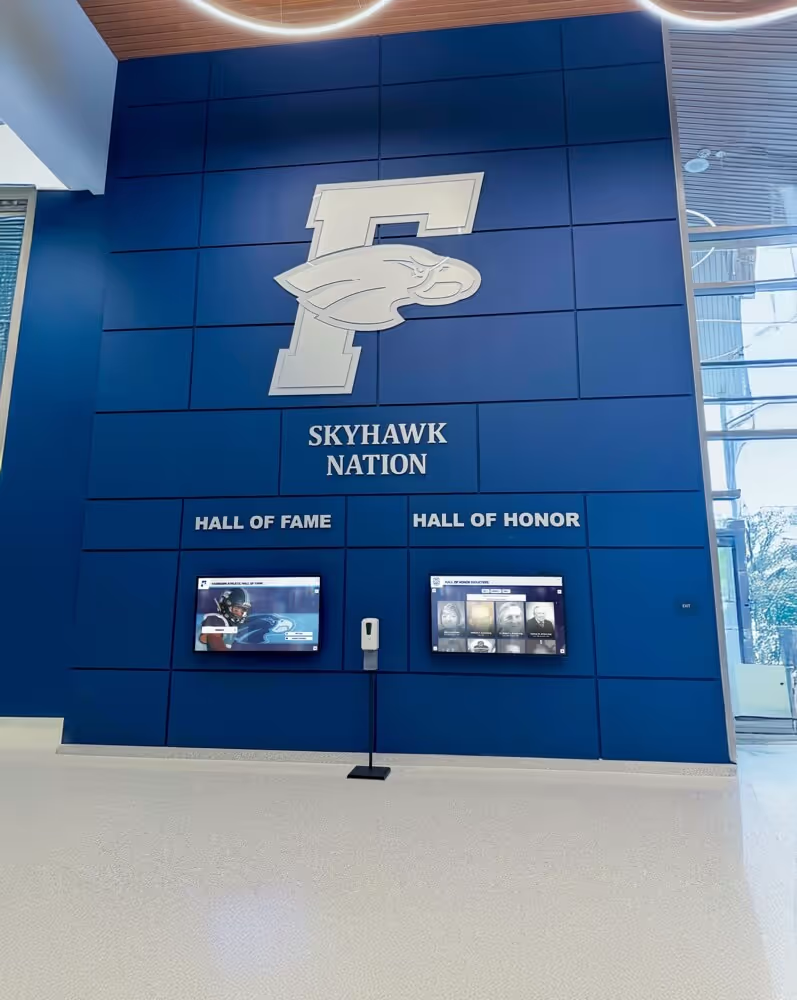
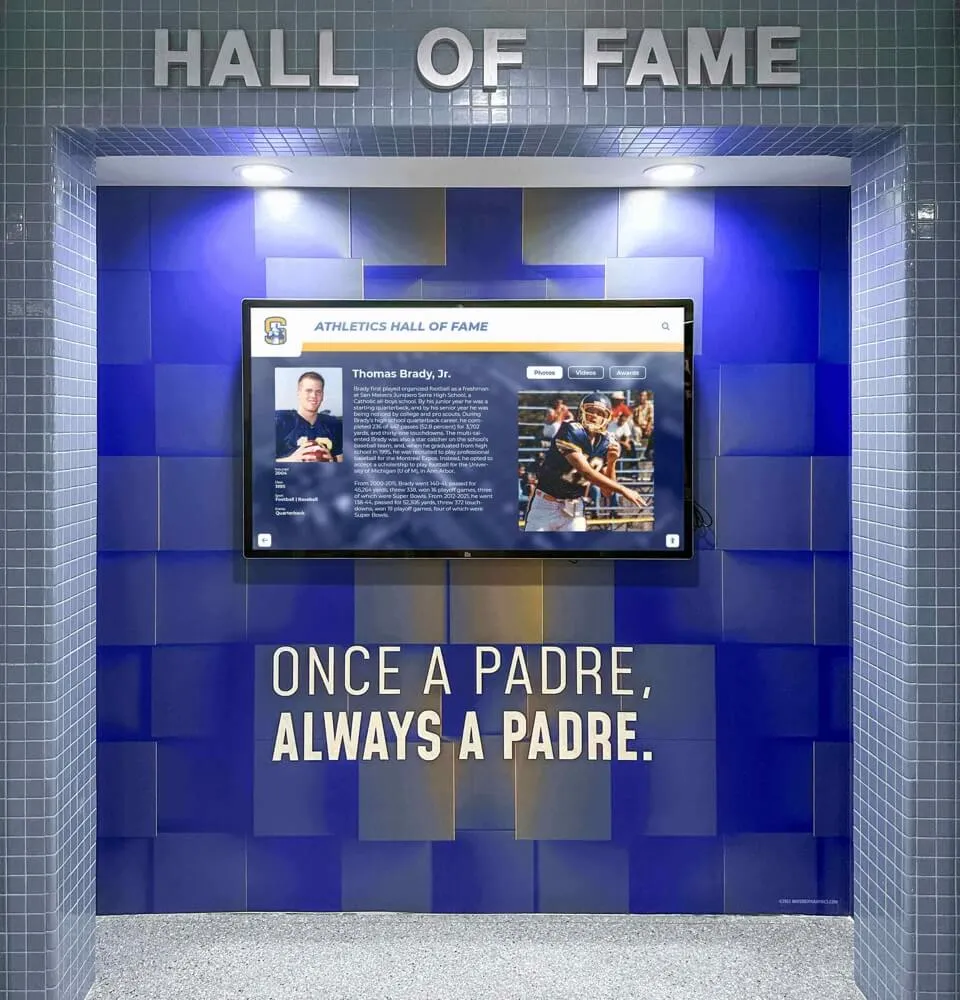
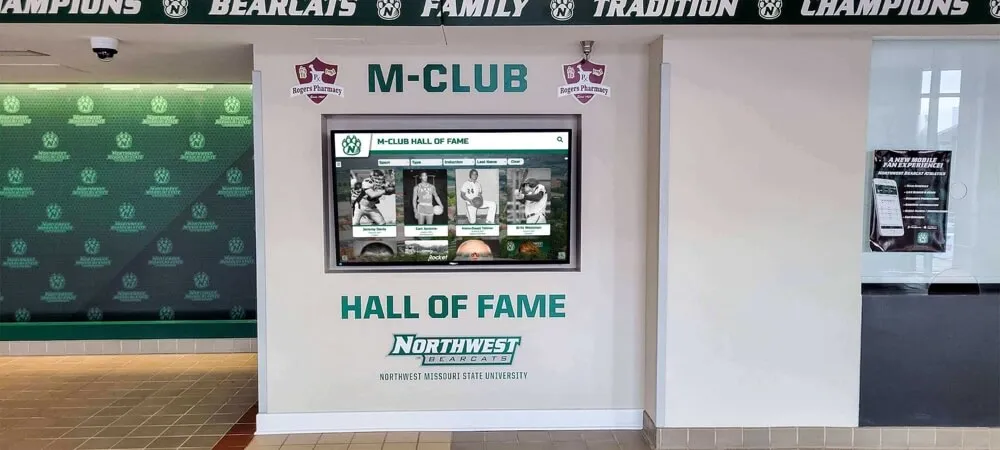
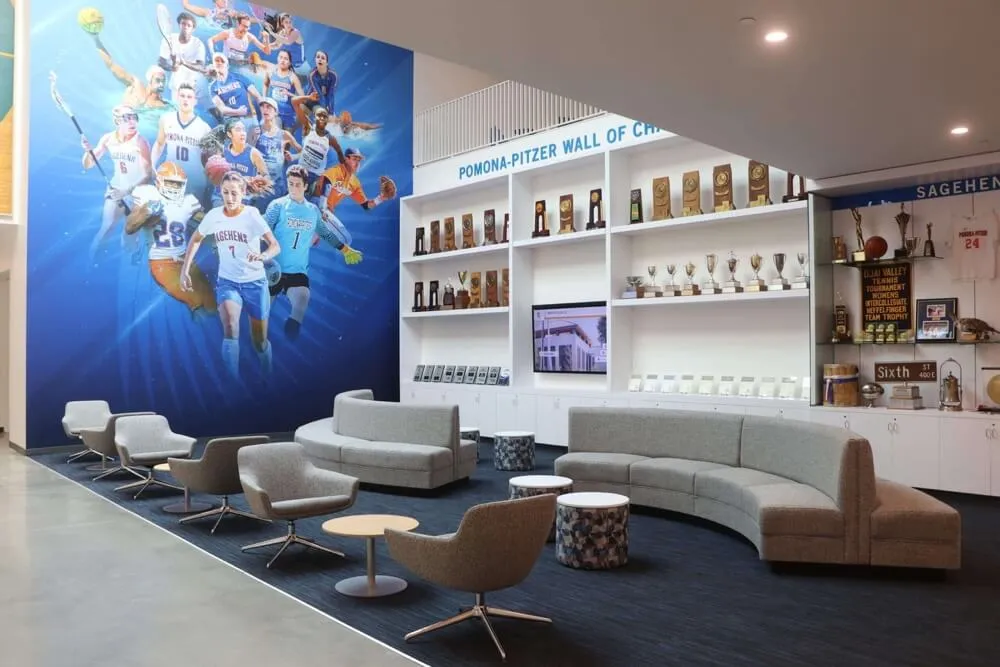
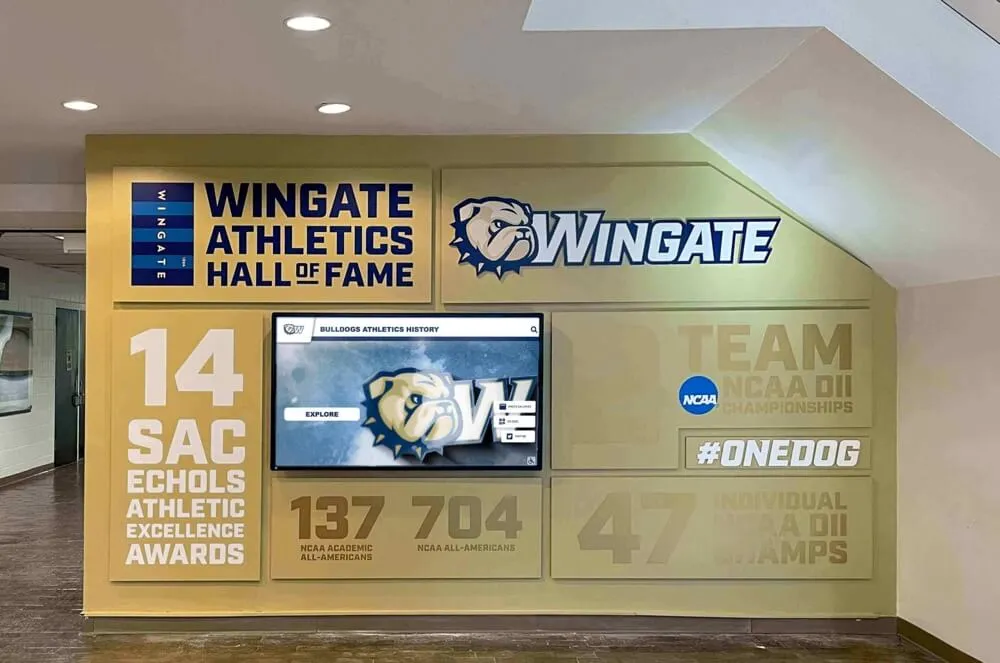
Recognition events take place in various school venues from traditional banquet spaces to modern athletic facilities
Grandparents and Extended Family
Comfort and Respect Balance: Older family members should prioritize comfortable clothing that maintains event respect without requiring overly formal or physically uncomfortable attire. Classic casual-dressy options like dress pants with nice tops, simple dresses, or khakis with collared shirts work appropriately.
Accessibility Considerations: Ensure clothing accommodates any mobility aids, allows comfortable sitting and standing, and doesn’t create unnecessary physical challenges during extended events. The goal is celebrating athletes comfortably rather than enduring uncomfortable formal wear.
Photography Involvement: Grandparents and extended family frequently appear in photographs with honored athletes. Choose solid colors or subtle patterns that photograph well and coordinate generally with family group photos without requiring matching outfits.
What Coaches and Athletic Staff Should Wear
Coaches, athletic directors, trainers, and program staff face unique presentation considerations balancing professional authority with approachability.
Head Coaches and Senior Staff
Professional Standard: Head coaches typically wear business casual to business formal attire reflecting their professional leadership roles. For men, this usually means dress pants with button-down shirts and ties, often including sport coats or blazers. Female coaches typically wear professional dresses, dress pants with blouses, or business suits.
Representing the Program: Coaches serve as program representatives and often present awards, deliver speeches, or interact with administrators, sponsors, and families. Professional presentation demonstrates respect for the occasion and the athletes being honored while maintaining the authority inherent in coaching positions.
Team Coordination: Some programs establish coordinated coach presentation with matching blazers, school-colored shirts or ties, or team-branded accessories creating unified visual identity. This coordinated approach reinforces program cohesion while appearing polished during recognition ceremonies.
Assistant Coaches and Support Staff
Following Head Coach Lead: Assistant coaches and athletic support staff should generally match or slightly dress down from head coach formality. If head coaches wear full suits, assistants might wear sport coats without suits. If head coaches opt for business casual, assistants can choose clean, polished casual-dressy attire.
Identifying Role: Some programs provide staff with team polo shirts, branded apparel, or identifying accessories worn at banquets. This approach creates clear role identification while maintaining appropriate formality through quality presentation and professional bearing.
Student Coaches and Team Managers
Between Athletes and Staff: Student coaches, team managers, and student athletic staff occupy positions between honored athletes and adult program leadership. These students typically dress at the same formality level as team members being recognized unless assigned specific staff presentation roles requiring business casual attire.
Many schools integrating comprehensive athletic recognition programs encourage coordinated presentation among coaches, athletes, and staff creating unified visual identity during both banquet ceremonies and digital documentation of achievements.
Dress Code Variations by Sport and Season
While general guidelines apply across most sports banquets, certain sports or seasonal factors influence appropriate attire choices.
Fall Sports Banquets (Football, Soccer, Volleyball, Cross Country)
Timing Considerations: Fall sports banquets typically occur in November or December, potentially coinciding with holiday seasons. This timing may influence formality levels—banquets scheduled near winter holidays sometimes adopt slightly more formal tone reflecting seasonal celebration culture.
Weather Factors: Cooler weather allows heavier fabrics, longer sleeves, and layered options without discomfort. Consider that guests may arrive wearing coats or outerwear requiring coat check or storage during events.
Winter Sports Banquets (Basketball, Wrestling, Swimming, Hockey)
Post-Season Timing: Winter sports recognition typically happens in late February through March, potentially conflicting with spring break schedules or pre-spring season preparations for other sports. Banquets during this transitional period might adopt slightly more casual tone than mid-season events.
Indoor Venue Certainty: Winter sports banquets almost universally occur indoors, eliminating weather unpredictability and allowing precise formality planning without outdoor ceremony contingencies.
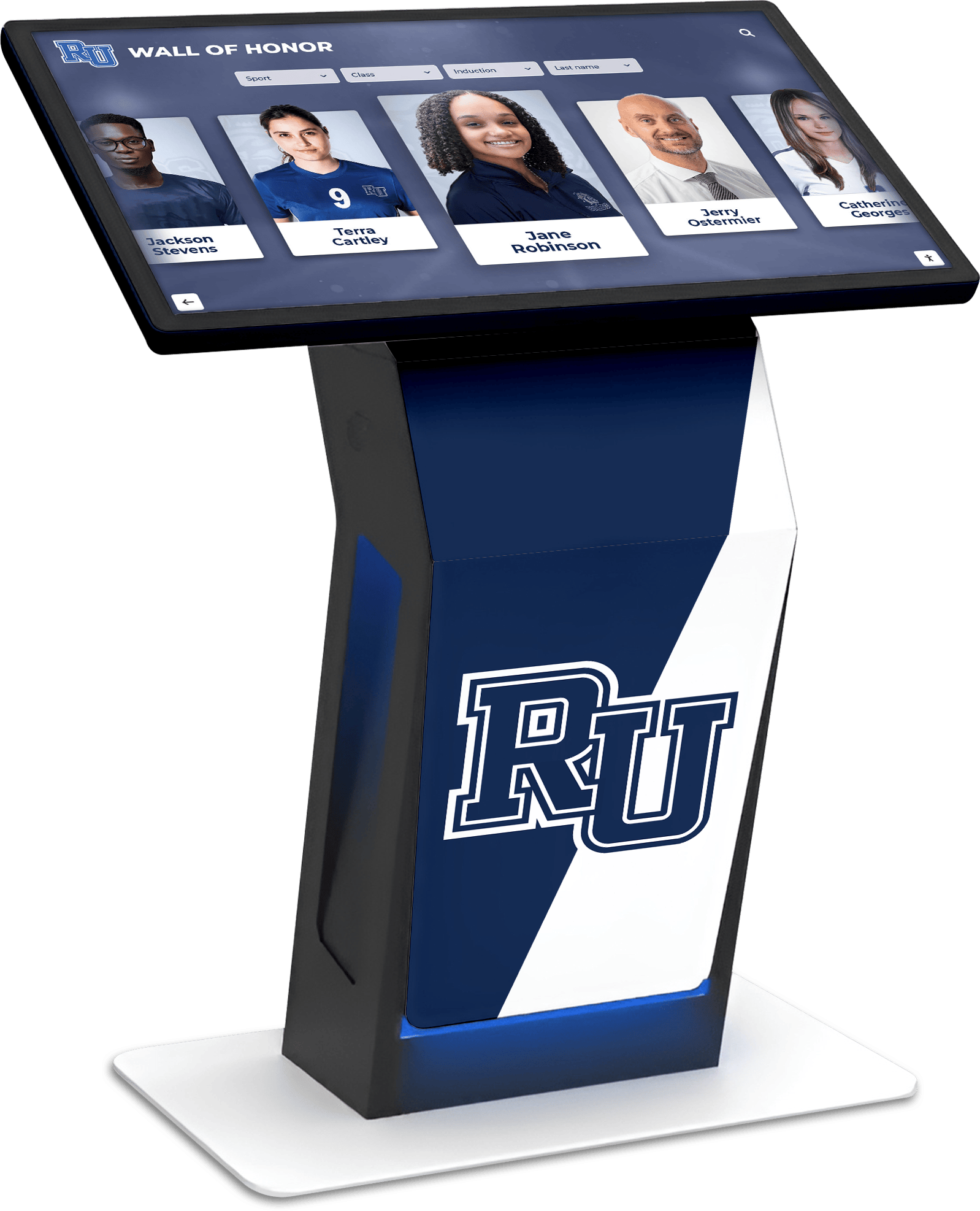
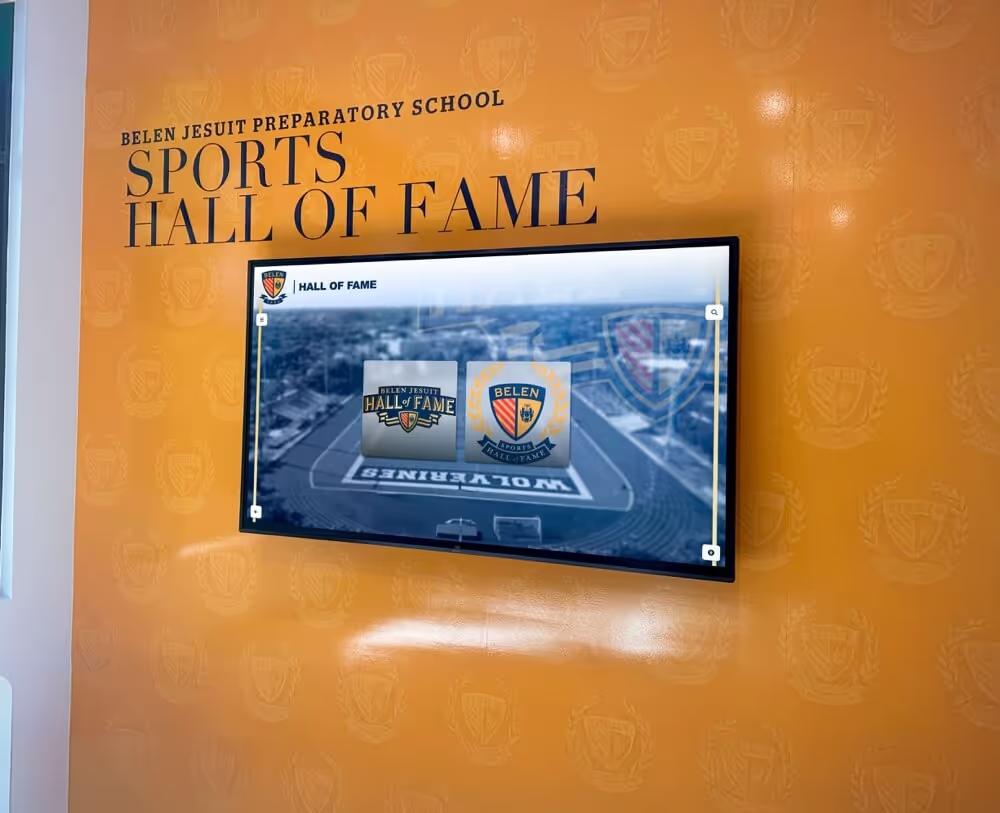
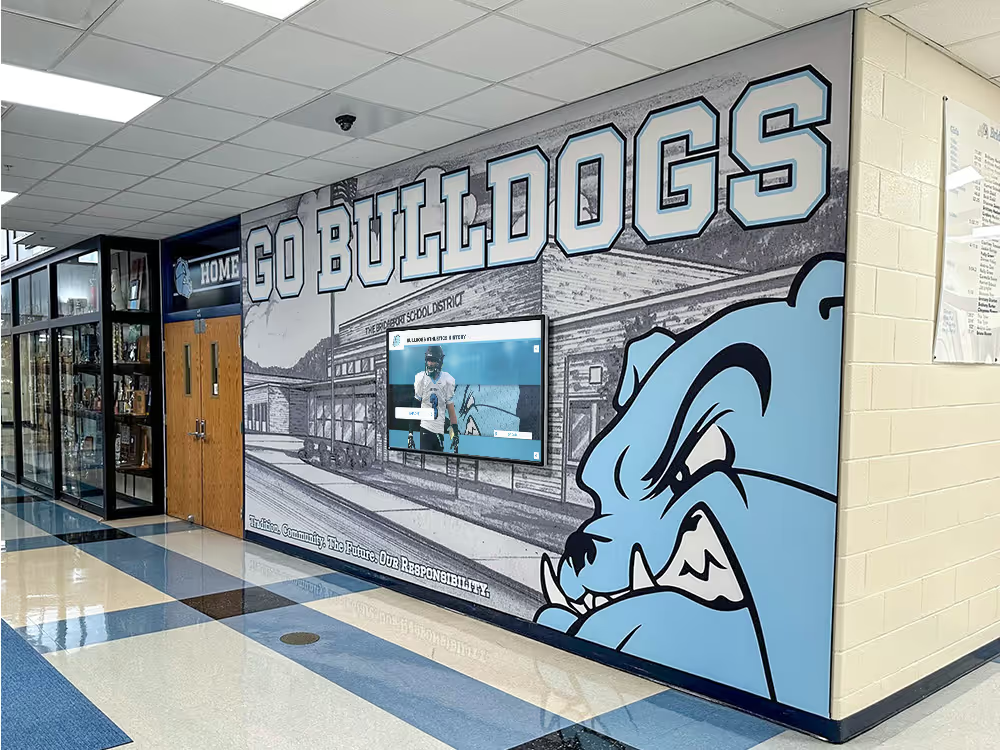
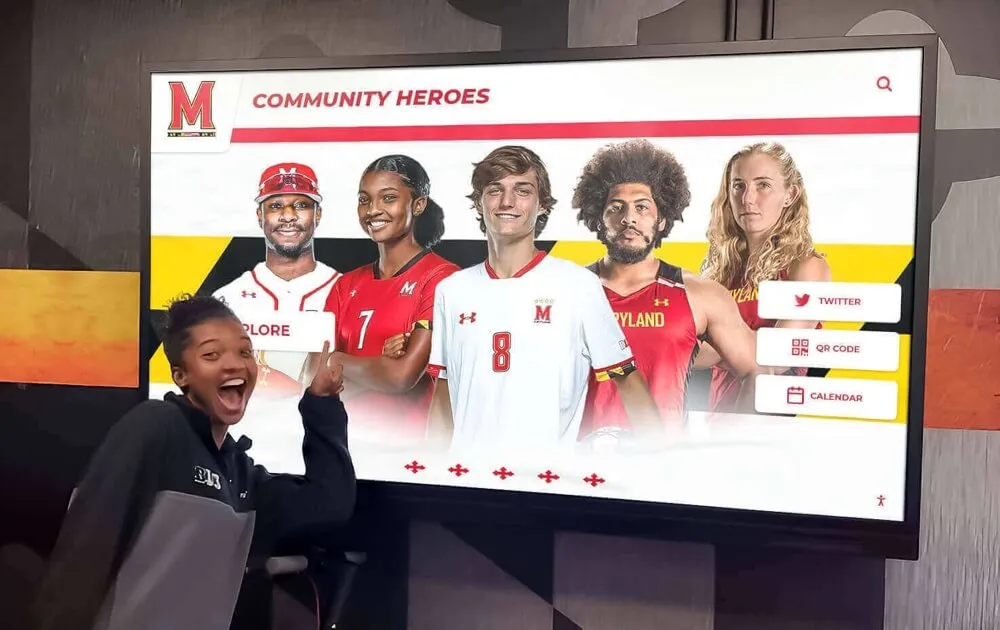
Year-round recognition through interactive displays complements seasonal banquet celebrations
Spring Sports Banquets (Baseball, Softball, Track, Lacrosse, Tennis)
Late Season Timing: Spring sports banquets occur in late May or early June near school year conclusion. This timing sometimes results in combined end-of-year celebrations with multiple sports recognized together, potentially elevating formality and attendance.
Weather Opportunities: Some programs host outdoor receptions or portions of spring sports banquets taking advantage of pleasant weather. When banquets include outdoor components, consider appropriate footwear for potentially uneven surfaces and clothing suitable for outdoor temperatures.
Graduation Proximity: Senior athletes often attend spring sports banquets shortly before graduation, sometimes creating scheduling conflicts or fatigue with multiple end-of-year formal events. Banquet attire from graduation ceremonies, academic awards nights, or other spring formals can often serve double duty for sports banquets during this busy season.
Sport-Specific Culture Considerations
Contact vs. Non-Contact Sports: Different sports sometimes develop slightly different banquet culture. Football and other high-profile team sports may trend toward more formal banquets with significant community attendance, while individual sports like tennis or track might host smaller, slightly more casual gatherings.
School Program Status: Successful programs with strong community followings, significant booster involvement, or championship traditions often develop more formal banquet cultures reflecting program status and community investment. Newer or smaller programs might maintain more modest, casual recognition approaches.
Understanding how schools develop comprehensive athletic celebration cultures helps contextualize why dress expectations vary across programs and sports.
Practical Considerations and Common Questions
Beyond specific outfit recommendations, several practical factors influence successful sports banquet attire selection.
Understanding Venue Impact on Dress Code
School Cafeterias and Gymnasiums: Banquets held in school facilities generally call for semi-formal attire. These familiar, casual venues don’t require the elevated formality of upscale external locations. However, even school-based banquets warrant more formal presentation than everyday school attendance.
Banquet Halls and Restaurants: External venues like hotel banquet rooms, dedicated event spaces, or restaurants typically expect business casual to semi-formal attire reflecting venues’ more polished presentation standards. When uncertain about venue formality, researching the specific location provides helpful context.
Country Clubs and Private Venues: Upscale venues like country clubs, private clubs, or high-end restaurants often maintain specific dress codes beyond individual event requirements. These venues might prohibit denim, require collared shirts, or establish other presentation standards. Verify venue-specific requirements when banquets occur at private or exclusive locations.
Navigating Unclear or Missing Dress Code Information
When Invitations Don’t Specify: If sports banquet invitations or communications don’t explicitly state dress codes, assume semi-formal attire represents the safest choice. This middle-ground approach errs toward respectful formality without risking significant overdressing.
Asking for Clarification: Contact coaches, athletic directors, team parents, or booster club organizers when uncertain about appropriate attire. Most programs appreciate questions ensuring families feel prepared and comfortable rather than arriving inappropriately dressed.
Observing Previous Years: If attending a recurring annual banquet, ask returning families about previous years’ formality or review past event photographs (often shared on school websites or social media) to assess typical attire expectations.
Regional and Cultural Norms: Dress expectations vary significantly by region and community culture. Rural communities might maintain more casual standards than suburban or urban areas. School demographics, socioeconomic factors, and local cultural norms influence what different communities consider “appropriate” banquet attire.
Budget-Conscious Attire Strategies
Versatile Investment Pieces: When purchasing banquet attire, prioritize versatile items wearable for multiple occasions including religious services, school concerts, family gatherings, or future banquets rather than single-use special occasion pieces. Classic navy, black, gray, or khaki bottoms paired with various tops create multiple outfit combinations from few pieces.
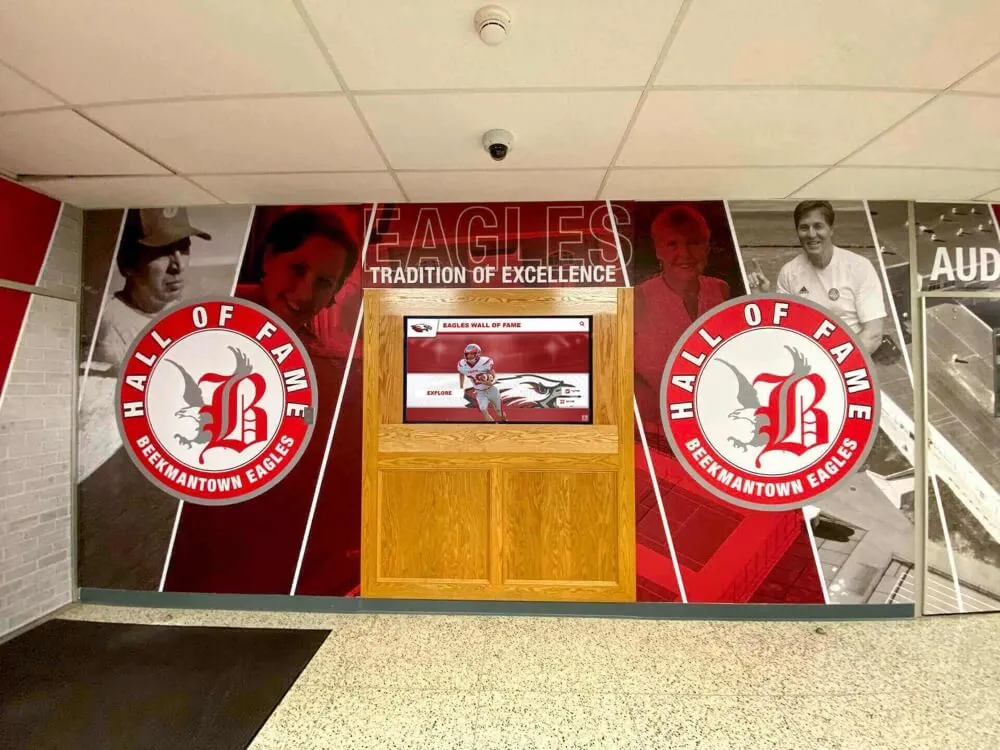
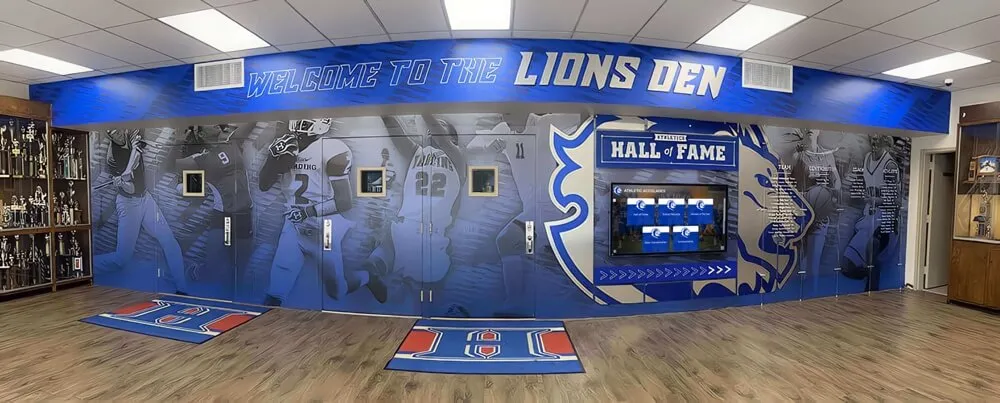
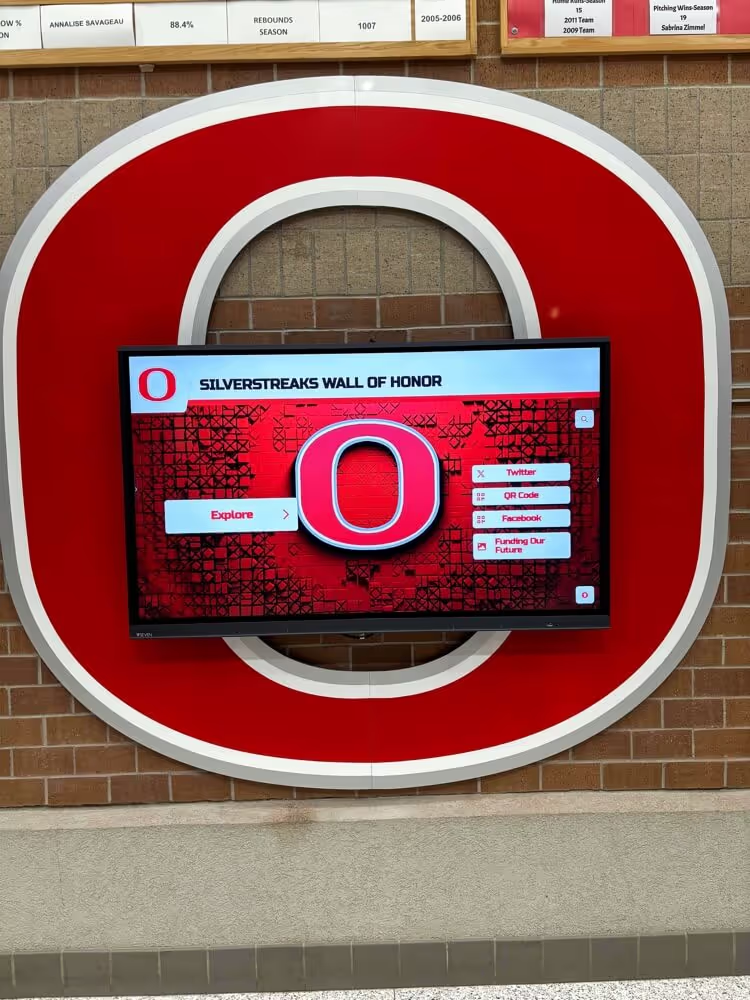
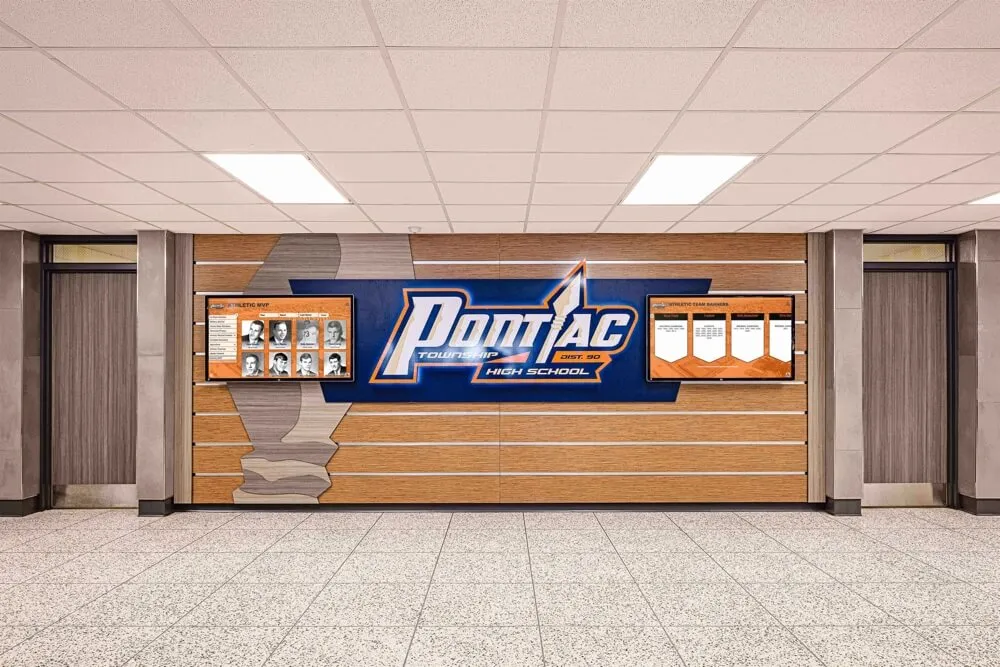
Schools invest in both ceremonial recognition events and permanent athletic achievement displays
Secondhand and Borrowed Options: Thrift stores, consignment shops, online resale platforms, and clothing swaps offer excellent options for formal and semi-formal attire at fraction of retail costs. Many families borrow suits, dresses, or formal wear from relatives or friends for single events rather than purchasing items outgrowth young athletes quickly outgrow.
Department Store Sales and Basics: Major retailers frequently offer significant discounts on basic dress pants, simple dresses, button-down shirts, and other banquet-appropriate staples. Shopping off-season sales yields quality pieces at accessible prices—purchase winter formal wear during spring clearance sales for next year’s banquets.
Avoiding Unnecessary Expenses: Students don’t need new outfits for every banquet. Well-maintained, properly fitting clothes from previous formal events work perfectly for sports banquets. Save clothing purchases for items genuinely needed rather than feeling pressured to buy new attire for each event.
Grooming and Presentation Details
Beyond Clothing: Appropriate attire includes more than outfit selection. Ensure clean, neat hair styling, trimmed nails, minimal but appropriate accessories, and general grooming presenting polished appearance. Male athletes who shave should be freshly shaven or maintain neat facial hair. Female athletes should choose simple, classic hairstyles and modest makeup if wearing any.
Attention to Details: Iron or steam clothing removing wrinkles, polish shoes, ensure no visible stains or damage, remove tags and stickers from new purchases, and verify proper fit before leaving for events. These small details significantly impact overall presentation quality and demonstrate respect for the occasion.
Scent Considerations: Apply cologne, perfume, or scented products very sparingly if at all. Many people have scent sensitivities, and banquets involve close proximity in enclosed spaces where strong fragrances quickly become overwhelming. When uncertain, skip fragrance entirely rather than risk overwhelming nearby attendees.
Photography Considerations
Appearing Well in Pictures: Sports banquets typically feature extensive photography including individual athlete photos, team photos, family photos, and candid ceremony documentation. Choose clothing photographing well by selecting solid colors or subtle patterns avoiding busy prints that compete visually, steering clear of pure white or black which can wash out or create harsh contrast in photos, and avoiding clothing with large logos, graphics, or text prominently displayed.
Coordination Without Matching: Families don’t need matching outfits for group photos, but coordinating color palettes creates visually cohesive pictures. If multiple family members attend, consider choosing complementary colors within similar formality levels rather than clashing patterns or wildly different styles.
Timeless Style Choices: Remember that banquet photos often appear in yearbooks, school publications, and permanent digital recognition displays preserving athletic achievements. Choose classic, timeless styles over extremely trendy pieces that may appear dated in photos viewed years later.
Special Situations and Unique Scenarios
Certain circumstances require modified approach to standard banquet attire guidelines.
Athletes Receiving Major Awards or Speaking
Elevated Presentation: Athletes receiving major program awards (Most Valuable Player, team captain recognition, scholarship presentations) or delivering speeches should consider slightly more formal attire than base expectations. This elevated presentation honors the special recognition received while demonstrating appreciation for the distinction.
Professional Bearing: Major award recipients often participate in extended photography, receive recognition from program leadership and administrators, and appear prominently in event documentation. Polished presentation appropriate for professional settings serves these athletes well during high-visibility recognition moments.
Combined Sport or All-School Banquets
Broader Audience Considerations: Banquets recognizing multiple sports or all-school athletics involve larger, more diverse audiences and often occur in more formal venues accommodating significant attendance. These combined events typically trend toward business casual or semi-formal attire given their broader scope and elevated significance.
Equalizing Across Programs: Combined banquets benefit from relatively consistent dress expectations across sports, preventing perception that certain teams receive preferential treatment or that program hierarchies dictate varying respect levels. Communicate clear, consistent dress guidance to all participating athletes and families.
Hall of Fame Inductions and Major Milestone Events
Formal Event Standards: Athletic hall of fame inductions, major program anniversary celebrations, or combined recognition/fundraising events warrant formal attire approaching cocktail event standards. These special occasions celebrating significant achievements or institutional milestones deserve elevated presentation reflecting their distinctive importance.
Honoree vs. Guest Attire: Distinguished guests like hall of fame inductees, milestone honorees, or special award recipients should dress particularly formally—suits for men, cocktail dresses or formal separates for women. General attendees can dress one level below honoree formality while maintaining respectful presentation.
Schools implementing comprehensive hall of fame recognition programs often develop distinctive banquet traditions reflecting the prestige of induction ceremonies and permanent digital displays celebrating inductees.
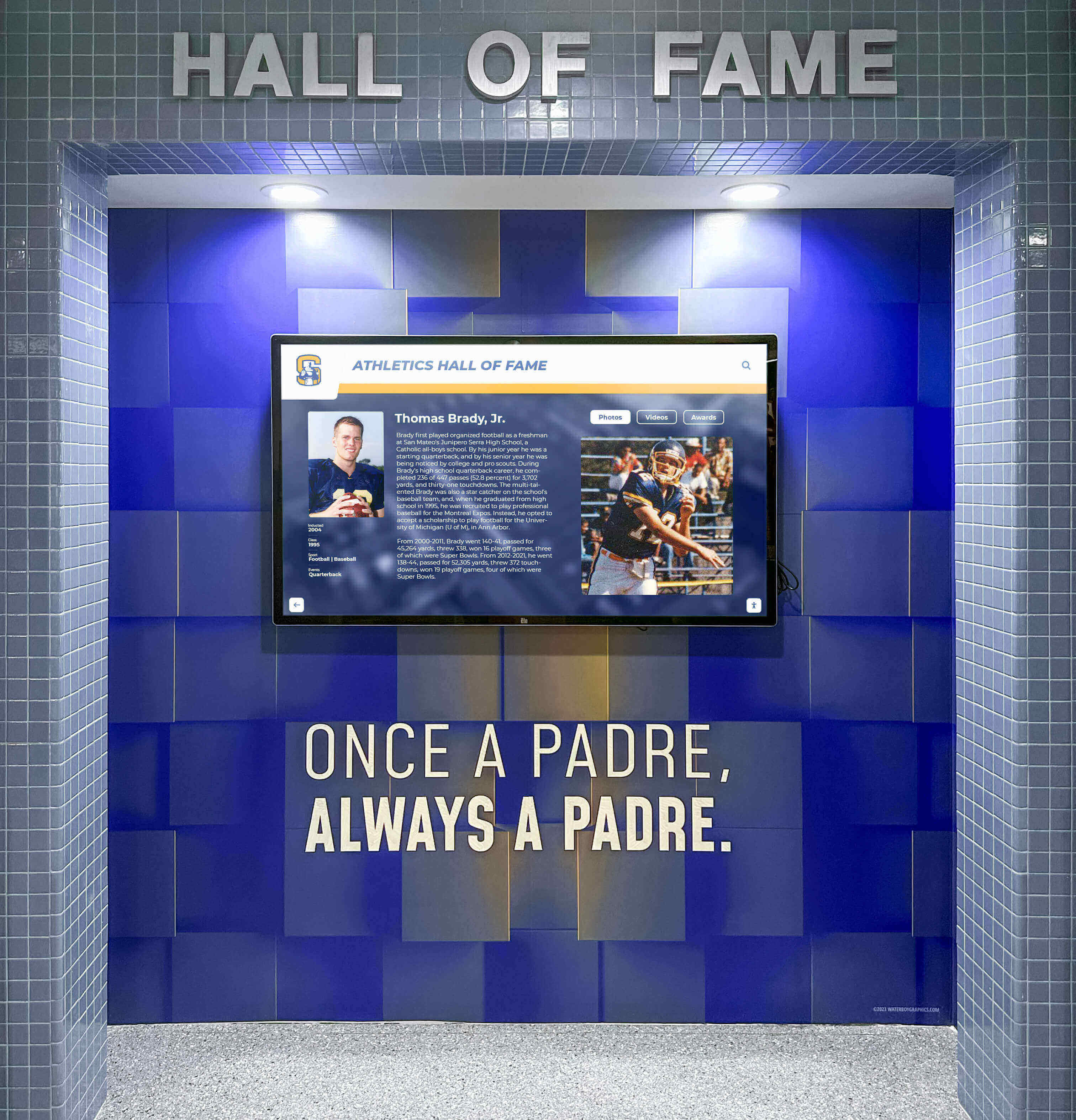
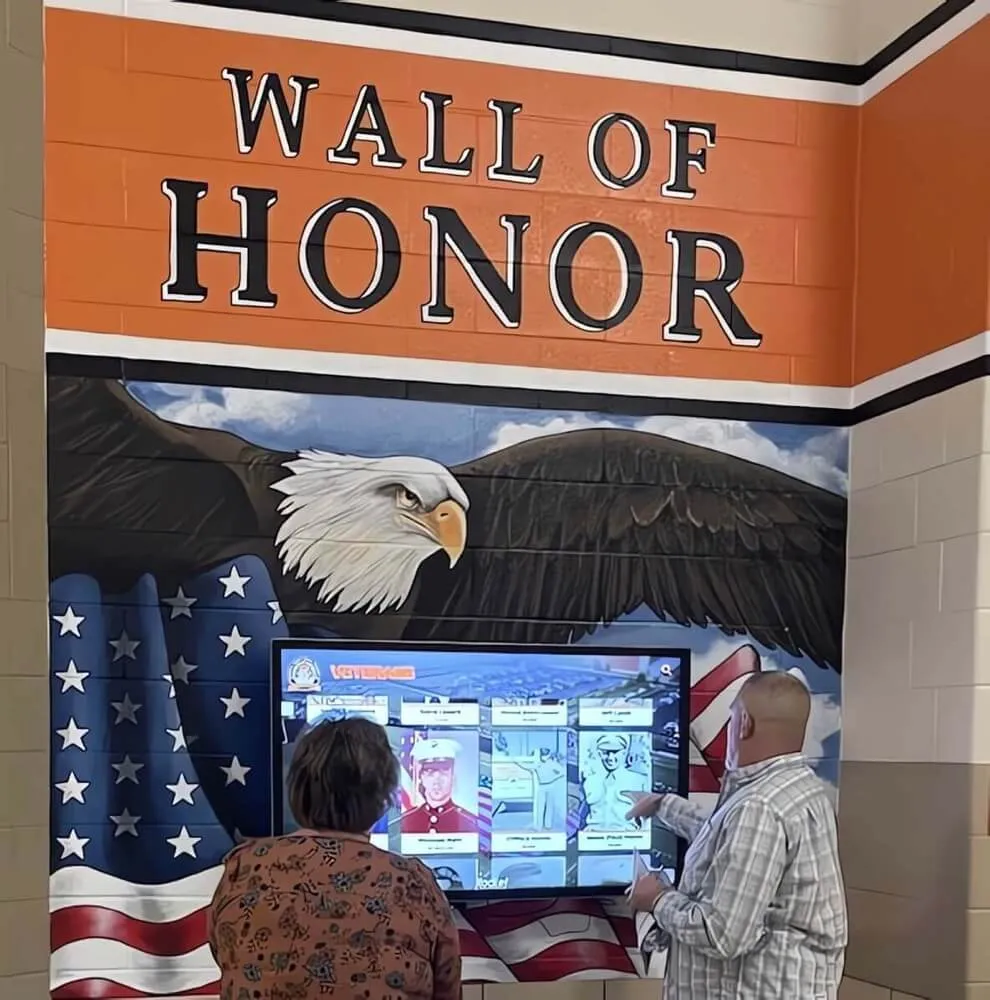
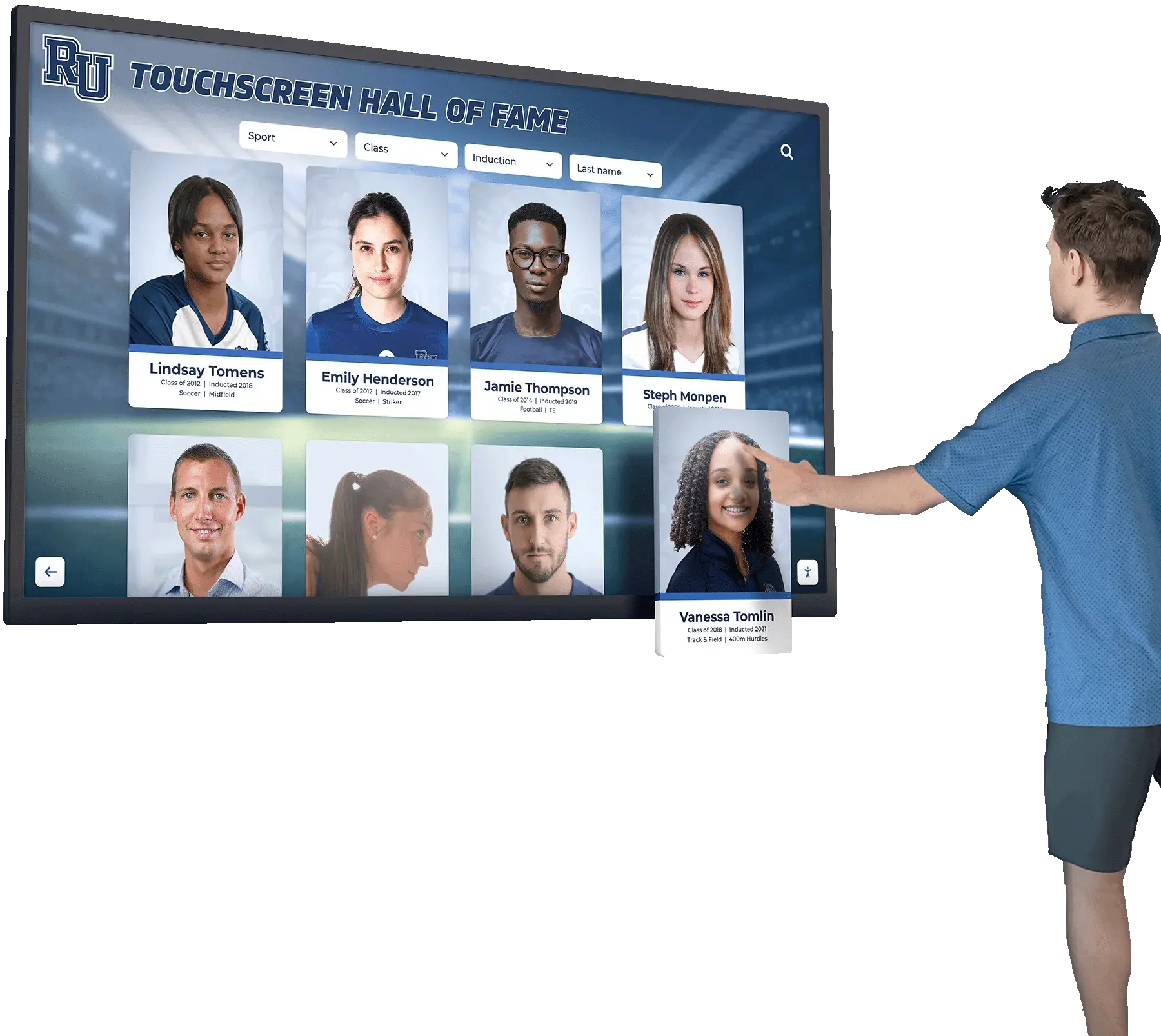
Modern athletic recognition combines traditional banquet ceremonies with permanent touchscreen displays accessible year-round
Virtual or Hybrid Banquet Formats
On-Camera Presentation: Hybrid banquets combining in-person and virtual attendance require consideration of how attire appears on camera. Choose solid colors avoiding busy patterns that create visual interference on screens, ensure proper fit visible in typical video framing (shoulders to head), and consider how clothing contrasts with home backgrounds for athletes participating virtually.
Full Outfit Importance: Even for primarily virtual participation, wear complete appropriate outfits rather than “business on top, casual below” approaches. Athletes may need to stand for recognition, move to different camera angles, or participate in ways exposing full presentation.
Religious or Cultural Considerations
Modest Dress Requirements: Some families maintain religious or cultural dress standards requiring modest coverage, head coverings, or specific garment types. Sports banquets should accommodate these requirements respectfully. Families should feel comfortable communicating any dress needs to program leadership ensuring inclusive, welcoming recognition environments.
Cultural Celebration: Some programs serving diverse communities incorporate cultural elements into banquet celebrations. When programs encourage cultural dress or incorporate multicultural recognition, families might choose to honor heritage through clothing while maintaining overall event formality expectations.
Creating Lasting Recognition Beyond Banquet Night
While appropriate attire contributes to successful banquet experiences, the celebration’s impact should extend far beyond single-evening events.
The Role of Permanent Recognition Systems
Traditional sports banquets create important memories but remain temporally limited—recognition moments lasting only as long as ceremonies themselves before documented only in stored photos and fading memories. Modern athletic programs increasingly complement annual banquets with permanent digital recognition systems preserving athlete achievements accessibly year-round.
Extending Banquet Impact: Digital recognition platforms like those provided by Rocket Alumni Solutions enable schools to preserve banquet programs, awards presentations, athlete biographies, and achievement documentation in interactive displays installed in athletic facilities, school lobbies, or other high-traffic areas. This permanent accessibility ensures athletes recognized at banquets receive ongoing visibility rather than acknowledgment limited to single ceremonies.
Comprehensive Athletic Recognition: Rather than limiting recognition to annual banquet nights, comprehensive systems document complete athletic histories including season statistics, career achievements, team championships, individual awards, and personal athlete stories. This holistic approach creates rich athletic archives celebrating program traditions while honoring individual contributions thoroughly.
Community Engagement: Permanent displays enable ongoing community engagement with athletic excellence as students, families, alumni, and visitors explore athletic achievements throughout the year. This sustained visibility amplifies recognition value far beyond banquet attendance while demonstrating institutional commitment to honoring athletic dedication appropriately.
Programs exploring comprehensive approaches to building school pride through athletic recognition increasingly implement both meaningful banquet ceremonies and permanent digital recognition creating layered celebration honoring athletes immediately and indefinitely.
Preserving Banquet Memories
Professional Documentation: Ensure banquets receive professional photography or videography preserving recognition moments, capturing individual athlete photos in formal attire suitable for display, and documenting speeches, award presentations, and ceremony highlights. This documentation becomes invaluable historical record while providing content for ongoing recognition systems.
Digital Archives: Maintain organized digital archives of banquet programs, award recipient lists, achievement documentation, and ceremony materials. These archives feed permanent recognition displays while preserving institutional memory preventing loss of historical athletic achievement records as physical materials deteriorate or become misplaced.
Alumni Connection: Use banquet recognition as foundation for lifelong alumni engagement. Athletes honored at banquets should remain connected to programs through alumni networks, reunion events, mentorship opportunities, and ongoing communication demonstrating that recognition represents the beginning rather than conclusion of their relationship with programs they represented.
Schools implementing student athlete celebration programs benefit from combining traditional banquet ceremonies with modern recognition technologies creating comprehensive honoring satisfying immediate celebration needs while building lasting athletic legacy.
Conclusion: Dressing Appropriately to Honor Athletic Achievement
Sports banquets celebrate significant accomplishments deserving respectful recognition through both thoughtful ceremony planning and appropriate attendee presentation. While clothing selection might seem trivial compared to the athletic achievements being honored, appropriate attire demonstrates respect for the occasion, the athletes receiving recognition, and the broader community gathered to celebrate excellence.
The guidelines throughout this comprehensive guide provide frameworks for selecting appropriate sports banquet attire across various roles, formality levels, and special circumstances. Whether you’re an athlete receiving awards, a parent supporting your student, a coach presenting recognition, or a guest celebrating team success, these strategies ensure confident, comfortable, respectful presentation throughout recognition ceremonies.
Remember that appropriate dress exists on spectrum rather than as rigid rules—the goal involves showing respect through polished presentation while remaining comfortable enough to fully engage with celebration rather than feeling self-conscious about wardrobe choices. When uncertain about specific expectations, err toward slightly more formal presentation, seek clarification from program leadership, or observe past event documentation providing helpful context.
Beyond single banquet nights, consider how athletic recognition extends through permanent digital systems, alumni engagement programs, and comprehensive celebration approaches honoring not just momentary achievement but sustained dedication athletes demonstrate throughout careers. Programs investing in both meaningful ceremonies and lasting recognition demonstrate genuine commitment to honoring athletic excellence comprehensively.
Ready to enhance your athletic recognition program beyond annual banquets? Explore how Rocket Alumni Solutions can help your school implement comprehensive digital recognition systems that preserve banquet celebrations, document athletic achievements permanently, and create engaging experiences allowing your entire community to explore and celebrate excellence year-round. Transform single-night recognition into lasting celebration honoring every athlete appropriately.