Small to medium public high schools face a distinct set of challenges when implementing recognition technology. With enrollment typically ranging from 200 to 1,000 students, these schools must balance professional presentation standards with limited budgets, maintain engaging recognition programs with minimal IT staff, and create displays that serve diverse stakeholder groups without overwhelming administrative capacity.
The tension between aspirations and resources creates a recognition gap where schools understand the value of celebrating students, athletes, donors, and alumni but struggle to implement systems that deliver professional results without requiring expertise or ongoing maintenance they cannot provide. Generic digital signage tools often prove either too simplistic to meet evolving needs or too complex to manage with limited resources.
This comprehensive guide examines why solutions like Rocket Alumni Solutions prove particularly effective for small to medium public high schools, exploring how the right platform addresses specific challenges these schools face while providing capabilities that grow naturally with institutional needs and community engagement opportunities.
Small to medium public high schools represent a unique segment of educational institutions where resource constraints meet genuine recognition needs. These schools serve communities where every student achievement matters, where donor relationships directly impact program quality, and where professional presentation standards influence perceptions among families, alumni, and supporters. Finding recognition technology that addresses these realities without creating new burdens proves essential to successful implementation and sustained value.

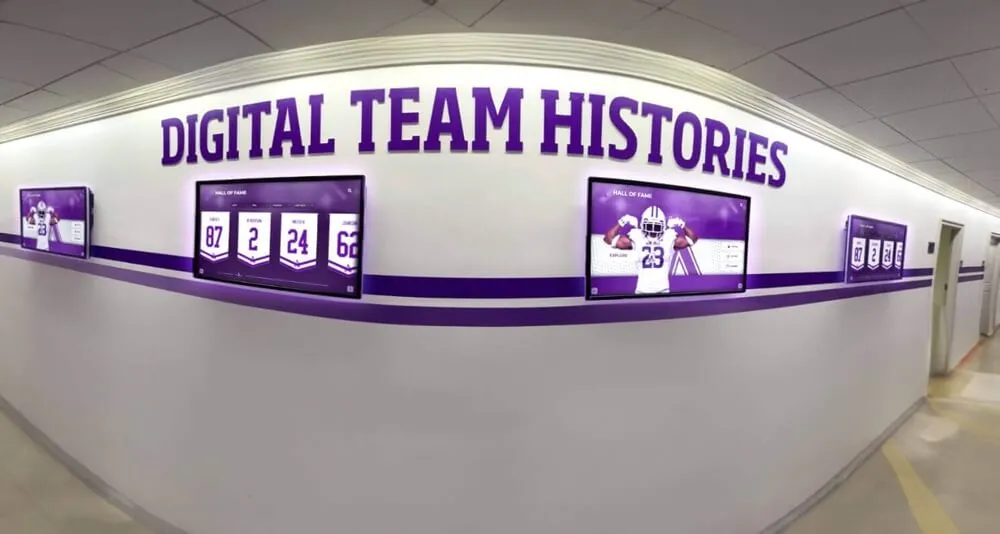
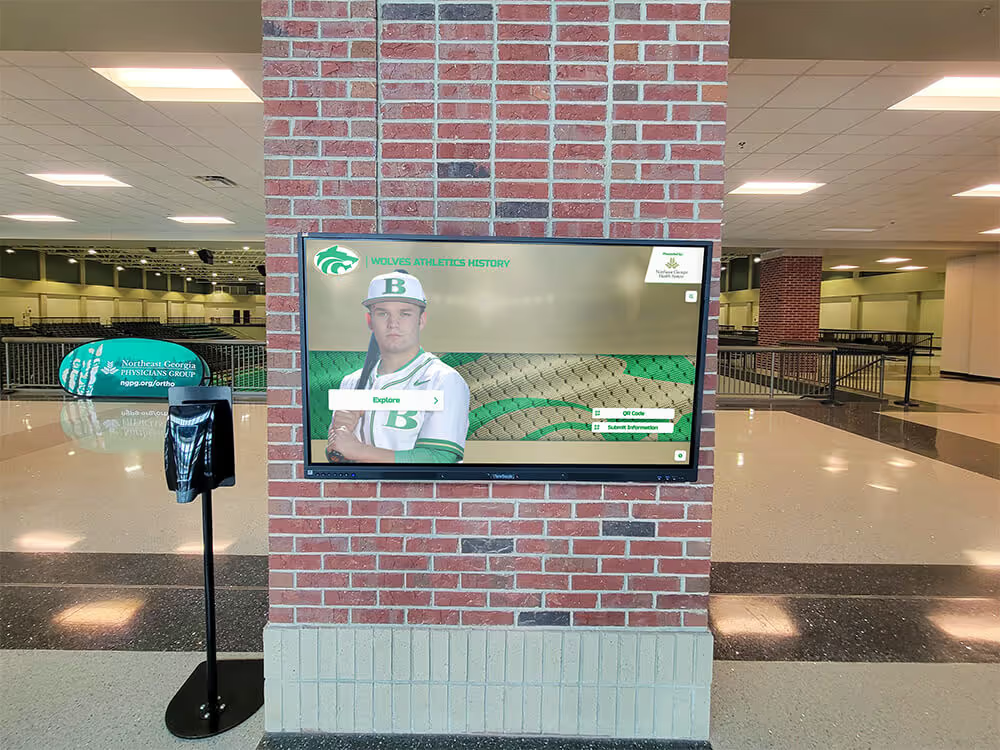
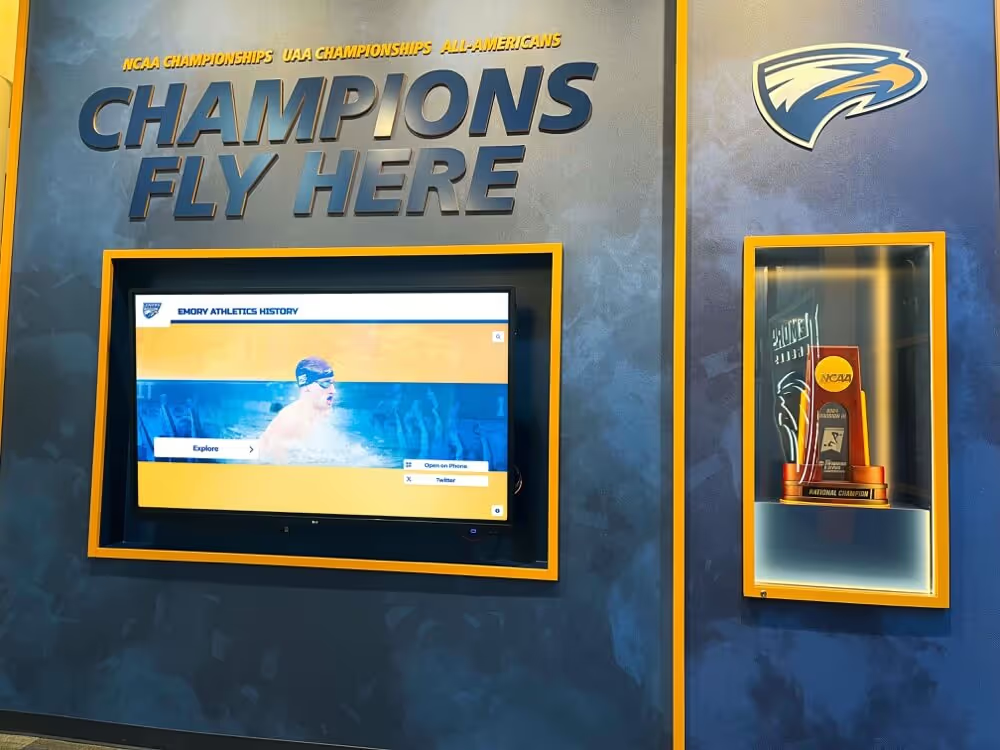
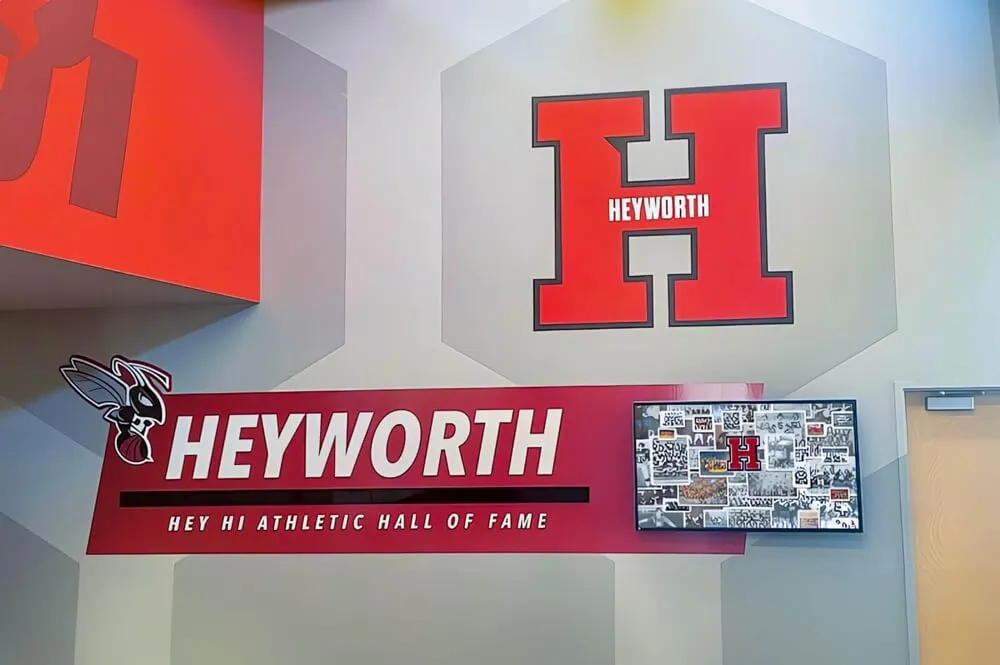
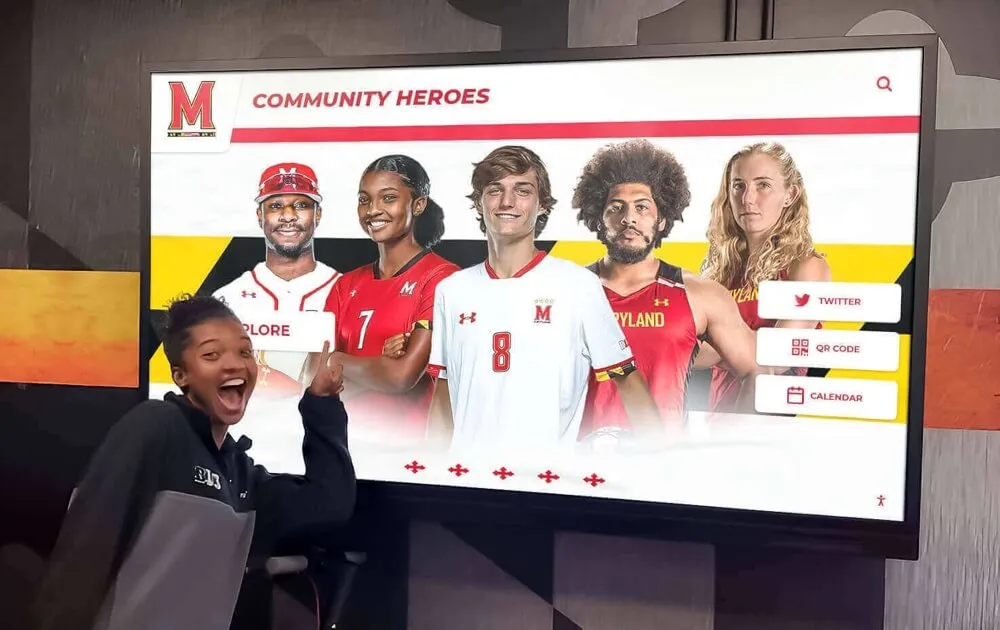
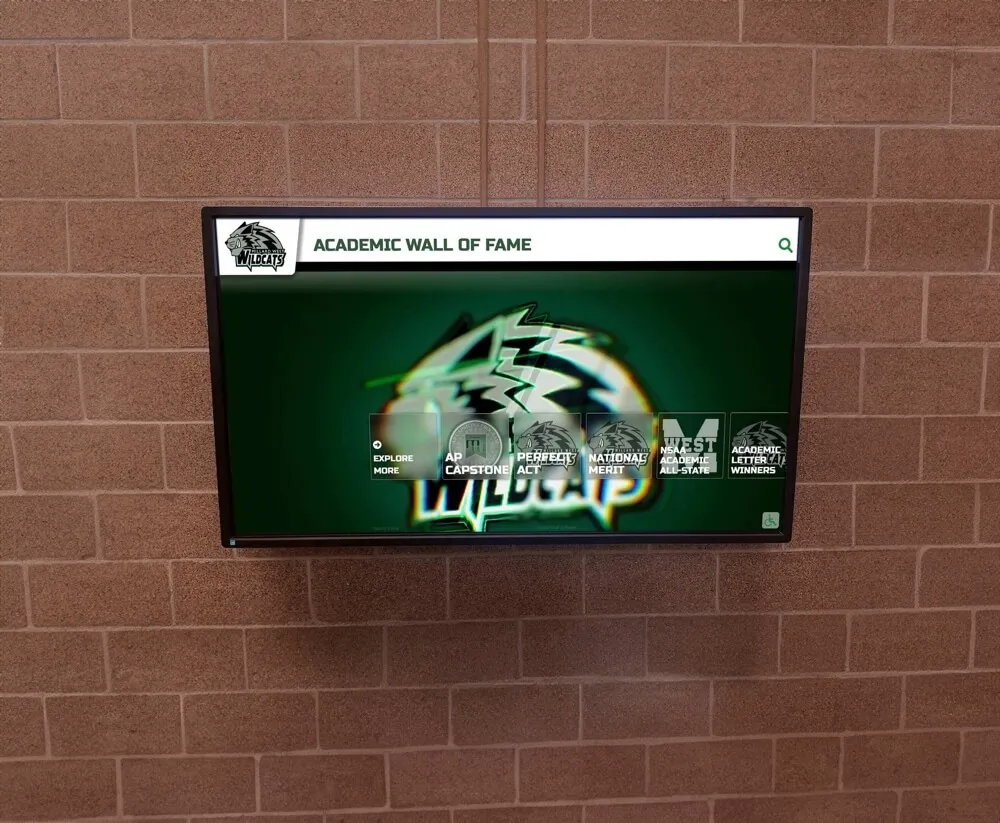
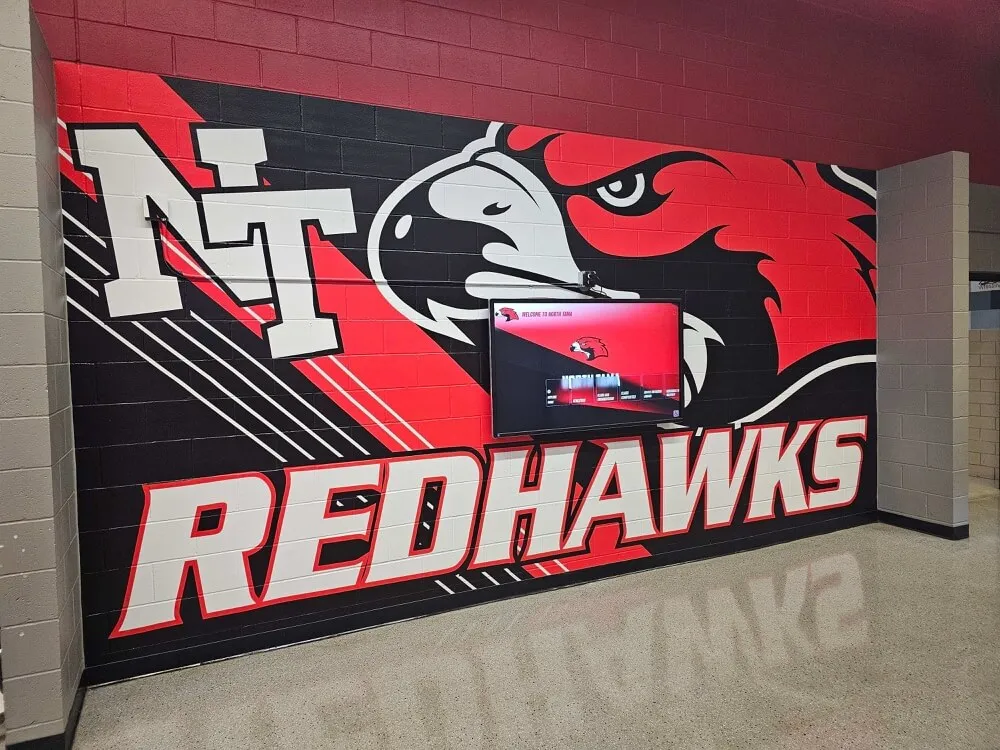
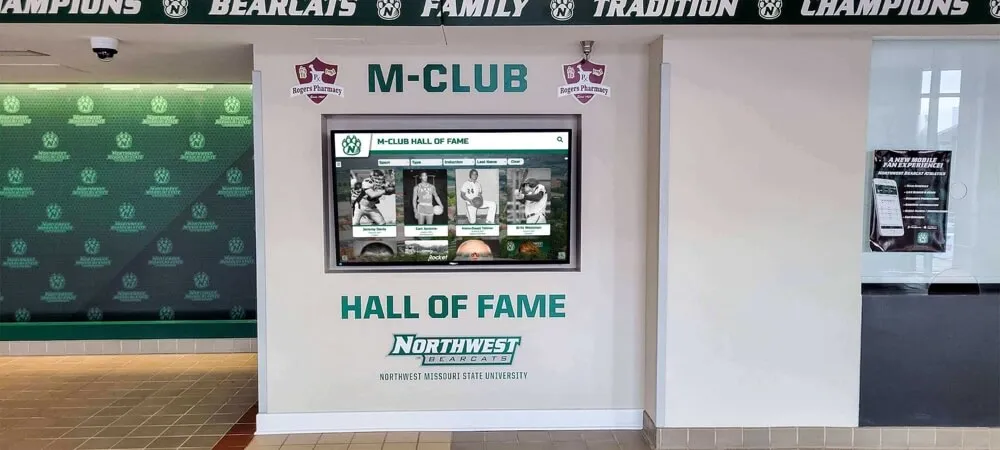
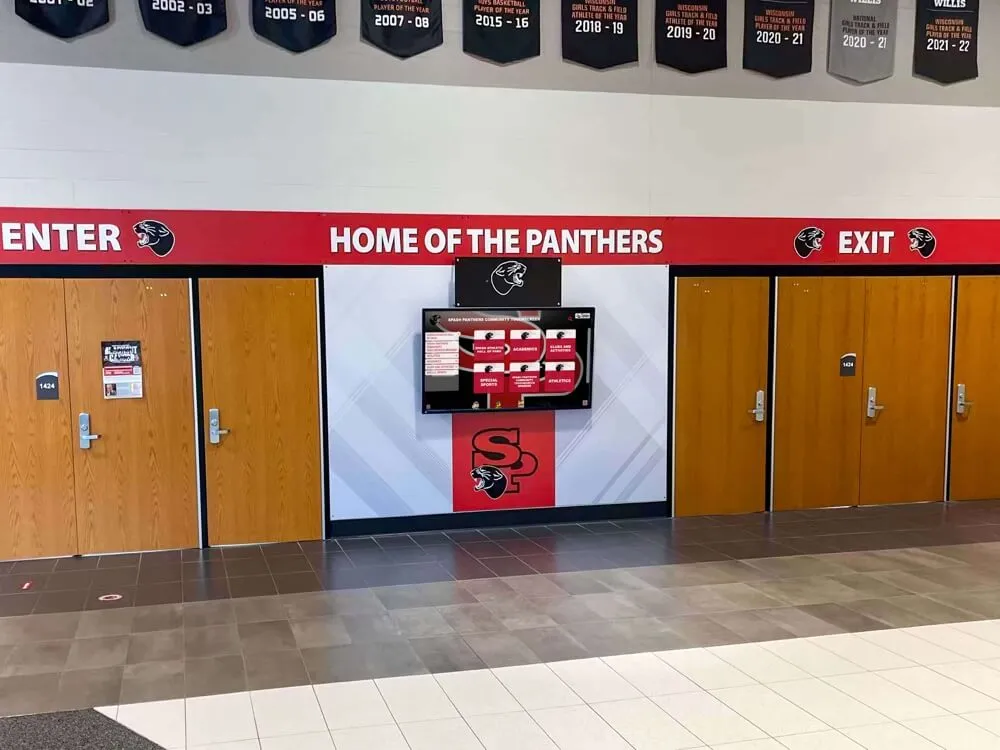
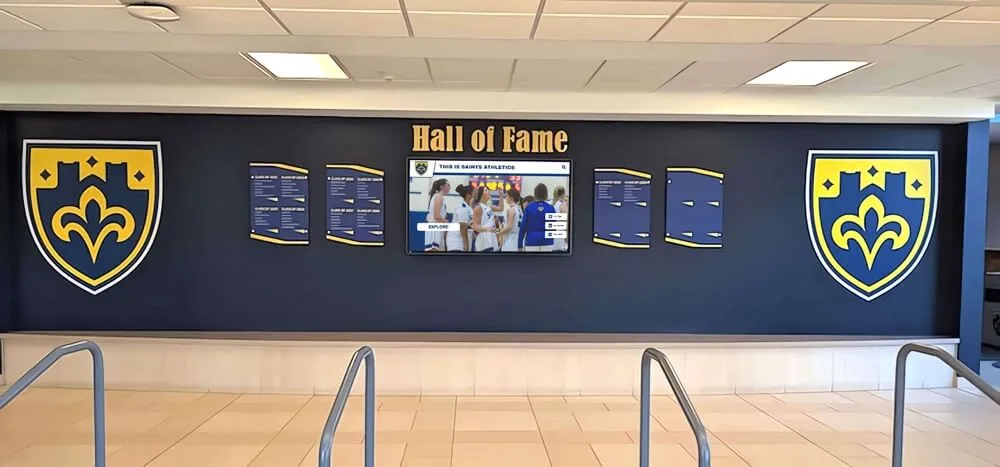
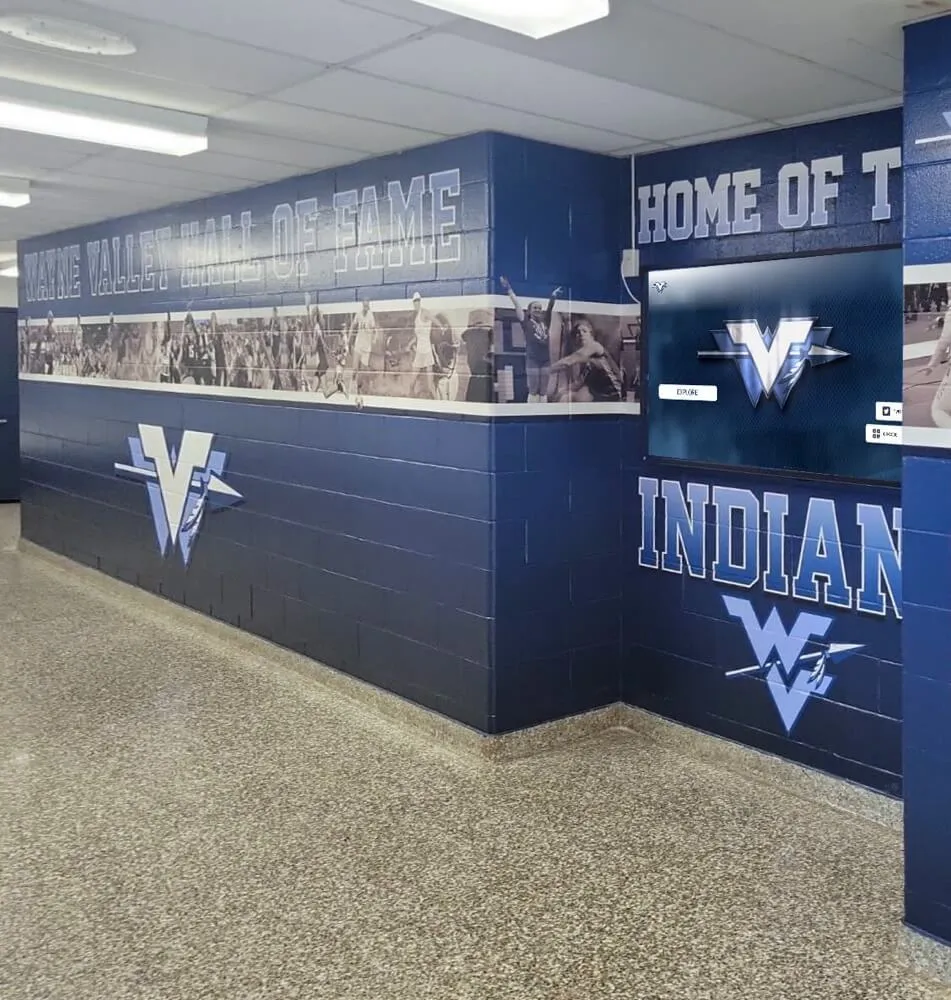
Professional digital displays improve school environments without requiring extensive technical expertise
Understanding the Small to Medium Public High School Context
Small to medium public high schools operate within distinctive parameters that shape technology decisions and recognition program capabilities.
Enrollment Scale and Community Dynamics
Schools serving 200 to 1,000 students occupy a specific position in the educational landscape. They’re large enough to field comprehensive athletic programs, offer diverse academic opportunities, and maintain various clubs and activities. Yet they’re small enough that individual students, families, and contributors remain visible and known throughout the community.
This scale creates expectations for individual recognition while requiring systems capable of managing hundreds of achievements across multiple programs. Schools cannot treat every student as a special case requiring custom recognition approaches, yet they must avoid impersonal mass-recognition methods that fail to celebrate individual accomplishments appropriately.
Recognition Breadth Requirements
Small to medium schools typically support:
- Multiple athletic programs across fall, winter, and spring seasons
- Academic achievement recognition from honor roll to National Merit Scholars
- Arts programs including music, theater, and visual arts
- Career and technical education program completion
- Student government and leadership positions
- Community service and volunteer contributions
- Donor and booster club acknowledgment
- Alumni achievement celebration
- Faculty and staff recognition
This breadth demands systems capable of handling diverse content types while maintaining consistent professional presentation across all recognition categories.
Budget Realities and Resource Constraints
Public high schools face fiscal pressures distinct from well-funded private institutions or large comprehensive schools with economies of scale.
Limited Technology Budgets
Small to medium public high schools typically allocate technology budgets toward essential instructional needs—classroom devices, learning management systems, network infrastructure—before considering recognition displays. Recognition technology must demonstrate clear value while fitting within constrained budgets that may allocate only $2,000-$8,000 for digital display initiatives.
One-time hardware purchases prove more manageable than ongoing subscription costs in districts where annual budget cycles require justifying recurring expenses. However, solutions requiring extensive customization, professional design services, or continuous technical support can quickly exceed practical budget limits regardless of initial purchase price.
Staffing and Technical Expertise Limitations
Unlike large school districts with dedicated IT departments and full-time technology coordinators, small to medium schools often rely on:
- Part-time technology coordinators managing multiple buildings
- Teachers or administrators absorbing technology responsibilities alongside primary duties
- External contractors providing limited support hours
- Volunteer parents or community members contributing occasional assistance
Recognition systems requiring constant technical intervention, regular troubleshooting, or specialized expertise to update content prove unsustainable regardless of initial cost savings. The true measure of affordability includes ongoing maintenance burden, not just purchase price.
Learn how digital recognition programs improve school environments while remaining manageable for small administrative teams.
Community Expectations and Professional Standards
Small to medium public high schools serve communities that compare their institutions to larger districts, well-funded private schools, and collegiate programs. Families expect professional presentation standards that reflect positively on school quality and justify tax support.
Perception and First Impressions
Digital displays in main lobbies, gymnasium entrances, and common areas create immediate impressions for:
- Prospective families touring facilities during enrollment decisions
- Alumni visiting for events and reunions
- Donors considering contributions to programs or capital campaigns
- Community members attending athletic events and performances
- Business partners evaluating sponsorship opportunities
Generic slideshow presentations or amateur-designed content undermine institutional credibility regardless of program quality in classrooms and on fields. Professional recognition displays signal that schools value excellence and honor achievement appropriately.
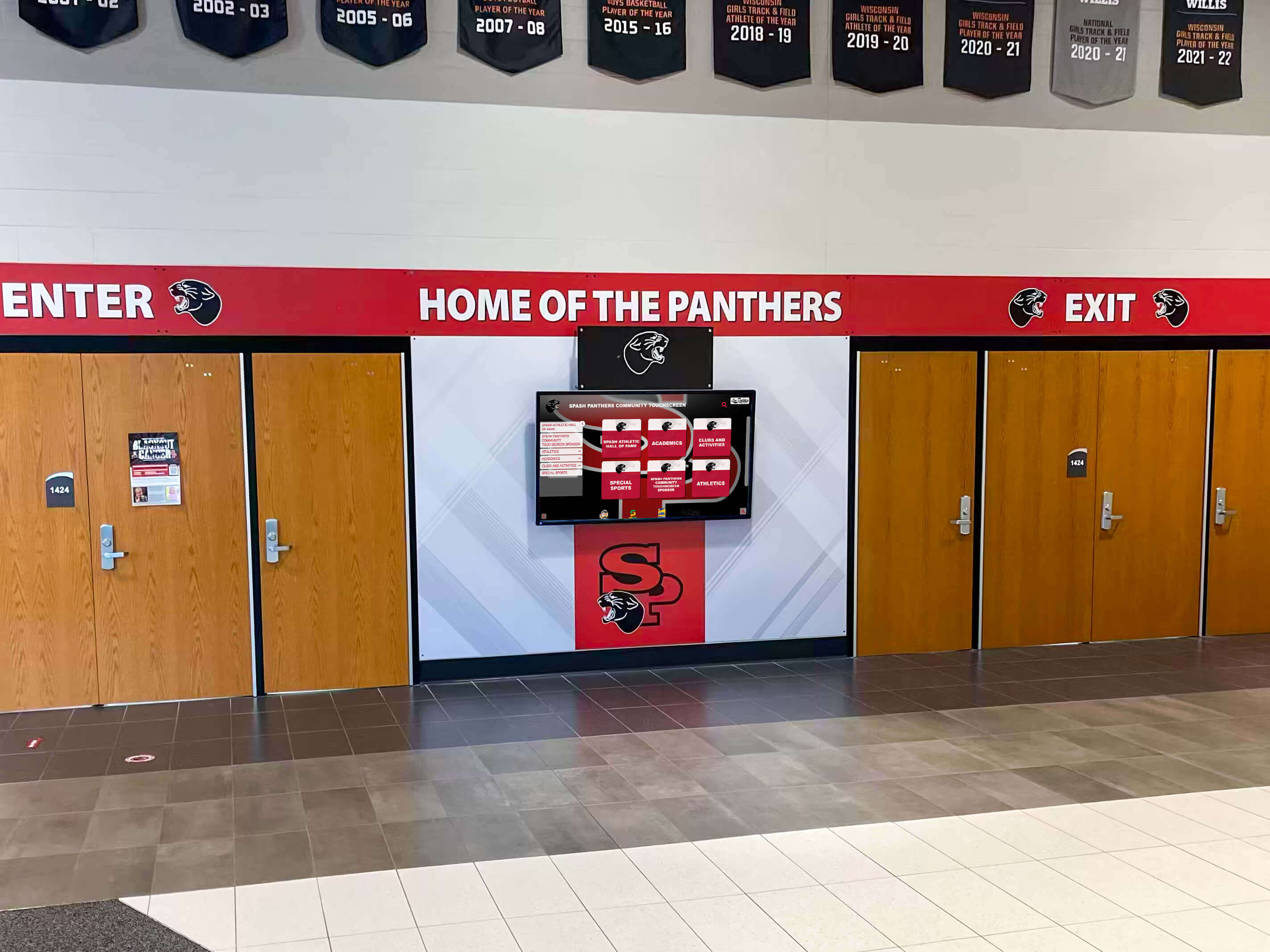
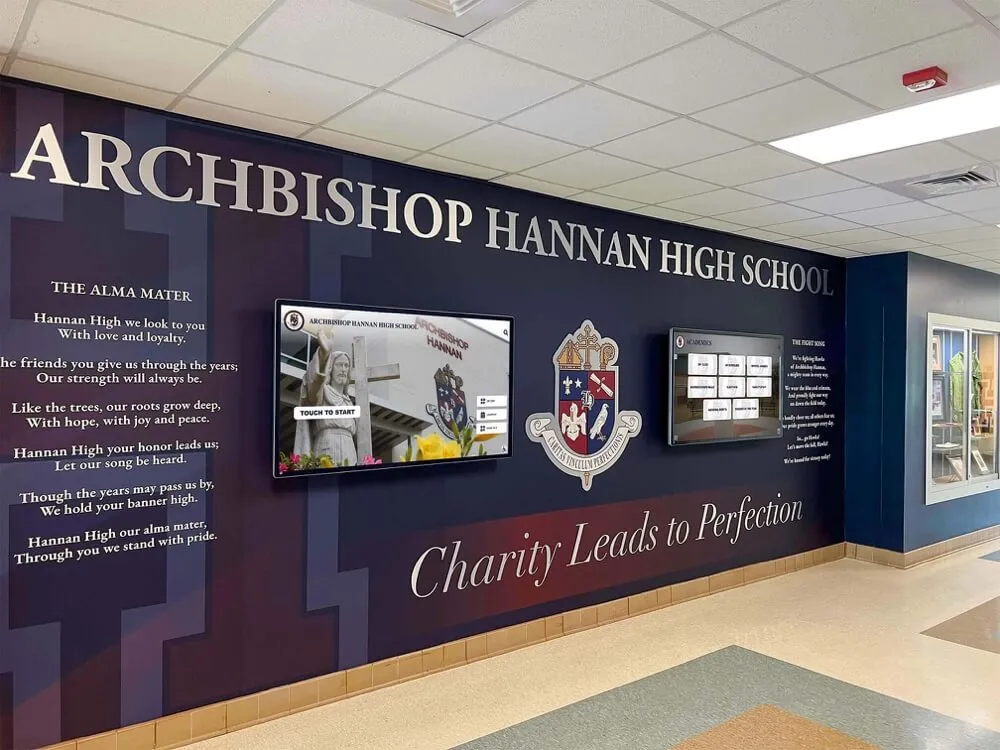
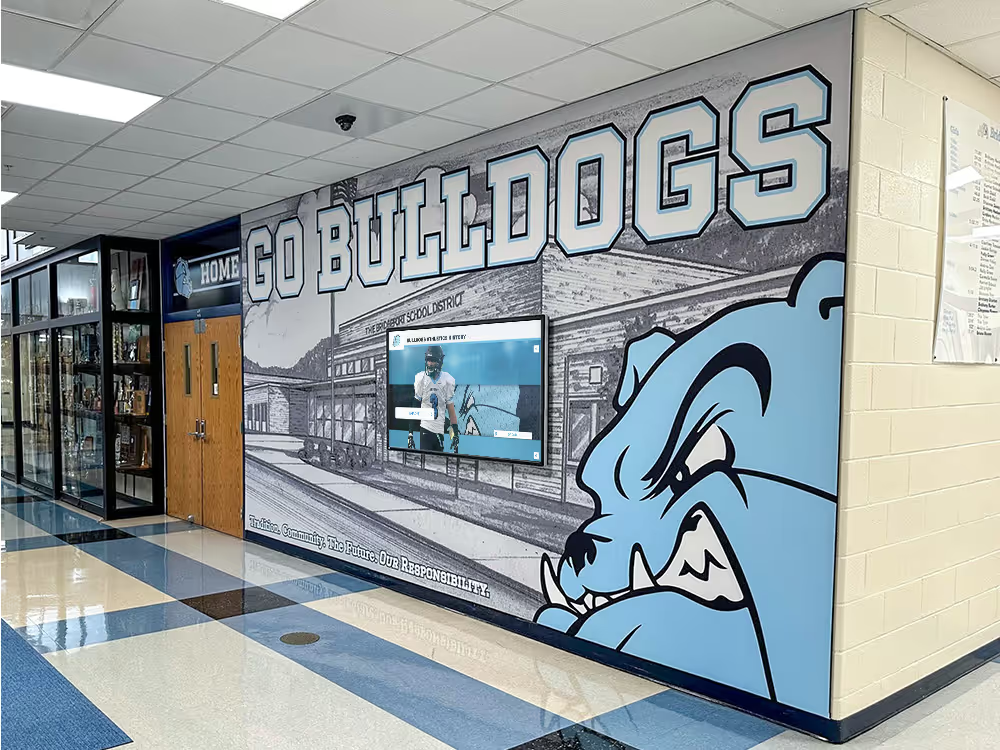
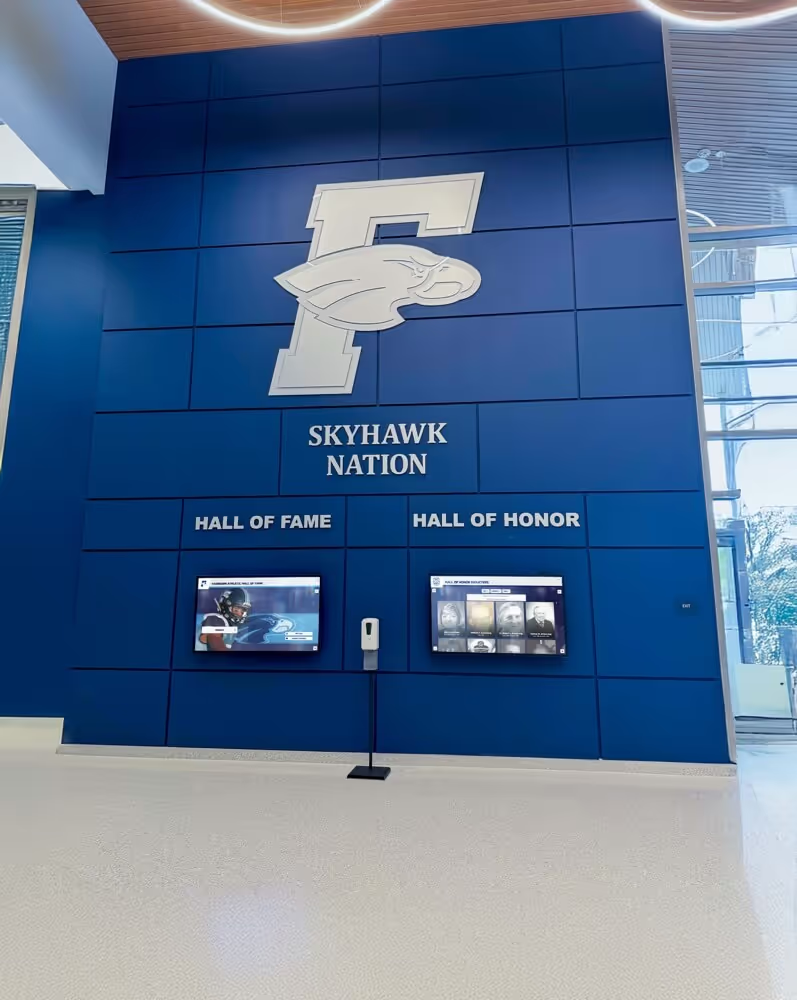
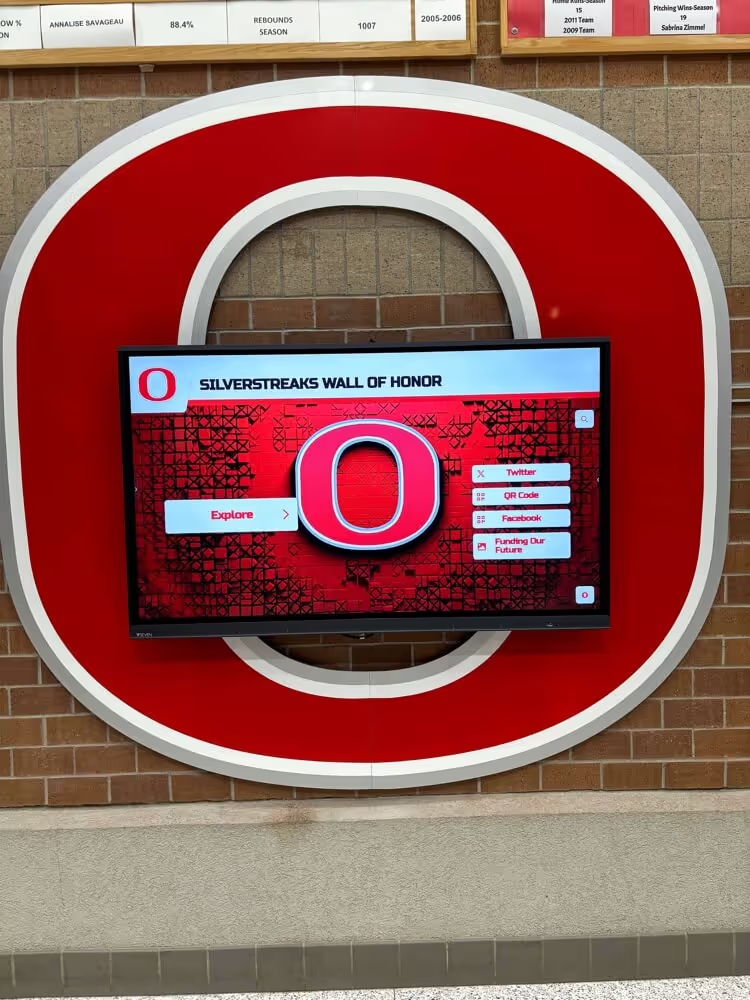
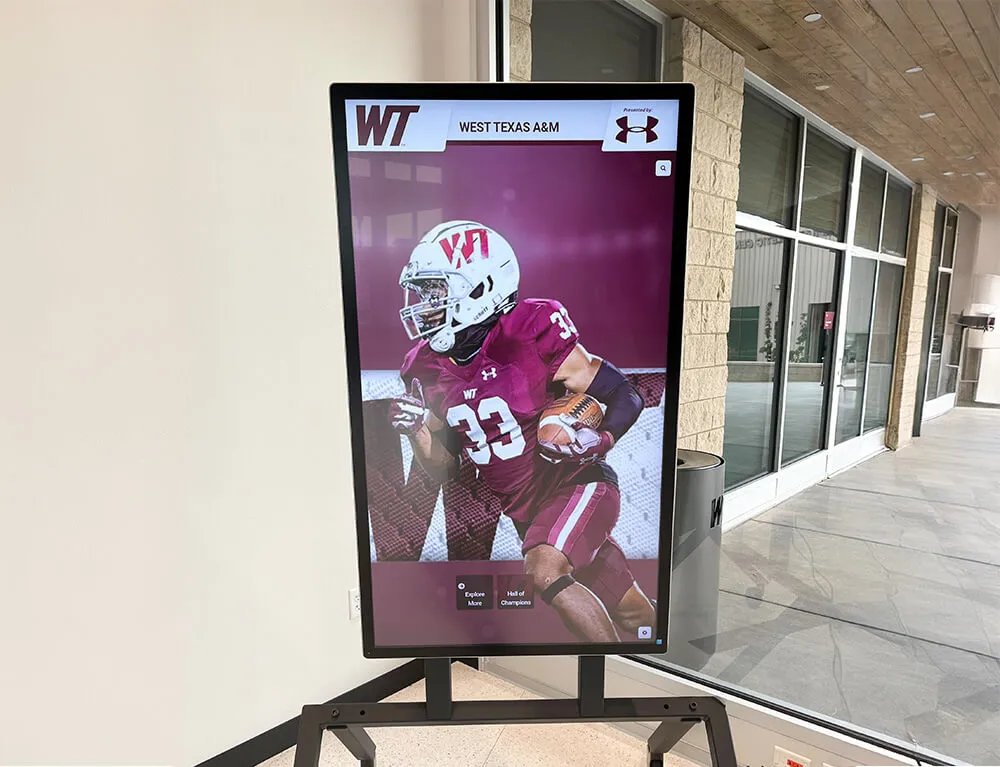
Main entrance displays set professional standards that influence community perceptions
Why Generic Digital Signage Falls Short for School Recognition
Many small to medium schools initially explore generic digital signage solutions or slideshow approaches before discovering these tools inadequately address school-specific recognition needs.
The Content Management Challenge
Generic digital signage platforms designed for retail, corporate, or hospitality environments lack features essential for educational recognition.
Missing Recognition-Specific Features
School recognition requires capabilities that general digital signage rarely provides:
- Searchable databases enabling visitors to find specific students, athletes, or alumni
- Historical archives preserving achievement records across multiple years
- Filterable content allowing display of specific teams, years, or achievement types
- Individual profile pages providing biographical information and accomplishment details
- Relationship tracking connecting students to teams, awards, activities, and family
- Photo management handling thousands of images with proper attribution
- Content permissions enabling coaches, teachers, and administrators to contribute updates within their domains
Generic platforms treating content as static slides or basic media files cannot support these structured recognition requirements without extensive custom development exceeding the capabilities and budgets of small schools.
Inadequate Scaling for Multiple Stakeholder Groups
Schools recognizing only current athletic teams might manage with simple slideshow approaches. However, schools eventually want to celebrate:
- Current and historical athletic achievements spanning decades
- Academic excellence from honor roll to scholarship recipients
- Arts program accomplishments in music, theater, and visual arts
- Career technical education certifications and placements
- Student leadership and community service
- Donor contributions and booster club support
- Alumni achievements at collegiate and professional levels
- Faculty tenure and program leadership
Adding each new content category to slideshow-based systems requires manually creating slides, maintaining consistent formatting, and managing ever-growing presentation files. The maintenance burden quickly becomes unsustainable as recognition scope expands naturally.
The Donor Recognition Gap
Small to medium public high schools increasingly rely on booster clubs, foundations, and individual donors to fund programs that budgets cannot fully support. These fundraising relationships require appropriate recognition that generic digital signage struggles to provide.
Limited Donor Display Capabilities
Generic platforms typically cannot:
- Display giving levels with appropriate visual hierarchy
- Update donor lists automatically as new contributions arrive
- Track cumulative giving across multiple campaigns over years
- Provide searchable interfaces enabling visitors to find specific donors
- Integrate campaign progress visualizations showing goals and achievement
- Rotate featured donor stories highlighting impact and motivation
- Manage naming rights for facilities, programs, or endowments
- Display corporate sponsor logos with appropriate sizing and placement
Schools implementing generic signage for donor recognition often resort to static PDF slides requiring manual updates every time contributions arrive—creating maintenance burdens that lead to outdated displays damaging rather than strengthening donor relationships.
Discover proven approaches to donor recognition displays that strengthen fundraising relationships while remaining easy to maintain.
The Historical Archive Problem
Small to medium schools possess rich histories worth preserving and celebrating. However, generic digital signage provides no infrastructure for managing historical content effectively.
Missing Archive Capabilities
Schools attempting to display historical achievements using generic platforms encounter immediate limitations:
- No database structure for organizing records by year, team, category, or achievement type
- No search functionality enabling visitors to explore specific eras or accomplishments
- Limited photo storage capacities unable to accommodate decades of imagery
- No metadata fields for capturing context, stories, or historical details
- Inability to create timeline presentations showing program evolution
- No tools for comparing current achievements to historical records
- Limited formatting options for presenting historical context appropriately
The result: schools either abandon historical recognition entirely or invest extensive labor creating static presentation files that quickly become unmanageable as archives grow.
Learn how schools effectively implement historical timeline displays that preserve institutional memory and celebrate tradition.
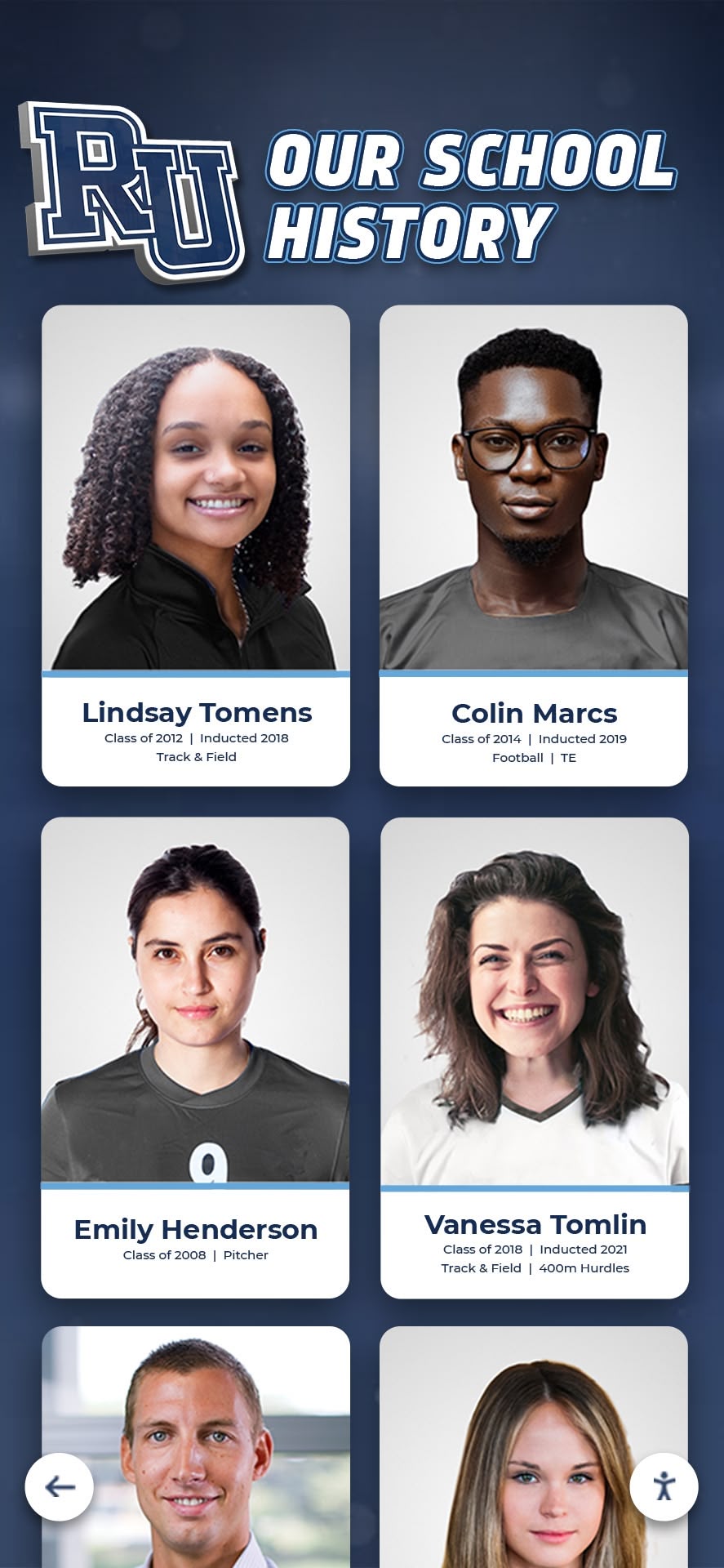
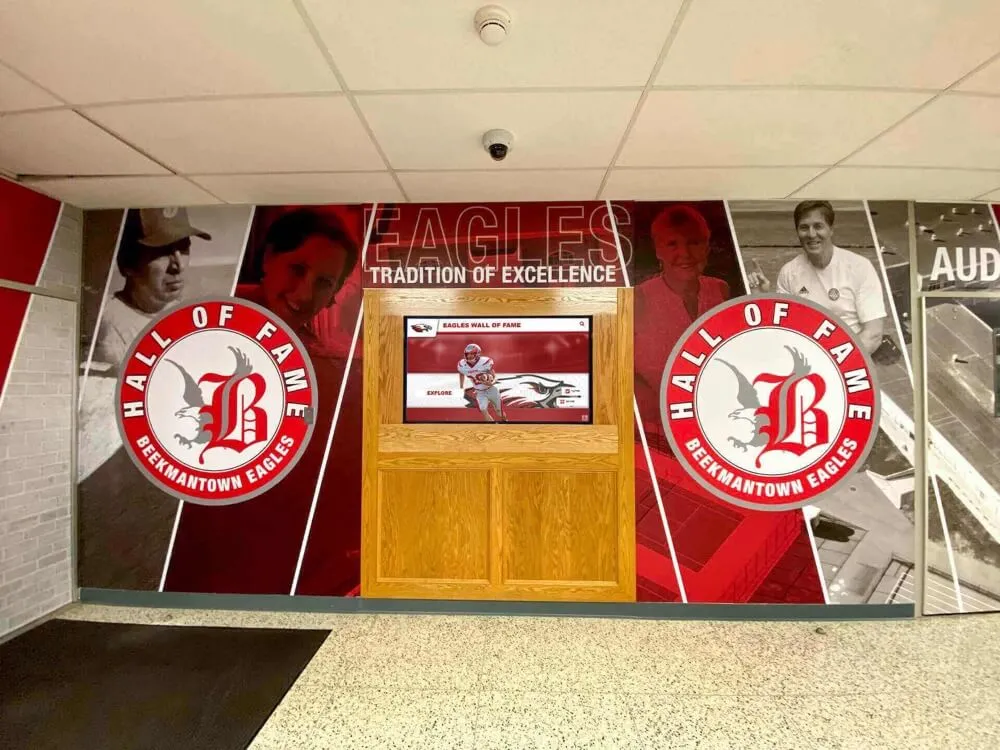
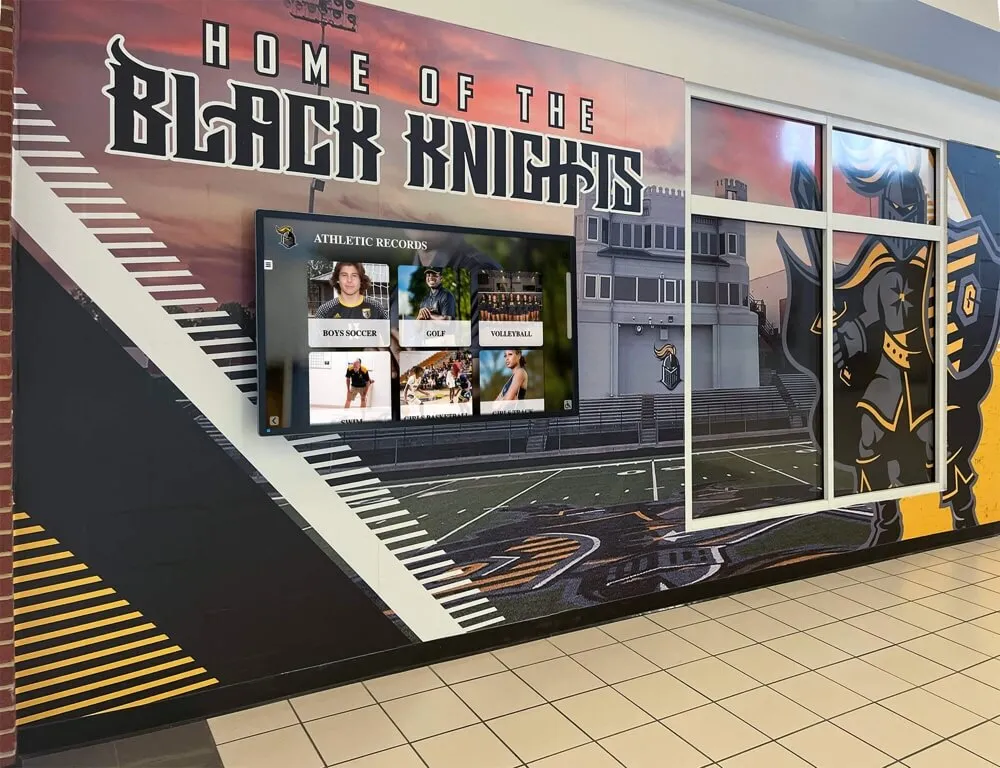
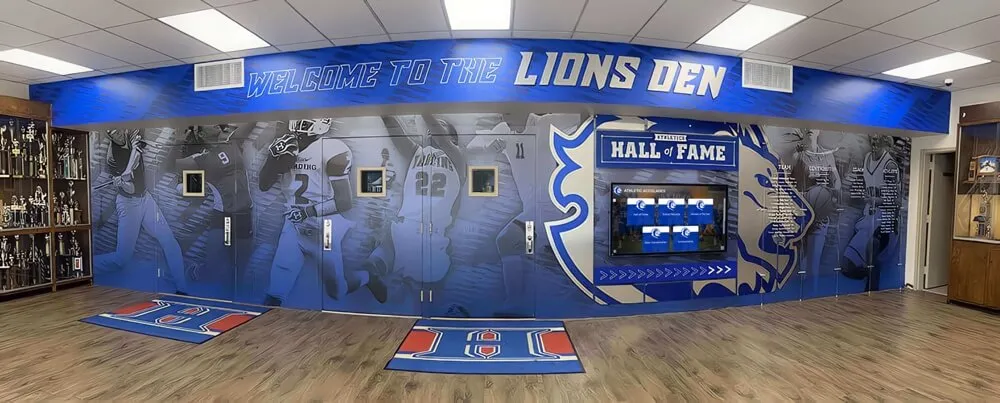
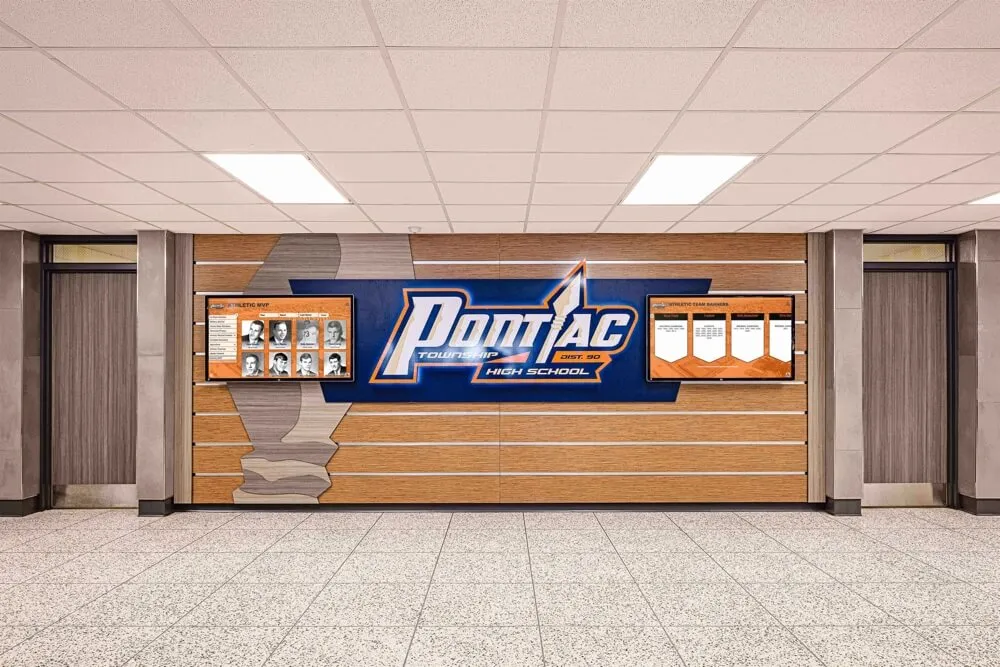
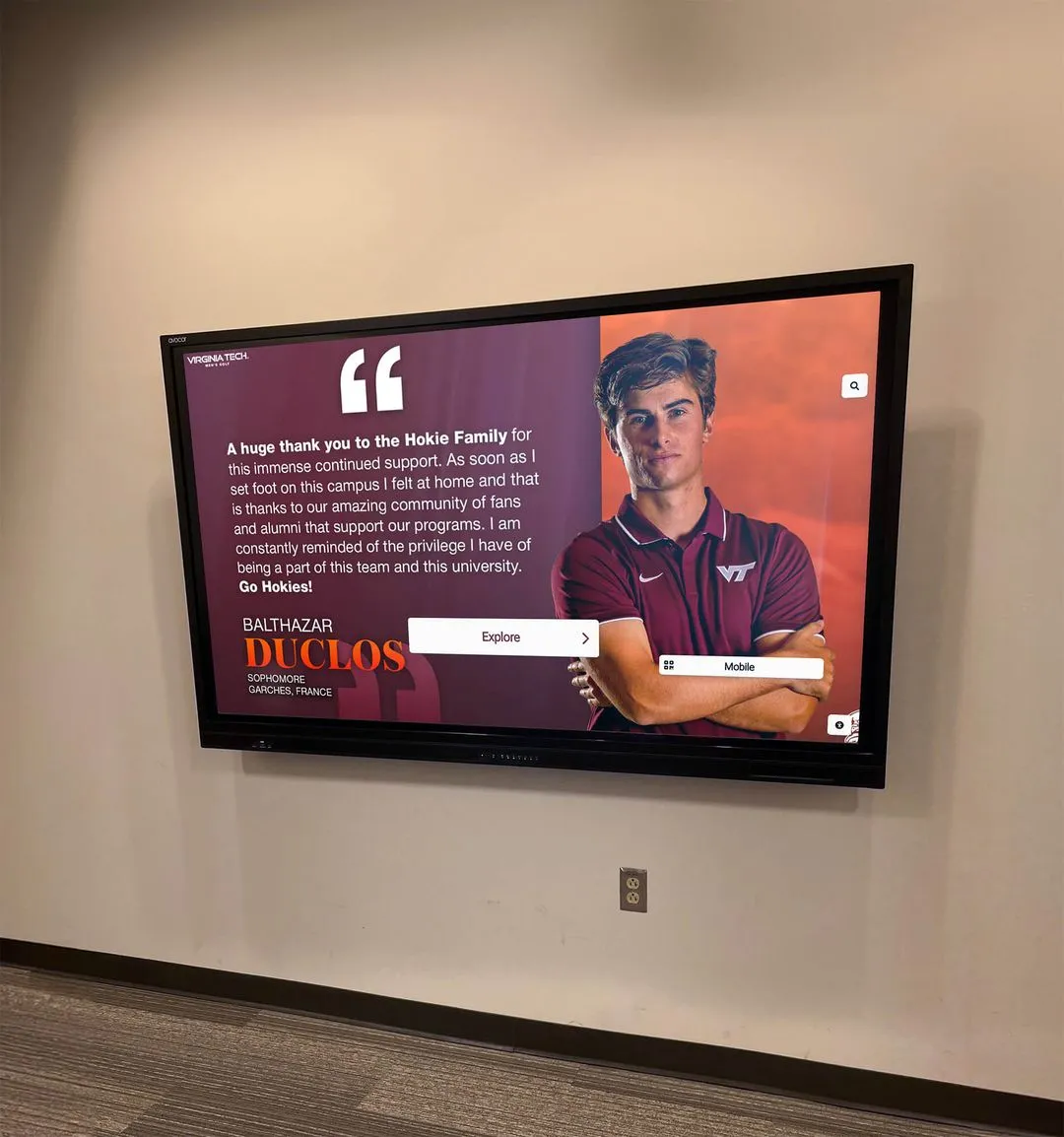
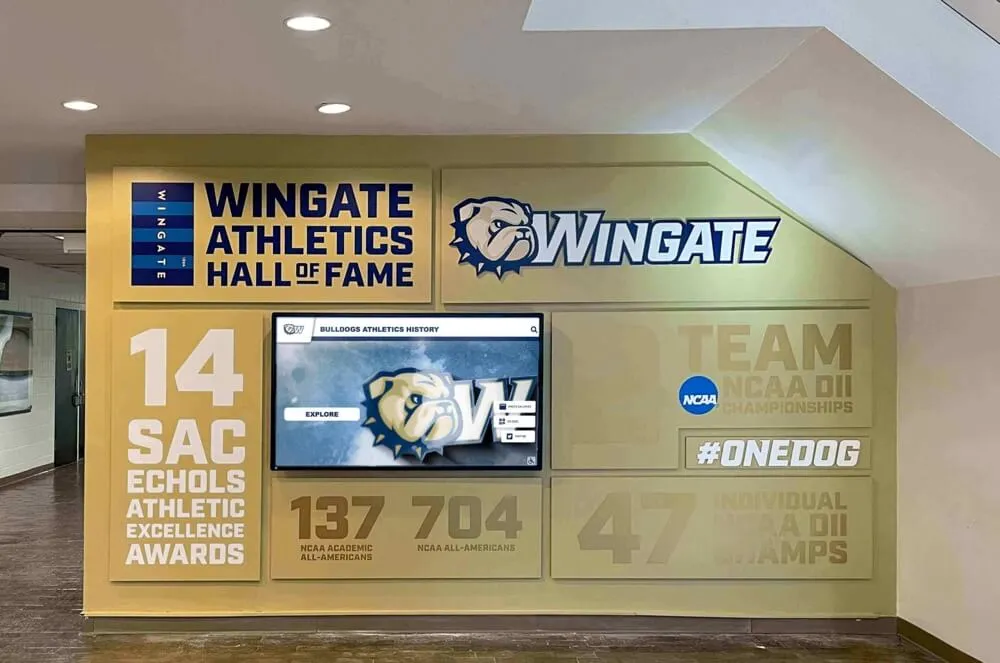
Structured archive systems enable schools to preserve and celebrate decades of achievement
How Rocket Alumni Solutions Addresses Small School Needs
Rocket Alumni Solutions was designed specifically for educational recognition, with particular attention to the resource constraints and diverse needs characteristic of small to medium public high schools.
Budget-Conscious Pricing Without Feature Limitations
Rocket provides comprehensive capabilities within budget parameters realistic for small to medium public schools.
Affordable Implementation Options
Unlike enterprise systems requiring five-figure investments, Rocket offers:
- Flexible pricing models accommodating different budget structures
- One-time purchase options appealing to schools preferring capital equipment budgets
- Multi-year subscription packages reducing annual cost fluctuations
- Unlimited screens included without per-display upcharges that penalize expansion
- No hidden costs for software updates, template access, or basic support
- Professional design templates included rather than requiring expensive custom design services
Schools can implement professional recognition displays for total costs comparable to what they might spend on generic digital signage plus the design services, maintenance tools, and customization required to approximate recognition-specific functionality.
True Total Cost Advantages
Beyond subscription or license fees, Rocket reduces total ownership costs through:
- Minimal ongoing maintenance requirements due to simple content management
- Cloud-based management eliminating server infrastructure and IT overhead
- Included professional templates removing need for graphic design expertise
- Template-based content formatting reducing time spent on manual presentation creation
- Built-in training resources and comprehensive support reducing external consulting needs
- Remote update capabilities eliminating time spent physically accessing displays
When schools compare total five-year costs including labor, support, maintenance, and inevitable system expansion, purpose-built recognition platforms typically demonstrate 20-35% cost advantages over seemingly cheaper generic alternatives requiring extensive ongoing investment to deliver comparable functionality.
Explore detailed information about flexible budget options designed specifically for schools with constrained technology budgets.
Minimal IT Requirements and User-Friendly Management
Rocket eliminates technical barriers that make sophisticated recognition systems impractical for schools without dedicated IT staff.
No Technical Expertise Required
School staff manage Rocket displays through easy-to-use web-based dashboards requiring no specialized knowledge:
- Uploading photos using familiar drag-and-drop interfaces
- Adding athlete or student profiles through simple forms
- Updating schedules and rosters with spreadsheet imports
- Publishing content changes with single-click approval workflows
- Searching and filtering achievements using straightforward criteria
- Customizing displays through visual template editors
Teachers, coaches, athletic directors, and office staff contribute content within their areas without involving IT personnel for routine updates. The system treats content management like using familiar web applications rather than specialized software requiring technical training.
Cloud-Based Infrastructure
Rocket operates entirely through cloud infrastructure, eliminating server management, software updates, backup procedures, and security patching that would otherwise require IT involvement:
- Automatic software updates delivered without school action
- Redundant cloud storage protecting content without local backup procedures
- Security measures managed by platform provider rather than school IT
- Flexible infrastructure accommodating growth without hardware upgrades
- Access from any internet-connected device without specialized software installation
The cloud architecture means schools receive enterprise-grade infrastructure reliability without maintaining the expertise or resources enterprise systems typically require.
Comprehensive Support Included
Rather than expecting schools to troubleshoot independently, Rocket provides:
- Direct access to support teams familiar with educational recognition needs
- Training resources including videos, documentation, and webinars
- Onboarding assistance for initial content setup and staff orientation
- Responsive help channels addressing questions as they arise
- Best practice guidance from implementations at similar schools nationwide
This support infrastructure effectively extends schools’ technical capacity, providing expertise that small districts cannot afford to maintain internally.
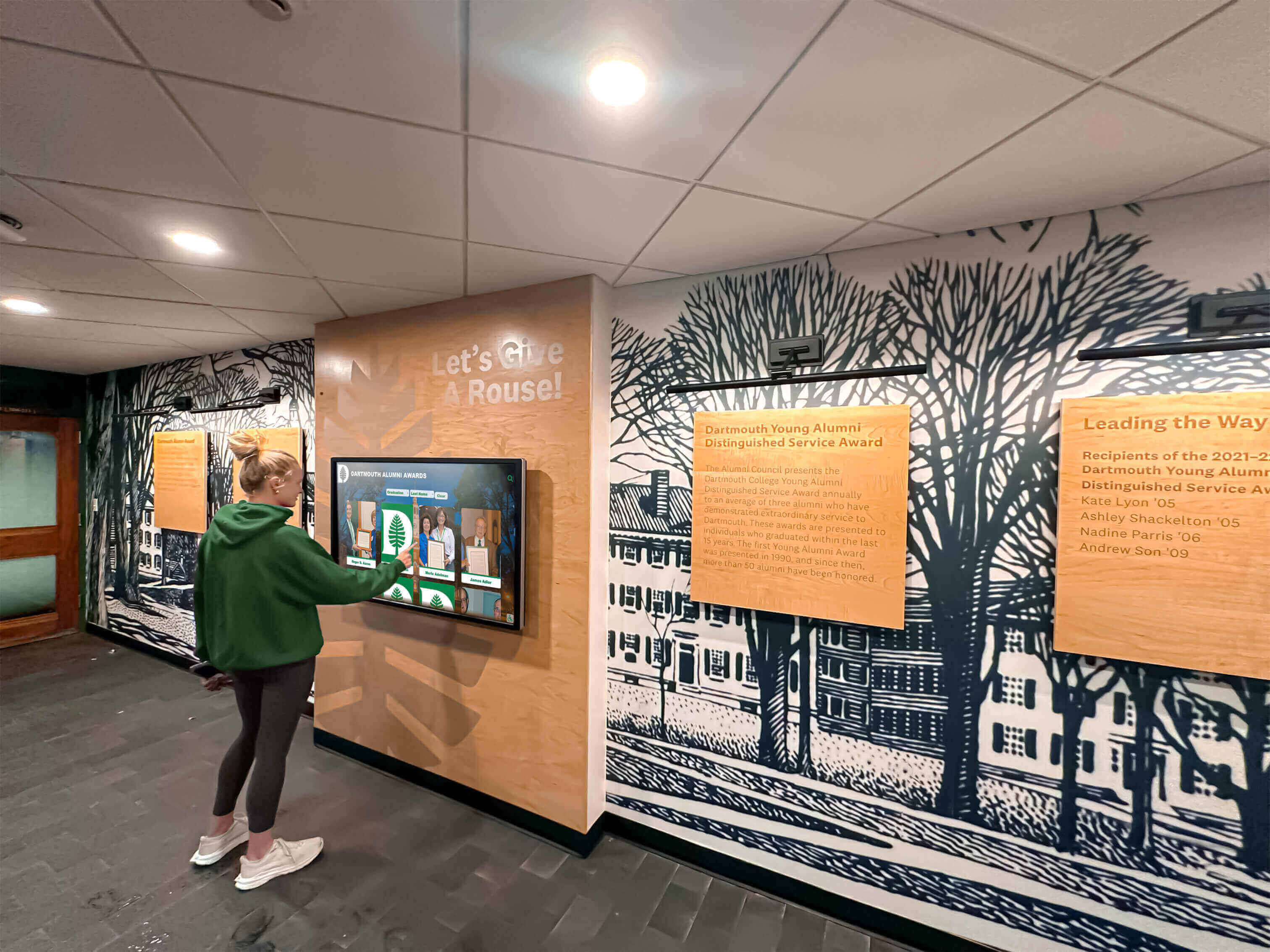
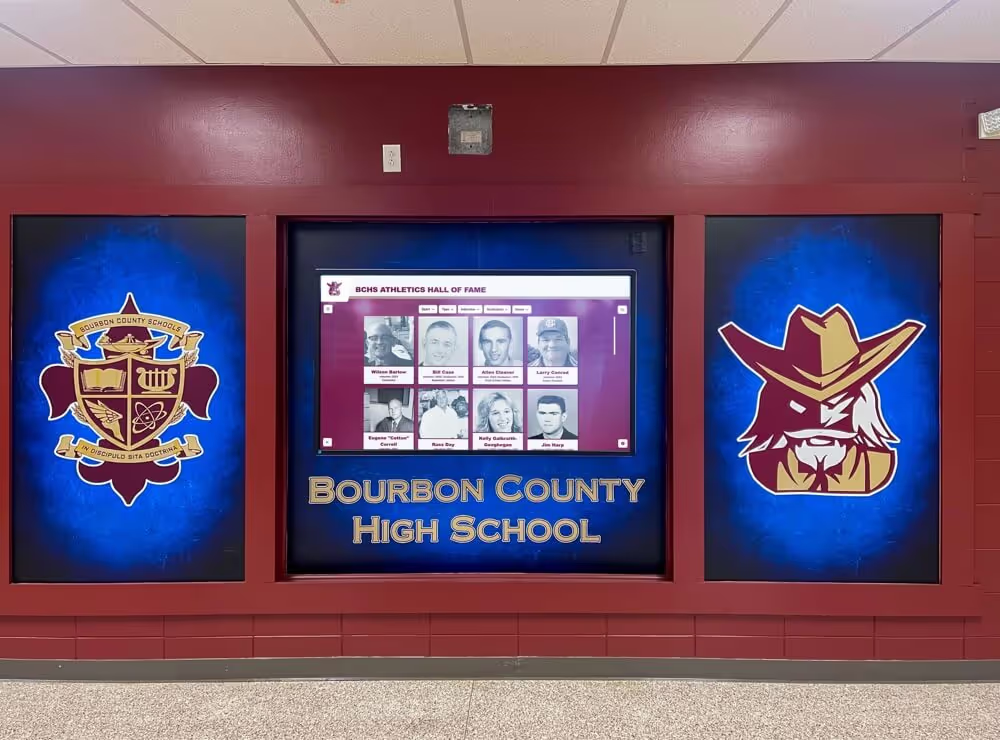
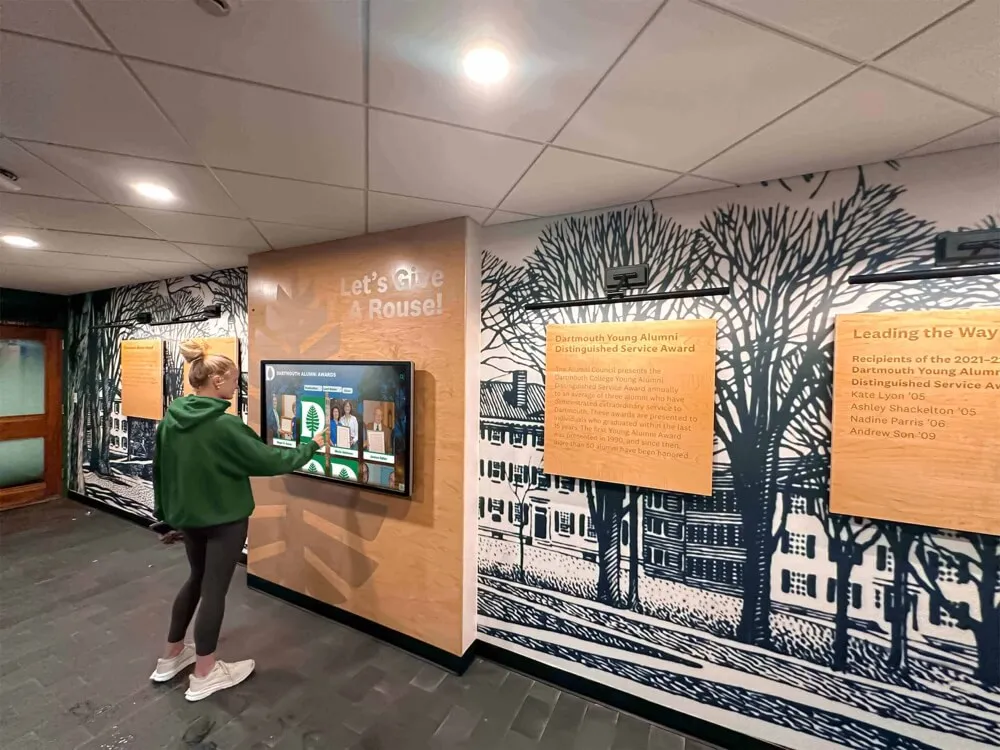
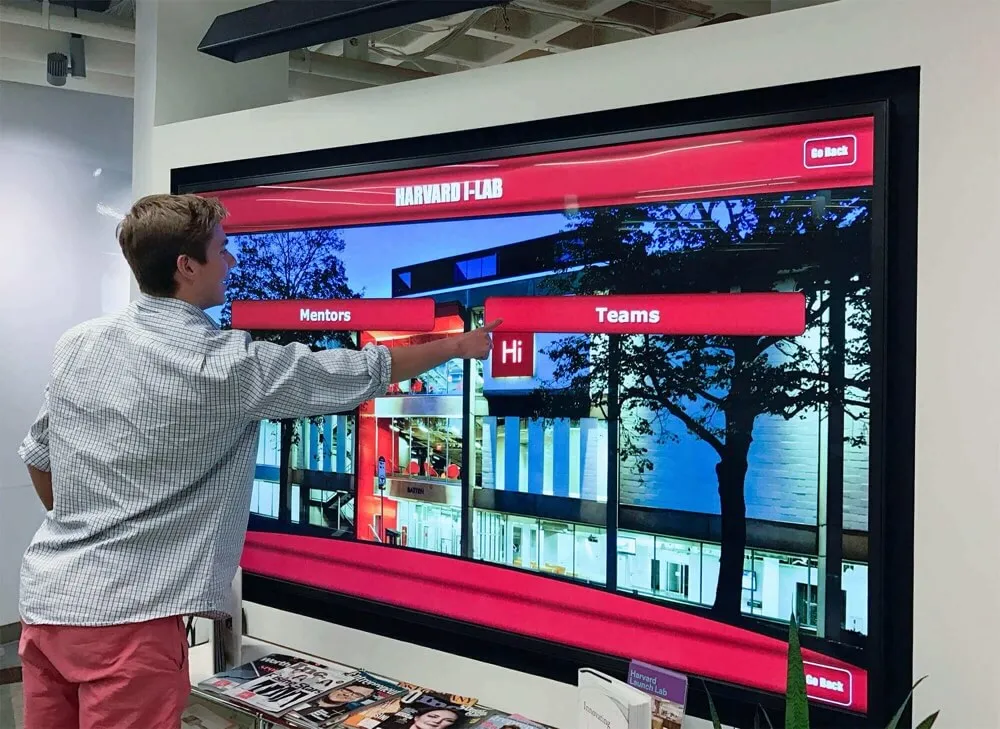
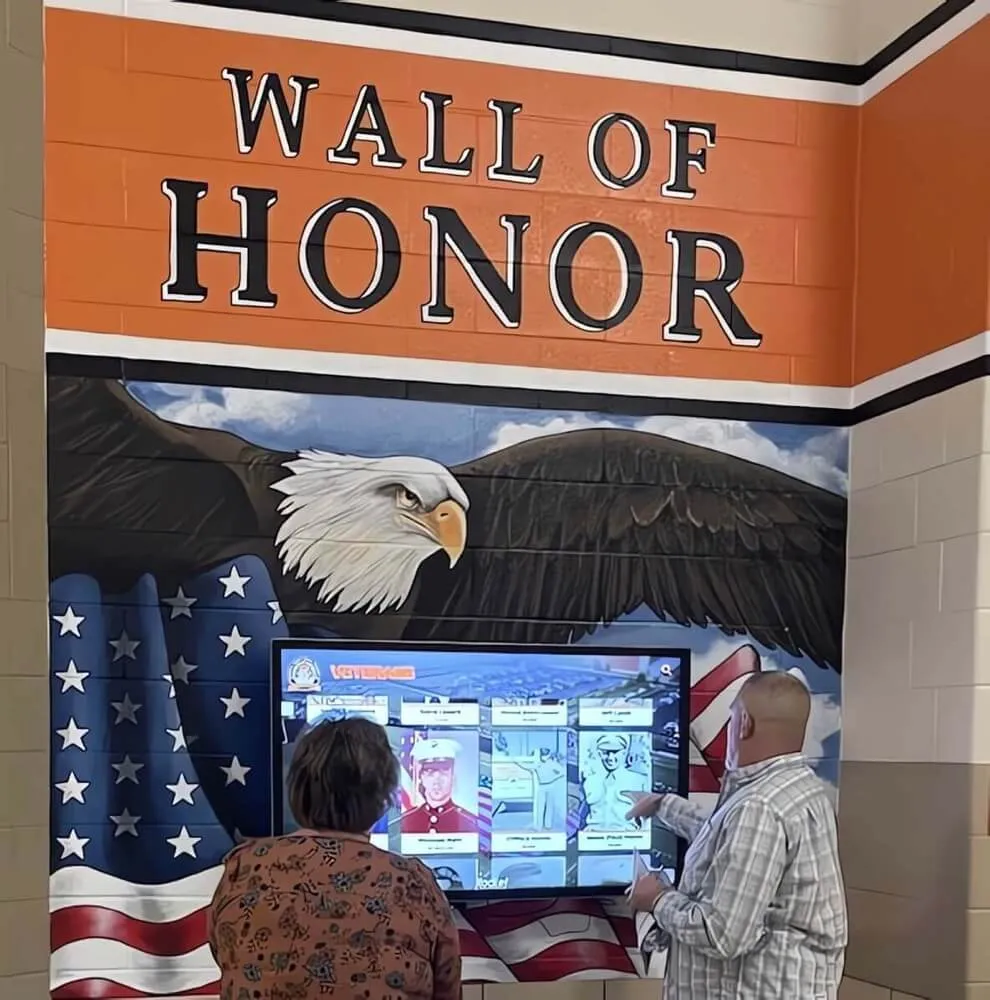
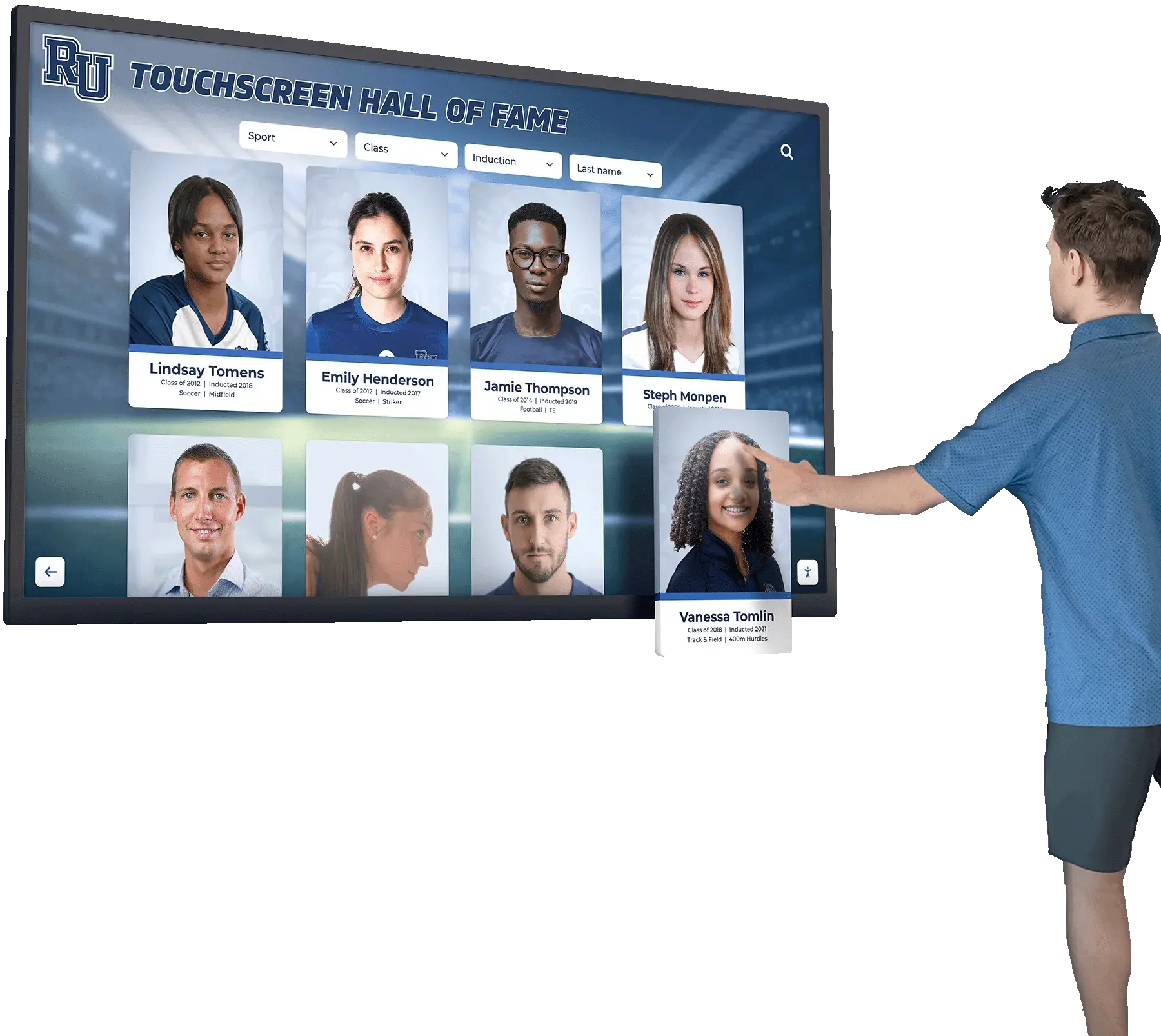
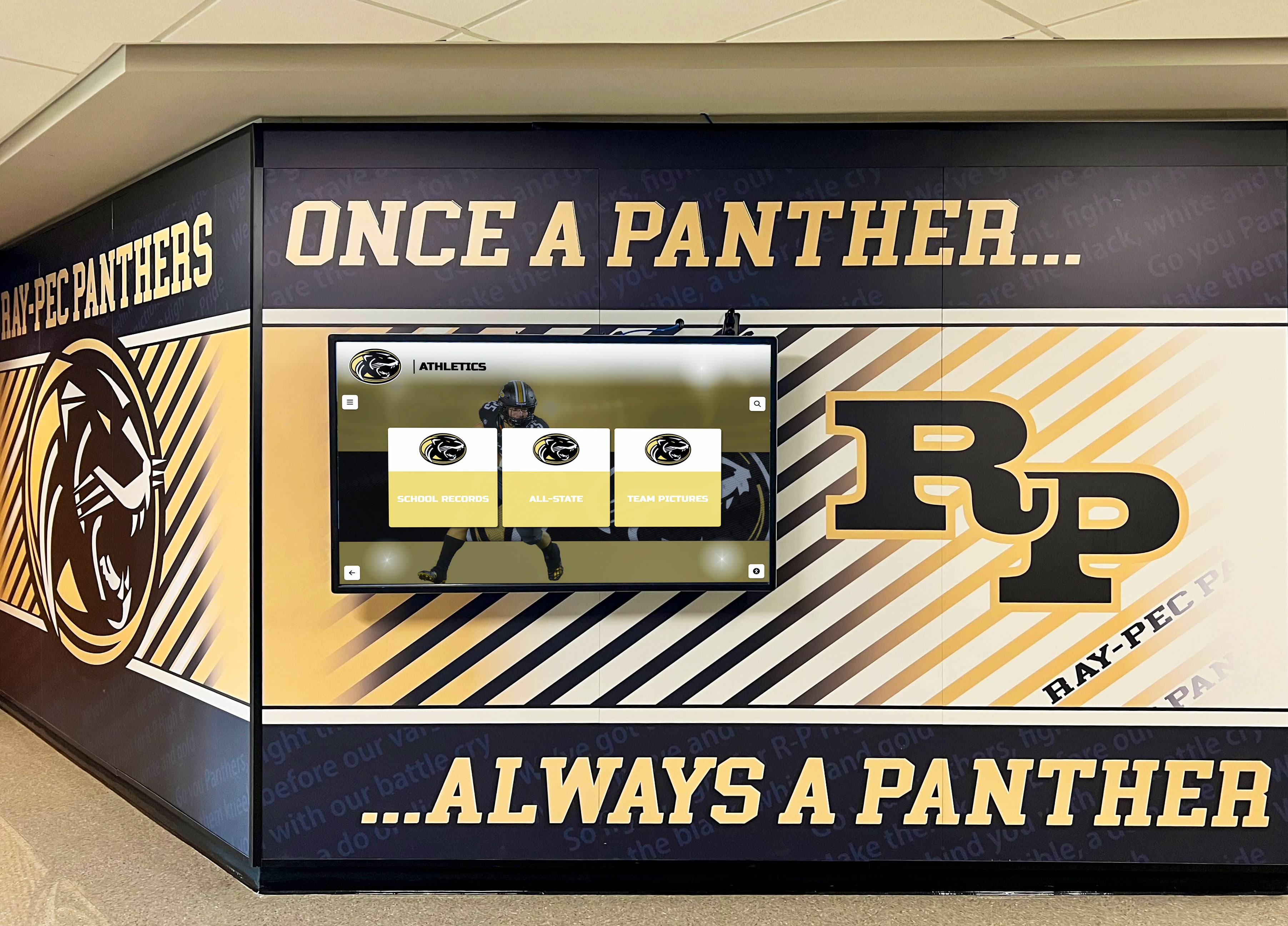
User-friendly interfaces enable students, staff, and visitors to engage displays without training
Professional Design Without Requiring Design Expertise
Small to medium schools typically lack graphic designers on staff, yet community expectations demand professional visual presentation standards.
Included Professional Templates
Rocket provides extensive template libraries developed by professional designers:
- Sport-specific layouts designed for team recognition and athlete profiles
- Academic achievement formats appropriate for honor roll and scholarship recognition
- Donor display templates emphasizing appropriate acknowledgment hierarchy
- Historical archive presentations providing context and timeline visualization
- Activity and arts program formats celebrating diverse achievements
- Flexible layouts accommodating different content types and media combinations
Schools select templates matching their needs, customize colors and branding to reflect institutional identity, and publish professional displays without creating designs from scratch or hiring external designers.
Consistent Brand Implementation
Template systems ensure brand consistency across all recognition displays regardless of which staff members create content:
- School colors applied automatically throughout interfaces
- Logo placement standardized across all presentations
- Typography maintaining professional standards and readability
- Layout proportions preserving visual hierarchy and balance
- Photography treatment ensuring consistent image presentation
This consistency prevents the visual fragmentation that occurs when multiple staff members create recognition content independently using generic tools without design training.
Customization Without Complexity
While templates provide professional starting points, Rocket enables customization fitting specific school preferences:
- Visual theme editors adjusting colors and branding without coding
- Layout modifications accommodating different content priorities
- Module arrangements creating unique presentation flows
- Custom content types supporting school-specific recognition categories
- Branding consistency maintained automatically even as customizations accumulate
Schools achieve distinctive recognition displays reflecting institutional character without requiring design expertise or external creative services.
Recognition-Specific Features Schools Actually Need
Rocket provides capabilities purpose-built for educational recognition rather than forcing schools to adapt generic tools to specific needs.
Searchable Achievement Databases
Visitors interact with displays to find specific students, athletes, teams, or years through:
- Name search enabling quick location of individuals
- Team filtering showing specific sport or activity rosters
- Year selection displaying achievements from particular seasons or classes
- Category browsing organized by achievement type or recognition level
- Record comparison highlighting top performers across different eras
- Related content navigation connecting students to multiple achievements
This searchability transforms displays from passive presentations into interactive exploration tools that engage visitors while celebrating breadth of accomplishment across entire school communities.
Historical Archive Management
Rocket’s database architecture supports comprehensive historical content impossible to maintain in slideshow-based systems:
- Unlimited historical entries spanning decades of achievement
- Metadata fields capturing context, statistics, and stories
- Photo galleries preserving multiple images per individual or team
- Timeline presentations showing program evolution over years
- Record tracking comparing current achievements to historical standards
- Legacy preservation ensuring achievement recognition persists permanently
Schools implementing comprehensive archives create institutional memory that strengthens community connections to school traditions and celebrates accomplishment across generations.
Discover how schools use digital history archives to preserve decades of achievement while keeping content accessible to current community members.
Multi-Stakeholder Recognition Management
Rather than treating all content identically, Rocket accommodates different recognition types through specialized modules:
- Athletic programs with team rosters, statistics, and records
- Academic achievement with honor roll, test scores, and awards
- Arts recognition for music, theater, and visual arts accomplishments
- Donor acknowledgment with giving levels and cumulative contributions
- Alumni profiles highlighting post-graduation achievements
- Faculty recognition celebrating tenure and program leadership
- Student leadership highlighting elected positions and service
Each module provides appropriate data fields, presentation formats, and interaction models fitting specific recognition contexts rather than forcing all content into generic slideshow templates.
Donor and Fundraising Integration
Small schools increasingly rely on donor support making appropriate recognition essential to maintaining relationships and encouraging continued giving:
- Donor databases tracking cumulative contributions across campaigns
- Giving level displays with appropriate visual hierarchy and acknowledgment
- Campaign progress visualizations showing goals and current achievement
- Featured donor stories highlighting motivation and impact
- Naming rights management for dedicated facilities and programs
- Corporate sponsor logo displays with appropriate sizing and placement
- Thank you message rotations personalizing appreciation at scale
This specialized donor functionality addresses fundraising needs that generic digital signage cannot accommodate without extensive custom development.
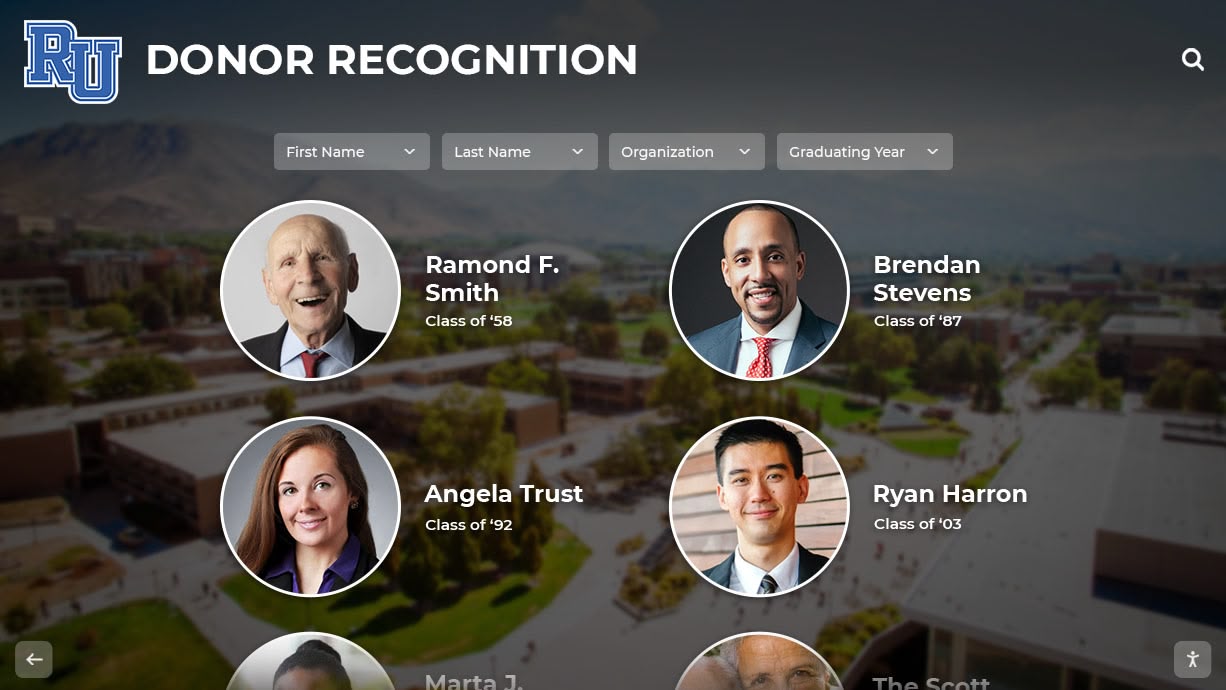
Specialized donor recognition features strengthen fundraising relationships with appropriate acknowledgment
Scaling With School Growth and Expanding Recognition Needs
Small to medium schools implementing recognition systems should anticipate growth rather than treating displays as static installations with fixed capabilities.
Starting Simple, Expanding Naturally
Rocket enables phased implementations matching current capacity while supporting expansion without system changes:
Phase One: Core Recognition Launch
- Single display in main lobby or gymnasium entrance
- Current athletic teams and schedules
- Recent graduation recognition
- Basic school announcements
Phase Two: Historical Archive Addition
- Championship teams from past decades
- Record holder recognition across multiple sports
- Notable alumni achievement celebration
- Faculty tenure and program leadership
Phase Three: Comprehensive Recognition
- Academic achievement including honor roll and test scores
- Arts program recognition for music, theater, and visual arts
- Donor acknowledgment and fundraising campaign progress
- Additional displays in auxiliary locations
- Interactive touchscreen enabling visitor exploration
This graduated approach prevents overwhelming initial implementations while ensuring platforms accommodate natural expansion responding to demonstrated value and growing recognition awareness throughout school communities.
Multiple Display Support Without Additional Costs
Unlike platforms charging per-screen licensing, Rocket includes unlimited displays within standard subscriptions:
- Main lobby displays featuring diverse content
- Gymnasium entrances highlighting athletic achievement
- Performing arts spaces celebrating music and theater
- Academic wings featuring honor roll and scholarship recognition
- Alumni areas displaying graduate accomplishments
- Donor walls in development office lobbies
Schools expand displays to additional locations without incurring subscription increases, enabling comprehensive recognition coverage throughout facilities as budgets allow.
Content Permissions Supporting Distributed Management
As recognition programs grow, single administrators become bottlenecks unless content management distributes across appropriate staff:
- Athletic directors manage sports team information
- Activities coordinators update club and organization content
- Development staff maintain donor recognition displays
- Counselors manage academic achievement content
- Principals oversee school-wide announcements
Rocket’s permission system enables controlled content contribution from appropriate staff without requiring everyone to access entire platforms or risking unauthorized changes to content outside their responsibility.
Learn how schools implement recognition programs that grow naturally from simple displays to comprehensive community engagement tools.
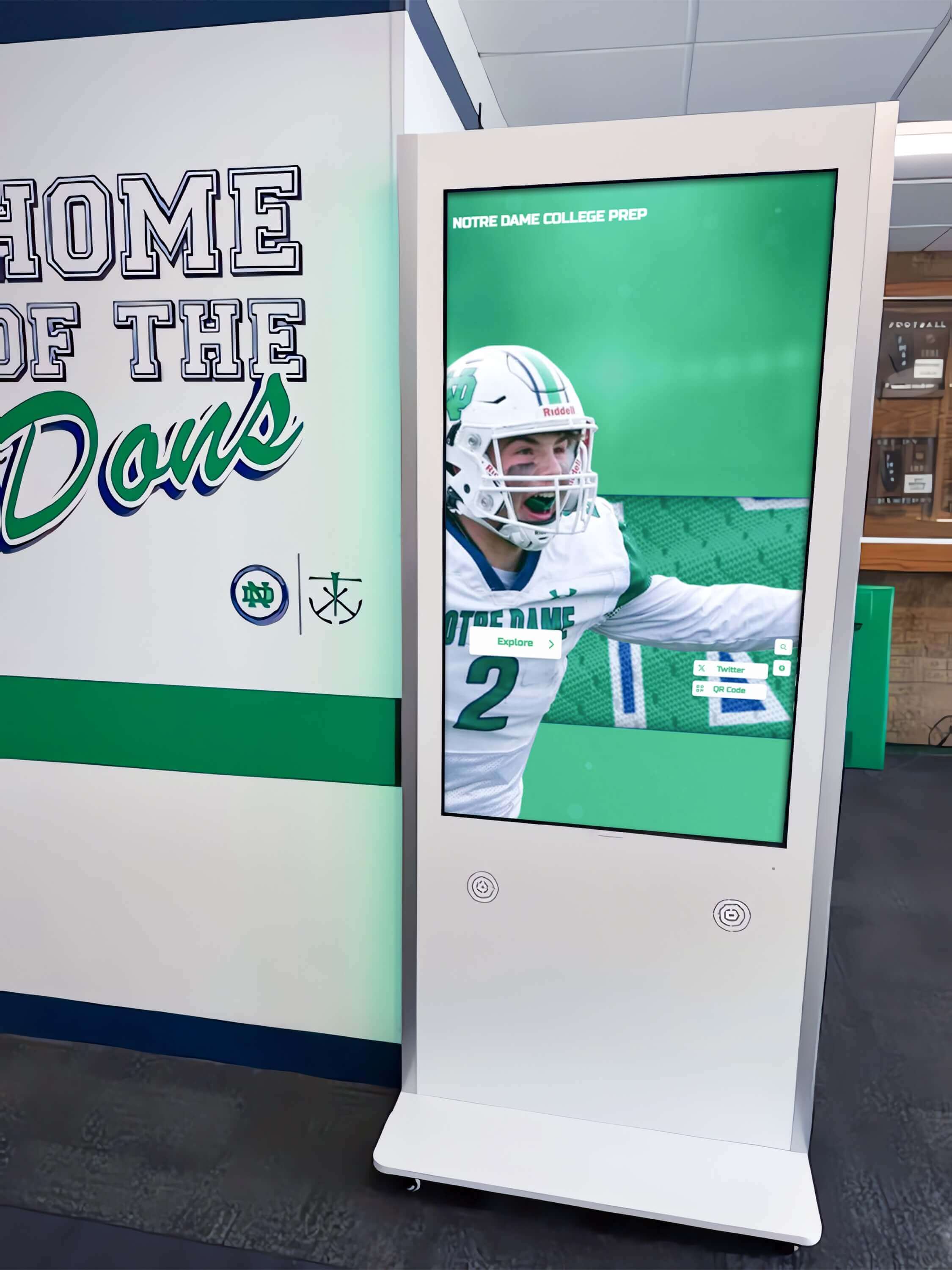
Multiple displays throughout facilities enable comprehensive recognition across diverse programs
Strengthening Community Engagement and School Pride
Digital recognition displays serve purposes beyond simply listing achievements—they actively strengthen institutional culture and community connections.
Building School Spirit Through Visible Achievement Celebration
Students walking past recognition displays daily internalize messages about institutional values and expectations:
- Excellence matters and receives appropriate acknowledgment
- Diverse achievements receive equal celebration across academics, athletics, and arts
- Individual contributions within team contexts merit recognition
- Historical tradition provides context for current accomplishment
- Sustained achievement across years demonstrates program strength
This daily reinforcement builds school pride and motivates students to pursue excellence across multiple domains, knowing their accomplishments will receive lasting recognition.
Engaging Alumni Through Historical Recognition
Small to medium schools often struggle maintaining alumni engagement after graduation. Digital recognition displays provide natural connection points:
- Alumni visiting schools encounter their own achievements displayed prominently
- Parents explore displays finding their children’s recognition alongside their own from previous decades
- Historical archives demonstrate institutional continuity and tradition
- Searchable databases enable alumni to find teammates and classmates
- Featured alumni stories highlighting post-graduation accomplishments inspire current students
This visibility strengthens alumni relationships to schools, potentially increasing support for fundraising initiatives, mentorship programs, and community partnerships that benefit current students and programs.
Supporting Recruitment and Enrollment
Families touring schools during enrollment decisions form impressions based partly on visual environment and recognition culture:
- Professional displays signal institutional quality and commitment to excellence
- Comprehensive recognition demonstrates that school celebrates diverse student achievement
- Historical archives suggest stability and tradition
- Modern technology indicates forward-thinking approach
- Searchable achievements provide transparency about program strength
These impressions influence enrollment decisions, particularly for families choosing between multiple district options or considering moves specifically to access quality schools.
Discover how schools use digital displays as strategic tools for recruitment, community engagement, and institutional advancement.
Strengthening Donor Relationships
Appropriate recognition influences donor psychology and giving patterns:
- Visible acknowledgment provides social recognition donors value
- Campaign progress displays demonstrate that contributions aggregate toward meaningful goals
- Featured donor stories illustrate impact and inspire additional giving
- Searchable interfaces enable donors to find their own recognition
- Professional presentation signals that school manages resources responsibly
According to research from nonprofit advancement organizations, donor recognition visibility correlates with retention rates and gift frequency. Schools demonstrating that they honor supporters appropriately reduce psychological barriers to major giving decisions.
Implementation Success Factors for Small Schools
Small to medium public high schools maximize recognition display value through thoughtful implementation approaches addressing their specific resource constraints.
Professional Implementation Support
Schools lacking internal expertise should engage comprehensive onboarding services that:
- Migrate initial content from existing systems or files
- Configure templates matching institutional branding
- Train key staff on content management workflows
- Establish content approval processes and governance
- Provide ongoing support reducing troubleshooting burden
Professional implementation services effectively outsource complexity, enabling small schools to access sophisticated platforms without developing internal technical expertise that resource constraints make impractical.
Establishing Sustainable Management Workflows
Long-term success requires workflows surviving staff transitions:
- Document clear responsibilities for content updates across different recognition categories
- Create regular review schedules preventing stale content that undermines display credibility
- Develop content submission processes from coaches, teachers, and advisors
- Establish approval workflows maintaining quality before content publication
- Plan succession for when current administrators move to new positions
Schools implementing sustainable processes from beginning avoid common patterns where displays launch successfully but gradually deteriorate as initial enthusiasm fades or personnel change.
Building Stakeholder Awareness and Engagement
Recognition displays achieve maximum value when school communities understand capabilities and contribute content actively:
- Announce display launches through newsletters and assemblies
- Encourage families to explore displays during events
- Solicit content submissions from coaches and teachers
- Celebrate recognition milestones when new content publishes
- Request community input on additional recognition categories to include
Active engagement transforms displays from administrative projects into community resources that diverse stakeholders value and support through ongoing participation.
Planning Budget Sustainability
Schools should establish funding approaches ensuring long-term display sustainability:
- Include annual subscription costs in technology budgets if applicable
- Identify booster club or foundation support for recognition initiatives
- Consider corporate sponsorships providing funding in exchange for acknowledgment
- Plan equipment refresh cycles accommodating hardware lifecycles
- Budget for expansion to additional displays as recognition programs grow
Sustainable funding prevents situations where displays launch successfully but cannot continue when initial budget commitments expire.
Conclusion: Recognition Technology That Fits Small School Realities
Small to medium public high schools deserve recognition technology addressing their specific circumstances rather than forcing compromises between professional results and practical sustainability. The right platforms accommodate limited budgets without restricting capabilities, enable management without requiring specialized expertise, support comprehensive recognition across diverse stakeholder groups, scale naturally as schools recognize additional opportunities, and strengthen community engagement through meaningful achievement celebration.
Rocket Alumni Solutions provides these characteristics through purpose-built recognition platforms designed specifically for educational contexts:
- Budget-conscious pricing fitting realistic technology allocations
- User-friendly management requiring no technical expertise
- Professional design templates eliminating need for design skills
- Recognition-specific features addressing actual school needs
- Unlimited scaling supporting growth without platform changes
- Cloud infrastructure eliminating IT maintenance burden
- Comprehensive support extending schools’ technical capacity
The Right Questions for Your School
Rather than focusing solely on initial costs or feature counts, small to medium public high schools should consider questions revealing whether platforms will succeed in their specific environments:
Will non-technical staff manage updates comfortably without constant IT involvement? Does pricing fit our budget both initially and across multiple years? Can the system scale from simple displays to comprehensive recognition without migrations? Does professional presentation match community expectations for our institution? Will the platform accommodate our specific recognition needs across athletics, academics, arts, and donors? Does included support provide expertise we cannot maintain internally?
If answers suggest needs for easy management, budget feasibility, growth accommodation, professional standards, specialized recognition features, and external expertise, then purpose-built educational platforms typically prove more practical than generic alternatives appearing simpler but creating higher ultimate burdens through limited capabilities and ongoing maintenance requirements.
Your school deserves recognition technology that celebrates student achievement, honors community support, preserves institutional history, and strengthens school pride—all while fitting within resource constraints and administrative capacity characteristic of small to medium public high schools. With thoughtful platform selection matching your specific needs and circumstances, you can implement displays delivering professional results without creating unsustainable technical burdens.
Ready to explore digital recognition platforms designed specifically for schools like yours? Book a demo and discover how comprehensive recognition systems can address your unique needs while remaining practical to implement and maintain with limited resources.