Every school year tells a unique story. Students grow, teams compete, clubs thrive, and countless moments unfold that define what it means to be part of your school community. A well-chosen yearbook theme transforms these scattered memories into a cohesive narrative that students will treasure for decades, creating a visual and emotional throughline that connects every page, every photograph, and every milestone throughout the book.
Yet choosing the right yearbook theme often feels overwhelming. Your theme needs to resonate with diverse student interests from athletics to academics to arts. It should feel relevant to current students while remaining timeless enough that graduates won’t cringe when they revisit their yearbook in twenty years. And it must be flexible enough to accommodate everything from senior portraits to club photos to candid hallway moments while maintaining visual coherence across hundreds of pages.
This comprehensive guide provides 50+ creative yearbook theme ideas spanning classic concepts to contemporary approaches, along with practical strategies for selecting themes that authentically represent your school community, engage students throughout the creation process, and result in yearbooks that become cherished artifacts preserving this chapter of students’ lives.
The most successful yearbook themes accomplish multiple objectives simultaneously: they create visual unity making books feel professionally designed rather than random photo collections, they reflect genuine student experiences and school culture, they inspire creative content and design possibilities, and they remain meaningful long after graduation when alumni revisit these preserved memories.

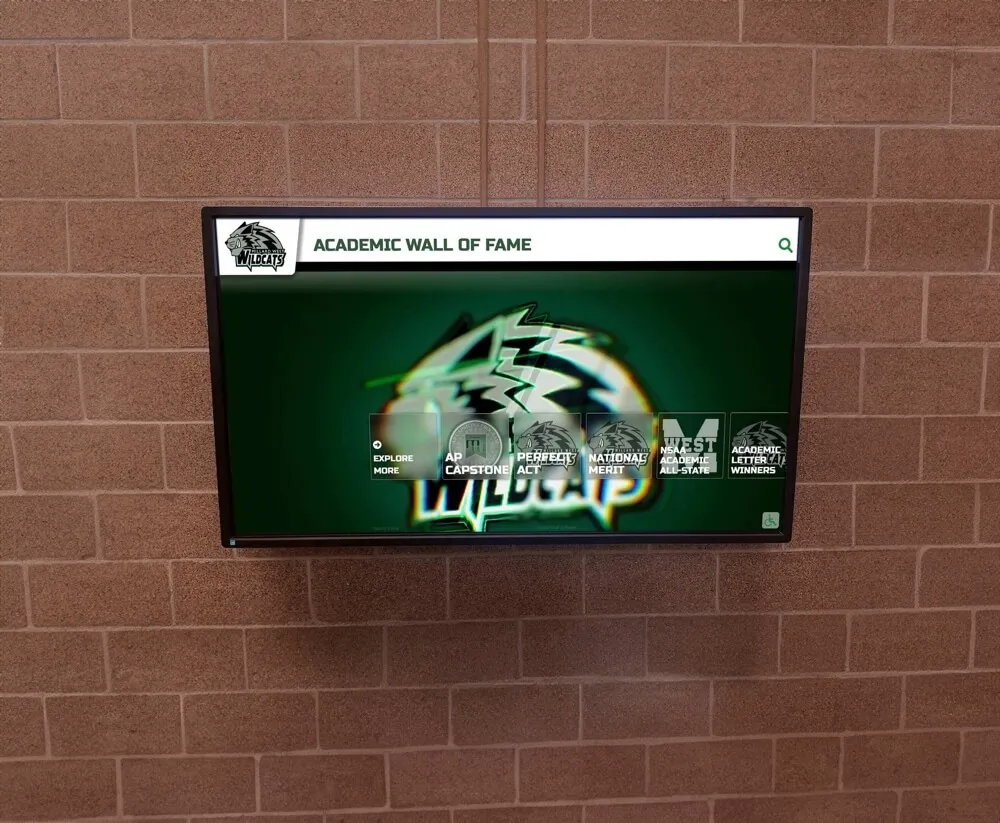
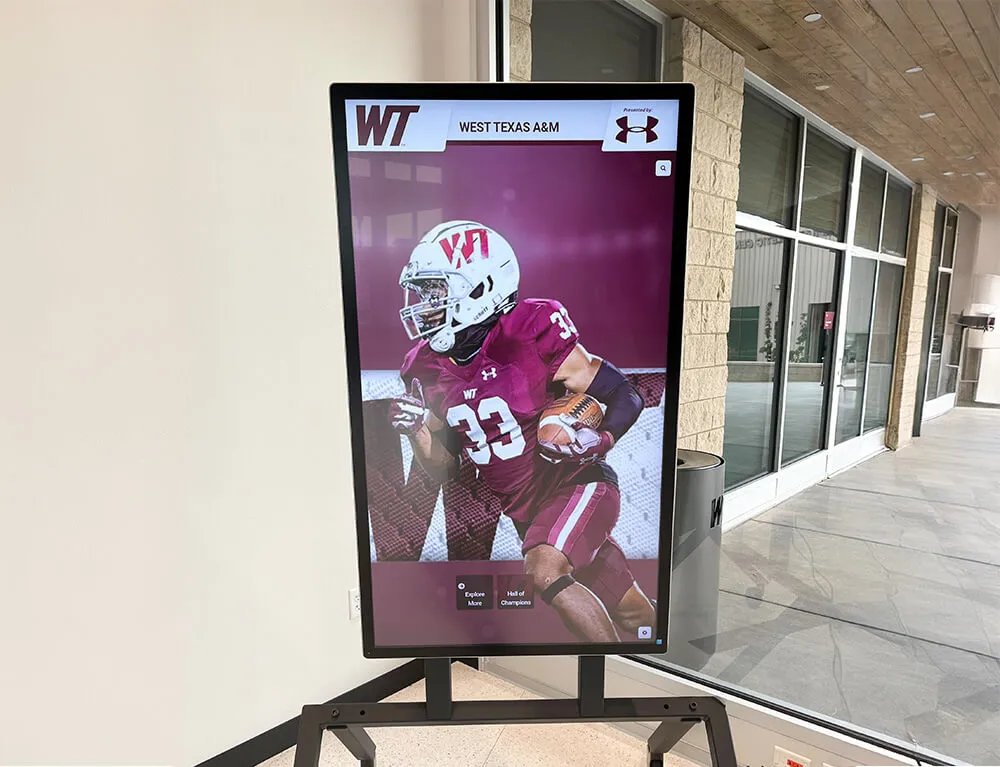
Yearbooks preserve precious memories that students, families, and alumni treasure throughout their lives
Why Your Yearbook Theme Matters More Than You Think
Understanding the strategic role yearbook themes play in creating memorable books helps committees make better decisions during the planning process.
Themes Create Cohesion and Professional Polish
Random collections of photographs rarely become treasured keepsakes. The difference between forgettable yearbooks and ones students actually revisit lies largely in thematic cohesion connecting all elements throughout the book.
Strong themes provide visual and conceptual frameworks that guide design decisions including consistent color palettes appearing throughout spreads, typography choices reinforcing thematic elements, page layouts echoing theme concepts, graphic elements and iconography supporting the narrative, and section transitions maintaining flow while providing variety.
This cohesion elevates yearbooks from simple photo albums to professionally designed publications that students feel proud owning and sharing with family members. Well-executed themes demonstrate that someone thoughtfully curated these memories rather than simply compiling random images.
Themes Reflect and Strengthen School Identity
Yearbook themes offer opportunities to celebrate what makes your school community distinctive. Effective themes capture school traditions and history, highlight unique programs and opportunities, showcase diverse student interests and achievements, reflect community values and priorities, and create pride in school identity and belonging.
When students see their authentic experiences reflected in yearbook themes, they feel seen and valued. This validation strengthens school spirit while creating emotional connections to the book itself. Students become more engaged in yearbook creation when themes resonate with their actual lived experiences rather than feeling imposed or generic.
Themes Engage Multiple Stakeholder Groups
Successful yearbooks appeal to diverse audiences including current students who lived the experiences, parents and families celebrating achievements, faculty and staff who shaped the year, alumni connecting to school traditions, and future students who’ll reference these books as historical documents.
Strong themes create entry points for all these audiences by balancing timely references with timeless concepts, acknowledging diverse interests and activities, celebrating collective experiences alongside individual achievements, and connecting current moments to broader school history and traditions.
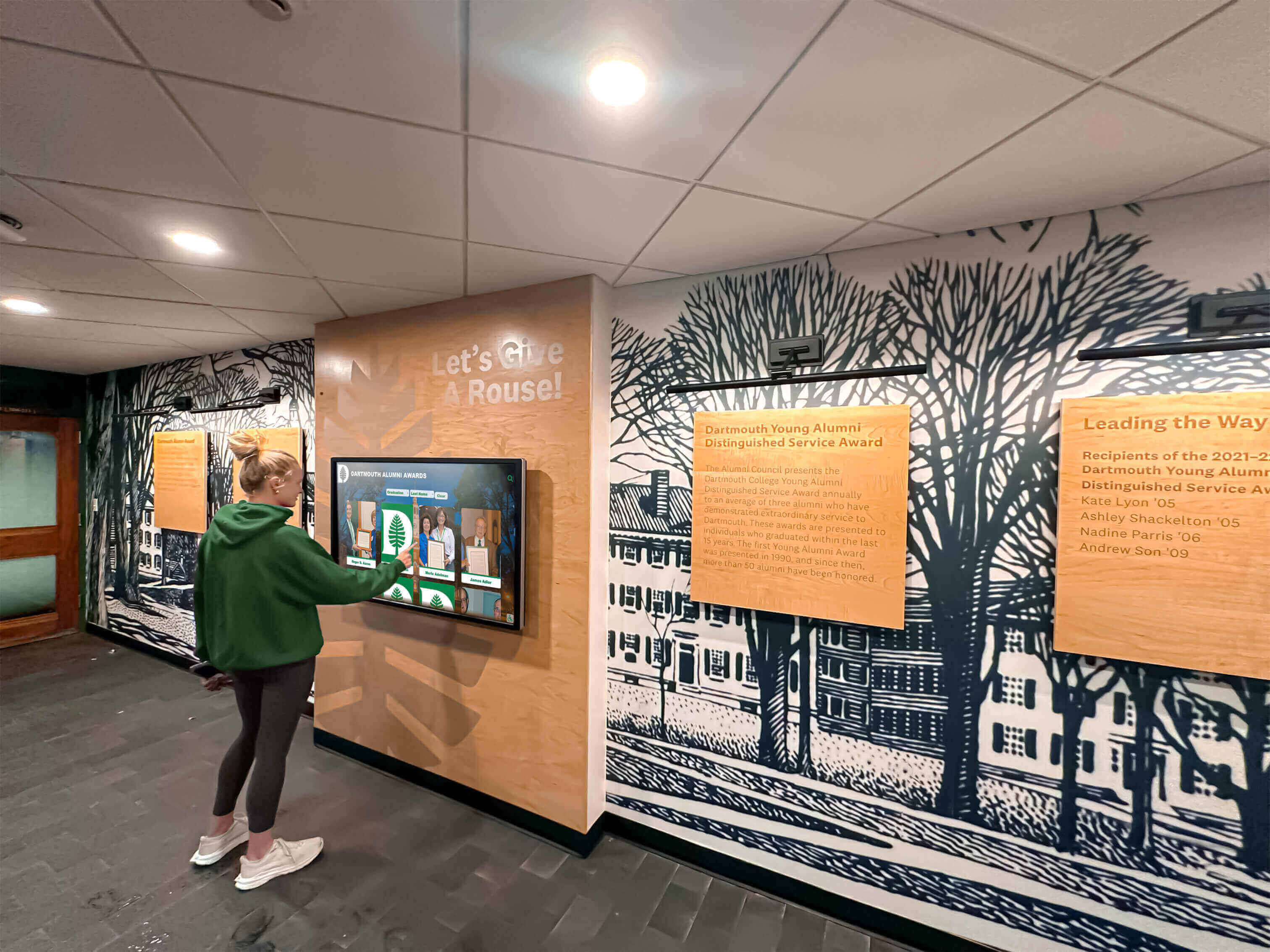
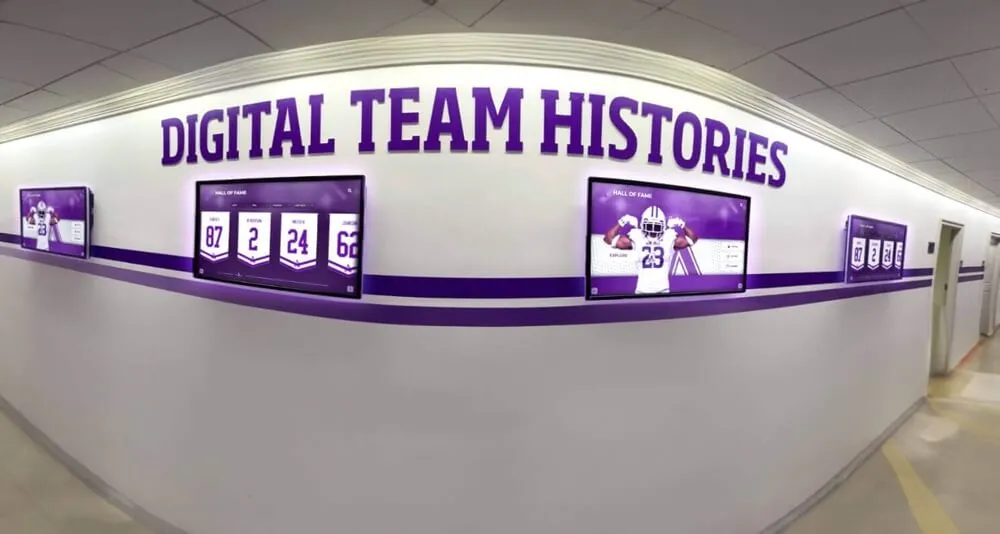
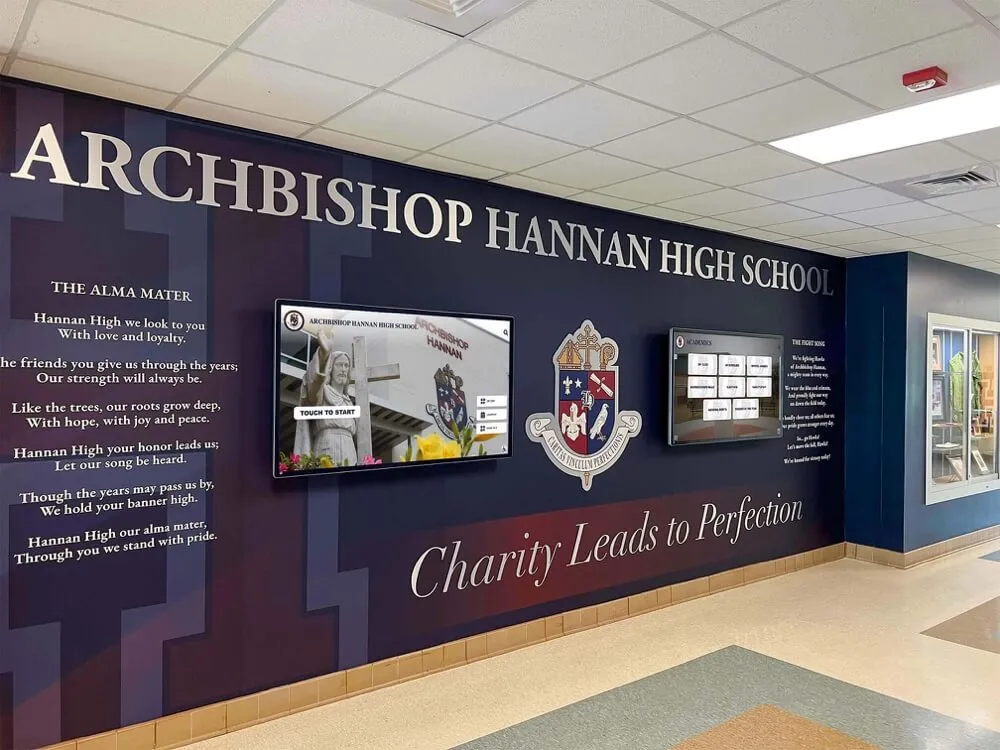
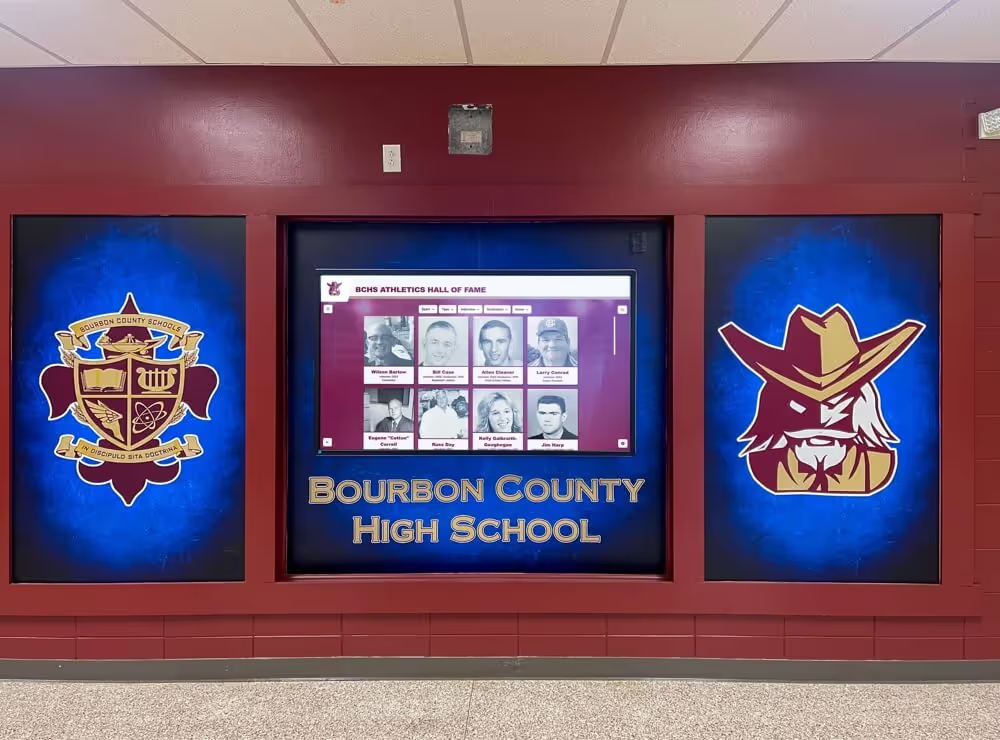
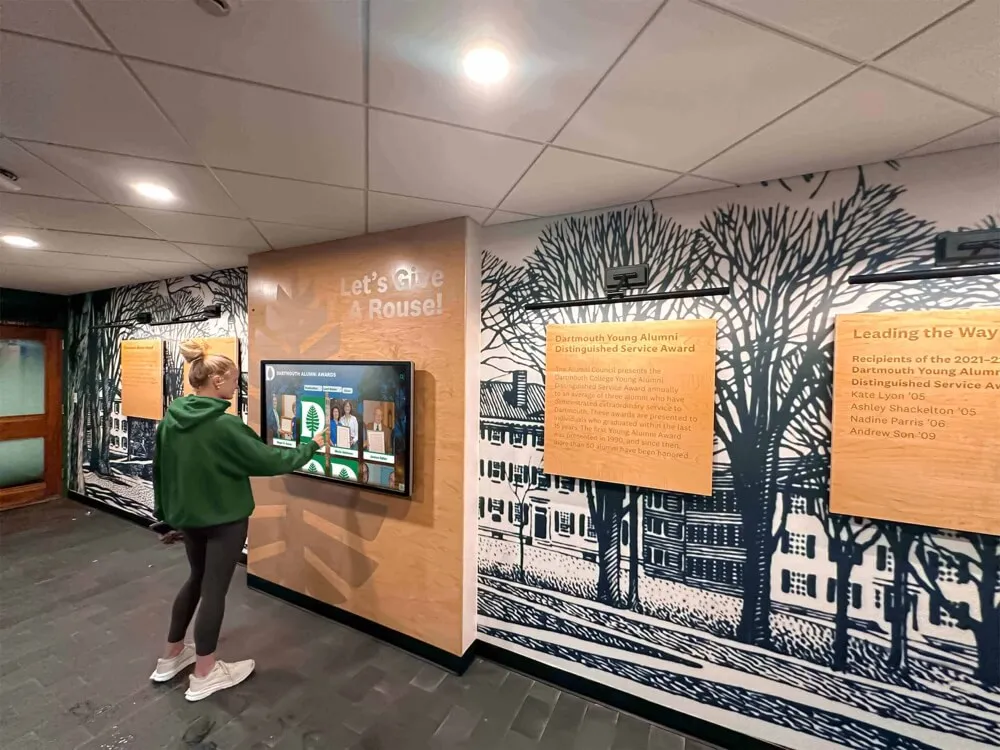
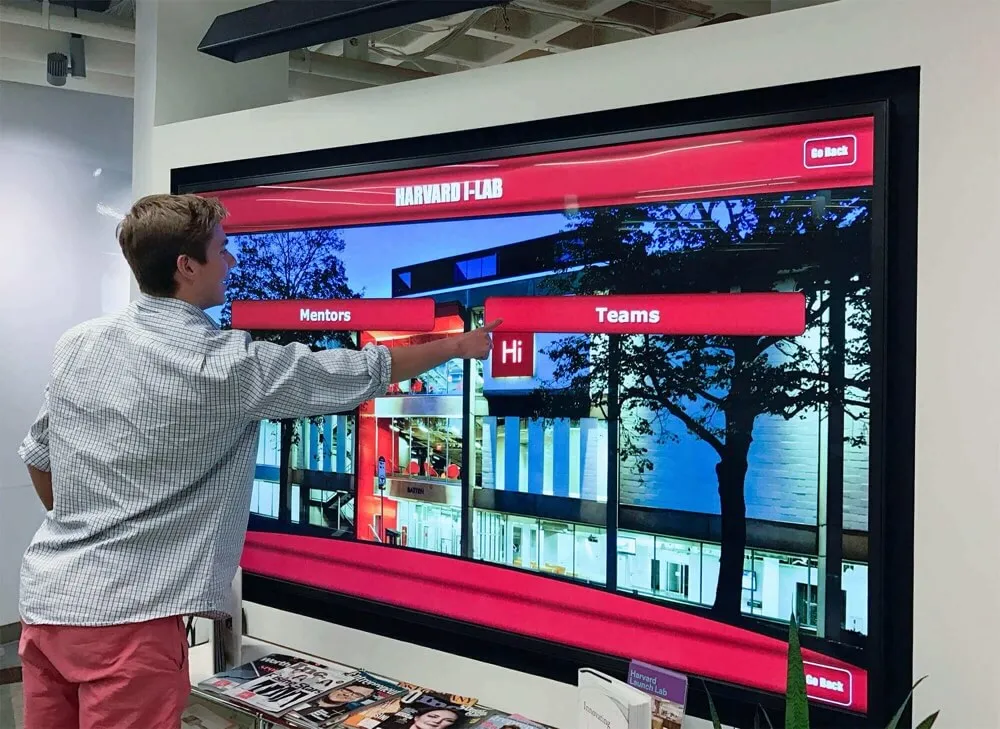
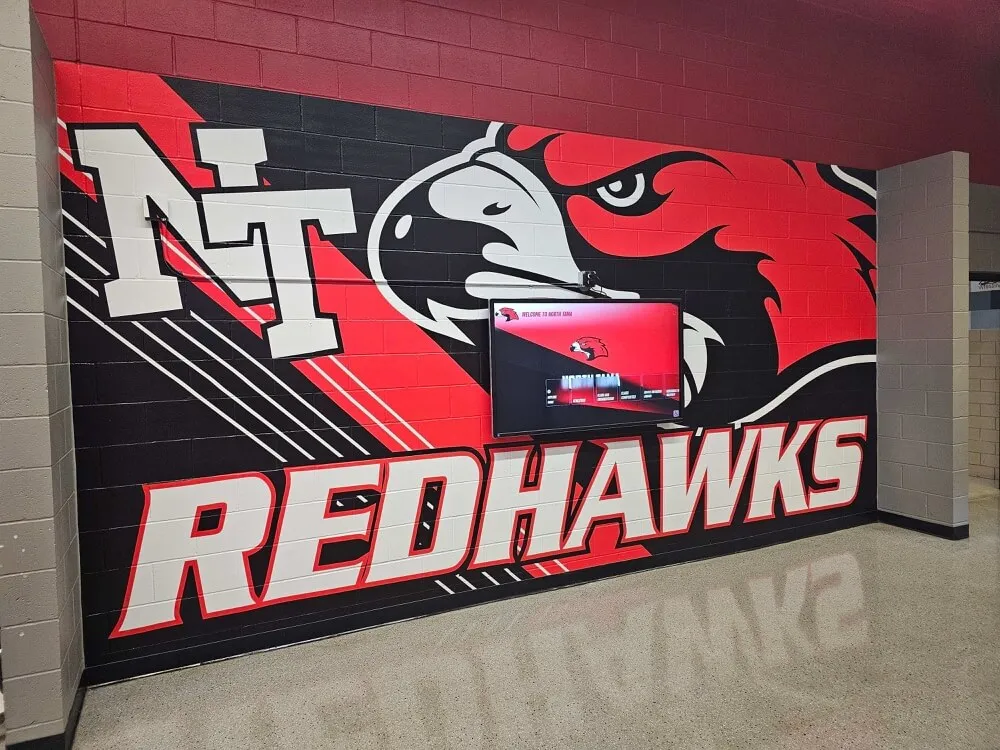
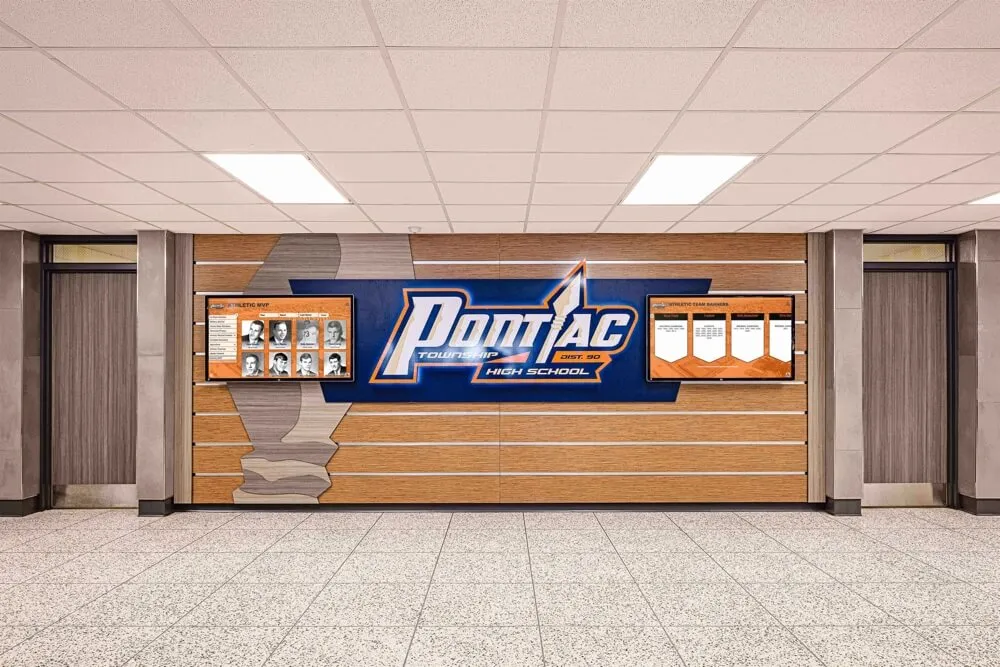
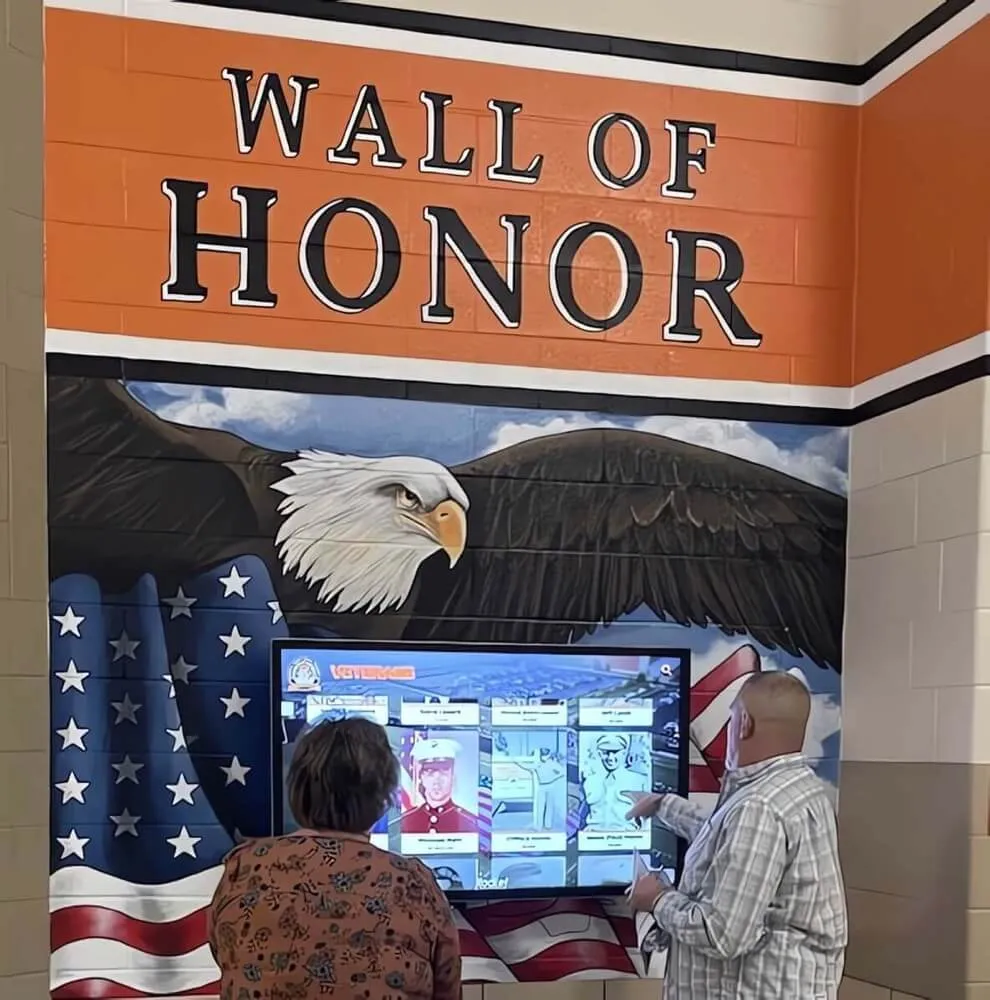
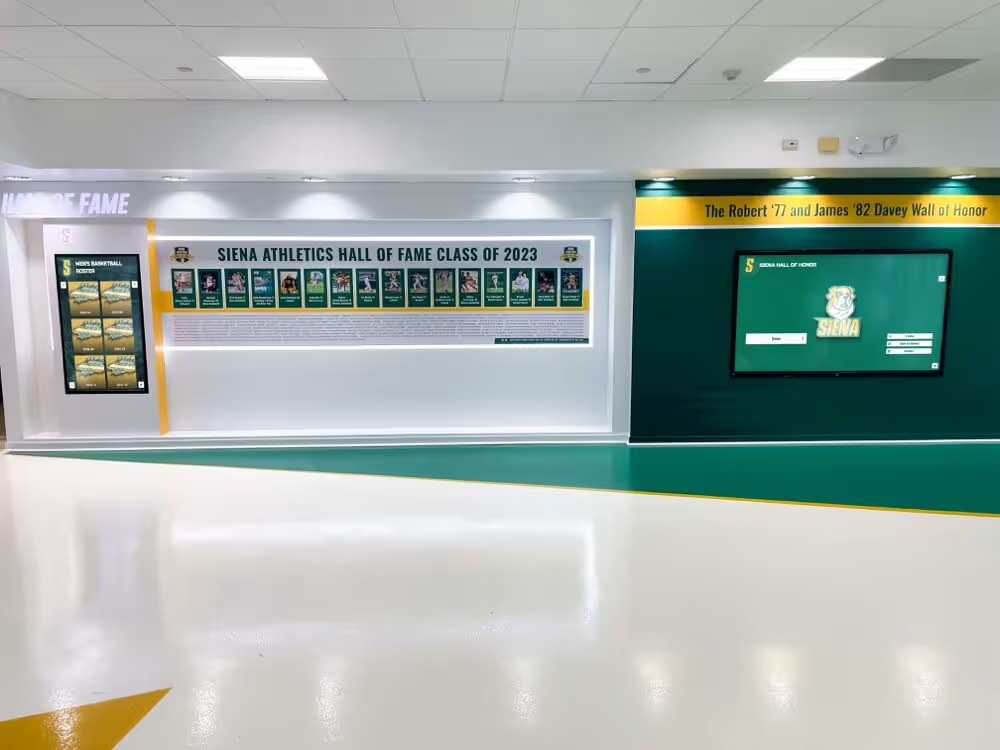
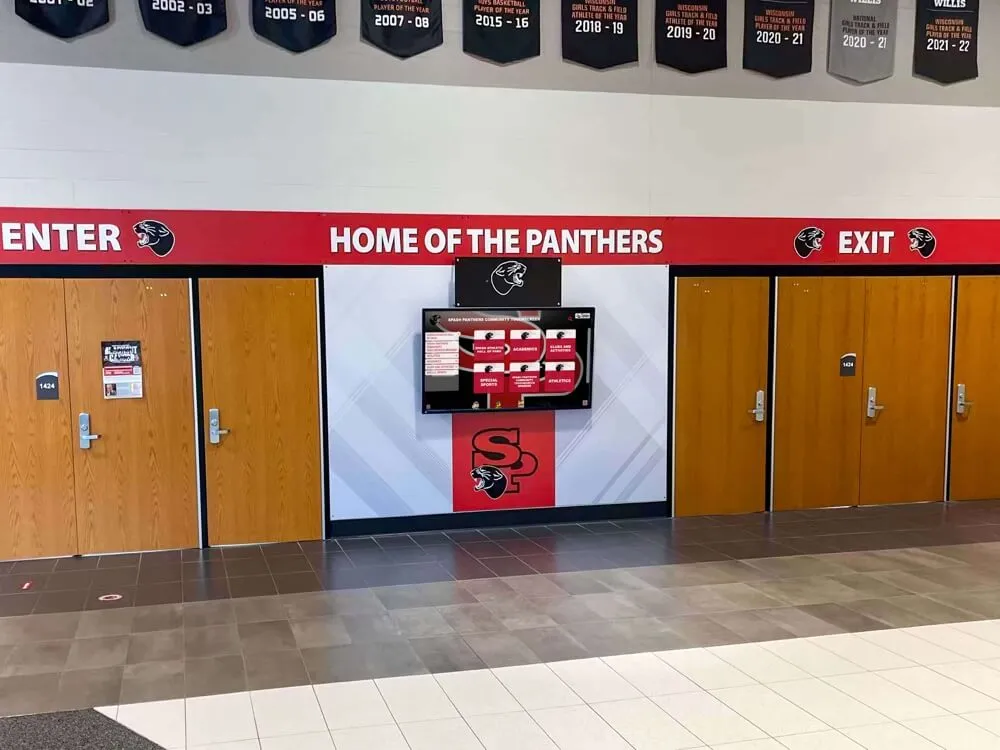
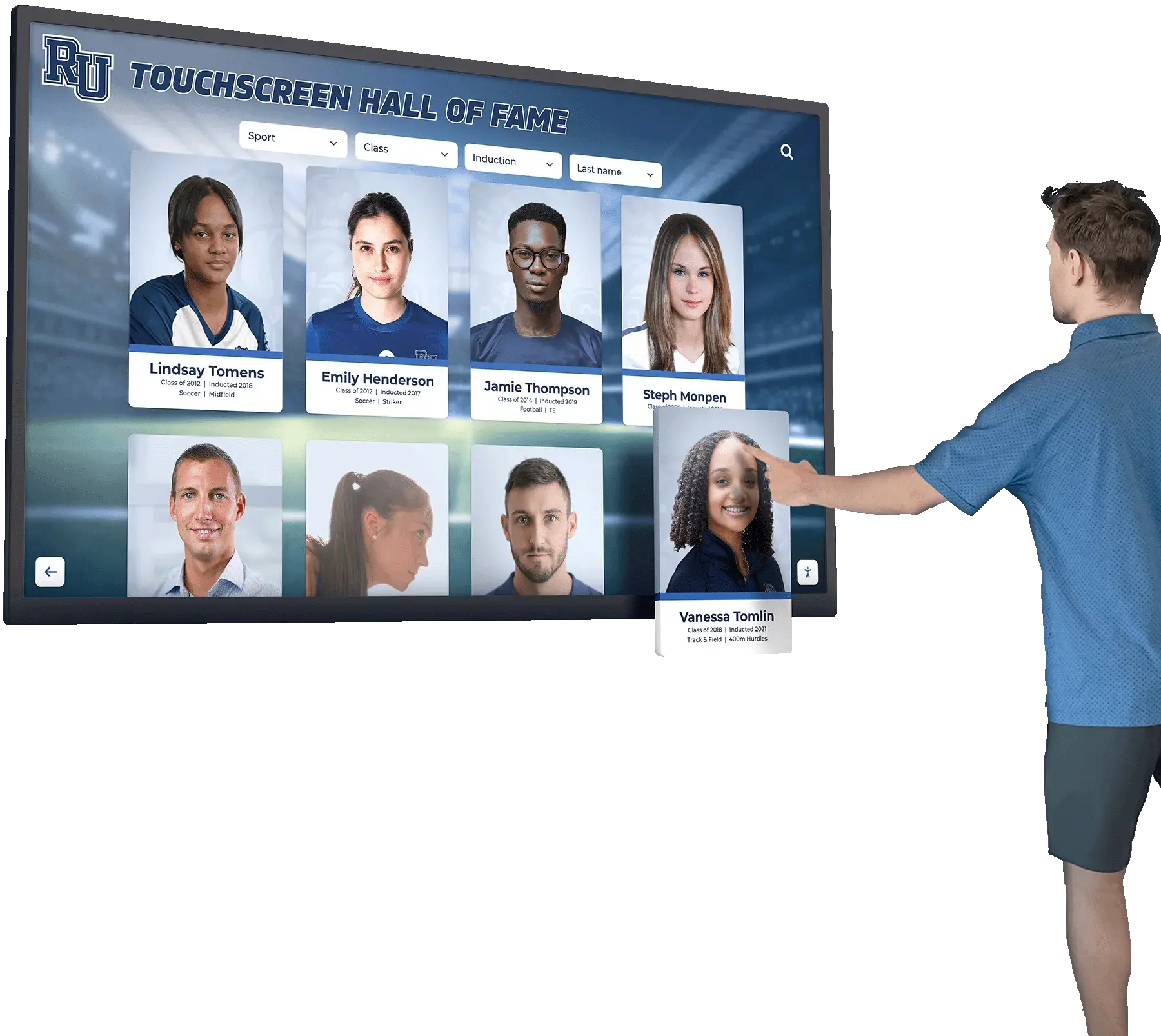
Interactive displays bring yearbook memories to life for current students and alumni
Classic Yearbook Theme Categories: Timeless Approaches
Certain theme categories have proven successful across decades and school types. Understanding these classic approaches provides foundations for creating themes tailored to your specific school community.
1. Journey and Destination Themes
Journey themes frame the school year as a shared voyage toward destinations representing graduation, growth, or achievement. These themes resonate because education itself is inherently a journey with clear beginnings, midpoints, and conclusions.
Theme Examples:
- “Uncharted Territory” - Exploring new experiences and opportunities
- “Road Ahead” - Navigating paths toward futures
- “Crossroads” - Making choices that shape destinies
- “Milestones and Memories” - Marking significant points along journeys
- “Full Steam Ahead” - Moving forward with momentum and purpose
- “Navigate Your Story” - Charting individual courses through shared experiences
Visual Elements: Maps, compasses, roads, pathways, footprints, milestones markers, vintage travel imagery, directional signage, journey timelines
Why They Work: Journey themes accommodate diverse student experiences while maintaining cohesive narratives. Athletes, artists, academics, and activity participants all travel their own paths, making this metaphor universally applicable while remaining personally meaningful.
2. Time and Era Themes
Time-based themes frame the school year as a specific moment in history or connect current students to broader timelines spanning past and future.
Theme Examples:
- “This Moment in Time” - Capturing fleeting present experiences
- “Our Time, Our Story” - Claiming ownership of this specific era
- “Once Upon a Time” - Framing the year as a story with beginning and end
- “Making History” - Positioning students as historical actors creating legacies
- “Time Capsule” - Preserving this moment for future reflection
- “Rewind, Play, Fast Forward” - Connecting past, present, and future
Visual Elements: Clocks, calendars, timelines, vintage and modern imagery contrasts, hourglasses, historical references, timeline graphics, date stamps
Why They Work: Time themes naturally accommodate yearbooks’ documentary purpose while creating urgency around capturing moments before they pass. They also connect students to school traditions and alumni who came before, building continuity and belonging.
Learn about preserving school history and memories through academic history archiving programs that complement yearbook documentation.
3. Growth and Transformation Themes
Themes focusing on growth, change, and personal development resonate with students experiencing significant transitions and maturation during school years.
Theme Examples:
- “Rooted and Rising” - Honoring foundations while celebrating growth
- “Bloom Where You’re Planted” - Thriving in your current environment
- “Metamorphosis” - Transforming through experiences and challenges
- “Level Up” - Advancing to next stages of development
- “Evolution” - Changing and adapting throughout the year
- “Finding Your Wings” - Discovering capabilities and preparing to soar
Visual Elements: Plants and botanical imagery, butterflies and metamorphosis visuals, growth charts, before-and-after contrasts, nature metaphors, transformation sequences
Why They Work: These themes acknowledge students’ real experiences of personal change and development during formative years. They validate growth across multiple dimensions—academic, social, emotional, athletic—making them broadly applicable while remaining deeply personal.
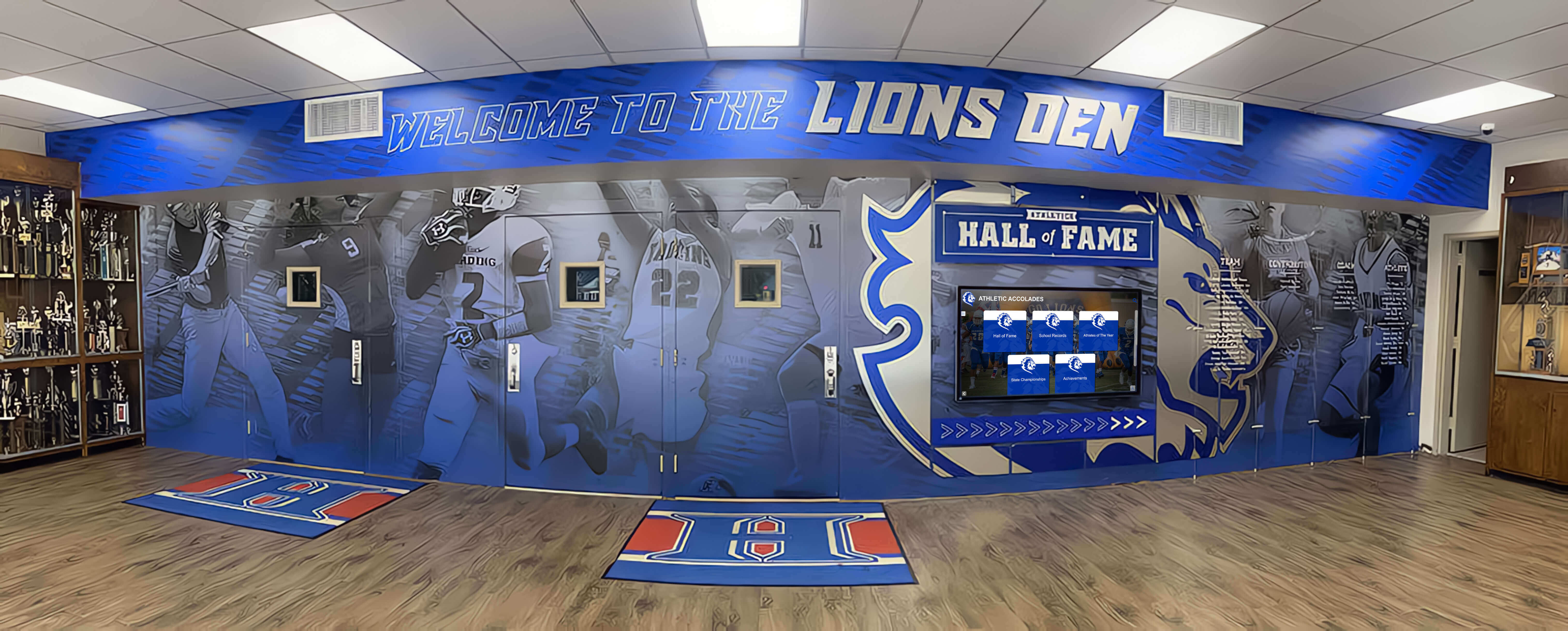
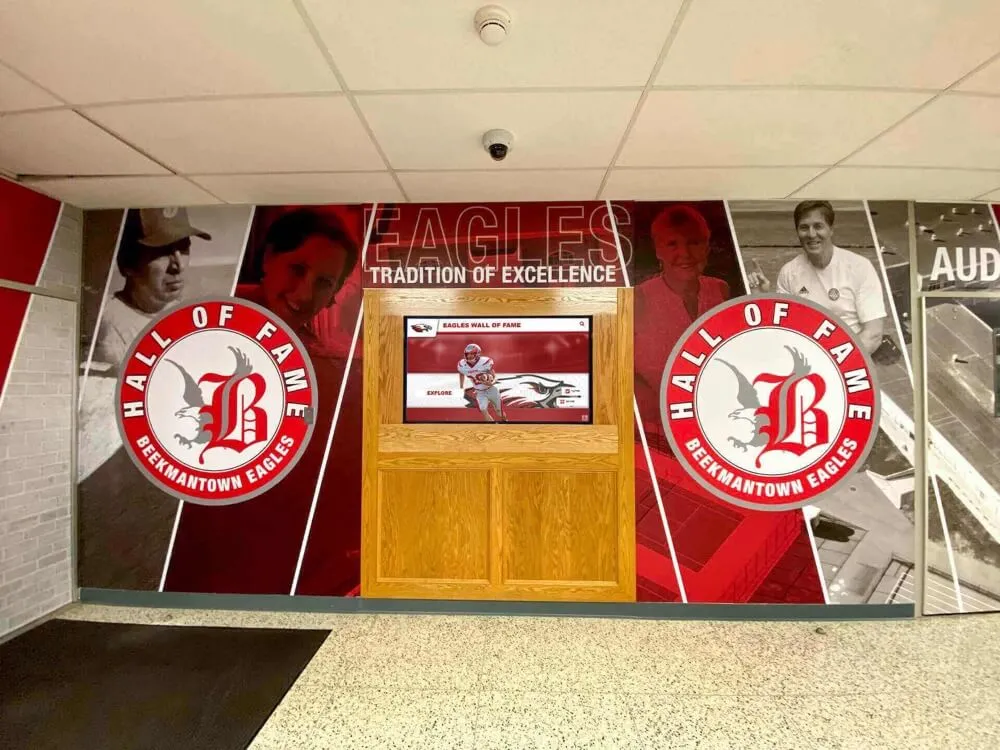
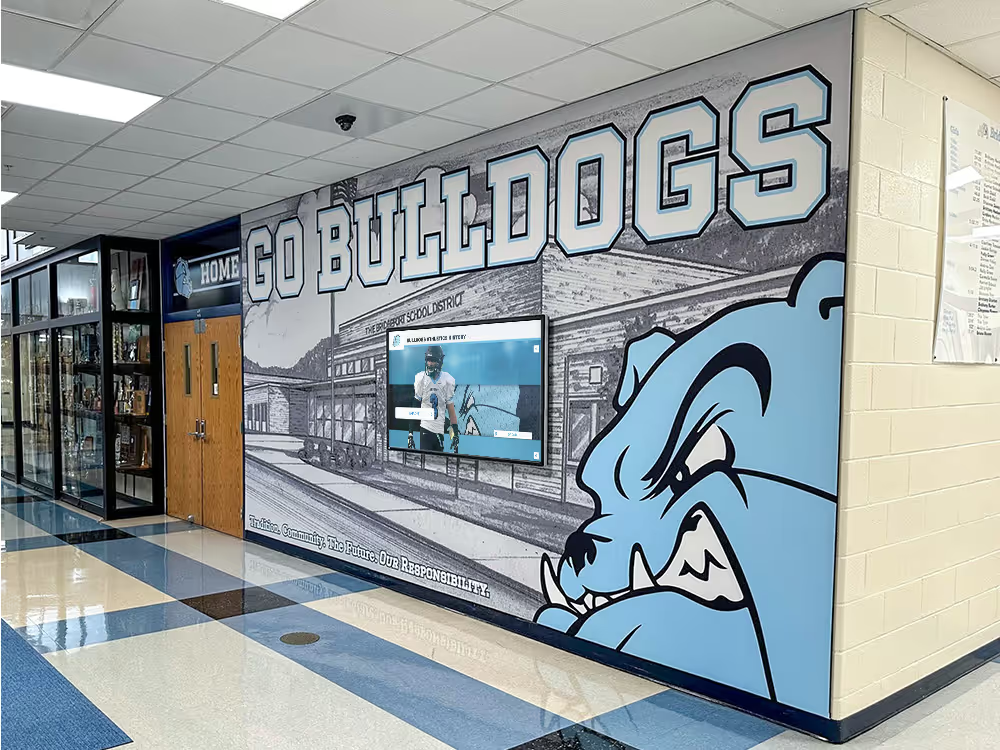
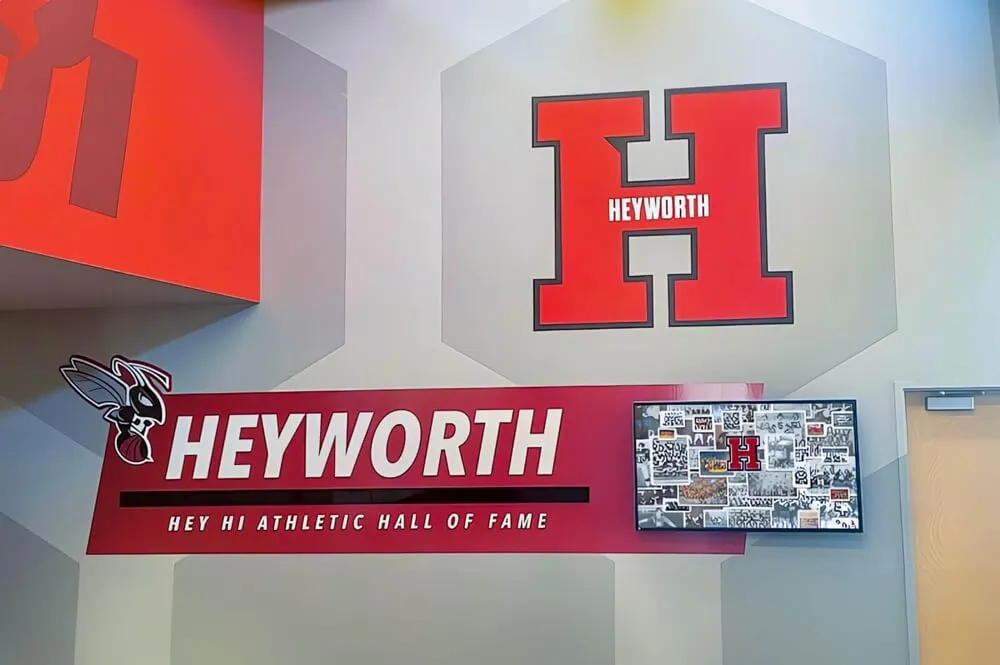
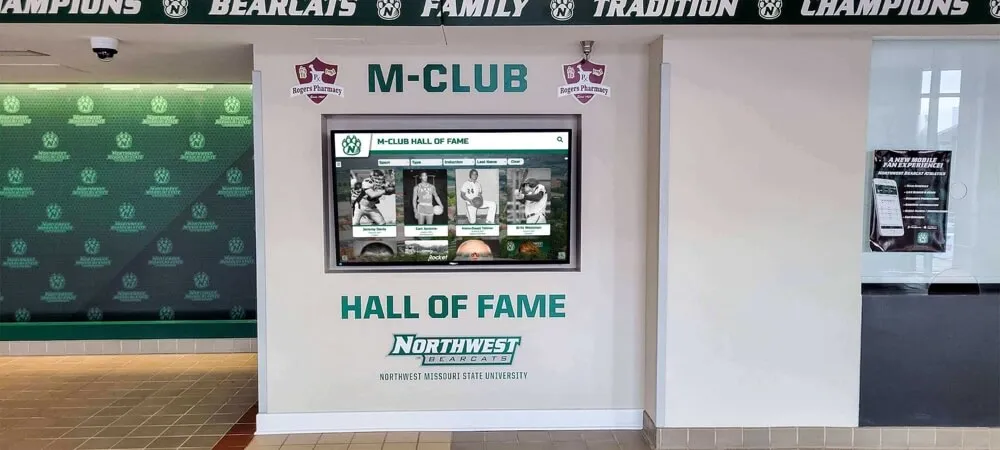
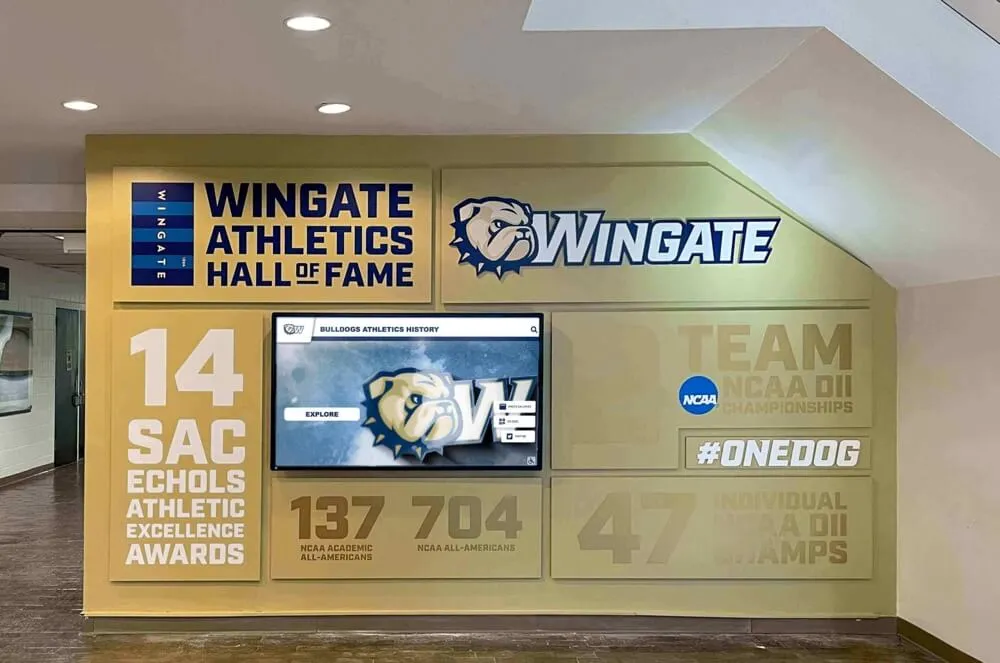
Recognition displays celebrate student growth, achievement, and school pride across all activities
4. Unity and Community Themes
Themes emphasizing collective identity, shared experiences, and community connections highlight what brings diverse students together.
Theme Examples:
- “Stronger Together” - Celebrating collective strength in diversity
- “United We Stand” - Emphasizing solidarity and shared values
- “Many Voices, One Story” - Honoring diverse experiences within shared narratives
- “Community Creates Culture” - Recognizing how relationships shape experiences
- “Building Bridges” - Connecting different groups and experiences
- “Woven Together” - Intertwining individual threads into collective fabric
Visual Elements: Puzzle pieces, woven patterns, handprints, crowd imagery, circles and connectivity graphics, collaborative artwork, diverse representation
Why They Work: Unity themes address schools’ fundamental purposes as community-building institutions. They celebrate diversity while emphasizing shared belonging, making every student feel included in the collective story regardless of their specific activities or interests.
5. Vision and Aspiration Themes
Forward-looking themes focus on dreams, possibilities, and futures students are building through current experiences.
Theme Examples:
- “Dream Big” - Encouraging ambitious visions for futures
- “Infinite Possibilities” - Emphasizing unlimited potential
- “Write Your Story” - Empowering students as authors of their destinies
- “Beyond the Horizon” - Looking toward futures beyond current sight
- “Dare to Dream” - Validating aspirational thinking
- “Limitless” - Removing boundaries on what’s possible
Visual Elements: Stars and space imagery, open horizons, quote graphics about dreams and possibilities, vision boards, inspirational typography, expansive landscapes
Why They Work: Aspirational themes resonate particularly with graduating classes preparing to leave familiar environments for unknown futures. They validate students’ hopes and dreams while acknowledging the bittersweet emotions of endings and new beginnings.
Contemporary and Trendy Yearbook Themes for 2026
Modern themes leverage current cultural references, technology concepts, and contemporary aesthetics that resonate with today’s students.
6. Digital and Technology Themes
Technology-inspired themes speak to generations raised with digital devices and online connectivity as defining aspects of their experiences.
Theme Examples:
- “Ctrl+Alt+Create” - Using tech commands as metaphors for choice and creation
- “Life Unfiltered” - Contrasting curated online personas with authentic experiences
- “Refresh and Reload” - Emphasizing renewal and new beginnings
- “Download Memories” - Framing yearbook as capturing experiences to save
- “Wi-Fi Connected” - Highlighting relationships and community connections
- “Version [Year]” - Positioning this year as latest iteration of school story
Visual Elements: Tech iconography, circuit board patterns, pixelated effects, social media aesthetics, QR codes linking to video content, glitch effects, digital interface designs
Why They Work: Technology themes feel relevant and contemporary to students whose lives intertwine with digital experiences. They also offer natural opportunities for multimedia integration through QR codes linking to video memories or online content complementing print yearbooks.
Discover how digital recognition displays extend yearbook memories through interactive technology in school spaces.
7. Entertainment and Pop Culture Themes
Themes referencing popular entertainment formats create instant recognition and engagement among students immersed in these cultural forms.
Theme Examples:
- “Behind the Scenes” - Showing what happens beyond public performances
- “The Main Event” - Positioning school experiences as starring roles
- “Opening Night” - Framing the year as debut performance
- “Playlist of Memories” - Organizing content like songs in curated playlists
- “Director’s Cut” - Presenting unedited, authentic version of experiences
- “The Next Chapter” - Using literary metaphors for storytelling
Visual Elements: Film strips, clapperboards, stage curtains, music note graphics, album cover aesthetics, screenplay formats, streaming platform interfaces
Why They Work: Entertainment themes leverage familiar formats students encounter daily through streaming services, social media, and popular culture. They make yearbooks feel culturally relevant while providing flexible frameworks for organizing diverse content.
8. Social Media and Communication Themes
Themes drawing from social media concepts reflect how students actually communicate and share experiences in their daily lives.
Theme Examples:
- “Share Your Story” - Using social sharing concepts for personal narratives
- “The Real Story” - Emphasizing authenticity beyond social media personas
- “Tag Your Memories” - Using tagging as organizational metaphor
- “Going Viral” - Celebrating shared experiences spreading throughout communities
- “Follow Your Journey” - Using social media language for personal paths
- “Stories Worth Telling” - Elevating everyday moments to shareable significance
Visual Elements: Social media interface aesthetics, hashtag graphics, profile card designs, story format layouts, notification iconography, heart and share symbols
Why They Work: These themes meet students in communication frameworks they use constantly, making yearbooks feel less like outdated artifacts and more like tangible versions of how they already document and share experiences digitally.
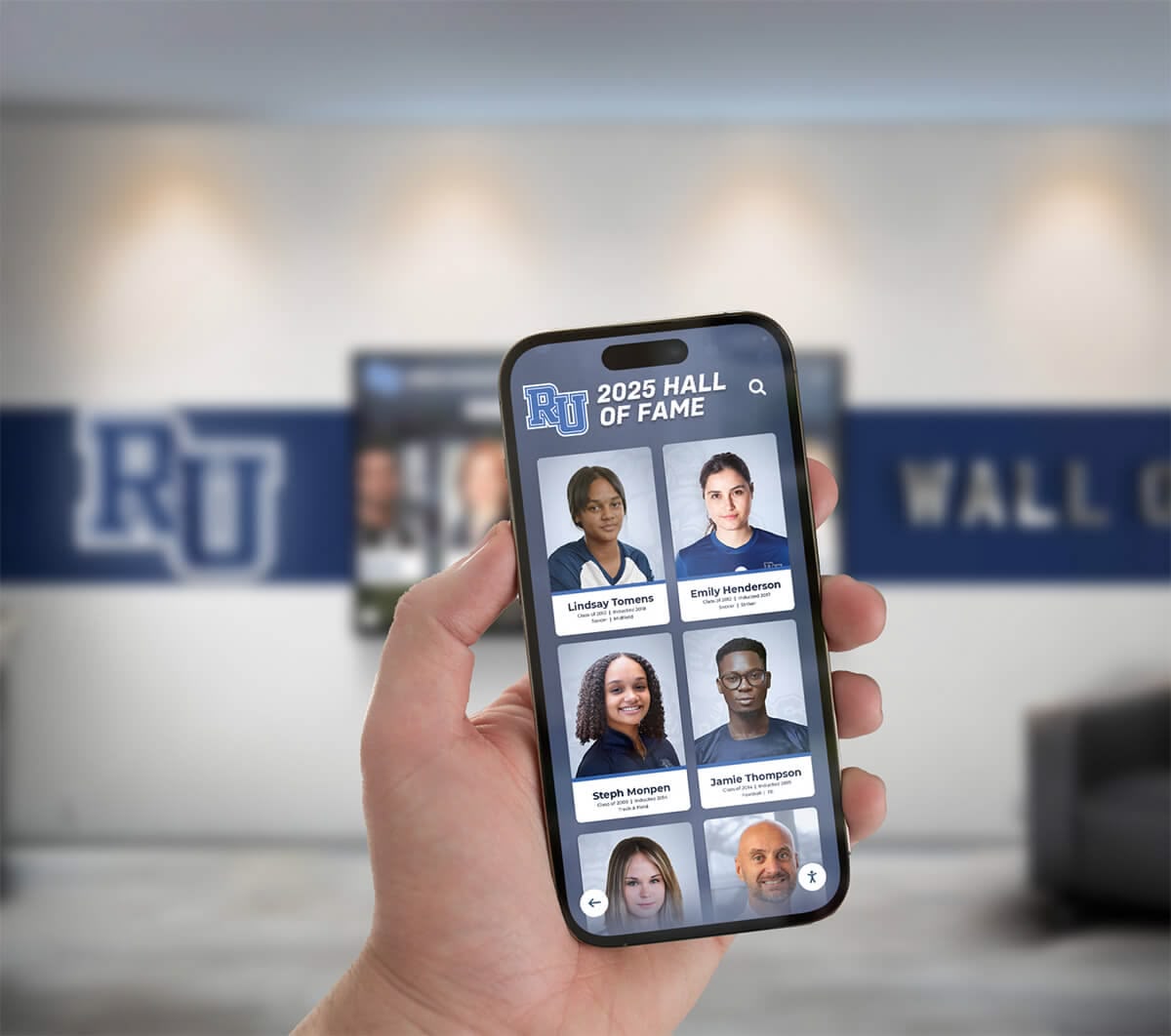
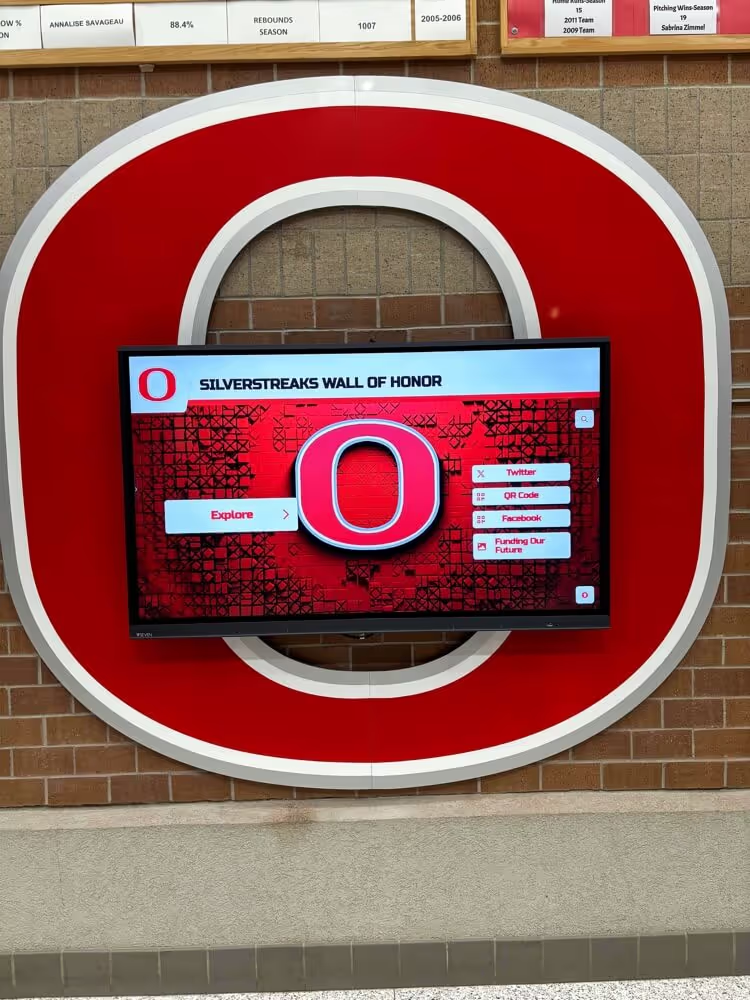
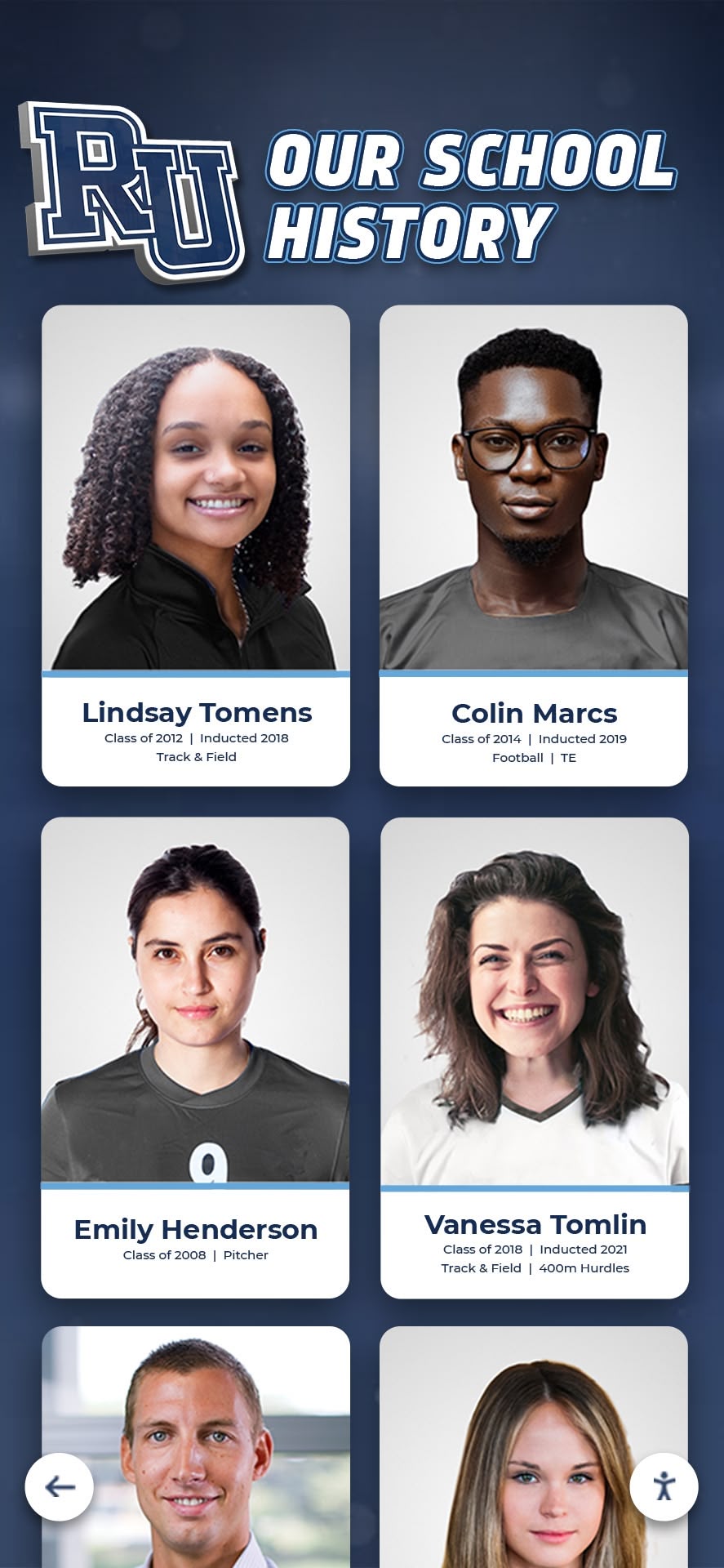
Digital integration extends yearbook memories beyond print books to interactive platforms students can access anywhere
9. Wellness and Mindfulness Themes
Themes emphasizing balance, self-care, and mental health reflect growing awareness and conversation around wellness in school communities.
Theme Examples:
- “Find Your Balance” - Emphasizing equilibrium across activities and priorities
- “Breathe and Believe” - Combining mindfulness with confidence
- “Growth Mindset” - Celebrating learning and development over perfection
- “Perfectly Imperfect” - Validating authenticity and vulnerability
- “Present Moment” - Encouraging mindfulness and appreciation
- “Thrive, Not Just Survive” - Emphasizing flourishing beyond bare endurance
Visual Elements: Calming color palettes, nature imagery, balance and harmony graphics, inspirational quote typography, mandala patterns, peaceful landscapes
Why They Work: Wellness themes acknowledge real pressures students face while promoting healthy perspectives on achievement and success. They create yearbooks that feel supportive and affirming rather than solely focused on accomplishment and competition.
10. Adventure and Exploration Themes
Adventure themes frame everyday school experiences as exciting explorations and discoveries rather than routine obligations.
Theme Examples:
- “Wild and Free” - Celebrating spontaneity and authentic experiences
- “Uncharted Waters” - Navigating new experiences and challenges
- “Adventure Awaits” - Emphasizing excitement about unknowns
- “Into the Wild” - Exploring beyond comfortable boundaries
- “Quest for Greatness” - Framing challenges as heroic journeys
- “Explore. Discover. Create.” - Action-oriented trilogy of experiences
Visual Elements: Outdoor and nature photography, compass roses, vintage exploration aesthetics, mountain and landscape imagery, adventure gear, path and trail graphics
Why They Work: Adventure themes reframe familiar school experiences with excitement and possibility. They transform ordinary moments into significant experiences worth documenting and remembering, encouraging engagement with yearbook creation.
Subject-Specific and Niche Yearbook Themes
Specialized themes work particularly well for schools with distinctive identities, programs, or community characteristics.
11. STEM and Innovation Themes
Schools emphasizing science, technology, engineering, and mathematics benefit from themes highlighting innovation and discovery.
Theme Examples:
- “Engineering the Future” - Building tomorrow through current work
- “Scientific Method” - Framing experiences as experiments and discoveries
- “Code Your Story” - Using programming metaphors for life design
- “Innovate and Iterate” - Emphasizing continuous improvement
- “Hypothesis to Reality” - Turning theories into actual achievements
- “Elements of Excellence” - Using periodic table or chemistry metaphors
Visual Elements: Blueprint aesthetics, scientific diagrams, mathematical equations, laboratory imagery, invention and innovation graphics, geometric patterns
12. Arts and Creative Themes
Arts-focused schools or those with strong creative programs showcase these priorities through aesthetically ambitious themes.
Theme Examples:
- “Create Your Masterpiece” - Positioning students as artists of their lives
- “A Work of Art” - Framing the year as collaborative creative work
- “Behind the Brushstrokes” - Revealing process behind finished products
- “Stage of Life” - Using theatrical metaphors for experiences
- “In the Spotlight” - Celebrating performances and achievements
- “Gallery of Memories” - Presenting yearbook as curated art collection
Visual Elements: Artistic techniques and textures, brushstroke effects, stage and performance imagery, gallery aesthetics, color theory applications, mixed media approaches
Explore how digital art galleries complement yearbooks in celebrating student creative achievements.
13. Athletic and Competition Themes
Schools with strong athletic identities benefit from themes celebrating competition, teamwork, and physical achievement.
Theme Examples:
- “Game On” - Positioning experiences as competitive challenges
- “Victory Lap” - Celebrating completion and achievement
- “Champions Rise” - Emphasizing excellence and determination
- “All In” - Highlighting complete commitment and effort
- “Leave Your Legacy” - Building traditions through athletic excellence
- “Stronger Every Day” - Emphasizing continuous improvement
Visual Elements: Sports photography, action imagery, team colors, trophy and award graphics, score and statistics integration, athletic typography
Learn about recognizing athletic achievement through comprehensive athletic recognition programs that complement yearbook documentation.
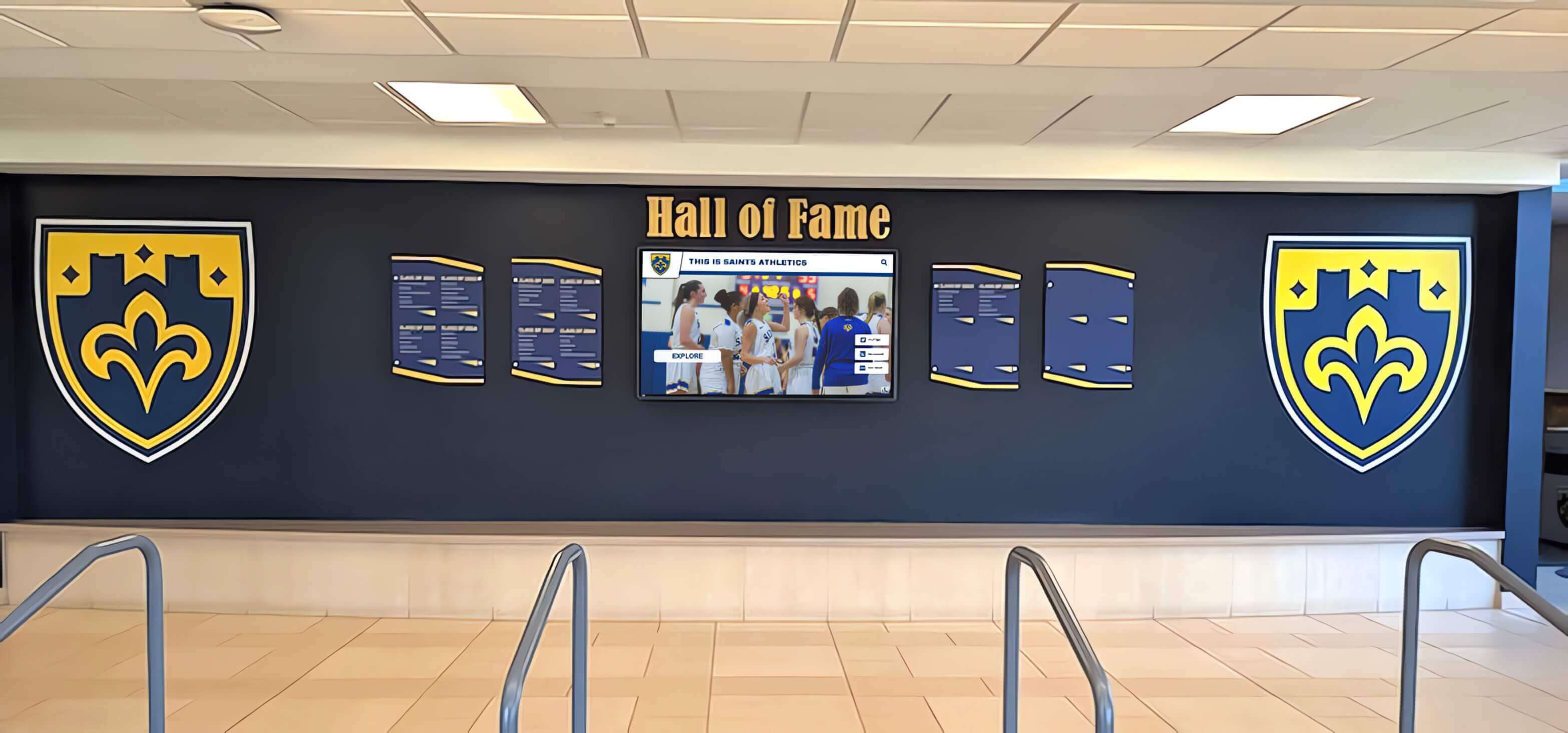
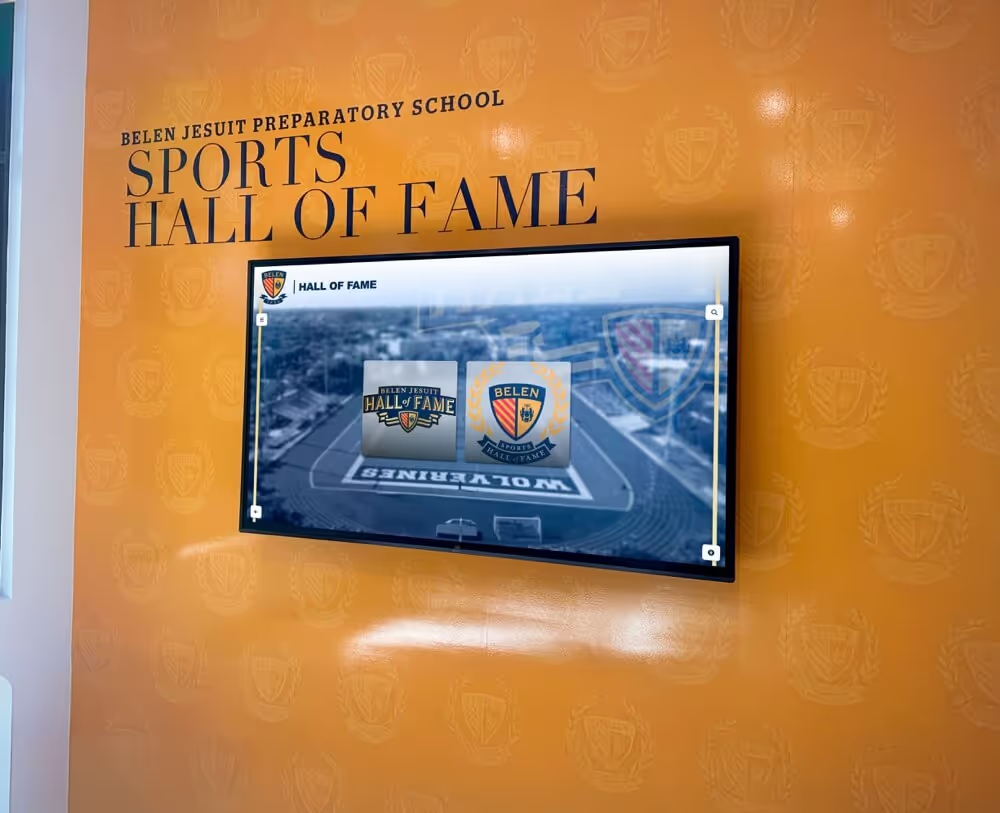
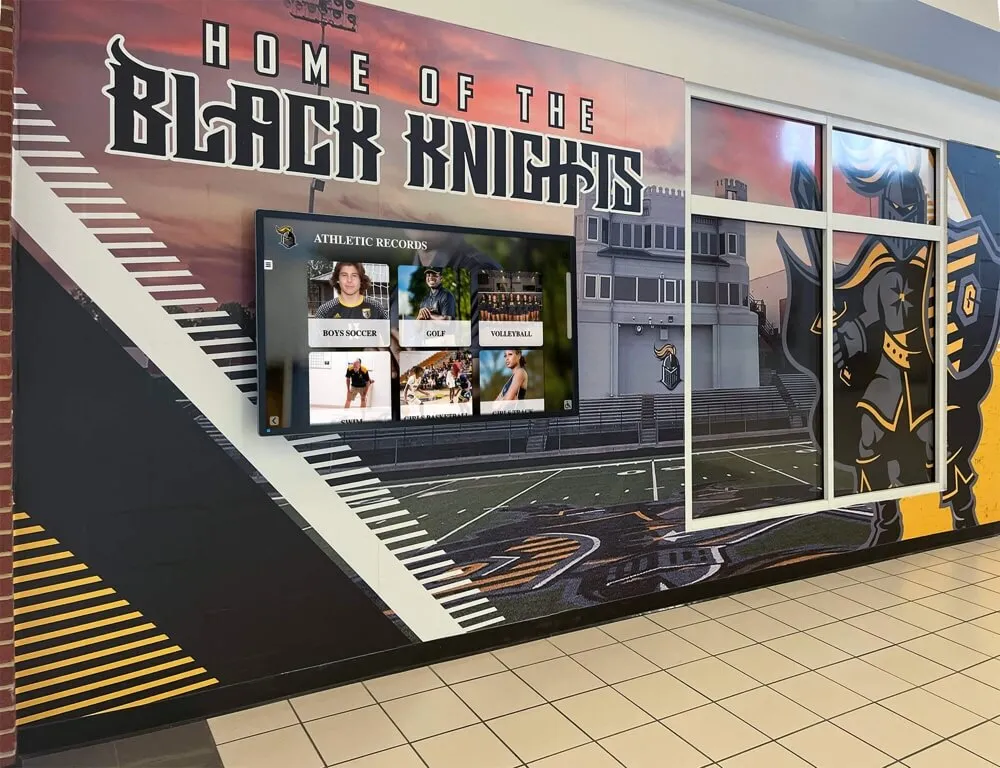
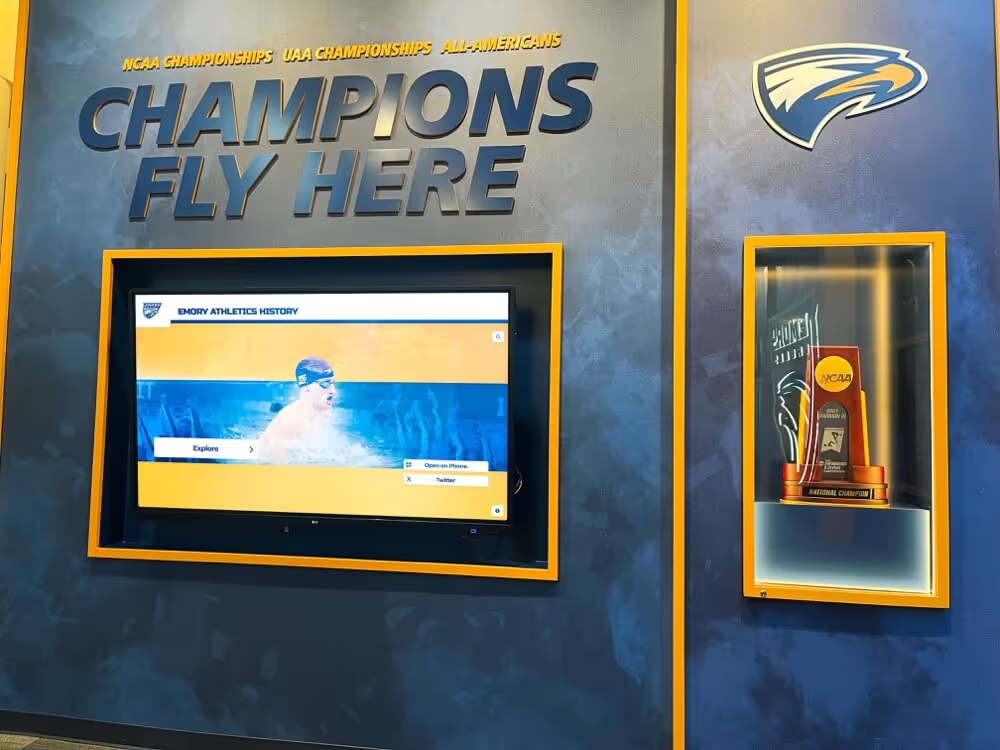
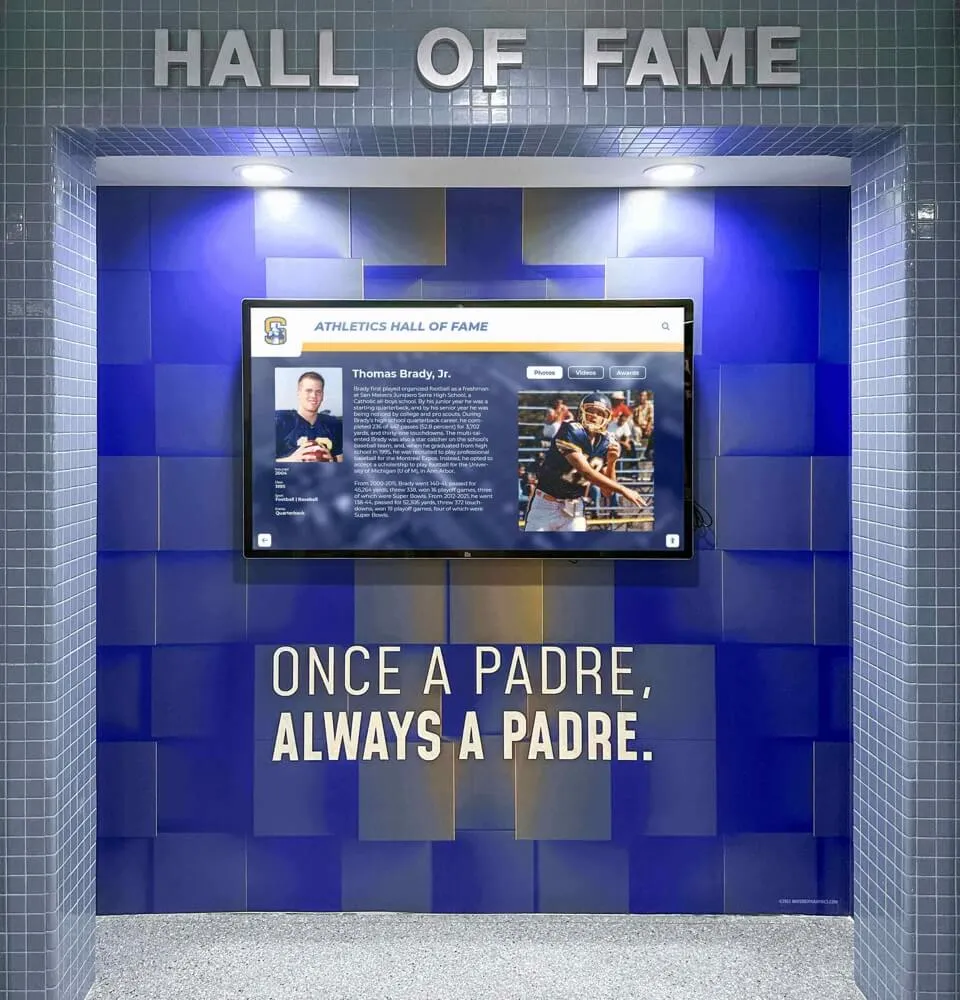
Athletic recognition displays celebrate team achievements and individual excellence documented in yearbooks
14. Global and Cultural Themes
Diverse schools or those emphasizing global citizenship showcase these priorities through internationally-minded themes.
Theme Examples:
- “Citizens of the World” - Emphasizing global perspectives
- “Bridges Not Walls” - Highlighting connection across differences
- “Mosaic of Cultures” - Celebrating diversity creating collective beauty
- “One World, Many Stories” - Honoring diverse experiences in shared space
- “Breaking Boundaries” - Transcending limitations and divisions
- “Universal Language” - Finding common ground across differences
Visual Elements: World maps, cultural patterns and symbols, diverse representation, international flags or imagery, language and translation references, global connectivity graphics
15. Service and Impact Themes
Schools prioritizing community service and social responsibility reflect these values through service-oriented themes.
Theme Examples:
- “Changing the World” - Emphasizing impact and contribution
- “Leave It Better” - Improving communities through service
- “Ripple Effect” - Small actions creating large impacts
- “Hands and Hearts” - Combining action with compassion
- “Purpose Driven” - Living with intention and meaning
- “Building Tomorrow” - Creating better futures through current actions
Visual Elements: Hands and service imagery, community photography, cause and advocacy graphics, before-and-after impact documentation, volunteer action shots
School-Type Specific Considerations for Yearbook Themes
Different school types face unique considerations when selecting yearbook themes that authentically represent their communities.
Elementary School Yearbook Themes
Elementary themes should feel age-appropriate while remaining meaningful to young students and their families.
Considerations:
- Simple concepts easily understood by young children
- Colorful, playful visual approaches
- Heavy emphasis on growth and learning
- Extensive photo coverage since many families treasure these early years
- Themes that won’t feel childish when revisited as adults
Example Elementary Themes:
- “Growing and Glowing” - Celebrating development and achievement
- “Every Day is an Adventure” - Framing school as exciting exploration
- “Plant Seeds of Kindness” - Growth metaphors with character emphasis
- “Read, Learn, Shine” - Action trilogy appropriate to elementary priorities
Middle School Yearbook Themes
Middle school themes navigate the challenging balance between childhood and adolescence, acknowledging students’ growing maturity while remaining accessible.
Considerations:
- Avoid overly childish or too mature concepts
- Acknowledge social pressures and identity development
- Emphasize belonging and acceptance
- Balance humor with respect for sensitive developmental stage
- Create themes that won’t embarrass students when revisited later
Example Middle School Themes:
- “Finding Your Voice” - Emphasizing self-expression and development
- “The In-Between Years” - Acknowledging transitional nature
- “Discover Who You Are” - Identity exploration focus
- “Middle School Matters” - Validating significance of these years
Explore recognition programs that celebrate middle school student achievements across academics, athletics, and activities.
High School Yearbook Themes
High school themes can embrace more sophisticated concepts while accommodating diverse student interests and maturity levels across grade levels.
Considerations:
- Balance senior focus with inclusion of all grade levels
- Acknowledge both school traditions and contemporary relevance
- Create themes working across all activities from athletics to academics to arts
- Consider long-term perspective—what will still resonate at reunions decades later?
- Provide flexibility for creative interpretation across different sections
Example High School Themes:
- “This Is Our Time” - Claiming ownership of this moment in history
- “Tradition Meets Tomorrow” - Honoring past while embracing future
- “Define Your Story” - Empowering students as authors of narratives
- “Remember When” - Nostalgic approach honoring shared memories
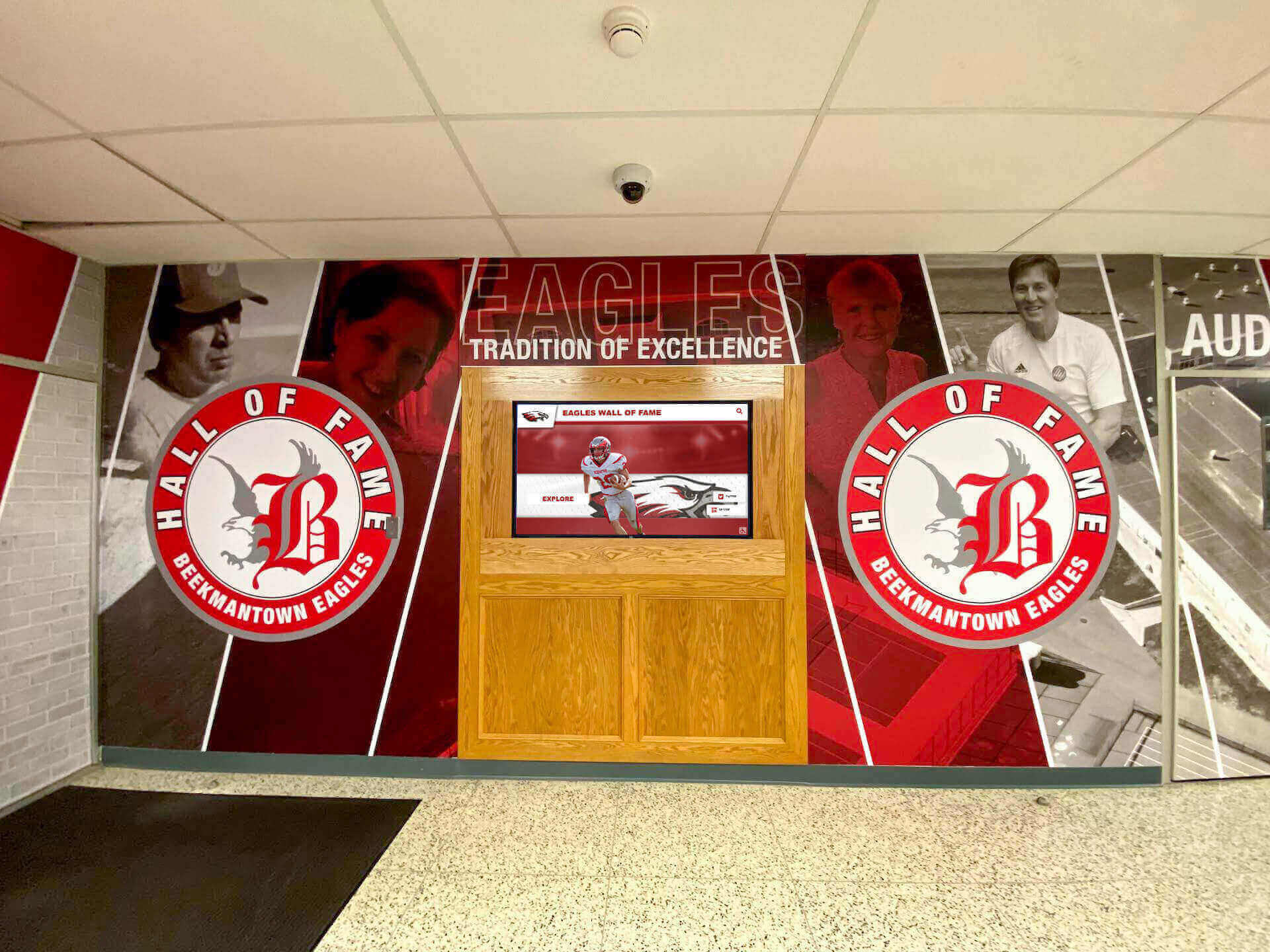
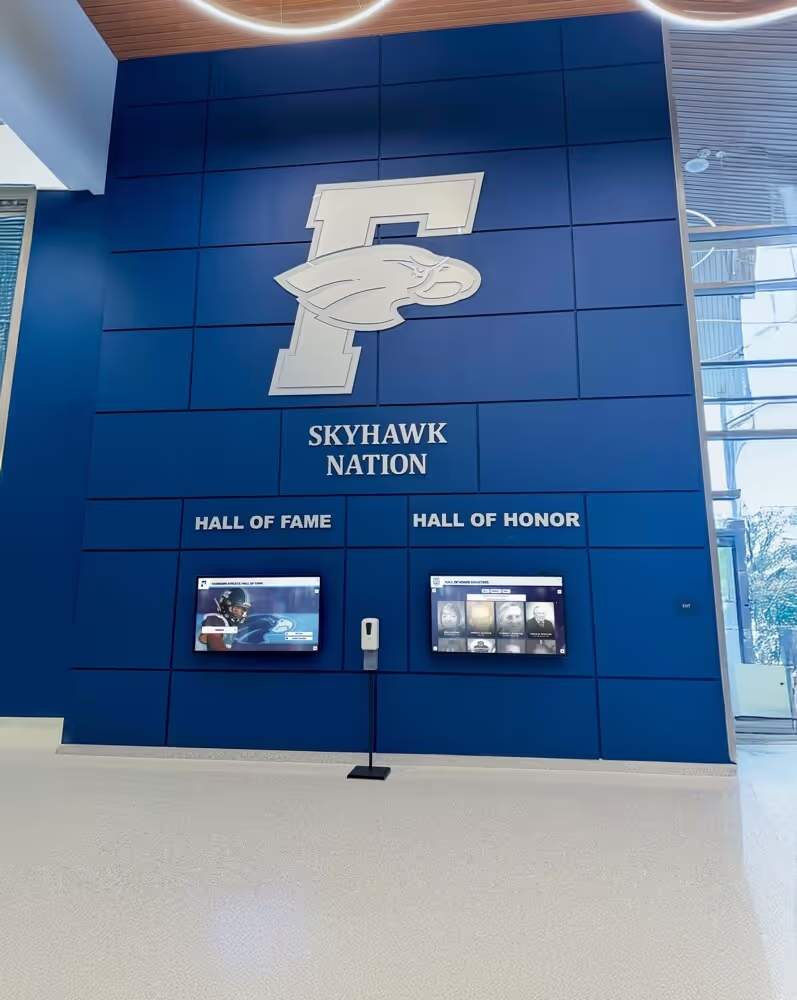
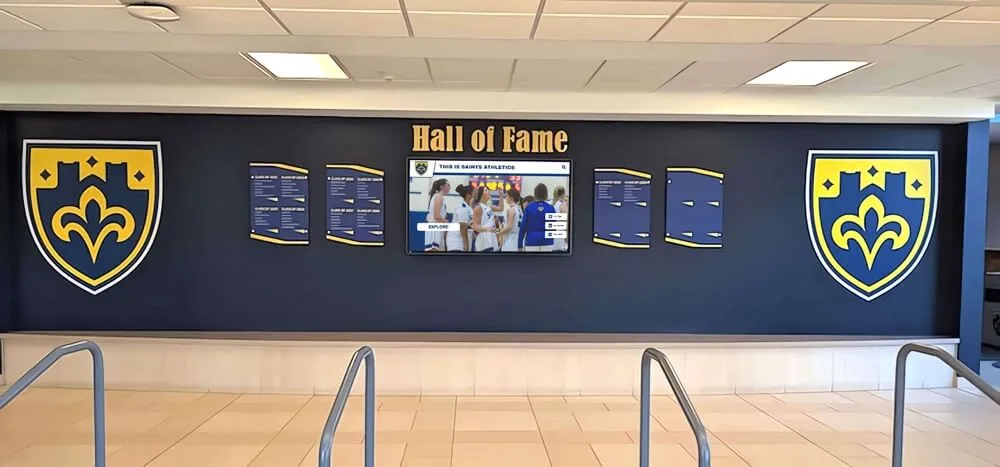
School recognition displays preserve yearbook memories through permanent installations celebrating traditions
How to Choose the Perfect Yearbook Theme: Strategic Framework
Moving from possibilities to decisions requires systematic evaluation ensuring themes align with school community needs and yearbook goals.
Step 1: Assemble Your Theme Selection Committee
Include diverse perspectives in theme selection through student representatives from various grades, activities, and social groups; yearbook staff and advisors who’ll execute the theme; administration providing school priorities perspective; and optionally parents or alumni offering external viewpoints.
Diverse input prevents themes feeling exclusive to particular student subgroups while ensuring selected concepts resonate broadly across your school community.
Step 2: Assess Your School’s Unique Identity
Effective themes reflect authentic school characteristics including distinctive programs or academic emphases, strong traditions or historical elements, demographic makeup and cultural characteristics, school values and mission priorities, current challenges or growth areas, and notable events or milestones occurring this specific year.
Themes that genuinely represent your school create stronger emotional resonance than generic concepts that could apply anywhere. Document what makes your school distinctive to guide theme evaluation.
Step 3: Evaluate Theme Criteria
Assess potential themes against multiple criteria including broad appeal across diverse students and activities, flexibility for interpretation across different sections, visual design possibilities and aesthetic potential, timelessness—will this still feel relevant in 20 years?, originality relative to recent yearbooks, feasibility given budget, timeline, and staff capacity, and connection to school identity and values.
Create simple scoring rubrics enabling systematic comparison rather than relying solely on subjective preferences which may advantage themes appealing to particular subgroups.
Step 4: Gather Student Input Through Surveys and Focus Groups
Student buy-in dramatically affects yearbook success. Gather input through online surveys offering multiple theme options, focus group discussions exploring reactions and preferences, social media polls generating quick feedback, hallway or cafeteria voting with theme sample posters, and class representatives bringing themes to advisory or homeroom discussions.
While committees retain final decision-making authority, meaningful student input increases engagement and ensures themes resonate with the community they’re meant to represent.
Step 5: Test Theme Flexibility Across Book Sections
Before finalizing themes, verify they work across all necessary sections including individual portraits and senior content, sports and athletic coverage, academic programs and classroom activities, clubs and organizations, special events and traditions, candid and lifestyle photography, and faculty and staff recognition.
Create sample spreads for different sections ensuring themes provide design direction without feeling forced or repetitive. Themes failing to work across all content categories create problems later requiring awkward workarounds.
Step 6: Consider Theme Longevity and Trends
Balance contemporary appeal with enduring relevance by avoiding overly specific pop culture references that quickly date, choosing concepts with emotional resonance beyond momentary trends, considering whether current students will still appreciate this in 20 years, and ensuring visual aesthetics won’t feel embarrassingly dated upon reflection.
Some contemporary references work well, but themes entirely dependent on specific celebrity references, memes, or slang may feel cringe-worthy faster than those with more universal foundations.
Step 7: Make Your Final Decision and Communicate It
Once selected, thoroughly communicate themes to all stakeholders including yearbook staff receiving detailed theme interpretation guidelines, student body through announcements, posters, and social media, faculty and staff who contribute content and support, parents through newsletters or school communications, and photographers and designers who’ll execute visual approaches.
Clear theme communication from the start ensures everyone understands the unifying concept guiding yearbook creation, improving content contributions and overall coherence.
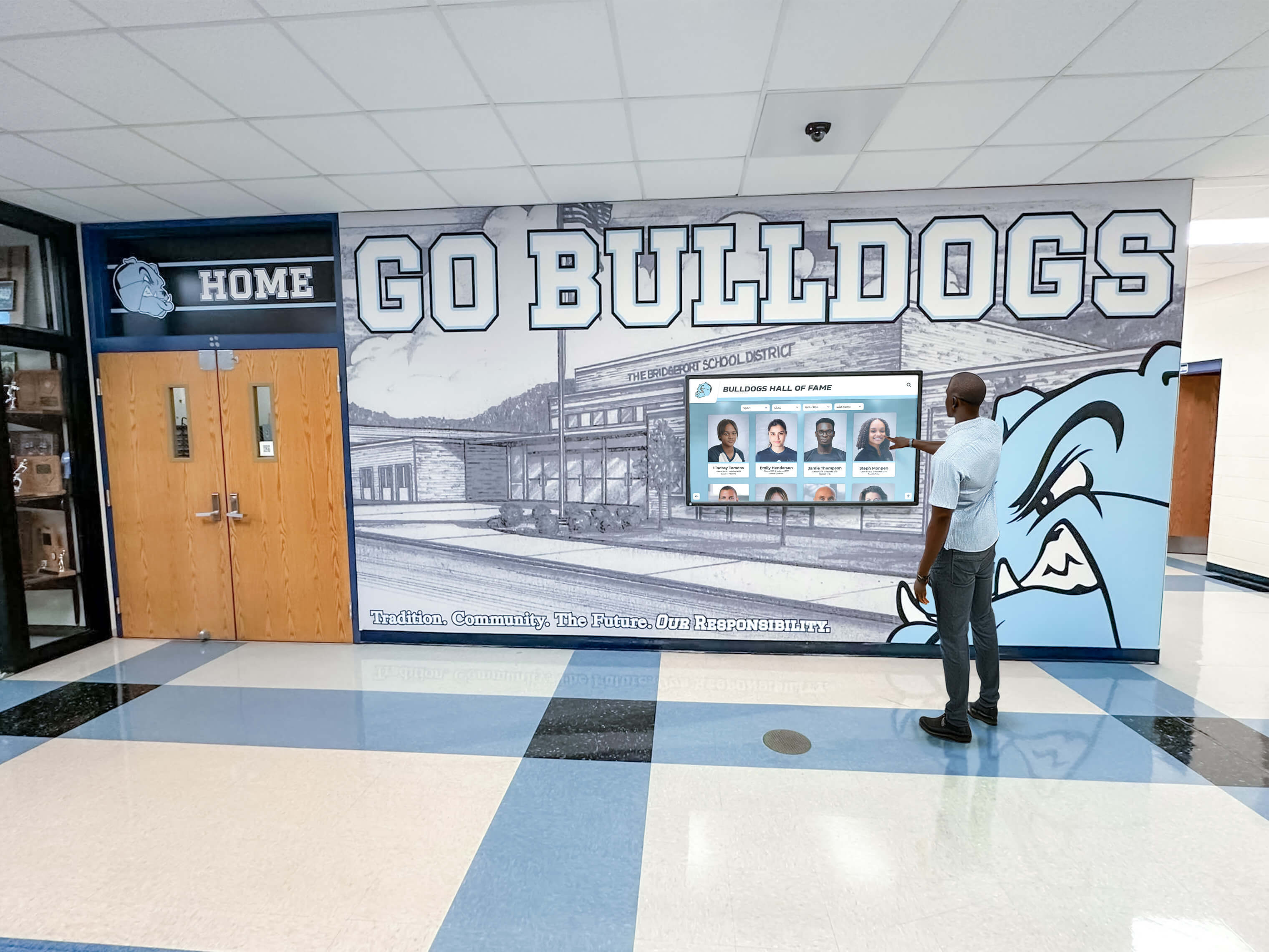
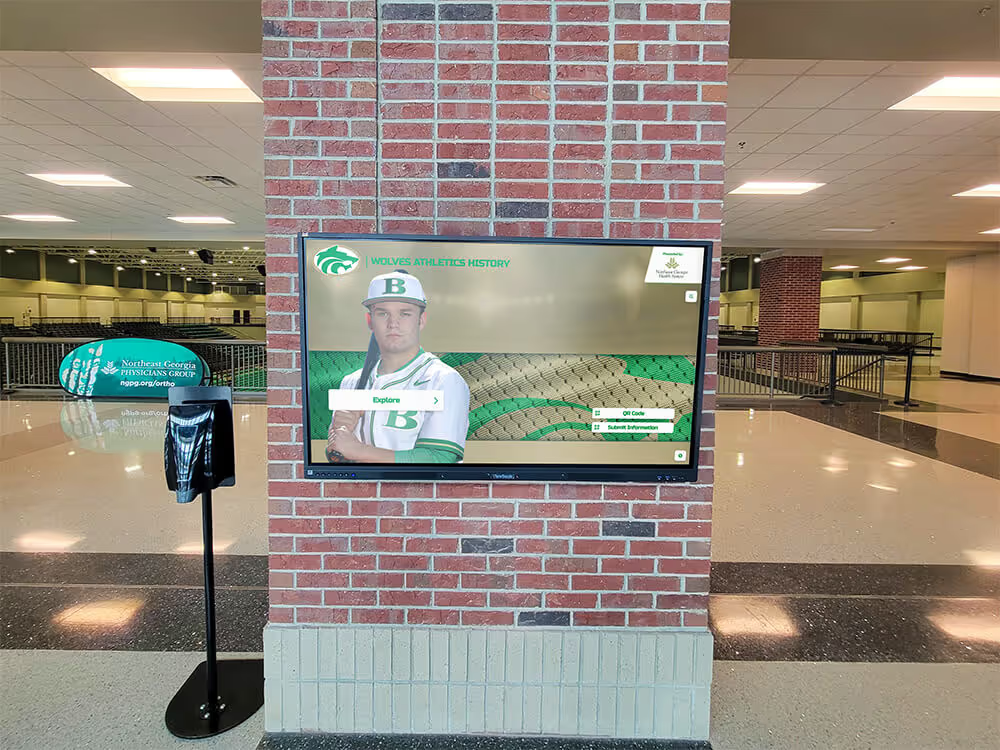
Interactive displays bring yearbook themes to life through engaging digital presentations of school history
Executing Your Yearbook Theme: Design and Content Strategies
Selecting great themes represents only the first step. Successful execution transforms concepts into cohesive visual and narrative experiences throughout finished yearbooks.
Create Comprehensive Theme Style Guides
Develop detailed style guides ensuring thematic consistency including color palette with primary and secondary colors, typography specifications for headlines, body text, and decorative fonts, graphic elements and iconography associated with theme, page layout templates for different content types, photography style guidance for student photographers, and section divider approaches maintaining visual flow.
Distribute style guides to all yearbook contributors ensuring everyone works from consistent frameworks rather than improvising potentially inconsistent interpretations.
Develop Creative Section Titles Reflecting Themes
Generic section names like “Sports” or “Clubs” miss opportunities for thematic reinforcement. Develop creative section titles connecting to themes while remaining intuitive regarding content.
For example, a journey theme might rename sections “Departures” for fall activities, “Waypoints” for winter, “Destinations” for spring, and “The Road Ahead” for senior content. A technology theme could use “System Start” for fall, “Software Updates” for winter, “Full Functionality” for spring, and “Next Generation” for seniors.
Creative titles strengthen thematic cohesion while making yearbooks more engaging to browse and explore.
Design Distinctive Opening and Closing Sections
Opening sections establish themes immediately through powerful imagery and theme introduction, initial color and design language, table of contents reflecting thematic organization, and opening spreads capturing theme essence visually and verbally.
Closing sections provide satisfying conclusions through senior farewells and reflection, theme callbacks and conclusion, index designed thematically rather than purely functionally, and final spreads leaving readers with powerful lasting impressions.
Thoughtful opening and closing bookends frame entire yearbooks while reinforcing thematic unity from first to last pages.
Use Photography to Reinforce Themes
Photography represents yearbooks’ primary content. Align photographic approaches with themes through directional photography sessions capturing themed images, candid coverage with thematic visual language awareness, portrait styling complementing overall aesthetics, photo treatment and editing reinforcing color palettes, and caption writing connecting images to thematic concepts.
Photography working in harmony with themes creates significantly more cohesive books than disconnected images forcing designers to retrofit thematic elements during layout.
Integrate Theme Throughout All Content Types
Themes should permeate every yearbook element including headlines connecting to thematic language, quotes selected for thematic relevance, captions reinforcing conceptual frameworks, sidebar content expanding thematic ideas, statistics and data presentations using thematic design, and advertisement designs complementing rather than conflicting with overall aesthetics.
Comprehensive integration prevents themes from feeling superficial or limited to opening sections with remaining content ignoring established concepts.
Create Interactive and Multimedia Theme Extensions
Modern yearbooks increasingly incorporate technology extending themes beyond print including QR codes linking to video content expanding stories, social media hashtags creating community conversation, online galleries complementing print photography, augmented reality features bringing pages to life, and companion websites or apps extending yearbook content digitally.
These multimedia extensions particularly appeal to students accustomed to digital experiences while providing additional engagement opportunities beyond traditional print formats.
Discover how digital recognition displays extend yearbook memories through interactive school installations.
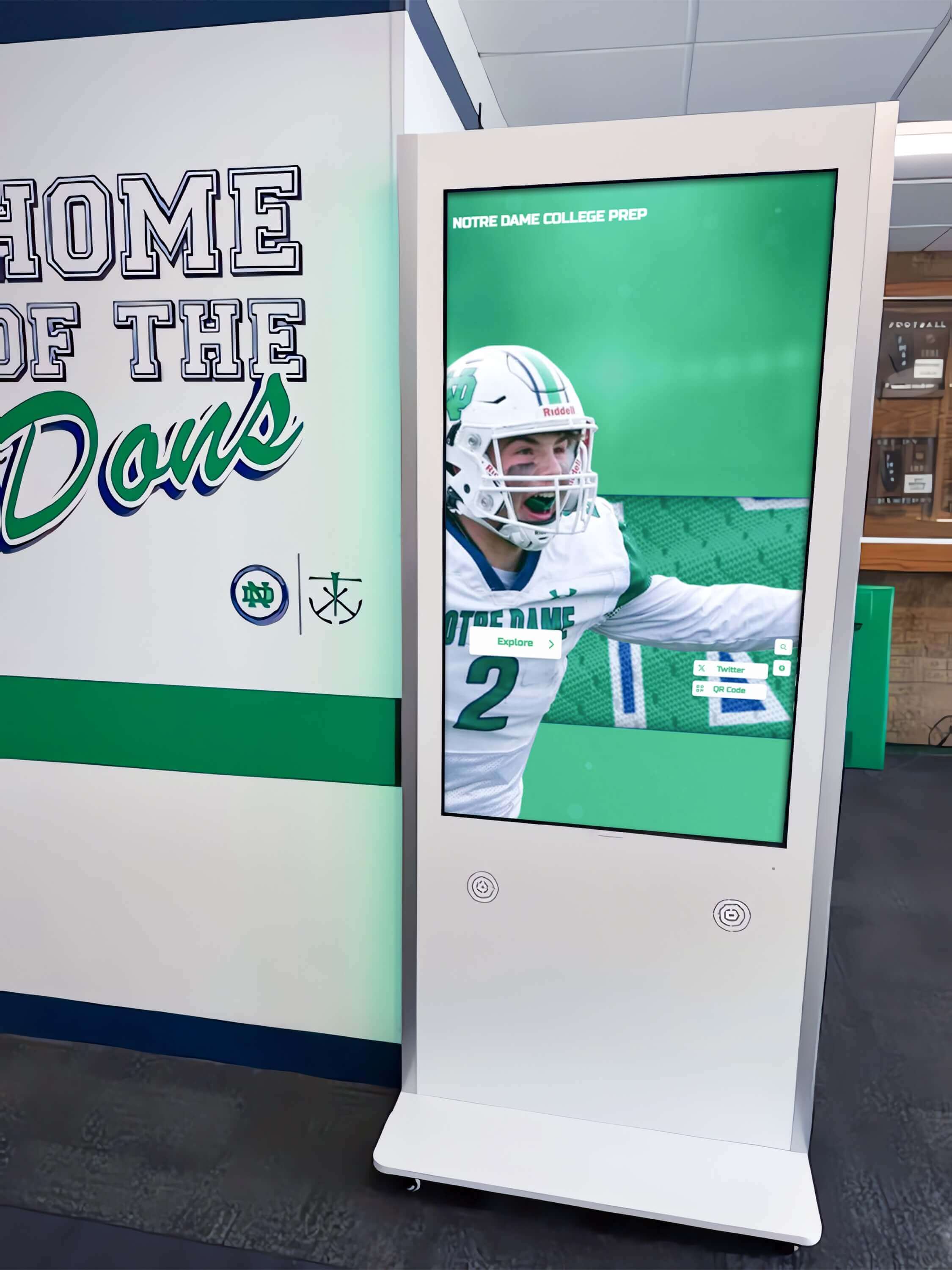
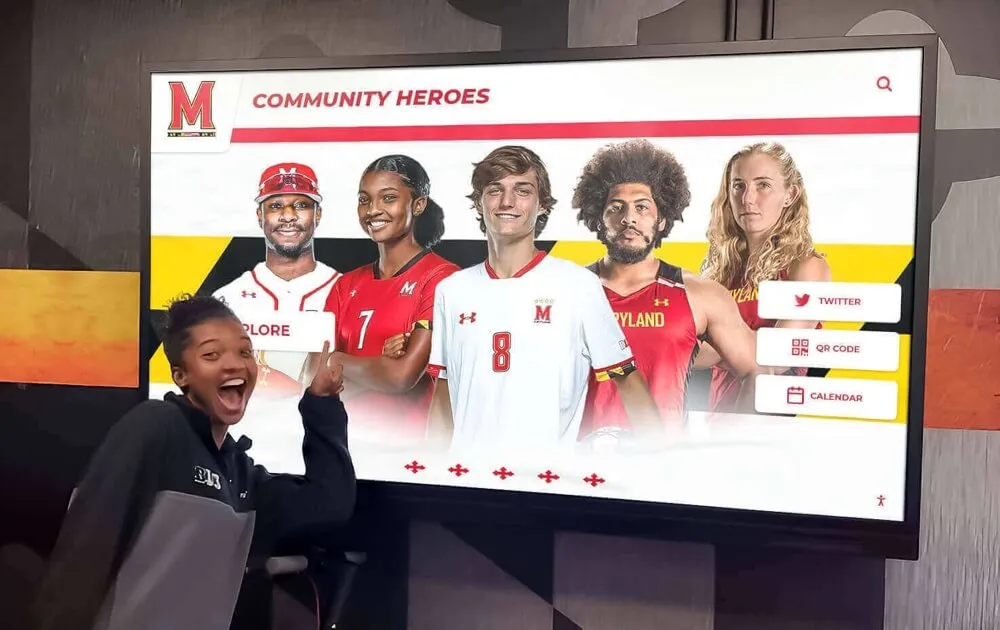
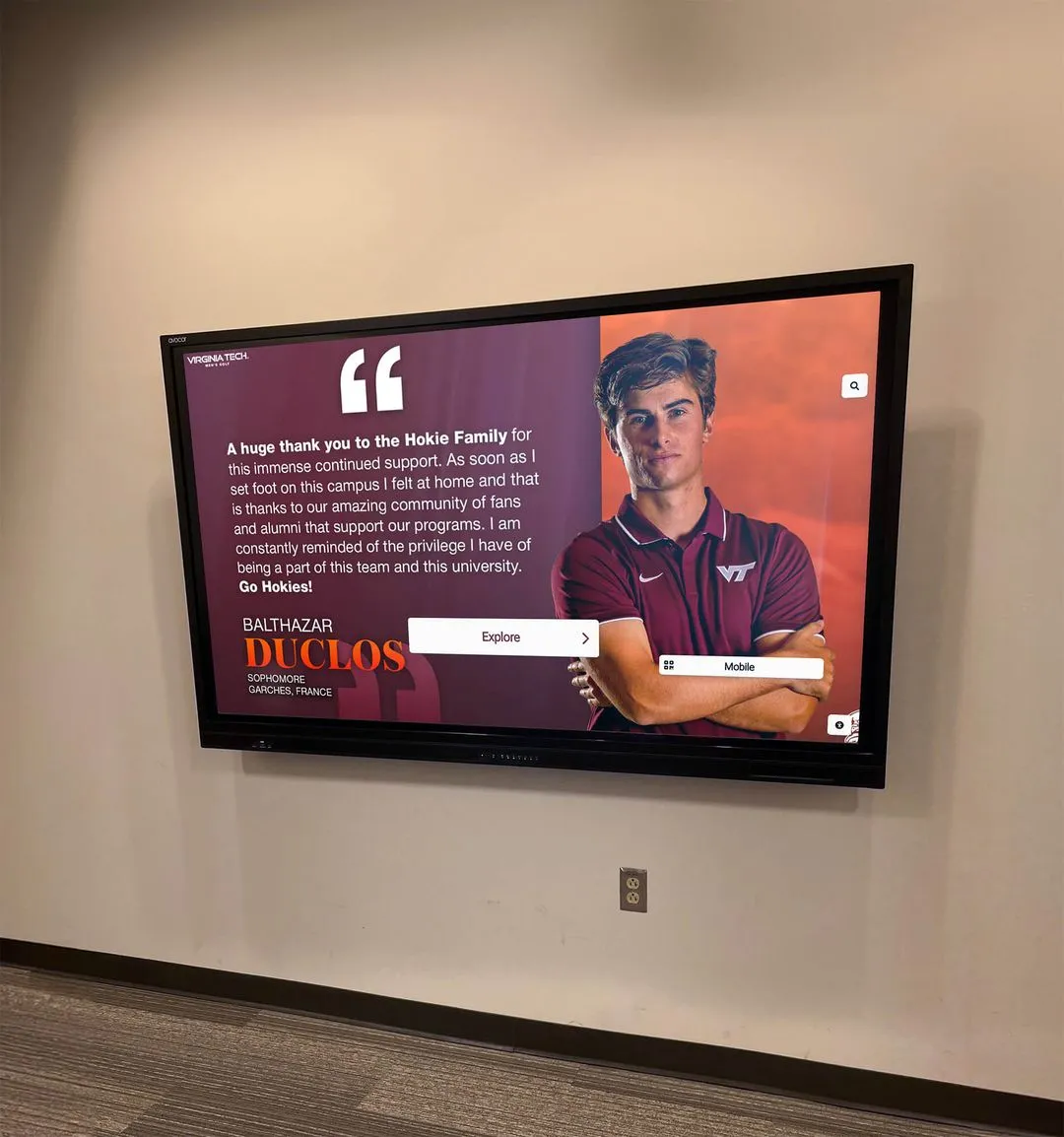
Digital displays complement print yearbooks by providing interactive access to expanded content and memories
Common Yearbook Theme Pitfalls and How to Avoid Them
Understanding typical mistakes helps committees prevent problems undermining thematic effectiveness and yearbook success.
Pitfall 1: Themes Too Narrow for Diverse Content
Problem: Highly specific themes may work beautifully for some content while feeling forced or irrelevant for other necessary sections.
Solution: Test themes across all required content categories before committing. Ensure athletic, academic, artistic, and activity coverage can all authentically connect to selected concepts without awkward stretching.
Pitfall 2: Overly Trendy Themes That Quickly Date
Problem: Themes heavily dependent on specific pop culture moments, viral trends, or current slang may feel embarrassingly dated when reviewed just a few years after publication.
Solution: Choose themes with emotional and conceptual foundations beyond momentary trends. If incorporating contemporary references, use them as accent elements rather than entire thematic foundations.
Pitfall 3: Themes Inconsistently Applied Throughout Books
Problem: Strong thematic openings that disappear halfway through books when designers run out of ideas or lose enthusiasm create disconnected, unprofessional results.
Solution: Develop comprehensive style guides and section plans before beginning layout. Assign theme maintenance responsibility to specific editors ensuring consistency throughout the process.
Pitfall 4: Visual Clutter Overwhelming Thematic Focus
Problem: Excessive decorative elements, fonts, colors, and graphics intended to reinforce themes can create overwhelming visual noise making content difficult to access.
Solution: Exercise design restraint. Strong themes require enough visual reinforcement for recognition without overwhelming actual content. When in doubt, prioritize clarity and readability over additional thematic decoration.
Pitfall 5: Themes That Exclude or Alienate Student Groups
Problem: Themes reflecting only particular interests, activities, or student subcultures may make other community members feel their experiences don’t belong or aren’t valued.
Solution: Involve diverse students in theme selection. Test potential themes with representatives from different activities, grade levels, and social groups. Choose inclusive concepts acknowledging varied experiences within school communities.
Pitfall 6: Insufficient Budget or Resources for Ambitious Themes
Problem: Complex themes requiring extensive custom design work, specialized printing techniques, or professional photography may exceed available budgets creating financial stress or forcing compromise undermining original vision.
Solution: Honestly assess resources during theme selection. Choose concepts achievable within known constraints rather than requiring unexpected additional funding. Better to execute simpler themes excellently than compromise ambitious concepts poorly.
Preserving Yearbook Memories Beyond the Physical Book
Modern technology offers opportunities to extend yearbook memories beyond traditional print formats, creating lasting access for students, families, and alumni.
Digital Yearbook Archives and School History Displays
Schools increasingly create digital yearbook archives allowing online access to current and historical yearbooks. These digital collections preserve deteriorating older yearbooks while making content accessible to alumni unable to visit school facilities.
Solutions like Rocket Alumni Solutions provide comprehensive platforms for digitizing and displaying yearbook content alongside other school history through interactive touchscreen displays installed in school lobbies and common areas.
These digital installations complement physical yearbooks by enabling visitors to browse historical content, search for specific individuals or years, and explore school history and traditions documented across decades of yearbooks.
Social Media and Online Community Extensions
Many schools create social media hashtags or online platforms enabling students to share additional photos and memories beyond those included in printed yearbooks. These digital extensions acknowledge the reality that schools capture far more content than physical yearbooks can accommodate.
Online platforms also enable alumni to reconnect with classmates and share yearbook memories years or decades after graduation, extending yearbooks’ community-building functions beyond initial publication.
Interactive Recognition Displays Celebrating Student Achievement
Beyond general yearbook content, many schools create dedicated recognition displays celebrating student achievements documented in yearbooks including academic honors and scholarship recognition, athletic accomplishments and team championships, arts achievements and performance highlights, club leadership and organizational involvement, and community service and citizenship awards.
Explore comprehensive approaches to student recognition programs that complement yearbook documentation.
Graduation and Senior Recognition Connecting to Yearbook Themes
Senior recognition displays can incorporate yearbook themes, creating cohesive celebration of graduating classes. Schools often feature senior photos and profiles from yearbooks in prominent lobby displays during graduation season, complementing yearbook distribution with public celebration of this milestone.
Learn about creative senior recognition approaches that align with yearbook themes.
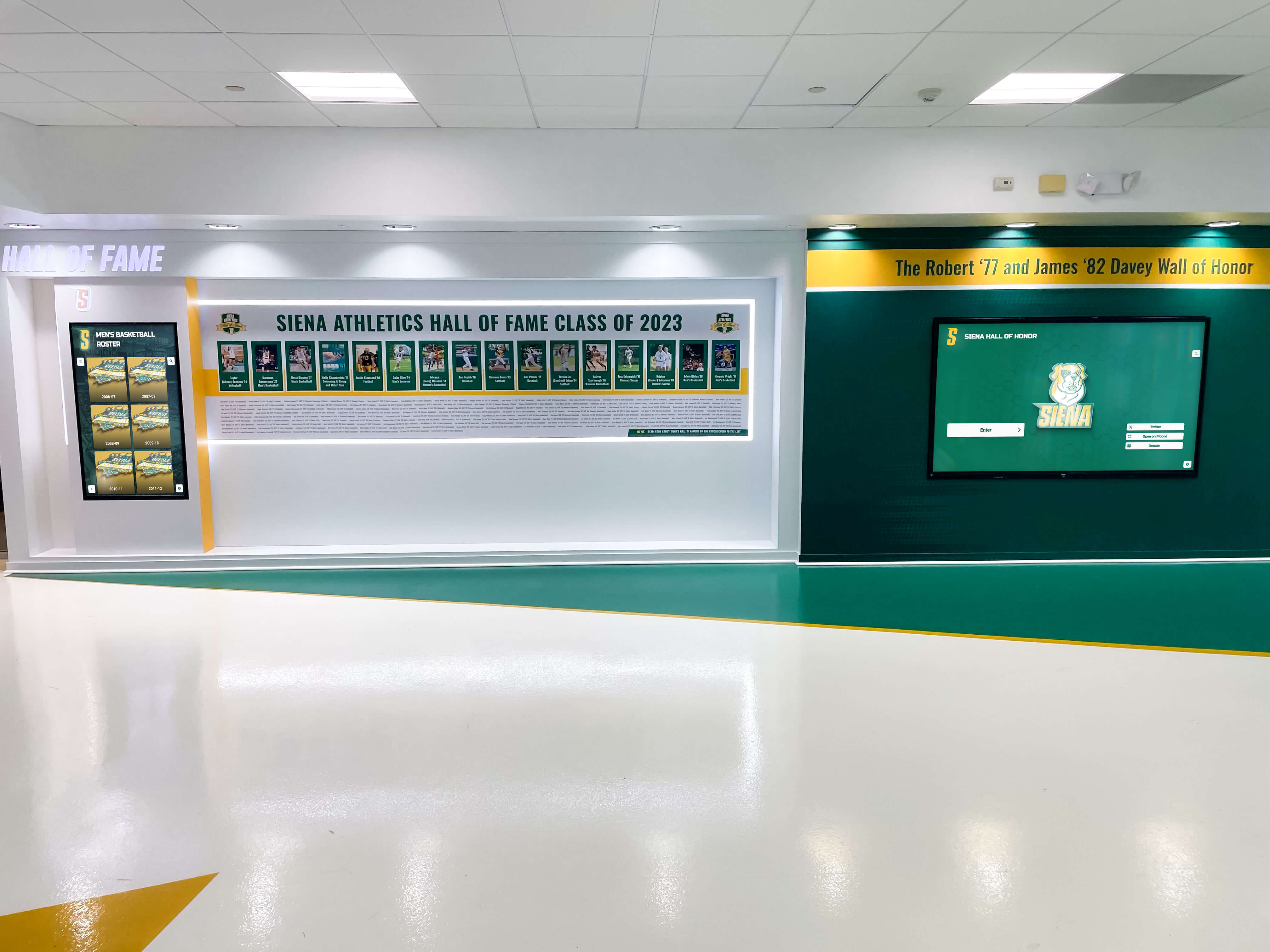
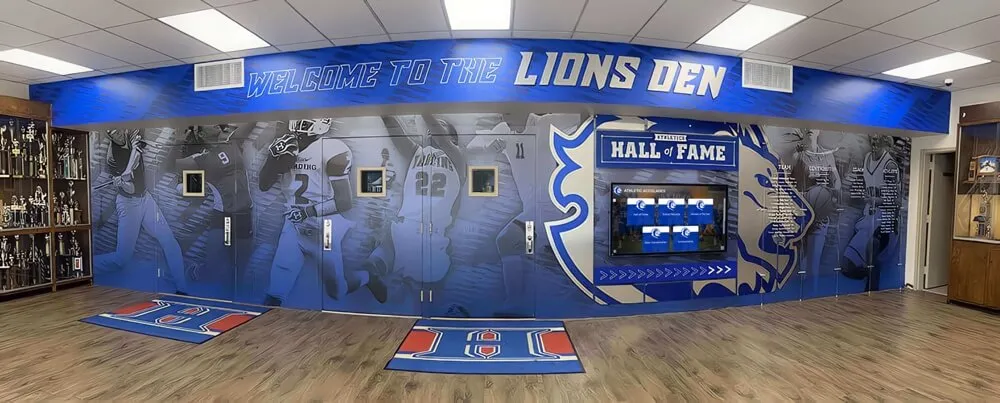
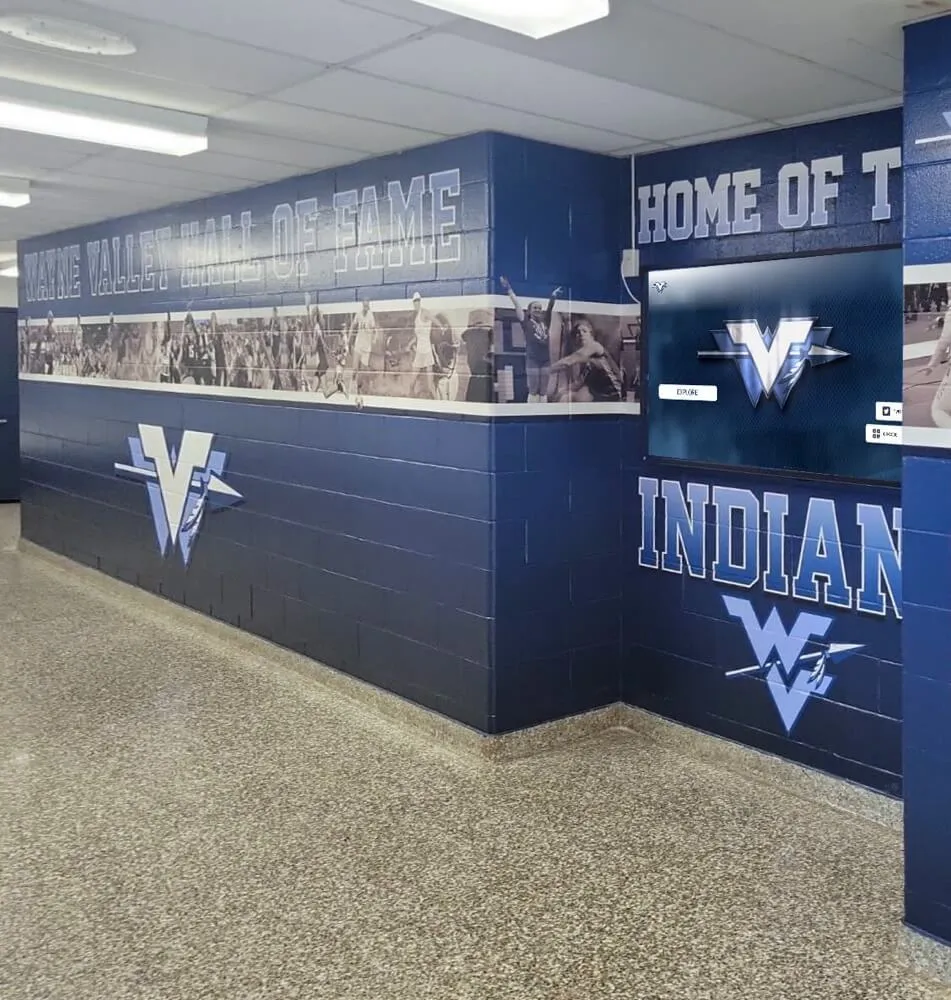
Recognition walls preserve yearbook memories through permanent displays celebrating school traditions and achievements
Conclusion: Creating Yearbook Themes That Become Treasured Time Capsules
The most successful yearbook themes transform collections of photographs and text into cohesive narratives that students treasure throughout their lives. When themes authentically reflect school communities, accommodate diverse experiences, and receive thoughtful execution throughout all book sections, yearbooks become more than simple documentation—they become art that captures what it means to be part of your school during this specific year.
The theme ideas and strategies explored in this guide provide comprehensive frameworks for creating yearbooks that honor every student, celebrate your school’s distinctive identity, and result in books that graduates will actually revisit decades after receiving them. From classic journey metaphors to contemporary digital concepts, from elementary school simplicity to high school sophistication, the right theme exists for every school community willing to invest thought and care in selection and execution.
Preserve Your School's Stories Beyond the Yearbook
Discover how interactive digital displays can extend your yearbook themes throughout your school, creating engaging recognition experiences that celebrate students, preserve memories, and build lasting school pride. Modern technology enables you to showcase yearbook content, student achievements, and school history through touchscreen displays that bring memories to life.
Explore Digital Recognition SolutionsFinal Recommendations
As you move forward with yearbook theme selection and execution, remember these essential principles:
Start Early and Involve Stakeholders Begin theme planning months before actual yearbook production starts. Early selection provides time for comprehensive style guide development, staff training, and photography direction aligned with chosen themes.
Prioritize Authenticity Over Trends Choose themes genuinely reflecting your school community rather than concepts seeming popular or impressive but lacking authentic connection to students’ actual experiences. Authenticity creates emotional resonance making yearbooks meaningful rather than merely decorative.
Balance Creativity With Clarity While creative interpretation strengthens themes, never sacrifice content clarity or accessibility for thematic ambition. Readers should easily navigate yearbooks and access information without thematic elements creating confusion or obstruction.
Plan for Comprehensive Execution Commit to maintaining thematic consistency throughout entire yearbooks rather than allowing themes to peter out midway through. Develop section-by-section plans ensuring every spread reinforces rather than ignores established concepts.
Extend Beyond the Physical Book Consider how themes can extend into school culture beyond printed yearbooks through social media engagement, recognition displays, graduation ceremonies, and digital platforms ensuring memories remain accessible and celebrated throughout school communities.
Your yearbook theme represents far more than a creative design choice—it shapes how students will remember and understand this chapter of their lives for decades to come. Students who feel genuinely seen and celebrated in yearbooks develop stronger connections to school communities while creating keepsakes they’ll treasure through adulthood. With thoughtful selection, comprehensive planning, and committed execution, you can create yearbooks that become beloved time capsules worth revisiting throughout graduates’ entire lives.
Ready to begin? Explore comprehensive school recognition strategies that complement yearbook themes, or discover innovative approaches to preserving school history that ensure these memories remain accessible for future generations.