Booster Clubs
- Home /
- Categories /
- Booster Clubs

Booster Club Three-Way Match Policy: Verify Purchase Orders, Receipts, and Invoices
A booster club three-way match policy is a financial control that requires the program to verify three documents—the purchase order, the receiving record or receipt, and the vendor invoice—against each other before any payment is released. All three must agree on vendor identity, item description, quantity, and price. When they match, payment proceeds. When they do not, payment is held until the discrepancy is investigated and resolved.
Read More
Booster Club Stale-Dated Check Policy: Review, Reissue, and Recordkeeping Steps
A booster club stale-dated check policy defines how the program identifies checks that have remained outstanding beyond the point at which banks typically honor them, what steps the treasurer must follow to void and reissue those checks when appropriate, and what recordkeeping and unclaimed property obligations apply when a payee cannot be located or does not respond. Without a written policy, stale checks accumulate silently in the outstanding-check list, distort the program’s reconciled cash balance, and create unclaimed property liability that can result in state penalties long after an officer who issued the check has moved on.
Read More
Booster Club Budget Amendment Policy: Approval Steps and Documentation
A booster club budget amendment policy defines the conditions under which the approved annual budget may be modified mid-year, the board approval thresholds required for each amendment tier, and the documentation the treasurer must produce before and after any change is recorded. Without a written policy, mid-year spending adjustments often occur informally—a verbal approval at a board meeting that is never captured in minutes, a line-item shift that the full board never sees, or an emergency expenditure that outpaces available funds without any amendment record. A formal policy prevents all three by making the amendment process predictable, transparent, and auditable for every stakeholder including sponsors, donors, and district oversight teams.
Read MoreBooster Club Dissolution Plan Checklist: Close Accounts, Transfer Assets, and Preserve Records
A booster club dissolution plan checklist gives volunteer boards a structured, legally sound pathway for closing the organization without exposing individual officers to liability, stranding restricted funds, or losing the recognition assets—trophies, donor records, hall of fame materials, and dedication plaques—that represent years of community investment. Organizations that dissolve without a plan often discover afterward that bank accounts were left open, final IRS returns were never filed, or award records that should have transferred to the school were discarded instead. A written plan prevents all three.
Read More
Booster Club Payment Approval Matrix: Set Clear Limits, Roles, and Evidence Requirements
A booster club payment approval matrix is a written authorization table that maps every spending tier to a specific officer role, a minimum approval count, and a defined set of required documents before any payment is released. It answers three questions simultaneously: who can approve this amount, what evidence must exist before the approval is valid, and when does a second signature or a full board vote become mandatory. Programs that operate without a written matrix depend on informal precedent—which produces inconsistent approvals, gaps that auditors flag, and sponsor relationships that erode when commitment fulfillment cannot be documented.
Read More
Booster Club Petty Cash Reconciliation Checklist: Count, Approve, and Archive Every Expense
A booster club petty cash reconciliation checklist is a step-by-step control document that governs how the petty cash fund is counted, verified against receipts and vouchers, approved by a second officer, replenished, and archived after every reconciliation cycle. Without that documented sequence, petty cash becomes the most opaque line item in an athletic program’s budget—small enough to escape scrutiny, frequent enough to accumulate into meaningful gaps, and informal enough to leave no audit trail when an officer transition exposes unresolved discrepancies.
Read More
Booster Club Gift Card Policy: Approval, Tracking, and Sponsor Stewardship Safeguards
A booster club gift card policy is a written governance document that defines when gift cards may be purchased with organizational funds, who must approve each purchase, what tracking records are required for every card issued, and how distributions are documented to satisfy IRS requirements. Because gift cards are cash equivalents—redeemable for value with no inherent restriction on use—they carry the same documentation burden as petty cash disbursements and cannot be governed by the same informal approvals that cover ordinary supply purchases.
Read More
Booster Club Wire Transfer Policy and Procedure: Approval Controls and Fraud Checks
A booster club wire transfer policy and procedure is a written set of rules that defines when wire transfers are permitted, who must approve them, and what verification steps must be completed before funds leave the account. Because wire transfers are irrevocable—once the bank executes the transfer, there is no standard dispute window to recover the funds—the policy must front-load every fraud check and approval step before the transfer is initiated. For booster clubs managing sponsor contributions, donor gifts, and program funds, a wire transfer without a documented dual-approval and verification workflow represents the highest-risk disbursement type in the organization’s entire payment process.
Read MoreBooster Club ACH Authorization Form: A Secure Payment Approval Workflow
A booster club ACH authorization form is the written agreement that permits a vendor, payment processor, or recurring payee to initiate Automated Clearing House debits from the club’s bank account. Without a signed authorization on file, those debits lack the legal foundation required by the National Automated Clearing House Association (NACHA) operating rules—and your bank has no documented basis to dispute an unauthorized pull. For booster clubs managing dues collection, recurring vendor payments, and donor pledge fulfillments, a properly structured ACH authorization form paired with a clear approval workflow closes one of the most common gaps in volunteer-run financial controls.
Read More
Booster Club PCI Compliance Checklist: Protect Online Dues, Donations, and Ticket Payments
A booster club PCI compliance checklist covers the steps required to satisfy the Payment Card Industry Data Security Standard (PCI DSS)—the set of security requirements that applies to any organization that accepts, processes, or transmits payment card data. For booster clubs collecting online dues, accepting digital donations, and selling event tickets through a web portal, PCI compliance is not optional. It is a condition of the merchant account that allows the club to accept card payments at all. This checklist walks through merchant classification, selecting the correct self-assessment questionnaire, securing online payment channels, and maintaining ongoing controls—organized so a treasurer with no prior PCI experience can work through each stage in sequence.
Read MoreBooster Club Positive Pay Checklist: Prevent Check Fraud Before Funds Leave the Account
A booster club positive pay checklist covers the setup steps, daily operating tasks, and exception review decisions required to use positive pay—a bank fraud-prevention service that matches checks presented for payment against a list of checks the organization actually issued. The match happens before the check clears. Checks that do not match generate an exception that the treasurer reviews and either approves or returns unpaid. That single gatekeeping step stops counterfeit checks, altered amounts, and unauthorized payments before they leave the account rather than after.
Read MoreBooster Club Annual Compliance Calendar: Filing, Insurance, Tax, and Renewal Deadlines
A booster club annual compliance calendar consolidates every recurring governance obligation—federal tax filings, state registration renewals, insurance policy renewals, donor acknowledgment deadlines, sponsor stewardship touchpoints, and recognition program milestones—into a single month-by-month reference so the board can plan ahead rather than react. Volunteer-led organizations that miss a Form 990 filing or allow a state charitable solicitation registration to lapse risk IRS penalties, automatic loss of tax-exempt status, and the inability to legally solicit donations in their state. Missing the 1099 deadline for a concession contractor or allowing the fidelity bond to expire mid-year creates personal liability exposure for individual officers.
Read More
Booster Club Certificate of Deposit Policy: Authorization, Liquidity, and Maturity Controls
A booster club certificate of deposit policy defines which officers are authorized to open or close a CD, establishes the minimum liquid reserve the organization must maintain before any funds may be committed to a time deposit, sets the process for monitoring and acting on maturity dates, and determines how donor-restricted funds are classified and reported when held in a CD. Programs that hold fundraising proceeds, major gifts, or reserve balances in certificates of deposit without a written policy risk unauthorized placements, inadvertent liquidity gaps that delay vendor payments, and auto-renewals that lock funds into unfavorable terms without board knowledge.
Read MoreBooster Club Cyber Insurance Checklist: Coverage Questions and Records to Review
A booster club cyber insurance checklist covers two parallel tasks: the coverage questions every board treasurer should ask a broker or insurer before binding a policy, and the internal records review that determines whether the organization’s current data practices qualify for the coverage it needs. Booster clubs collect more personally identifiable information than most volunteers realize—donor payment histories, sponsor contact files, online registration forms, and digital recognition databases all represent data a cyber incident can expose. A structured checklist ensures the board understands what it is insuring, what the policy actually covers, and what gaps remain after the policy is bound.
Read MoreBooster Club Internal Control Self-Assessment Checklist for School Athletics
A booster club internal control self-assessment checklist covers five control areas: cash receipts and deposits, cash disbursements and approvals, fundraising proceeds, sponsor fund management, and recognition program records. When a volunteer-led athletics organization completes the self-assessment before its annual year-end handoff, incoming officers inherit accurate balances, documented procedures, and verified recognition obligations rather than reconstructed records and unresolved questions.
Read MoreBooster Club Fixed Asset Register Template: Track Equipment, Displays, and Donated Property
A booster club fixed asset register template is a structured record that documents every long-lived tangible item the organization owns or holds—purchased equipment, recognition displays, technology systems, and property donated by parents or alumni—together with each asset’s acquisition date, cost or fair market value, physical location, condition, and current book value. Booster clubs that rely only on bank reconciliation and expense records have no reliable way to answer an auditor’s inventory question, complete Schedule D of Form 990, or hand off accurate organizational records to a new treasurer. A fixed asset register closes that gap by maintaining a permanent, updatable inventory that survives officer turnover, storage changes, and program growth.
Read MoreBooster Club 1099 Vendor Reporting Checklist: Collect W-9s and Prepare Year-End Filings
A booster club 1099 vendor reporting checklist is a dated, step-by-step control that guides the treasurer and board through every task required to identify reportable contractors, collect signed W-9s before payment is issued, track cumulative spending through the calendar year, and submit 1099-NEC and 1099-MISC forms to recipients and the IRS before January 31. Booster clubs that skip the checklist often discover in January that they paid an individual graphic designer, a freelance photographer, or a cash-paid event contractor more than $600 during the year without a W-9 on file—leaving the organization unable to complete the required filing accurately and on time. A written vendor reporting checklist converts that annual scramble into a predictable workflow that begins at the first vendor payment of the year, not the last week of January.
Read MoreBooster Club Stale Check Policy: A Step-by-Step Control for Outstanding Payments
A booster club stale check policy defines what the organization does when a check it has issued remains uncashed long enough that a bank may decline to honor it—typically six months from the issue date—and sets the outreach, documentation, and accounting steps that follow. Outstanding checks that are never cashed do not simply disappear: many states require organizations to report and remit unclaimed funds to the state after a defined dormancy period, and uncashed checks left in the reconciliation indefinitely distort the organization’s true cash position. A written stale check policy gives the board a consistent, repeatable procedure that protects individual officers from questions about unexplained outstanding items and keeps financial records accurate for audits, grant applications, and district reviews.
Read MoreBooster Club Fidelity Bond Requirements: Protect Funds and Strengthen Financial Oversight
Booster club fidelity bond requirements specify the minimum insurance coverage a school athletic support organization should carry to protect its treasury against dishonest acts by officers, volunteers, or employees who handle funds. Most governance frameworks recommend bonding any individual with access to the organization’s bank accounts, with coverage equal to the highest single-event cash receipt or the maximum balance held at any point during the fiscal year—whichever is greater. This guide explains what a fidelity bond covers, how to determine coverage amounts, how to obtain one, and why bonding is a foundational governance step for programs that manage donor and sponsor recognition commitments.
Read More
Booster Club Accounts Payable Aging Report: Track Bills Before They Become Problems
A booster club accounts payable aging report is a snapshot of every bill the organization owes, sorted into time buckets—typically 0–30 days, 31–60 days, 61–90 days, and 90-plus days—so the board can see at a glance which invoices are current, which are approaching their due date, and which are already overdue. For programs managing vendor payments across uniform orders, equipment purchases, event production, awards, and sponsor benefit fulfillments, the aging report is the single document that prevents a late payment from quietly becoming a relationship problem, a late fee, or a disputed deliverable.
Read MoreBooster Club Game Ticket Sales Report: Reconcile Revenue, Refunds, and Deposits
A booster club game ticket sales report reconciles every revenue channel from a single game—cash at the gate, digital pre-sales, season pass scans, complimentary admissions, and refunds issued—against the deposit sent to the bank. It answers four questions any treasurer, district auditor, or incoming officer will ask: how many tickets were sold through each channel, how much cash and digital revenue was collected, what was held back for refunds or comps, and whether the net deposit matches what the bank received. When that reconciliation closes cleanly after every home game, the program builds a financial record that supports end-of-season recognition reports, sponsor stewardship conversations, and district oversight reviews without requiring reconstructive investigation.
Read More
Booster Club Invoice Approval Workflow: Review Bills Before Payment
A booster club invoice approval workflow is a documented process that determines who reviews each incoming bill, what documentation must accompany it, and which officer can authorize payment at each dollar tier—before any check is written or electronic transfer is issued. The workflow closes the gap between receiving a vendor invoice and issuing payment: it ensures that every dollar spent has been reviewed against a purchase order or approval record, that the expenditure aligns with the organization’s budget, and that sponsor commitment deliverables—banners, display panels, trophy engravings, event signage—are confirmed before payment releases the organization’s documentation leverage.
Read MoreBooster Club Business Continuity Plan: Keep Finances, Events, and Sponsor Records Moving
A booster club business continuity plan is a written policy that describes how the organization keeps financial records, event commitments, sponsor obligations, and recognition assets accessible and operational when a key volunteer becomes unavailable, a primary system fails, a venue closes without notice, or a sudden officer departure leaves critical records with no designated holder. For most booster clubs, continuity planning is the document that transforms institutional knowledge from something that lives in one person’s head into something the organization actually owns.
Read More
Booster Club Lost Receipt Affidavit: Document Exceptions Without Weakening Controls
A booster club lost receipt affidavit is a signed, written statement that substitutes for a missing original receipt when a volunteer or officer cannot produce documentation for a legitimate organizational expense. It does not eliminate the documentation requirement—it replaces the missing physical document with a sworn attestation that records the vendor, amount, date, and business purpose, and requires a second officer’s approval before the expense can be closed.
Read More
Booster Club Fraud Response Plan: Investigate Losses and Protect Community Trust
A booster club fraud response plan is a written, step-by-step procedure that guides officers, athletic directors, and school administrators through the period between discovering a potential financial loss and reaching a documented resolution. When a treasurer resigns unexpectedly, a cash count comes up short, an account statement shows transactions no one authorized, or a community member raises a concern about missing funds, the organization’s first hours and days matter more than anything that follows. Evidence gets lost. Records get accessed by the wrong people. Key witnesses become unavailable. The decisions made—or not made—in that early window determine whether an investigation is recoverable.
Read MoreBooster Club Procurement Card Policy: Spending Limits for Awards, Events, and Display Purchases
A booster club procurement card policy is a written governance document that specifies who may hold an organization-issued purchasing card, what dollar limits apply to each category of program spending, what documentation is required before and after every transaction, and how charges flow through an approval process before payment is issued. Programs that put these controls in writing before issuing any card avoid the audit findings, unauthorized charges, and sponsorship credibility gaps that surface when procurement runs on informal practice rather than documented policy.
Read More
Booster Club Volunteer Waiver Form: Fields, Review Steps, and Recordkeeping
A booster club volunteer waiver form does three things at once: it collects the contact and emergency information that event coordinators need on the day of a fundraiser, documents the volunteer’s acknowledgment of activity-related risks, and creates a signed record that the school district and booster club board can retain for liability and insurance purposes. Programs that collect this documentation consistently before every volunteer event reduce administrative uncertainty and protect the organization, the school, and the volunteers themselves.
Read MoreBooster Club Event Cancellation Policy: Refunds, Sponsors, Donors, and Clear Communication
A booster club event cancellation policy defines what happens when a fundraiser, banquet, or tournament cannot proceed as scheduled: who receives a refund and on what timeline, what sponsors are owed in exchange for a commitment that was not fulfilled, how donors are informed when a recognition milestone tied to an event is delayed, and who is authorized to send each communication. Programs that document these decisions before a cancellation happens handle the situation in hours. Programs without a written policy spend weeks managing refund disputes, sponsor calls, and donor confusion while trying to plan the makeup event simultaneously.
Read More
Booster Club Document Destruction Policy: Retention Holds, Secure Disposal, and Proof
A booster club document destruction policy defines which records must be kept, for how long, when destruction must be suspended in response to a legal or audit hold, and how documents are disposed of securely when their retention period ends. Without a written policy, retiring officers face a recurring dilemma every time a leadership transition happens: which files to keep, which to shred, and whether the financial records from three seasons ago might still be needed for a district audit or donor dispute.
Read MoreBooster Club Monthly Financial Report Template: A Board-Ready Reporting Workflow
A booster club monthly financial report template gives the board a single, consistent document that shows income collected, expenses paid, restricted fund balances, and outstanding sponsor commitments—every month, in the same format, so every incoming officer can read it without retraining. Athletic directors, booster presidents, and school administrators who rely on verbal treasurer updates or ad-hoc spreadsheets discover the gap the same way: a board member asks how much is left in the scholarship fund, the sponsor who paid for a recognition display tier asks about the installation timeline, and nobody can produce the same answer twice.
Read More
Booster Club Related-Party Transaction Policy: Disclosure, Review, and Recognition-Safe Governance
A booster club related-party transaction policy governs what happens when the organization spends money with or directs contracts toward a vendor, service provider, or individual who has a personal or financial relationship with a board officer, committee chair, or immediate family member of either. Athletic directors, booster presidents, and school administrators who manage programs without a written policy discover the gap the same way every time: a parent volunteer raises a question about why a service contract went to a board member’s spouse, or a sponsor asks why their recognition display was installed by a company an officer has an ownership stake in—and no documented answer exists.
Read More
Booster Club Grant Policy: Eligibility, Approval, Tracking, and Recognition
A booster club grant policy defines which programs and individuals may apply for funds, who reviews and approves applications, how awarded funds are tracked through disbursement, and what recognition obligations the club incurs when a grant is tied to a named award, equipment purchase, or display installation. Athletic directors, booster leaders, and school administrators who manage grant programs without a written policy discover the gaps the same way: a disputed eligibility decision, an untracked disbursement, or a recognition commitment that no current officer can locate in writing.
Read MoreBooster Club Dual Signature Policy: Approval Rules for Checks and Electronic Payments
A booster club dual signature policy requires two authorized officers to approve any expenditure above a defined dollar threshold—on paper checks and on electronic payment authorizations alike. The practical effect is that no single officer can move money unilaterally: every payment above the threshold requires a second review before it clears. That two-step approval is the most commonly recommended financial control for volunteer-led organizations and the one most frequently cited in district governance reviews as either in place or conspicuously absent.
Read More
Booster Club Bank Reconciliation Checklist: Monthly Steps for Clean Financial Records
A booster club bank reconciliation checklist covers five monthly tasks: collecting the bank statement, matching each transaction to internal records, identifying and resolving discrepancies, documenting the completed reconciliation, and having a second officer review and sign off. When those five steps run on a consistent monthly schedule, the program builds a financial record that stands up to district review, supports sponsor renewal conversations, and protects every officer involved in handling club funds.
Read MoreBooster Club Deposit Log Template: Track Fundraisers, Sponsors, and Restricted Gifts
A booster club deposit log template is a structured record—spreadsheet or paper form—that documents every incoming deposit before it reaches the bank: the source, the amount, the payment method, whether the funds carry a donor-imposed restriction, and what recognition obligation the contribution creates. Athletic programs that track deposits at this level can answer three questions any auditor, sponsor, or district administrator may ask: “Where did this money come from?” “Is it available for general use or is it designated?” and “What recognition did we commit to in exchange for it?”
Read MoreBooster Club Credit Card Policy: Controls, Receipts, and Approval Rules
A booster club credit card policy defines who is authorized to carry an organization card, what documentation is required before and after every charge, the spending limits that govern each cardholder, and the approval process that converts a receipt into a closed transaction. Programs that operate without a written credit card policy expose themselves to unauthorized spending, IRS documentation shortfalls, and the kind of audit findings that damage sponsor confidence at precisely the moment a renewal conversation begins.
Read MoreBooster Club Internal Controls Checklist for School Athletics
A booster club internal controls checklist organizes the day-to-day procedures that prevent financial errors, protect volunteer officers, and ensure that every sponsorship benefit and donor recognition commitment is delivered as promised. School athletics programs that rely entirely on good intentions—without documented authorization procedures, cash-handling rules, and recognition delivery controls—tend to discover their governance gaps during a district review, a sponsor renewal conversation, or an officer transition when institutional memory walks out the door.
Read More
Booster Club Whistleblower Policy: Reporting Financial, Sponsor, and Recognition Concerns
A booster club whistleblower policy establishes a protected channel for officers, volunteers, coaches, and community members to report suspected financial irregularities, sponsor misrepresentations, and recognition commitment failures without fear of retaliation. Athletic directors, booster club presidents, and school administrators who serve programs with active sponsorship portfolios, digital donor walls, and ongoing hall-of-fame displays face a governance gap that good intentions alone cannot fill: the people most likely to observe a problem—a treasurer counting cash at a concession stand, a display committee member noticing that a sponsor’s promised banner was never installed, a volunteer who overhears a conversation about redirected funds—are also the people with the most to lose if reporting that problem creates personal or professional consequences.
Read MoreBooster Club Gift Acceptance Policy: Cash, Equipment, Memorabilia, and Recognition Commitments
A booster club gift acceptance policy defines which contributions the organization will accept, what conditions govern each gift category, and how accepted gifts are documented, stored, and recognized. Athletic directors, hall-of-fame committees, and archives staff encounter the same pattern repeatedly: the most complicated donor situations arise not when someone offers money but when someone offers a trophy case full of artifacts, a piece of historic equipment, a vintage record board, or a recognition commitment attached to an agreement that predates current leadership by a decade.
Read MoreBooster Club Purchasing Policy: Quotes, Approvals, Vendors, and Sponsor Commitments
A booster club purchasing policy defines who can authorize expenditures, what documentation is required before money changes hands, how vendors are selected, and how purchasing decisions connect to the sponsor commitments already embedded in signed agreements. Programs that operate without a written purchasing policy discover the gap at the worst possible time—when a disputed vendor invoice threatens a sponsor relationship, when an unauthorized purchase surfaces in an audit, or when a recognition display is delivered to the wrong specification because no one confirmed the order against the agreement.
Read More
Booster Club Succession Plan: A Leadership Handoff Checklist for School Athletics
A booster club succession plan is a documented process for transferring officer roles, financial records, institutional contacts, sponsor commitments, and recognition obligations from outgoing to incoming leadership—ensuring the program continues without the gaps that typically follow a board transition.
Read MoreBooster Club Audit Checklist: Financial Controls, Sponsor Records, and Display Commitments
A booster club audit checklist covers three interconnected systems: financial controls that govern how money moves, sponsor records that document what was promised and delivered, and display commitments that confirm recognition obligations are being fulfilled. When all three are in order, your program enters every sponsor renewal conversation with complete documentation and zero outstanding disputes.
Read MoreBooster Club Budget Template: Recognition and Sponsor Display Lines to Include
Most booster club budget templates cover the obvious expenses: uniforms, equipment, transportation, officials’ fees, and tournament entry. What they rarely include are the recognition and sponsor display line items that determine whether your program can actually retain the donors and sponsors funding everything else.
Read MoreBooster Club Membership Benefits: Recognition Ideas Families and Sponsors Actually See
Booster club membership benefits only work when the people who gave can actually see them. A family that pays annual dues to support the athletic program wants to know their name is somewhere—on a wall, in a program, on a screen in the school lobby. A local business that sponsors at the Gold tier wants to drive past the school in April and see their sign still up. Recognition that is invisible to the recipient is not recognition; it is a transactional receipt with no relationship attached.
Read More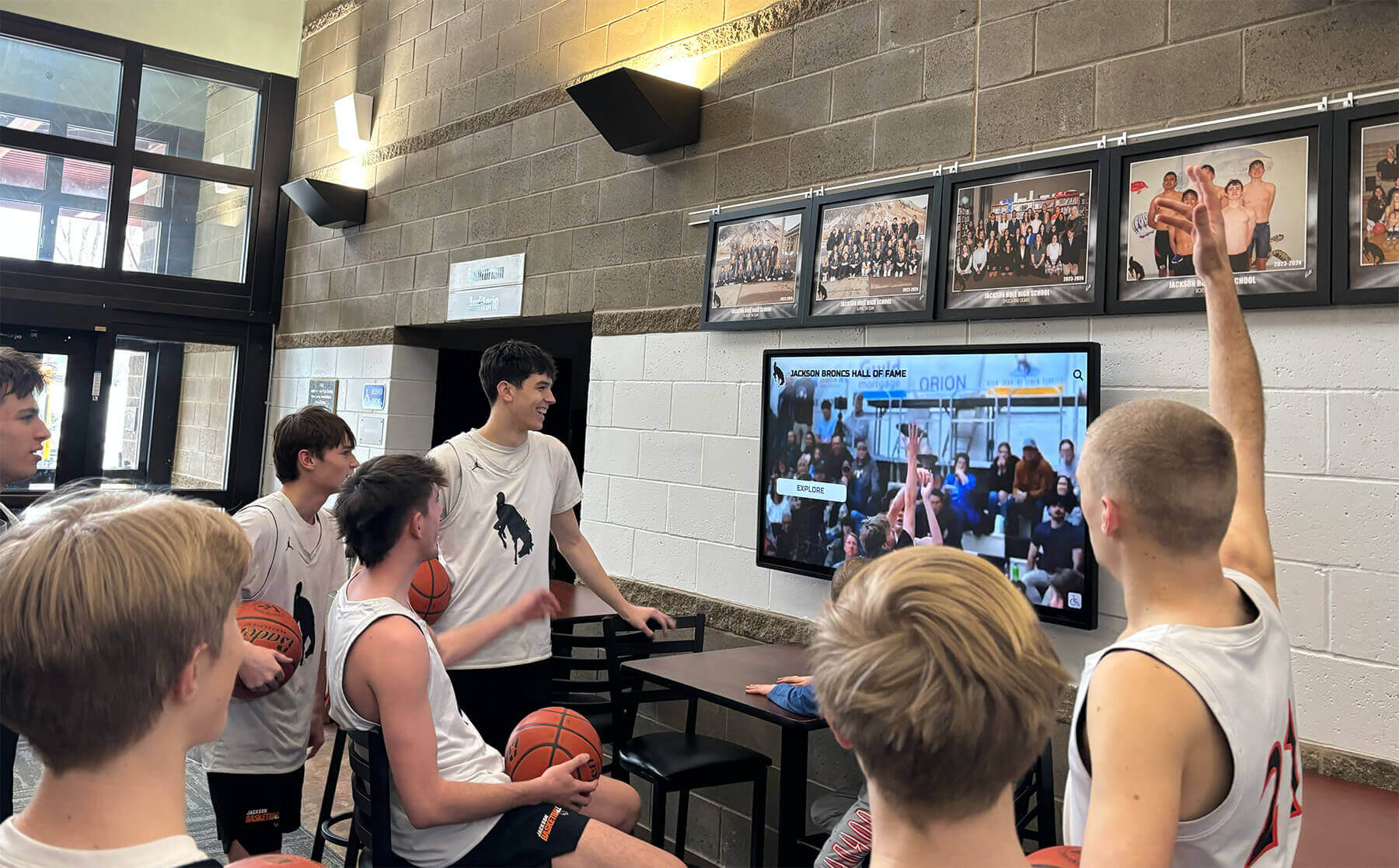
Booster Club Sponsor Renewal Letter: Thank Supporters and Update Recognition Benefits
A booster club sponsor renewal letter is not a sales document—it is a proof-of-delivery document. The sponsors who renew without hesitation are not responding to persuasion; they are confirming that what you promised last year was actually delivered. The letter is the moment you connect what they funded to what they received, set expectations for the year ahead, and make returning as easy as possible.
Read MoreBooster Club Sponsor Recognition Levels: What to Promise and How to Display It
When a local business writes a check to support your athletic program, they are making a bet—that their name will be seen, that their support will be remembered, and that the relationship will be worth renewing next year. Booster clubs that fulfill that bet consistently build multi-year sponsor pipelines. Those that treat sponsor recognition as an afterthought start the fundraising cycle from zero every season.
Read More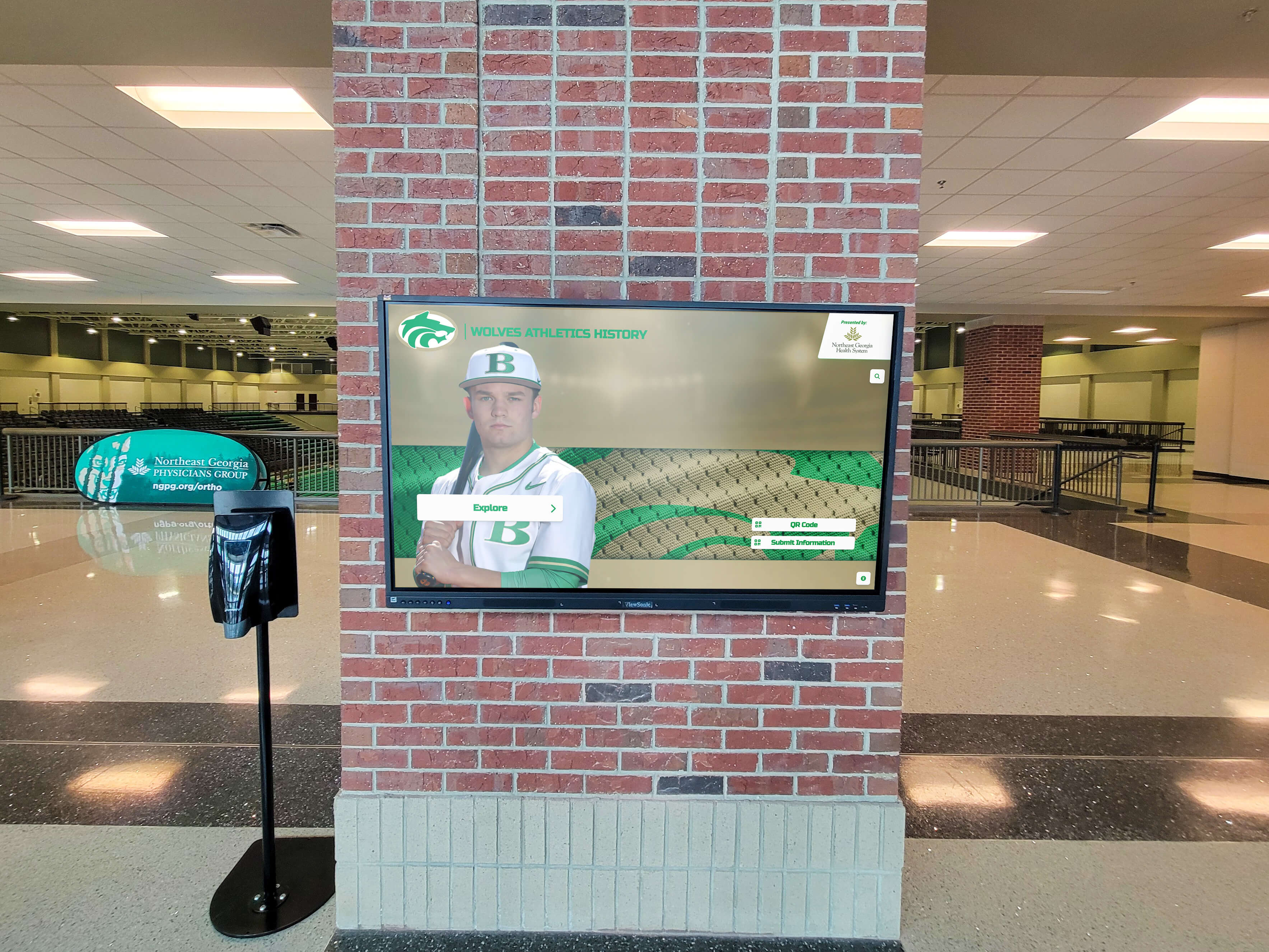
Baseball Booster Club Fundraising Ideas: Sponsor Recognition, Donor Follow-Up, and Season Displays
Baseball season ends quickly. The final out of the last game often arrives before the booster club has finished processing season expenses, and the window for meaningful sponsor follow-up narrows just as fast. Programs that treat sponsor recognition as a closing task—rather than a relationship-building system—consistently struggle to retain business partners from one season to the next.
Read MoreDance Team Fundraising Ideas: Booster Club Strategies and Donor Recognition Walls
Dance teams carry costs that most bystanders never see. Before a single performance, a team has already spent on new costumes, competition registration fees, choreography contracts, studio rentals, travel, lodging, and the specialized shoes that wear out faster than any coach expects. School budgets rarely cover these fully, and the gap falls squarely on families, boosters, and community supporters who believe the program is worth fighting for.
Read More
Concession Stand Food Ideas: Crowd-Pleasing Menus That Maximize Booster Club Profits
Every Friday night under the lights, successful booster clubs generate thousands of dollars in revenue selling the right combination of crowd-pleasing foods at concession stands. But the difference between concession stands that barely cover costs and those that fund new uniforms, equipment upgrades, and facility improvements comes down to strategic menu planning—choosing foods that deliver maximum profit margins while satisfying hungry crowds who return game after game.
Read MoreHigh School Booster Club Fundraising Ideas: Proven Strategies to Support Your Athletes
High school booster clubs face a unique challenge: funding competitive athletic programs in an era of tightening school budgets while competing for attention and donations with countless other worthy causes. Parents juggle demanding work schedules alongside their students’ academic and extracurricular commitments, leaving limited time and energy for traditional volunteer-intensive fundraising efforts like car washes and bake sales.
Read More
Booster Club Events: Fundraising, Recognition, and Community Building Ideas
Booster clubs thrive on connection—bringing together parents, community members, businesses, and school leaders around a shared commitment to student success. While fundraising campaigns and membership drives generate essential revenue, it’s the events these organizations host throughout the year that transform financial transactions into meaningful relationships, celebrate achievements that inspire continued support, and create the community spirit that sustains programs through multiple seasons.
Read More
Booster Club Guide: How to Build and Grow Your School's Athletic Support System
School athletic programs face a persistent challenge: institutional budgets rarely cover the full costs of competitive sports. Equipment, uniforms, facility maintenance, travel, coaching supplements, and program enhancements require funding beyond what most school districts can provide. This gap between available resources and program needs threatens athletic opportunities for thousands of student-athletes across the country.
Read MoreHigh School Booster Club Fundraising Ideas That Build Community: Proven Strategies for Sustainable Support
High school booster clubs face a persistent challenge that goes far deeper than simply raising money: how do you build sustainable community support that extends beyond the parents of current athletes? Too many booster clubs experience the exhausting cycle of aggressive fundraising drives followed by donor fatigue, volunteer burnout, and declining participation as families graduate out of programs.
Read MoreBooster Club Fundraising Ideas: Proven Strategies for Success
Running a successful booster club requires constant creativity and energy to fund equipment, uniforms, travel, facility improvements, and countless other needs that help student-athletes compete at their best. Yet many booster clubs find themselves stuck in a rut, cycling through the same tired fundraising approaches year after year while parent participation declines and revenue plateaus.
Read More