Intent: Demonstrate how schools, universities, and alumni associations can safely digitize vintage yearbooks and transform historical photographs into engaging hall of fame displays while preserving irreplaceable print volumes for future generations.
Read the guideEvery institution possesses a treasure of irreplaceable historical materials—decades of photographs documenting moments in time, yearbooks capturing student experiences across generations, athletic records chronicling competitive excellence, donor contributions sustaining missions, and countless documents preserving institutional memory. These materials represent the collective heritage of museums, schools, historical societies, and cultural organizations, yet most struggle to preserve, organize, and share this legacy effectively.
Read the guideEvery school has countless stories worth telling—the early morning quiet of empty hallways before students arrive, the energy of a packed homecoming game, the focused intensity in science labs during experiments, the pride on faces at graduation, and the everyday moments that define what makes your institution special. Yet most schools struggle to capture and share these authentic glimpses into daily life that prospective families, alumni, and community members genuinely want to see.
Read the guideIntent: Define how comprehensive academic and history archiving transforms scattered institutional records into accessible digital resources that preserve educational legacy, support research and accreditation, and strengthen community connections across generations.
Read the guideAs America approaches its 250th birthday in 2026, museums, heritage organizations, schools, and community institutions face an extraordinary opportunity to commemorate this milestone through meaningful recognition of both historical legacy and contemporary contributions. The semiquincentennial celebration presents unique challenges for advancement teams: how to honor founding principles while recognizing modern donors whose support preserves these stories, how to make centuries of history accessible to digital-native audiences, and how to create lasting commemorative installations that serve educational purposes long after 2026 concludes.
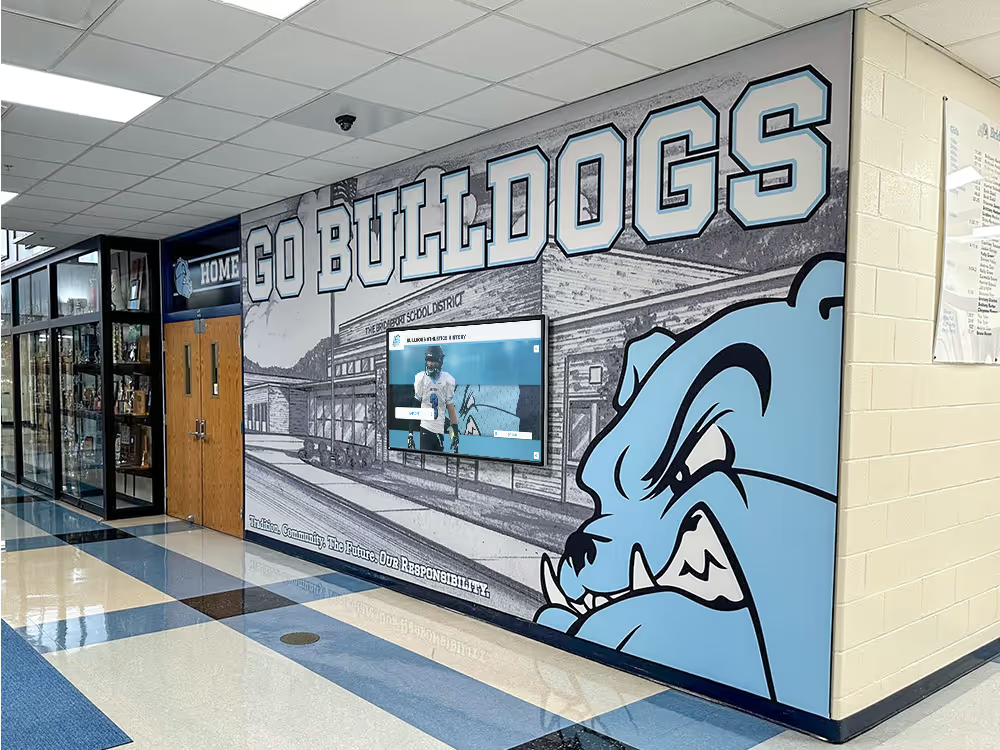
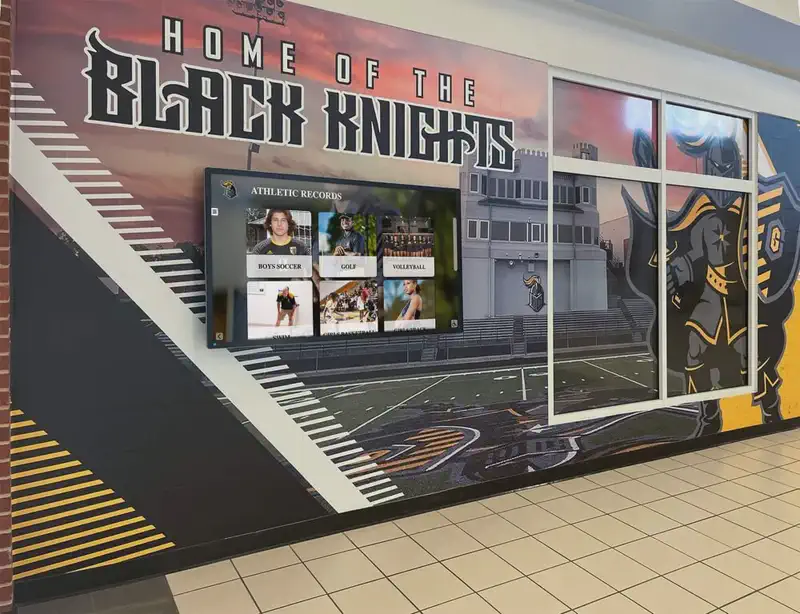
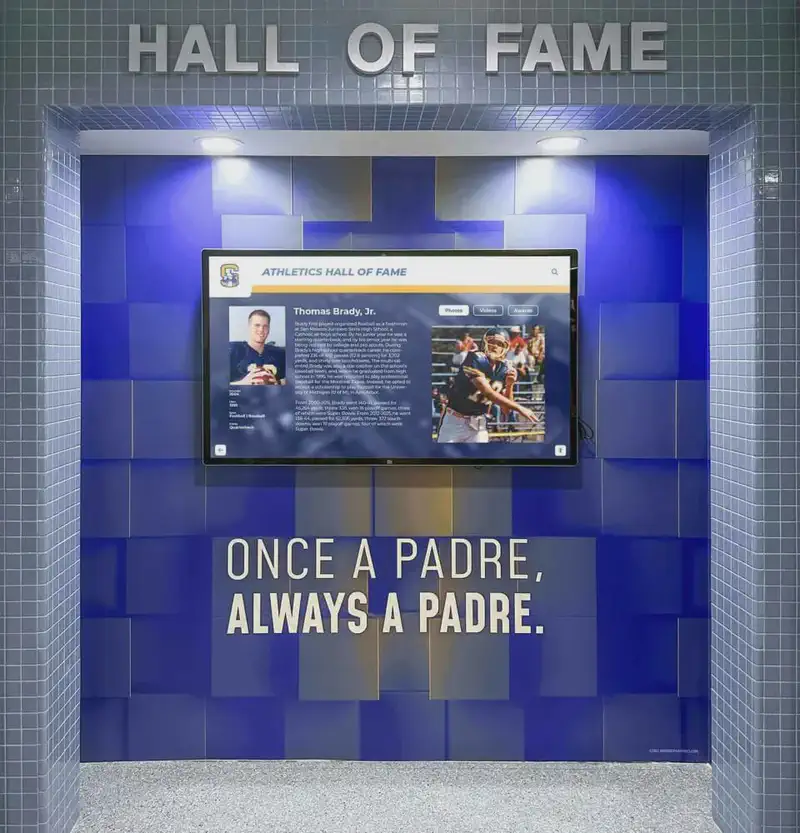
Read the guideSchools possess rich histories spanning decades or even centuries—championship teams, distinguished alumni, dedicated educators, academic achievements, and transformative moments that shaped generations of students. Yet most institutions struggle to effectively preserve and showcase this heritage. Traditional methods like dusty trophy cases, forgotten yearbooks in storage, and fading photographs in hallways fail to make institutional history accessible, engaging, or meaningful for current students, alumni, and community members.
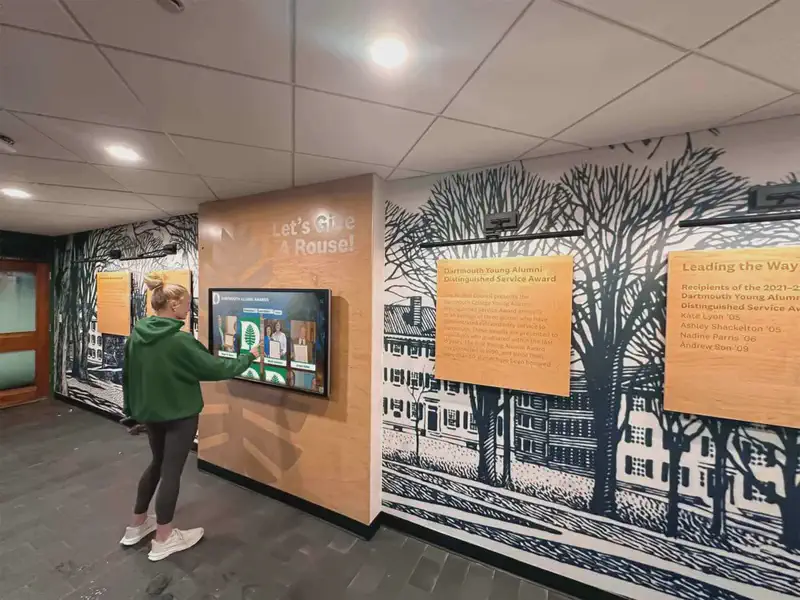
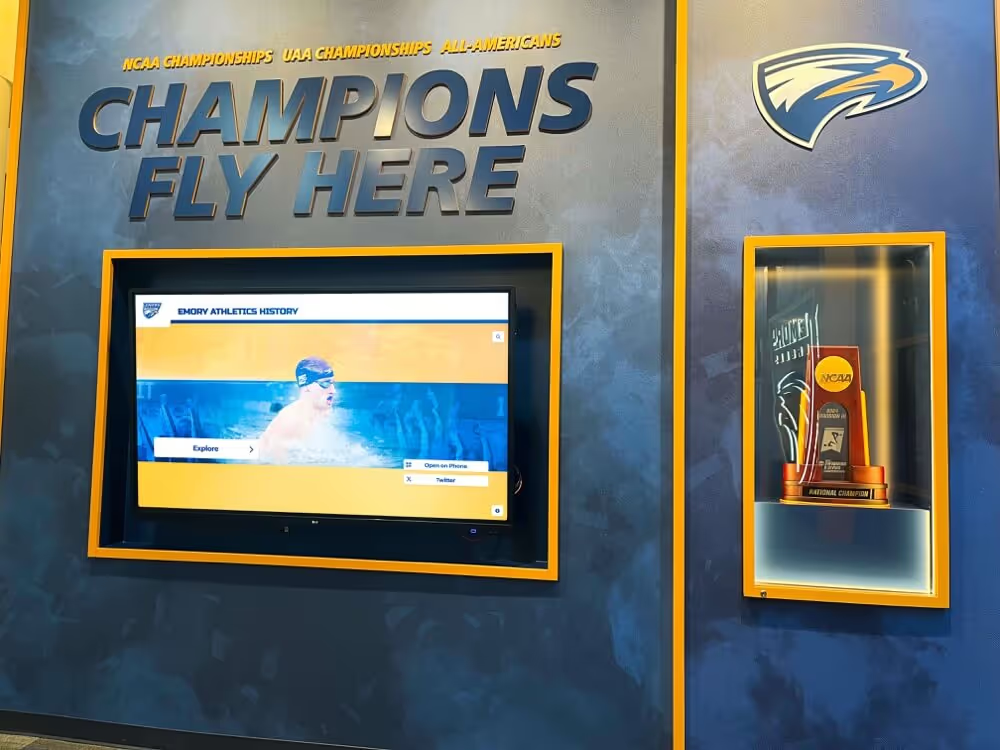
Read the guideEvery college and university possesses a unique story—decades or even centuries of groundbreaking research, distinguished alumni, transformative moments, and evolving traditions that have shaped both the institution and countless lives. Yet many colleges struggle to present this rich history in ways that genuinely engage modern audiences who expect interactive, accessible experiences rather than dusty plaques or forgotten archives gathering in storage rooms.
Read the guideIntent: Define
Every educational institution possesses a treasure trove of irreplaceable heritage materials—decades of yearbooks documenting student experiences, thousands of historical photographs capturing moments in time, athletic records chronicling competitive excellence, student newspapers reporting campus life, and administrative documents recording institutional evolution. These materials represent the collective memory of your school or university, yet most institutions struggle to preserve, organize, and share this heritage effectively.
Read the guideIntent: Define — Understanding how digital tools transform historical preservation and storytelling.
Read the guideEvery school possesses a treasure trove of historical photographs—grainy black-and-white images from founding decades, faded color prints from the 1970s and 80s, candid snapshots capturing everyday school life, and formal portraits documenting generations of students and educators. These photographs represent irreplaceable visual documentation of institutional heritage, yet most schools struggle to preserve and share these precious images effectively. Historic photos deteriorate in storage boxes tucked away in basements or closets, fade when displayed in harsh lighting, get lost during administrative transitions, or remain accessible to only the few individuals who know where they’re stored and can physically visit to view them.
Read the guideHistorical timeline touchscreen displays represent one of the most engaging and effective ways to present institutional heritage, organizational history, and educational content in museums, schools, visitor centers, and corporate environments. Unlike static plaques or printed timelines that viewers passively observe, interactive touchscreen timelines invite active exploration, enabling users to dive deeply into periods, events, and stories that interest them most while creating memorable, immersive experiences that connect audiences with the past.
Read the guideIntent: Define — Understanding how to digitize old yearbooks for preservation and access.
Read the guideEvery school has a unique story to tell—decades or even centuries of student achievements, dedicated educators, transformative moments, and alumni who went on to shape their communities and the world. Yet many schools struggle to effectively display their rich history, relying on dusty trophy cases, fading photographs in forgotten hallways, or yearbooks gathering dust in storage rooms. When school history remains hidden or inaccessible, current students miss opportunities to connect with institutional legacy, alumni lose touch with their educational roots, and communities fail to appreciate the profound impact their schools have made across generations.
Read the guideEvery school possesses a treasure trove of historical photographs tucked away in storage rooms, yearbook archives, and forgotten filing cabinets—black-and-white images from founding decades, faded color prints from the 1970s and 80s, team photos documenting championship seasons, and candid snapshots capturing everyday school life across generations. These photographs represent irreplaceable visual documentation of institutional heritage, yet most schools struggle to preserve and share these precious images effectively. Historic photos deteriorate in storage boxes, remain inaccessible to alumni who relocated across the country, or get displayed in ways that showcase only a tiny fraction of collections due to physical space constraints.
Read the guideFew traditions in high school sports captivate communities quite like legendary rivalry games—those annual competitions steeped in decades of history, passionate fan bases, memorable moments, and community pride that transcends individual seasons. Whether it’s the crosstown football clash that dates back to 1925, the basketball rivalry that determines regional bragging rights, or the soccer matchup that consistently delivers championship-caliber competition, these rivalry traditions represent living history connecting generations of athletes, students, alumni, and community members.
Read the guide