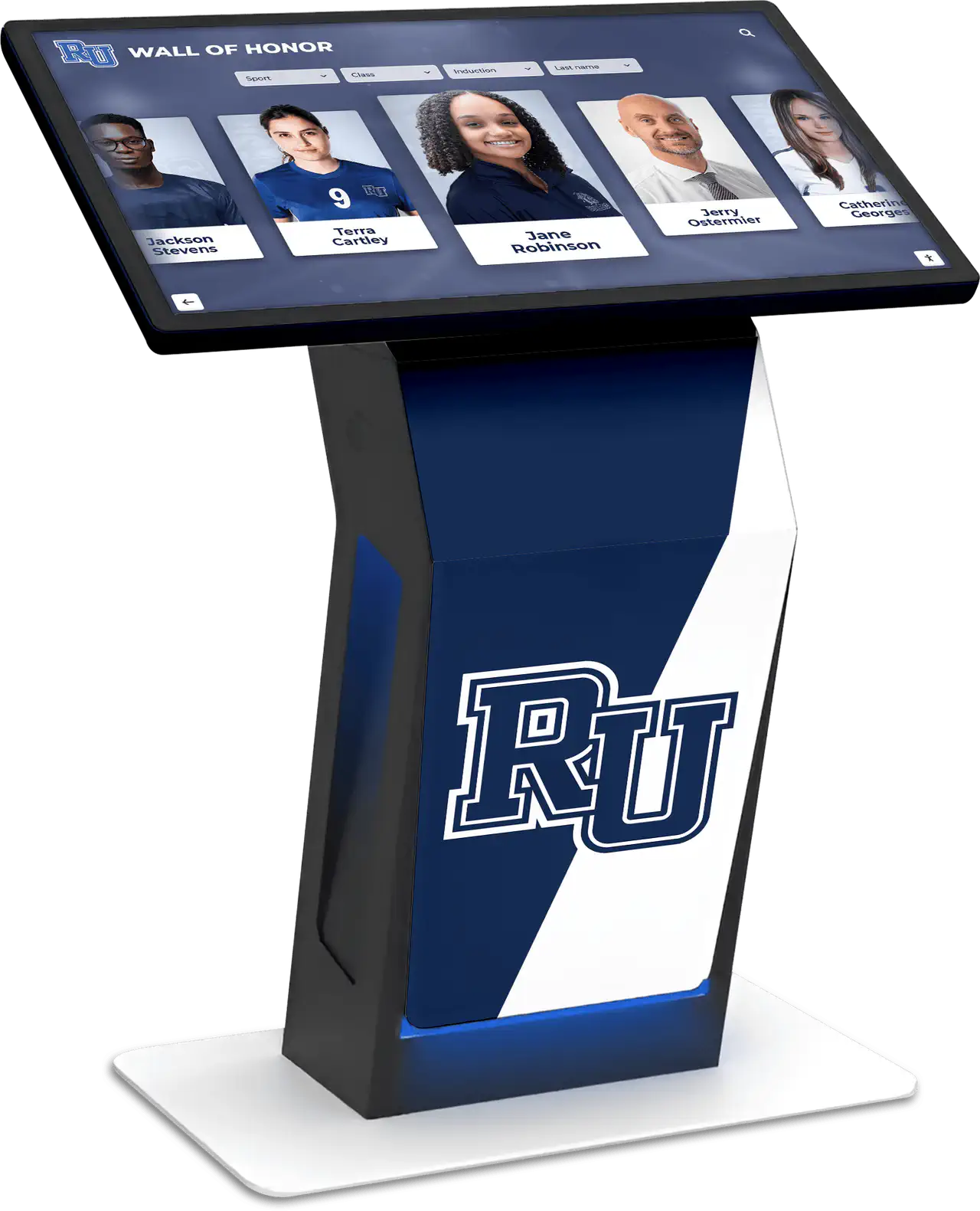
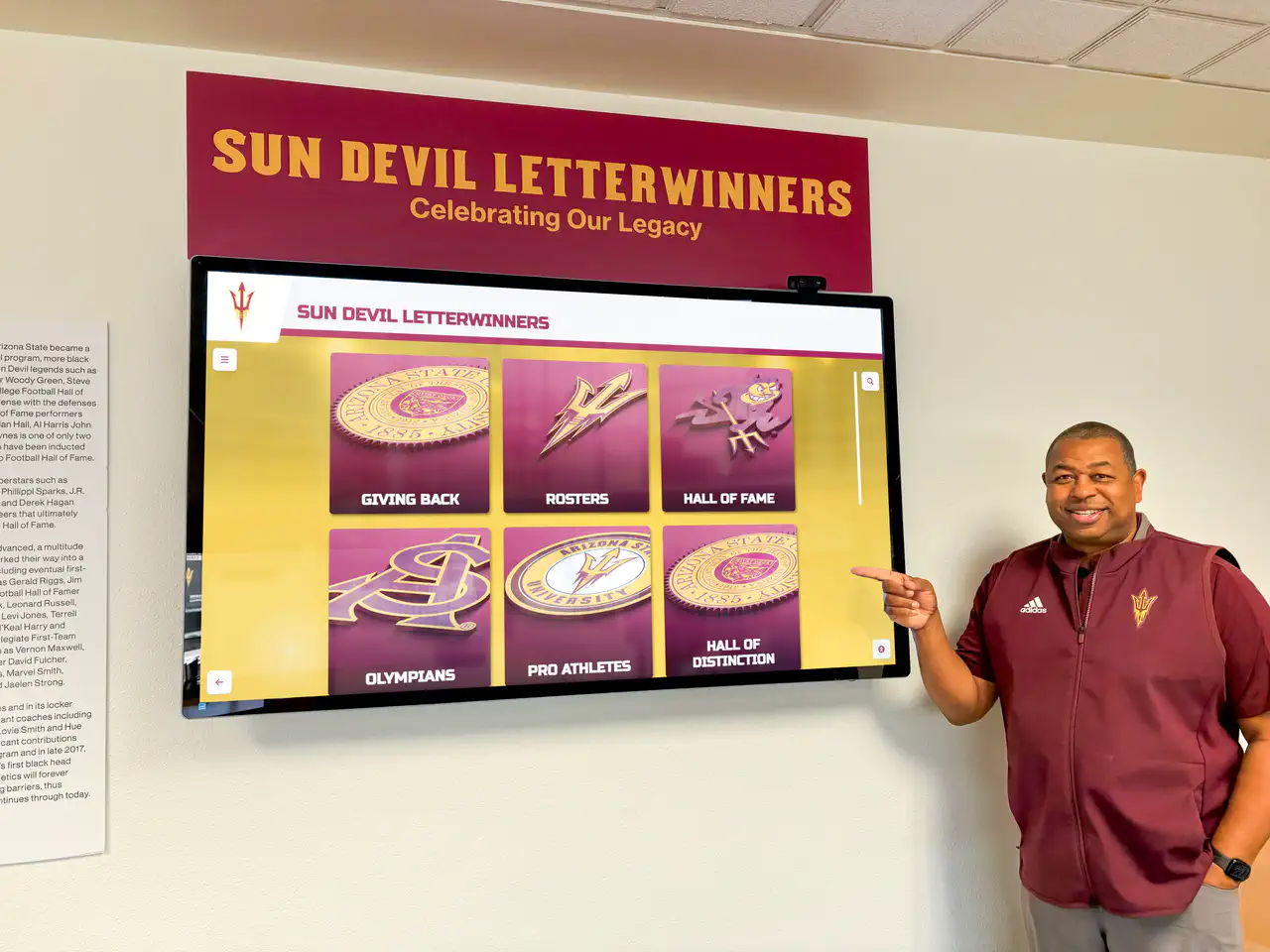
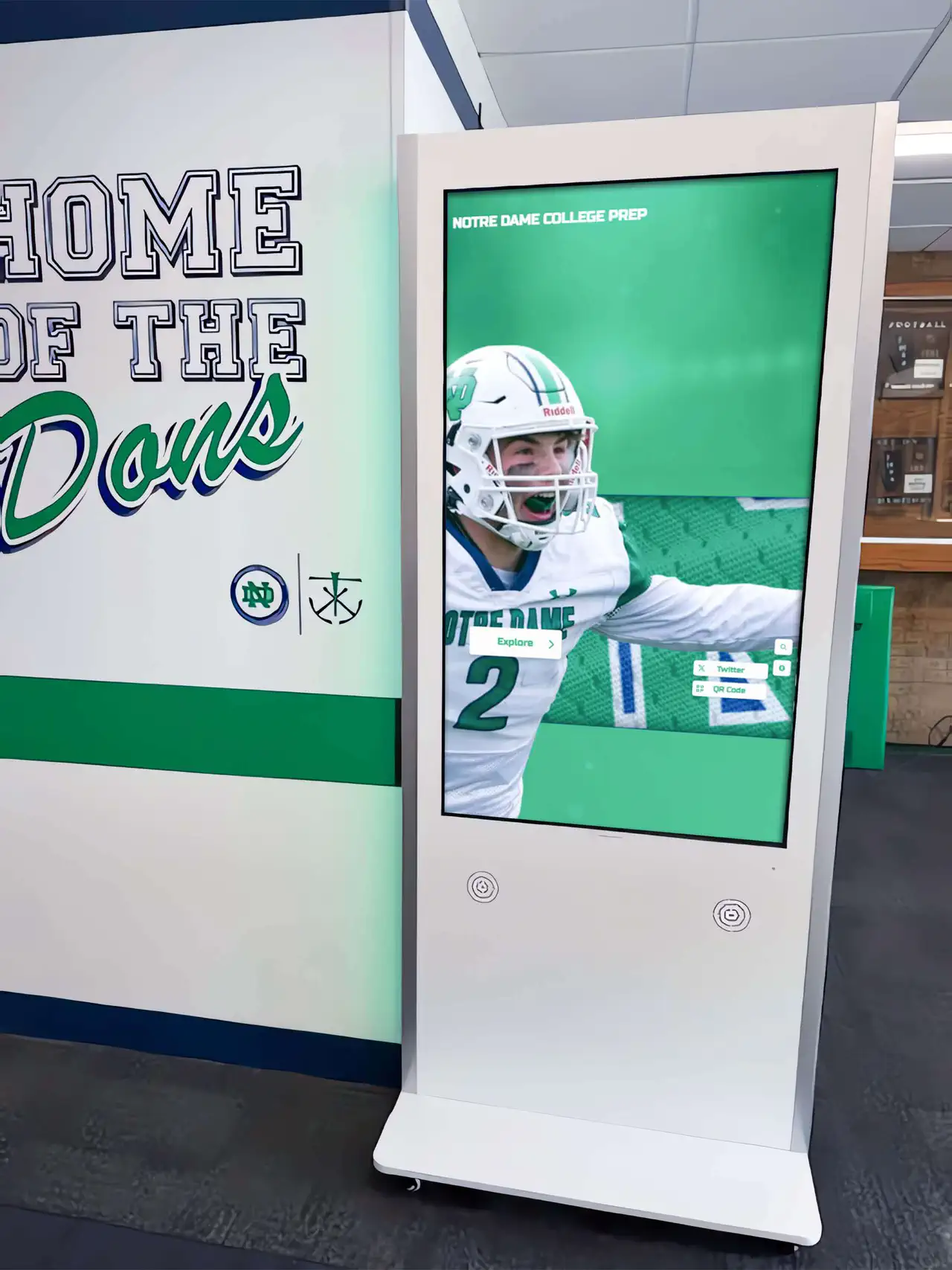
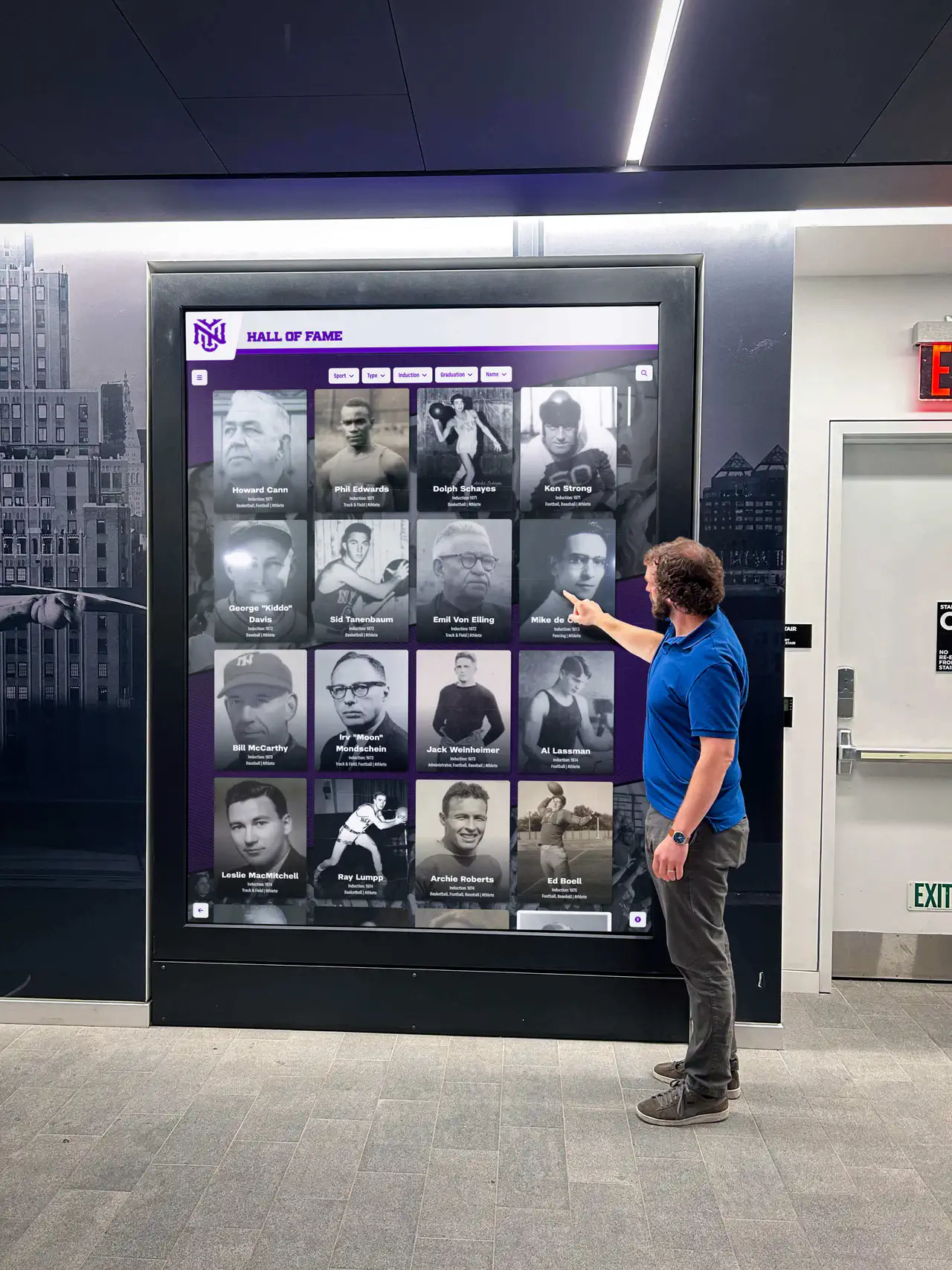
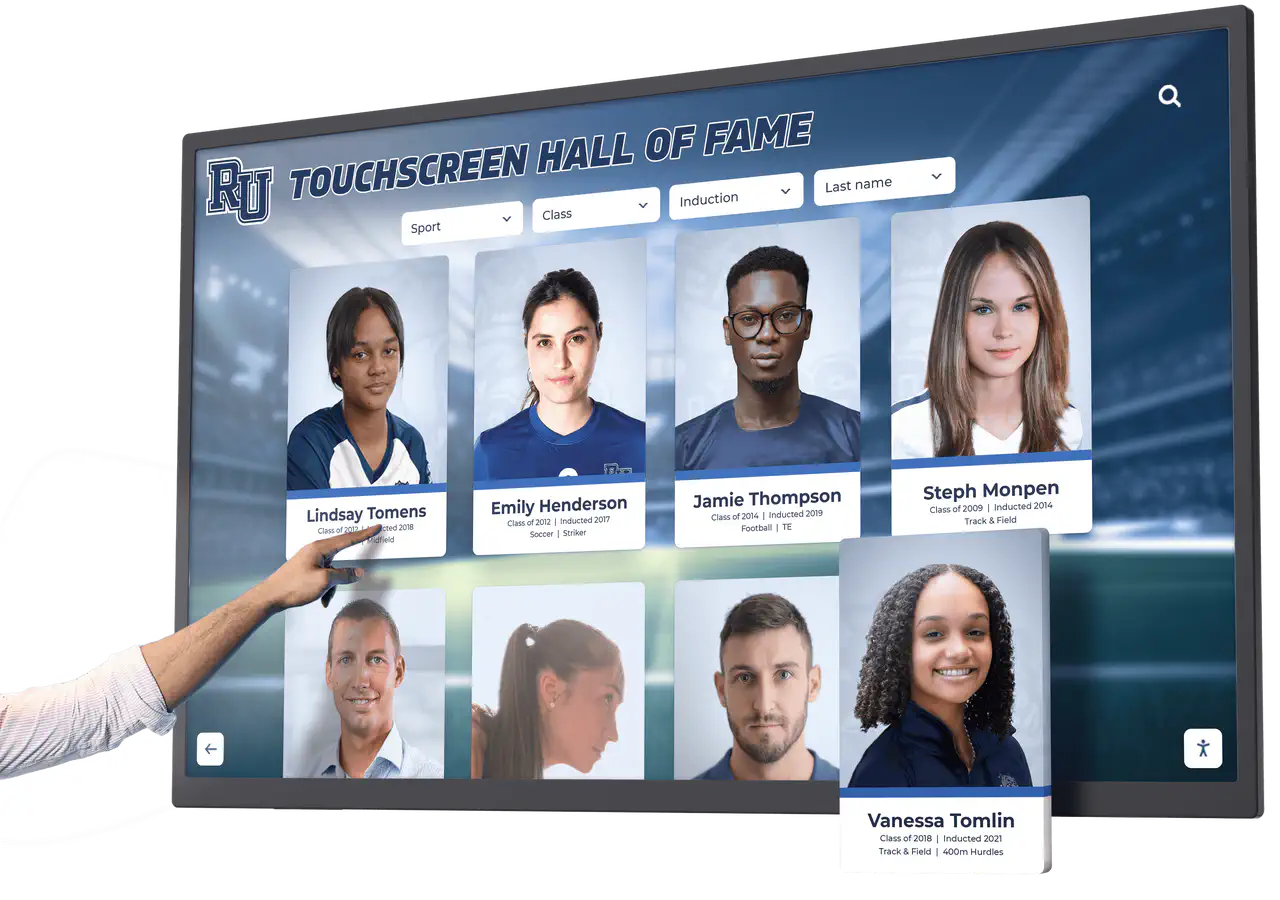
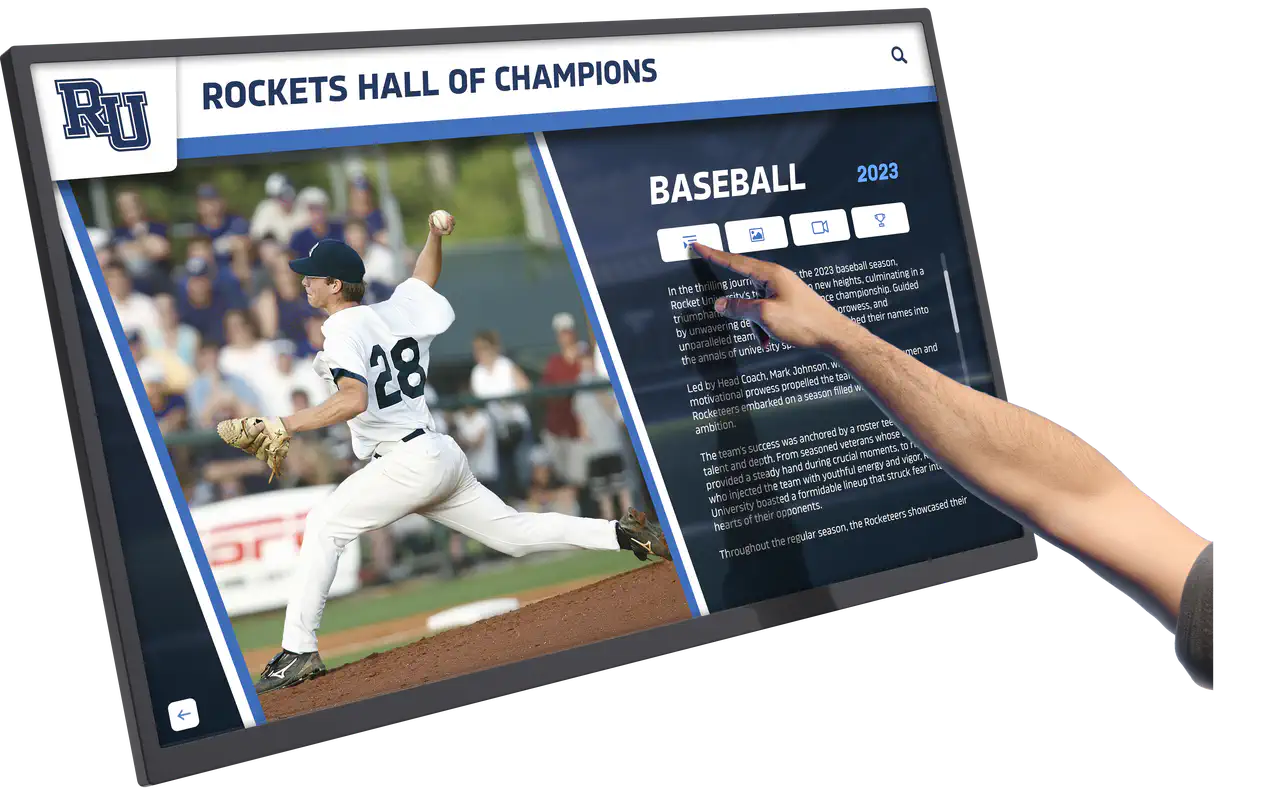
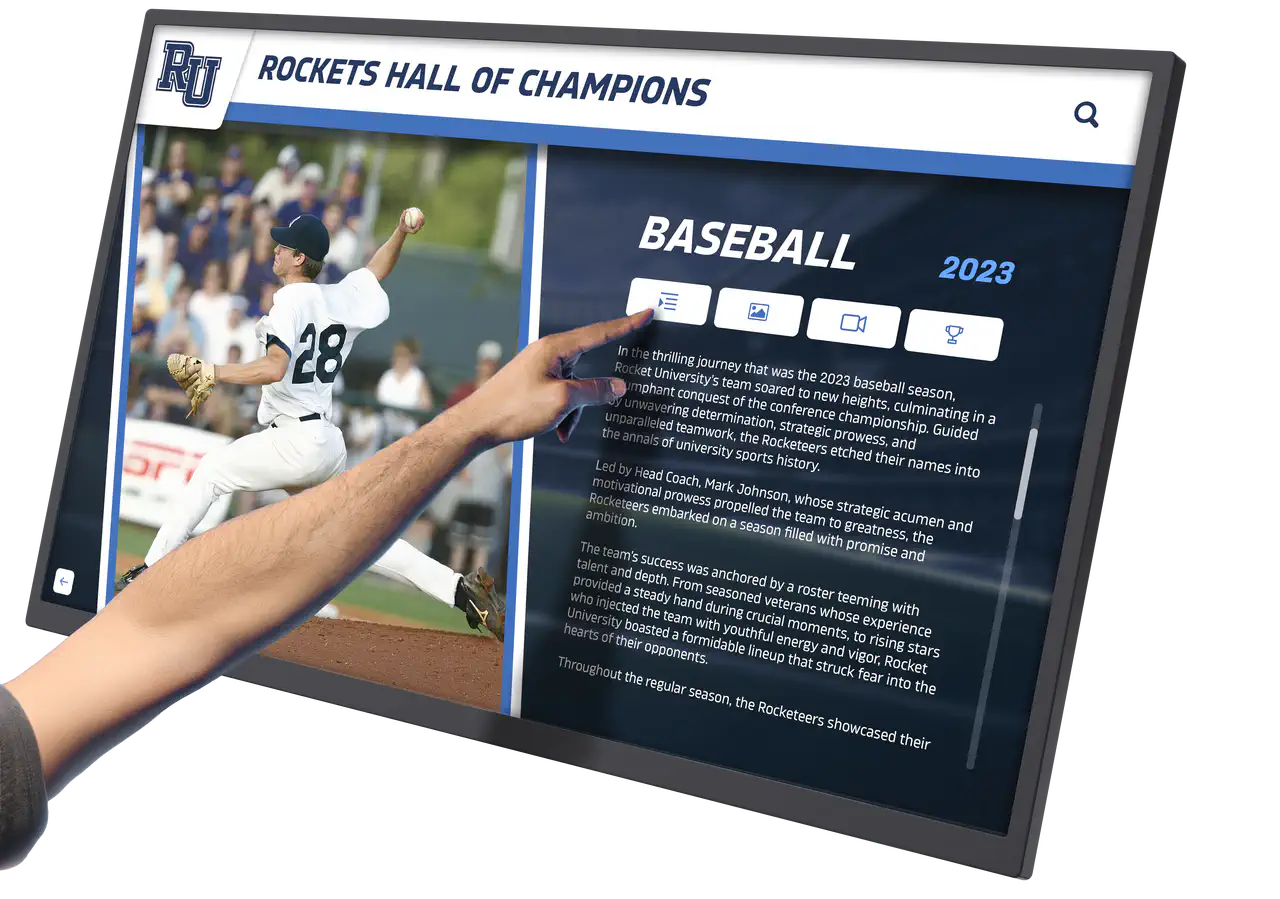
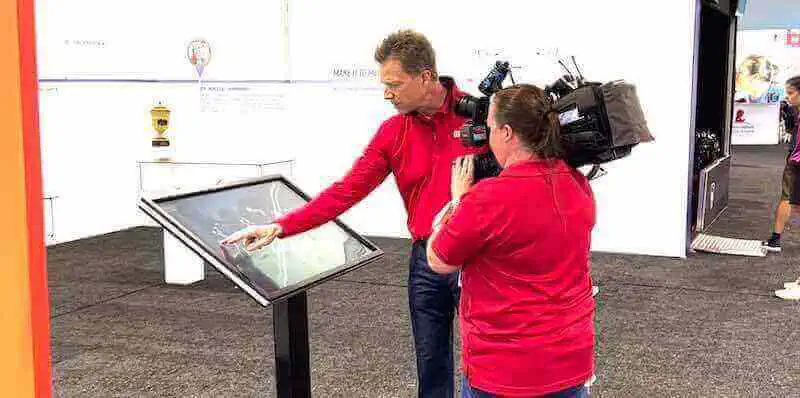
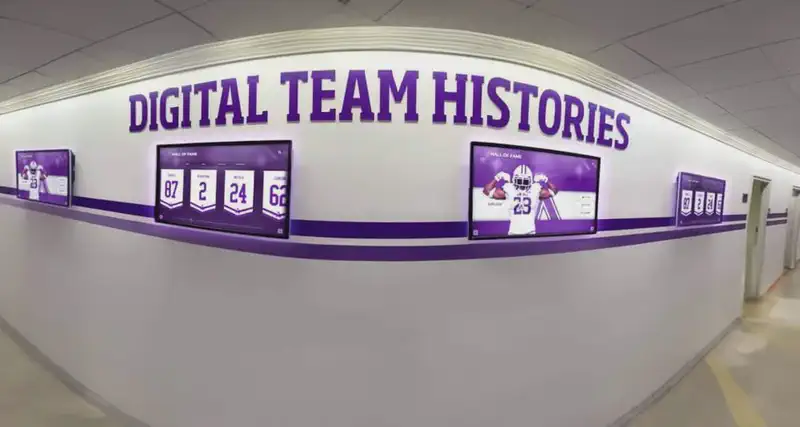
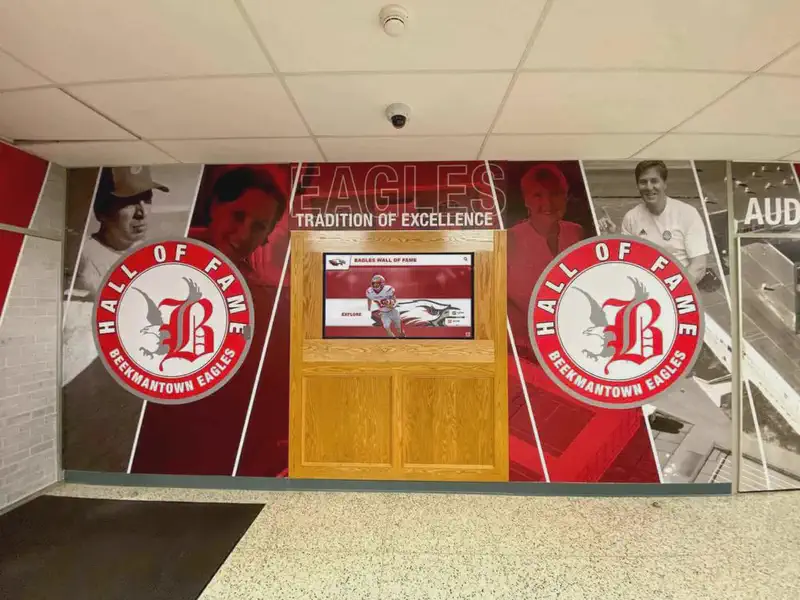
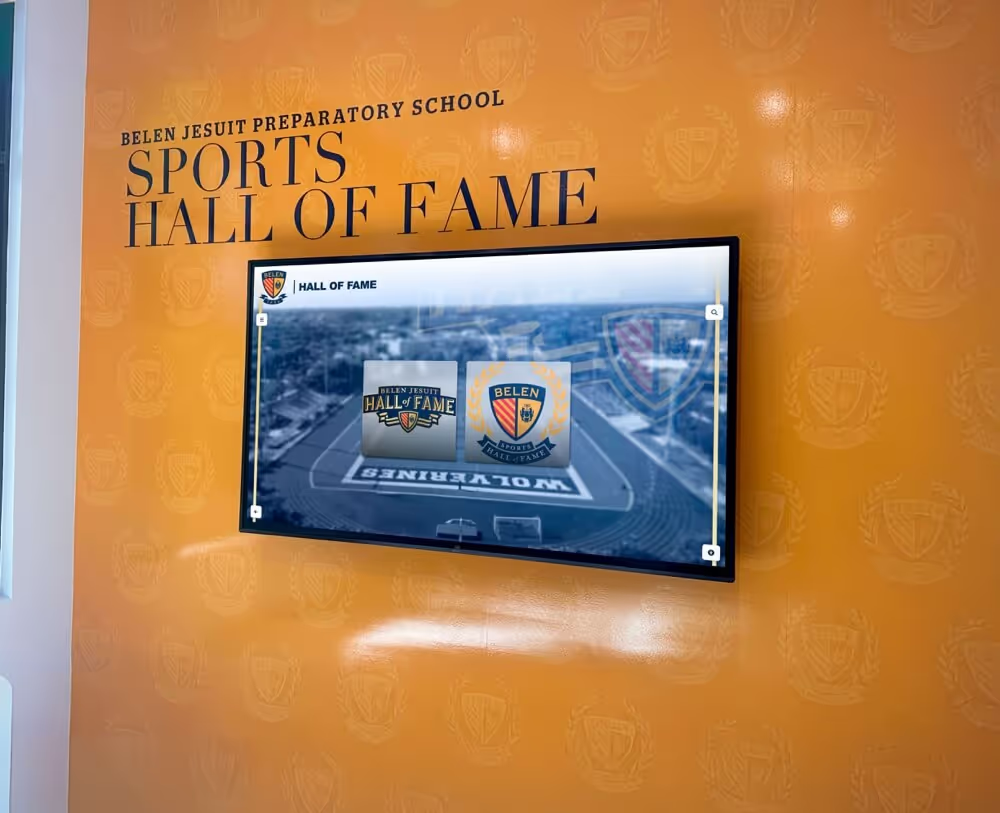
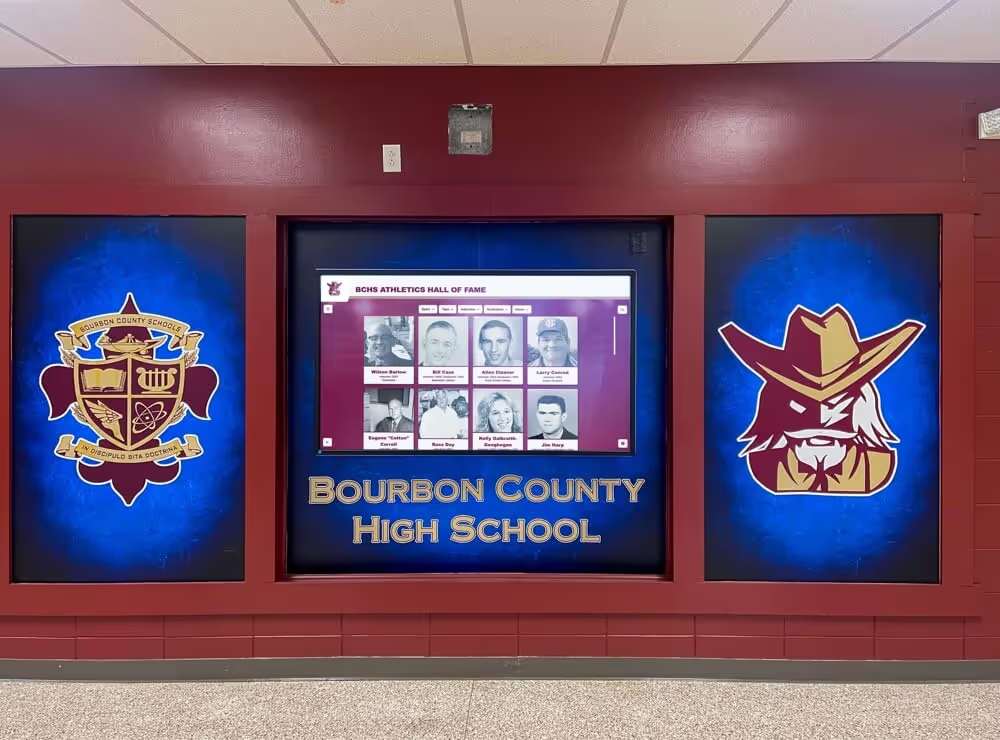
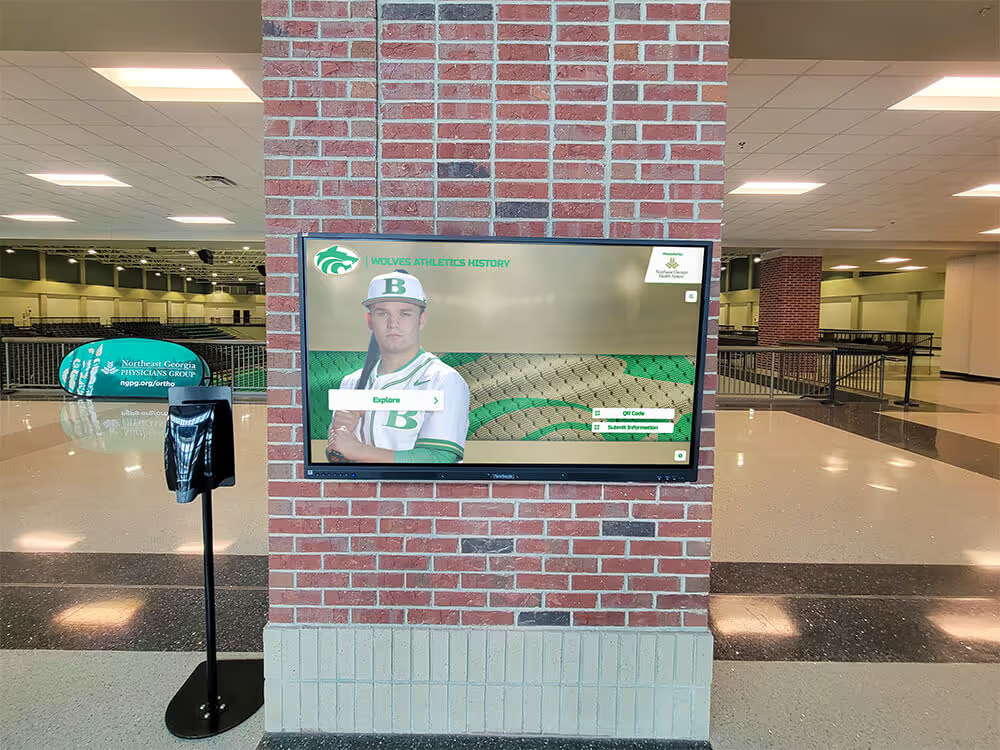
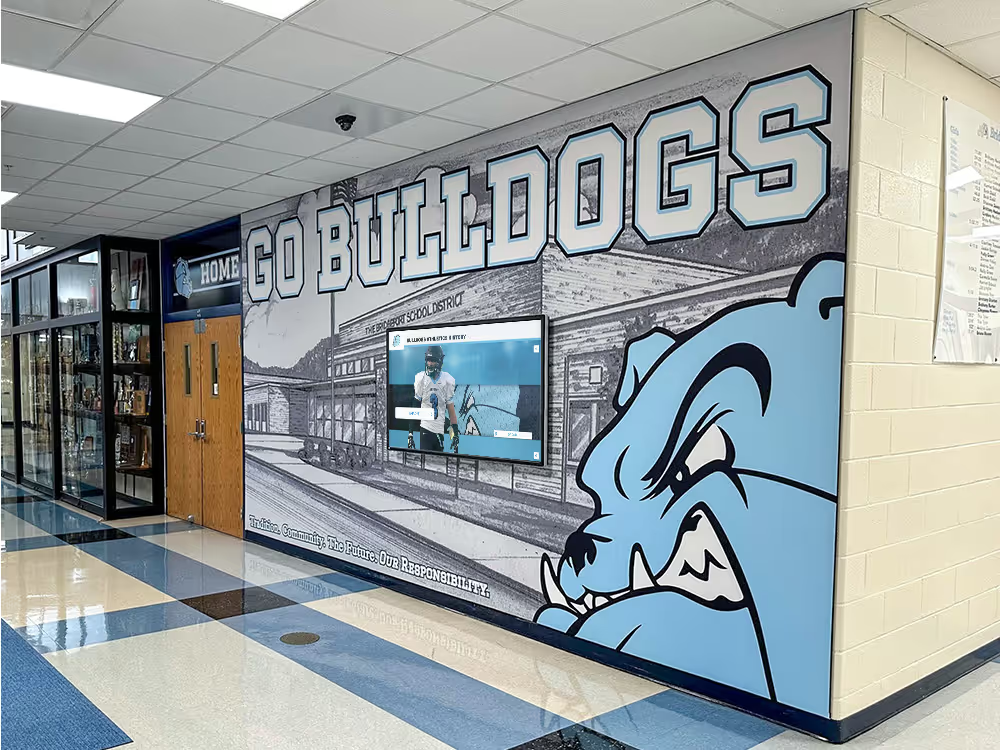
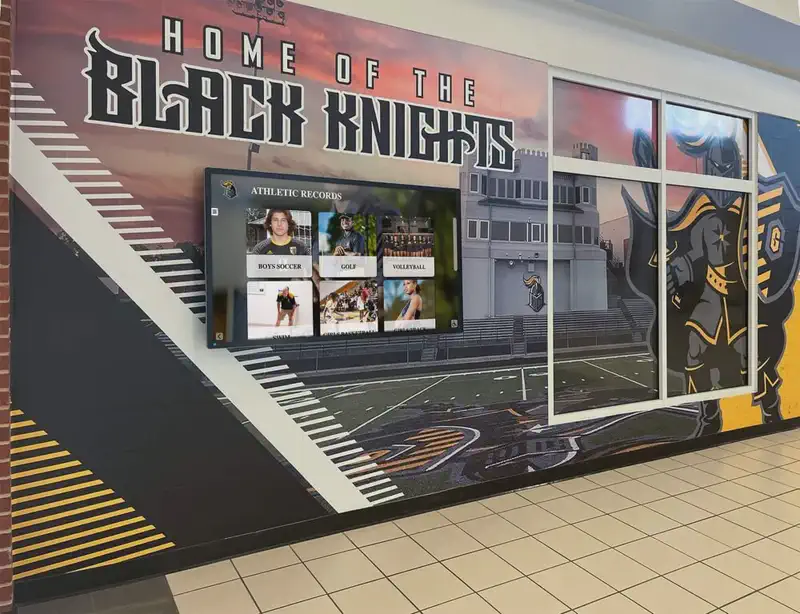
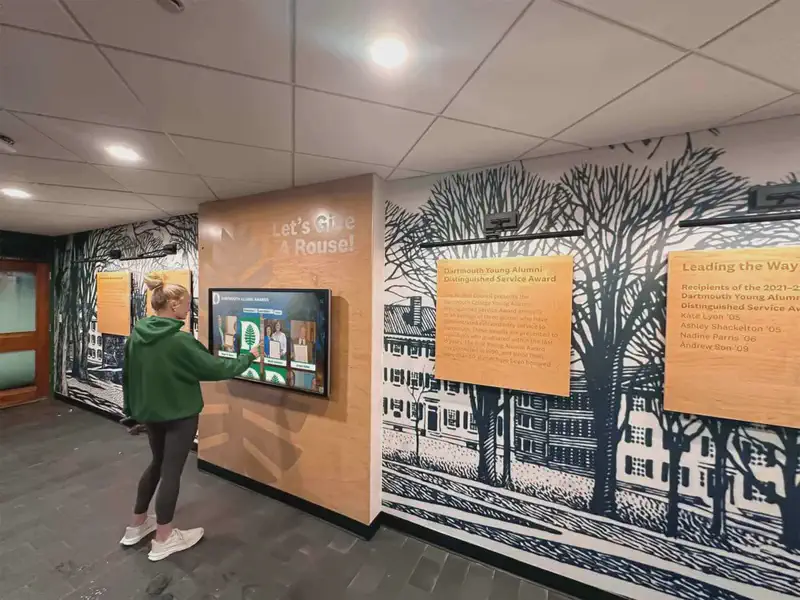
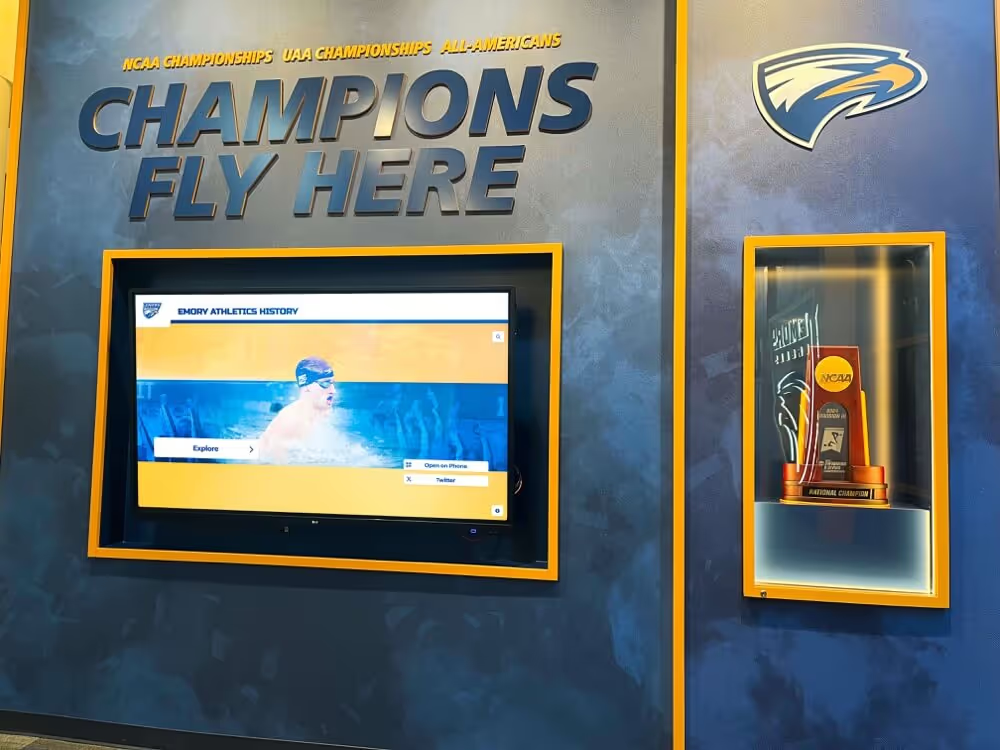
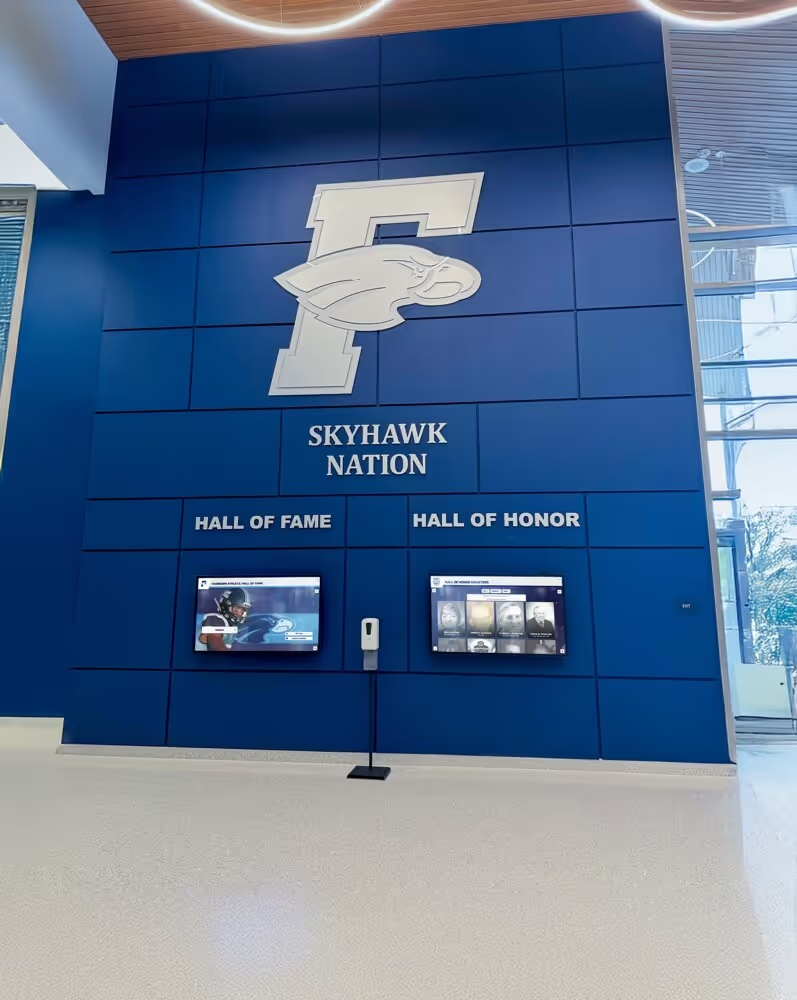
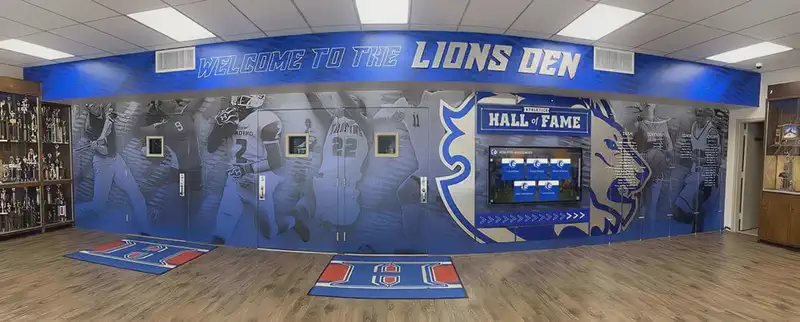
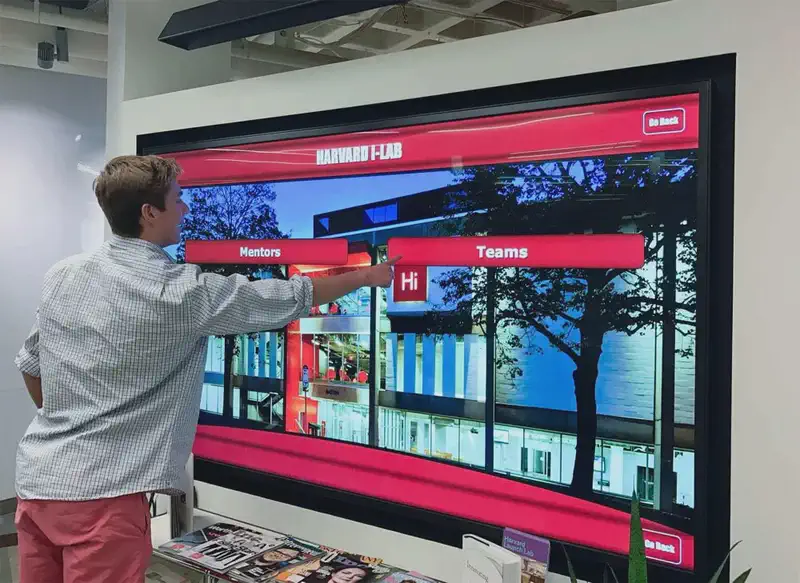
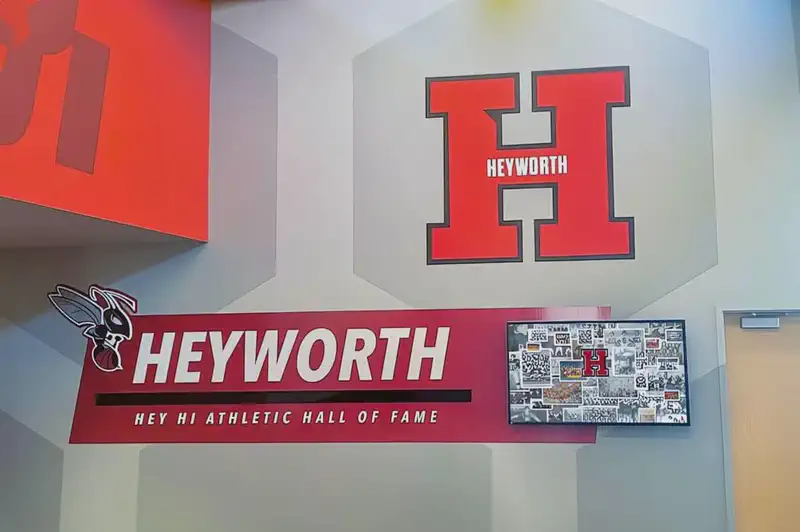
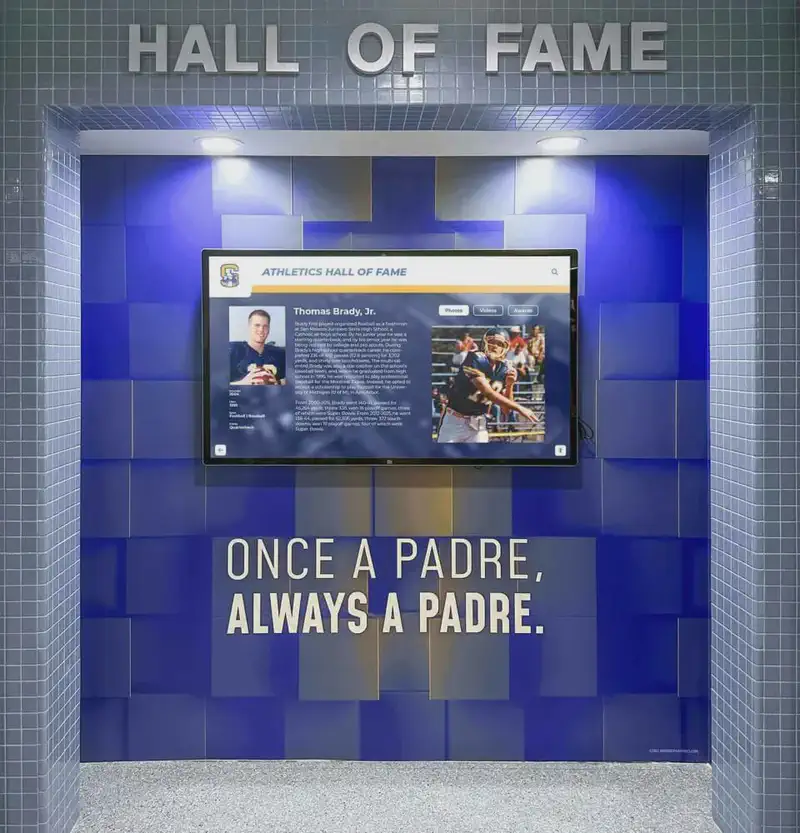
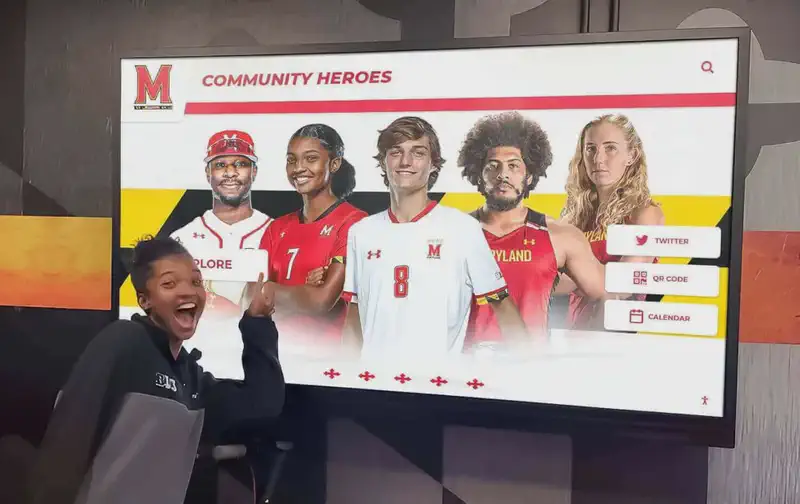
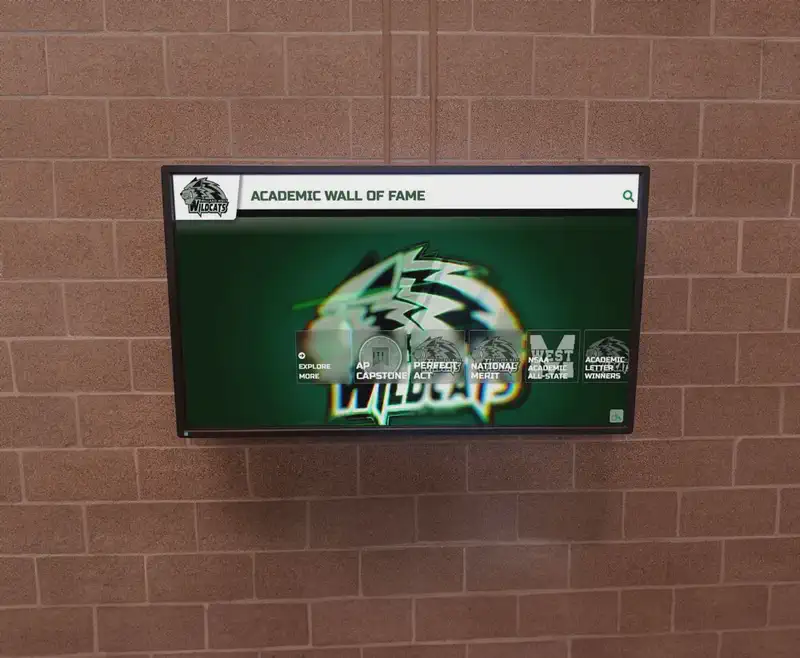
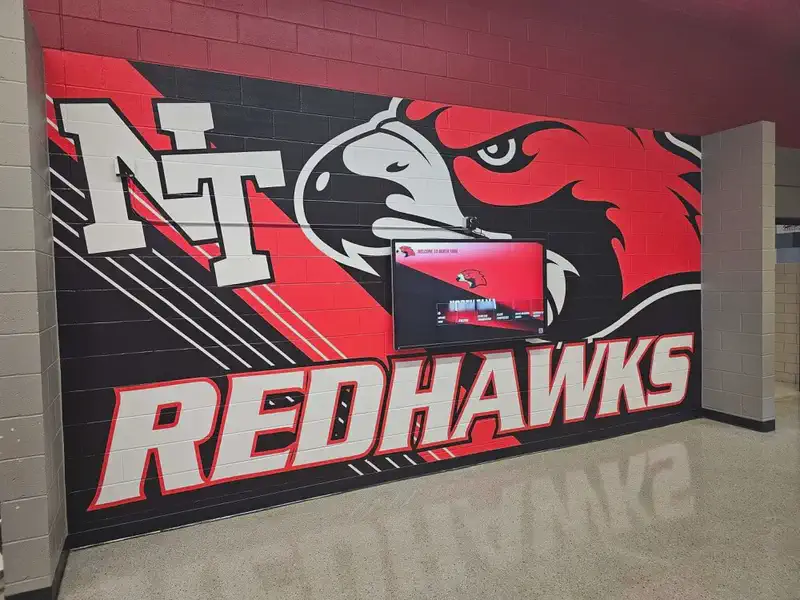
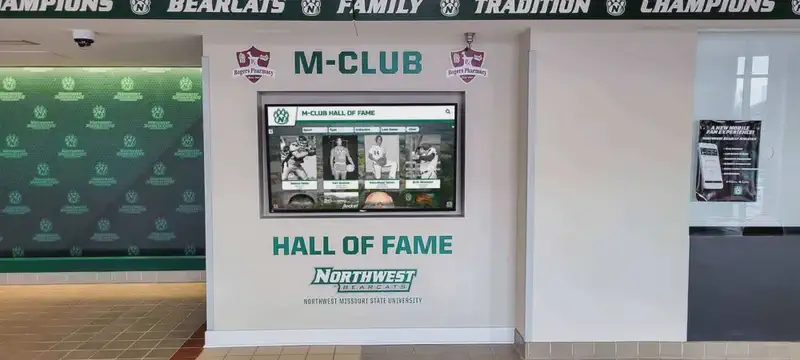
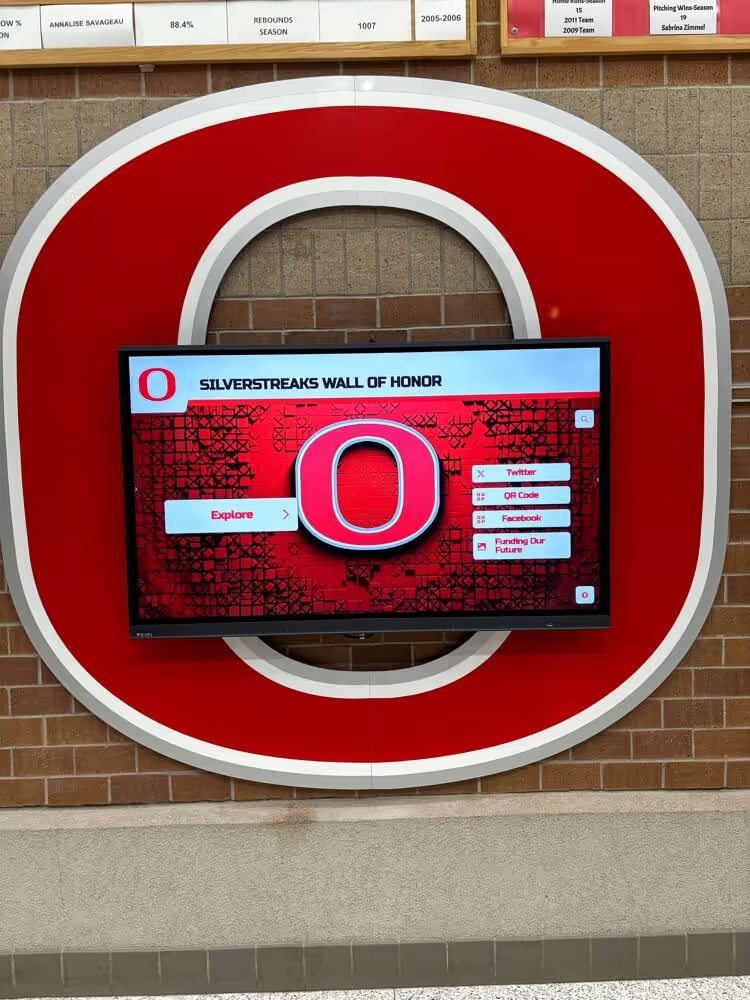
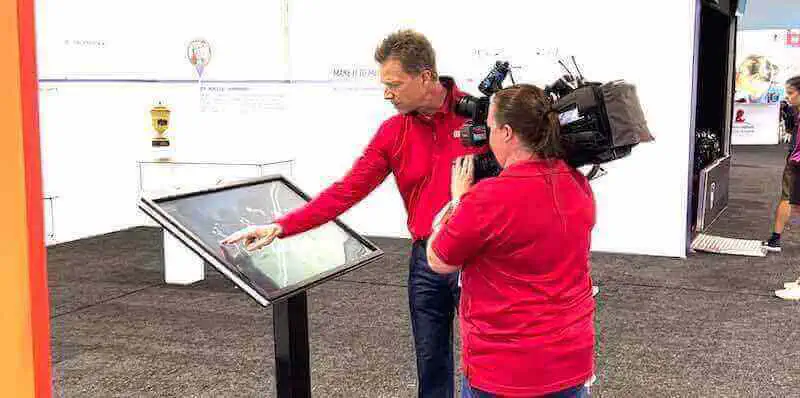
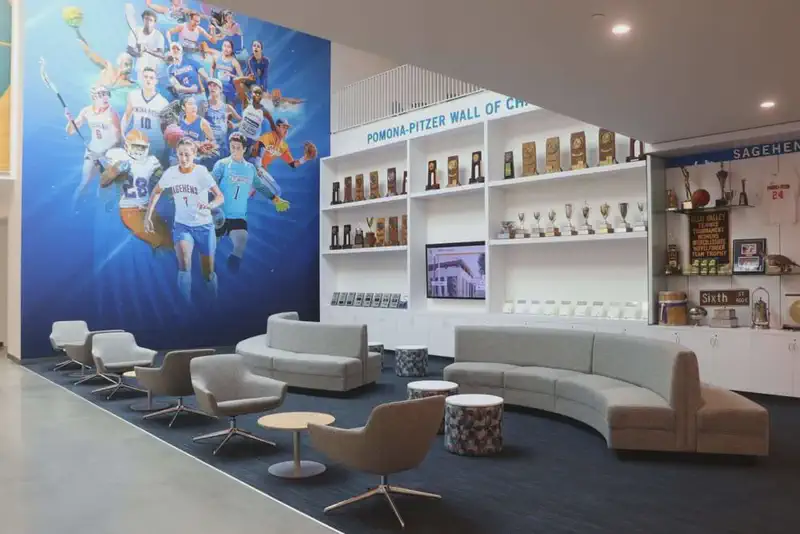
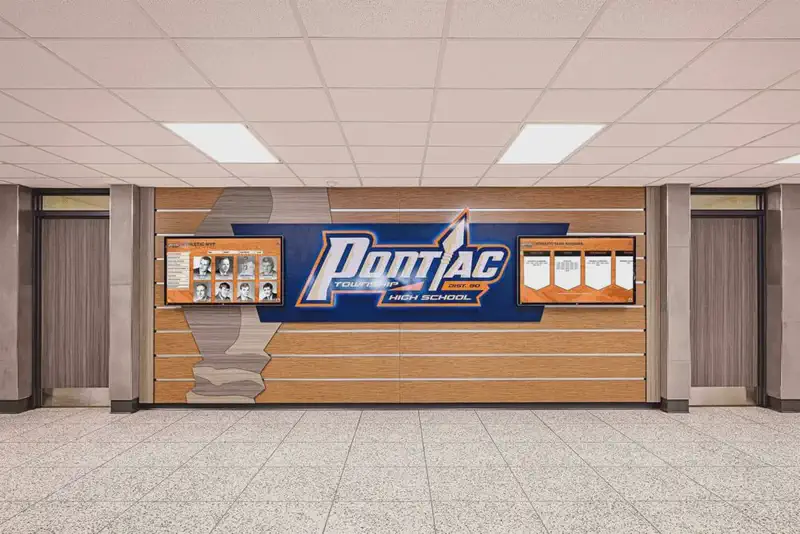
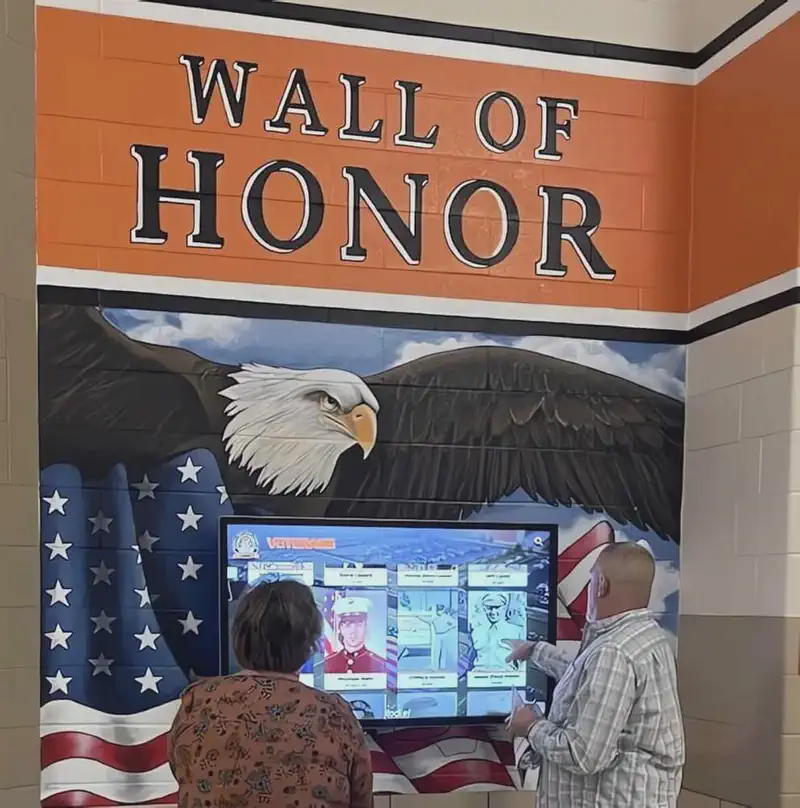
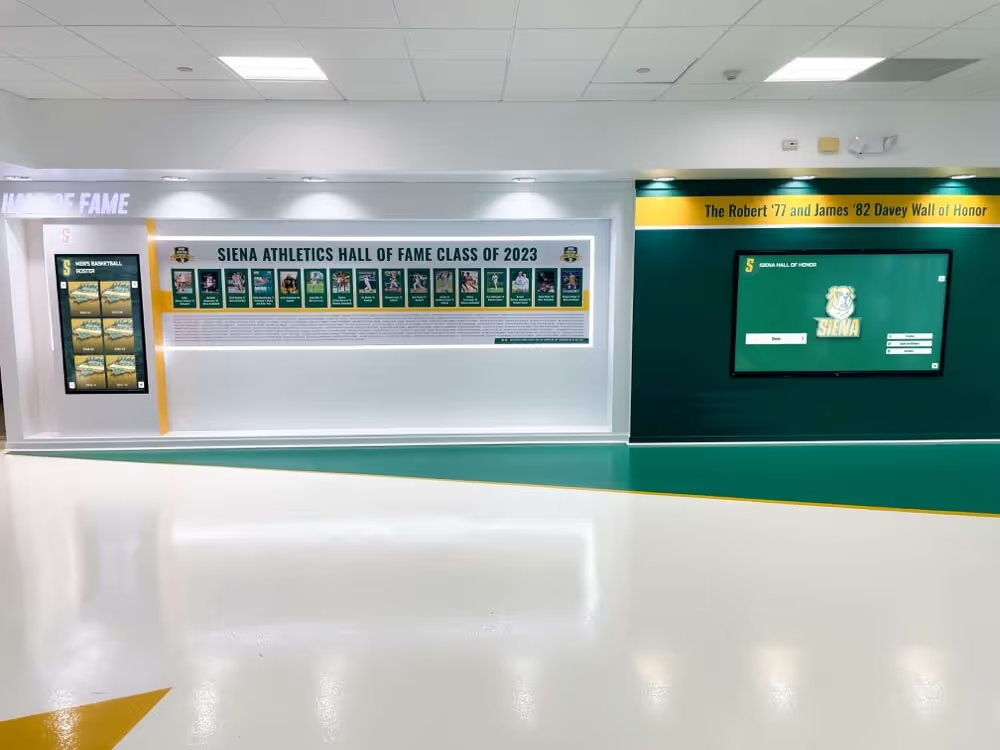
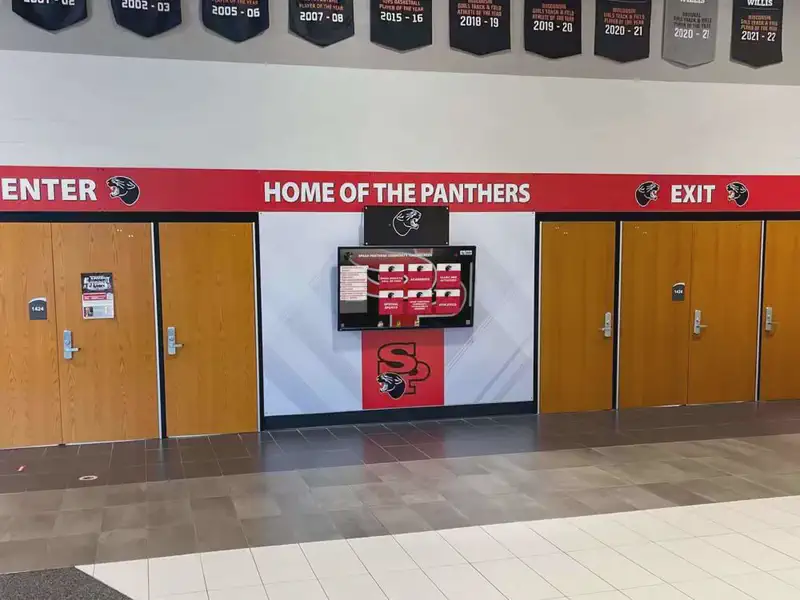
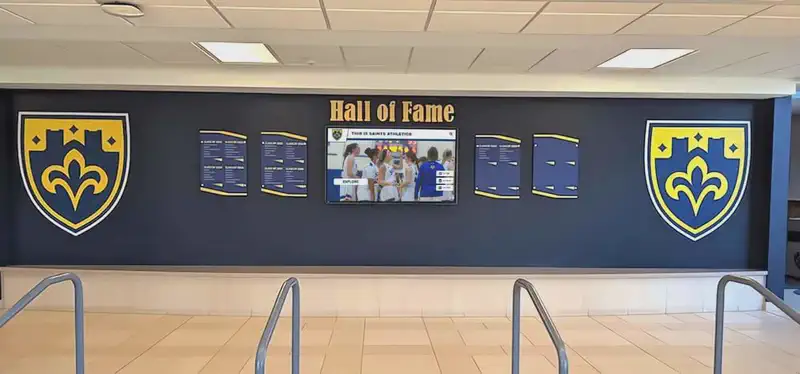
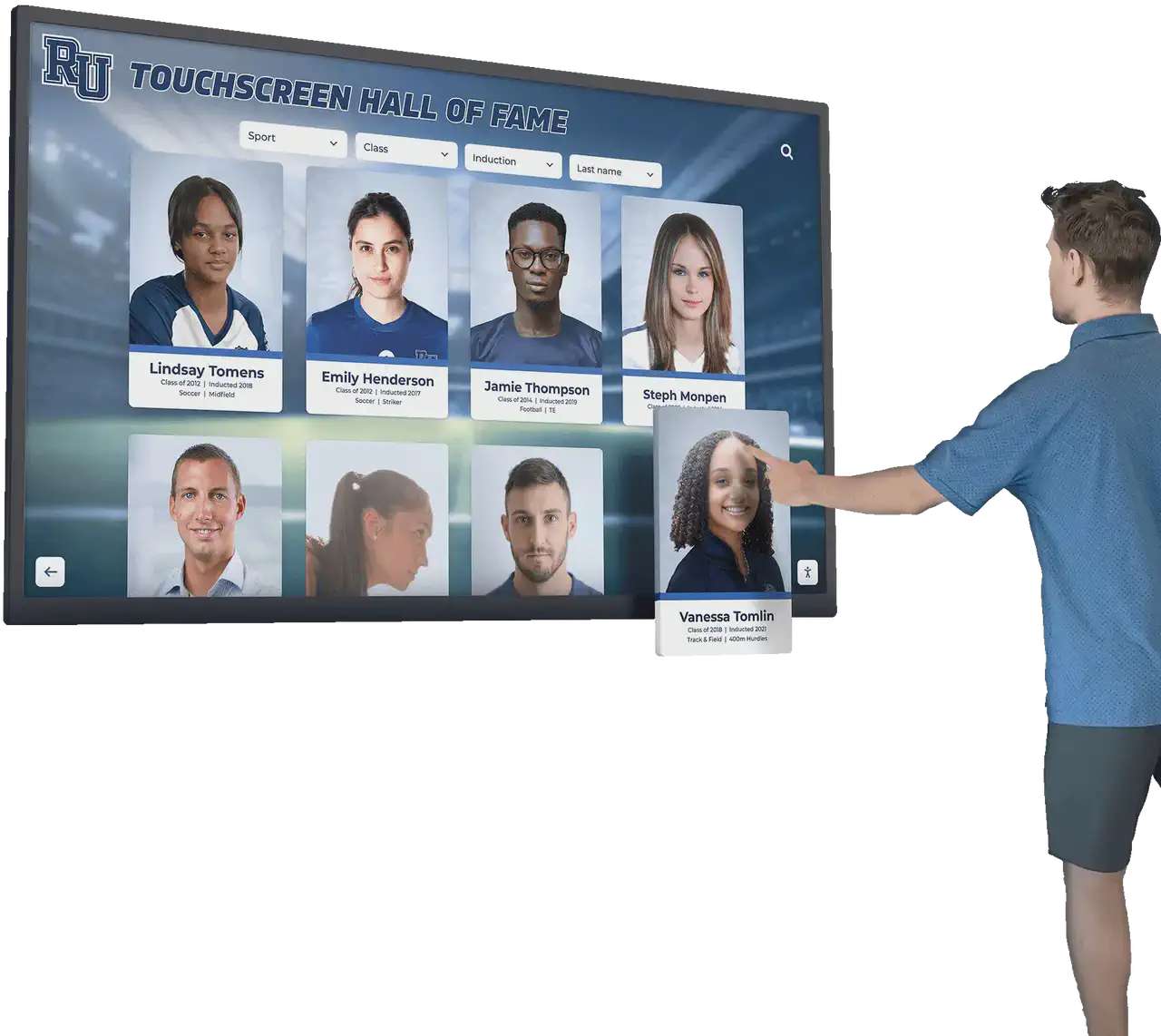
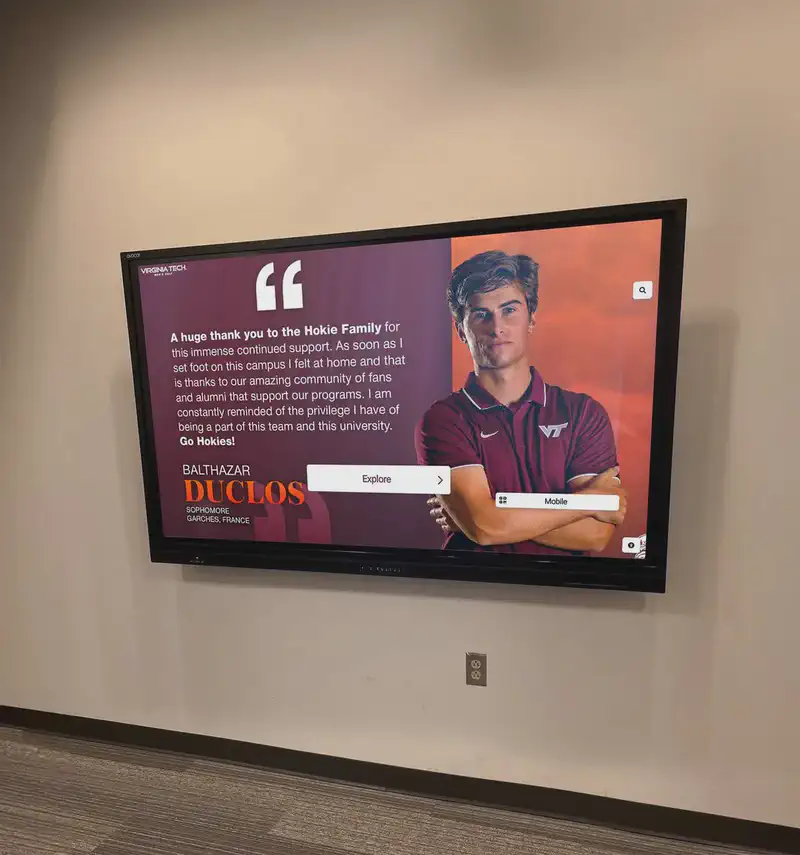
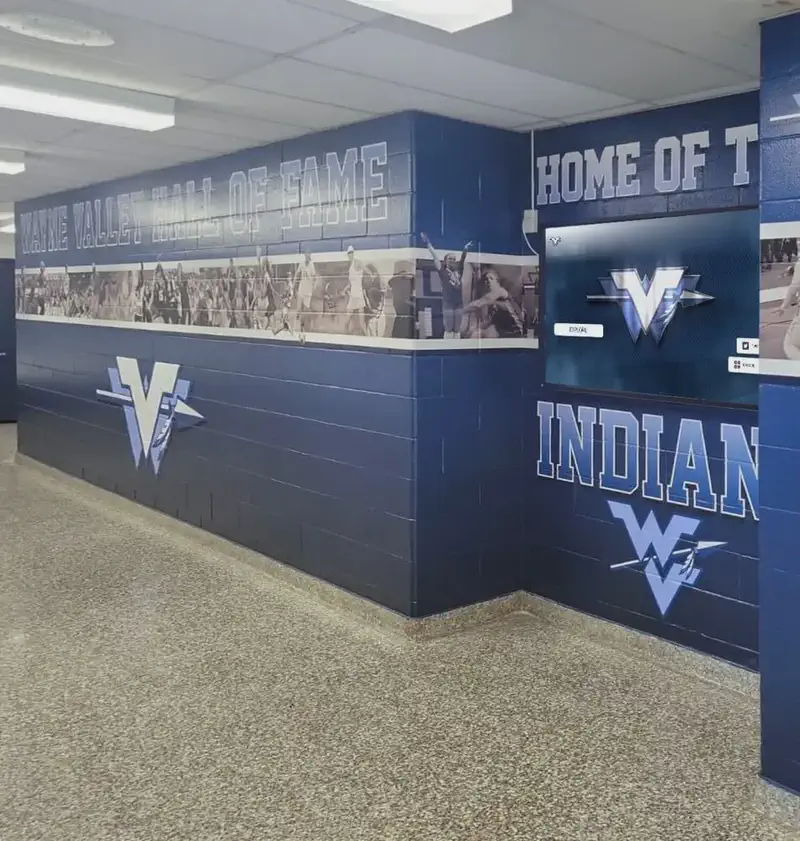
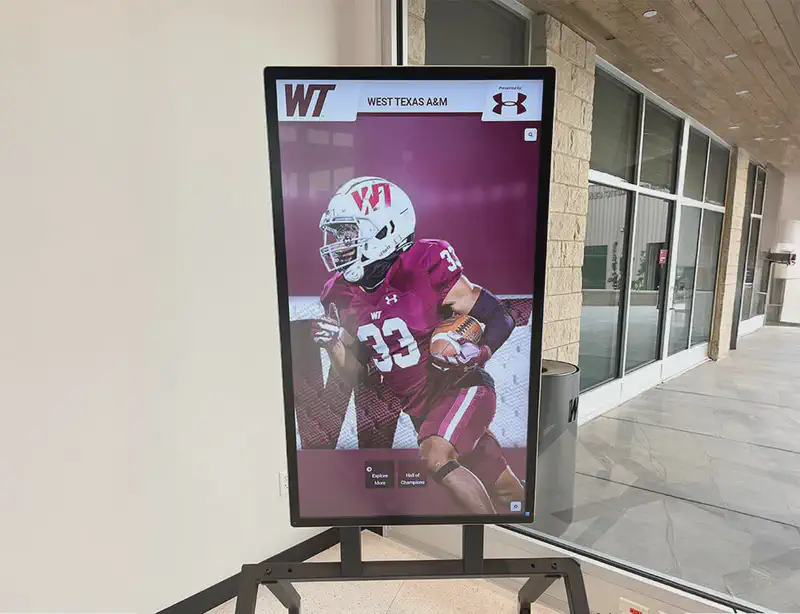
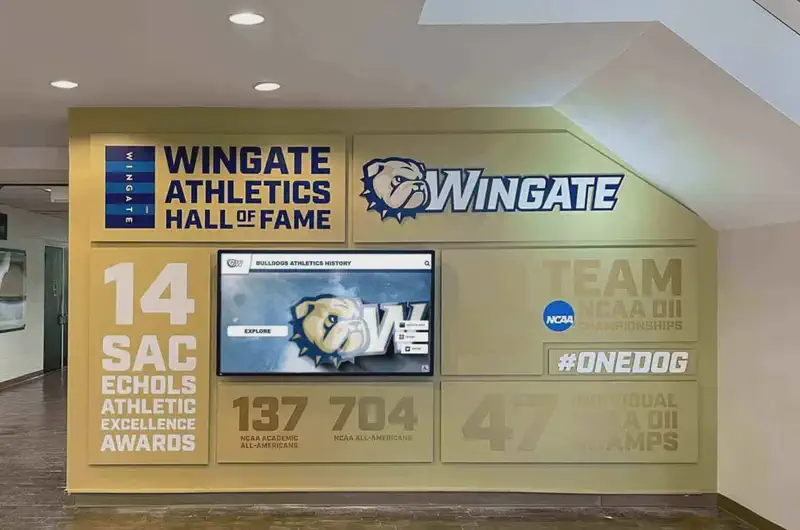
Interactive displays have revolutionized how organizations communicate information in public spaces. Unlike static signs and bulletin boards that gather dust and quickly become outdated, interactive displays capture attention, encourage exploration, and transform passive viewers into engaged participants who actively discover information relevant to their interests.
Read the guideFenway Park stands as America’s most beloved ballpark—a 112-year-old cathedral of baseball where generations of fans have witnessed legendary moments, celebrated championships, and connected with the sport’s rich heritage. The iconic venue has hosted everything from Babe Ruth’s dominance to Ted Williams’ brilliance, from Carl Yastrzemski’s heroics to David Ortiz’s clutch performances. This extraordinary history deserves recognition that matches its significance, creating experiences where visitors can explore the stadium’s legacy while connecting personally with the stories that make Fenway Park sacred ground for baseball fans worldwide.
Read the guideMadison Square Garden stands as The World’s Most Famous Arena—an iconic venue with nearly 150 years of history hosting legendary sporting events, championship moments, and unforgettable performances. From the New York Knicks’ championship glory to the Rangers’ Stanley Cup victories, from Muhammad Ali’s historic fights to countless milestone moments that shaped sports history, MSG represents the pinnacle of American sports culture. This extraordinary legacy deserves recognition technology that matches its significance, creating experiences where visitors can explore the arena’s unparalleled heritage while connecting personally with the stories that make Madison Square Garden truly legendary.
Read the guideThe U.S. Open stands as one of tennis’ four Grand Slam tournaments—a championship with a history stretching back to 1881 that has witnessed legendary champions, historic rivalries, and defining moments in tennis history. From the early dominance of Bill Tilden through the modern excellence of Serena Williams, Roger Federer, and today’s champions, the tournament has showcased the sport’s greatest athletes competing on American soil. This extraordinary legacy deserves recognition technology that matches its significance, creating experiences where visitors can explore tennis history while connecting personally with the champions and moments that have made the U.S. Open a cornerstone of professional tennis.
Read the guideThe Cardinals Hall of Fame and Museum at Ballpark Village in St. Louis represents a breakthrough in how sports organizations celebrate history and engage fans through interactive technology. This 8,000-square-foot facility combines traditional artifacts with cutting-edge touchscreen displays, allowing visitors to explore decades of Cardinals baseball history through immersive, hands-on experiences. The museum’s innovative approach offers valuable lessons for schools, universities, and athletic organizations seeking to transform their own recognition programs from static plaques into dynamic, engaging celebrations of achievement.
Read the guideFinding the best touchscreen software for Mac presents unique challenges because macOS doesn’t natively support touchscreen input like Windows does. Whether you’re setting up a kiosk in a museum, creating an interactive display for your school, or deploying public information terminals, Mac users need specialized software solutions that bridge the gap between Apple’s ecosystem and touchscreen functionality.
Read the guideDesigning touch screen experiences that truly engage users requires far more than simply making existing content tappable. Organizations investing in interactive touchscreen displays—from museums and educational institutions to corporate lobbies and public facilities—often discover that impressive hardware alone doesn’t guarantee meaningful engagement. Without thoughtful experience design addressing user needs, interaction patterns, and content strategy, even sophisticated touchscreen systems become expensive digital bulletin boards that visitors ignore.
Read the guideThe NBA has cultivated a rich tradition of honoring basketball excellence—from legendary players who defined eras to championship teams that captured the world’s imagination. As professional sports venues increasingly embrace modern technology to enhance fan experiences, digital hall of fame displays are revolutionizing how NBA organizations celebrate their heritage at arenas across the league. These interactive touchscreen systems create immersive recognition experiences that traditional static plaques and trophy cases simply cannot match, engaging millions of basketball fans while preserving the sport’s incredible legacy for future generations.
Read the guideMajor League Baseball has a rich tradition of honoring excellence—from the hallowed halls of Cooperstown to team-specific halls of fame at ballparks across the nation. As professional sports venues embrace modern technology to enhance fan experiences, digital hall of fame displays are revolutionizing how MLB organizations celebrate their legends, championship teams, and historic moments. These interactive touchscreen systems create immersive recognition experiences that traditional static plaques and trophy cases simply cannot match, engaging millions of baseball fans while preserving the sport’s incredible heritage for future generations.
Read the guideHistorical timeline touchscreen displays represent one of the most engaging and effective ways to present institutional heritage, organizational history, and educational content in museums, schools, visitor centers, and corporate environments. Unlike static plaques or printed timelines that viewers passively observe, interactive touchscreen timelines invite active exploration, enabling users to dive deeply into periods, events, and stories that interest them most while creating memorable, immersive experiences that connect audiences with the past.
Read the guideInteractive displays for courtrooms represent a transformative shift in how justice systems operate, communicate, and serve the public. From advanced evidence presentation systems that enable attorneys to display documents and multimedia with remarkable clarity, to self-service kiosks that help citizens navigate complex courthouse environments, modern display technology addresses critical challenges facing judicial facilities nationwide.
Read the guideSaratoga Race Course in Saratoga Springs, New York, stands as one of America’s most cherished sporting venues—a thoroughbred racing landmark that has hosted legendary competitions since 1863. From the prestigious Travers Stakes nicknamed the “Midsummer Derby” to the countless champion thoroughbreds who have thundered down its historic track, Saratoga has earned its place as a cornerstone of American horse racing heritage. Known affectionately as both the “August Place to Be” and the “Graveyard of Champions,” this iconic venue embodies the elegance, competition, and tradition that make thoroughbred racing captivating. This extraordinary legacy deserves recognition technology that matches its significance, creating experiences where visitors can explore racing history while connecting personally with the champions and moments that have made Saratoga legendary.
Read the guideIntent: Define — Understanding how interactive touchscreen displays revolutionize realtor agencies through 24/7 property showcasing, enhanced client engagement, and streamlined property presentations.
Read the guideLibrary touchscreens represent the convergence of modern technology and traditional library service, transforming how patrons discover resources, navigate facilities, and engage with library systems. As libraries evolve from quiet book repositories into dynamic community hubs offering diverse services—makerspaces, digital media labs, community meeting spaces, and educational programming—interactive touchscreen displays provide essential infrastructure supporting this transformation by enabling intuitive self-service, comprehensive wayfinding, and engaging information delivery that serves diverse patron populations effectively.
Read the guideModern sports venues have transformed from simple places to watch games into comprehensive entertainment destinations where fans expect immersive, technology-enhanced experiences from the moment they arrive. New fan experience centers at NFL and college football stadiums represent the evolution of this transformation, creating dedicated spaces where interactive digital displays inform, engage, and excite visitors through comprehensive information about events, stadium amenities, schedules, and future developments.
Read the guideOutlet mall interactive kiosks are transforming how shoppers navigate complex retail environments, discover stores, and access promotions in real-time. As outlet malls continue to expand—with many properties featuring 100+ stores across sprawling footprints—visitors increasingly struggle to locate specific retailers, understand layout organization, and discover deals without extensive wandering. Interactive touchscreen kiosks address these challenges by providing intuitive digital wayfinding, comprehensive store directories, live promotional information, and personalized shopping assistance that enhances customer satisfaction while driving measurable increases in tenant sales and visitor engagement.
Read the guideSAP Arena—known affectionately as “The Shark Tank”—has served as the home of the San Jose Sharks since 1993, establishing itself as one of the NHL’s most iconic and intimidating venues. Over three decades, this arena has witnessed legendary moments, celebrated championship runs, and honored exceptional athletes who’ve worn the teal and black. As professional sports venues increasingly embrace modern technology to enhance fan experiences and celebrate franchise heritage, interactive touchscreen displays from solutions like Rocket Alumni Solutions offer revolutionary opportunities to preserve history, engage visitors, and create immersive recognition experiences that traditional static plaques and trophy cases simply cannot match.
Read the guideTD Garden stands as New England’s premier sports and entertainment venue—home to two of professional sports’ most storied franchises, the Boston Bruins and Boston Celtics. Since opening in 1995, this iconic arena has witnessed championship glory, legendary performances, and unforgettable moments that have defined Boston sports culture. From the Celtics’ 18 NBA championships to the Bruins’ 6 Stanley Cup victories, TD Garden’s history deserves recognition technology that matches the significance of these achievements, creating immersive experiences where fans can explore the arena’s extraordinary heritage while connecting personally with the stories that make Boston sports truly legendary.
Read the guideSAP Center in San Jose stands as the home of the Sharks—an NHL franchise that has captured the hearts of hockey fans since 1991. From iconic players like Patrick Marleau and Joe Thornton to legendary moments like playoff runs and historic victories, the Sharks have built a rich legacy deserving recognition that matches its significance. As professional sports venues increasingly embrace modern technology to enhance fan experiences, interactive touchscreen displays offer revolutionary opportunities to celebrate franchise history while creating immersive recognition experiences that traditional static plaques simply cannot match.
Read the guideTouchscreen technology has fundamentally transformed how humans interact with computers, phones, and digital displays over the past six decades. From E.A. Johnson’s pioneering capacitive touchscreen at the Royal Radar Establishment in 1965 to the ubiquitous smartphones and interactive kiosks of 2026, touchscreens have evolved from specialized military equipment to everyday technology used by billions worldwide.
Read the guideMuseum kiosks have evolved from simple information terminals into sophisticated interactive exhibits that engage visitors, enhance educational experiences, and bring collections to life through multimedia storytelling. In 2026, these touchscreen displays serve as essential tools for museums seeking to modernize visitor experiences, accommodate diverse learning styles, provide accessible information on demand, and create memorable interactions with exhibits and artifacts.
Read the guideTouchscreen augmented reality displays represent the next evolution in interactive recognition technology, combining physical touch interfaces with digital overlays that enhance visitor experiences in educational institutions, nonprofit organizations, and cultural venues. These systems merge the intuitive interaction of touchscreens with the immersive capabilities of augmented reality, creating recognition experiences that engage visitors while celebrating donors, alumni, and community members in ways traditional plaques cannot match.
Read the guideIntent: Define and decide which free touchscreen kiosk app and fully locked-down browser solution best fits your organization’s interactive display needs—whether for donor recognition, public information kiosks, or self-service terminals.
Read the guideTouchscreen software has fundamentally transformed how organizations present information, engage audiences, and create memorable interactive experiences across educational institutions, museums, corporate environments, and public spaces. As the global interactive kiosk market approaches $32.8 billion in 2026 according to industry projections, organizations face expanding options for creating touchscreen experiences—from simple digital signage to sophisticated multi-user interactive applications supporting complex navigation, multimedia content, and personalized user journeys.
Read the guide**Touchscreen technology has become ubiquitous in modern computing environments**, from interactive kiosks and digital signage to educational displays and industrial control systems. Behind every smooth touch interaction lies sophisticated driver software that translates physical touch into digital commands. Organizations implementing touchscreen solutions often encounter challenges with hardware compatibility, multi-platform support, and advanced gesture recognition. Legacy touch devices may lack native operating system support, while modern multi-touch displays require specialized software to unlock their full potential.
Read the guideMuseums and galleries face a fundamental challenge in the digital age: how do you make historical artifacts, artistic masterpieces, and archival materials engaging for audiences accustomed to smartphones, tablets, and instant digital access? Traditional static displays—object behind glass, placard with description—no longer satisfy visitor expectations for interaction, deeper context, and personalized exploration.
Read the guide