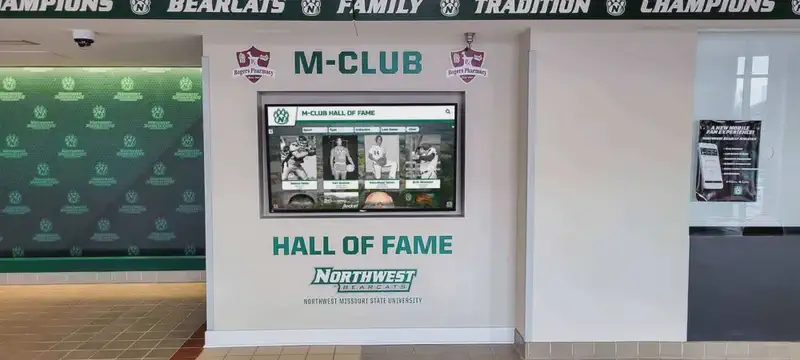
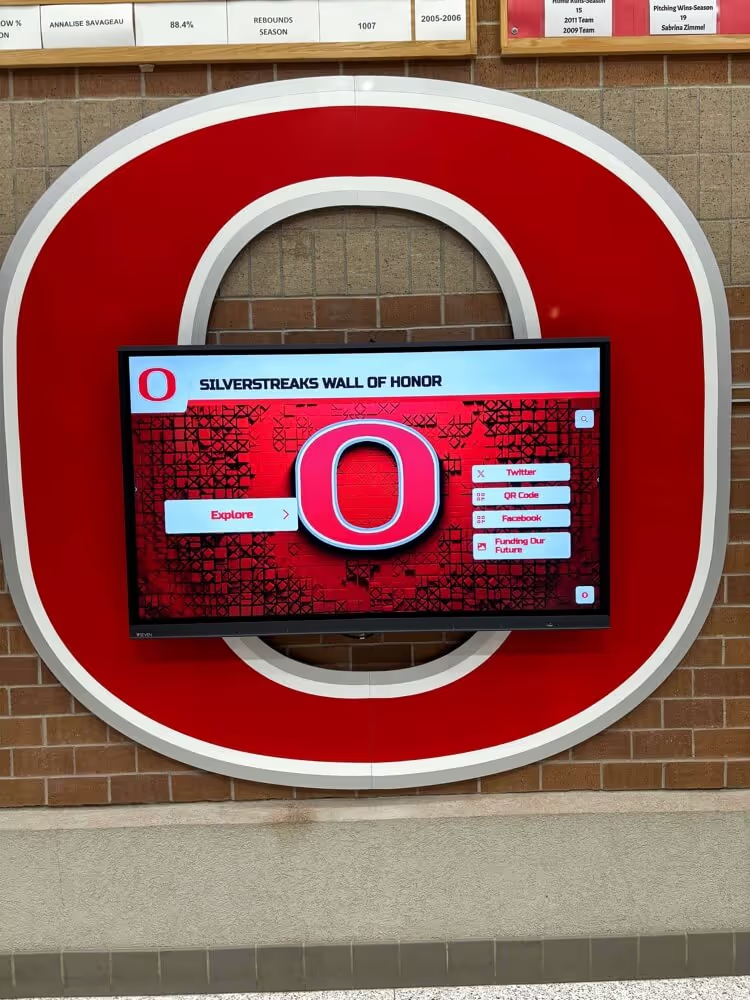
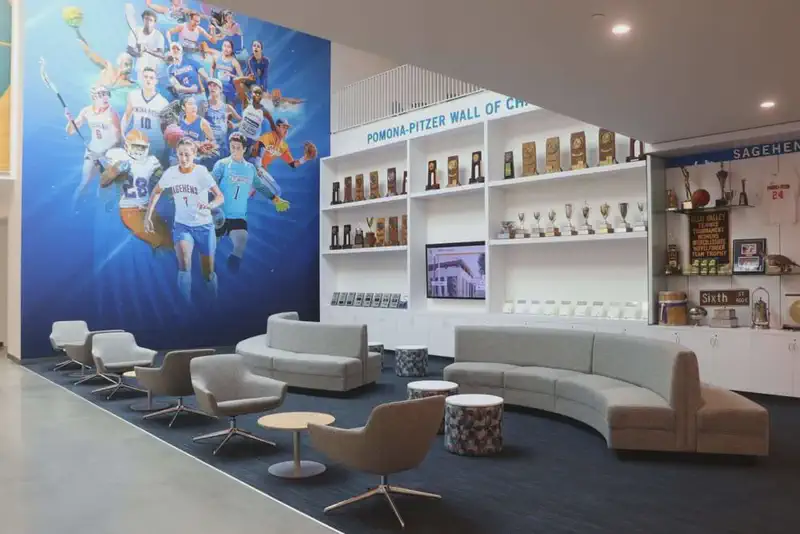
Cheer booster clubs do far more than sell concessions and cheer from the bleachers—they fund uniforms, cover travel, and create the recognition culture that keeps athletes motivated year after year. Yet many cheer programs leave significant fundraising potential untapped because they treat each event as a one-off drive rather than building a connected system that honors sponsors, celebrates donors, and generates lasting community investment. The right cheer booster club fundraising ideas combine revenue generation with visible, durable recognition that turns one-time givers into long-term program champions.
Read the guideRunning a school athletics program without a reliable fundraising strategy is like fielding a team without a playbook. Equipment breaks, travel budgets tighten, and facility improvements get deferred year after year. The programs that stay ahead are not necessarily the ones with the deepest community pockets—they are the ones that match the right team fundraiser ideas to their audience, execute on recognition, and build the kind of campaign momentum that makes donors and sponsors want to come back next season.
Read the guideEvery spring, athletic directors face a familiar tension: the gym needs revenue, local businesses want visibility, and somewhere between the first vinyl banner order and the fifth season in a row of patchwork signage, the space starts looking less like an athletic facility and more like a highway billboard exit. Athletic sponsorship programs that rely entirely on physical signage produce diminishing returns—sponsors who paid for prominence end up lost in a wall of competing logos, and schools find themselves navigating awkward conversations about renewal.
Read the guideEvery high school athletic program depends on a community that shows up—not just in the stands on game night, but throughout the year when equipment needs replacing, uniforms need updating, and travel budgets run short. Booster club fundraisers are the engine that keeps those programs running, and the difference between a booster club that scrapes by and one that thrives often comes down to a handful of high-impact ideas executed with consistency and community buy-in.
Read the guideEvery Friday night under the lights, successful booster clubs generate thousands of dollars in revenue selling the right combination of crowd-pleasing foods at concession stands. But the difference between concession stands that barely cover costs and those that fund new uniforms, equipment upgrades, and facility improvements comes down to strategic menu planning—choosing foods that deliver maximum profit margins while satisfying hungry crowds who return game after game.
Read the guideGolf tournament fundraisers consistently rank among the most profitable events booster clubs and athletic departments can organize, regularly generating $25,000-$75,000 or more in net revenue from a single day. The combination of corporate sponsorship opportunities, individual participation fees, auction components, and community engagement creates multiple revenue streams that few other fundraising approaches can match.
Read the guideAthletic directors and coaches face mounting pressure to deliver competitive programs while working within tight institutional budgets. Equipment costs rise annually, travel expenses expand as programs pursue quality competition, facility improvements require substantial capital, and technology needs continue growing. Most school districts simply cannot fund the full scope of what modern athletic programs require to remain competitive and provide quality student-athlete experiences.
Read the guideSchool athletic programs across the country face a persistent challenge: institutional budgets rarely cover the full cost of competitive sports. Equipment, uniforms, facility improvements, travel expenses, coaching supplements, and countless other necessities often exceed what schools can provide through regular funding allocations. This gap between what athletic departments need and what school budgets provide creates a critical problem affecting hundreds of thousands of student-athletes annually.
Read the guide