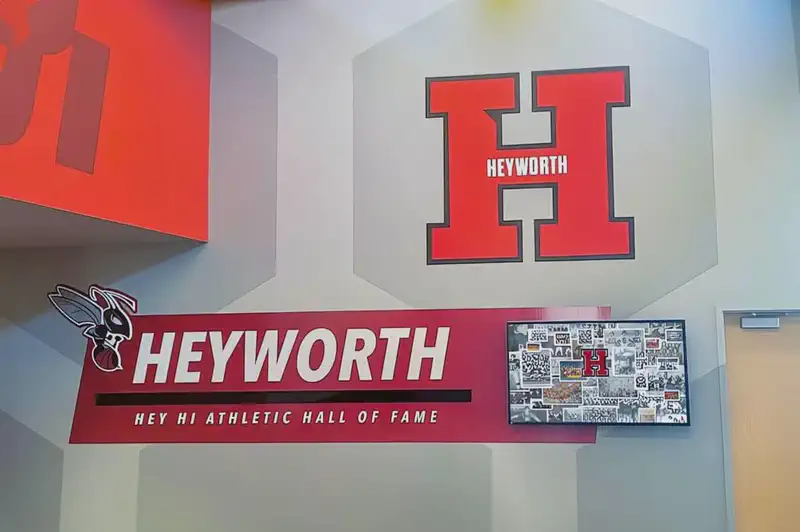
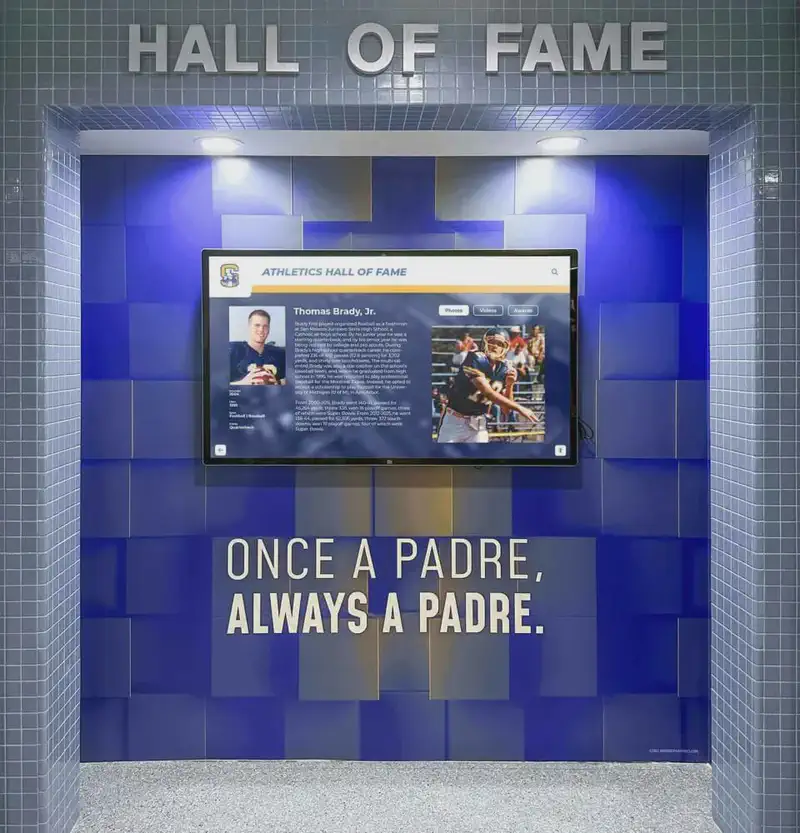
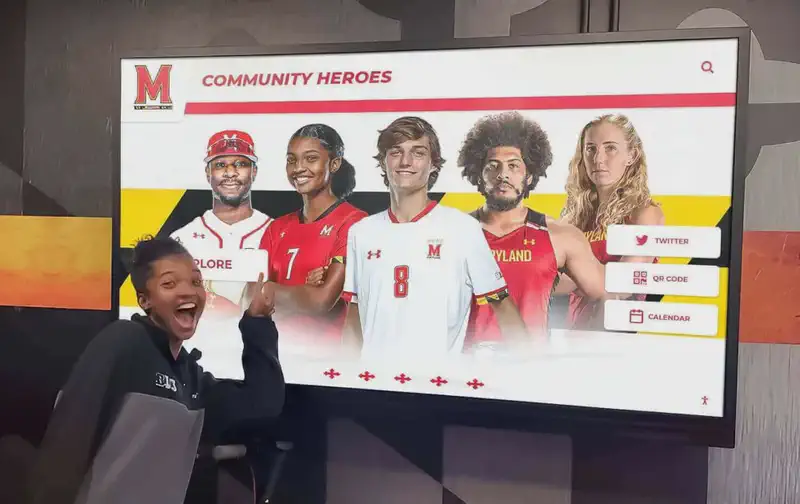
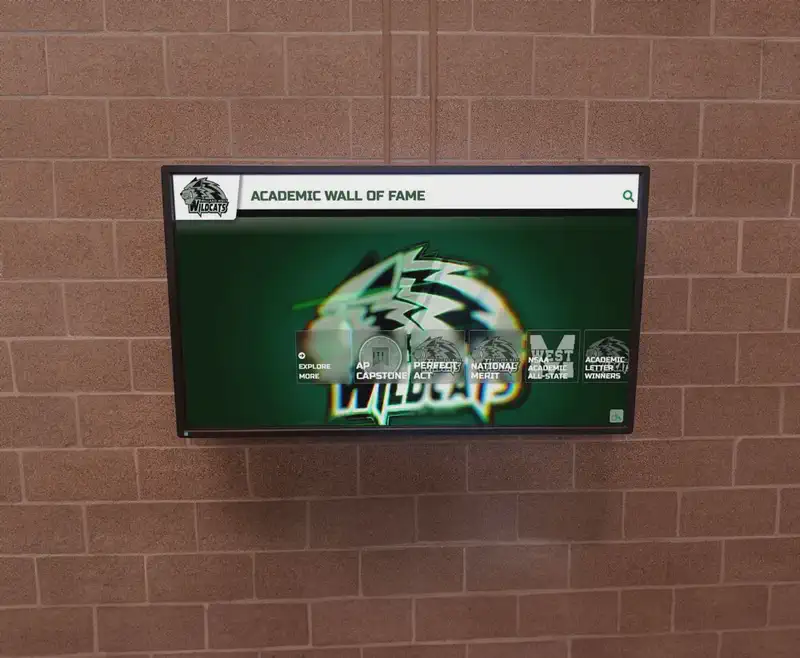
Memorial & Tribute Gift Donor Recognition
Intent: demonstrate
Memorial and tribute giving is emotionally significant—and recognition needs to be careful, consistent, and consent-aware. Use the templates below to acknowledge the donor, respect the honoree, and present tribute recognition cleanly on a digital donor wall.
When to Use This
- You receive “in memory of” or “in honor of” gifts year-round
- Your organization hosts memorial funds, tribute pages, or remembrance events
- You want a donor wall section that treats tribute recognition with dignity (and avoids formatting chaos)
Memorial/tribute acknowledgement (copy artifact)
SUBJECT: With gratitude for your tribute gift

Dear [Donor First Name],

Thank you for your gift of $[Amount] to [Organization] in [memory of / honor of] [Honoree Name]. We are grateful for your generosity and for the meaningful tribute you are making.

Your gift supports [impact statement] and helps [community served] through [program/service].

If you would like, we can recognize this tribute publicly in our donor recognition listings. Our standard public format is:
  “In [memory of / honor of] [Honoree Name]”

If you prefer that the honoree not be named publicly, please reply and we will list the gift without the honoree reference.

With appreciation,
[Signature]
[Name], [Title]
Donor wall section copy + listing rules
- Section title: “Memorial & Tribute Gifts”
- Standard labels: Only “In Memory Of” and “In Honor Of” (no ad hoc variations).
- Consent: If the honoree is living, confirm permission before public display.
- Character limits: Set a max length for honoree names and notes; keep the wall readable.
- Avoid duplication: Decide whether you list the donor, the honoree, or both—and do it the same way every time.
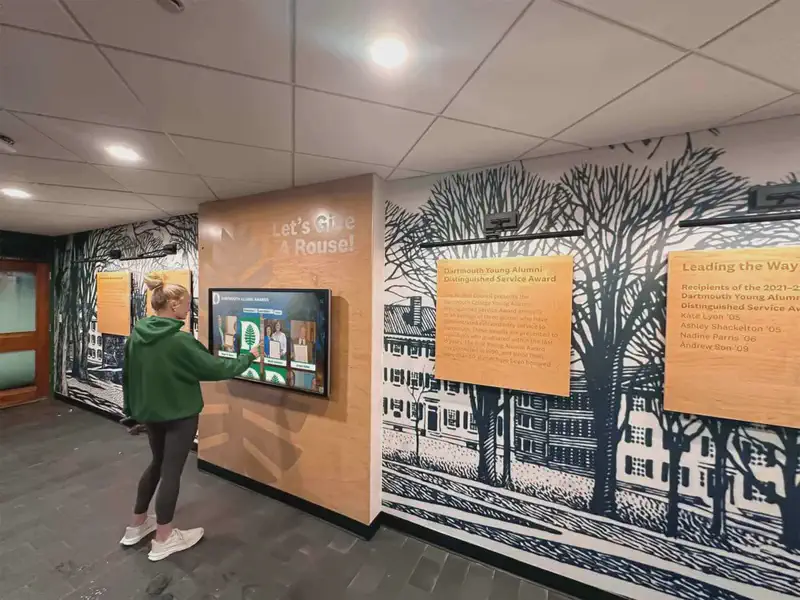
DonorsWall implementation notes (make tribute recognition feel dignified)
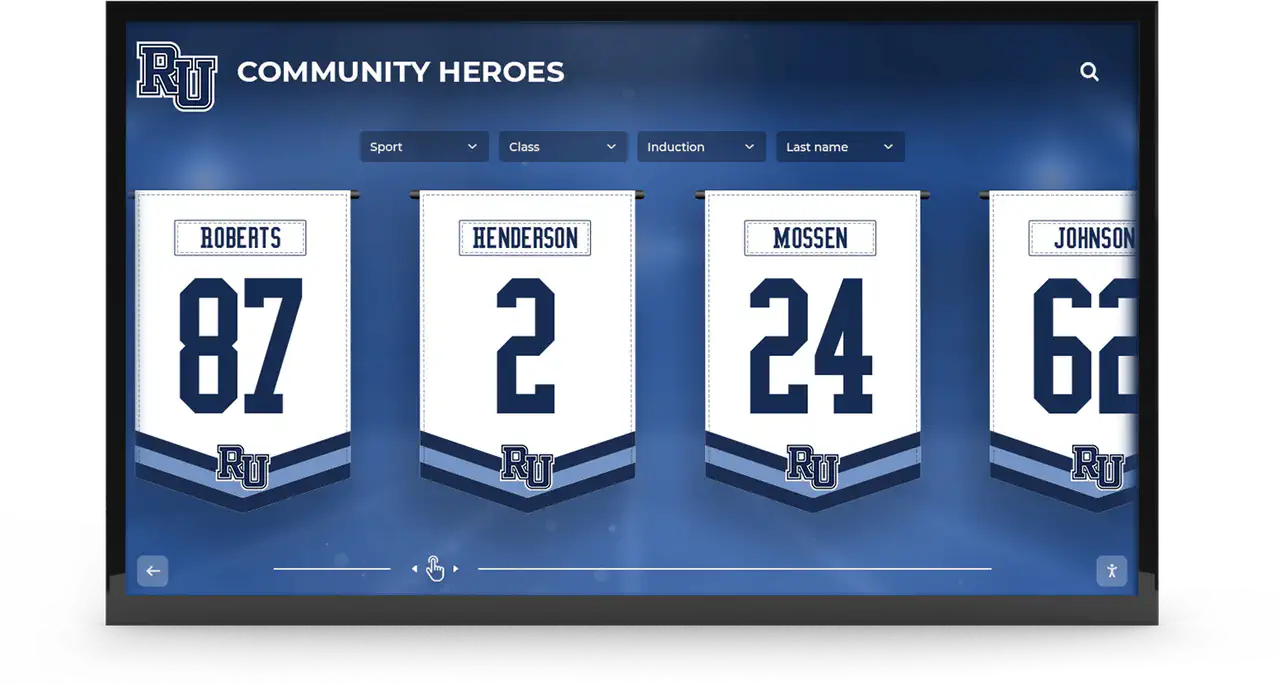
- Create a dedicated Memorial & Tribute category with consistent label styling.
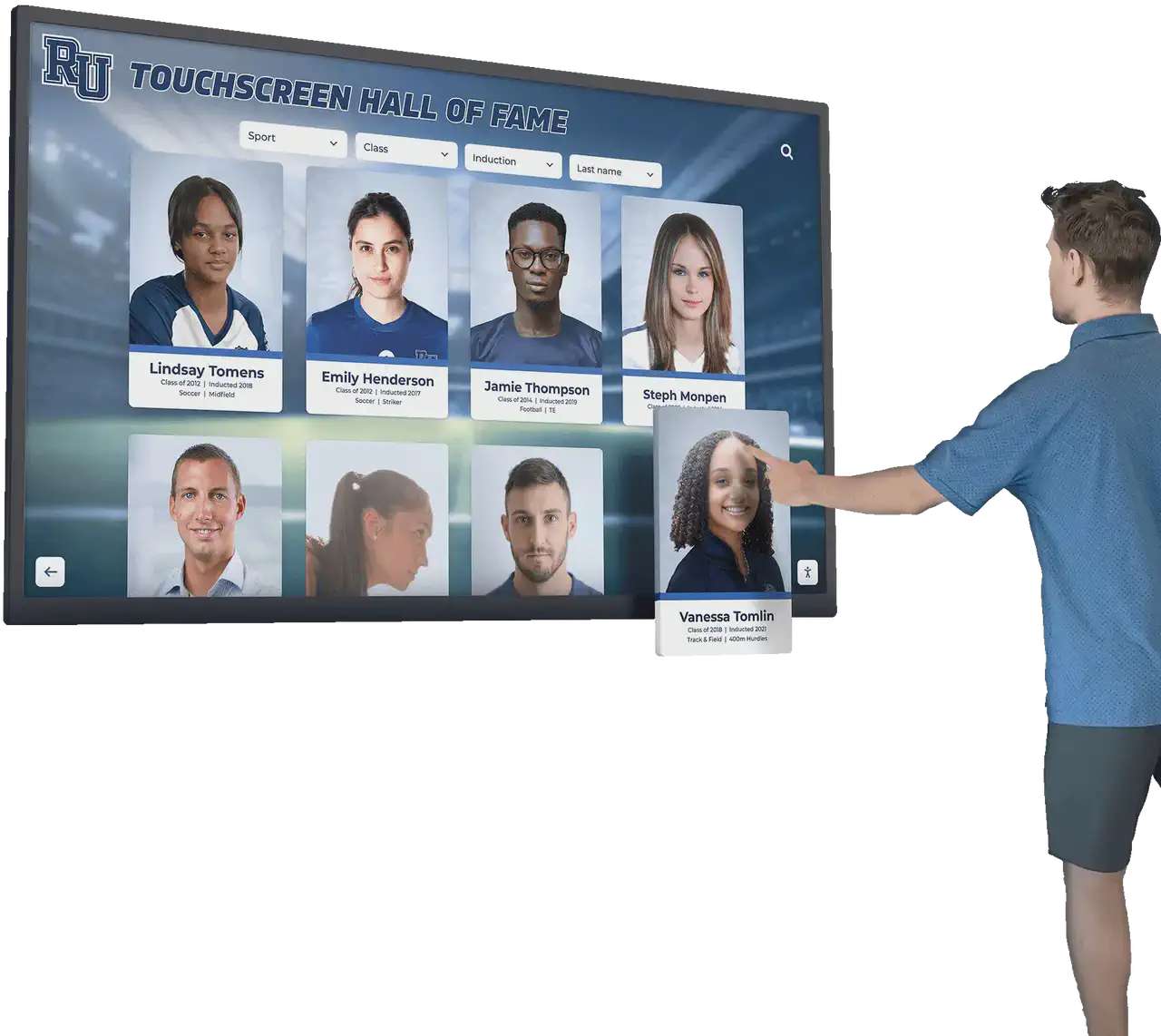
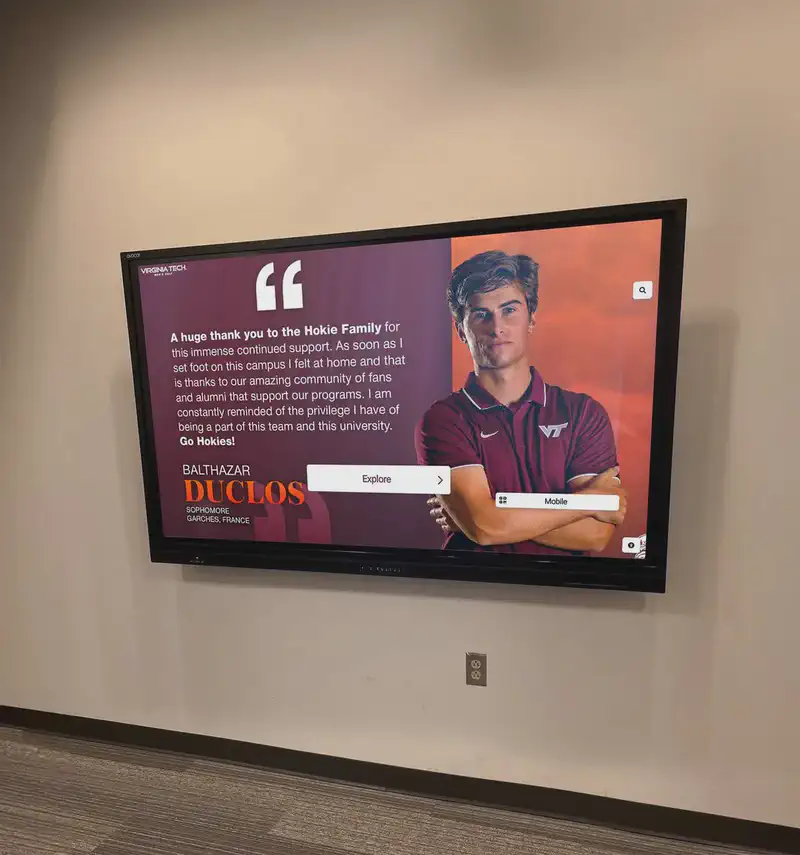
- Add optional photo + story cards (with explicit permission) for remembrance campaigns.
- Use remote content management so corrections don’t require reprints.
- Maintain ADA WCAG 2.1 AA readability and navigation so all visitors can engage.
Next step
- Request a DonorsWall storyboard
- Book a donor wall planning call
- Explore Rocket’s donor wall platform: Digital donor wall